
Base Camp Trekking in Nepal: Complete Guide to 12 Epic Routes
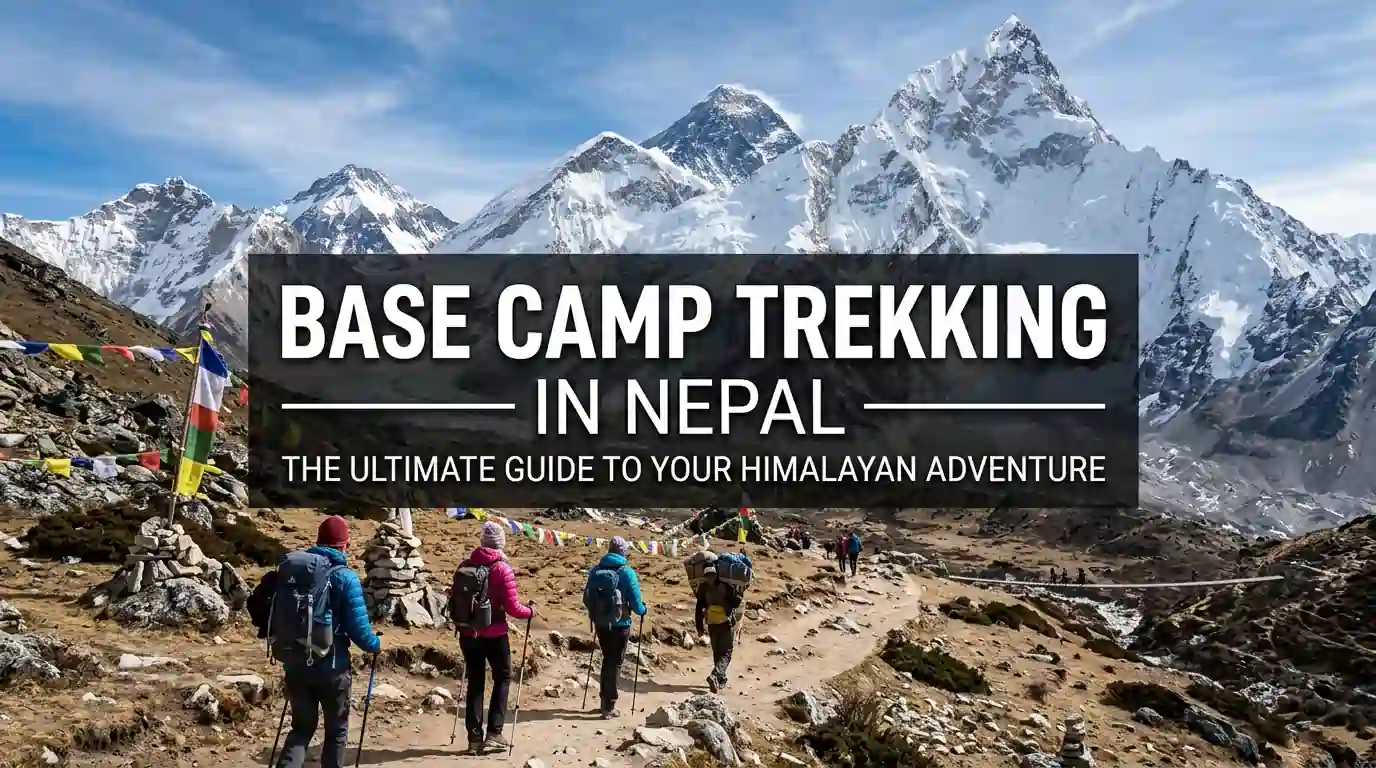
Standing at 5,364 meters with the Khumbu Icefall groaning below and Everest’s summit pyramid catching first light, this is the moment that draws thousands of trekkers to Nepal each year. Yet Everest Base Camp represents just one of a dozen remarkable base camp treks scattered across the Himalayan range, each offering distinct landscapes, cultural encounters, and challenge levels.
In this guide to base camp trekking in Nepal, we cover all 12 major base camp options with duration, elevation, difficulty ratings, permit requirements, and cost breakdowns from $800 to $2,000+. Whether you’re weighing the iconic EBC route against quieter alternatives or trying to match your fitness and schedule to the right trail, you’ll find the gear and preparation details that separate a successful trek from a struggle.
Whether you’re weighing the iconic EBC route against quieter alternatives or exploring trekking in Nepal for beginners to match your fitness and schedule to the right trail, this guide covers all 12 major base camp options with duration, elevation, difficulty ratings, permit requirements, cost breakdowns, and gear essentials.
What is Base Camp Trekking in Nepal?
Base camp trekking in Nepal is multi-day hiking to staging areas at the foot of the Himalayas’ highest peaks, where mountaineers prepare for summit attempts. These routes range from 5 to 25+ days, reaching elevations between 4,000 and 5,500+ meters through diverse landscapes and cultural villages. Costs typically range from $800 for shorter Annapurna treks to $2,000+ for extended Everest region journeys with guided teahouse accommodation.
Nepal hosts base camps beneath eight of the world’s fourteen 8,000-meter peaks. Treks range from 7 days for shorter Annapurna options to 25+ days for remote circuits like Kanchenjunga. Along the way, you’ll walk through Sherpa, Tamang, and Gurung villages, pass Buddhist monasteries, and watch landscapes shift from subtropical forest to glacial moraine.
12 Best Base Camp Treks in Nepal
Nepal’s base camp treks span the full spectrum, from accessible week-long routes perfect for first-timers to month-long expeditions into remote corners where you’ll trek for days without seeing another soul. Popular trails like Everest and Annapurna draw thousands during peak season, while alternatives like Makalu or Kanchenjunga offer near-total solitude even in October and November. Whether you have 5 days or 25, prefer bustling teahouse trails or wilderness camping, adventure trekking in Nepal offers a base camp trek that matches your experience level and adventure style.
1. Everest Base Camp Trek
The flagship Nepal trekking experience takes you through the Khumbu region to the foot of the world’s highest peak at 8,849 meters. This Everest base camp trek takes 12 to 14 days and reaches its highest point at Kala Patthar viewpoint (5,545m), offering unmatched views of Everest’s summit pyramid. Along the way, you’ll pass through iconic Sherpa villages like Namche Bazaar, visit the famous Tengboche Monastery, and experience the raw beauty of the high Himalayas. The route combines cultural immersion with dramatic mountain scenery that has drawn trekkers from around the world for decades.
- Duration: 12 to 14 days
- Max elevation: 5,545m (Kala Patthar)
- Difficulty: Challenging
- Best for: First-time Himalayan trekkers seeking the iconic experience
2. Annapurna Base Camp Trek
The most popular alternative to EBC offers a shorter duration and lower maximum elevation while delivering equally dramatic mountain scenery. This 7 to 12 day Annapurna base camp trek reaches 4,130 meters in a glacial sanctuary completely surrounded by towering peaks including Annapurna I (8,091m), the sacred Machapuchare (Fishtail), and Hiunchuli. The amphitheater setting creates an intimate mountain experience where you’re encircled by some of the world’s highest summits. The trek passes through diverse landscapes from subtropical forests to alpine meadows and traditional Gurung villages.
- Duration: 7 to 12 days
- Max elevation: 4,130m
- Difficulty: Moderate
- Best for: Trekkers with limited time or those seeking a less demanding introduction to high altitude
3. Manaslu Base Camp Trek
This remote 14 to 18 day circuit requires a restricted area permit and delivers a raw Himalayan experience with far fewer trekkers than the Everest or Annapurna regions. The route circles the world’s eighth highest peak (8,163m) and crosses the challenging Larkya La Pass at 5,160 meters. You’ll trek through villages with strong Tibetan Buddhist influence, passing ancient monasteries and mani walls while experiencing authentic mountain culture. The combination of dramatic landscapes, cultural richness, and relative solitude makes this one of Nepal’s most rewarding treks.
- Duration: 14 to 18 days
- Max elevation: 5,160m (Larkya La Pass)
- Difficulty: Challenging
- Best for: Experienced trekkers seeking solitude and cultural depth
4. Mardi Himal Base Camp Trek
An emerging shorter option in the Annapurna region, Mardi Himal Trek has gained popularity for stunning Machapuchare (Fishtail) views and relatively uncrowded trails. This 5 to 7 day route works perfectly for trekkers with limited vacation time who still want an authentic Himalayan experience. The trail climbs through rhododendron forests and alpine meadows to reach the base camp at 4,500 meters with close-up views of Machapuchare’s distinctive peak. Despite its shorter duration, the trek delivers impressive mountain panoramas and a genuine sense of wilderness.
- Duration: 5 to 7 days
- Max elevation: 4,500m
- Difficulty: Moderate
- Best for: Time-constrained trekkers seeking off-the-beaten-path scenery
5. Langtang Valley Trek
The closest base camp region to Kathmandu, Langtang valley trek offers a 7 to 10 day trek through the “valley of glaciers” with rich Tamang heritage villages. The route provides stunning views of Langtang Lirung (7,227m) and surrounding peaks while passing through traditional settlements that showcase unique Tibetan-influenced culture. You’ll climb to Kyanjin Ri at 4,984 meters for panoramic mountain views across the Langtang range. The accessibility from Kathmandu combined with dramatic scenery and cultural experiences makes this an excellent choice for trekkers with limited time.
- Duration: 7 to 10 days
- Max elevation: 4,984m (Kyanjin Ri)
- Difficulty: Moderate
- Best for: Trekkers wanting accessibility and cultural immersion close to Kathmandu
6. Makalu Base Camp Trek
This remote eastern Nepal trek takes 18 to 20 days to reach the base of the world’s fifth highest peak at 8,485 meters. The route traverses some of Nepal’s most pristine wilderness, passing through the Makalu Barun National Park with its incredible biodiversity. Fewer teahouses along the trail mean you’ll need to be more self-sufficient and prepared for basic camping conditions in some sections. The trek rewards adventurous spirits with genuine solitude, untouched landscapes, and views of Makalu’s distinctive pyramid shape.
- Duration: 18 to 20 days
- Max elevation: 5,009m
- Difficulty: Very challenging
- Best for: Experienced trekkers seeking genuine solitude
7. Kanchenjunga Base Camp Trek
Nepal’s far eastern corner hosts the third highest peak on Earth at 8,586 meters, accessible via a 20 to 25 day trek requiring restricted area permits. The route offers options to visit both the north and south base camps, each providing unique perspectives of this massive mountain. You’ll trek through remote villages where traditional lifestyles remain largely unchanged, crossing high passes and experiencing diverse ecosystems from subtropical forests to alpine zones. The length and remoteness of this trek ensure an authentic wilderness experience far from the crowds of more popular routes.
- Duration: 20 to 25 days
- Max elevation: 5,143m
- Difficulty: Very challenging
- Best for: Committed adventurers with extensive trekking experience
8. Dhaulagiri Base Camp Trek
Technical and demanding, this 18 to 20 day route involves glacier crossings and exploration of French Pass and Hidden Valley beneath the world’s seventh highest peak (8,167m). Camping is required for portions of the trek due to the absence of permanent settlements at higher elevations. The route demands good physical fitness and some technical skills for navigating glaciated terrain and high passes. You’ll experience raw Himalayan wilderness with dramatic ice formations, hidden valleys, and close-up views of Dhaulagiri’s massive south face.
- Duration: 18 to 20 days
- Max elevation: 5,360m
- Difficulty: Very challenging
- Best for: Experienced trekkers comfortable with technical terrain
9. Gokyo Lakes and EBC Trek
This extended Everest region itinerary combines the turquoise Gokyo Lakes with the classic EBC route via the challenging Cho La Pass. The 16 to 18 day journey offers two major viewpoints at Gokyo Ri and Kala Patthar, both reaching above 5,500 meters with spectacular Everest panoramas. You’ll experience the best of the Khumbu region including pristine glacial lakes, the Ngozumpa Glacier (Nepal’s longest), and the traditional EBC trail. The route requires good fitness and acclimatization but rewards trekkers with the most comprehensive Everest region experience available.
- Duration: 16 to 18 days
- Max elevation: 5,545m
- Difficulty: Challenging
- Best for: Trekkers with extra time who want the complete Khumbu experience
10. Khopra Ridge Trek
An off-the-beaten-path Annapurna alternative, Khopra Ridge features community-managed lodges, fewer crowds, and panoramic Dhaulagiri and Annapurna views. This 7 to 9 day trek follows a less-traveled route that supports local communities through sustainable tourism initiatives. The ridge offers unique perspectives of the Annapurna and Dhaulagiri ranges without the crowds found on more popular trails. You’ll stay in community lodges that provide authentic cultural experiences while directly benefiting local villages.
- Duration: 7 to 9 days
- Max elevation: 3,660m
- Difficulty: Moderate
- Best for: Trekkers seeking Annapurna views without ABC crowds
11. Tilicho Lake Trek
One of the world’s highest lakes sits at 4,919 meters, accessible as a side trip from the Annapurna Circuit or as a standalone 12 to 14 day trek. The glacial lake stretches across a barren high-altitude landscape surrounded by the peaks of the Annapurna range and Tilicho Peak itself. The route combines the cultural richness of the Annapurna Circuit with the unique destination of this stunning turquoise lake. Reaching Tilicho requires good acclimatization and involves some exposed trail sections, but the otherworldly beauty of the lake makes the effort worthwhile.
- Duration: 12 to 14 days
- Max elevation: 4,919m
- Difficulty: Challenging
- Best for: Trekkers drawn to unique high-altitude lake destinations
12. Island Peak Base Camp Trek
This route combines the classic EBC trek with a technical 6,189-meter climbing peak, offering trekkers their first taste of Himalayan mountaineering. The journey follows the standard Everest Base Camp trail before branching off toward Island Peak (Imja Tse) base camp. Summit day requires crampons, ice axes, and roped travel skills as you navigate crevassed glaciers and a steep headwall to reach the top. The 16 to 18 day itinerary includes proper acclimatization and basic mountaineering training, making it an ideal stepping stone for aspiring climbers.
- Duration: 16 to 18 days
- Max elevation: 6,189m
- Difficulty: Very challenging (technical climbing)
- Best for: Aspiring mountaineers seeking their first Himalayan summit
How to Choose the Right Nepal Base Camp Trek?
You can choose the right Nepal base camp trek by honestly assessing your fitness level, available vacation time, and preference for solitude versus popular trails. Match shorter routes like Mardi Himal or Annapurna Base Camp to limited schedules and moderate fitness, while longer expeditions like Kanchenjunga or Makalu suit experienced trekkers with 20+ days available. Consider whether you prefer well-established teahouse trails with fellow trekkers or remote wilderness routes where you’ll encounter few other people.
1. By Fitness Level and Experience
Beginners with solid hiking backgrounds but no high-altitude experience typically do well on Mardi Himal, Langtang Valley, or the shorter Annapurna Base Camp routes. Intermediate trekkers who’ve completed multi-day backpacking trips can tackle classic EBC, full ABC, or Khopra Ridge. Advanced trekkers with prior high-altitude experience can consider Manaslu Circuit, Kanchenjunga, Makalu, or Dhaulagiri.
2. By Available Time and Budget
- Under 10 days: Mardi Himal, short ABC
- 10–14 days: Classic EBC, standard ABC
- 15–20 days: Manaslu Circuit, Gokyo-EBC combination
- 20+ days: Kanchenjunga, Makalu, Dhaulagiri
Longer remote treks generally cost more due to restricted area permits, camping logistics, and extended guide services.
3. By Crowd Preference and Season
Peak season runs from October to November and March to May, when popular routes like Everest Base Camp and Annapurna Base Camp see heavy foot traffic and crowded teahouses. If you prefer quieter trails with fewer trekkers, consider alternatives like Manaslu Circuit, Makalu Base Camp, or Mardi Himal. These routes remain relatively uncrowded even during peak months, offering solitude and authentic wilderness experiences. Timing your trek during shoulder seasons can also reduce crowds on more popular trails.
Nepal Base Camp Trek Comparison Chart
This comparison chart breaks down the essential details for Nepal’s major base camp treks, helping you quickly match routes to your available time, fitness level, and preferred trekking season. Use it to compare duration, maximum elevation, difficulty ratings, and optimal timing across eight popular options.
| Trek Name | Duration | Max Elevation | Difficulty | Best Season |
| Everest Base Camp | 12–14 days | 5,545m | Challenging | Oct–Nov, Mar–May |
| Annapurna Base Camp | 7–12 days | 4,130m | Moderate | Oct–Nov, Mar–May |
| Manaslu Circuit | 14–18 days | 5,160m | Challenging | Oct–Nov, Mar–May |
| Mardi Himal | 5–7 days | 4,500m | Moderate | Oct–Nov, Mar–May |
| Langtang Valley | 7–10 days | 4,984m | Moderate | Oct–Nov, Mar–May |
| Makalu Base Camp | 18–20 days | 5,009m | Very Challenging | Oct–Nov, Apr–May |
| Kanchenjunga | 20–25 days | 5,143m | Very Challenging | Oct–Nov, Apr–May |
| Gokyo + EBC | 16–18 days | 5,545m | Challenging | Oct–Nov, Mar–May |
Best Time For Base Camp Trekking in Nepal
Weather patterns in the Himalayas create distinct trekking windows that directly impact your safety, comfort, and mountain views. The two main trekking seasons (spring and autumn) offer stable conditions and clear skies, while winter and monsoon periods present significant challenges. Understanding these seasonal differences helps you choose the best time for your base camp adventure and set realistic expectations for trail conditions.
1. Spring Trekking Season
March through May brings warming temperatures and spectacular rhododendron blooms that paint lower elevation forests in vibrant reds and pinks. This season is perfect for spring treks in Nepal and coincides with Everest climbing expeditions, adding energy and activity to base camp areas in the Khumbu region. Morning views typically remain crystal clear, though afternoon clouds can roll in at higher elevations. The warming trend makes spring ideal for trekkers who prefer milder temperatures, though trails become busier as the season progresses toward May.
2. Autumn Trekking Season
September through November delivers the most stable weather patterns and clearest mountain visibility of the entire year, making it peak trekking season across Nepal. Post-monsoon conditions leave the air exceptionally clear and landscapes freshly washed and vibrant green. The comfortable temperatures and reliable weather create perfect trekking conditions, but popularity means crowded trails and fully booked teahouses on routes like Everest Base Camp and Annapurna Base Camp. Book accommodations well in advance if you’re planning an autumn trek on popular routes.
3. Winter and Monsoon Conditions
December through February brings harsh cold at altitude with temperatures dropping well below freezing, and some high passes like Thorong La or Larkya La may close due to heavy snow. Teahouses at higher elevations often shut down for winter, limiting route options. June through August monsoon treks in Nepal means daily afternoon rain, slippery trails, leeches in lower forests, and persistent clouds that obscure mountain views. While a few trekkers brave these off-seasons for solitude and lower costs, the challenging conditions make spring and autumn far more suitable for most base camp treks.
How Much Does Everest and Annapurna Base Camp Trekking Cost?
Everest Base Camp trekking costs range from $1,000 to $2,000+ depending on service level, while Annapurna Base Camp runs $800 to $1,400 for similar packages. Budget options include basic teahouses and shared services, while mid-range packages offer private guides, quality accommodations, and comprehensive permit handling. These two popular routes provide useful benchmarks for understanding what you’ll spend on Nepal base camp treks.
1. Budget Trek Packages
Budget packages for Everest Base Camp start around $1,000–$1,400 and offer the essentials for trekkers watching their spending. You’ll stay in basic teahouses with shared facilities, join larger group departures to split costs, and share guide and porter services with other trekkers. These packages cover the fundamentals but expect simpler accommodations and less personalized attention than higher-tier options.
- Cost range: $1,000–$1,400 for EBC
- Accommodation: Basic teahouses with shared bathrooms
- Services: Shared guide and porter across larger groups
- Group size: Typically 8–15 trekkers per departure
2. Mid-Range Trek Packages
Mid-range packages represent the sweet spot for most international trekkers, balancing quality service with reasonable pricing at $1,400–$2,000 for EBC and $800–$1,400 for ABC. These packages include private guides who can adjust pace to your group, better-quality teahouses with more reliable facilities, comprehensive permit handling, and airport transfers. You’ll get more personalized attention and smoother logistics without the premium price tag of luxury options.
- EBC cost: $1,400–$2,000
- ABC cost: $800–$1,400
- Includes: Private guide, quality teahouses, all permits, transfers
- Group size: Typically 2–6 trekkers for more flexibility
3. Hidden Costs and Extra Expenses
Even the most comprehensive trek packages exclude certain daily expenses that add up over two weeks on the trail. Teahouses charge separately for hot showers, WiFi access, and device charging, with prices increasing at higher elevations where resources are scarce. Budget an extra $15–25 per day for these extras plus guide and porter tips, which are customary and expected at trek’s end.
- Hot showers: $3–5 per shower at higher elevations
- WiFi access: $2–5 per day (slower and less reliable above 4,000m)
- Device charging: $2–5 per device
- Guide tips: $10–15 per day (paid at trek end)
- Porter tips: $8–10 per day (paid at trek end)
- Snacks and drinks: $5–10 daily for trail snacks, bottled water, tea
How Difficult are Nepal Base Camp Treks?
Nepal base camp treks range from moderate routes suitable for fit beginners to very challenging expeditions requiring extensive high-altitude experience. Difficulty depends on multiple factors including maximum elevation, daily walking hours (typically 5 to 8 hours), terrain technicality, and the availability of teahouses versus camping requirements. Routes like Mardi Himal and Annapurna Base Camp offer moderate challenges with good infrastructure, while remote treks like Makalu and Kanchenjunga demand advanced skills and self-sufficiency.
1. Easy Treks for Beginners
Mardi Himal, Langtang Valley, and short ABC options suit trekkers with solid hiking backgrounds but no high-altitude experience. These routes feature lower maximum elevations that reduce altitude sickness risk and shorter daily distances that allow comfortable pacing. Abundant teahouses along the trails provide reliable accommodation and meals. The combination of manageable elevation gain and good infrastructure makes these treks ideal starting points for first-time Himalayan adventurers.
2. Moderate Difficulty Treks
Classic EBC, full ABC, and Khopra Ridge require good cardiovascular fitness and comfort with 5 to 7 hours of walking daily over uneven terrain. These routes reach higher elevations where proper acclimatization becomes essential for safety and comfort. You’ll encounter steeper ascents and descents that demand strong knees and endurance. The trails are well established with regular teahouses, but the physical demands increase significantly compared to beginner routes.
3. Challenging High Altitude Treks
Manaslu Circuit, Kanchenjunga, Makalu, and Dhaulagiri involve technical terrain, high passes above 5,000 meters, and limited infrastructure. These remote expeditions require previous high-altitude trekking experience and strong physical conditioning. You’ll face longer daily walking hours, basic or camping accommodation, and sections where weather can change rapidly. The combination of extreme elevation, technical challenges, and remoteness demands self-sufficiency and mental toughness beyond what moderate treks require.
What Permits Do You Need For Base Camp Trekking?
You need permits for base camp trekking in Nepal, with requirements varying by region. Popular routes like Everest and Annapurna require simple national park entry permits, while restricted areas like Manaslu and Kanchenjunga need special permits. Trekking agencies typically handle all permit arrangements, but understanding the system helps you budget accurately and ensures you have the correct documentation before departure.
1. Everest Region Permits and TIMS
Trekking in the Khumbu region requires a Sagarmatha National Park Entry Permit costing around $30 and a Khumbu Pasang Lhamu Rural Municipality fee of approximately $20. You’ll also need a TIMS (Trekkers’ Information Management System) card that registers your itinerary for safety tracking purposes. Most trekking agencies handle these permits as part of their package, processing them in Kathmandu before departure. The permits are checked at multiple entry points along the trail, so keep them accessible throughout your trek.
2. Annapurna Region Permits
The Annapurna Conservation Area Permit (ACAP) costs around $30 and covers entry to all Annapurna region treks including ABC, Mardi Himal, and Khopra Ridge. You’ll also need a TIMS card for safety registration purposes. These permits are available at tourism offices in both Kathmandu and Pokhara, making them convenient to obtain even if you’re starting your trek from Pokhara. Your trekking agency typically arranges both permits before you begin the trek.
3. Manaslu Restricted Area Permits
Manaslu Circuit falls under Nepal’s restricted area designation, requiring a special Restricted Area Permit costing $100 for the first week and $15 per day thereafter. You must trek with a registered guide and maintain a minimum group size of two trekkers. These permits can only be obtained through licensed trekking agencies in Kathmandu, not independently. The restrictions help preserve the region’s cultural heritage and limit environmental impact in this sensitive area.
Packing List for Nepal Base Camp Trekking
Proper clothing layers form the foundation of comfort and safety on base camp treks where temperatures swing dramatically throughout each day. During sunny afternoon walking, you’ll experience pleasant 15°C conditions in lightweight layers, but early morning viewpoints at high altitude plunge to -15°C or colder, requiring full insulation. The layering system is a key part of packing for trekking in Nepal and lets you add or remove pieces as conditions change, regulating body temperature while managing moisture from exertion. This adaptable approach prevents both overheating during climbs and dangerous cold exposure during rest stops or pre-dawn summit pushes.
1. Clothing and Layering System
- Base layer: Merino wool or synthetic moisture-wicking tops and bottoms
- Mid layer: Fleece jacket plus down jacket for higher elevations
- Outer layer: Waterproof breathable jacket and pants
Avoid cotton entirely, it retains moisture and loses insulating properties when wet.
2. Footwear for Mountain Trails
Waterproof hiking boots with ankle support form the foundation of your footwear system, protecting ankles on uneven terrain while keeping feet dry through stream crossings and unexpected weather. Break them in completely during training hikes at least 4–6 weeks before departure to prevent blisters on multi-day treks. Pack lightweight camp shoes or sandals for comfort during teahouse evenings when your feet need relief from boots. Bring multiple pairs of quality wool-blend hiking socks that wick moisture and provide cushioning, as wet or worn socks cause blisters that can end your trek prematurely.
3. Trekking gear and equipment
- Daypack: 25–35 liters for daily essentials
- Trekking poles: Highly recommended for knee protection on descents
- Sleeping bag: Comfort rating to -15°C for higher elevations
- Headlamp: With extra batteries
Tip: Marvel Treks provides complimentary returnable gear including sleeping bags, down jackets, and duffel bags.
How to Prepare For Base Camp and High Altitude Treks?
You can prepare for base camp and high altitude treks by starting a structured training program 3–6 months before departure that builds cardiovascular endurance, leg strength, and mental resilience for multi-day hiking at elevation. Physical conditioning through weighted pack hikes, stair climbing, and aerobic exercise directly impacts your safety and enjoyment on the trail. Equally important is mental preparation for basic accommodations, slow pacing, and potential weather delays that test patience. A pre-trek medical checkup ensures you’re cleared for high-altitude travel, particularly if you have any cardiovascular or respiratory conditions.
1. Physical Training Recommendations
Build cardiovascular endurance through hiking, running, cycling, or stair climbing at least 3 to 6 months before your trek. Practice with a weighted pack carrying 10 to 15 kg on progressively longer training hikes to condition your legs and back for multi-day trekking. Include hill or stair workouts to strengthen muscles used during steep ascents and descents. Consistency matters more than intensity, so aim for 3 to 4 training sessions per week that gradually increase in duration and difficulty.
2. Mental Preparation Tips
Psychological readiness for basic teahouse accommodations, slow trekking pace, and potential discomfort matters as much as physical fitness on high-altitude treks. Prepare yourself mentally for shared bathrooms, simple meals, and cold nights at higher elevations where comfort decreases. Weather delays, particularly Lukla flight cancellations in the Everest region, test patience and require flexible expectations. Accepting these challenges as part of the adventure rather than obstacles helps maintain a positive mindset throughout your journey.
3. Pre-trek Health Checkup
Schedule a medical checkup with your doctor before booking your trek to ensure you’re cleared for high-altitude travel and strenuous physical activity. This is particularly important if you have any cardiovascular conditions, respiratory issues, or other health concerns that could be affected by altitude or exertion. Discuss altitude sickness prevention medications like Diamox with your doctor to determine if they’re appropriate for your situation. Your doctor can also review your current fitness level and provide personalized recommendations for your training program.
Altitude Sickness Prevention and Trekking Safety
Altitude sickness represents the most serious risk on base camp treks, affecting trekkers regardless of fitness level or previous experience. The condition occurs when your body can’t adjust quickly enough to reduced oxygen levels at high elevation, producing altitude sickness symptoms that range from mild headaches to life-threatening complications. Understanding prevention strategies, recognizing warning signs early, and knowing when to descend can mean the difference between a successful trek and a medical emergency.
1. Recognizing Altitude Sickness Symptoms
- Mild AMS (Acute Mountain Sickness): Headache, fatigue, loss of appetite, difficulty sleeping
- Moderate AMS: Severe headache, nausea/vomiting, extreme fatigue, shortness of breath at rest
- Severe (HACE/HAPE): Confusion, loss of coordination, persistent cough, chest tightness, descend immediately
2. Acclimatization Best Practices
Follow the “climb high, sleep low” principle by ascending to higher elevations during the day but returning to lower camps for overnight rest. Well-designed itineraries include scheduled acclimatization days at key villages like Namche Bazaar and Dingboche on the EBC route, giving your body time to produce more red blood cells and adjust to reduced oxygen. Drink at least 3 to 4 liters of water daily, avoid alcohol which accelerates dehydration and impairs acclimatization, and maintain a slow, steady walking pace even when you feel strong. Rushing upward increases altitude sickness risk regardless of your fitness level.
3. Travel Insurance For Nepal Trekking
Purchase travel insurance that specifically covers high-altitude trekking up to your planned maximum elevation and includes emergency helicopter evacuation from remote mountain areas. Standard travel insurance policies typically exclude activities above 3,000 to 4,000 meters, leaving you financially exposed if medical evacuation becomes necessary. Helicopter rescue from base camp areas can cost $5,000 to $10,000 or more, making proper coverage essential for any Himalayan trek. Verify your policy details before departure and carry proof of insurance throughout your trek.
Why Book With a Local Trekking Agency in Nepal?
Booking with a local trekking agency in Nepal provides better value, authentic expertise, and direct community support compared to international platforms. Nepal-based operators employ local guides with firsthand trail knowledge, handle permits efficiently, and keep tourism revenue within local communities. You’ll get lower costs due to reduced overhead while supporting the families and villages that make these treks possible.
- Local expertise: Guides from trekking regions with firsthand knowledge of trails and weather patterns
- Direct community support: Money stays in Nepal and supports local families
- Permit handling: Agencies manage paperwork and stay current on changing requirements
- Cost efficiency: Lower overhead than international operators means better value
Marvel Treks operates as a fully homegrown Nepali company with trained local guides and a commitment to eco-friendly practices and community empowerment.
Start your Nepal base camp adventure with experienced guides
Base camp trekking in Nepal is achievable with proper planning and support, whether you choose the iconic Everest route or quieter alternatives like Manaslu or Mardi Himal. The key factors are matching the route to your fitness and available time, traveling during optimal seasons, and booking with a reliable local operator like best expedition and trekking company in Nepal.
FAQs about Base Camp Trekking in Nepal
Which base camp trek is easiest in Nepal?
Mardi Himal Base Camp Trek is generally considered most accessible due to shorter 5–7 day duration, lower maximum elevation around 4,500 meters, and well-maintained trail with regular teahouses.
Can I trek to Everest Base Camp without a guide?
While technically possible for experienced trekkers, hiring a licensed guide is strongly recommended for safety, navigation, and altitude sickness management. Current Nepal regulations increasingly require guides in national park areas.
Is the EBC trek harder than Annapurna Base Camp?
EBC is generally considered more challenging due to higher maximum elevation (5,545m vs 4,130m), longer duration (12–14 days vs 7–12 days), and more demanding acclimatization requirements.
How many days do I need for base camp trekking in Nepal?
Duration varies by route: Mardi Himal requires 5–7 days, Annapurna Base Camp 7–12 days, Everest Base Camp 12–14 days, and remote treks like Kanchenjunga 20+ days.
Can I do Nepal base camp trekking as a solo traveler?
Solo travelers can join group departures or book private trips with a guide. Trekking alone without a guide is discouraged for safety reasons.
Is WiFi available during base camp treks in Nepal?
Most teahouses on popular routes offer WiFi for an additional fee ($2–5 per day), though connections become slower and less reliable at higher elevations.
What happens if weather cancels my Lukla flight?
Lukla flight delays are common due to weather conditions. Building 2–3 buffer days into your itinerary is essential. Alternative options include helicopter charter or driving to Salleri and adding extra trekking days.

Ready for your next Himalayan adventure?
Plan Your Next Big Adventure with Us
Explore Our AdventuresJoin our expert-guided journeys across Nepal and beyond, from classic trails to epic summits.