
How to Find Reputable Guiding Companies for K2 Expeditions?
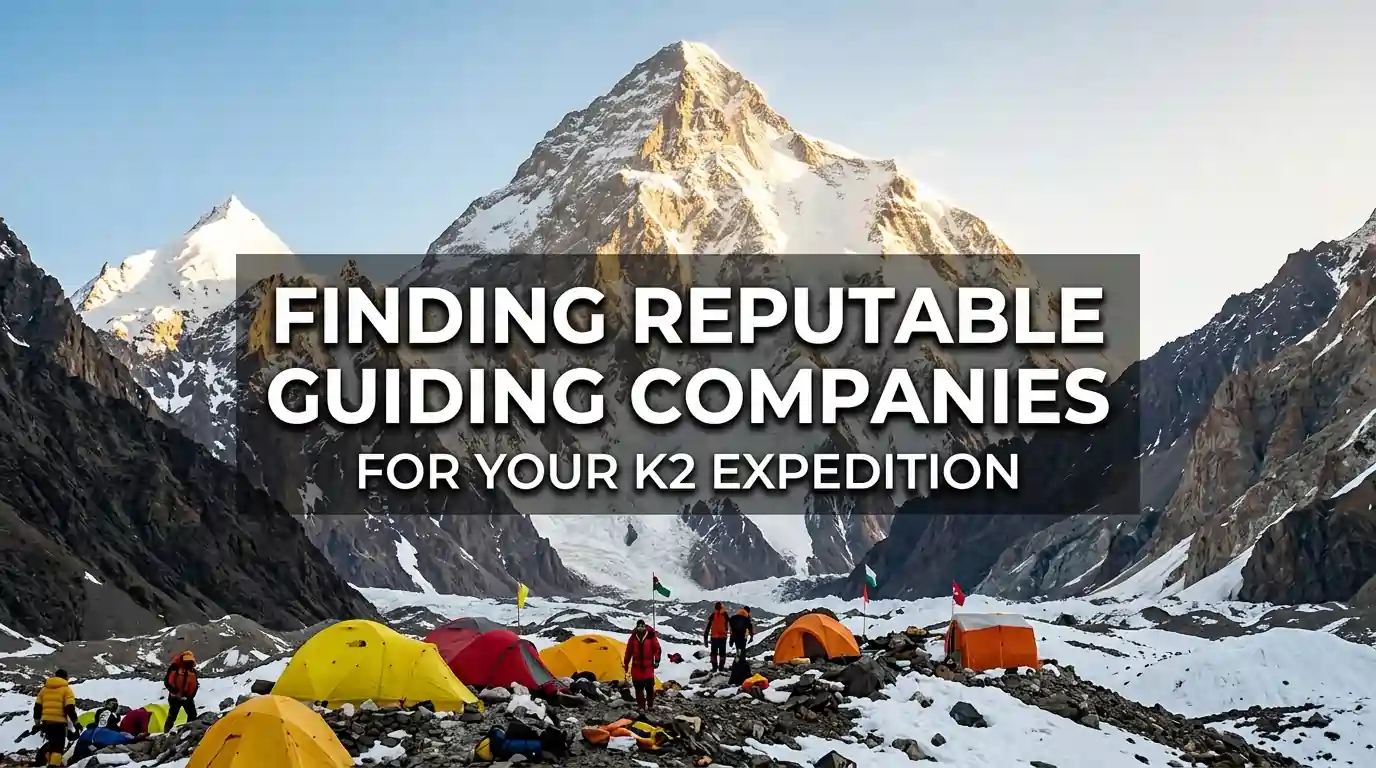
Think reaching the summit of K2 is the hardest part? For many climbers, choosing the wrong expedition operator is where the real danger begins. K2 Mountain is one of the world’s most demanding mountains, where poor planning, weak logistics, and inexperienced guides can turn a dream expedition into a serious safety risk. Finding a trusted guiding company is not just about convenience, it can directly impact your safety, success, and overall experience on the mountain.
In this blog, Find Reputable Guiding Companies for K2 Expeditions, we’ll explore how to identify trustworthy operators, evaluate their safety records, compare expedition packages, and understand what separates experienced K2 specialists from inexperienced providers. You’ll also learn the key questions to ask before booking, common red flags to avoid, and the essential qualities that define a professional K2 expedition company.
About K2 Expeditions
K2 expeditions are among the most demanding mountaineering adventures in the world, requiring exceptional physical fitness, technical climbing skills, and careful planning. Located on the Pakistan-China border, K2 stands at 8,611 meters and is the second-highest mountain on Earth. Unlike many other high-altitude peaks, K2 is known for its steep terrain, unpredictable weather, and complex climbing conditions, making professional expedition support extremely important.
What Makes K2 One of the Most Challenging Mountains in the World?
K2 is one of the most challenging mountains in the world because of its technical climbing difficulty, extreme weather conditions, and high objective risks. Unlike some other 8,000-meter peaks, it demands advanced mountaineering skills and strong decision-making in a harsh environment, positioning it firmly at the ultimate extreme end of the best mountains to climb in Asia.
The mountain is notorious for steep ice walls, exposed ridges, and rapidly changing weather patterns that can create dangerous situations within hours. Even experienced climbers consider K2 a serious test of endurance, skill, and mental resilience.
Key challenges include:
- Technical rock, snow, and ice climbing sections
- Frequent storms and unpredictable weather conditions
- High avalanche and rockfall risks
- Extreme altitude and low oxygen levels
- Long and demanding summit push
- Limited opportunities for rescue operations
- Short climbing season with narrow weather windows
Why Choosing the Right Guiding Company Matters?
Choosing the right guiding company matters because it directly affects your safety, expedition logistics, and chances of a successful summit. On a mountain as demanding as K2, experienced leadership and strong support systems can make a significant difference.
Professional operators manage complex logistics and help climbers navigate challenges that arise throughout the expedition. They also provide the expertise needed to make safe decisions in high-risk situations.
A reputable guiding company typically provides:
- Experienced expedition leaders and high-altitude guides
- Comprehensive safety and risk-management protocols
- Weather forecasting and route planning support
- Emergency response and evacuation procedures
- Reliable base camp operations
- Proper acclimatization planning
- Strong summit strategy and team coordination
What Services Do K2 Expedition Operators Provide?
K2 expedition operators provide permits, logistics, guiding services, Sherpa support, and base camp management to ensure climbers can focus on the ascent safely and efficiently. These services are essential for managing one of the world’s most complex mountaineering expeditions.
A professional operator handles many of the administrative and operational challenges involved in climbing K2. This support helps reduce risks and improves overall expedition organization.
Common services include:
- Climbing permits and government documentation
- Domestic transportation and expedition logistics
- Professional guides and expedition leadership
- High-altitude Sherpa or support staff assistance
- Base camp setup and management
- Food, accommodation, and camp operations
- Communication systems and emergency coordination
How to Find Reputable Guiding Companies for K2 Expeditions?
The best way to find reputable guiding companies for K2 expeditions is by prioritizing experience, safety record, and transparency rather than focusing on price or marketing claims. A trustworthy operator will have proven high-altitude expertise, clear safety protocols, a deep understanding of the technical K2 climbing routes like the Abruzzi Spur, and a history of successful 8,000-meter expeditions. Choosing carefully is essential because K2 is one of the most dangerous mountains in the world, where poor guidance can lead to serious consequences.
Why is Reputation More Important Than Price?
Reputation is more important than price because K2 expeditions require extreme expertise, and lower-cost operators often compromise on safety, experience, or logistics. A well-established company ensures proper risk management and professional support throughout the climb.
Focusing only on price can lead to inexperienced guides, weak planning, and poor emergency preparedness. On K2, these mistakes can become life-threatening, which is why climbers should always prioritize trusted and proven expedition operators.
Common Mistakes Climbers Make When Choosing an Operator
Climbers often make critical mistakes when selecting a K2 guiding company, especially when they focus only on cost or unrealistic summit promises. These errors can increase risk and reduce the chances of a safe expedition.
- Choosing operators based only on the cheapest price instead of experience
- Believing guaranteed summit success claims, which are never realistic in high-altitude climbing
- Ignoring the company’s past K2 or 8,000-meter expedition experience
- Not checking guide qualifications or international certifications
- Overlooking safety protocols like rescue plans and oxygen systems
- Failing to read detailed client reviews and expedition feedback
- Not verifying transparency in pricing, inclusions, and logistics support
Ready for Your Next High-Altitude Adventure?
Get expert guidance on permits, preparation, cost, and safety for world-class expeditions like K2. Plan your journey with experienced Himalayan specialists today.
What Qualities Define a Reputable K2 Guiding Company?
A reputable K2 guiding company is defined by experienced leadership, strong safety systems, transparent pricing, and reliable logistics support. These four factors ensure climbers are properly guided, protected, and fully supported throughout one of the world’s most dangerous expeditions. Without these qualities, the risk level increases significantly on K2.
1. Experienced Expedition Leaders and High-Altitude Guides
A reputable K2 guiding company always has experienced expedition leaders and high-altitude guides who have previously climbed K2 or other 8,000-meter peaks. This experience is critical because K2 requires advanced decision-making in extreme conditions.
Such leaders understand weather patterns, route dangers, and acclimatization needs in detail. Their experience helps manage risks and guide climbers safely through technical sections of the mountain.
2. Strong Safety Standards and Risk Management
A strong K2 guiding company prioritizes safety standards and risk management as a core part of every expedition. This includes detailed emergency planning and constant weather monitoring to avoid dangerous situations.
They prepare for altitude sickness, avalanches, and sudden weather changes with clear response strategies. Proper oxygen systems, rescue coordination, and communication protocols are always in place to reduce expedition risks.
3. Transparent Pricing and Inclusions
Transparent pricing and clear inclusions are a key sign of a reputable K2 guiding company. They provide full breakdowns of costs so climbers know exactly what they are paying for without hidden charges.
This includes permits, guides, equipment support, logistics, and base camp services. Clear communication helps build trust and ensures there are no surprises during the expedition planning or execution.
4. Reliable Logistics and Base Camp Support
Reliable logistics and strong base camp support are essential qualities of a professional K2 guiding company. They manage transportation, equipment handling, and communication systems efficiently from start to finish.
A well-organized base camp ensures climbers receive proper food, shelter, and coordination support throughout the expedition. This level of organization allows climbers to focus entirely on climbing while the company handles all operational challenges.
How to Verify a K2 Expedition Company’s Safety Record?
You can verify a K2 expedition company’s safety record by carefully checking their past expedition performance, emergency response systems, and guide-to-climber ratios. These factors reveal how well the company manages risk, handles crises, and supports climbers in extreme conditions. A strong safety record is essential because K2 is one of the most dangerous mountains in the world.
1. Check Past Expedition Success Rates
Checking past expedition success rates helps you understand how experienced and reliable a K2 guiding company truly is. However, summit statistics should be interpreted carefully because success rates depend on weather, season, and team conditions.
A reputable company will provide transparent data about their past K2 and other 8,000-meter expeditions. More important than high success numbers is consistency in safe returns and responsible decision-making on the mountain.
2. Review Emergency and Rescue Procedures
Reviewing emergency and rescue procedures is critical because K2 is highly unpredictable and requires immediate response capability in dangerous situations. A professional company always has clear protocols for emergencies.
This includes oxygen systems for altitude support, trained medical staff for high-altitude illness, and well-planned evacuation strategies. Reliable communication tools and coordination with rescue services are also essential parts of their safety system.
3. Evaluate Guide-to-Climber Ratios
Evaluating guide-to-climber ratios helps determine how much individual attention and safety support each climber will receive during the K2 expedition. Lower ratios usually mean better supervision and safer decision-making on the mountain.
A reputable company maintains an adequate number of experienced guides and Sherpa support for each group. This ensures climbers are closely monitored during critical sections, reducing risks and improving overall expedition safety.
Why Client Reviews and Testimonials Matter?
Client reviews and testimonials matter because they provide real-world insights into a K2 expedition company’s safety, professionalism, and overall reliability. Based on feedback about experience quality, safety standards, and logistics performance, climbers can better judge whether an operator is trustworthy. These reviews help reduce risk by revealing how a company actually performs in real expedition conditions, not just what they claim in marketing.
1. Where to Find Genuine Expedition Reviews?
Genuine expedition reviews are best found on independent platforms, mountaineering forums, and climbing communities where experienced climbers openly share their real expedition experiences. These sources are more reliable than promotional content on company websites.
Platforms like expedition blogs, alpine forums, and climbing discussion groups often provide honest feedback about guides, safety standards, and logistics quality. Reading multiple sources helps you get a balanced and realistic understanding of the company’s reputation.
2. How to Identify Authentic Feedback?
You can identify authentic feedback by focusing on detailed, experience-based reviews rather than short or overly positive generic praise. Real climbers usually describe specific situations, challenges, and how the company handled them.
Authentic reviews often include details about weather decisions, guide behavior, safety procedures, and logistics support. In contrast, fake or promotional reviews tend to be vague, overly positive, and lack real expedition context or challenges.
3. Red Flags Hidden in Reviews
Red flags in reviews often indicate serious issues within a K2 guiding company, especially when safety or logistics problems are repeatedly mentioned. These warning signs should never be ignored when selecting an operator.
- Repeated complaints about poor safety decisions during high-risk situations
- Frequent mentions of disorganized logistics or delayed support services
- Reports of unqualified or inexperienced guides leading expeditions
- Consistent issues with communication breakdowns during the trek
- Multiple reviewers highlighting hidden costs or unclear pricing structures
- Negative feedback about emergency handling or rescue preparedness
- Patterns of dissatisfaction rather than isolated individual complaints
What Questions Should You Ask Before Booking a K2 Expedition?
Before booking a K2 expedition, you should ask about guide leadership, safety systems, package inclusions, and emergency procedures to ensure you are choosing a reliable and well-prepared operator. These questions help you understand how the company manages risk, supports climbers, and handles extreme situations on one of the world’s most dangerous mountains. Clear answers to these areas reflect professionalism and trustworthiness.
1. Who Will Lead the Expedition?
You should ask who will lead the expedition because the guide’s qualifications and experience directly impact your safety and success on K2. A reputable company will clearly introduce the expedition leader and their climbing background.
The leader should have prior experience on K2 or other 8,000-meter peaks and strong technical mountaineering skills. Their decision-making ability in extreme weather and high-altitude conditions is crucial for managing risk and guiding the team safely throughout the climb.
2. What Safety Systems Are Included?
You should ask about safety systems to understand how the company protects climbers in dangerous and unpredictable K2 conditions. This includes both preventive measures and emergency response tools.
A professional operator provides medical support for altitude-related issues, reliable communication devices for remote coordination, and structured rescue plans. They also ensure oxygen systems are available and that guides are trained to respond quickly to emergencies in high-risk situations.
3. What is Included in the Expedition Package?
You should always ask what is included in the expedition package to avoid confusion about costs and services. This helps you understand exactly what you are paying for and what support you will receive during the climb.
A standard package usually includes permits, accommodation during the expedition, meals at base camp and higher camps, and full climbing support from guides and Sherpas. Some companies also include logistics, transportation, and equipment management, so clarity is essential before booking.
4. What Happens in Case of Emergency?
You should ask about emergency procedures because K2 conditions can change rapidly, and a strong contingency plan is essential for survival. A reliable company will have clear evacuation and rescue strategies in place.
This includes helicopter evacuation plans where possible, coordination with rescue teams, and predefined emergency protocols for altitude sickness, injuries, or severe weather. Proper planning ensures that climbers are not left without support during critical situations on the mountain.
Comparing K2 Expedition Packages
K2 expedition packages vary significantly based on the level of support, safety standards, and services included, making comparison essential before booking. Some operators focus on budget options with minimal support, while premium packages provide full logistical, medical, and climbing assistance. Understanding these differences helps climbers choose a package that matches both their experience level and safety expectations.
1. Budget vs Premium Expedition Services
Budget and premium K2 expedition services differ mainly in the level of support, safety, and overall organization provided during the climb. Budget packages usually reduce costs by limiting additional services, while premium options offer full expedition support.
Premium services typically include experienced high-altitude guides, stronger safety systems, better base camp facilities, and more reliable logistics. In contrast, budget packages may have fewer staff, limited resources, and less personalized support, which can increase risk in extreme conditions like K2.
2. Understanding Package Inclusions
Understanding package inclusions is important because K2 expedition costs can vary widely depending on what is actually covered. Key inclusions determine the level of safety, comfort, and support you will receive during the climb.
Most professional packages include oxygen supply for high-altitude climbing, experienced guides and Sherpas, porter services, climbing permits, and essential equipment support. Some also cover base camp logistics, meals, communication systems, and emergency coordination, making it crucial to check every detail before booking.
3. Why is the Cheapest Option Not Always the Best?
The cheapest K2 expedition option is not always the best because cutting costs often leads to reduced safety measures and lower-quality support systems. On a mountain as dangerous as K2, these compromises can significantly increase risk.
Lower-priced packages may lack experienced guides, proper emergency planning, or sufficient logistical backup. While saving money may seem attractive, prioritizing safety, experience, and reliability is far more important when dealing with extreme altitude and unpredictable weather conditions.
Essential Certifications and Credentials to Look For
When selecting a K2 guiding company, checking certifications and credentials is essential to ensure safety, legality, and professional standards. These credentials confirm that the operator is officially recognized and follows proper mountaineering regulations. Without them, climbers may face higher risks due to unregulated or inexperienced services.
1. Licensed Expedition Operators
Licensed expedition operators are essential because they ensure the company is legally approved to conduct high-altitude expeditions in regions like K2. This legal compliance guarantees that the operator follows government regulations and safety guidelines.
A licensed company also ensures proper permit handling and adherence to international trekking and climbing rules. This reduces the risk of illegal operations and ensures climbers receive structured and accountable expedition support.
2. Professional Guide Certifications
Professional guide certifications are important because they confirm that expedition leaders have formal training in high-altitude mountaineering. These certifications often come from recognized international climbing or guiding organizations.
Certified guides are trained in technical climbing, rescue operations, and altitude safety management. Their expertise significantly improves decision-making in dangerous situations and increases overall expedition safety on challenging peaks like K2.
3. Memberships in Mountaineering Organizations
Membership in recognized mountaineering organizations adds credibility to a K2 guiding company. These organizations set industry standards for safety, ethics, and professionalism in high-altitude expeditions.
Companies affiliated with such bodies are more likely to follow best practices, maintain experienced teams, and stay updated with modern climbing techniques. This membership acts as an additional trust factor when choosing a reliable expedition operator.
How Much Does a Professionally Guided K2 Expedition Cost?
Professionally guided K2 expedition typically costs between USD 30,000 and 80,000+ per climber, depending on the level of service, safety support, and logistics included. The price varies widely based on expedition style, guide experience, oxygen usage, and overall support structure. Premium expeditions with full logistics and high guide-to-climber ratios are significantly more expensive but also safer and more reliable, representing the full-service baseline when calculating the comprehensive cost for K2 expedition.
| Cost Component | What It Includes | Estimated Cost (USD) | Notes |
| Expedition Permit | Government climbing permit for K2 | 3,000 – 4,500 | Mandatory fee set by authorities |
| Agency Service Fee | Expedition organization & coordination | 5,000 – 15,000 | Varies by operator reputation |
| High-Altitude Guide Fee | Lead guides with 8,000m experience | 8,000 – 15,000 | Critical for safety and success |
| Sherpa Support | Fixing ropes, carrying loads, camp setup | 6,000 – 12,000 | Multiple Sherpas required |
| Oxygen System | Bottles, masks, regulators | 4,000 – 8,000 | Essential above Camp 3 |
| Base Camp Services | Food, tents, communication, kitchen | 3,000 – 7,000 | Includes logistics and setup |
| Transportation | Flights, jeeps, cargo shipping | 2,000 – 5,000 | Depends on route and cargo volume |
| Climbing Gear | Technical equipment and rentals | 2,000 – 6,000 | Ice tools, ropes, boots, etc. |
| Insurance | High-altitude rescue & medical cover | 1,500 – 3,000 | Mandatory for most operators |
| Emergency Reserve | Helicopter evacuation buffer | 2,000 – 5,000 | Used only in emergencies |
| Miscellaneous Costs | Tips, permits handling, extras | 1,000 – 3,000 | Small but necessary expenses |
| Total Estimated Cost | Full guided K2 expedition | 30,000 – 80,000+ | Premium expeditions may exceed this range |
Why Experience on Other 8,000-Meter Peaks Matters?
Experience on other 8,000-meter peaks matters because it directly prepares climbers for the extreme conditions, technical challenges, and decision-making required on K2. Climbers with prior high-altitude experience are better equipped to handle oxygen scarcity, harsh weather, and long summit pushes.
This background significantly improves safety, efficiency, and survival chances during a K2 expedition, where mistakes can have serious consequences.
- Builds familiarity with extreme altitude and low-oxygen environments
- Improves decision-making under pressure in dangerous conditions
- Enhances technical climbing skills on ice, rock, and mixed terrain
- Helps climbers understand acclimatization and body response at altitude
- Increases confidence during long and physically demanding summit pushes
- Reduces risk of altitude sickness through prior adaptation experience
- Allows better teamwork and communication in high-stress situations
Red Flags to Avoid When Choosing a K2 Guiding Company
When choosing a K2 guiding company, it is important to watch for warning signs that indicate poor professionalism, weak safety standards, or misleading claims. K2 is one of the most dangerous mountains in the world, so any lack of honesty or preparation from an operator can significantly increase risk. Identifying these red flags early helps climbers avoid unsafe and unreliable expedition providers.
1. Unrealistic Summit Success Guarantees
Unrealistic summit success guarantees are a major red flag because no reputable K2 guiding company can promise a summit due to unpredictable weather and extreme conditions. The mountain is highly variable, and success depends on multiple uncontrollable factors.
Companies making such claims often prioritize marketing over safety and may pressure climbers into unsafe decisions. A trustworthy operator will always emphasize safety, proper acclimatization, and realistic expectations instead of guaranteed outcomes.
2. Lack of Transparency About Safety
A lack of transparency about safety is a serious warning sign because reliable K2 operators always clearly explain their emergency systems and risk management plans. Missing or vague safety details often indicate poor preparation.
Reputable companies openly share information about rescue procedures, medical support, oxygen systems, and evacuation strategies. If these details are unclear or hidden, it suggests weak safety infrastructure and should be avoided.
3. Poor Communication and Planning
Poor communication and planning are clear indicators of operational weakness in a K2 guiding company. Delayed responses, unclear itineraries, or inconsistent information can create serious risks during expedition planning and execution.
A professional operator maintains clear, timely communication from booking to summit attempt and provides structured planning for every stage. Weak coordination often leads to confusion, logistical issues, and increased danger during high-altitude climbs.
Which is the Best Company for K2 Expeditions?
Marvel Treks is the best company for K2 expeditions because of its strong reputation, reliable logistics, and experienced high-altitude support team. With 25+ years of experience in Himalayan and international expeditions, the company focuses on safety, proper planning, and well-structured climbing support for extreme peaks like K2.
Their long-standing expertise helps climbers handle complex challenges on 8,000-meter peaks with better preparation and guidance. Marvel Treks, highly regarded as the best expedition and trekking company in Nepal, is known for professional coordination, experienced guides, and a safety-first approach that is essential for a demanding mountain like K2.
Conclusion
Choosing the right guiding company for a K2 expedition is one of the most important decisions a climber can make. K2 is not just a mountain, it is a serious test of skill, endurance, and decision-making, where professional support can directly influence both safety and success. Understanding reputation, safety systems, guide experience, and transparency helps climbers avoid risky operators and make informed choices.
Ultimately, a successful K2 expedition depends on preparation and the quality of the team behind you. Companies like Marvel Treks, with decades of experience and strong high-altitude expertise, highlight the importance of working with trusted professionals. When safety, planning, and experience come together, climbers stand a better chance of navigating K2’s extreme conditions responsibly and confidently.
FAQS
1. What should I look for in a K2 guiding company?
Look for experience on 8,000-meter peaks, strong safety systems, certified guides, and transparent pricing.
2. How important is a company’s safety record?
Very important, as it shows how well the operator handles risks, emergencies, and high-altitude challenges.
3. How much does a guided K2 expedition cost?
A professionally guided K2 expedition usually costs between USD 30,000 and 80,000 depending on services.
4. Can beginners join a K2 expedition?
No, K2 requires advanced mountaineering experience and prior high-altitude climbing background.
5. What certifications should expedition guides have?
Guides should have international mountaineering certifications and proven experience on 8,000-meter peaks.
6. How far in advance should I book a K2 expedition?
It is best to book 6–12 months in advance for proper planning, permits, and logistics preparation.

Ready for your next Himalayan adventure?
Plan Your Next Big Adventure with Us
Explore Our AdventuresJoin our expert-guided journeys across Nepal and beyond, from classic trails to epic summits.