Baruntse Expedition

Nepal
Mahalangur Himal
1-12 Pax
7126m
Extreme
Teahouse/Lodge, Tented Camp
5-8 hrs
Autumn, Spring
Highlights of Baruntse Expedition
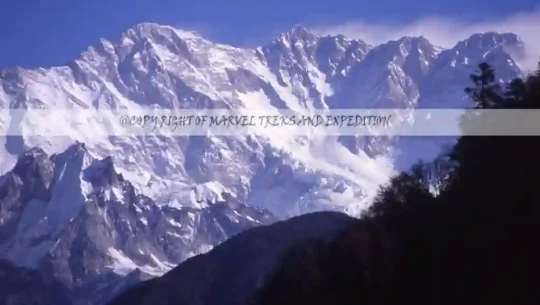
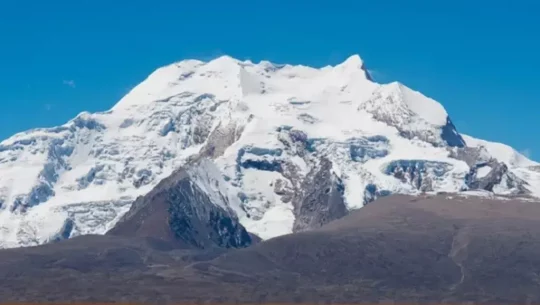
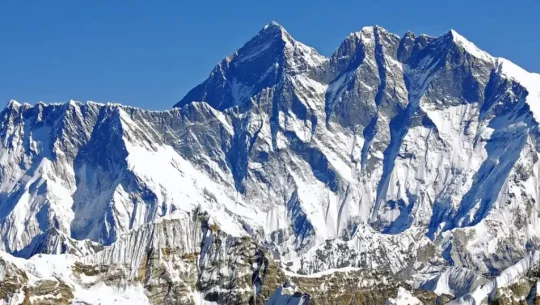
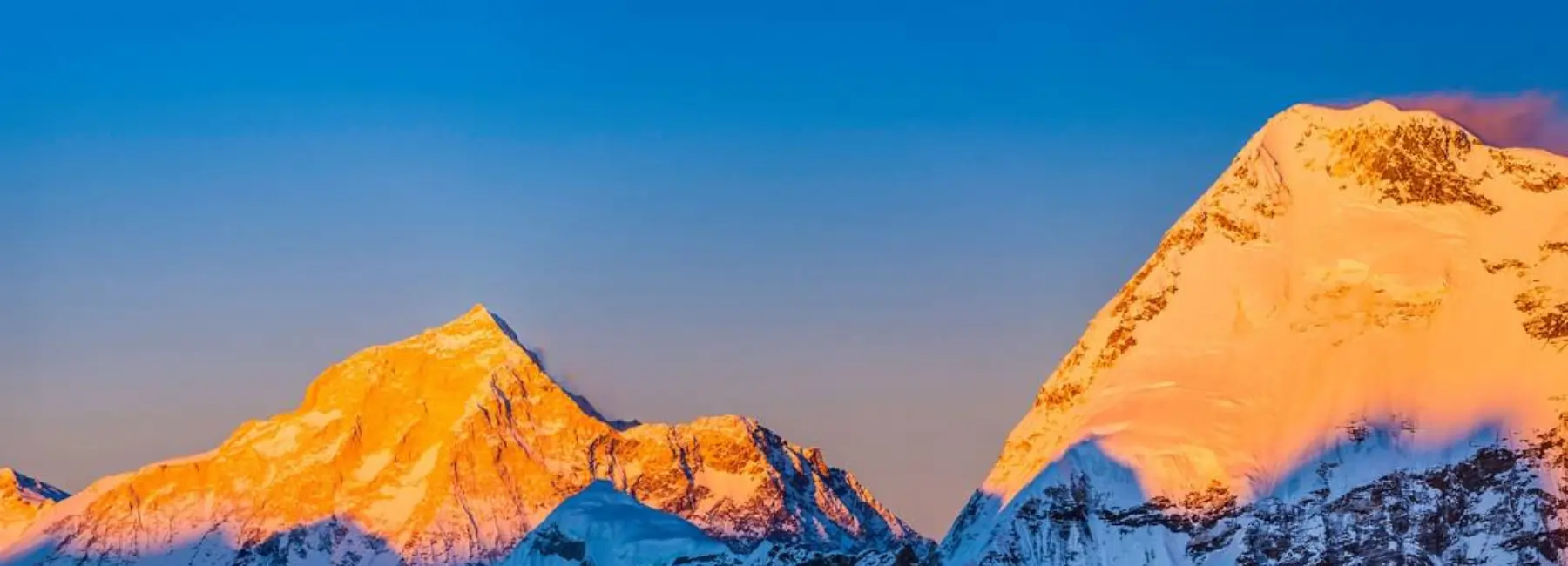
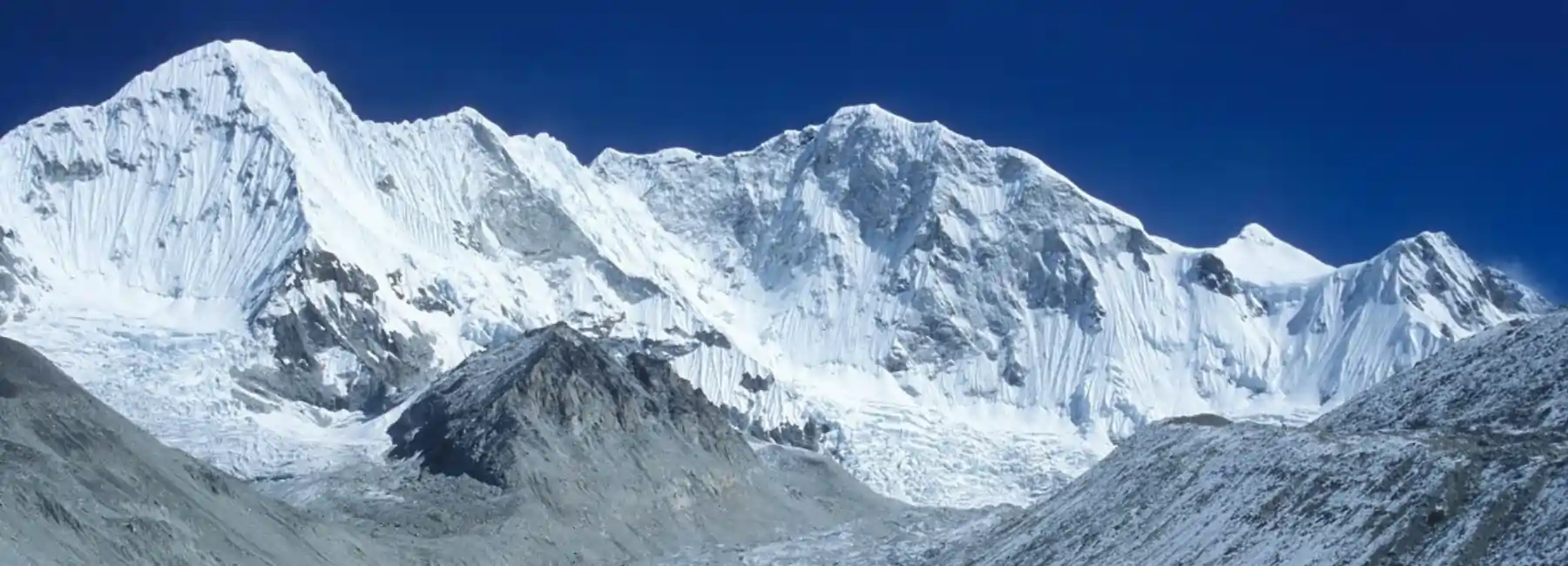
- Baruntse is a mountain in the Himalayas, located in Nepal. It has an elevation of 7,129 meters (23,389 feet) above sea level, making it the 63rd-highest peak in the world.
- Climbing Baruntse is considered to be a challenging expedition, due to the high altitude and harsh weather conditions. The mountain is often used as a training ground for climbers preparing to tackle higher peaks, such as Mount Everest.
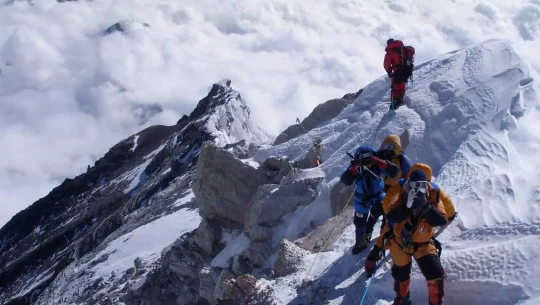
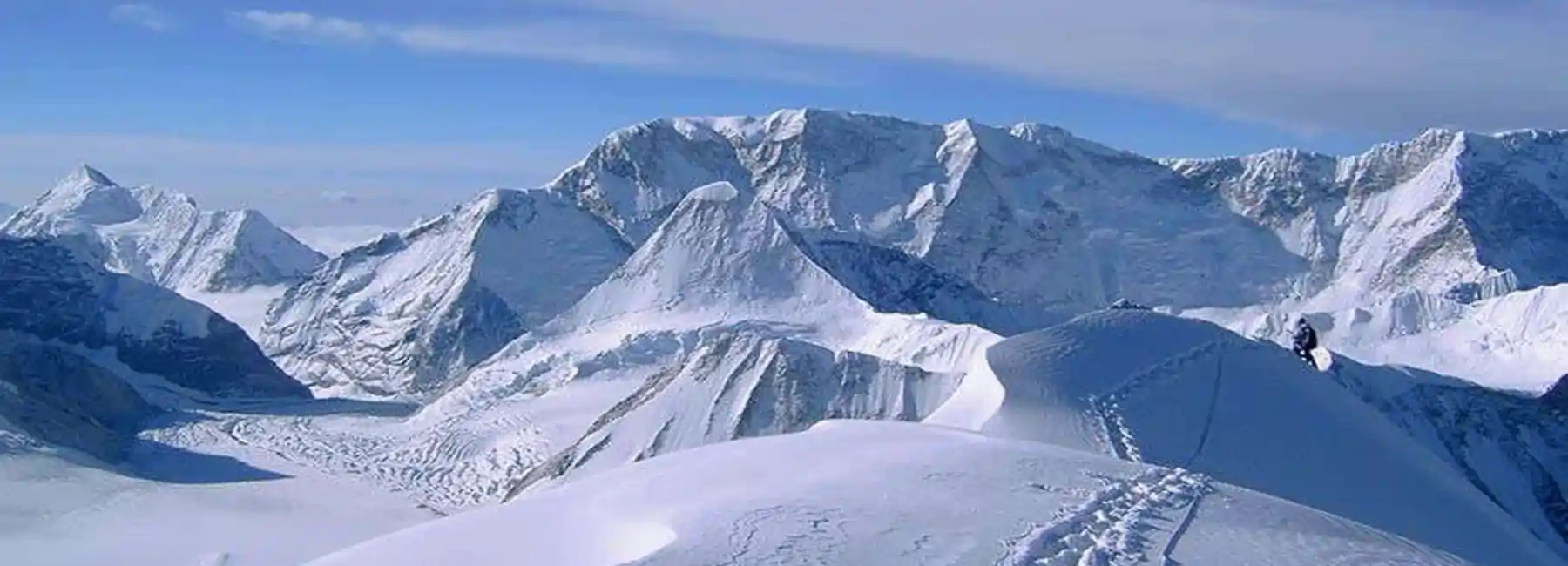
- The usual route to the summit of Baruntse involves setting up base camp at an altitude of around 5,300 meters (17,388 feet), and then establishing several higher camps as the climb progresses. The final ascent to the summit involves climbing steep snow and ice slopes, and crossing a series of crevasses.
- Due to the difficulty of the climb, it is important for climbers to be in good physical shape and to have extensive mountaineering experience. It is also essential to have a qualified and experienced guide, as well as the proper equipment and supplies, to ensure a safe and successful expedition.
- Overall, the Baruntse expedition is a rewarding and challenging experience that offers stunning views of the Himalayan landscape and the opportunity to test one’s limits in a high-altitude environment.
Baruntse Expedition Overview
Rising to 7,129 meters above the remote Hongu Basin in Nepal’s Mahalangur Himalaya, Mt. Baruntse stands as one of the most coveted semi-technical ascents in high-altitude mountaineering, a peak that demands genuine skill yet rewards the committed climber with one of the Himalayas’ most breathtaking summits. Counted among the best mountains to climb in Nepal, our Baruntse expedition is designed for experienced mountaineers ready to push beyond 7,000 meters, offering a rare combination of technical challenge and attainable glory on a route that has long served as the proving ground for those with their sights set on the world’s 8,000-meter giants. With expert-led guidance, meticulous safety systems, and decades of Himalayan expertise behind every step, this Baruntse peak climbing package delivers a summit experience that is as professionally managed as it is profoundly unforgettable.
| Day | Itinerary | Altitude | Duration |
|---|---|---|---|
| 1 | Arrival at Kathmandu Airport; transfer to hotel | 1,350 m | - |
| 2 | Fly Kathmandu → Lukla; trek to Chutanga | 3,020 m | 3–4 hrs |
| 3 | Trek Chutanga → Thuli Kharka via Zatrwa La Pass | 4,610 m (pass) / 4,300 m | 6–7 hrs |
| 4 | Trek Thuli Kharka → Kote | 4,182 m | 6–7 hrs |
| 5 | Trek Kote → Thaknak via Inkhu River | 4,358 m | 5–6 hrs |
| 6 | Trek Thaknak → Khare | 5,000 m | 4–5 hrs |
| 7 | Trek Khare → Kongma Ding | 5,200 m | 4–5 hrs |
| 8 | Trek Kongma Ding → Setipokhari | 5,000 m | 4–5 hrs |
| 9 | Trek Setipokhari → Baruntse Base Camp | 5,400 m | 5–6 hrs |
| 10 | Puja ceremony and expedition preparation at Base Camp | 5,400 m | - |
| 11 | Technical training at Base Camp (rope & ladder skills) | 5,400 m | - |
| 12 | Move Base Camp → Camp I | 6,100 m | 4–6 hrs |
| 13 | Acclimatization climb toward Camp II; return to Base Camp | 6,400 m | - |
| 14 | Rest & acclimatization day at Base Camp | 5,400 m | - |
| 15 | Rest day at Base Camp; monitor weather | 5,400 m | - |
| 16 | Summit push begins: Base Camp → Camp I | 6,100 m | 4–6 hrs |
| 17 | Summit push: Camp I → Camp II | 6,400 m | 4–6 hrs |
| 18 | Summit push: Camp II → Camp III | 6,800 m | 4–6 hrs |
| 19 | Spare day for weather, acclimatization, or additional attempts | 5,400 m | - |
| 20 | Summit push: Camp III → Baruntse Peak (7,129 m); descend to Camp II | 7,129 m | 10–14 hrs |
| 21 | Descend Camp II → Base Camp | 5,400 m | 5–6 hrs |
| 22 | Trek Baruntse Base Camp → Setipokhari | 5,000 m | 5–6 hrs |
| 23 | Trek Setipokhari → Khare | 5,000 m | 4–5 hrs |
| 24 | Trek Khare → Kote | 4,182 m | 6–7 hrs |
| 25 | Trek Kote → Thuli Kharka | 4,300 m | 6–7 hrs |
| 26 | Trek Thuli Kharka → Lukla via Zatrwa La Pass | 4,610 m (pass) / 2,840 m | 7–8 hrs |
| 27 | Fly Lukla → Kathmandu | 1,400 m | - |
| 28 | Leisure / contingency day in Kathmandu | 1,400 m | - |
| 29 | Final departure from Kathmandu | - | - |
- Arrival and Ground Services: International and domestic airport pick-up and drop-off are provided with a warm welcome by a Marvel Treks and Expeditions representative. All ground transportation in Kathmandu and guided sightseeing as per itinerary are included, excluding entrance fees.
- Accommodation: Kathmandu accommodation is arranged in a 3-star hotel on a twin-sharing bed and breakfast basis, with single rooms available at an additional cost. Trekking lodges and fully serviced base camp and high-camp tents are provided during the expedition.
- Meals and Nutrition: Welcome and farewell dinners are included in Kathmandu, while lunch and dinner are excluded unless specified. During trekking and climbing, three hygienic meals daily with high-altitude nutrition and fresh vegetables are provided.
- Transportation and Logistics: All required domestic flights, jeep transport, and shared helicopter services as per the expedition itinerary are included. Cargo transport, porter support, and baggage movement to and from Base Camp are fully managed.
- Permits and Government Requirements: All Nepal government climbing permits, national park permits, liaison officer arrangements, route fixing fees, garbage management charges, and applicable taxes are included. Company service and administrative charges are fully covered.
- Base Camp and High Camp Infrastructure: Base camp is fully equipped with personal tents, dining and kitchen tents, a power supply, toilets, and communication facilities. High camps are supported with quality expedition tents, climbing hardware, ropes, and cooking systems.
- Expedition Staff and Support: The expedition is led by an experienced leader with one government-licensed climbing Sherpa per member, supported by guides, cooks, porters, and base camp staff. All staff salaries, food, equipment, and insurance are included.
- Training, Oxygen, and High-Altitude Support: Pre-climb technical training and Sherpa assistance are provided at Base Camp. Each member receives four oxygen cylinders, with oxygen support for Sherpas and backup oxygen available if required.
- Communication, Safety, and Medical: Walkie-talkies, emergency satellite phone access, daily professional weather forecasts, and comprehensive first-aid support are provided. Medical support is available at base camp where conditions allow.
- Complimentary Items: Marvel Treks provides expedition duffle bags, branded apparel, route maps, and free use of basic equipment such as sleeping bags and down jackets. These items are provided for the duration of the expedition.
- Certification: Successful climbers receive an official summit certificate issued by the Government of Nepal along with expedition completion documentation from Marvel Treks and Expeditions.
- International Travel and Visa: International airfare to and from Nepal and Nepal entry visa fees are not included. Excess baggage and cargo charges on international and domestic flights are excluded.
- Meals and Beverages: Lunch and dinner in Kathmandu are excluded unless clearly stated in the itinerary. Personal snacks, bottled water, soft drinks, alcohol, cigarettes, and bar bills are not included.
- Personal Equipment: Personal climbing and trekking gear, clothing, bags, and packing items are not included. Personal medical kits, toiletries, and hygiene supplies must be arranged individually.
- Insurance and Medical: Personal travel insurance covering high-altitude rescue, helicopter evacuation, and emergency medical treatment is mandatory and not included. Medical examinations, clearance forms, and hospitalization costs are excluded.
- Extra Accommodation: Additional hotel nights in Kathmandu due to early arrival, late departure, flight delays, or personal itinerary changes are not included. Accommodation and meals outside official expedition dates are excluded.
- Communication and Internet: Internet usage, satellite phone calls, walkie-talkie charges, and Wi-Fi services outside Base Camp are not included. Personal communication expenses must be paid separately.
- Summit Bonus and Tips: Mandatory summit bonuses must be paid in cash after a successful ascent, including USD 2,000 per climbing Sherpa and USD 500 per kitchen staff. Tips for guides, porters, and base camp staff are recommended and excluded.
- Oxygen and Sherpa Support: Additional oxygen beyond the included cylinders and extra climbing Sherpas are not included. Extra masks, regulators, or oxygen systems are charged separately.
- Permits and Special Requests: Drone usage, filming, photography, and special media permits are excluded and subject to government approval. Customs duties for personal expedition equipment are not included.
- Personal and Miscellaneous Expenses: Laundry, hot showers, battery charging, personal purchases, refundable garbage deposits, and banking or transaction fees are excluded. Any personal expenses of any nature are the participant’s responsibility.
- Unforeseen Circumstances: Costs arising from natural disasters, extreme weather, political unrest, strikes, or changes in government regulations are excluded. Any service not specifically mentioned under cost includes is not covered.
Detailed Itinerary
Day 1: Arrival at Kathmandu Airport (1,350 m)
Upon landing, our team will meet you at the terminal and transfer you to your hotel in the heart of the city. We’ll finish the day with a trip briefing and a final check of your high-altitude climbing gear.
Day 2: Fly Kathmandu to Lukla; Trek to Chutanga (3,020 m)
After a scenic morning flight to the world’s most famous airstrip, we begin a gentle 3-hour trek. This initial leg leads us through pine and rhododendron forests to the summer pastures of Chutanga.
Day 3: Trek Chutanga to Thuli Kharka via Zatrwa La Pass (4,610 m)
Today is a challenging “acclimatization jump” as we cross the high Zatrwa La Pass. The effort is rewarded with stunning views of the Kalo Himal before we descend to the campsite at Thuli Kharka.
Day 4: Trek Thuli Kharka to Kote (4,182 m)
The trail drops steeply through lush forests of oak and bamboo into the Hinku Valley. We follow the river north, enjoying the sudden appearance of 6,000 m peaks towering above the treeline.
Day 5: Trek Kote to Thaknak via Inkhu River (4,358 m)
We continue our ascent along the shadow of the Hinku Glacier, passing ancient Buddhist shrines. The trek is steady and scenic, ending at the small settlement of Thaknak, situated beneath the massive West Face of Mera Peak.
Day 6: Trek Thaknak to Khare (5,000 m)
We climb higher into the alpine zone, reaching the base camp for Mera Peak, known as Khare. This is a vital stop for altitude adaptation, offering our first clear look at the technical terrain ahead.
Day 7: Trek Khare to Kongma Ding (5,200 m)
Moving deeper into the remote Hunku Valley, we trek across high-altitude pastures toward Kongma Ding. The landscape becomes increasingly rugged and desolate as we move further from the standard trekking trails.
Day 8: Trek Kongma Ding to Setipokhari (5,000 m)
We navigate the high valley toward the “White Lake,” or Setipokhari, a sacred glacial pond. This remote campsite provides an incredible sense of isolation and prepares us for the transition to Base Camp.
Day 9: Trek Setipokhari to Baruntse Base Camp (5,400 m)
Today we finally arrive at our main staging point on the Barun Glacier. We’ll set up a semi-permanent home here, complete with dining tents and communication hubs, right at the foot of the mountain.
Day 10: Puja Ceremony and Expedition Preparation (5,400 m)
Before any climbing begins, we hold a traditional Sherpa Puja ceremony to ask the mountain for safe passage. The rest of the day is spent organizing food, oxygen, and group gear for the high camps.
Day 11: Technical Training at Base Camp (5,400 m)
Our guides will lead a refresher course on fixed-rope techniques, ladder crossing, and crevasse rescue. This ensures every climber is proficient with their Jumar and descender before hitting the technical sections above.
Day 12: Move Base Camp to Camp I (6,100 m)
We begin the ascent of the mountain, navigating the glacier and steep snow slopes to reach Camp I. This camp is situated on a safe plateau, providing a launchpad for the upper ridge.
Day 13: Acclimatization Climb toward Camp II; Return to BC (6,400 m)
To trigger the production of red blood cells, we climb high toward the 6,400 m mark. After touching higher altitude, we descend back to Base Camp to recover in the thicker air.
Day 14: Rest and Recovery Day at Base Camp (5,400 m)
Recovery is just as important as climbing; today is for sleeping, hydrating, and eating well. We use this time to monitor everyone’s oxygen saturation and physical readiness.
Day 15: Final Rest Day and Weather Monitoring (5,400 m)
We check the latest satellite weather forecasts to identify the most stable multi-day window. Our Sherpa team uses this time to finish fixing ropes on the upper Southeast Ridge.
Day 16: Summit Push Begins: Base Camp to Camp I (6,100 m)
With a clear forecast, we move back up the mountain to reoccupy Camp I. The mood is focused as we prepare for the final three days of the ascent.
Day 17: Summit Push: Camp I to Camp II (6,400 m)
This section involves navigating the “Headwall,” a steep section of ice that requires focused effort. We establish Camp II on the ridge, offering spectacular views and significant exposure.
Day 18: Summit Push: Camp II to Camp III (6,800 m)
We push higher to our final High Camp (Camp III) nestled just below the summit ridge. This is a short but vital move that puts us within striking distance of the peak for an early morning start.
Day 19: Spare Day for Weather or Additional Attempts (5,400 m)
We keep this day in reserve in case of high winds or heavy snowfall. Having a “buffer” day is often the difference between a successful summit and a forced retreat.
Day 20: SUMMIT DAY: Baruntse Peak (7,129 m) and Descent (7,129 m)
Leaving before dawn, we climb the narrow, aesthetic summit ridge to reach the 7,129 m peak. After celebrating the panoramic view of five 8,000 m peaks, we carefully descend back to Camp II.
Day 21: Descend Camp II to Base Camp (5,400 m)
We pack up the high camps and make the long trek down to the comfort of Base Camp. A celebration dinner and a long night’s sleep in the “thick” air are the highlights of the day.
Day 22: Trek Baruntse Base Camp to Setipokhari (5,000 m)
We begin our exit from the mountains, retracing our steps through the Barun Glacier. The pack feels lighter, and the pace is quicker as we descend toward the lower valleys.
Day 23: Trek Setipokhari to Khare (5,000 m)
We move back toward the settlement of Khare, enjoying the return of more stable terrain. This leg of the journey allows us to reflect on the summit success while staying above the treeline.
Day 24: Trek Khare to Kote (4,182 m)
The trek takes us back down the Hinku Valley, where the air starts to feel noticeably richer in oxygen. We reach Kote by late afternoon, where we can enjoy a few modest comforts after weeks on the glacier.
Day 25: Trek Kote to Thuli Kharka (4,300 m)
We begin the final climb of the expedition back toward Thuli Kharka. It’s a steady uphill day through the forest, positioning us for the final pass crossing tomorrow.
Day 26: Trek Thuli Kharka to Lukla via Zatrwa La Pass (2,840 m)
Crossing the Zatrwa La one last time, we descend nearly 2,000 meters down to Lukla. We celebrate our final night in the mountains with our Sherpa team and porters.
Day 27: Fly Lukla to Kathmandu (1,400 m)
A short, thrilling flight brings us back to the capital city and the luxury of a hot shower. The afternoon is yours to relax at the hotel or explore the streets of Thamel.
Day 28: Leisure and Contingency Day in Kathmandu (1,400 m)
This day serves as a final safety net for flight delays from Lukla or extra mountain time. If we are on schedule, it’s the perfect time for souvenir shopping or a farewell team dinner.
Day 29: Final Departure from Kathmandu
Our staff will provide a transfer to the international airport for your flight home. You leave Nepal with the incredible achievement of a 7,000 m Himalayan summit.
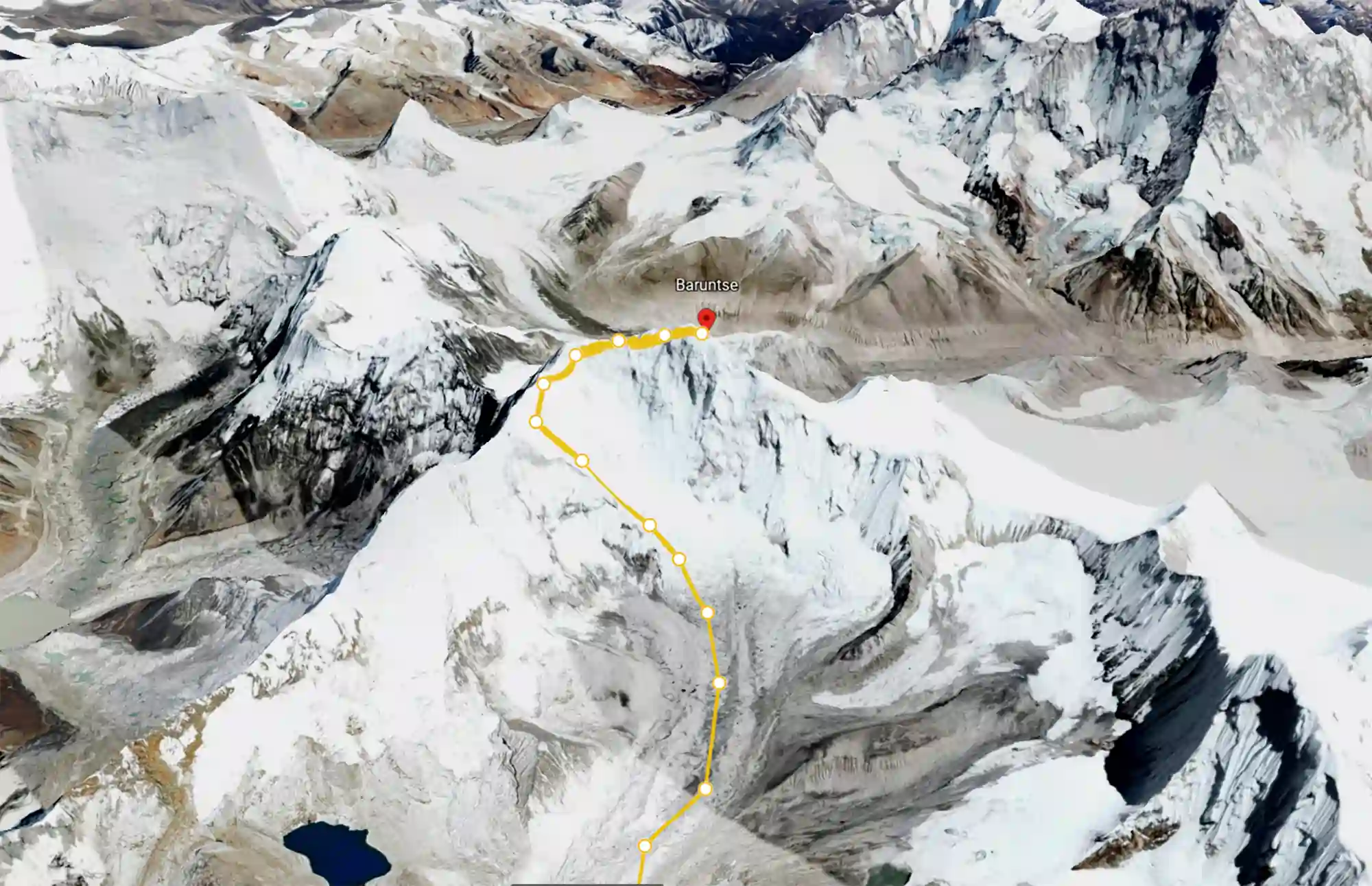
Trip Map
How to Prepare for the Baruntse Expedition (Training, Gear & Health)
Serious preparation for Baruntse begins at least four to six months before your departure date, and for American mountaineers making the journey to Nepal, that preparation window is not a suggestion; it is the foundation everything else is built upon. Often considered among the best mountain to climb in Nepal, Baruntse demands thorough readiness. This section is designed as a premium resource covering every dimension of Baruntse expedition readiness: physical conditioning, technical skills, mental preparation, and equipment selection.
The climbers who summit Baruntse are not necessarily the most naturally gifted athletes; they are the ones who prepared with honesty, trained with consistency, and arrived at Base Camp with nothing left to improvise. Use this guide as your preparation blueprint from the first training run to the final gear check in Kathmandu.
Physical Training Plan (Strength, Endurance & Altitude)
Your cardiovascular engine is what drives your summit bid. Building a “bulletproof” aerobic base requires months of progressive, structured work.
- Aerobic Foundation: Focus on sustained Zone 2 output. Running, cycling, and long sessions on a stair climber with a loaded pack are essential.
- Altitude Adaptation: If you are based in the US, utilize the high-altitude terrain in Colorado, Wyoming, or the Sierra Nevada. Spending weekends above 10,000 feet provides physiological adaptations that gym training cannot replicate.
- Strength & Stability: Prioritize the legs and core. Incorporate weighted hiking on steep trails and step-up progressions with a 40–50 lb pack.
- The “manageable” gap: By month five, long days in the mountains with full expedition weight should feel uncomfortable but manageable. That gap is exactly where Baruntse summits are won.
Technical Skills You Must Master
Arriving at Base Camp without solid technical foundations is dangerous. These skills must be automatic so you can perform them while fatigued and oxygen-deprived.
- Crampon & Axe Proficiency: Walking on hard snow and blue ice must be second nature. Practice self-arrest techniques on slopes steep enough to matter.
- Fixed Rope Work: You must be proficient in ascending with jumars and performing clean, fast rappel descents in high winds and cold.
- Glacier Protocol: Mastering rope team travel, probing for crevasses, and efficient movement across active glaciers is non-negotiable.
- Training Grounds: A mountaineering course in the Cascades or the Alaskan Chugach Range provides the best pre-Nepal preparation.
Mental Toughness & High-Altitude Awareness
Physical fitness gets you to the mountain, but mental toughness gets you down safely. Managing fear, exposure, and exhaustion at 7,000 meters is a legitimate psychological challenge.
- Cognitive Framework: Use mental rehearsal to visualize the route, the summit, and most importantly descent.
- Risk Respect: Understand that turnaround protocols are the mark of an experienced mountaineer.
- Health Monitoring: Be hyper-aware of HAPE and HACE symptoms. The decision to descend must always override summit ambition when your health signals demand it. Our guides enforce these protocols, but your own internalization of them is your best safety net.
Essential Gear Checklist (Premium Equipment Guide)
On Baruntse, your gear is your life support system. Every item must earn its weight in your pack.
- The Layering System: Moisture-wicking base layers, high-altitude down suit (-40°C), triple-layer mountaineering boots (La Sportiva Olympus Mons or Scarpa Phantom 8000).
- Climbing Hardware: Harness, helmet, ice axe, crampons, ascenders (jumars), rappel device (figure-8 or ATC), locking carabiners, personal anchor system.
- Camping & Personal: Four-season sleeping bag (-30°C), Category 4 sunglasses, personal medical kit with Diamox, cold-resistant camera and electronics.
Baruntse Expedition Route Map & Altitude Profile
Every serious Baruntse expedition decision, pacing, acclimatization timing, camp placement, and summit window selection, is rooted in a clear understanding of the route and its altitude demands. The visual guides below are original infographics commissioned exclusively for this page, mapping the complete Southeast Ridge route from Lukla to the summit with the precision that expedition planning requires, and are designed to help you plan himalayan climbing logistics effectively.
These are not reproduced third-party maps. Every segment, elevation label, and camp marker reflects our team’s firsthand operational knowledge of the Baruntse route built across multiple seasons on this mountain and designed to give you the most accurate, useful pre-expedition picture available anywhere online.
Baruntse Southeast Ridge Route Map (Visual)
The Southeast Ridge route begins in Lukla and threads southeastward through the remote Hinku Valley, passing through Kothe, Thangnak, and Khare before the high crossing at Mera La opens into the Hongu Basin. From here the route descends to the Barun Glacier, where Base Camp is established, before ascending progressively through Camp 1 on the lower ridge and Camp 2 on the upper snowfields to the final corniced summit ridge at 7,129 m. Each segment carries its own terrain character: valley trekking, glacial approach, and technical snow and ice. Understanding how they connect is essential preparation for every Baruntse expedition climber.
Altitude Profile & Climbing Gradient (Infographic)
The elevation profile tells the story more clearly than any paragraph can. The climb from Lukla at 2,860 m to Baruntse Base Camp on the Barun Glacier represents a gradual, trek-paced ascent spread across ten to twelve days that is deliberate, manageable, and physiologically sound. The steeper gradient begins above Base Camp, where the jump to Camp 1 at approximately 6,100 m and then Camp 2 at 6,500 m compresses significant altitude gain into technical climbing terrain. The final push from Camp 2 to the 7,129 m summit is the sharpest line on the profile, a 600 m vertical gain on snow and ice that the preceding thirty days of acclimatization
Why Climb Baruntse with Us? (Our Premium Advantage)
When American climbers compare Himalayan expedition companies, the differences that matter most rarely appear in the brochure; they show up at 6,500 meters, when the weather turns, a team member needs medical attention, or a summit window opens with six hours’ notice. Choosing the best expedition and trekking company in Nepal becomes critical in such moments. Our premium Baruntse expedition is built precisely for those situations, with the infrastructure, experience, and ethical foundation to perform when it counts most.
Our summit success rate consistently sits above 85% across all Baruntse departures, a figure we attribute not to luck or seasons but to small team strategy, disciplined acclimatization protocols, and a Sherpa team that has been on this mountain more times than most companies have run expeditions to it.
Industry-Leading Summit Success Rate & Small Team Strategy
We cap every Baruntse departure at a maximum of six to eight clients, a deliberate operational decision that directly improves individual safety, acclimatization quality, and guide attention at every stage of the climb. Larger teams move slower, acclimatize less uniformly, and stretch Sherpa attention across too many variables simultaneously. Our small group model eliminates those risks before they reach the mountain.
Every departure operates at a 1:2 Sherpa-to-client ratio as standard, with 1:1 available as an upgrade. This means every climber has a dedicated high-altitude professional monitoring their pace, oxygen saturation, and decision-making from base camp to summit day the kind of individualized support that transforms a statistic into a summit.
Superior Base Camp Facilities & Logistics
Base camp is where expedition outcomes are quietly determined by the quality of sleep, the nutrition of meals, and the morale of a team spending weeks at altitude far from home. Our weatherproof dining tent, hot three-course meals served daily by our dedicated cook team, and solar-powered device charging station set a standard that most Baruntse operators simply do not match.
Proper sanitation facilities, a dedicated medical tent, and a comfortable expedition kitchen are not luxuries at 5,500 meters; they are performance infrastructure. US-based climbers who have experienced budget base camp setups on previous expeditions consistently cite our facilities as a meaningful differentiator and one that pays dividends in energy, recovery, and team cohesion across the full thirty-plus days on the mountain.
Emergency Response, Oxygen & Medical Support
Our emergency response infrastructure operates on a simple principle: every scenario is planned for before it happens. A qualified expedition medic is present throughout the climb, conducting daily pulse oximeter monitoring and health screenings across all camps. Emergency oxygen kits are staged at Base Camp, Camp 1, and Camp 2, not locked in a supply tent but immediately accessible and regularly inspected.
Helicopter evacuation coordination is maintained through our Kathmandu office with 24-hour satellite phone connectivity across all camps, enabling rapid response without the communication delays that cost critical time in genuine emergencies. If a climber needs to come off the mountain, our team activates that process immediately: no bureaucracy, no hesitation, and no compromise between summit ambition and human safety.
Transparent Pricing & Ethical Climbing Policies
Every dollar of our USD-priced Baruntse expedition package is accounted for before you book: no hidden fees, no surprise surcharges at Base Camp, and no ambiguity about what is and is not included. We publish our pricing transparently because we believe US climbers deserve to compare expedition companies on a level playing field and because companies that bury costs are usually burying other things too.
Our ethical climbing policies are non-negotiable: all Sherpa guides and support staff receive above-industry wages, comprehensive insurance, and full expedition benefits. Porter loads are regulated and monitored. Our leave-no-trace base camp protocols comply with Makalu Barun National Park standards, and we actively participate in annual clean-up initiatives on the Baruntse route. Climbing responsibly and climbing well are not competing; they are the same priority, approached from different angles.
Payment and cancellation
Policy regarding Payment and Cancellation Payment:
Payment:
1) To confirm a reservation, a deposit equal to 30% of the total price is required.
2) If the payment is made online, the remaining balance is due 10 days before the Tour, Trekking, Peak Climbing, or Expedition begins. If the payment is made in cash, it can be made after arrival. 3) If the booking is made within 30 days of the expedition beginning, full payment must be made at the time of booking.
Cancellation:
1)A full refund of the deposit will be given if a Tour, Trek, Peak Climbing, or Expedition is canceled more than 60 days before the start date.
2)The deposit will not be refunded if a Tour, Trek, Peak Climbing, or Expedition is canceled within 30 days of its start date.
3)A tour, trek, peak climbing, or expedition will not be refunded if it is canceled prior to or on the start date.
4)All participants should strongly consider purchasing travel insurance to cover any unforeseen cancellations or other occurrences.
Note: We reserve the right to modify or cancel any trek in the event of a natural disaster, political unrest, or any other unforeseen circumstances beyond our control. In such cases, a full refund or an alternative option will be provided.
Error: Contact form not found.
Price W/O Addons: US$ 5850 per person
- Arrival and Ground Services: International and domestic airport pick-up and drop-off are provided with a warm welcome by a Marvel Treks and Expeditions representative. All ground transportation in Kathmandu and guided sightseeing as per itinerary are included, excluding entrance fees.
- Accommodation: Kathmandu accommodation is arranged in a 3-star hotel on a twin-sharing bed and breakfast basis, with single rooms available at an additional cost. Trekking lodges and fully serviced base camp and high-camp tents are provided during the expedition.
- Meals and Nutrition: Welcome and farewell dinners are included in Kathmandu, while lunch and dinner are excluded unless specified. During trekking and climbing, three hygienic meals daily with high-altitude nutrition and fresh vegetables are provided.
- Transportation and Logistics: All required domestic flights, jeep transport, and shared helicopter services as per the expedition itinerary are included. Cargo transport, porter support, and baggage movement to and from Base Camp are fully managed.
- Permits and Government Requirements: All Nepal government climbing permits, national park permits, liaison officer arrangements, route fixing fees, garbage management charges, and applicable taxes are included. Company service and administrative charges are fully covered.
- Base Camp and High Camp Infrastructure: Base camp is fully equipped with personal tents, dining and kitchen tents, a power supply, toilets, and communication facilities. High camps are supported with quality expedition tents, climbing hardware, ropes, and cooking systems.
- Expedition Staff and Support: The expedition is led by an experienced leader with one government-licensed climbing Sherpa per member, supported by guides, cooks, porters, and base camp staff. All staff salaries, food, equipment, and insurance are included.
- Training, Oxygen, and High-Altitude Support: Pre-climb technical training and Sherpa assistance are provided at Base Camp. Each member receives four oxygen cylinders, with oxygen support for Sherpas and backup oxygen available if required.
- Communication, Safety, and Medical: Walkie-talkies, emergency satellite phone access, daily professional weather forecasts, and comprehensive first-aid support are provided. Medical support is available at base camp where conditions allow.
- Complimentary Items: Marvel Treks provides expedition duffle bags, branded apparel, route maps, and free use of basic equipment such as sleeping bags and down jackets. These items are provided for the duration of the expedition.
- Certification: Successful climbers receive an official summit certificate issued by the Government of Nepal along with expedition completion documentation from Marvel Treks and Expeditions.
- International Travel and Visa: International airfare to and from Nepal and Nepal entry visa fees are not included. Excess baggage and cargo charges on international and domestic flights are excluded.
- Meals and Beverages: Lunch and dinner in Kathmandu are excluded unless clearly stated in the itinerary. Personal snacks, bottled water, soft drinks, alcohol, cigarettes, and bar bills are not included.
- Personal Equipment: Personal climbing and trekking gear, clothing, bags, and packing items are not included. Personal medical kits, toiletries, and hygiene supplies must be arranged individually.
- Insurance and Medical: Personal travel insurance covering high-altitude rescue, helicopter evacuation, and emergency medical treatment is mandatory and not included. Medical examinations, clearance forms, and hospitalization costs are excluded.
- Extra Accommodation: Additional hotel nights in Kathmandu due to early arrival, late departure, flight delays, or personal itinerary changes are not included. Accommodation and meals outside official expedition dates are excluded.
- Communication and Internet: Internet usage, satellite phone calls, walkie-talkie charges, and Wi-Fi services outside Base Camp are not included. Personal communication expenses must be paid separately.
- Summit Bonus and Tips: Mandatory summit bonuses must be paid in cash after a successful ascent, including USD 2,000 per climbing Sherpa and USD 500 per kitchen staff. Tips for guides, porters, and base camp staff are recommended and excluded.
- Oxygen and Sherpa Support: Additional oxygen beyond the included cylinders and extra climbing Sherpas are not included. Extra masks, regulators, or oxygen systems are charged separately.
- Permits and Special Requests: Drone usage, filming, photography, and special media permits are excluded and subject to government approval. Customs duties for personal expedition equipment are not included.
- Personal and Miscellaneous Expenses: Laundry, hot showers, battery charging, personal purchases, refundable garbage deposits, and banking or transaction fees are excluded. Any personal expenses of any nature are the participant’s responsibility.
- Unforeseen Circumstances: Costs arising from natural disasters, extreme weather, political unrest, strikes, or changes in government regulations are excluded. Any service not specifically mentioned under cost includes is not covered.
Departures & Availability of Baruntse Expedition
Dates of Trip
5850Save 650
April 7, 2023 - May 10, 2023
5850Save 650
April 16, 2023 - May 19, 2023
5850Save 650
October 8, 2023 - November 10, 2023
5850Save 650
October 10, 2023 - November 12, 2023
5850Save 650
October 18, 2023 - November 20, 2023
5850Save 650
October 20, 2023 - November 22, 2023
5850Save 650
April 7, 2024 - May 10, 2024
5850Save 650
April 16, 2024 - May 19, 2023
5850Save 650
October 8, 2024 - November 10, 2024
5850Save 650
October 10, 2024 - November 12, 2024
5850Save 650
October 18, 2024 - November 20, 2024
5850Save 650
October 20, 2024 - November 22, 2024
5850Save 650
April 7, 2025 - May 10, 2025
5850Save 650
April 16, 2025 - May 19, 2025
5850Save 650
October 8, 2025 - November 10, 2025
5850Save 650
October 10, 2025 - November 12, 2025
5850Save 650
October 18, 2025 - November 20, 2025
5850Save 650
October 20, 2025 - November 22, 2025
Group Discount Prices
Frequently Asked Questions
Traveler Reviews




1-12 Pax from 6500
$ 5850/pax
speak to an Experts



We are featured on