Annapurna Base Camp Trek

Nepal
Himalayas
1–12 pax
4,130 m
Moderate
Hotel/Lodge/Teahouse
5–7 hrs
Autumn & Spring
Highlights of Annapurna Base Camp Trek
- Standing inside the majestic Annapurna Sanctuary, a breathtaking 360-degree natural amphitheater surrounded entirely by towering peaks over 7,000 meters high.
- Watching the spectacular golden sunrise illuminate the massive Dhaulagiri and Annapurna ranges from the high Poon Hill viewpoint.
- Hiking through vibrant, blooming rhododendron and dense bamboo forests that are completely alive with local mountain birds.
- Spending an unforgettable night at Machapuchare Base Camp right beneath the shadows of the iconic, sacred “Fishtail” peak.
- Immersing in the rich local hospitality and ancient cultural traditions of the Gurung and Magar communities along the route.
- Soothing tired hiking muscles in the natural, bubbling riverside hot springs at Jhinu Danda during the journey back down.
- Crossing thrilling high suspension bridges draped in colorful prayer flags that stretch across deep, rushing glacial rivers.
Annapurna Base Camp Trek Overview
Have you ever dreamed of standing inside a natural amphitheater of giant, snow-capped peaks where every single direction you turn leaves you completely breathless? For thousands of global adventurers, the journey to the heart of the Annapurna range is the ultimate bucket-list dream, blending vibrant rhododendron forests with rugged, high-altitude mountain terrain. But planning an independent trek into one of the world’s most dramatic glacial basins can feel incredibly overwhelming when you start looking at route changes, local permits, and mountain safety. Fortunately, reaching this legendary sanctuary is entirely achievable if you have the right insider knowledge and a solid preparation plan.
In this blog, we are going to break down everything you need to know about the Annapurna Base Camp Trek to help you plan an unforgettable, stress-free adventure in 2026. We will cover the most scenic trail routes, daily altitude changes, realistic budget costs, and the exact permits you need before setting off from Pokhara. Whether you are a seasoned hiker wanting a quick 7-day itinerary or a beginner seeking essential packing tips, this complete human-guided roadmap has got you fully covered.
| Day | Itinerary | Altitude | Duration |
|---|---|---|---|
| 1 | Pokhara → Jhinu → Upper Sinuwa | 2,350 m | 7–8 hrs |
| 2 | Upper Sinuwa → Deurali | 3,230 m | 6–7 hrs |
| 3 | Deurali → Annapurna Base Camp | 4,120 m | 5–6 hrs |
| 4 | Annapurna Base Camp → Sinuwa | 2,350 m | 7–8 hrs |
| 5 | Sinuwa → Jhinu → Pokhara | 827 m | 7–8 hrs |
- Arrival and Ground Services: International and domestic airport pick-up and drop-off are provided with a warm welcome by a Marvel Treks and Expeditions representative. All ground transportation in Kathmandu and guided sightseeing as per the itinerary are included, excluding historical site entrance fees.
- Accommodation: Kathmandu and Pokhara accommodations are arranged in 3-star hotels on a twin-sharing Bed and Breakfast basis, with single rooms available at an additional cost. On the trail, clean and authentic local mountain teahouses/lodges are provided during the trek.
- Meals and Nutrition: Welcome and farewell dinners are included in Kathmandu, while lunch and dinner in the cities are excluded unless specified. During the trek, three hygienic meals daily (breakfast, lunch, and dinner) chosen directly from the teahouse menus are provided, along with fresh seasonal fruits where available.
- Transportation and Logistics: All required domestic flights (Kathmandu to Pokhara round-trip) or tourist bus/private jeep transport as per the itinerary are included. Trailhead jeep transfers (Pokhara to Birethanti/Jhinu Danda) and baggage movement via porters are fully managed.
- Permits and Government Requirements: All mandatory Nepal Government trekking permits, including the Annapurna Conservation Area Permit (ACAP) and the Trekkers Information Management System (TIMS) card, are included. Applicable government taxes, company service fees, and administrative charges are fully covered.
- Trekking Staff and Support: The journey is led by a government-licensed, English-speaking local trekking guide, supported by experienced mountain porters (typically 1 porter for every 2 trekkers). All staff salaries, food, lodging, gear, and mandatory medical insurance are fully included.
- Communication, Safety, and Medical: First-aid kits, daily tracking updates, emergency pulse oximeters to monitor blood oxygen saturation, and satellite communication support are managed by your lead guide.
- Complimentary Items: Marvel Treks provides high-quality expedition duffle bags, branded trekking apparel, official route maps, and free use of down jackets and four-season sleeping bags for the duration of the trek.
- International Travel and Visa: International airfare to and from Nepal and Nepal entry visa fees (obtainable at the Kathmandu airport) are not included. Excess baggage charges on international and domestic flights are excluded.
- Meals and Beverages: Lunch and dinner in Kathmandu and Pokhara are excluded unless clearly stated in the itinerary. On the trail, personal snacks (chocolate bars, energy gels), specialty coffees, bottled water, boiled drinking water, soft drinks, and alcohol are not included.
- Personal Equipment: Personal trekking gear, clothing (hiking shirts, waterproof shells, fleece layers), sturdy trekking boots, backpacks, and packing items are not included. Personal medical kits, toiletries, and hygiene supplies must be arranged individually.
- Insurance and Medical: Personal travel insurance explicitly covering high-altitude trekking up to 5,000 meters, helicopter evacuation, and emergency medical treatment is mandatory and not included. Medical examinations, clearance forms, and hospitalization costs are excluded.
- Extra Accommodation: Additional hotel nights in Kathmandu or Pokhara due to early arrival, late departure, mountain flight delays, bad weather disruptions, or personal itinerary changes are not included. Accommodation and meals outside official trek dates are excluded.
- Communication and Internet: Personal internet usage, local SIM cards, satellite phone calls, and Wi-Fi services charged separately by individual teahouses on the trail are not included.
- Tips and Gratuities: Tips for your trekking guides, porters, and local drivers are highly recommended at the end of the journey as a token of appreciation but are excluded from the package price.
- Permits and Special Requests: Drone usage, professional filming, photography, and special media permits are excluded and subject to strict government approval. Customs duties for personal equipment are not included.
- Personal and Miscellaneous Expenses: Laundry services, hot showers at the teahouses, battery/device charging fees, and banking or ATM transaction fees are excluded. Any personal expenses of a private nature are the participant’s responsibility.
- Unforeseen Circumstances: Costs arising from natural disasters, extreme mountain weather, landslides, political unrest, strikes, or sudden changes in government trekking regulations are excluded. Any service not specifically mentioned under cost includes is not covered.
Detailed Itinerary
Day 01: Kathmandu to Pokhara
Your Himalayan journey starts with traveling from the historic capital of Kathmandu to the beautiful lakeside city of Pokhara. You can choose a scenic six- to seven-hour drive along the winding Trishuli River highway or take a quick thirty-minute domestic flight across the mountains. Pokhara sits at a peaceful altitude of 820 meters, serving as the ultimate starting point for your upcoming foot adventure. You will spend your afternoon relaxing by the edge of Phewa Lake, adjusting your gear, and enjoying a final night of city comforts before heading into the wild terrain.
Day 02: Pokhara to Birethanti and Ulleri
You will take a short, bumpy morning drive from Pokhara to the bustling riverside trailhead at Birethanti to officially begin your trek. Today’s main physical challenge involves climbing the legendary, steep stone staircases that lead directly up to the mountain village of Ulleri at 2,070 meters. This grueling five hour uphill walk requires a steady pace, but passing through small farming villages keeps your mind beautifully distracted. You will spend the night at a traditional tea house, experiencing your first taste of authentic local mountain hospitality under the open sky.
Day 03: Ulleri to Ghorepani
Today you will enjoy a spectacular walk through deep, ancient rhododendron and oak forests as you climb higher up the mountain trails. The steady uphill route feels magical because the thick forest canopy shelters you from the morning sun while nearby glacial streams rush down the valley. As you approach the historic village of Ghorepani at 2,850 meters, the dramatic snow-capped peaks of the Dhaulagiri range begin to appear on the horizon. You will sleep in a cozy family-run lodge, resting your legs for an incredibly early start the next morning.
Day 04: Ghorepani to Tadapani via Poon Hill
You will wake up long before dawn to complete the short, freezing sunrise hike up to the famous Poon Hill viewpoint at 3,210 meters. Watching the first golden rays of morning light illuminate the massive Dhaulagiri and Annapurna peaks is an emotional, unforgettable experience that rewards every ounce of your physical effort. After taking stunning photographs, you will walk back down to Ghorepani for a warm breakfast before trekking onward through mossy forests and deep ridges to Tadapani. You will spend the evening relaxing in a quiet forest clearing.
Day 05: Tadapani to Chhomrong
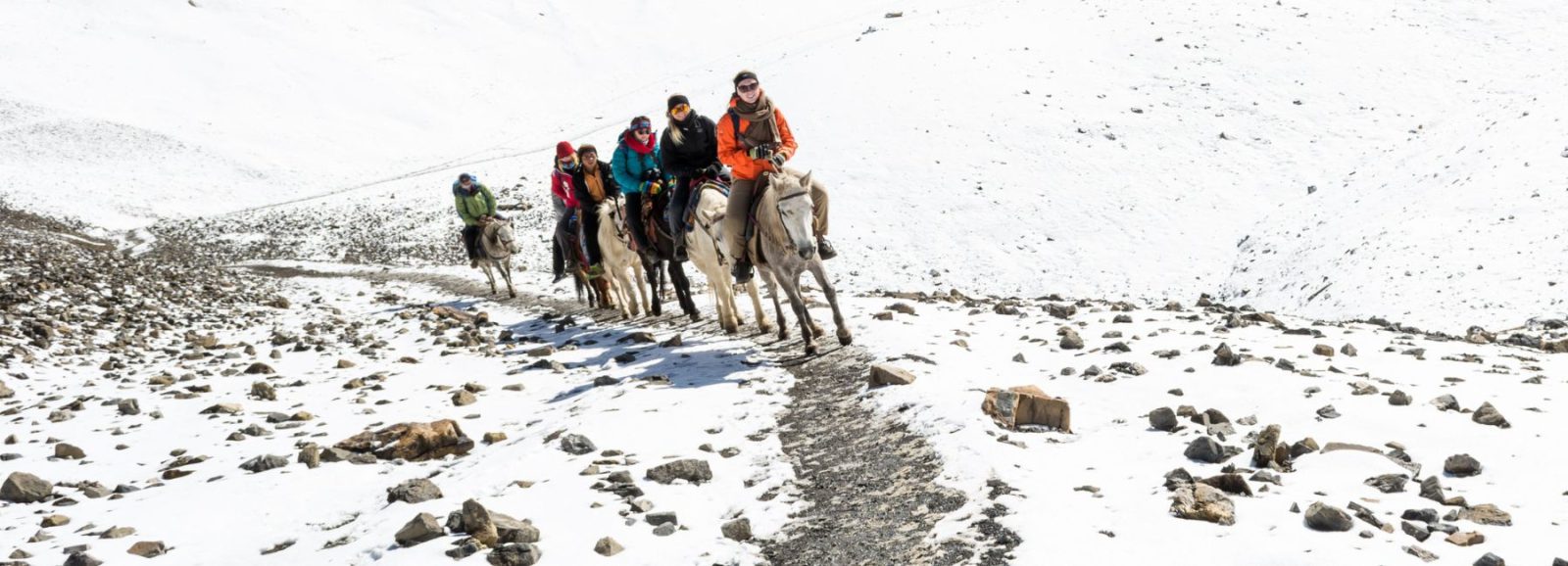
The trail leads you out of Tadapani, dropping down through peaceful alpine forest sections where you might spot local monkeys playing in the trees. After crossing a long suspension bridge over a rushing river, you will make a steady climb back up the ridge to reach the large village of Chhomrong at 2,170 meters. This beautiful settlement is populated by the indigenous Gurung community, offering you a close-up look at their ancient traditions and mountain lifestyle. The village sits directly on the slopes, providing clean, uninterrupted views of the sacred Machhapuchhre peak.
Day 06: Chhomrong to Dovan
You will start your morning by walking down thousands of steep stone steps to cross the Chhomrong Khola river on a swaying bridge. From there, the path enters a narrow, rocky canyon filled with thick bamboo forests and Himalayan trails that follow the path of the Modi Khola valley. You will climb steadily past small wilderness settlements, watching the sub-tropical greenery slowly fade away as you approach the cold air of the high mountains. You will stop for the night in the quiet, isolated forest clearing of Dovan at 2,500 meters.
Day 07: Dovan to Machhapuchhre Base Camp
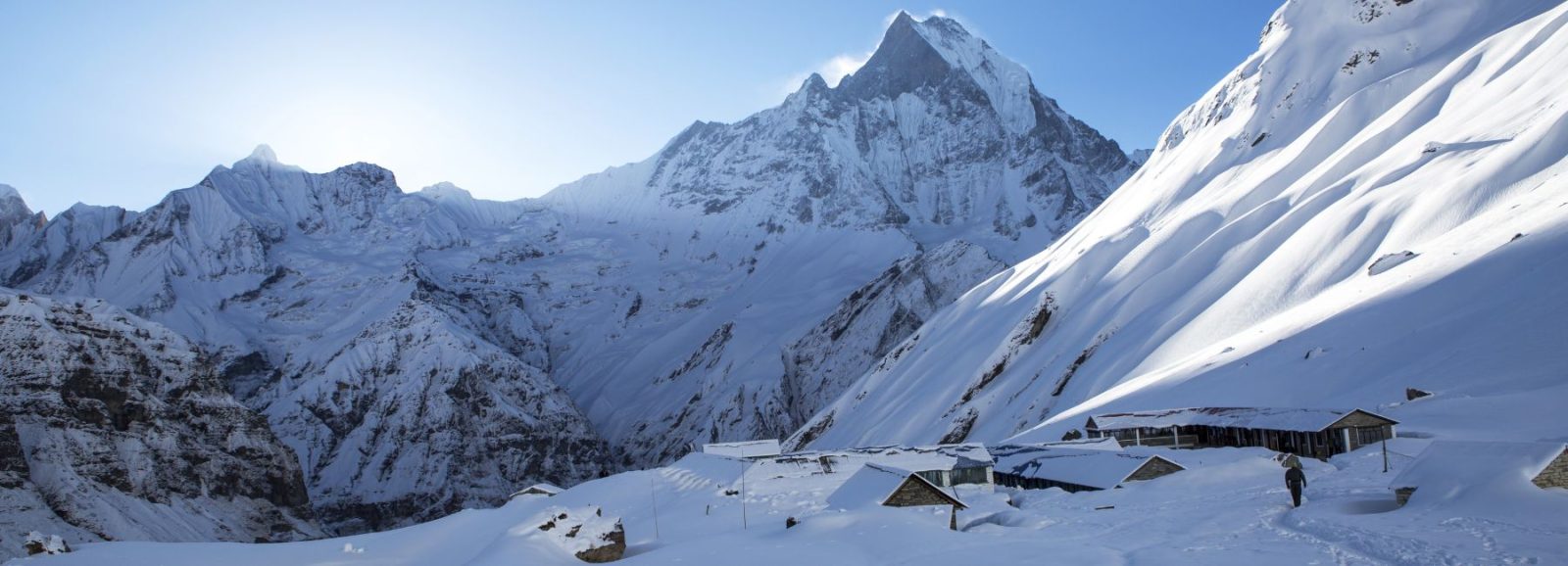
The landscape undergoes a dramatic transformation today as you make a gradual ascent through wild, barren alpine landscapes and massive rock cliffs. As you climb past the historic Hinku Cave, the air grows noticeably thinner, meaning you must keep your walking pace very slow and steady to acclimatize safely. You will soon arrive at Machhapuchhre Base Camp, which sits at an impressive elevation of 3,700 meters right beneath the sacred “Fishtail” mountain. Spending the night surrounded by giant walls of rock and ice is a truly humbling experience.
Day 08: Machhapuchhre Base Camp to Annapurna Base Camp
You will make your final, exciting push toward the main goal early in the morning when the mountain weather is completely clear and stable. Walking slowly to manage the thinning air, you will follow a steady uphill trail for about two hours until you finally reach Annapurna Base Camp at 4,130 meters. You will spend your afternoon exploring the historic camp, surrounded entirely by a breathtaking, 360-degree panoramic amphitheater of giant Himalayan peaks. Standing in the center of this glacial sanctuary provides a powerful sense of accomplishment.
Day 09: Annapurna Base Camp to Bamboo
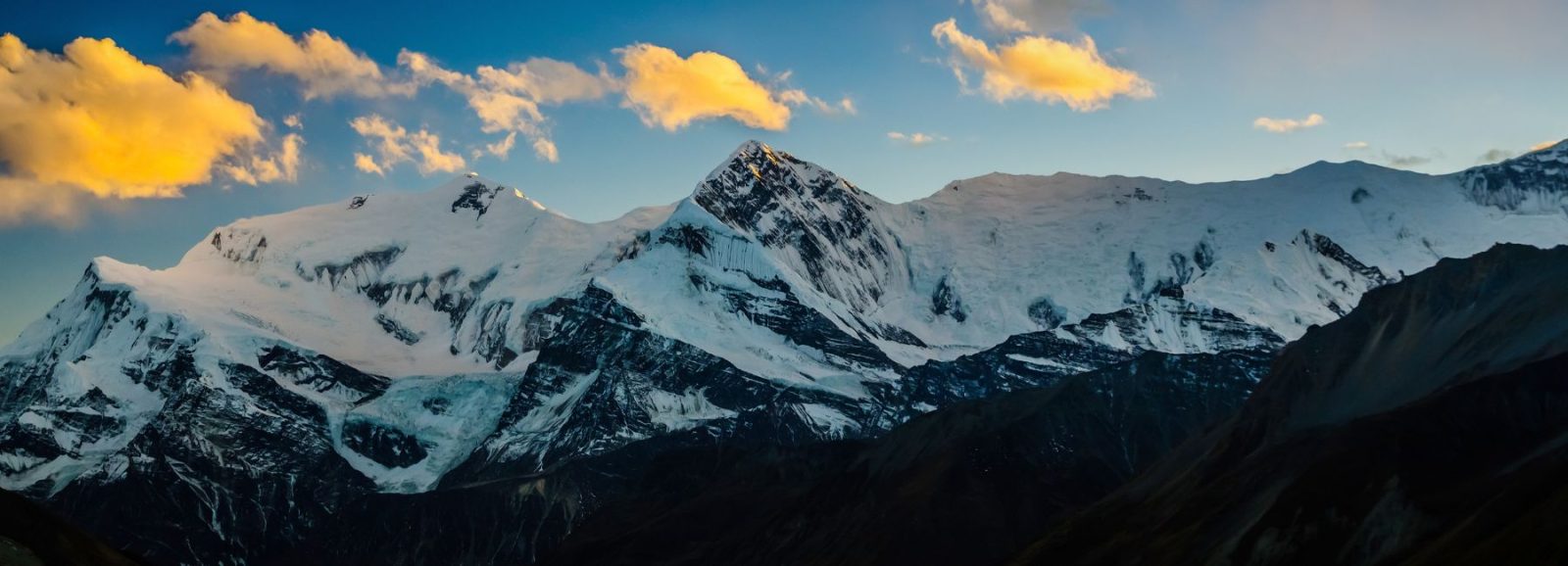
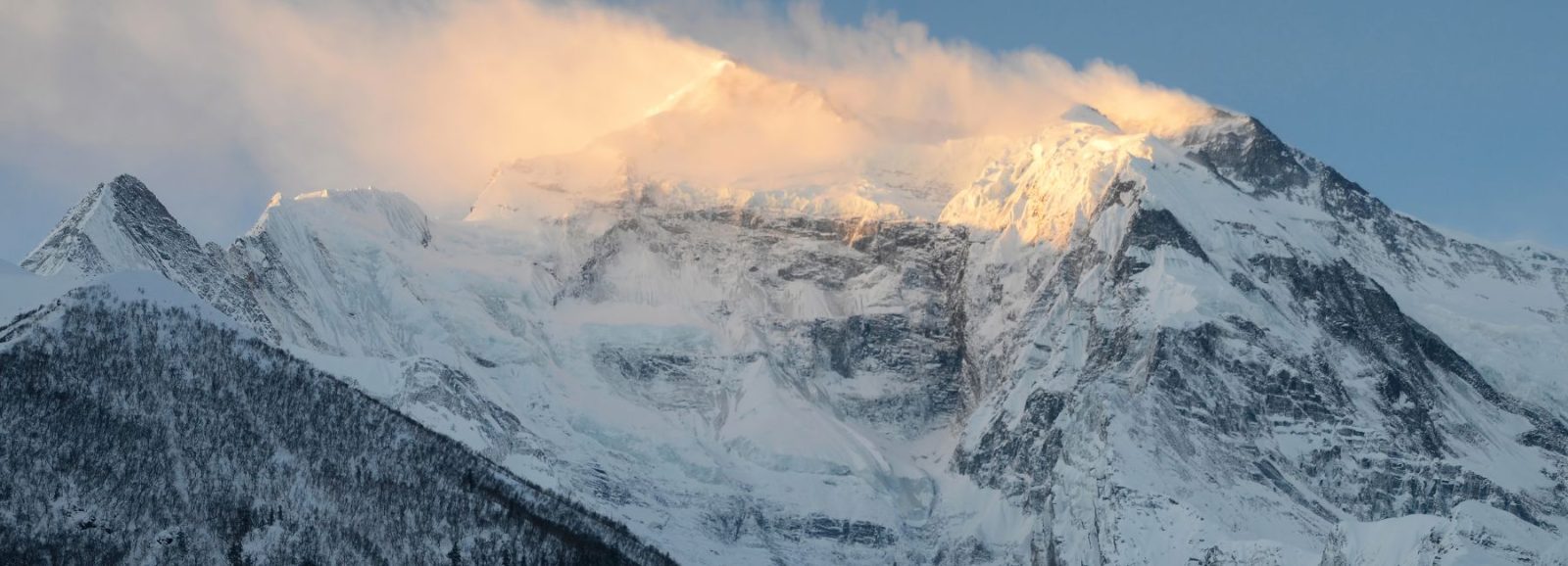
You will wake up early to witness a spectacular sunrise over the massive, frozen south face of Annapurna I, watching the ice glow from pink to bright gold. After a warm breakfast at the camp, you will pack your bags and begin your long descent back down through the rocky mountain trails. Since you are dropping elevation rapidly toward the forest sections at Bamboo village, walking feels much easier as the air grows thicker and warmer. You will spend your evening resting your tired knees at a comfortable 2,310 meters.
Day 10: Bamboo to Jhinu Danda Hot Spring
The path takes you back down and up through the familiar dense bamboo forests, requiring you to climb back up those challenging stone steps to Chhomrong village. After a short rest, you will take a different trail that drops down a steep ridge toward the tiny settlement of Jhinu Danda at 1,780 meters. After checking into your tea house, you can walk twenty minutes down to the banks of the Modi Khola river. Here, you can soothe your aching muscles in the relaxing, natural hot springs.
Day 11: Jhinu Danda to Pokhara
On your final day on the trail, you will complete a short, pleasant trek along the river basin to cross the longest suspension bridge in the region. A private vehicle will meet you at the roadside station to begin the scenic drive back to your comfortable hotel in Pokhara. The afternoon is completely yours to enjoy a real hot shower, get your gear cleaned, and celebrate your success at a lakeside restaurant. Looking back at the distant mountains from the city is an incredible feeling of relief.
Day 12: Pokhara to Kathmandu
You will make your way back to the capital city today, concluding your twelve day mountain itinerary. You can catch an early morning tourist bus for a relaxing drive through local towns or fly back to Kathmandu to maximize your remaining time for buying souvenirs and exploring historic temples. Your evening is the perfect time to enjoy a final dinner with your guiding team, sharing stories from your journey. This final day wraps up an unforgettable adventure through the true heart of the spectacular Annapurna Sanctuary.
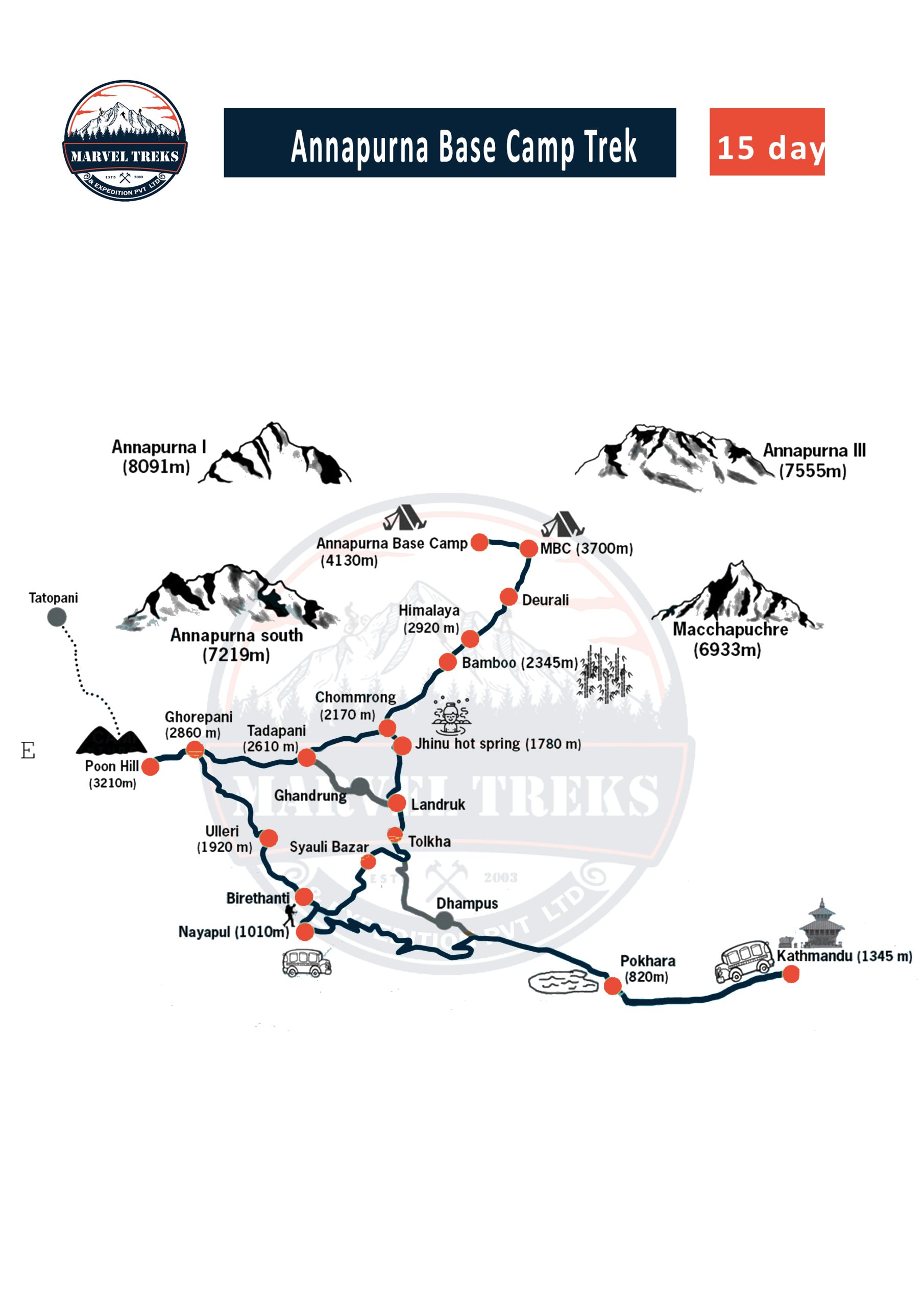
Trip Map
Packing List for Annapurna Base Camp Trek
Preparing the right equipment is absolutely essential for keeping your body safe, warm, and comfortable as you move through changing climates. You will be walking through everything from hot, humid lower valleys to freezing, wind-swept glacial zones, which means your gear needs to be highly versatile. While checking an extensive Annapurna Circuit Trek packing list can give you an excellent crossover idea of the heavy-duty gear required for this region, your setup for base camp can remain slightly lighter. Packing too much will exhaust you or your porter, while forgetting a critical item can ruin your experience entirely. A well-planned, lightweight gear setup allows you to focus your energy on the mountain trail and the jaw-dropping wilderness views around you.
Essential Gear
The core of your equipment should focus on a premium pair of broken-in trekking boots that provide excellent ankle support and a waterproof exterior to handle muddy or snowy paths. You will also need a high-quality, windproof down jacket that can trap body heat effectively when temperatures drop well below freezing at the high base camps. Finally, a durable forty to fifty liter backpack with a supportive hip belt is necessary to carry your daily layers, water bottles, and cameras comfortably.
Clothing Checklist
A proper clothing strategy relies entirely on a smart layering system that allows you to easily add or remove clothes as your body temperature changes during the day.
- Base Layer: Moisture-wicking thermal underwear tops and bottoms that keep sweat away from your skin to prevent you from catching a cold.
- Middle Layer: Fleece jackets or lightweight trekking shirts that insulate your body heat while remaining breathable during steep uphill climbs.
- Outer Layer: Waterproof and windproof shell jackets and pants to protect you from unexpected high-altitude rain or snowstorms.
- Hat and Gloves: A warm woolen beanie for freezing nights, a wide-brimmed sun hat for daytime trail walking, and insulated winter gloves.
Accessories & Documents
Using lightweight, adjustable trekking poles is highly recommended because they reduce the heavy physical impact on your knee joints by up to twenty-five percent during steep downhill walks. You must also carry your original passport, passport photos, and your printed mandatory conservation permits safely stored inside a waterproof zip pouch within your backpack. Finally, securing comprehensive travel insurance that explicitly covers emergency medical evacuation up to 5,000 meters is an absolute requirement for hitting the trail safely.
Why Choose the Annapurna Base Camp Trek?
The Annapurna Base Camp Trek is widely considered the best trek in Nepal for adventurers who want an incredibly short yet deeply rewarding Himalayan experience. Unlike other grueling high-altitude routes that require weeks of holiday time, this classic itinerary can be easily completed in just seven to eleven days of walking. The well-managed trail reaches a maximum elevation of 4,130 meters, meaning you get to experience the true majesty of giant snow-capped peaks without risking the severe altitude issues common on longer expeditions. It provides an unbeatable balance of time, safety, and immense mountain rewards that few other global destinations can match.
Choosing this specific trail ensures you get stunning close-up views of legendary peaks like Annapurna I and the sacred Machapuchare right from the very beginning of your journey. The trek is a famously beginner-friendly Himalayan trek when compared to the extreme rocky terrain and freezing environments found in the rugged Everest region. You will hike through a brilliant mix of lush green bamboo forests, cascading waterfalls, and active farming villages before finally entering the dramatic alpine glacial zone. Along the route, you will stay in hospitable tea houses run by local Gurung communities, allowing you to learn about ancient traditions and rich cultural heritage after a satisfying day of exploring the trail.
How Difficult is the Annapurna Base Camp Trek?
The Annapurna Base Camp Trek is classified as a moderately difficult high-altitude walking journey that requires strong physical stamina but no technical mountaineering skills. The main physical challenge on this route comes from the intense, repetitive terrain and the substantial overall elevation gain, which starts from around 1,070 meters at the valley trailhead and climbs steadily up to 4,130 meters at the final sanctuary. You will encounter frequent, massive elevation shifts, particularly the legendary stone staircases of Ulleri and Chhomrong, which put continuous, demanding pressure on your leg muscles, knees, and joints over consecutive days.
Your daily itinerary will require between five to seven hours of continuous walking over uneven dirt trails, steep rocky slopes, and endless stone steps. While this is highly achievable for determined beginners with a solid foundation of cardiovascular health, it is important to fully understand the terrain challenges before booking. Reviewing a detailed breakdown of the Annapurna Base Camp Trek difficulty level will help you prepare your body for what lies ahead. The Everest route starts at a much higher, riskier baseline altitude and reaches a freezing peak of 5,554 meters, whereas the Annapurna path features a more gradual, beginner-friendly Himalayan trek ascent. This makes the Annapurna Sanctuary an incredibly rewarding option for active travelers who want to experience the magic of giant mountain peaks without facing extreme alpine exhaustion.
Fitness Requirements for ABC Trek
The recommended fitness level for a safe and successful journey to the sanctuary is a strong, healthy base of physical endurance and cardiovascular stamina. You should ideally be capable of jogging, swimming, or cycling for forty-five minutes continuously without experiencing heavy exhaustion before setting off on the trail. Your body must also be fully prepared to handle the unique physical fatigue of walking for multiple consecutive days while carrying a light backpack.
- Cardio Focus: Spend at least six to eight weeks before your trip doing targeted aerobic workouts like swimming, running, or cycling to build up your lung capacity for the thinning mountain air.
- Stair Training: Walk up and down building stairs or use a gym step machine for thirty minutes daily to prepare your leg muscles for the steep stone steps of Ulleri.
- Weekend Hikes: Complete a longer four- to six-hour weekend walk on hilly, uneven countryside trails while wearing your broken-in trekking boots and carrying a five-kilogram backpack to simulate real trail conditions.
- Strength Preparation: Incorporate regular leg-strengthening exercises like squats, lunges, and calf raises into your weekly routine to protect your knee joints during the long downhill descents.
Best Time for Annapurna Base Camp Trek
The best season Annapurna Base Camp can offer falls within two distinct peak weather windows that guarantee comfortable walking conditions and clear views. Choosing your travel dates carefully is the most critical decision of your entire planning phase because the volatile mountain environment dictates trail safety, flight reliability, and lodge availability. While lower parts of the route remain accessible most of the year, heading up above 3,000 meters into the steep glacial sanctuary requires predictable, dry conditions to avoid dangerous weather traps. Planning your journey within the ideal seasonal windows ensures you experience the absolute finest panoramic vistas of the massive peaks without facing extreme weather disruptions.
Spring (March–May)
The spring season is a truly magical period when the entire mountain region transitions from freezing winter conditions into a vibrant, colorful paradise. During these months, daytime temperatures at lower and mid-altitudes range comfortably between 10°C and 20°C, creating highly pleasant conditions for a full day of hiking. The major highlight of spring trekking is the spectacular explosion of blooming rhododendron forests that blanket the slopes around Ghorepani and Tadapani in brilliant shades of red, pink, and white. As you climb past the tree line, the weather on ABC trek features remain largely stable, providing bright sunny afternoons and beautifully clear morning skies for crisp mountain photography.
Autumn (September–November)
Autumn is widely recognized by mountain guides as the absolute number one best season Annapurna Base Camp has to offer. Immediately following the heavy summer monsoon rains, the atmosphere is thoroughly washed clean, resulting in exceptionally sharp air quality and unparalleled crystal-clear mountain views. Daytime temperatures drop into a crisp, comfortable range of 10°C to 17°C, which prevents over-exhaustion during long uphill segments while providing dry, solid trail conditions underfoot. Because this window offers the most reliable, stable weather patterns of the entire year, it is the peak choice for capturing flawless, unobstructed panoramas of the iconic Machapuchare and Annapurna I peaks.
Winter & Monsoon Considerations
Trekking during the off-season months of winter and monsoon brings severe environmental challenges along with a few unique rewards for highly experienced adventurers. The freezing winter season from December to February delivers biting cold temperatures and heavy snowstorms that frequently blanket the high paths, though it rewards brave hikers with completely empty trails and crisp, cloudless winter skies. On the flip side, the summer monsoon season from June to August creates highly problematic conditions, bringing torrential daily downpours, slippery mud paths, active leeches, and a real risk of landslides in the narrow valleys. Unless you possess advanced wilderness training and highly flexible travel plans, avoiding these two difficult off-season windows is strongly advised for your mountain safety.
Permits Required for Annapurna Base Camp Trek
Securing the correct legal entry permits is a completely mandatory step that every international hiker must complete before taking a single step onto the mountain trail. These documents are strictly required to manage tourist safety throughout the remote regions, support environmental conservation projects, and provide vital tracking data in case an emergency rescue becomes necessary. Local checkpoint officers monitor the paths carefully, and failing to show valid paperwork will result in massive double-fee fines or being turned back from your itinerary entirely. Fortunately, the system is highly organized, and gathering your passes is a straightforward process if you know exactly what the park authorities require.
The first major document you must have is the Trekkers Information Management System card, which functions as your official safety tracking document throughout the country. For foreign nationals booking their journey through a registered local trekking agency, this card costs 1,000 Nepali rupees, while solo travelers are required to pay 2,000 Nepali rupees. The second essential paper is the Annapurna Conservation Area Permit, which costs 3,000 Nepali rupees for international visitors and 1,000 Nepali rupees for citizens of SAARC member countries. This fee goes directly toward the National Trust for Nature Conservation to help fund vital trail maintenance, protect local wildlife habitats, and build modern infrastructure inside the sanctuary.
Where and How to Get Permits
You can easily obtain your mandatory trekking documents at the official Nepal Tourism Board offices located in either the capital city of Kathmandu or the lakeside town of Pokhara. Most hikers find it incredibly convenient to visit the Pokhara office at Damside the afternoon before their itinerary begins, as the service counters are highly efficient and typically issue your finalized passes within thirty minutes. You must complete this administrative step before reaching the trailhead checkpoints, as permits are absolutely not available for purchase at the entry gates.
- Valid Passport: You must submit your original passport or a perfectly clear, legible printed photocopy showing your personal details and current visa stamp.
- Passport Photographs: You will need to provide at least four recent, identical passport-sized photographs to attach to the various application forms.
- Local Currency: The permit counters accept payments exclusively in cash Nepali rupees, so you must exchange your money beforehand at a local bank or exchange kiosk.
- Guide Information: You must provide the official license number and registration details of your mandatory local guide, as independent trekking without a guide is strictly prohibited.
Accommodation and Food on the ABC Trek
Understanding your daily accommodation and food setups is absolutely essential for planning a comfortable and physically sustainable journey to the high glacial basin. Since this classic itinerary relies completely on a well-established network of local mountain communities, you do not need to worry about carrying heavy camping tents, bulky cooking stoves, or massive survival food supplies. Instead, every single overnight stop along the route provides warm shelter and freshly cooked hot meals prepared by local family hosts. This convenient setup allows you to trek with a substantially lighter backpack, focusing your valuable energy entirely on navigating the challenging trail terrain and enjoying the jaw-dropping mountain views.
Teahouse Accommodation
Teahouse rooms are very basic and small, usually with two simple single wooden beds, thin mattresses, a pillow, and a blanket. The walls are thin, so you can easily hear your neighbors talking, which means bringing earplugs is a great idea. Most bathrooms are shared and located outside your room, and you will have to pay a small extra fee of about 2 to 4 dollars for amenities like a hot shower, charging your phone, or using the Wi-Fi. The best part of the teahouse is the big, warm dining room where all the trekkers sit together in the evening to eat dinner and share fun stories from the trail.
Food Options
The food menus at the teahouses have plenty of choices to give you lots of energy for walking up the steep mountain trails. The most popular meal is Dal Bhat, which is a big traditional plate of rice, lentil soup, and vegetable curry that always comes with free, unlimited refills so you never go hungry. If you want something different, the local kitchens also cook familiar dishes like fried noodles, hot garlic soup, pasta, and even mountain pizzas made with local cheese. It is best to avoid eating meat at high altitudes because it has to be carried up by porters for many days without a fridge, so sticking to fresh vegetarian dishes is much safer for your stomach.
Altitude Sickness and Safety Tips
Understanding altitude sickness ABC trek risks is the single most critical factor for ensuring your physical safety inside the high-altitude Annapurna sanctuary. As you climb above 3,000 meters, the atmospheric pressure drops and oxygen molecules grow fewer, which forces your heart and lungs to work twice as hard. Anyone can experience altitude issues regardless of their age, physical fitness level, or previous mountain experience if they climb too quickly. Prioritizing trekking safety Nepal rules helps you recognize early warnings and ensures you make smart, safe decisions on the high trail.
Symptoms of Altitude Sickness
The earliest signs of mild acute mountain sickness typically include a persistent, throbbing headache, slight feelings of nausea, dizziness, and unusual physical fatigue. You might also notice a sudden loss of appetite, difficulty sleeping soundly at night, or a mild feeling of shortness of breath during basic tasks. If these symptoms begin to worsen into a severe cough, extreme breathlessness while resting, or an inability to walk in a straight line, you must treat it as a medical emergency.
Prevention Tips
The absolute best way to prevent altitude sickness is to climb slowly and give your body plenty of natural time to adapt to the thinning air.
- Gradual Ascent: Limit your daily sleeping elevation gains to a maximum of 500 meters once you pass the 3,000-meter safety line.
- Hydration Rule: Drink between four to five liters of clean, filtered water every single day to keep your blood well-oxygenated.
- Avoid Accelerators: Strictly avoid drinking alcoholic beverages, smoking cigarettes, or taking sleeping pills while staying at the high camps.
- Eat Carbohydrates: Consume high-calorie, warm vegetarian meals like Dal Bhat to give your body the clean energy it needs to acclimatize.
Emergency & Rescue Information
If you or a teammate shows severe symptoms of altitude sickness, the absolute first and most important safety rule is to immediately descend to a lower altitude with your guide. For extreme medical situations where a hiker cannot walk, reliable helicopter rescue options are readily available throughout the Annapurna region to fly you directly to a hospital in Pokhara. Your licensed guide will use their satellite communication network to coordinate with your insurance company and arrange an emergency evacuation flight within hours.
Do You Need a Guide for Annapurna Base Camp Trek?
Yes, hiring a licensed guide is now a strict legal requirement for all international travelers exploring the spectacular Annapurna Conservation Area. Under the official Nepal trekking rules, independent solo trekking without a guide is completely banned across all major national parks and mountain conservation zones. This strict policy was introduced to drastically improve trail safety, prevent hikers from getting lost in remote areas, and ensure instant coordination during medical emergencies. You cannot legally purchase your mandatory entry permits or pass the trail checkpoints without showing proof of a registered agency booking.
Hiring a professional guide brings massive benefits to your overall mountain adventure, turning a basic walk into a rich, stress-free cultural experience. Your guide handles all the complicated daily logistics, including securing the best teahouse rooms, ordering fresh meals, and checking your oxygen levels every evening. They speak the local languages fluently and share deep insights into the ancient Gurung customs, village histories, and local wildlife that you would completely miss on your own. For a standard itinerary, a government-licensed guide costs between 28 to 33 USD per day, while an experienced porter costs 22 to 25 USD per day, which comfortably covers their wages, food, lodging, and mandatory insurance.
Annapurna Base Camp Trek vs Everest Base Camp Trek
Choosing between the Annapurna Base Camp Trek and the iconic Everest Base Camp Trek depends entirely on your vacation time, physical fitness, and personal adventure goals. Both routes offer world-class Himalayan scenery, but they deliver completely different trail experiences, physical challenges, and cultural encounters. If you are struggling to decide between the two, reading a head-to-head comparison on the Annapurna Trek vs Everest Base Camp can help clarify which landscape and difficulty level fits your travel style. Evaluating how each journey matches your current hiking background ensures you select the absolute perfect mountain route for your next holiday.
Difficulty Comparison
The Annapurna Base Camp Trek is significantly easier and more accessible for active beginners because it features a much lower maximum altitude of 4,130 meters. The trail ascends gradually through sheltered, green river valleys, which greatly reduces the overall risk of developing severe altitude sickness. In contrast, the Everest Base Camp journey is a much tougher physical challenge that starts at a high baseline and climbs to a freezing 5,364 meters. The Everest paths are much rockier, steeper, and require walking for consecutive days in thin, freezing air, making it better suited for experienced hikers with strong stamina.
Cost Comparison
The overall budget for the Annapurna journey is much more economical and pocket-friendly compared to a trip into the remote Khumbu region. Reaching the Annapurna trailhead requires a cheap road drive or a short domestic flight to Pokhara, and the teahouse meal prices remain quite reasonable in the lower valleys. On the other side, the Everest trek requires an expensive round-trip flight to the dangerous mountain airstrip at Lukla, which immediately adds several hundred dollars to your basic expenses. Furthermore, because the Everest region is incredibly isolated, the cost of food, hot showers, and Wi-Fi access at high altitudes is nearly double what you will pay on the Annapurna route.
Scenic Differences
The visual landscapes along these two legendary trails offer completely contrasting styles of natural beauty. The Annapurna trail is famous for its incredible ecological diversity, taking you from lush terraced rice fields and blooming pink rhododendron forests up into a cozy, 360-degree amphitheater of snow-capped peaks. The Everest trek, however, moves very quickly out of the green tree line and spends the majority of its itinerary inside a vast, dramatic, and stark alpine environment. You will walk alongside massive, crushing glacial moraines and look up at jagged, iconic giants like Ama Dablam, Lhotse, and the dark summit of Mount Everest itself.
Which Trek Is Better For You?
The Annapurna Base Camp Trek is the absolute perfect choice for you if you want a shorter, budget-friendly holiday that combines diverse green landscapes with rich local culture. It is ideal for families, first-time Himalayan hikers, and travelers who prefer warmer walking conditions and a lower risk of altitude fatigue. However, if your ultimate dream is to see the highest mountain on Earth with your own eyes and you crave a challenging, high-altitude alpine expedition, the Everest route is worth the extra cost. Whichever path you choose, the spectacular mountains of Nepal promise to deliver a life-changing adventure that you will cherish forever.
Why Trek with Marvel Treks and Expeditions?
Choosing the best company for your Annapurna Base Camp Trek is the single most important decision you will make to ensure a safe, organized, and unforgettable Himalayan adventure. Marvel Treks and Expeditions balances rigid safety standards with authentic mountain hospitality to guarantee you reach the final sanctuary with total confidence and peace of mind.
Here is what makes Marvel Treks your ultimate teammate on the trail:
Deep Local Expertise: Founded and operated by native mountain personnel who know every stone staircase, shortcut, and weather pattern inside the Annapurna Sanctuary.
Safety-First Management: Your lead guide monitors your oxygen saturation levels daily and provides expert acclimatization strategies to prevent acute mountain sickness.
All-Inclusive Transparency: From domestic flights and private trailhead jeep transfers to three freshly cooked daily meals, your entire trip is fully covered with no hidden fees.
Excellent Support Ratios: We maintain a comfortable ratio of one porter for every two trekkers, ensuring our crew is never overloaded and always attentive to your needs.
Rapid Emergency Response: Marvel Treks maintains a direct line with satellite networks and domestic helicopter fleets to coordinate swift, safe evacuations if needed.
When you book with Marvel Treks, you are joining a family of passionate ambassadors of Nepal. Let us shoulder the logistics while you focus on enjoying the jaw-dropping glacial scenery and standing in the center of the world’s most spectacular mountain amphitheater.
Error: Contact form not found.
Price W/O Addons: US$ 502 per person
- Arrival and Ground Services: International and domestic airport pick-up and drop-off are provided with a warm welcome by a Marvel Treks and Expeditions representative. All ground transportation in Kathmandu and guided sightseeing as per the itinerary are included, excluding historical site entrance fees.
- Accommodation: Kathmandu and Pokhara accommodations are arranged in 3-star hotels on a twin-sharing Bed and Breakfast basis, with single rooms available at an additional cost. On the trail, clean and authentic local mountain teahouses/lodges are provided during the trek.
- Meals and Nutrition: Welcome and farewell dinners are included in Kathmandu, while lunch and dinner in the cities are excluded unless specified. During the trek, three hygienic meals daily (breakfast, lunch, and dinner) chosen directly from the teahouse menus are provided, along with fresh seasonal fruits where available.
- Transportation and Logistics: All required domestic flights (Kathmandu to Pokhara round-trip) or tourist bus/private jeep transport as per the itinerary are included. Trailhead jeep transfers (Pokhara to Birethanti/Jhinu Danda) and baggage movement via porters are fully managed.
- Permits and Government Requirements: All mandatory Nepal Government trekking permits, including the Annapurna Conservation Area Permit (ACAP) and the Trekkers Information Management System (TIMS) card, are included. Applicable government taxes, company service fees, and administrative charges are fully covered.
- Trekking Staff and Support: The journey is led by a government-licensed, English-speaking local trekking guide, supported by experienced mountain porters (typically 1 porter for every 2 trekkers). All staff salaries, food, lodging, gear, and mandatory medical insurance are fully included.
- Communication, Safety, and Medical: First-aid kits, daily tracking updates, emergency pulse oximeters to monitor blood oxygen saturation, and satellite communication support are managed by your lead guide.
- Complimentary Items: Marvel Treks provides high-quality expedition duffle bags, branded trekking apparel, official route maps, and free use of down jackets and four-season sleeping bags for the duration of the trek.
- International Travel and Visa: International airfare to and from Nepal and Nepal entry visa fees (obtainable at the Kathmandu airport) are not included. Excess baggage charges on international and domestic flights are excluded.
- Meals and Beverages: Lunch and dinner in Kathmandu and Pokhara are excluded unless clearly stated in the itinerary. On the trail, personal snacks (chocolate bars, energy gels), specialty coffees, bottled water, boiled drinking water, soft drinks, and alcohol are not included.
- Personal Equipment: Personal trekking gear, clothing (hiking shirts, waterproof shells, fleece layers), sturdy trekking boots, backpacks, and packing items are not included. Personal medical kits, toiletries, and hygiene supplies must be arranged individually.
- Insurance and Medical: Personal travel insurance explicitly covering high-altitude trekking up to 5,000 meters, helicopter evacuation, and emergency medical treatment is mandatory and not included. Medical examinations, clearance forms, and hospitalization costs are excluded.
- Extra Accommodation: Additional hotel nights in Kathmandu or Pokhara due to early arrival, late departure, mountain flight delays, bad weather disruptions, or personal itinerary changes are not included. Accommodation and meals outside official trek dates are excluded.
- Communication and Internet: Personal internet usage, local SIM cards, satellite phone calls, and Wi-Fi services charged separately by individual teahouses on the trail are not included.
- Tips and Gratuities: Tips for your trekking guides, porters, and local drivers are highly recommended at the end of the journey as a token of appreciation but are excluded from the package price.
- Permits and Special Requests: Drone usage, professional filming, photography, and special media permits are excluded and subject to strict government approval. Customs duties for personal equipment are not included.
- Personal and Miscellaneous Expenses: Laundry services, hot showers at the teahouses, battery/device charging fees, and banking or ATM transaction fees are excluded. Any personal expenses of a private nature are the participant’s responsibility.
- Unforeseen Circumstances: Costs arising from natural disasters, extreme mountain weather, landslides, political unrest, strikes, or sudden changes in government trekking regulations are excluded. Any service not specifically mentioned under cost includes is not covered.
Departures & Availability of Annapurna Base Camp Trek
Dates of Trip
502Save 38
March 1, 2023 - March 15, 2023
502Save 38
March 16, 2023 - March 30, 2023
502Save 38
April 1, 2023 - April 15, 2023
502Save 38
April 16, 2023 - April 30, 2023
502Save 38
May 1, 2023 - May 15, 2023
502Save 38
May 16, 2023 - May 30, 2023
502Save 38
June 1, 2023 - June 15, 2023
502Save 38
June 16, 2023 - June 30, 2023
502Save 38
July 1, 2023 - July 15, 2023
502Save 38
July 16, 2023 - July 30, 2023
502Save 38
August 1, 2023 - August 15, 2023
502Save 38
August 16, 2023 - August 30, 2023
502Save 38
September 1, 2023 - September 15, 2023
502Save 38
September 16, 2023 - September 30, 2023
502Save 38
October 1, 2023 - October 15, 2023
502Save 38
October 16, 2023 - October 30, 2023
502Save 38
November 1, 2023 - November 15, 2023
502Save 38
November 16, 2023 - November 30, 2023
502Save 38
December 1, 2023 - December 15, 2023
502Save 38
December 16, 2023 - December 30, 2023
502Save 38
January 1, 2024 - January 15, 2024
502Save 38
January 16, 2024 - January 30, 2024
502Save 38
February 1, 2024 - February 15, 2024
502Save 38
February 16, 2024 - March 1, 2024
502Save 38
March 2, 2024 - March 16, 2024
502Save 38
March 17, 2024 - March 31, 2024
502Save 38
April 1, 2024 - April 15, 2024
502Save 38
April 16, 2024 - April 30, 2024
502Save 38
May 1, 2024 - May 15, 2024
502Save 38
May 16, 2024 - May 30, 2024
502Save 38
June 1, 2024 - June 15, 2024
502Save 38
June 16, 2024 - June 30, 2024
502Save 38
July 1, 2024 - July 15, 2024
502Save 38
July 16, 2024 - July 30, 2024
502Save 38
August 1, 2024 - August 15, 2024
502Save 38
August 16, 2024 - August 30, 2024
502Save 38
September 1, 2024 - September 15, 2024
502Save 38
September 16, 2024 - September 30, 2024
502Save 38
October 1, 2024 - October 15, 2024
502Save 38
October 16, 2024 - October 30, 2024
502Save 38
November 1, 2024 - November 15, 2024
502Save 38
November 16, 2024 - November 30, 2024
502Save 38
December 1, 2024 - December 15, 2024
502Save 38
December 16, 2024 - December 30, 2024
Group Discount Prices
Gear List
Frequently Asked Questions
Traveler Reviews




1–12 pax from 540
$ 502/pax
speak to an Experts





We are featured on