
Best Monsoon Treks in Nepal for 2026
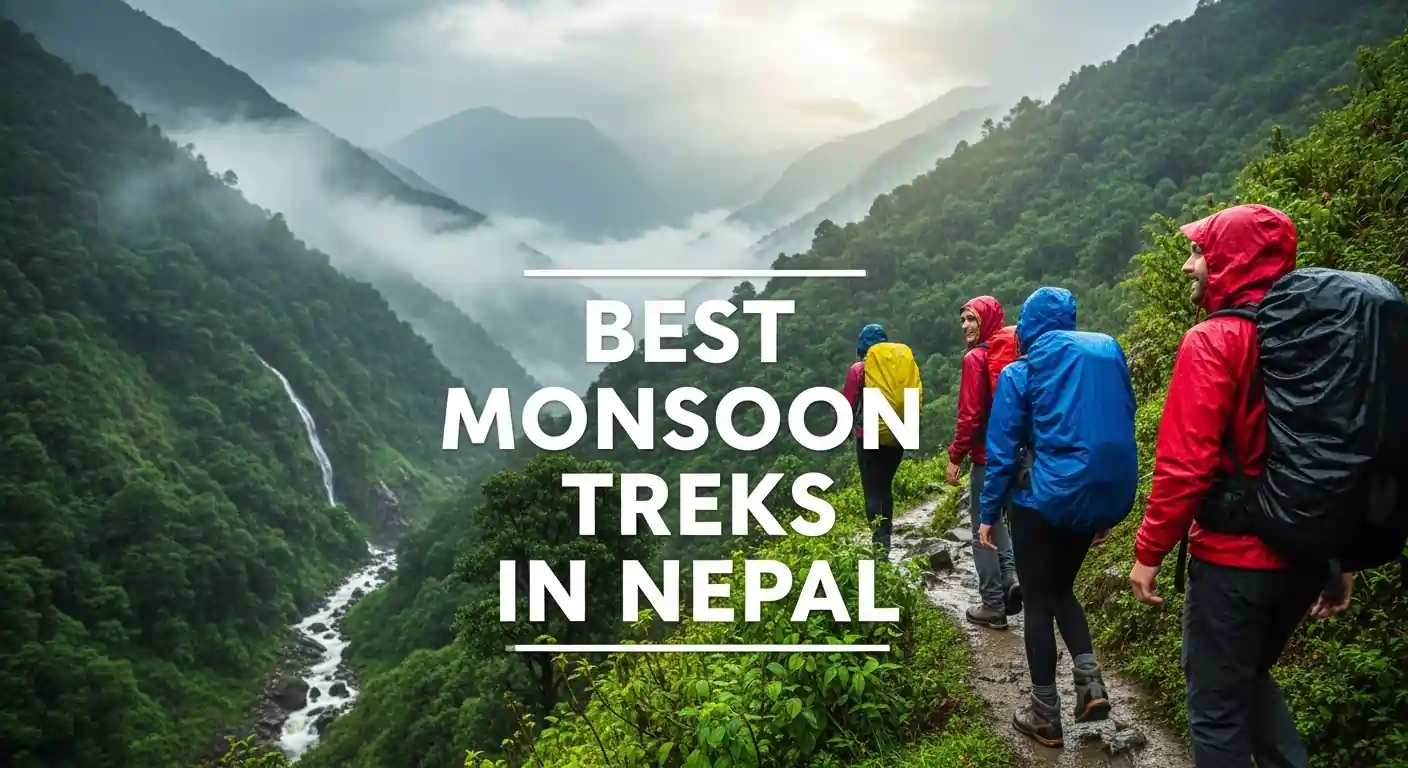
Most trekkers assume Nepal shuts down during monsoon season, and that assumption is exactly why June through August offers some of the most rewarding hiking in the Himalayas. While the southern slopes get drenched, entire regions north of the main ranges sit in rain-shadow zones that receive barely a drizzle.
This guide covers the best monsoon treks for 2026, from the bone-dry deserts of Upper Mustang to manageable routes like Langtang Valley, along with the gear, timing strategies, and practical know-how that separate a soggy disaster from an unforgettable adventure, especially for those exploring trekking in Nepal for beginners.
Why Trek in Nepal During Monsoon Season?
You should trek in Nepal during monsoon season because certain regions stay remarkably dry while the rest of the country gets drenched. The secret lies in rain-shadow zones, areas positioned north of the main Himalayan ranges where mountain barriers block incoming monsoon clouds. Upper Mustang, Dolpo, and the upper Manang valley receive less than 150mm of annual precipitation from June through August, compared to over 3,000mm in Pokhara during the same months. These bone-dry regions deliver world-class trekking while everyone else assumes Nepal is off-limits.
So why would you choose to trek during monsoon? For starters, the trails are nearly empty. Popular routes that see hundreds of trekkers daily in October might have only a handful during July. Teahouse bookings become easier, and lodge owners have time to sit and share stories rather than rushing between guests.
The landscape transforms too. Hillsides turn impossibly green, waterfalls thunder with renewed force, and wildflowers carpet the alpine meadows. If you pick the right region and pack the right gear, monsoon trekking delivers an experience you simply cannot replicate during peak season.
Best Monsoon Treks in Nepal
Your route selection matters more during monsoon than any other season. The following treks range from bone-dry rain-shadow destinations to routes that remain manageable with proper preparation. Rain-shadow zones like Upper Mustang and Dolpo receive minimal precipitation because mountain barriers block incoming monsoon clouds, while accessible routes like Langtang Valley and Mardi Himal experience rain but remain feasible with the right gear and timing. The key difference lies in understanding which regions stay protected by geography versus which require strategic planning around weather patterns.
| Trek | Duration | Difficulty | Why It Works |
| Upper Mustang | 12–14 days | Moderate | Trans-Himalayan desert |
| Manaslu Circuit with Tsum Valley | 16–18 days | Challenging | Northern positioning |
| Nar Phu Valley | 10–12 days | Challenging | Hidden valley protection |
| Lower Dolpo | 10–14 days | Moderate | Dhaulagiri rain-shadow |
| Annapurna Circuit | 12–16 days | Moderate-Challenging | Upper sections stay dry |
| Langtang Valley | 7–10 days | Moderate | Accessible, close to Kathmandu |
| Mardi Himal | 5–7 days | Moderate | Short duration |
1. Upper Mustang Trek
Upper Mustang sits behind the Annapurna and Dhaulagiri massifs, which block virtually all monsoon moisture. The result is a high-altitude desert that feels more like Tibet than Nepal, eroded red cliffs, ancient cave systems, and the walled city of Lo Manthang with its centuries-old Buddhist monasteries.
The region requires a restricted area permit (currently $500 for 10 days), which keeps crowds low even during peak season. That permit cost might seem steep, but it directly supports conservation and ensures the region maintains its authentic character. If you want the driest possible monsoon trek, the Upper Mustang Trek is your answer.
2. Manaslu Circuit with Tsum Valley Trek
The Manaslu Circuit offers a quieter alternative to the Annapurna Circuit, with the added draw of the sacred Tsum Valley, a hidden Buddhist enclave that remained closed to outsiders until 2008. The route crosses Larkya La Pass at 5,160 meters, one of the most dramatic high passes in Nepal.
Due to its northern positioning, the upper sections receive significantly less monsoon rainfall than southern approaches. The combination of cultural immersion and high-altitude challenge makes the Manaslu circuit trek with Tsum valley trek particularly rewarding during the quieter monsoon months.
3. Nar Phu Valley Trek
Nar Phu branches off from the Annapurna Circuit into two remote valleys that few trekkers ever see. The villages of Nar and Phu maintain traditional Tibetan lifestyles largely unchanged by modern tourism, and the valley’s geography provides natural protection from monsoon rains.
The permit requirements (currently $90 per week) and challenging terrain keep visitor numbers low. If you’re seeking genuine remoteness combined with rain-shadow conditions, the Nar Phu Valley trek delivers both.
4. Lower Dolpo and Phoksundo Lake Trek
Dolpo lies in the rain-shadow of the Dhaulagiri range, making it an excellent monsoon destination with a distinctly different character from the Annapurna and Everest regions. The highlight is Phoksundo Lake, Nepal’s deepest lake, famous for its striking turquoise waters.
The region is home to practitioners of the ancient Bon religion, which predates Buddhism in the Himalayas. You’ll encounter communities living much as they have for centuries, with limited modern infrastructure but extraordinary cultural authenticity.
5. Annapurna Circuit Trek
The classic Annapurna Circuit remains viable during monsoon because its northern section, beyond Manang and toward Muktinath, lies in the trans-Himalayan rain-shadow. The southern sections will be wet, but conditions improve dramatically as you gain altitude and move north.
Trekking counter-clockwise allows you to reach the drier sections faster, though you’ll still cross Thorong La Pass (5,416 meters) with proper acclimatization. The trade-off is worth it: you’ll have the trail largely to yourself on the Annapurna circuit trek.
6. Langtang Valley Trek
The Langtang valley trek offers the most accessible monsoon option with moderate trail difficulty, located just 30 kilometers north of Kathmandu with no flights required. The valley passes through traditional Tamang villages and leads to Kyanjin Gompa, where you can explore glaciers and climb Tserko Ri for panoramic views.
This region does receive monsoon rain, but the trek’s accessibility means you can wait out bad weather days without disrupting a tight schedule.
7. Mardi Himal Base Camp Trek
For trekkers with limited time, Mardi Himal provides a 5–7 day option featuring ridge walking through rhododendron forests. The trail offers close-up views of Machhapuchhre (Fishtail) and Annapurna South, particularly during clear morning windows.
The shorter duration makes this trek easier to manage around rain—you can time your summit day for a clear morning and descend before afternoon clouds build.
Advantages of Trekking in Nepal During Monsoon
Monsoon trekking in Nepal delivers unexpected rewards that peak-season visitors never experience. While most trekkers avoid June through August, those who venture out during these months discover transformed landscapes, empty trails, significant cost savings, and dramatic morning mountain views. The key lies in understanding how to work with monsoon patterns rather than against them, turning perceived disadvantages into genuine opportunities for a more authentic Himalayan experience.
1. Lush Green Landscapes and Blooming Flora
The monsoon transforms Nepal’s middle hills into a photographer’s paradise. Terraced rice paddies glow emerald green, waterfalls cascade from every cliff face, and wildflowers carpet the alpine meadows between 2,500 and 3,500 meters. The contrast between the vibrant vegetation and snow-capped peaks creates compositions impossible to capture during the dry season, when hillsides turn brown and waterfalls reduce to trickles.
2. Fewer Crowds on Popular Trails
Popular routes like Everest Base Camp and the Annapurna Circuit see a fraction of their peak-season traffic during monsoon. You’ll actually get to choose your room rather than taking whatever’s left, and lodge owners have time for genuine conversation. The difference is dramatic, trails that feel like highways in October become peaceful footpaths in July, allowing you to experience the mountains at your own pace without jostling for position at viewpoints or racing other groups to secure accommodation.
3. Budget-Friendly Prices and Discounts
Many trekking operators offer monsoon discounts ranging from 10–25% off standard rates. Teahouse prices often drop as well, and flights and accommodation in Kathmandu and Pokhara cost less during off-peak months. These savings add up quickly on longer treks, potentially reducing your total trip cost by hundreds of dollars while delivering the same spectacular scenery and cultural experiences you’d encounter during peak season.
4. Clear Mornings for Mountain Views
Monsoon weather follows a predictable pattern: clear mornings with clouds building through the afternoon, followed by evening rain. By starting your hikes at 6–7 AM, you can maximize your chances of mountain views before visibility decreases. Experienced monsoon trekkers learn to work with this rhythm, covering distance and reaching viewpoints early, then settling into teahouses by mid-afternoon as the weather shifts.
Monsoon Trekking Challenges and How to Handle Them
Monsoon trekking presents specific challenges that require preparation and smart strategies to overcome. From afternoon downpours and muddy trails to leeches at lower elevations and unpredictable flight schedules, understanding these obstacles allows you to plan effectively. The good news is that each challenge has practical solutions, proper gear, timing adjustments, and route selection turn potential problems into manageable aspects of your adventure.
1. Heavy Rainfall and Wet Trail Conditions
Afternoon rain showers create muddy, slippery trails, especially at lower elevations where precipitation is heaviest. The key to managing wet conditions lies in three strategies: investing in high-quality waterproof gear with breathable fabrics, using trekking poles for stability on wet stone steps, and starting your daily hikes by 6–7 AM to cover most distance before conditions deteriorate. This early-morning approach allows you to reach your destination before the heaviest rainfall begins.
2. Leeches and Insects on Lower Elevation Trails
Leeches thrive below 3,000 meters in forested, wet areas during monsoon season. While they don’t transmit diseases and pose no serious health risk, they can be unpleasant for unprepared trekkers. Effective protection requires a combination approach:
- Leech socks: Tightly woven fabric covering your calves prevents leeches from reaching skin
- DEET-based repellent: Apply to boots and lower legs before entering forested sections
- Salt: Carrying a small container helps remove any leeches that manage to attach
Above 3,500 meters, leeches are essentially absent, so this concern disappears as you gain elevation.
3. Limited Mountain Visibility in the Afternoon
Clouds typically obscure mountain peaks after midday as monsoon weather patterns build throughout the day. The solution involves adjusting your expectations and planning viewpoint visits for early morning when visibility is clearest. Rather than viewing afternoon clouds as a disappointment, many experienced monsoon trekkers appreciate how dramatic cloud formations create their own photographic opportunities and add atmosphere to the landscape.
4. Landslide and Flood Risks on Certain Routes
Heavy monsoon rains can trigger landslides on steep, exposed trails, particularly on routes with unstable geology. Managing this risk requires three key strategies: checking current trail conditions before departure through your trekking operator, hiring an experienced guide who knows alternate routes and can assess real-time conditions, and avoiding travel during periods of active heavy rainfall when landslide risk peaks. Flexibility with your itinerary allows you to wait out dangerous conditions safely.
5. Transportation and Flight Delays
Domestic flights to mountain airstrips like Lukla and Jomsom face frequent delays or cancellations during monsoon due to low visibility and unpredictable weather. The solution is building buffer days into your itinerary, at least two extra days for Lukla-dependent treks and one extra day for Jomsom flights. These buffer days prevent a weather-related flight delay from causing you to miss international connections or forcing expensive last-minute rebooking.
Essential Gear for Monsoon Trekking in Nepal
Monsoon trekking demands specialized gear that keeps you dry, comfortable, and safe on wet trails. The right equipment makes the difference between a miserable slog through rain-soaked conditions and an enjoyable adventure where weather becomes just another element of the experience. Your gear list should prioritize waterproofing, quick-drying materials, and protection against both precipitation and the leeches that thrive in wet, lower-elevation forests.
1. Waterproof Jacket and Rain Pants
Breathable waterproof layers made with Gore-Tex or equivalent materials are essential for managing both external rain and internal moisture from exertion. Look for sealed seams and pit zips for ventilation, you’ll be generating significant heat while hiking uphill, and trapped moisture inside your jacket creates its own problems. Quality rain gear represents one of your most important investments for monsoon trekking, as cheap alternatives fail quickly under sustained rainfall.
2. Waterproof Trekking Boots with Good Grip
Boots with good ankle support and aggressive tread handle muddy, slippery trails far better than lightweight trail runners, which lack the stability needed on wet stone steps and saturated paths. Gaiters add another layer of protection, keeping mud and water out of your boots while providing some leech defense at lower elevations. The combination of waterproof boots and gaiters keeps your feet dry and protected throughout long days on wet trails.
3. Quick-Dry Clothing and Moisture-Wicking Layers
Avoid cotton entirely, it stays wet, gets heavy, and causes chafing that can ruin your trek within days. Synthetic or merino wool base layers wick moisture away from your skin and dry quickly, often overnight when hung near teahouse wood stoves. Pack extra sets so you can rotate between wet and dry clothing, ensuring you always have dry layers to change into at the end of each day.
4. Leech Socks and Insect Repellent
Leech socks are made of tightly woven fabric that covers your calves and prevents leeches from reaching your skin, providing essential protection in forested sections below 3,000 meters. Combined with DEET-based insect repellent applied to boots and lower legs, they provide effective protection at lower elevations where leeches thrive during monsoon. Above 3,500 meters, leeches disappear entirely, so this gear matters most during the first few days of most treks.
5. Waterproof Bag Covers and Dry Bags
Protecting your electronics, passport, and spare clothing requires waterproof dry bags inside your main pack, creating multiple layers of protection against moisture. A rain cover for your backpack helps but isn’t sufficient on its own against heavy downpours—the seams and zippers still allow water through during sustained rainfall. Organizing your gear in separate dry bags also makes it easier to find items without exposing everything to rain when you open your pack on the trail.
Expert Tips for a Successful Monsoon Trek
Monsoon trekking success comes down to smart planning and tactical execution rather than luck. The strategies below address the specific challenges of wet-season hiking, from route selection and daily timing to gear redundancy and local expertise. These aren’t theoretical suggestions but field-tested approaches that experienced monsoon trekkers use to maximize safety, comfort, and mountain views while minimizing the downsides of unpredictable weather.
1. Choose Rain-Shadow Trekking Regions
This is the single most important decision for a successful monsoon trek. The trans-Himalayan zones, Upper Mustang, Dolpo, upper Manang valley, Nar Phu, receive only a fraction of the monsoon rainfall that drenches southern slopes. These rain-shadow regions sit behind massive mountain barriers that block incoming moisture, creating bone-dry conditions while the rest of Nepal gets soaked. Choosing these routes transforms monsoon trekking from a wet endurance test into a genuinely pleasant experience with clear skies and minimal precipitation.
2. Start Hiking Early Each Morning
Departing by 6–7 AM allows you to cover most of your daily distance before afternoon clouds and rain set in. Monsoon weather follows a predictable pattern, clear mornings that deteriorate as the day progresses, with clouds building through midday and rain typically arriving by mid-afternoon. Teahouses along the trails accommodate early breakfasts, and you’ll find that starting early not only maximizes your chances of mountain views but also means you’re settled into your next lodge before the heaviest rainfall begins.
3. Monitor Weather and Trail Conditions Daily
Checking weather forecasts when possible and asking teahouse owners about conditions ahead keeps you informed about what’s happening on the trail. Lodge owners maintain communication networks with other teahouses and receive reports about landslides, flooding, or trail closures as they develop. Flexibility with your itinerary allows you to wait out bad weather or take alternate routes when necessary, turning potential disasters into minor adjustments that keep your trek safe and enjoyable.
4. Trek with an Experienced Local Guide
An experienced local guide proves invaluable during monsoon, providing knowledge and safety that independent trekkers simply cannot replicate. They know alternate routes to bypass landslides, understand local weather patterns and how they affect specific trail sections, and maintain communication with other guides and teahouse owners about real-time conditions. Beyond safety, guides provide cultural context and handle logistics, allowing you to focus on the experience rather than constantly worrying about navigation and weather decisions.
5. Confirm Teahouse Availability in Advance
Some teahouses on less-traveled routes close during monsoon due to low traffic, particularly in more remote areas where visitor numbers drop significantly. Confirming accommodations in advance through your trekking operator prevents arriving at a locked lodge after a long day of hiking. This advance planning becomes especially important on restricted-area treks like Upper Mustang or Nar Phu, where accommodation options are limited even during peak season and closures can force significant itinerary changes.
6. Carry Backup Layers and Extra Dry Clothes
Packing spare base layers and socks in waterproof dry bags ensures you have dry clothes to change into at the end of a wet day, which dramatically improves comfort and morale. Even with excellent rain gear, moisture finds its way in during sustained rainfall or when you’re generating heat on steep climbs. Wet clothes can often be dried near wood stoves in teahouse dining rooms overnight, but having backup layers means you’re not dependent on successful drying and can stay comfortable regardless of conditions.
Responsible Trekking During Monsoon Season
Monsoon conditions require extra attention to environmental and community considerations. Wet, vulnerable terrain erodes more easily, and improperly disposed waste washes into rivers during heavy rains.
- Trail preservation: Staying on marked paths prevents erosion on saturated soil
- Waste management: Packing out all trash becomes even more critical when rain can spread waste across the landscape
- Supporting local communities: Choosing locally-owned teahouses and hiring local guides ensures your money directly benefits the communities hosting you
Start Planning Your Monsoon Adventure in Nepal
The monsoon season offers a genuinely different Himalayan experience, one defined by solitude, dramatic landscapes, and authentic cultural encounters rather than crowded trails and competitive teahouse bookings. With the right route selection and proper preparation, you can enjoy world-class trekking with Marvel Treks while most travelers assume Nepal is “closed” for the season.
FAQs About Monsoon Trekking in Nepal
Is it safe to travel to Nepal during monsoon season?
Monsoon trekking is safe when you choose appropriate rain-shadow routes and trek with experienced guides who understand local weather patterns and trail conditions. The key risks, landslides, flooding, flight delays, are manageable with proper planning and flexibility.
What is the best month for monsoon trekking in Nepal?
June and September bookend the monsoon with lighter rainfall, while July and August experience heavier precipitation. Early June often provides excellent conditions before the monsoon fully arrives, while late September sees clearing skies as the season ends.
Do I need travel insurance for monsoon trekking in Nepal?
Comprehensive travel insurance covering helicopter evacuation, medical treatment, and trip delays is essential for any Nepal trek. During monsoon, when weather disruptions are more common, the trip delay coverage becomes particularly valuable.
Are helicopter rescues possible during monsoon weather?
Helicopter evacuations can be delayed during heavy rain or low visibility, sometimes by several hours or even a day. Carrying adequate medication, allowing buffer days in your itinerary, and maintaining communication with your guide and operator all help manage this risk.
Can beginners do monsoon treks in Nepal?
Shorter routes like Ghorepani Poon Hill and Mardi Himal are suitable for beginners with reasonable fitness. Prior trekking experience and proper gear preparation improve the experience significantly, but the trails themselves don’t require technical skills.
How do I check real-time trail conditions before my monsoon trek?
Contacting your trekking operator for current updates provides the most reliable information. Local guides maintain communication networks with teahouse owners and other guides along the routes who report landslides, trail closures, or flooding as conditions change.

Ready for your next Himalayan adventure?
Plan Your Next Big Adventure with Us
Explore Our AdventuresJoin our expert-guided journeys across Nepal and beyond, from classic trails to epic summits.