Ganja La Pass Trek

Nepal
Himalayas
2–12 pax
5,160 m
Strenuous
Lodge/Tea House
5–7 hrs
Spring /Autumn
Highlights of Ganja La Pass Trek
- Reaching the high 5,130-meter summit using safety ropes and microspikes over steep rock and ice.
- Walking through pristine bamboo forests, deep alpine valleys, and wild rhododendrons inside Langtang National Park.
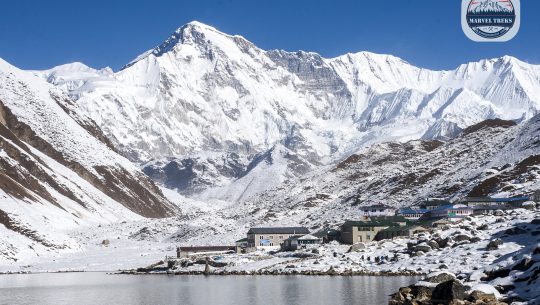
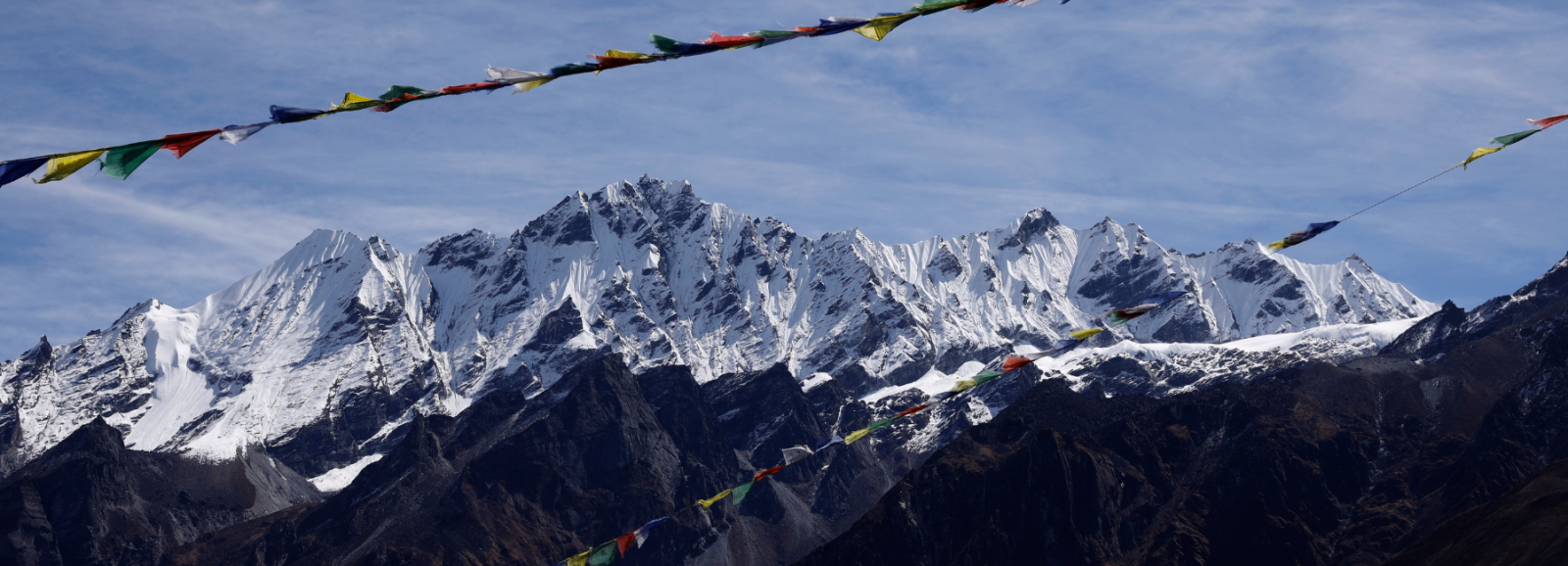
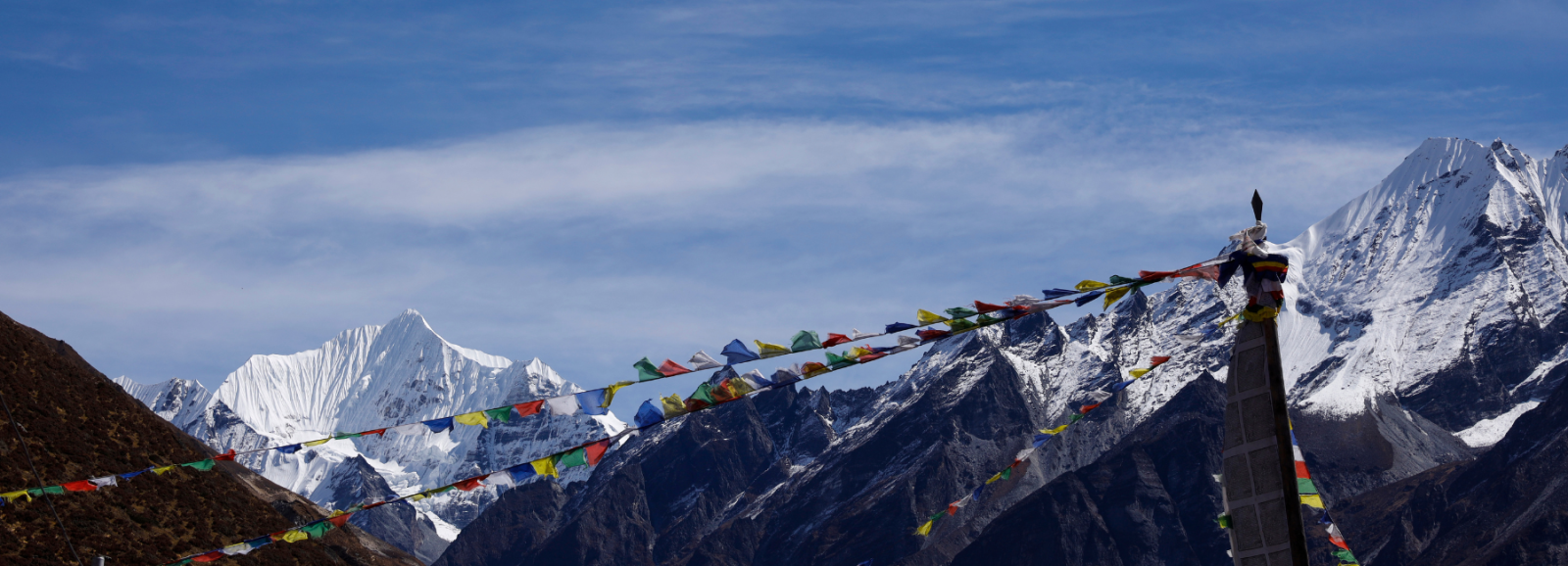
- Seeing close-up, panoramic views of Langtang Lirung, Dorje Lakpa, and snowy Tibetan border peaks.
- Leaving lodges behind to sleep in mountain tents under the stars at the remote Ngegang Kharka campsite.
- Hiking to the top of Tserko Ri at 5,033 meters for a spectacular high-altitude acclimatization viewpoint.
- Visiting the historic Kyanjin Gompa monastery surrounded by massive glaciers and dramatic frozen icefalls.
- Tasting fresh, traditional yak cheese made at the famous local alpine factory in the upper valley.
- Descending into the peaceful, terraced hills of Helambu to experience authentic Sherpa and Yolmo village hospitality.
Ganja La Pass Trek Overview
Ever stared at a map of the Himalayas and thought, “Yeah, the standard tea house trails are cool, but what else is out there?” If you are tired of jostling for position with hundreds of other tourists on the trail and want a journey that actually feels like a proper, old-school expedition, you are in the right place. Most people stick to the classic loops because they are comfortable, but there is a wild, slightly intimidating side of the Langtang region that only a handful of trekkers ever get to see. It is the kind of place where your mobile signal drops to zero, the lodges vanish, and it is just you, your crew, and a massive wall of ice and rock.
In this blog, we are going to dive deep into the ultimate overview of the legendary Ganja La Pass Trek, a thrilling route that takes you straight through the heart of the rugged Langtang National Park. We will break down exactly what makes this high-altitude crossing so special, from the peaceful village life in the lower valley to the raw, self-sufficient camping phase up in the clouds. Whether you are actively planning your next big mountain challenge or just daydreaming about standing at over 5,000 meters with a pair of microspikes on your boots, this guide covers everything you need to know about the terrain, the prep, and the sheer effort it takes to conquer the pass.
| Day | Itinerary | Altitude | Duration |
|---|---|---|---|
| 1 | Kathmandu → Syabrubesi (via Dhunche) | 1,470 m (Syabrubesi) / 1,950 m (Dhunche) | 6 hrs |
| 2 | Syabrubesi → Lama Hotel | 2,350 m | 6 hrs |
| 3 | Lama Hotel → Langtang Village | 3,310 m | 5 hrs |
| 4 | Langtang Village → Kyanjin Gompa | 3,860 m | 4 hrs |
| 5 | Kyanjin Gompa – Rest / Acclimatization + Hike to Viewpoints | 3,860–4,000 m | 3–4 hrs |
| 6 | Kyanjin Gompa – Rest / Acclimatization + Hike to Viewpoints | 4,000 m | 5 hrs |
| 7 | Ngen-Gang Kharka → Ganja La Pass → Keldang Kharka | 5,122 m → 4,270 m | 7 hrs |
| 8 | Keldang Kharka → Dhukpa | 4,040 m | 5 hrs |
| 9 | Dhukpa → Tarke-Gyang | 2,600 m | 5 hrs |
| 10 | Tarke-Gyang – Rest / Exploration | 2,600 m | 3–4 hrs |
| 11 | Tarke-Gyang → Sermathang | 2,590 m | 5 hrs |
| 12 | Sermathang → Kathmandu | 1,350 m | 4 hrs |
- Arrival and Ground Services: International airport pick-up and drop-off provided by a company representative. All ground transportation in Kathmandu and guided sightseeing as per the itinerary are included, excluding historical site entrance fees.
- Accommodation: Kathmandu accommodations are arranged in 3-star hotels on a twin-sharing bed and breakfast basis (single rooms available at an additional cost). On the trail, clean and authentic local mountain teahouses/lodges are provided during the teahouse phase, and high-quality four-season wilderness camping tents are fully provided during the high-altitude Ganja La Pass crossing phase.
- Meals and Nutrition: Welcome and farewell dinners are included in Kathmandu, while lunch and dinner in the city are excluded unless specified. During the trek, three hygienic meals daily (breakfast, lunch, and dinner) are provided, chosen directly from teahouse menus during the lodge phase and freshly prepared by a professional field kitchen crew during the wilderness camping phase along with fresh seasonal fruits where available.
- Transportation and Logistics: Round-trip ground transportation from Kathmandu to the trailhead at Syabrubesi and the return from the Helambu roadhead via private jeep or tourist bus (as per the package) are fully included. Baggage movement via porters is fully managed across the entire mountain pass.
- Permits and Government Requirements: All mandatory Nepal government trekking permits, including the Langtang National Park Entry Permit, Shivapuri National Park Entry Permit (where applicable for the Helambu exit), and the Trekkers Information Management System (TIMS) card, are included. Applicable government taxes, company service fees, and administrative charges are fully covered.
- Trekking Staff and Support: The journey is led by a government-licensed, English-speaking local trekking guide, supported by an experienced camping crew (including field cooks and kitchen helpers) and sturdy mountain porters (typically 1 porter for every 2 trekkers). All staff salaries, food, lodging, wilderness gear, and mandatory medical insurance are fully included.
- Communication, Safety, and Medical: First-aid kits, daily tracking updates, emergency pulse oximeters to monitor blood oxygen saturation, safety ropes for crossing the 5,122-meter pass, and satellite communication support are managed by your lead guide.
- Complimentary Items: High-quality expedition duffle bags, branded trekking apparel, official route maps, and free use of down jackets, heavy-duty insulated sleeping mats, and winter-rated sleeping bags for the duration of the trek are provided.
- Certification: Successful trekkers receive an official company certificate to commemorate their high-altitude achievement of conquering the demanding Ganja La Pass at the end of the journey.
- International Travel and Visa: International airfare to and from Nepal and Nepal entry visa fees (obtainable at the Kathmandu airport) are not included. Excess baggage charges on international and domestic flights are excluded.
- Meals and Beverages: Lunch and dinner in Kathmandu are excluded unless clearly stated in the itinerary. On the trail and at the campsites, personal snacks (chocolate bars, energy gels), specialty coffees, bottled water, boiled drinking water, soft drinks, and alcohol are not included.
- Personal Equipment: Personal trekking and camping gear, technical clothing (hiking shirts, waterproof shells, thermal layers), sturdy high-ankle trekking boots, daypacks, and packing items are not included. Personal medical kits, toiletries, and hygiene supplies must be arranged individually.
- Insurance and Medical: Personal travel insurance explicitly covering technical high-altitude trekking above 5,000 meters, emergency helicopter evacuation, and medical treatment is mandatory and not included. Medical examinations, clearance forms, and hospitalization costs are excluded.
- Extra Accommodation: Additional hotel nights in Kathmandu due to early arrival, late departure, highway/road delays, bad pass weather disruptions, or personal itinerary changes are not included. Accommodation and meals outside official trek dates are excluded.
- Communication and Internet: Personal internet usage, local SIM cards, satellite phone calls, and Wi-Fi services charged separately by individual teahouses or utilized via independent networks are not included.
- Tips and Gratuities: Tips for your trekking guides, field kitchen crew, camp porters, and local drivers are highly recommended at the end of the journey as a token of appreciation but are excluded from the package price.
- Permits and Special Requests: Drone usage, professional filming, photography, and special media permits are excluded and subject to strict government approval. Customs duties for personal equipment are not included.
- Personal and Miscellaneous Expenses: Laundry services, hot showers at the teahouses, battery/device charging fees, and banking or ATM transaction fees are excluded. Any personal expenses of a private nature are the participant’s responsibility.
- Unforeseen Circumstances: Costs arising from natural disasters, extreme mountain weather, pass blockages, landslides, political unrest, strikes, or sudden changes in government trekking regulations are excluded. Any service not specifically mentioned under cost includes what is not covered.
Detailed Itinerary
Day 1: Kathmandu to Syabrubesi (via Dhunche)
You will start your adventure with a long, scenic overland drive from Kathmandu through winding mountain roads and rural terraced landscapes. The highway takes you directly through the bustling town of Dhunche before dropping down to the riverside settlement where your trek officially begins tomorrow. It is a bumpy but fascinating journey that provides your first real glimpses of the beautiful green foothills of the central Himalayas.
- Trek Distance: ~132 km (Driving distance)
- Highest Altitude: 1,950 m (Dhunche)
- Duration: 6–7 hours
- Meals: Breakfast, Lunch, Dinner
Day 2: Syabrubesi to Lama Hotel
Your first day of actual walking takes you across suspension bridges and deep into the lush, dense forests of Langtang National Park. The trail follows the rushing Langtang Khola river upstream, presenting a steady, moderate incline up stone steps under a canopy of oak and bamboo trees. Keep an eye out for local wildlife like wild monkeys and diverse bird species along this peaceful woodland track.
- Trek Distance: ~11 km
- Highest Altitude: 2,350 m
- Duration: 6 hours
- Meals: Breakfast, Lunch, Dinner
Day 3: Lama Hotel to Langtang Village
As you continue your climb today, the dense forest begins to thin out, opening up to reveal dramatic glimpses of towering snow-capped mountain peaks ahead. You will pass through several small alpine settlements and old water mills before reaching the wide valley basin where Langtang Village sits. This community has been beautifully rebuilt and stands as a testament to the resilience of the local Tamang people.
- Trek Distance: ~14 km
- Highest Altitude: 3,310 m
- Duration: 5–6 hours
- Meals: Breakfast, Lunch, Dinner
Day 4: Langtang Village to Kyanjin Gompa
This short, scenic morning walk leads you past massive mani walls, carved prayer stones, and chortens into the upper reaches of the spectacular valley. The trail climbs gently through alpine pasturelands where yaks graze freely against a backdrop of giant glaciers and frozen icefalls. You will arrive at the legendary village of Kyanjin Gompa by lunchtime, leaving the afternoon open to rest or explore the historic monastery.
- Trek Distance: ~7 km
- Highest Altitude: 3,860 m
- Duration: 3–4 hours
- Meals: Breakfast, Lunch, Dinner
Day 5: Kyanjin Gompa (Rest and Acclimatization Hike)
You will spend a dedicated rest day at this high-altitude settlement to give your body sufficient time to naturally adapt to the thin mountain air. Your local guide will lead you on a rigorous side excursion up to lower panoramic viewpoints like Kyanjin Ri to prepare your lungs for the challenge ahead. It is the perfect opportunity to visit the famous local cheese factory and enjoy fresh pastries at an alpine bakery.
- Trek Distance: ~5 km
- Highest Altitude: 4,350 m (Kyanjin Ri lower viewpoint)
- Duration: 3–4 hours
- Meals: Breakfast, Lunch, Dinner
Day 6: Kyanjin Gompa to Ngegang Kharka
Today marks the official transition where you leave the comfort of established teahouses behind to enter the raw, uninhabited wilderness. You will cross the cold Langtang Khola river via a suspension bridge and begin a steep, demanding ascent up the southern ridge of the valley. The trail brings you to the high pastures of Ngegang Kharka, where your expedition crew will set up your first wild wilderness campsite.
- Trek Distance: ~6 km
- Highest Altitude: 4,430 m
- Duration: 4–5 hours
- Meals: Breakfast, Lunch, Dinner
Day 7: Ngegang Kharka to Keldang Kharka (via Ganja La Pass)
This is the absolute pinnacle and the most technically demanding day of your entire Himalayan expedition. Setting out long before sunrise, you will navigate steep snowfields, loose scree, and fixed safety ropes to conquer the icy 5,122-meter summit of the Ganja La Pass. After celebrating the jaw-dropping panoramic views of Shisha Pangma at the top, you will make a long, careful descent down to your campsite at Keldang Kharka.
- Trek Distance: ~12 km
- Highest Altitude: 5,122 m (Ganja La Pass)
- Duration: 7–9 hours
- Meals: Breakfast, Lunch, Dinner
Day 8: Keldang Kharka to Dhukpa
Your wilderness journey continues along a remote, undulating ridge line that separates the high valleys of Langtang and Helambu. The walking path features dramatic alpine scenery with minimal signs of human life, offering a truly tranquil sense of mountain solitude. You will trek past seasonal yak herder shelters and rocky crags before dropping down into the small, rustic campsite area at Dhukpa.
- Trek Distance: ~10 km
- Highest Altitude: 4,270 m
- Duration: 5–6 hours
- Meals: Breakfast, Lunch, Dinner
Day 9: Dhukpa to Tarke Gyang
The trail begins a long, steady descent today, leading you away from the barren alpine terrain back down into the green tree line. You will pass through vibrant rhododendron forests and cross several streams before arriving at the large, beautiful village of Tarke Gyang. This historic settlement is widely famous for its traditional wooden houses, ancient monasteries, and rich Yolmo cultural heritage.
- Trek Distance: ~11 km
- Highest Altitude: 4,040 m
- Duration: 5 hours
Meals: Breakfast, Lunch, Dinner
Day 10: Tarke Gyang (Rest and Cultural Exploration)
This dedicated rest day in the heart of the Helambu region allows you to recover your physical energy after the grueling pass crossing. You can spend your hours interacting with the welcoming local residents, discovering ancient Buddhist paintings inside the village monastery, and learning about unique regional customs. It provides a wonderful, relaxed look into traditional mountain life away from the physical demands of the high trail.
- Trek Distance: Optional short walks around the village
- Highest Altitude: 2,600 m
- Duration: 2–3 hours
- Meals: Breakfast, Lunch, Dinner
Day 11: Tarke Gyang to Sermathang
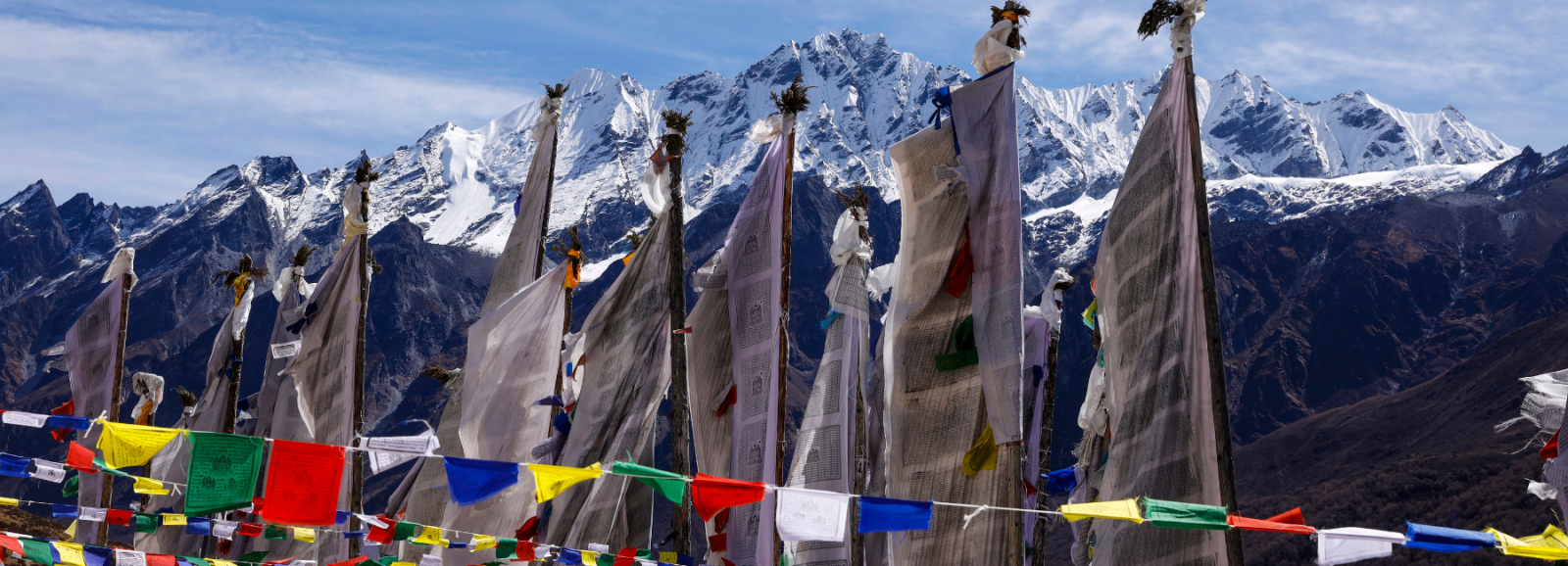
You will enjoy an incredibly pleasant and scenic walk today as the trail contours gently around the wide, terraced hillsides of Helambu. The path takes you through beautiful stone-paved villages, past pristine chortens, and under fluttering prayer flags with sweeping views of the low valleys below. You will wrap up your day’s hike in the peaceful town of Sermathang, where you can celebrate your final evening in the mountains.
- Trek Distance: ~12 km
- Highest Altitude: 2,600 m
- Duration: 5 hours
- Meals: Breakfast, Lunch, Dinner
Day 12: Sermathang to Kathmandu
Your memorable Himalayan journey concludes with a short morning walk down to the local roadhead to meet your private transport vehicle. The drive back to Kathmandu takes you through rural farming communities, bustling market towns, and along the banks of the Melamchi River. Arriving back in the capital city by afternoon, you can enjoy a hot shower, relax at your hotel, and reflect on an incredible high-altitude adventure.
- Trek Distance: ~10 km (Walking) + ~65 km (Driving)
- Highest Altitude: 2,590 m
- Duration: 5–6 hours total
- Meals: Breakfast, Lunch
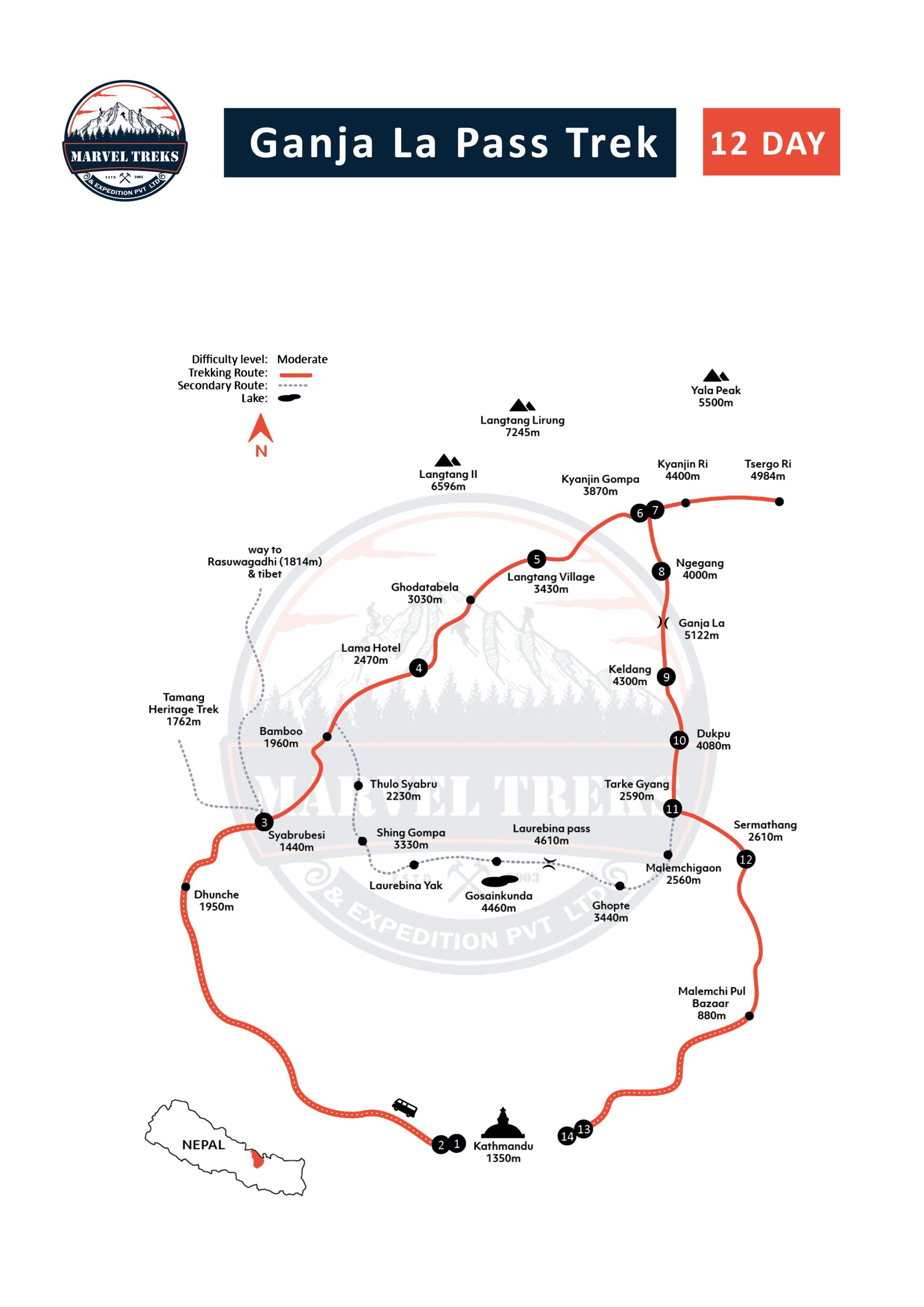
Trip Map
What Is the Ganja La Pass Trek?
The Ganja La Pass Trek is a strenuous high-altitude alpine expedition that connects the pristine Langtang Valley with the beautiful, terraced Helambu region of Nepal. This highly challenging route follows traditional riverside paths up through dense bamboo forests before branching off into a completely uninhabited wilderness zone. It is widely recognized by mountain adventurers as one of the most demanding and technically challenging alpine crossings in the central Himalayas due to its raw terrain and extreme elevation.
Your journey unfolds inside Langtang National Park, starting with a scenic drive from Kathmandu to Syabru Besi before climbing up to the historic Kyanjin Gompa at 3,860 meters. Once you leave the main valley trail, your itinerary transitions into a fully self-sufficient camping phase across rugged moraines where you must rely on a licensed guide and porter crew. The route requires mandatory documentation including the Langtang National Park permit and a TIMS tracking card to clear army checkposts safely.
Technical Challenges and Mountain Terrain
Reaching the geographic summit of the pass requires navigating a near-vertical, exposed rock cliff that often forces your expedition crew to fix sixty-meter safety ropes for security. Because the trail conditions involve loose scree, massive boulder fields, and unpredictable snow-covered tracks above four thousand meters, hikers must use microspikes and maintain absolute concentration. The steep descent toward the Helambu side places immense strain on your joints, meaning novice trekkers should completely avoid this track until they build solid high-altitude experience.
Why Is the Ganja La Pass Trek So Difficult?
The Ganja La Pass Trek is difficult because it combines extreme high altitude, volatile alpine weather patterns, and highly technical terrain that requires basic mountaineering skills. Standing at an elevation where available oxygen drops by half, the trail forces you to walk for seven to nine hours daily over highly unstable surfaces. The lack of permanent tea house lodges along the central pass section means you must endure freezing overnight temperatures inside wilderness tents.
Proper physical conditioning is vital since you will carry a loaded technical daypack across steep, icy gaps where a single slip can be highly dangerous. Your body must adapt smoothly to the thinning air during built-in acclimatization days at Kyanjin Gompa, where side hikes up to Tserko Ri help prevent acute mountain sickness. The unpredictability of high-mountain gales and sudden winter snow drifts means your guiding team must constantly monitor health metrics and weather charts to guarantee a safe crossing.
Physical Preparation and Training Tips
To survive the intense physical demands of this high pass trek, you need to focus heavily on targeted training several months before your departure date.
- Cardiovascular Endurance: Engage in intensive running, cycling, or swimming three times a week to build lung capacity for operating efficiently in low-oxygen zones.
- Strength and Core Stability: Focus on weighted lunges, squats, and step-ups to prepare your leg muscles for handling the grueling downhill sections.
- Technical Familiarity: Practice walking on uneven rocky surfaces and familiarize yourself with wearing microspikes or handling basic fixed-line ropes before hitting the trail.
When Is the Best Time to Attempt the Crossing?
The best time to attempt the Ganja La Pass Trek is during the stable autumn months of September through November and the vibrant spring months of March through May. During these precise seasons, the regional weather patterns remain crisp and clear, offering the safest conditions to cross the highly exposed mountain pass. The daytime walking environment is highly comfortable, providing trekkers with completely unobstructed, panoramic views of the massive snowy ranges along the Tibetan border.
The autumn window is widely considered the prime choice because the post-monsoon atmosphere clears out trail dust, resulting in pristine blue skies and minimal snow cover on the high rocks. Spring offers a completely different visual reward, as the lower alpine forests burst into bloom with colorful wild rhododendrons and green bamboo stalks. Understanding the nuances of these peak windows and identifying the best season for trekking in Nepal is critical, as you must completely avoid the winter and summer monsoon months when heavy snow drifts or severe landslide risks make the high mountain pass completely impassable.
Seasonal Weather and Temperature Variations
Understanding the dramatic temperature shifts across the different ecological zones helps you manage your daily clothing layers effectively throughout the journey.
- Autumn crispness: Daytime trail temperatures hover around twelve degrees Celsius, but overnight temperatures at the high camps quickly drop to minus fifteen degrees Celsius.
- Spring snowpack: The upper pass retains significant winter snow during April, which increases the technical difficulty of the fixed-rope climb but provides stunning alpine photography.
- The dangerous off-season: Heavy summer rains create slick mud risks and bring active leeches to the forest zones, while freezing winter gales freeze water sources solid.
How Do You Plan Food and Accommodation Along the Route?
You plan food and accommodation by preparing for a unique hybrid itinerary that splits your time between traditional mountain tea houses and fully self-sufficient wilderness campsites. The first half of your journey follows established village tracks where you stay in comfortable, family-run lodges and enjoy hot, freshly cooked meals. However, the moment you cross the river towards Ngegang Kharka, you enter a strict camping phase where your agency must provide all supplies.
During the initial lodge phase, you sleep in simple twin-sharing wooden bedrooms and dine on energy-rich plates of traditional Dal Bhat chosen directly from the tea house menus. Once the camping phase begins, a professional field kitchen crew manages your daily nutrition, preparing high-calorie international meals using portable kerosene burners. Your trekking company handles the heavy logistics, using sturdy mountain porters to transport four-season windproof tents, insulated sleeping mats, and private dry-pit toilet shelters into the wild.
The Wilderness Camping Experience
Living in a remote mountain tent at four thousand meters requires a major shift in mindset compared to standard lodge-to-lodge walking holidays in Nepal.
- Four-Season Shelters: Heavy-duty dome tents are securely staked into the frozen ground to shield your body from intense midnight mountain gales.
- Field Kitchen Nutrition: Professional outdoor chefs serve fresh three-course meals alongside warm garlic soups to naturally assist your body with high-altitude acclimatization.
- Zero Trail Infrastructure: There is no electricity or mobile network coverage for three consecutive days, requiring you to carry reliable power banks to keep devices alive.
Packing List
Clothing and equipment
| Woolen t shirts/shirts | Backpack |
| Thermal top/bottoms | Passport |
| Fleece jacket | Passport size photographs |
| Down jacket | Permit and travel insurance |
| Raincoat | Suns cream and lip balm |
| Underwear | Travel towel |
| Trekking trousers | Wash kit |
| Sleeping trousers | Safety kit |
| Hiking shorts | Power bank |
| Waterproof pants | Summer/winter hat |
| Daypack | Buff/bandana |
| Sleeping bag | Water bottles and water purifiers |
| Hiking boots | Trekking poles |
| Hiking shocks | Charger/adapter |
| Flip flops | Money/cash |
| Altitude sickness medicines | Ziplock bag |
| Gloves and beanies | Camera |
| Bowls, cups, spoons | Sleeping mattresses |
| Cooking gas | Camping food |
Why Travel with Marvel Trek and Expedition?
Choosing the best trekking and expedition company makes all the difference when venturing into remote alpine areas. Marvel Trek and Expedition stands out by providing an elite standard of personalized service, logistical excellence, and a strict safety focus on every single departure. Our team employs experienced, government-licensed local guides who possess intimate knowledge of the changing trail conditions and local cultural nuances across the central Himalayas. We firmly believe in fair-trade travel practices, ensuring that our hard-working porters and field staff receive excellent wages, comprehensive medical insurance, and premium gear to work comfortably in cold mountain environments.
From managing your mandatory Langtang and Shivapuri National Park permits seamlessly to securing the best available teahouse rooms during the peak season, we take care of all heavy lifting. When transitioning from the lodge paths into the wild, self-sufficient camping phase of the grueling Ganja La Pass Trek, our expert expedition crew handles the complex logistics of setting up four-season windproof tents and preparing fresh, high-calorie field meals. With our complimentary gear support, including winter-rated sleeping bags and heavy-duty duffels and 24/7 client assistance lines, you can step onto the technical trail with absolute peace of mind, knowing that you are traveling with a highly trusted Himalayan provider.
Payment and Cancellation
Policy regarding Payment and Cancellation Payment:
Payment:
1) To confirm a reservation, a deposit equal to 30% of the total price is required.
2) If the payment is made online, the remaining balance is due 10 days before the Tour, Trekking, Peak Climbing, or Expedition begins. If the payment is made in cash, it can be made after arrival.
3) If the booking is made within 30 days of the expedition beginning, full payment must be made at the time of booking.
Cancellation:
1) A full refund of the deposit will be given if a Tour, Trek, Peak Climbing, or Expedition is canceled more than 60 days before the start date.
2) The deposit will not be refunded if a Tour, Trek, Peak Climbing, or Expedition is canceled within 30 days of its start date.
3) A tour, trek, peak climbing, or expedition will not be refunded if it is canceled prior to or on the start date.
4) All participants should strongly consider purchasing travel insurance to cover any unforeseen cancellations or other occurrences.
Note: We reserve the right to modify or cancel any trek in the event of a natural disaster, political unrest, or any other unforeseen circumstances beyond our control. In such cases, a full refund or an alternative option will be provided.
Error: Contact form not found.
Price W/O Addons: US$ 495 per person
- Arrival and Ground Services: International airport pick-up and drop-off provided by a company representative. All ground transportation in Kathmandu and guided sightseeing as per the itinerary are included, excluding historical site entrance fees.
- Accommodation: Kathmandu accommodations are arranged in 3-star hotels on a twin-sharing bed and breakfast basis (single rooms available at an additional cost). On the trail, clean and authentic local mountain teahouses/lodges are provided during the teahouse phase, and high-quality four-season wilderness camping tents are fully provided during the high-altitude Ganja La Pass crossing phase.
- Meals and Nutrition: Welcome and farewell dinners are included in Kathmandu, while lunch and dinner in the city are excluded unless specified. During the trek, three hygienic meals daily (breakfast, lunch, and dinner) are provided, chosen directly from teahouse menus during the lodge phase and freshly prepared by a professional field kitchen crew during the wilderness camping phase along with fresh seasonal fruits where available.
- Transportation and Logistics: Round-trip ground transportation from Kathmandu to the trailhead at Syabrubesi and the return from the Helambu roadhead via private jeep or tourist bus (as per the package) are fully included. Baggage movement via porters is fully managed across the entire mountain pass.
- Permits and Government Requirements: All mandatory Nepal government trekking permits, including the Langtang National Park Entry Permit, Shivapuri National Park Entry Permit (where applicable for the Helambu exit), and the Trekkers Information Management System (TIMS) card, are included. Applicable government taxes, company service fees, and administrative charges are fully covered.
- Trekking Staff and Support: The journey is led by a government-licensed, English-speaking local trekking guide, supported by an experienced camping crew (including field cooks and kitchen helpers) and sturdy mountain porters (typically 1 porter for every 2 trekkers). All staff salaries, food, lodging, wilderness gear, and mandatory medical insurance are fully included.
- Communication, Safety, and Medical: First-aid kits, daily tracking updates, emergency pulse oximeters to monitor blood oxygen saturation, safety ropes for crossing the 5,122-meter pass, and satellite communication support are managed by your lead guide.
- Complimentary Items: High-quality expedition duffle bags, branded trekking apparel, official route maps, and free use of down jackets, heavy-duty insulated sleeping mats, and winter-rated sleeping bags for the duration of the trek are provided.
- Certification: Successful trekkers receive an official company certificate to commemorate their high-altitude achievement of conquering the demanding Ganja La Pass at the end of the journey.
- International Travel and Visa: International airfare to and from Nepal and Nepal entry visa fees (obtainable at the Kathmandu airport) are not included. Excess baggage charges on international and domestic flights are excluded.
- Meals and Beverages: Lunch and dinner in Kathmandu are excluded unless clearly stated in the itinerary. On the trail and at the campsites, personal snacks (chocolate bars, energy gels), specialty coffees, bottled water, boiled drinking water, soft drinks, and alcohol are not included.
- Personal Equipment: Personal trekking and camping gear, technical clothing (hiking shirts, waterproof shells, thermal layers), sturdy high-ankle trekking boots, daypacks, and packing items are not included. Personal medical kits, toiletries, and hygiene supplies must be arranged individually.
- Insurance and Medical: Personal travel insurance explicitly covering technical high-altitude trekking above 5,000 meters, emergency helicopter evacuation, and medical treatment is mandatory and not included. Medical examinations, clearance forms, and hospitalization costs are excluded.
- Extra Accommodation: Additional hotel nights in Kathmandu due to early arrival, late departure, highway/road delays, bad pass weather disruptions, or personal itinerary changes are not included. Accommodation and meals outside official trek dates are excluded.
- Communication and Internet: Personal internet usage, local SIM cards, satellite phone calls, and Wi-Fi services charged separately by individual teahouses or utilized via independent networks are not included.
- Tips and Gratuities: Tips for your trekking guides, field kitchen crew, camp porters, and local drivers are highly recommended at the end of the journey as a token of appreciation but are excluded from the package price.
- Permits and Special Requests: Drone usage, professional filming, photography, and special media permits are excluded and subject to strict government approval. Customs duties for personal equipment are not included.
- Personal and Miscellaneous Expenses: Laundry services, hot showers at the teahouses, battery/device charging fees, and banking or ATM transaction fees are excluded. Any personal expenses of a private nature are the participant’s responsibility.
- Unforeseen Circumstances: Costs arising from natural disasters, extreme mountain weather, pass blockages, landslides, political unrest, strikes, or sudden changes in government trekking regulations are excluded. Any service not specifically mentioned under cost includes what is not covered.
Departures & Availability of Ganja La Pass Trek
Dates of Trip
495Save 55
March 1, 2023 - March 12, 2023
495Save 55
March 13, 2023 - March 24, 2023
495Save 55
March 25, 2023 - April 5, 2023
495Save 55
April 6, 2023 - April 17, 2023
495Save 55
April 18, 2023 - April 29, 2023
495Save 55
May 1, 2023 - May 12, 2023
495Save 55
May 13, 2023 - May 24, 2023
495Save 55
May 25, 2023 - June 5, 2023
495Save 55
June 6, 2023 - June 17, 2023
495Save 55
June 18, 2023 - June 29, 2023
495Save 55
July 1, 2023 - July 12, 2023
495Save 55
July 13, 2023 - July 24, 2023
495Save 55
July 25, 2023 - August 5, 2023
495Save 55
August 6, 2023 - August 17, 2023
495Save 55
August 18, 2023 - August 29, 2023
495Save 55
August 30, 2023 - September 10, 2023
495Save 55
September 11, 2023 - September 22, 2023
495Save 55
September 23, 2023 - October 4, 2023
495Save 55
October 5, 2023 - October 16, 2023
495Save 55
October 17, 2023 - October 28, 2023
495Save 55
October 29, 2023 - November 9, 2023
495Save 55
November 10, 2023 - November 21, 2023
495Save 55
November 22, 2023 - December 3, 2023
495Save 55
December 4, 2023 - December 15, 2023
495Save 55
December 16, 2023 - December 27, 2023
495Save 55
December 28, 2023 - January 8, 2024
495Save 55
January 9, 2024 - January 20, 2024
495Save 55
January 21, 2024 - February 1, 2024
495Save 55
February 2, 2024 - February 13, 2024
495Save 55
February 14, 2024 - February 25, 2024
495Save 55
February 26, 2024 - March 8, 2024
495Save 55
March 9, 2024 - March 20, 2024
495Save 55
March 21, 2024 - April 1, 2024
495Save 55
April 2, 2024 - April 13, 2024
495Save 55
April 14, 2024 - April 25, 2024
495Save 55
April 26, 2024 - May 7, 2024
495Save 55
May 8, 2024 - May 19, 2024
495Save 55
May 20, 2024 - May 31, 2024
495Save 55
June 1, 2024 - June 12, 2024
495Save 55
June 13, 2024 - June 24, 2024
495Save 55
June 25, 2024 - June 25, 2024
495Save 55
June 26, 2024 - July 7, 2024
495Save 55
July 8, 2024 - July 19, 2024
495Save 55
July 20, 2024 - July 31, 2024
495Save 55
August 1, 2024 - August 12, 2024
495Save 55
August 13, 2024 - August 24, 2024
495Save 55
August 25, 2024 - September 5, 2024
495Save 55
September 6, 2024 - September 17, 2024
495Save 55
September 18, 2024 - September 29, 2024
495Save 55
October 1, 2024 - October 12, 2024
495Save 55
October 13, 2024 - October 24, 2024
495Save 55
October 25, 2024 - November 5, 2024
495Save 55
November 6, 2024 - November 17, 2024
495Save 55
November 18, 2024 - November 29, 2024
495Save 55
December 1, 2024 - December 12, 2024
495Save 55
December 13, 2024 - December 24, 2024
495Save 55
December 25, 2024 - January 5, 2025
495Save 55
January 6, 2025 - January 17, 2025
495Save 55
January 18, 2025 - January 29, 2025
495Save 55
January 30, 2025 - February 3, 2025
495Save 55
February 4, 2025 - February 15, 2025
495Save 55
February 16, 2025 - February 27, 2025
495Save 55
March 1, 2025 - March 12, 2025
495Save 55
March 13, 2025 - March 24, 2025
495Save 55
March 25, 2025 - April 5, 2025
495Save 55
April 6, 2025 - April 17, 2025
495Save 55
April 18, 2025 - April 29, 2025
495Save 55
May 1, 2025 - May 12, 2025
495Save 55
May 13, 2025 - May 24, 2025
495Save 55
May 25, 2025 - June 5, 2025
495Save 55
June 6, 2025 - June 17, 2025
495Save 55
June 18, 2025 - June 29, 2025
495Save 55
July 1, 2025 - July 12, 2025
495Save 55
July 13, 2025 - July 24, 2025
495Save 55
July 25, 2025 - August 5, 2025
495Save 55
August 6, 2025 - August 17, 2025
495Save 55
August 18, 2025 - August 29, 2025
495Save 55
August 30, 2025 - September 10, 2025
495Save 55
September 11, 2025 - September 22, 2025
495Save 55
September 23, 2025 - October 4, 2025
495Save 55
October 5, 2025 - October 16, 2025
495Save 55
October 17, 2025 - October 28, 2025
495Save 55
October 29, 2025 - November 9, 2025
495Save 55
November 10, 2025 - November 21, 2025
495Save 55
November 22, 2025 - December 3, 2025
495Save 55
December 4, 2025 - December 15, 2025
495Save 55
December 16, 2025 - December 27, 2025
Group Discount Prices
Gear List
Frequently Asked Questions
Traveler Reviews




2–12 pax from 550
$ 495/pax
speak to an Experts




We are featured on