Denali Expedition – 26 Days

United States (Alaska)
Alaska Range
1-12 Pax
6190m
Extreme
Teahouse/Lodge, Tented Camp
5-8 hrs
Autumn
Highlights of Denali Expedition – 26 Days
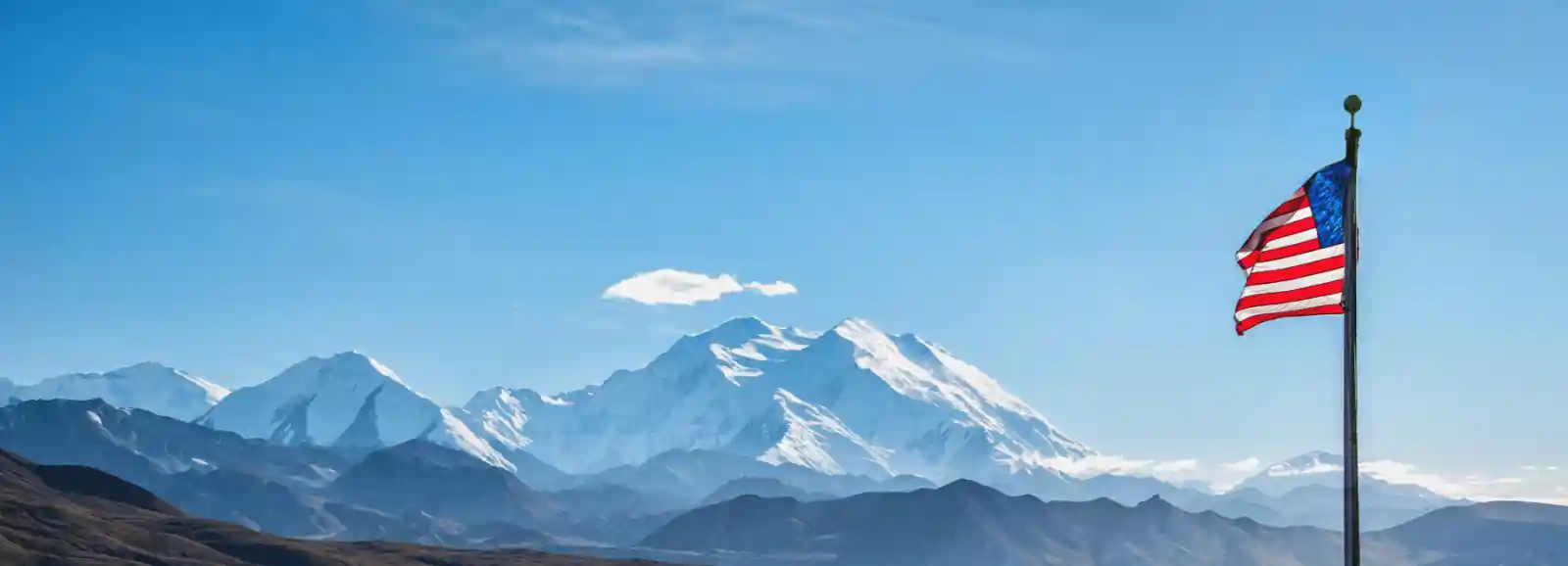
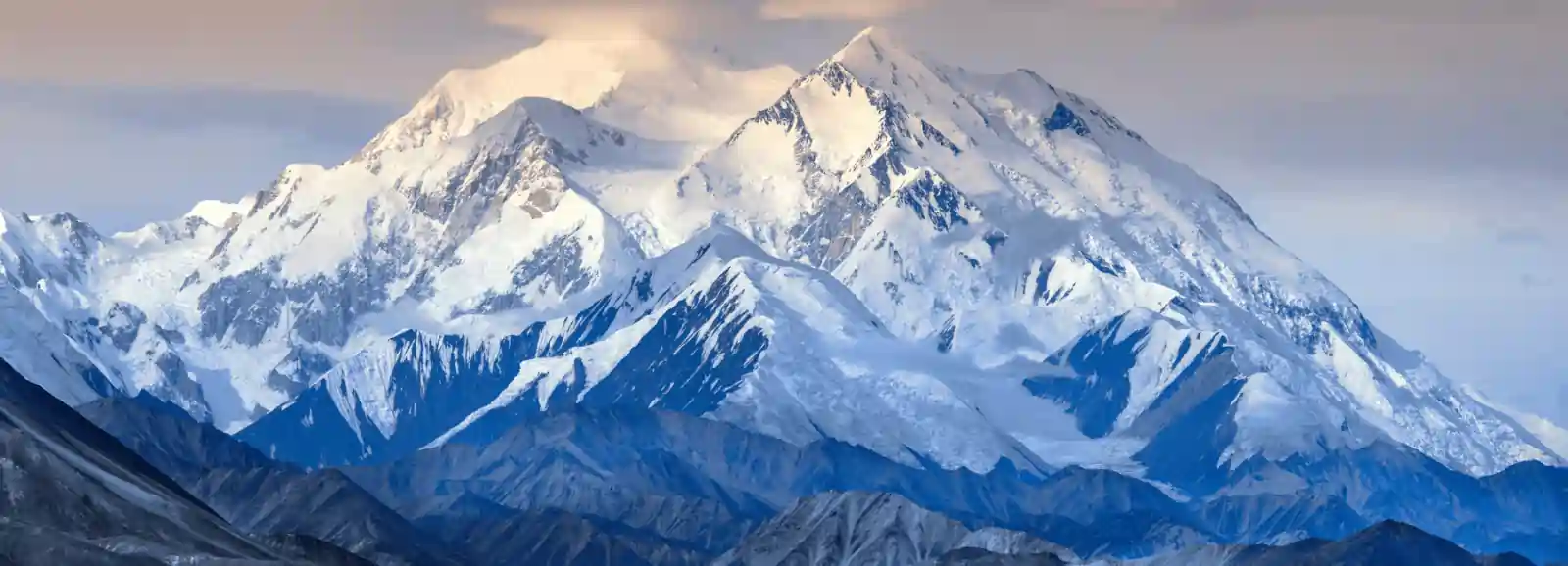
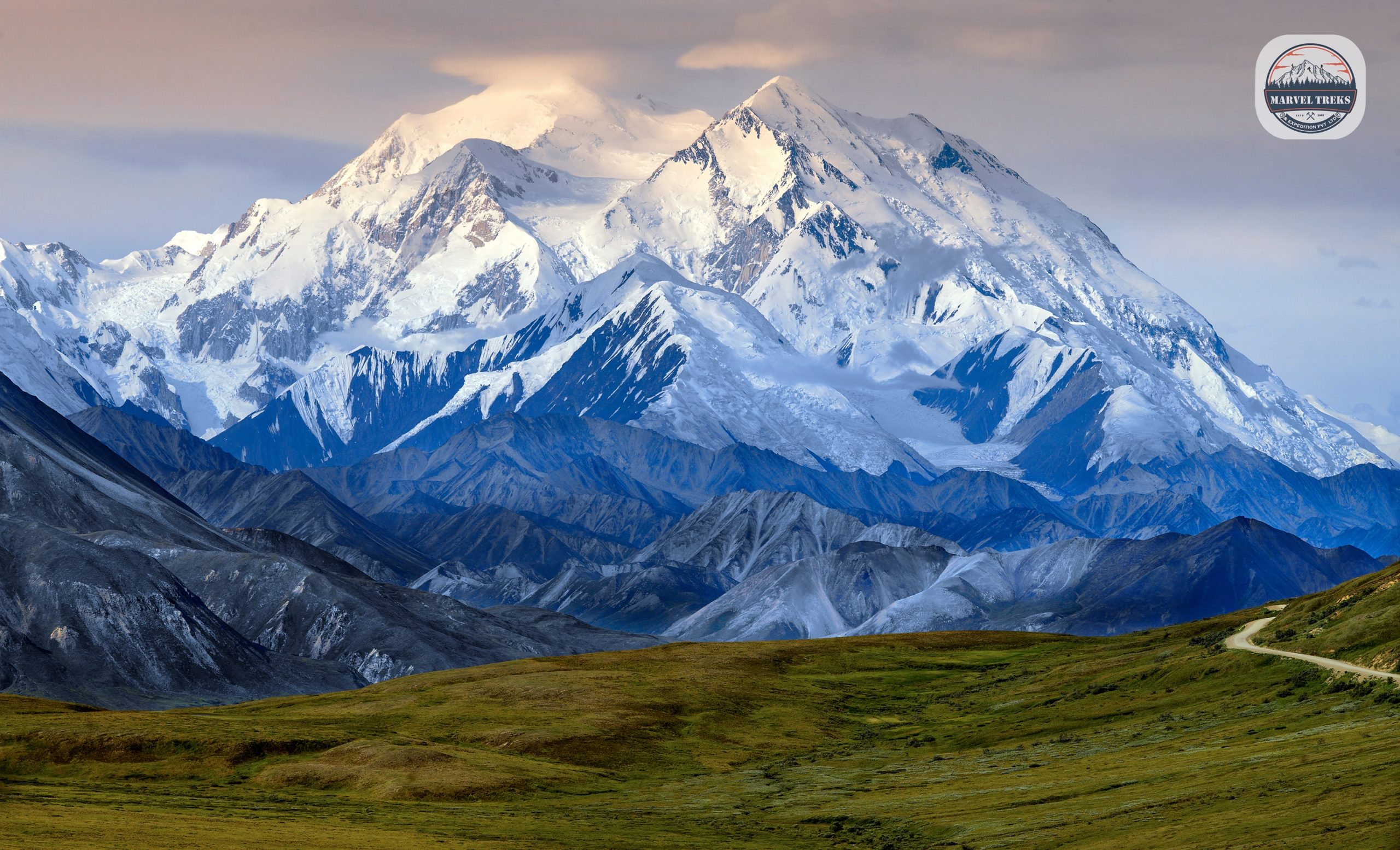
Mount Denali, also known as Mount McKinley, is the highest mountain peak in North America, with an elevation of 20,310 feet (6,190 meters) above sea level. It is located in the central part of the state of Alaska, in the Denali National Park and Preserves. The mountain is a popular destination for mountaineers and climbers, and many people attempt to reach the summit each year.
Here are some highlights of a Denali expedition:
- Scenic beauty:
- The mountain is surrounded by beautiful glaciers, rivers, and forests, offering breathtaking views and a unique wilderness experience.
- Physical challenges:
- Denali is a physically demanding mountain to climb, with steep, icy slopes and extreme weather conditions. It requires a high level of physical fitness and climbing skills.
- Altitude:
- The high altitude of Denali poses a challenge for many climbers, as it can cause altitude sickness. Proper acclimatization is essential for successful summit attempts.
- Remote location:
- Denali is located in a remote part of Alaska, which adds to the adventure and sense of isolation of a climbing expedition.
- Cultural significance:
- The mountain has a rich cultural history for the indigenous people of the region, and it is considered a sacred place.
A Denali expedition is a once-in-a-lifetime adventure that offers a unique combination of physical challenges, scenic beauty, and cultural significance.
Denali Expedition – 26 Days Overview
Denali, also known as Mount McKinley, stands at 6,190 meters (20,310 feet) above sea level in the Alaska Range, making it the highest mountain in North America and the third most topographically prominent peak in the world after Everest and Aconcagua. The mountain sits at the center of Denali National Park and Preserve in central Alaska at coordinates 63.0692 degrees North, 151.0070 degrees West. It has been called Denali, meaning the great one or the high one, by the Koyukon Athabascan people for centuries before Western exploration.
Key Facts Table
| Fact | Detail |
| Mountain | Denali (also: Mount McKinley) |
| Elevation | 6,190 m / 20,310 ft |
| World Rank | Highest in North America, 3rd most prominent peak globally |
| Location | Denali National Park and Preserve, Alaska, USA |
| Coordinates | 63.0692 N, 151.0070 W |
| Range | Alaska Range (central Alaska) |
| Standard Route | West Buttress Route (used by over 90 percent of climbers) |
| Base Camp | Southeast Fork of the Kahiltna Glacier, 7,200 ft / 2,195 m |
| Base Camp Access | Bush plane (air taxi) from Talkeetna, approximately 30 to 40 minutes flight |
| Staging Town | Talkeetna, Alaska (140 km north of Anchorage via Parks Highway) |
| High Camps | 7,800 ft, 11,000 ft, 14,200 ft (Genet Basin), 17,200 ft (High Camp), plus Denali Pass 18,200 ft |
| Expedition Duration | 26 days (Marvel Treks package including contingency days) |
| Best Season | Late April to mid-July (peak window May to late June) |
| NPS Permit Cost | USD 350 per person (US residents) / USD 450 (international) |
| NPS Registration | Mandatory at Talkeetna Ranger Station with pre-expedition briefing |
| Difficulty | Extreme, sustained glacier and alpine technical climbing |
| First Ascent | June 7, 1913, Hudson Stuck, Walter Harper, Harry Karstens, Robert Tatum |
| First Person on Summit | Walter Harper, Alaska Native Athabascan climber |
| First Ascent North Peak | 1910, William Taylor and Pete Anderson, Sourdough Expedition |
| West Buttress First | 1951, Bradford Washburn and team |
| First Woman to Summit | Barbara Washburn, 1947 |
| Summit Success Rate | ~52 percent 10-year average (NPS data); guided expeditions typically higher |
| Death Rate | 3.08 per 1,000 attempts (NPS historical data) |
| Effective Altitude | Equivalent to approximately 7,000 to 7,500 m due to 63 degrees N latitude |
| Sled Weight | 30 to 40 kg per climber on the lower glacier (defining logistic challenge) |
| Seven Summits | Yes, the North America summit on both the Bass and Messner lists |
| Price from | USD $10,000 per person (service package, see full cost breakdown below) |
Gallery of Denali Expedition – 26 Days

Full board service
- Transportation:-
Includes pickups and drop-offs from and to the airport along with jeep rides and cable car rides during the trip. - Food and accommodation:-
Accommodations will be provided in a 4-star hotel as well as in well-equipped camps during different stops in the trip.
A welcome dinner will also be held to introduce our team to the clients. Later,3 meals will be served during the trip which will be cooked by talented cooks along with occasional teas and coffees. - Permits and fees
Papers and letters required for VISA will be managed
The company will also take care of different Royalties and permits from the American government
Permits will also be added - Insurance
The company will cover for insurance of all the involved staff in case of accidents. - Equipments
All the tools and equipment that will be needed for the expedition will be transported by the company . In case of unfavourable circumstances,it may also be done through other means. - Guides and porters
Members will be facilitated with guides and porters. - Base camp staff and equipment
The base camp will be fully equipped with a separate kitchen tent, dining tent, communication tent along with a toilet tent along with all the other necessary items that are needed for a comfortable stay.
Solar panels or generators will also be managed for electricity as well as the dining tent and other tents will be equipped with heaters to keep you warm.
Expert cooks and porters will be there in the camp to assist you. The base camp will also have a bar and bakery. - Certificate
The members will be honored with a certificate for their accomplishment in climbing the mountain.
Base camp service
- Transportation:-
Includes pickups and drop-offs from and to the airport along with the jeep rides during the trip. - Food and accommodation:-
Accommodations will be provided in a 4-star hotel and in well equipped camps during different stops in the trip.
A welcome dinner will also be held to introduce our team with the clients. Later,3 meals will be served during the trip which will be cooked by talented cooks along with Oasis - Permits and fees
Papers and letters required for VISA will be managed
The company will also take care of different Royalties and permits from American government
Permits will also be added - Insurance
The company will cover for insurances of all the involved staff in case of accidents.. - Equipment
All the tools and equipment that will be needed for the expedition will be transported by the company through air cargo and potters. In case of unfavourable circumstances,it may also be done through land or helicopters. - Guides and porters
Members will be facilitated with guides and porters. - Base camp staffs and equipment
The base camp will be fully equipped with a separate kitchen tent, dining tent, communication tent along with toilet tent along with all the other necessary items that are needed for a comfortable stay.
Solar panels or generators will also be managed for electricity as well as the dining tent and other tents will be equipped with heaters to keep you warm.
Expert cooks and porters will be there in the camp to assist you. The base camp will also have a bar and bakery. - Certificate
The members will be honored with a certificate for their accomplishments in climbing the mountain.
- International flights
The clients have to bear their flights fees while arriving and leaving Alaska. - Visa and insurance
The clients are responsible for their VISA while arriving in the U.S.A.
You have to pay for their insurance in case of any accidents. - Meals in Anchorage
While staying in Anchorage, you have to pay for your lunch as well as dinner yourself. - Personal belongings and interests
The clients are requested to arrange their own clothings and required gears while joining the expedition.
They also have to arrange the items required to maintain their personal hygiene. They have to bear the additional charges for services like phone calls,hot bath,laundry etc.
They have to pay extra charge in case they want to shoot videos or capture pictures. - Tips and bonuses
It will be highly appreciated if the clients can make some tips and bonuses to the hardworking guides and the base camp workers for their hard work. - Extra services
In case you want any other services that’s not mentioned above like arrangement of single room or a single vehicle ride, then you have to pay extra from your pocket.
Detailed Itinerary
Day 1: Flying to Ted Steven International Airport in Anchorage and driving to a hotel in Terskol
All team members arrive at Ted Stevens Anchorage International Airport (ANC) and are met by a Marvel Treks representative for transfer to the team hotel in central Anchorage. Anchorage is Alaska’s largest city at 65 m elevation on the shore of Cook Inlet, with direct flights from Seattle, Los Angeles, Portland, Denver, Chicago, and international connections through Tokyo and Seoul. The welcome dinner introduces the full team, covers the expedition overview, and allows the guide team to conduct initial health and gear assessments. Anchorage has excellent outdoor gear shops for any last-minute purchases.
Day 2: Travelling to Talkeetna then flying to the glacier, camp will be set
After a morning gear check at the hotel, the team drives 140 km north on the Parks Highway to Talkeetna (approximately 2 hours). In Talkeetna, all climbers attend the mandatory NPS pre-expedition briefing at the Talkeetna Ranger Station, covering current route conditions, waste management rules (WAG bags are mandatory above 14,200 ft), rescue procedures, and permit verification. The air taxi gear weigh-in takes place at the air taxi office. All loads are weighed and organized for the flight the following morning, weather permitting.
Day 3: Moving to camp 1 at 2,380m altitude, camp will be set
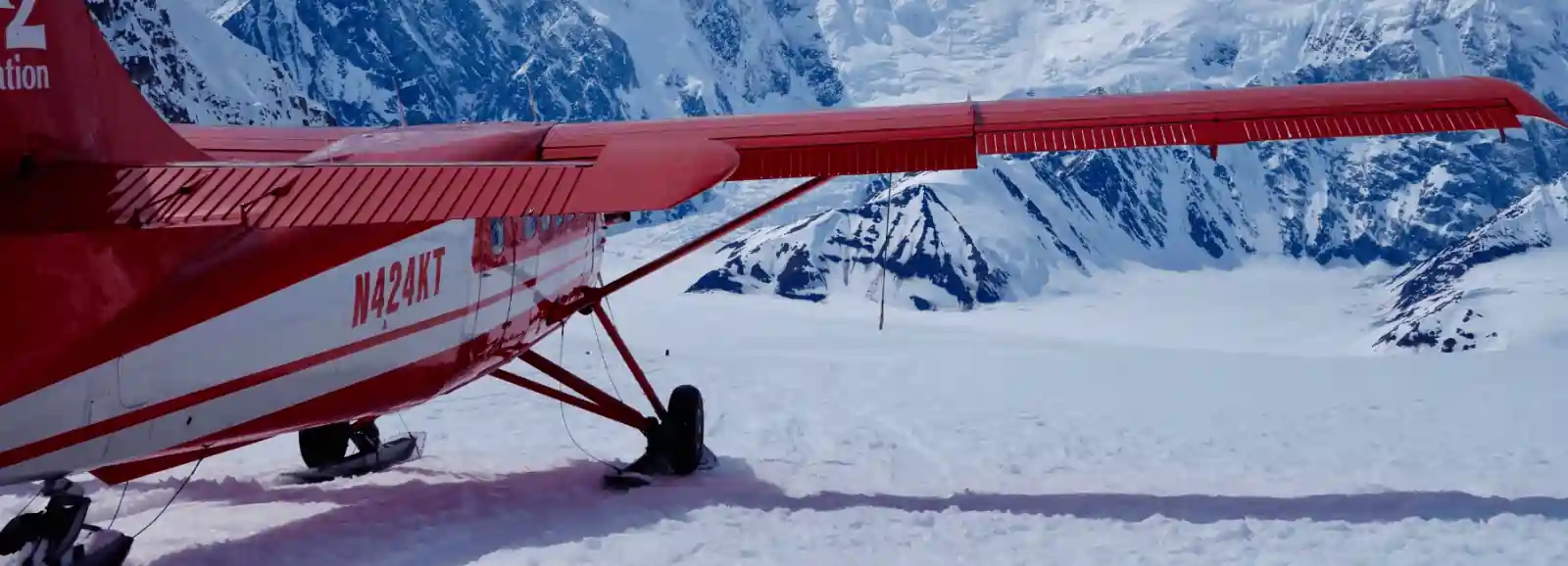
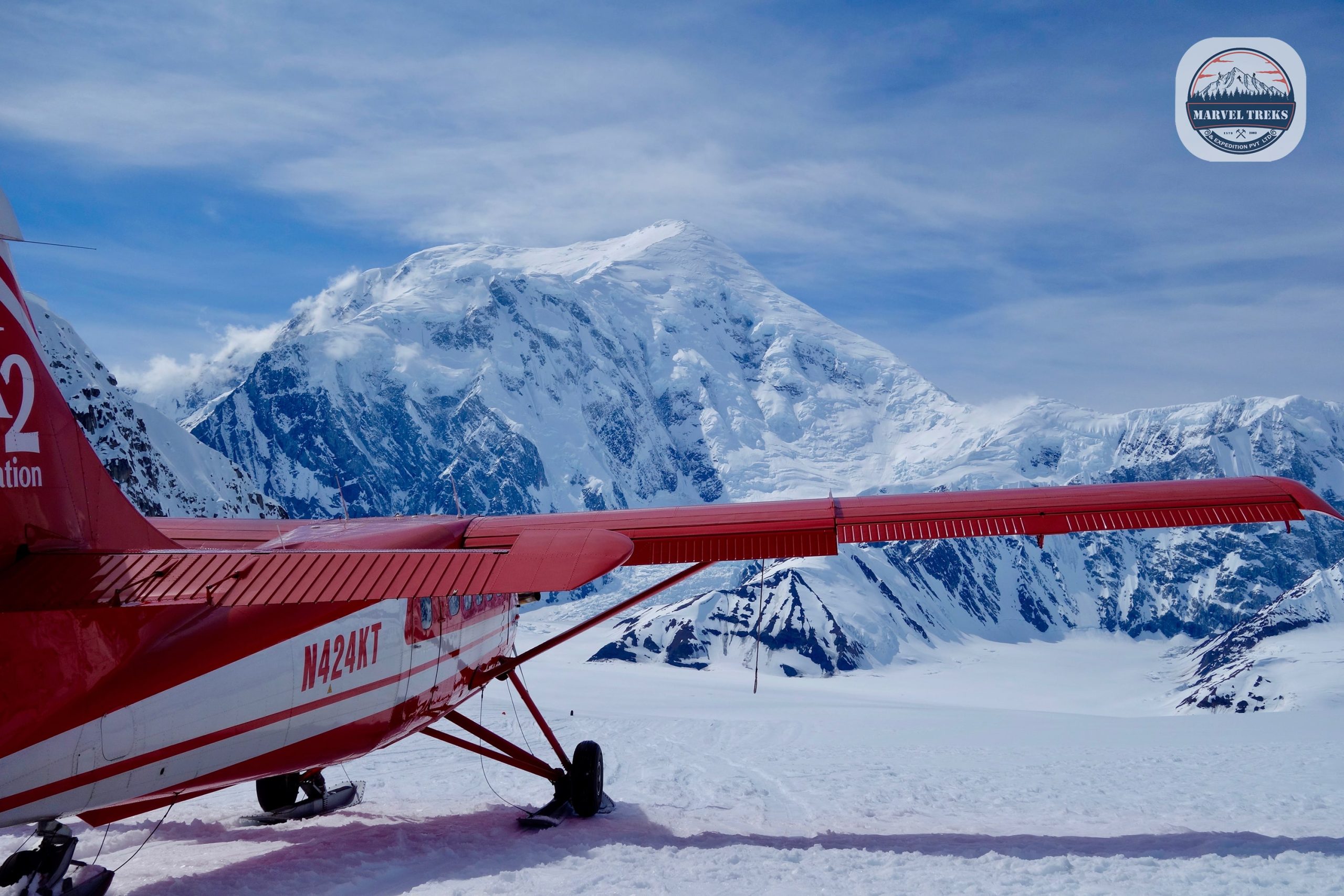
The 30 to 40 minute bush plane flight from Talkeetna Airport to the Southeast Fork of the Kahiltna Glacier at 7,200 ft is one of the most spectacular mountain flights in the world, crossing the Alaska Range and descending onto a glacier strip hemmed in by peaks on all sides. On landing, the NPS base camp rangers check permits and distribute WAG bags. The team unloads the aircraft, builds snow tent platforms, constructs protective snow walls around camp, and conducts an on-glacier orientation covering glacier travel, crevasse rescue basics, sled rigging, and camp procedures. The first night at 7,200 ft is typically mild by Denali standards.
Day 4: Transferring equipments to the Kahiltna pass, camp will be set
The first full day begins with the descent of Heartbreak Hill, the short but psychologically jarring drop from the airstrip onto the main Kahiltna Glacier below. The team then hauls sleds and packs approximately 5.5 miles to the 7,800 ft camp near the junction of the Northeast Fork of the Kahiltna Glacier. This is the first full day of sled hauling and serves as the shake-down for the weeks ahead. Guides use this day to assess each climber’s sled technique, pacing, and cold management.
Days 5 to 6, Ski Hill and Move to 11,000 ft
Above the 7,800 ft camp rises Ski Hill, a 550 m glacier slope leading to Kahiltna Pass at 10,320 ft. Teams typically make one or two load carry days up the Ski Hill to cache food and fuel, then move camp to the 11,000 ft basin. The 11,000 ft camp is a broad, relatively sheltered glacier flat with good views up the West Buttress. A rest day here builds acclimatization before the approach to Windy Corner.
Day 7, Rest at 11,000 ft
A full rest day at 11,000 ft consolidates the acclimatization gains from the first week. Guides monitor each team member’s SpO2, assess energy levels, and prepare gear and food for the Windy Corner carry. The rest day is used for equipment repairs, team meetings, and a weather forecast review.
Day 8, Windy Corner Carry and Cache
The carry from 11,000 ft past Windy Corner to a cache at 13,500 ft is one of the most weather-dependent days of the expedition. Windy Corner is a rocky rib at 13,500 ft where the route turns the corner from the lower glacier to the upper West Buttress, and wind accelerates dramatically around the feature. Teams move quickly past Windy Corner, deposit a cache several hundred meters above, and return to the 11,000 ft camp to sleep.
Day 9, Move to 14,200 ft (Genet Basin)
Moving past Windy Corner with full loads to establish the 14,200 ft camp in Genet Basin is one of the most celebrated moments of a Denali expedition. The terrain above Windy Corner opens into a broad, dramatic upper mountain with unobstructed views of Denali’s summit pyramid and the surrounding Alaska Range. NPS rangers stationed at the 14,200 ft camp greet arriving teams, check permits, and assess team conditions. Snow wall construction around camp is essential here as storms can arrive without warning.
Days 10 to 12, Acclimatization and Headwall Carry
Rest and acclimatization at 14,200 ft is followed by a carry up the Headwall. The Headwall is the steepest sustained terrain on the West Buttress, a 600 m section of 45 to 55 degree slopes equipped with NPS-installed fixed ropes. Climbers ascend the Headwall using jumars and cache loads at 16,200 ft on the ridge above. The round trip typically takes 6 to 8 hours. Weather contingency days at 14,200 ft are common and are built into the itinerary.
Day 13, Move to High Camp at 17,200 ft
The move from 14,200 ft to High Camp at 17,200 ft (5,240 m) requires all climbers to carry full loads up the Headwall and continue across the upper glacier to the exposed High Camp site. High Camp sits above the protected lower mountain in full exposure to Denali’s arctic environment. Temperatures at High Camp regularly fall below minus 30 degrees Celsius and winds above 80 km/h are common. Snow walls must be built immediately on arrival. This is the most psychologically demanding camp to establish on the West Buttress.
Days 14 to 16, Weather Hold at High Camp
Three contingency days are built into the schedule at High Camp to absorb weather holds. Weather windows on the upper Denali typically last one to four days, separated by storm systems. Marvel Treks monitors the Meteotest weather service twice daily and communicates conditions to all team members. Camps above 17,000 ft on Denali are known as the death zone in the sense that extended stays without movement create physiological deterioration, though Denali’s 17,200 ft camp is still significantly below the 8,000 m death zone threshold of Himalayan peaks. Teams rest, eat, hydrate, and monitor weather.
Day 17, Summit Day
Summit day begins between midnight and 3 AM when conditions are at their coldest and wind speeds are most predictable. Every climber wears full down suit, summit gloves, face protection, crampon, and carries ice axe, headlamp, extra food, thermos of hot liquid, and personal medications. The route from High Camp climbs the Autobahn to Denali Pass at 18,200 ft, a steep and avalanche-exposed slope that requires confident crampon technique and readiness for arrest. Above Denali Pass, the Summit Ridge leads across exposed terrain to the true south summit at 20,310 ft. The round trip from High Camp to summit and return typically takes 10 to 14 hours. All teams hold to a hard turnaround time of 2 PM regardless of position on the mountain.
Days 18 to 21, Descent and Extraction
The descent from High Camp to base camp covers the same camps and terrain in reverse, typically completed over three to four days with multiple camp pickups. The glacier extraction flight back to Talkeetna is weather-dependent and can require waiting one to two days at base camp for suitable flying conditions.
Days 22 to 24, Talkeetna and Anchorage
The descent from High Camp to base camp covers the same camps and terrain in reverse, typically completed over three to four days with multiple camp pickups. The glacier extraction flight back to Talkeetna is weather-dependent and can require waiting one to two days at base camp for suitable flying conditions.
Return to Talkeetna, NPS check-out at the Talkeetna Ranger Station, celebration dinner in town, and the drive back to Anchorage. A free day in Anchorage allows for gear shipping, recovery, and exploration of the city before international departure.
Days 25 to 26, Contingency Reserve
Two additional contingency days are held in reserve within the 26-day itinerary structure. These absorb any combination of Talkeetna air taxi delays on the way in, extended glacier weather holds, and extraction flight delays. Denali expeditions historically require at least two to three unplanned delay days. Building these into the itinerary structure means clients do not need to extend their travel plans in most seasons.
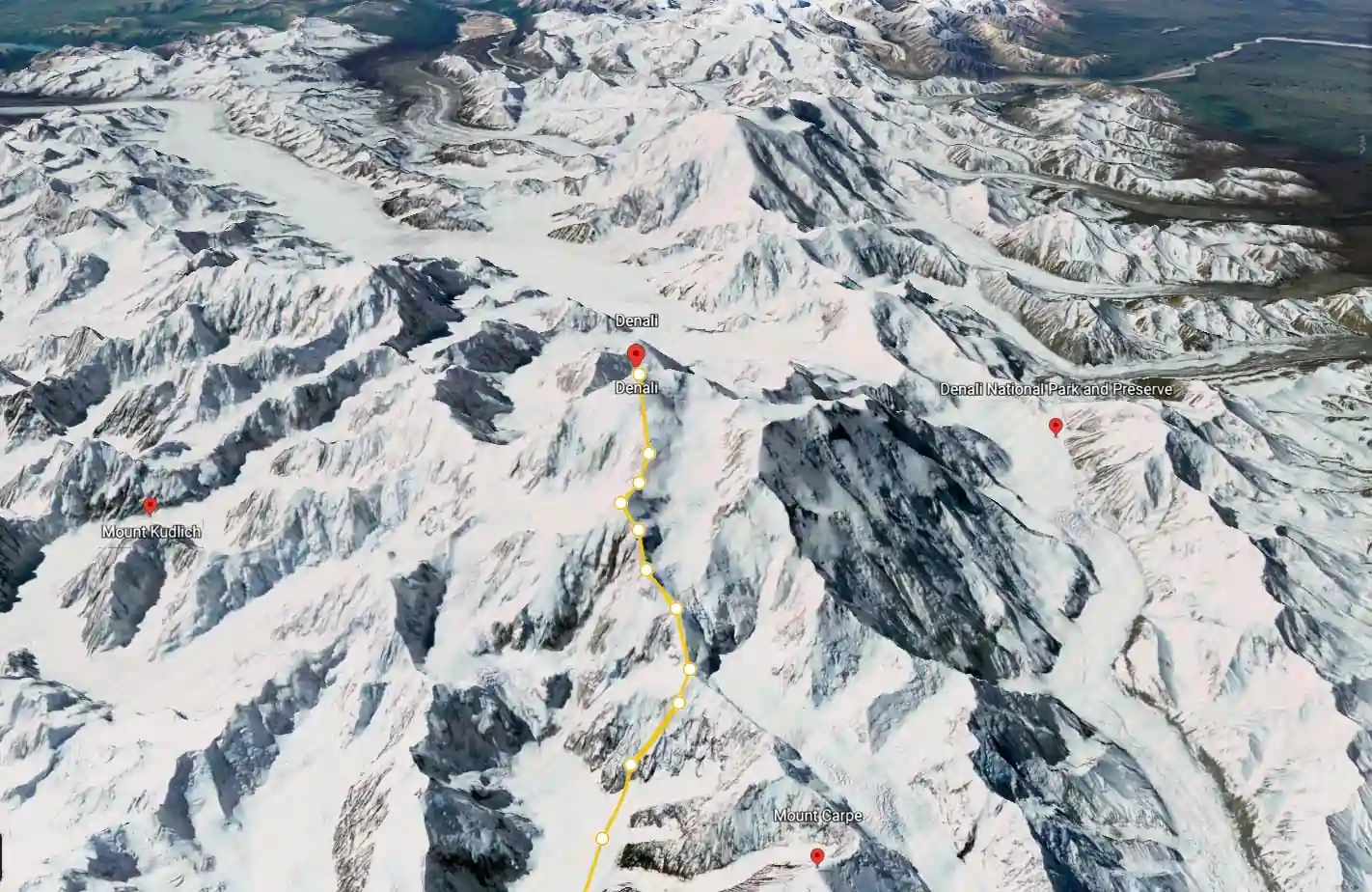
Trip Map
What Is Denali? The Great One of the Alaska Range
Denali is a mountain in a category of its own among the Seven Summits. It is the lowest by elevation of the seven at 6,190 m, yet mountaineering experts and NPS statistics consistently place it as the second or third most challenging after Everest, more demanding than Aconcagua, Kilimanjaro, Elbrus, Vinson, or Puncak Jaya. These qualities make it one of the best mountains to climb around the world for experienced alpinists seeking a true high-altitude challenge. The reasons are structural. At 63 degrees north latitude, Denali sits farther from the equator than any other major high peak in the world, which reduces barometric pressure at any given altitude beyond what the raw elevation figure suggests. Climbers on Denali’s summit breathe air equivalent in oxygen content to standing at approximately 7,000 to 7,500 m on an equatorial mountain like Everest. This effective altitude gap is the primary reason Denali produces serious altitude illness in experienced climbers who have performed well at similar stated elevations in other mountain ranges.
The mountain has two summits: the south summit at 6,190 m (the true highest point) and the north summit at 5,934 m, which was the first to be climbed during the 1910 Sourdough Expedition. The Alaska Range surrounding Denali includes some of the most dramatic mountain terrain in the world, with glaciated peaks, vast ice fields, and the deep valleys of rivers draining toward the Susitna basin. The Kahiltna Glacier, the access route and base camp for the West Buttress Route, extends 71 km from its upper basin, making it one of the longest glaciers in North America. Peters Glacier, Muldrow Glacier, Ruth Glacier, and Tokositna Glacier are among the other major ice bodies radiating from the Denali massif.
The name Denali belongs to the Koyukon Athabascan people, the Indigenous inhabitants of the interior Alaska region surrounding the mountain, who have used the name for generations before any recorded Western contact. The name means the great one in their language. The mountain holds significant cultural and spiritual importance in Koyukon tradition. The federal name Mount McKinley, given in 1896 and formalized in 1917, was contested by Alaska’s geographic authorities for decades before the state renamed it Denali in 1975. The federal rename came in August 2015 under President Barack Obama.
Denali and the Seven Summits
Denali is the North America summit on both major Seven Summits lists. It appears on the Bass List, which uses Kosciuszko as the Oceania peak, and the Messner List, which uses Puncak Jaya. Denali is typically climbed third or fourth in a Seven Summits progression, after Kilimanjaro and Aconcagua, and before Vinson Massif and Everest.
| Why Denali comes after Kilimanjaro and Aconcagua | Why Denali comes before Vinson and Everest |
| Kilimanjaro is non-technical, good for altitude exposure at 5,895 m | Denali provides technical glacier skills training for Vinson and Everest |
| Aconcagua at 6,961 m provides altitude base and endurance | Denali’s sled logistics and cold experience transfers directly to polar climbing |
| Both require no prior glacier experience | Denali requires crevasse rescue, fixed rope, and arctic camping skills |
Why Denali Is Harder Than Its Elevation Suggests?
Denali is the only Seven Summit where the stated elevation significantly understates the physiological difficulty. Three factors combine to create this gap.
The Latitude Effect and Effective Altitude
At 63 degrees north latitude, Denali’s summit experiences lower barometric pressure than an equal-elevation peak in the tropics. The reduction in available oxygen at any given altitude increases with distance from the equator. Scientists and expedition physicians estimate that Denali’s summit at 6,190 m has an effective altitude equivalent to approximately 7,000 to 7,500 m at tropical latitudes. Climbers who have performed well at 6,000 m in Nepal or South America are sometimes surprised by the physiological demand at Denali’s summit.
The Sled Factor
Unlike every other Seven Summit, Denali requires climbers to haul heavy sleds across the lower glacier for the first several days of the expedition. Each climber typically hauls a sled loaded with 30 to 40 kg of food, fuel, and expedition equipment while simultaneously carrying a full climbing pack of 20 to 25 kg. The total load per climber can exceed 60 kg in the first days on the glacier. This sled-and-pack combination makes the lower glacier days of Denali some of the most physically demanding days in all of guided mountaineering, before any technical climbing begins. No other Seven Summit demands this.
The Cold and the Arctic Environment
Temperatures on Denali’s upper mountain can fall below minus 40 degrees Celsius even during the May to July climbing season. Wind chills below minus 60 degrees Celsius are documented. At High Camp (17,200 ft), sustained winds above 100 km/h are common during storm cycles. Climbers must maintain full function of hands, feet, and face in these conditions over multi-day summit pushes. Frostbite is the most common serious injury on Denali, affecting fingers, toes, and exposed facial skin. The cold management required at Denali exceeds anything encountered on Aconcagua, Kilimanjaro, Elbrus, or most Nepal expeditions.
Denali Climbing Routes
West Buttress Route (Normal Route, Standard Approach)
The West Buttress Route is the route Marvel Treks uses for all Denali expeditions. It was pioneered in 1951 by Bradford Washburn, who first used a ski-equipped bush plane to access the Kahiltna Glacier directly. Before Washburn’s route, Denali was approached via the long and technically demanding Muldrow Glacier approach from the north, which required weeks of approach travel. The West Buttress reduced the approach to a 30-minute flight and brought Denali within practical reach of international mountaineers.
The route climbs from base camp on the Southeast Fork of the Kahiltna Glacier at 7,200 ft, gains elevation through the broad lower glacier to the 11,000 ft camp, then ascends around Windy Corner at 13,500 ft to Genet Basin at 14,200 ft. From Genet Basin, the Headwall (a fixed rope section of approximately 600 m) leads to the 16,200 ft ridge, from which the route traverses to High Camp at 17,200 ft. The summit push from High Camp ascends the steep Autobahn to Denali Pass at 18,200 ft, then follows the exposed Summit Ridge to the top.
Key Named Features on the West Buttress
- Heartbreak Hill: The short but psychologically jarring descent from the airstrip onto the main Kahiltna Glacier immediately after landing. Named for the emotional reaction of new arrivals who realize they must descend before beginning the long climb.
- Ski Hill: The prominent 550 m glacier slope above the 7,800 ft camp leading to Kahiltna Pass at 10,320 ft. A long, sustained sled-haul section that often takes two to three load carry days.
- Windy Corner: A rocky rib at 13,500 ft where the route turns the corner from the lower glacier to the upper West Buttress. Wind accelerates dramatically around this feature, making it the most exposed section of the lower route. Roping up and moving quickly is standard practice here.
- Genet Basin (14,200 ft Camp): The broad basin where the main high camp is established at 14,200 ft. Named for Swiss-American guide Ray Genet, who pioneered commercial Denali guiding in the 1970s. The NPS maintains a high-camp ranger station here, and it is where the fixed ropes for the Headwall begin. Also called Medical Camp because NPS rangers here often handle altitude illness cases.
- The Headwall: The steep fixed rope section ascending from 14,200 ft to 16,200 ft, gaining approximately 600 m (2,000 ft) of elevation on 45 to 55 degree slopes. The NPS installs and maintains fixed ropes on the Headwall each season. All climbers use ascenders (jumars) on this section.
- High Camp (17,200 ft): The final established camp at 17,200 ft (5,240 m), used as the launch point for the summit push. At this altitude, weather holds can last multiple days. Teams typically spend two to five days at High Camp waiting for a summit window.
- The Autobahn: A steep, avalanche-prone snow and ice slope ascending from High Camp at 17,200 ft to Denali Pass at 18,200 ft. Named for the speed at which a falling climber would accelerate down it. This is considered the most dangerous terrain on the West Buttress, requiring competent self-arrest and often fixed rope support.
- Denali Pass (18,200 ft): The col connecting the south and north peaks at 18,200 ft (5,550 m). Above Denali Pass, the Summit Ridge leads to the true south summit. One of the most exposed and windswept sections of the route.
- Summit Ridge: The final exposed ridge from Denali Pass to the true summit at 20,310 ft. A knife-edge ridge with significant exposure on both sides, typically requiring care in high wind conditions.
Other Routes (Historical and Advanced)
Denali has been climbed by over 30 routes. The Muldrow Glacier Route was the original approach and first ascent route, requiring a long walk-in approach from Wonder Lake and a multi-week expedition. The Cassin Ridge on the south face is the most prestigious technical route, a severe mixed route first climbed in 1961 by Riccardo Cassin. The Wickersham Wall (north face) is one of the highest and most technically demanding faces in North America. None of these routes are appropriate for guided commercial expeditions and all require elite technical alpine experience.
Denali Summit Statistics and Success Rates
| Statistic | Data (NPS records) |
| Approximate annual climbers registered | 1,100 to 1,200 per year |
| 10-year average summit success rate | 52 percent |
| 2024 season success rate (guided) | Near 100 percent team success for reputable guided expeditions |
| 2023 season success rate | 31 percent (persistent storms and high winds) |
| 2025 season | Lowest recorded overall success rate in 50 years (NPS report) |
| Historical death rate | 3.08 per 1,000 attempts |
| Most dangerous section | The Autobahn and Denali Pass area (falls on descent) |
| Most common serious injury | Frostbite (fingers, toes, face) |
| Most common cause of evacuation | Altitude illness (AMS, HAPE, HACE) at 14,200 ft camp |
| First ascent | June 7, 1913, Hudson Stuck party, south summit |
| First ascent of north peak | 1910, William Taylor and Pete Anderson, Sourdough Expedition |
| West Buttress first climbed | 1951, Bradford Washburn |
| First woman to summit | Barbara Washburn, 1947 |
| Youngest summiter | 12 years old (as of 2021, NPS records) |
| Oldest summiter | 85 years old (as of 2021, NPS records) |
The NPS Permit, Registration, and Talkeetna Briefing
All climbers on Denali must obtain a National Park Service climbing permit. This is a non-negotiable legal requirement. There is no way to legally climb Denali without a valid NPS permit.
Permit Costs in 2026
| Category | Fee | Notes |
| US residents | USD 350 | Standard climbing permit, spring season |
| International climbers | USD 450 | Additional fee for non-US residents |
| Permit registration deadline | 60 days before departure minimum | Earlier registration strongly recommended |
| Waste (WAG) bags | Free | Provided by NPS at Talkeetna and base camp |
| Special use fee (guided expeditions) | Included in NPS permit structure | Marvel Treks manages this on your behalf |
NPS Registration Process
- All climbers must register their expedition with the NPS Talkeetna Ranger Station at least 60 days before the planned start date. Marvel Treks handles this registration on behalf of all team members.
- A mandatory pre-expedition briefing is held at the NPS Talkeetna Ranger Station on the morning of the glacier flight. The briefing covers route conditions, waste management rules (WAG bags above 14,200 ft are mandatory), rescue procedures, and current season hazard information.
- Each climber must weigh their gear at the air taxi office in Talkeetna before the flight. Weight limits per air taxi load are strictly enforced.
- All groups descending from the mountain must check out with the NPS at Talkeetna within 30 days of their climb end date.
Talkeetna, the Gateway Town
Talkeetna is a small Alaska town of approximately 900 permanent residents, located at the confluence of the Talkeetna, Susitna, and Chulitna rivers, 140 km north of Anchorage via the Parks Highway. It serves as the sole legal staging point for all Denali and Alaska Range expeditions. The three authorized air taxi operators (Talkeetna Air Taxi, K2 Aviation, and Sheldon Air Service) all operate from Talkeetna Airport, a small gravel strip from which all glacier flights depart. The town has basic hotels, a brewery, outdoor gear rental shops, and the NPS Talkeetna Ranger Station. Marvel Treks typically builds one to two nights in Talkeetna into the expedition schedule for briefings, gear checks, and the air taxi window.
Denali Climbing History
1896, The McKinley Name
The mountain had been known to the Koyukon Athabascan people as Denali for centuries when prospector William Dickey visited the region in 1896 during the gold rush era. Dickey, returning from the Susitna River valley, wrote a report for the New York Sun newspaper in which he referred to the mountain as Mount McKinley, naming it after William McKinley, then a presidential candidate whose support for the gold standard Dickey admired. The name was adopted federally in 1917, over the objections of many Alaskans who preferred Denali.
1903 to 1912, Early Attempts
The first serious attempts to climb Denali began in 1903 when Judge James Wickersham attempted the mountain from the north face, reaching approximately 10,000 ft before retreating. Frederick Cook claimed to have made the first ascent in 1906 but his account was later discredited: the summit photograph he presented was taken on a lower subsidiary peak. Cook’s fraudulent claim complicated the assessment of subsequent expedition reports for years.
1910, Sourdough Expedition
In 1910, four Alaskan prospectors known as the Sourdough Expedition made a remarkable attempt on Denali. William Taylor and Pete Anderson, with almost no formal mountaineering equipment, reached the lower north peak at 19,470 ft, reportedly carrying a 14-foot spruce pole that they planted on the summit. The south peak, the true highest point, was not reached. The Sourdough team’s achievement was not fully credited for years because no other climbers had verified the pole, but it was confirmed in 1913 when Hudson Stuck’s party spotted the pole from the south summit.
1913, First Ascent of the True Summit
The first complete ascent of Denali, reaching the true south summit, was made on June 7, 1913 by an expedition led by Archdeacon Hudson Stuck, an Episcopal missionary in Alaska. The team included Walter Harper, a 21-year-old Alaska Native of Athabascan descent, Harry Karstens (who would later become the first superintendent of Denali National Park), and Robert Tatum. Walter Harper was the first to set foot on the true summit, followed immediately by the other three. The team climbed via the Muldrow Glacier approach from the north, a route requiring weeks of approach travel.
1947, First Woman to Summit
Barbara Washburn became the first woman to reach the summit of Denali on June 6, 1947, as part of an expedition led by her husband Bradford Washburn. This ascent was also part of Bradford Washburn’s systematic survey and photography of the mountain that led to his 1951 pioneering of the West Buttress Route.
1951, West Buttress Route Pioneered
Bradford Washburn’s 1951 expedition established the West Buttress Route by using a ski-equipped bush plane to access the Kahiltna Glacier directly, bypassing the month-long Muldrow Glacier approach. Washburn’s team, including his wife Barbara (who did not summit on this trip), proved that the West Buttress offered a logical, accessible line to the top. The route transformed Denali from an elite expedition peak into a commercially guided objective. Today, over 90 percent of all Denali climbers use the West Buttress.
1970s, Ray Genet and Commercial Guiding
Swiss-American guide Ray Genet pioneered commercial guided Denali expeditions in the 1970s, making multiple ascents and establishing the Base Camp at 14,200 ft (Genet Basin, now named for him) as the primary staging point for the upper mountain. Genet is credited with bringing systematic glacier camp techniques to Denali and training many of the guides who established Alaska’s mountain guiding industry. He died on the descent from Everest in 1979.
2015, Federal Renaming to Denali
On August 30, 2015, US Secretary of the Interior Sally Jewell officially renamed the mountain Denali at the federal level, restoring the name that Alaska’s geographic board had used since 1975. The decision was made on the eve of President Barack Obama’s visit to Alaska to highlight climate change impacts on Alaska glaciers. The renaming was welcomed by Alaska Native groups and the Alaska congressional delegation.
Acclimatization on Denali
Denali’s acclimatization strategy differs from Asian peaks in one important way: there is no separate acclimatization trek before the technical climbing begins. Climbers land on the glacier and begin climbing and hauling immediately. The acclimatization programme is therefore built into the route structure through the carry-high, sleep-low system used on every camp.
| Phase | Carry To | Sleep At | Duration | Purpose |
| Lower glacier | 7,800 ft | 7,200 ft BC | Day 1 to 2 | Shake-down, Heartbreak Hill orientation, first load carry |
| Rotation 1 | 9,700 ft pass | 7,800 ft | Day 3 to 5 | Ski Hill carry, Kahiltna Pass cache |
| Rotation 2 | 11,000 ft | 7,800 ft | Day 5 to 6 | Move camp to 11,000 ft |
| Rotation 3 | 13,500 ft | 11,000 ft | Day 7 | Windy Corner carry, cache above corner |
| Move up | 14,200 ft | 14,200 ft | Day 8 to 9 | Establish Genet Basin camp |
| Rest and carry | 16,200 ft ridge | 14,200 ft | Day 10 to 12 | Headwall carry, cache on ridge |
| Move to high camp | 17,200 ft | 17,200 ft | Day 13 to 15 | Establish High Camp |
| Weather hold | Waiting at high camp | 17,200 ft | Variable | Weather window assessment |
| Summit push | 20,310 ft summit | 17,200 ft or lower | Day 16 to 18 | Summit via Autobahn, Denali Pass, Summit Ridge |
| Descent | Descend all camps | 7,200 ft BC | Day 19 to 22 | Full descent and extract |
The standard carry-high, sleep-low system is amplified on Denali by the requirement to make double carries on most camp transitions: teams carry a load to the next camp or cache point, bury it in the snow with a flagged wand, return to the lower camp to sleep, and then move camp up the following day. This system provides excellent acclimatization by creating multiple altitude stimuli at each level before sleeping higher.
Training and Experience Requirements for Denali
Denali is one of the most physically and technically demanding guided expeditions in the world. The combination of sled hauling, extreme cold, sustained glacier travel, and altitude makes preparation more demanding than for any other Seven Summit. The minimum experience profile for a Denali expedition includes the following.
Technical Skills Required
- Glacier travel on a rope team, including moving together on moderate terrain and self-arrest
- Crevasse rescue: T-slot pulley rescue of a fallen team member from a crevasse (mandatory skill, taught in the pre-expedition training if not already known)
- Crampon technique on slopes up to 50 to 55 degrees (the Headwall and Autobahn)
- Ice axe arrest on steep slopes
- Fixed rope ascent using a jumar/ascender
- Rappel descent using a belay device
- Sled rigging and hauling technique (specific to Denali, practiced during a pre-expedition training programme or glaciated mountain experience)
Physical Preparation
- Carry a 25 kg pack for 8 to 10 hours continuously on consecutive days as a minimum fitness benchmark
- Haul a loaded sled (20 to 30 kg) while simultaneously carrying a full pack on flat or uphill terrain
- Cardiovascular endurance for sustained effort over 20 plus consecutive days
- Core and posterior chain strength for repeated heavy lifting and load carrying in extreme cold
Prior Experience Recommended
- Previous summits on glaciated peaks requiring crevasse rescue skills (Mount Rainier, Shuksan, Baker, or equivalent in the Pacific Northwest; Mont Blanc massif in Europe; peaks in the Cascades or Canadian Rockies)
- Prior high-altitude experience above 5,000 m is helpful but not required, given that the effective altitude effect makes Denali its own acclimatization challenge
- Cold weather camping experience with temperatures below minus 20 degrees Celsius
Error: Contact form not found.
Price W/O Addons: US$ per person
Full board service
- Transportation:-
Includes pickups and drop-offs from and to the airport along with jeep rides and cable car rides during the trip. - Food and accommodation:-
Accommodations will be provided in a 4-star hotel as well as in well-equipped camps during different stops in the trip.
A welcome dinner will also be held to introduce our team to the clients. Later,3 meals will be served during the trip which will be cooked by talented cooks along with occasional teas and coffees. - Permits and fees
Papers and letters required for VISA will be managed
The company will also take care of different Royalties and permits from the American government
Permits will also be added - Insurance
The company will cover for insurance of all the involved staff in case of accidents. - Equipments
All the tools and equipment that will be needed for the expedition will be transported by the company . In case of unfavourable circumstances,it may also be done through other means. - Guides and porters
Members will be facilitated with guides and porters. - Base camp staff and equipment
The base camp will be fully equipped with a separate kitchen tent, dining tent, communication tent along with a toilet tent along with all the other necessary items that are needed for a comfortable stay.
Solar panels or generators will also be managed for electricity as well as the dining tent and other tents will be equipped with heaters to keep you warm.
Expert cooks and porters will be there in the camp to assist you. The base camp will also have a bar and bakery. - Certificate
The members will be honored with a certificate for their accomplishment in climbing the mountain.
Base camp service
- Transportation:-
Includes pickups and drop-offs from and to the airport along with the jeep rides during the trip. - Food and accommodation:-
Accommodations will be provided in a 4-star hotel and in well equipped camps during different stops in the trip.
A welcome dinner will also be held to introduce our team with the clients. Later,3 meals will be served during the trip which will be cooked by talented cooks along with Oasis - Permits and fees
Papers and letters required for VISA will be managed
The company will also take care of different Royalties and permits from American government
Permits will also be added - Insurance
The company will cover for insurances of all the involved staff in case of accidents.. - Equipment
All the tools and equipment that will be needed for the expedition will be transported by the company through air cargo and potters. In case of unfavourable circumstances,it may also be done through land or helicopters. - Guides and porters
Members will be facilitated with guides and porters. - Base camp staffs and equipment
The base camp will be fully equipped with a separate kitchen tent, dining tent, communication tent along with toilet tent along with all the other necessary items that are needed for a comfortable stay.
Solar panels or generators will also be managed for electricity as well as the dining tent and other tents will be equipped with heaters to keep you warm.
Expert cooks and porters will be there in the camp to assist you. The base camp will also have a bar and bakery. - Certificate
The members will be honored with a certificate for their accomplishments in climbing the mountain.
- International flights
The clients have to bear their flights fees while arriving and leaving Alaska. - Visa and insurance
The clients are responsible for their VISA while arriving in the U.S.A.
You have to pay for their insurance in case of any accidents. - Meals in Anchorage
While staying in Anchorage, you have to pay for your lunch as well as dinner yourself. - Personal belongings and interests
The clients are requested to arrange their own clothings and required gears while joining the expedition.
They also have to arrange the items required to maintain their personal hygiene. They have to bear the additional charges for services like phone calls,hot bath,laundry etc.
They have to pay extra charge in case they want to shoot videos or capture pictures. - Tips and bonuses
It will be highly appreciated if the clients can make some tips and bonuses to the hardworking guides and the base camp workers for their hard work. - Extra services
In case you want any other services that’s not mentioned above like arrangement of single room or a single vehicle ride, then you have to pay extra from your pocket.
Departures & Availability of Denali Expedition – 26 Days
Dates of Trip
Group Discount Prices
Frequently Asked Questions
Traveler Reviews




1-12 Pax from 10000
$ /pax
speak to an Experts



We are featured on