
Where to Rent Trekking Equipment in Nepal? Complete Guide 2026
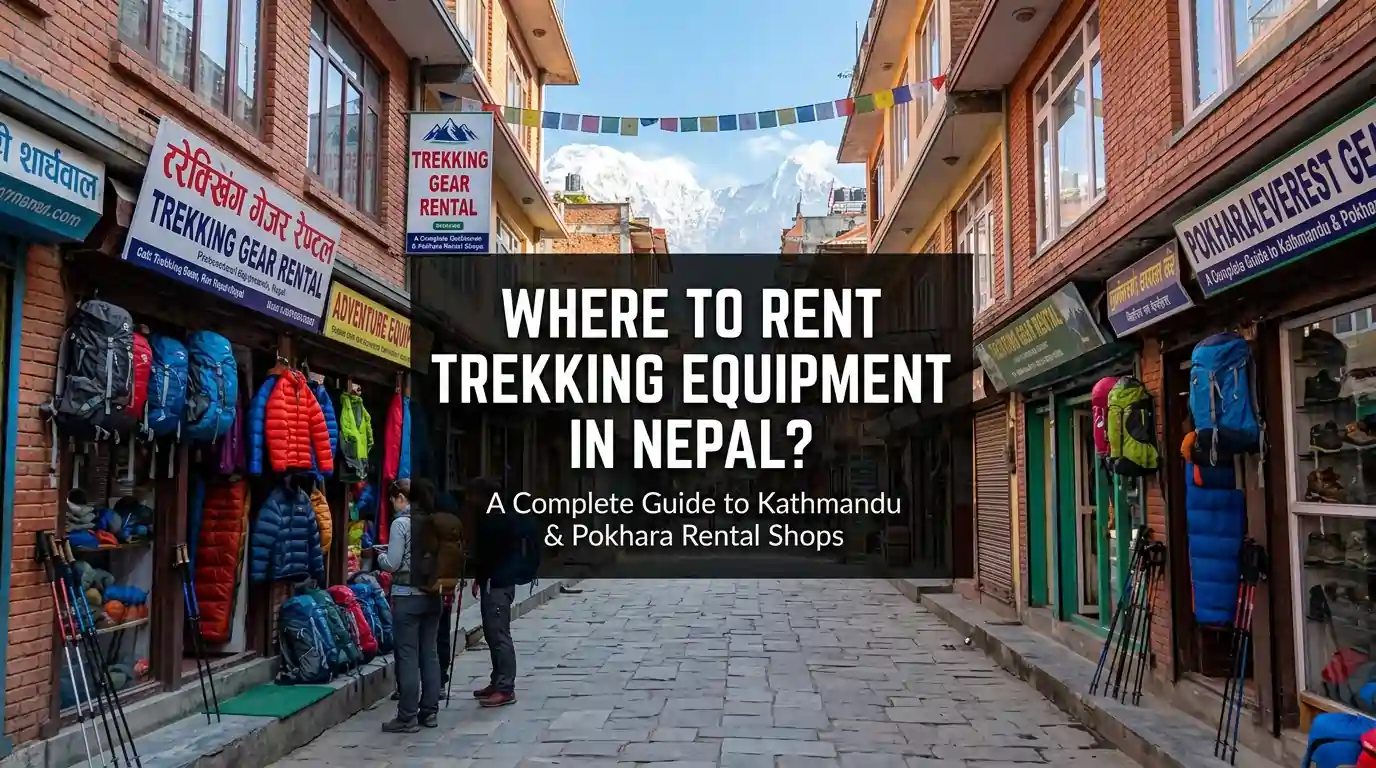
Have you ever stood in front of a Himalayan trail map and thought, “Do I really have the right gear for this?” That hesitation is more common than people admit. Nepal looks magical in photos, but the mountains don’t really forgive poor preparation.
Trekking here is not just walking; it’s a test of weather, altitude, and endurance all mixed into one. And honestly, even experienced trekkers sometimes realize they’re missing something important only after reaching Lukla or Pokhara.
In this blog, Where to Rent Trekking Equipment in Nepal, we will cover everything from why proper gear matters, what you should rent vs buy, and where exactly to rent trekking equipment in Kathmandu and Pokhara. You’ll also learn costs, safety tips, and mistakes to avoid so your trek doesn’t turn into a “why didn’t I plan this better” story.
About Trekking in Nepal and Gear Requirements
Trekking in Nepal demands proper gear because the environment is unpredictable and physically demanding. From steep trails to rapidly changing weather, every step requires preparation. Without the right equipment, even a short trek can become uncomfortable or risky, which is why having a meticulously planned equipment list is an essential foundation when planning trekking in Nepal for beginners.
1. Why Trekking in Nepal Requires Proper Equipment?
Yes, proper equipment is essential for trekking in Nepal because conditions change quickly and terrain is challenging. Trekkers often face both cold temperatures and difficult remote routes within the same day.
High altitude weather changes make trekking unpredictable, with sudden drops in temperature, strong winds, and even snowfall during clear seasons. Remote trekking conditions also mean limited access to shops, medical help, or replacement gear, so being prepared is important from the start.
2. Essential Trekking Gear for Nepal Adventures
Essential trekking gear includes jackets, boots, sleeping bags, and backpacks because they directly impact safety and comfort. Without these basics, trekkers struggle with cold, fatigue, and poor mobility.
Jackets protect against freezing temperatures, while boots ensure grip and prevent injuries on rocky trails. Sleeping bags keep you warm during cold nights, and backpacks help carry essentials efficiently. Good quality gear is important because it reduces risk, improves endurance, and keeps trekkers safe in harsh mountain conditions.
3. Who Needs to Rent Trekking Equipment in Nepal?
Renting trekking equipment in Nepal is ideal for budget travelers, beginners, and short-term visitors who do not want to invest in expensive gear. It is a practical solution for people doing one-time treks.
Budget trekkers save money by renting instead of buying full gear sets. Beginners benefit because they can test equipment before committing to purchases. Short-term travelers find renting convenient since it avoids carrying heavy gear internationally and reduces travel baggage costs.
Where to Rent Trekking Equipment in Nepal?
The best places to rent trekking equipment in Nepal are Kathmandu and Pokhara, with Kathmandu being the primary hub for most trekkers. These cities offer easy access to rental shops before heading into the mountains. Most travelers prefer renting here because it is convenient, affordable, and time-efficient.
Kathmandu stands out because almost every major trekking route begins from here. You can easily find all types of trekking gear in one place, from basic items to high-end equipment. Pokhara is also a strong option, especially for Annapurna region treks, but Kathmandu remains the main center for variety and pricing.
1. Why Kathmandu is the Main Hub for Gear Rental?
Kathmandu is the main hub for gear rental because it offers wide variety, competitive prices, and easy access for trekkers arriving from different countries. Almost every trekking route in Nepal starts or passes through Kathmandu, making it the most practical place to rent equipment.
You will find hundreds of rental shops mainly in areas like Thamel, where competition keeps prices reasonable. The wide variety means you can compare brands, quality, and pricing in one walkable area. Easy access also helps trekkers quickly rent gear before heading to the mountains without wasting travel time. Most shops are used to international travelers, so the process is simple and flexible.
2. Is Renting Trekking Gear in Nepal Better Than Buying?
Yes, renting trekking gear in Nepal is usually better than buying for most travelers because it is more cost-effective and convenient. Buying high-quality trekking equipment can be expensive, especially for one-time trekkers.
Renting allows you to save money since you only pay for the duration of your trek instead of investing in full gear. It also reduces the burden of carrying heavy equipment from your home country. Convenience is another major advantage because you can pick up everything locally in Kathmandu or Pokhara right before your trek. This makes renting a smart choice for short-term and first-time trekkers.
Ready to Start Your Himalayan Adventure?
Get expert guidance on trekking, peak climbing, and expeditions in Nepal. Plan your journey with experienced Himalayan adventure specialists today.
Best Places to Rent Trekking Equipment in Kathmandu
Kathmandu is the main destination for renting trekking equipment in Nepal, especially for trekkers starting their journey. The city offers a dense network of rental shops, mainly concentrated in tourist-friendly areas. You can easily compare prices, check gear quality, and rent everything in one place before heading to the mountains.
1. Thamel Area
Thamel is the most popular area for trekking gear rental in Kathmandu, and almost every trekker passes through here at least once. The streets are filled with rental shops offering everything from basic gear to premium branded equipment.
Trekking gear availability in Thamel is very high, so you rarely struggle to find what you need even during peak season. Pricing is competitive because many shops operate side by side, which naturally keeps rates flexible. You can also compare different shops within a short walking distance, which helps you choose better quality gear at a fair price.
2. What You Can Rent in Thamel Shops?
You can rent almost all essential trekking gear in Thamel shops, making it a one-stop solution for trekkers. Most shops are well-stocked and ready for both beginners and experienced hikers.
You will commonly find sleeping bags, down jackets, and trekking poles available in different sizes and quality levels. Some shops also offer boots, backpacks, gloves, and waterproof clothing depending on the season. The variety ensures that you can quickly prepare for your trek without needing to buy expensive equipment.
3. Tips for Choosing Reliable Rental Shops
Choosing the right rental shop in Thamel is important because gear quality directly affects your trekking experience.
- Always check gear condition carefully before renting, especially zippers, insulation, and stitching
- Compare at least 2 to 3 shops to understand price differences and avoid overpaying
- Ask for branded equipment if you are trekking in extreme cold regions
- Test jackets and sleeping bags for warmth and comfort before finalizing
- Don’t hesitate to negotiate prices, as bargaining is common in Thamel
- Avoid very cheap offers, as they often indicate poor-quality or overused gear
- Choose shops with good reviews or frequent international customer traffic for reliability
Renting Trekking Equipment in Pokhara
Pokhara is another major hub for renting trekking equipment in Nepal, especially for trekkers heading to the Annapurna region. The city is more relaxed compared to Kathmandu, making the gear selection process easier and less rushed. Many travelers prefer renting here if Pokhara is their starting point for trekking.
Rental shops in Pokhara are well-prepared for seasonal trekking demand and offer all essential equipment. While the variety may be slightly less than Kathmandu, the quality is generally reliable. It is also a convenient option for last-minute rentals before starting popular treks like Annapurna Base Camp or Poon Hill.
1. Lakeside Area Gear Rental Shops
Lakeside is the main area in Pokhara where most trekking gear rental shops are located, and it is very popular among Annapurna trekkers. The area is tourist-friendly, with easy access to shops, hotels, and transport options.
These shops are used to serving international trekkers, so the process is simple and straightforward. You can find essential trekking equipment like jackets, sleeping bags, and poles without much effort. Prices are generally reasonable, and the relaxed environment allows you to compare options without pressure.
2. Equipment Availability in Pokhara
Equipment availability in Pokhara depends on the trekking season, with more stock available during peak trekking months. Most shops maintain seasonal gear to match demand for Annapurna region treks.
You can usually find jackets, sleeping bags, trekking poles, and backpacks easily in standard sizes. However, during off-season periods, some premium or specific items may be limited. Despite this, most essential trekking gear is available for short-term rental needs, making Pokhara a practical option for many trekkers.
3. Advantages of Renting in Pokhara
Renting trekking equipment in Pokhara is especially convenient for trekkers heading directly into the Annapurna region, as it saves both time and effort. Many trekkers prefer this option to avoid carrying gear from Kathmandu.
Biggest advantage is proximity to popular trekking routes, which makes last-minute adjustments easy. The atmosphere is also less crowded, allowing better focus while selecting equipment. Additionally, rental shops in Pokhara are flexible with pricing and rental duration, making it a comfortable and practical choice for many travelers.
What is the Cost to Rent Trekking Equipment in Nepal?
Cost to rent trekking equipment in Nepal is generally affordable, with most items ranging from a few hundred to a couple thousand Nepali rupees per day depending on quality and season. Prices are flexible and often negotiable in popular trekking hubs like Kathmandu and Pokhara.
Overall cost depends on what you rent, how long you rent it, and the type of gear you choose, with better quality branded items costing more.
| Trekking Equipment | Average Daily Cost (NPR) | Notes |
| Down Jacket | 150 – 400 NPR | Higher in peak winter season |
| Sleeping Bag | 200 – 600 NPR | Extreme cold-rated bags cost more |
| Trekking Boots | 200 – 500 NPR | Depends on brand and condition |
| Trekking Poles | 100 – 250 NPR | Usually cheapest rental item |
| Backpack (50–70L) | 150 – 300 NPR | Quality varies widely |
| Waterproof Jacket | 150 – 400 NPR | Demand increases during monsoon |
Factors That Affect Rental Costs
Rental prices in Nepal are not fixed and change depending on several conditions. Brand reputation plays a big role, as international or high-quality gear costs more than local alternatives. Seasonal demand also affects pricing, with peak trekking months like spring and autumn leading to higher rates. Additionally, overall demand and availability in areas like Thamel or Lakeside can slightly increase or decrease costs depending on competition.
How to Save Money on Trekking Gear Rentals?
Saving money on trekking gear rentals in Nepal is quite easy if you plan smartly. Most shops offer discounted package deals when you rent multiple items together instead of individually. Negotiation is also common, especially in Kathmandu, so you can often reduce the price by comparing shops. Renting for the full duration of your trek instead of daily extensions usually gives better rates, and booking slightly off-season can also help you get lower prices.
How to Rent Trekking Equipment in Nepal?
Renting trekking equipment in Nepal is a simple process where you choose a shop, select your required gear, agree on the price, and complete a quick rental agreement. Most rental shops in Kathmandu and Pokhara are used to foreign trekkers, so the process is smooth and fast.
You usually visit the shop, check the condition of items, try them for fit, and then finalize your selection. After that, you pay a small deposit or full rental amount depending on the shop policy. Once everything is confirmed, you can collect the gear immediately and start your trek preparation without delay.
1. Step-by-Step Rental Process
Step-by-step rental process in Nepal is straightforward and beginner-friendly, designed to make gear hiring quick and hassle-free. First, you select a rental shop in popular areas like Thamel or Lakeside, where most trekking gear is available.
Next, you carefully check the condition of each item and try it for comfort and fit, especially jackets, boots, and backpacks. After finalizing your selection, you agree on the rental price and duration with the shop owner. Finally, you pay the required deposit or rental fee and receive your gear, which is usually ready for immediate use.
2. Documents Required for Renting Gear
You typically need only basic identification documents to rent trekking equipment in Nepal, making the process very simple for travelers. Most shops do not have strict requirements.
In most cases, a passport copy is enough to complete the rental process. Some shops may also ask for an additional ID proof for verification purposes, but this is not always necessary. Process is designed to be quick so trekkers can easily rent gear without complicated paperwork or delays.
3. Rental Duration and Return Policies
Rental duration in Nepal is flexible, with most shops offering both daily and weekly rental options depending on your trekking needs. This allows trekkers to choose a plan based on the length of their journey.
Daily rentals are suitable for short treks, while weekly packages are more cost-effective for longer expeditions. Return policies usually require you to bring back the gear in the same condition, and late returns may incur additional charges. Some shops also offer extensions if your trek gets delayed, but it is always better to inform them in advance.
What Trekking Equipment Should You Rent vs Buy?
Deciding whether to rent or buy trekking equipment in Nepal depends on how often you trek, your budget, and personal comfort preferences. Generally, heavy and expensive items are better to rent, while personal-use and hygiene-related gear should be bought for safety and fit.
| Category | Rent in Nepal | Buy Before Traveling | Reason |
| Down Jacket | Yes | Not necessary | Expensive and bulky, easy to rent locally |
| Sleeping Bag | Yes | Not necessary | High-quality bags available for rent at low cost |
| Trekking Poles | Yes | Optional | Cheap to rent, no need to carry back |
| Backpack | Yes | Optional | Rental is convenient for short treks |
| Trekking Boots | Not recommended | Yes | Proper fit and comfort are very important |
| Base Layers | No | Yes | Personal hygiene and comfort |
| Socks & Innerwear | No | Yes | Hygiene and direct skin contact |
| Gloves & Hat | Yes | Optional | Can be rented but better to own for comfort |
| Headlamp | Yes | Optional | Useful but cheap to buy and reuse |
Common Mistakes When You Rent Trekking Equipment in Nepal
Many trekkers make avoidable mistakes when renting trekking equipment in Nepal, which can directly affect comfort and safety during the journey. Most issues happen due to rushed decisions, lack of inspection, or trying to save a small amount of money. These mistakes often become more noticeable once you are already on the trail in remote areas.
Understanding these common errors helps you choose better gear, avoid unnecessary stress, and ensure a smoother trekking experience in the Himalayas.
1. Choosing Low-Quality Gear to Save Money
Choosing low-quality gear just to save money is a common mistake that can seriously affect your trekking experience. Cheap equipment often fails to provide proper insulation, especially in cold and high-altitude regions of Nepal.
Poor-quality jackets and sleeping bags may not protect you from freezing temperatures, leading to discomfort and even health risks. In some cases, weak stitching or worn-out material can also cause damage during trekking. Spending slightly more on better gear is always safer and more reliable.
2. Not Checking Equipment Before Renting
Not checking equipment properly before renting is another frequent mistake that many trekkers regret later. Some travelers quickly accept gear without inspecting its condition.
This can lead to problems like broken zippers, missing straps, or damaged insulation that reduces effectiveness on the trail. It is important to test each item carefully before finalizing the rental. A quick check ensures you are not stuck with faulty equipment in remote trekking areas where replacements are not easily available.
3. Renting Last Minute During Peak Season
Renting trekking equipment at the last minute during peak season often leads to limited availability and poor choices. During busy trekking months, popular gear gets rented out quickly.
This forces trekkers to settle for lower-quality or ill-fitting equipment. Prices may also increase due to high demand in places like Thamel and Lakeside. Planning ahead and renting early ensures better selection, fair pricing, and a stress-free preparation before starting your trek.
Safety Tips When Using Rented Trekking Equipment
Using rented trekking equipment safely is just as important as choosing the right gear. Many trekkers assume rental items are ready for harsh mountain conditions, but a quick check and proper usage can prevent discomfort and risks. Being careful with inspection, handling, and emergency preparation ensures a safer and more reliable trekking experience in Nepal.
1. Checking Gear Condition Before Trekking
Checking gear condition before starting your trek is essential because even small defects can become serious problems in cold and remote areas. Always inspect items properly instead of assuming they are in perfect condition.
Make sure zippers on jackets and sleeping bags are working smoothly, as broken zippers can reduce insulation and warmth. Check insulation quality by feeling the thickness and ensuring there are no thin or damaged sections. Waterproofing should also be tested, especially for jackets and covers, since unexpected rain or snow is common in the Himalayas. Quick but careful inspection helps you avoid issues once you are far from rental shops.
2. Proper Usage of Rental Equipment
Proper usage of rental equipment is important because careless handling can reduce gear performance and comfort during your trek. Rental items are shared resources, so they need to be treated with care.
Always follow basic care instructions provided by the rental shop, such as avoiding rough use or unnecessary strain on zippers and straps. Keep jackets and sleeping bags dry whenever possible, as moisture reduces insulation and warmth. Pack gear properly in your backpack to avoid damage during movement. Using equipment correctly ensures it performs well throughout your journey and also avoids extra charges for damage after return.
3. Emergency Gear Essentials
Emergency gear essentials are crucial for handling unexpected situations during trekking in Nepal. Even with rented equipment, you should carry or confirm access to basic safety items.
First aid kit is important for treating minor injuries like cuts, blisters, or headaches at high altitude. Rain protection such as ponchos or waterproof covers helps you stay dry during sudden weather changes. Navigation tools like maps, compasses, or GPS apps are useful in remote areas where signals may be weak or unavailable. Keeping these essentials ready adds an extra layer of safety and helps you handle emergencies more confidently on the trail.
Renting Trekking Equipment in Nepal vs Bringing From Home
Choosing between renting in Nepal and bringing your own gear depends on cost, convenience, luggage limits, and trekking frequency. For most travelers, renting locally is more practical, but some essential items are still better brought from home.
| Factor | Renting Trekking Equipment in Nepal | Bringing From Home |
| Cost | More affordable for short trips | Expensive due to purchase and baggage |
| Convenience | Easy pickup in Kathmandu or Pokhara | Must carry throughout international travel |
| Luggage Weight | Light travel, no extra baggage stress | Heavy luggage with limited airline allowance |
| Gear Quality | Decent to high quality, depends on shop | Consistent personal quality if you buy premium gear |
| Fit and Comfort | May vary, requires checking before use | Perfect fit since you choose your own |
| Availability | Easily available in trekking hubs | Must plan and purchase before travel |
| Flexibility | Easy to upgrade or change items locally | No flexibility once packed |
| Best For | One-time trekkers, budget travelers | Frequent trekkers, long-term hikers |
Conclusion
Renting trekking equipment in Nepal is one of the smartest choices for most travelers, especially those doing short or one-time treks. It saves money, reduces luggage stress, and gives easy access to all essential gear in places like Kathmandu and Pokhara. From jackets to sleeping bags, everything you need is available locally without the hassle of carrying it from your home country.
At the same time, choosing the right gear and checking its condition properly is very important for safety in the Himalayas. Little attention while renting can make your trekking experience more comfortable and secure. Whether you are a beginner or an experienced trekker, smart planning ensures you enjoy the mountains without worrying about equipment issues along the way, especially when organizing your journey through the best expedition and trekking in Nepal.
FAQS
Can I rent trekking equipment in Nepal easily?
Yes, trekking equipment is easily available in Kathmandu and Pokhara with hundreds of rental shops offering quick and simple rental services.
How much does it cost to rent trekking gear in Nepal?
Costs vary, but most items like jackets and sleeping bags cost a few hundred rupees per day depending on quality.
Is renting trekking gear in Nepal safe?
Yes, it is safe if you carefully check equipment condition and choose reliable rental shops with good reviews and maintained gear.
What trekking equipment should I rent in Nepal?
You should rent sleeping bags, down jackets, trekking poles, and backpacks since they are expensive, bulky, and easy to find locally.
Should I buy or rent trekking gear for Nepal treks?
Renting is better for short trips, while buying makes sense only if you trek frequently or want personal long-term equipment.
Where is the best place to rent trekking gear in Nepal?
Kathmandu’s Thamel area and Pokhara’s Lakeside are the best places with wide variety, competitive prices, and easy rental access.
Do I need documents to rent trekking equipment?
Most shops only require a passport copy or basic ID, making the rental process very simple for international trekkers visiting Nepal.
Can I negotiate trekking gear rental prices in Nepal?
Yes, bargaining is common in Nepal, especially in Kathmandu, and you can often get better deals by comparing multiple shops.

Ready for your next Himalayan adventure?
Plan Your Next Big Adventure with Us
Explore Our AdventuresJoin our expert-guided journeys across Nepal and beyond, from classic trails to epic summits.