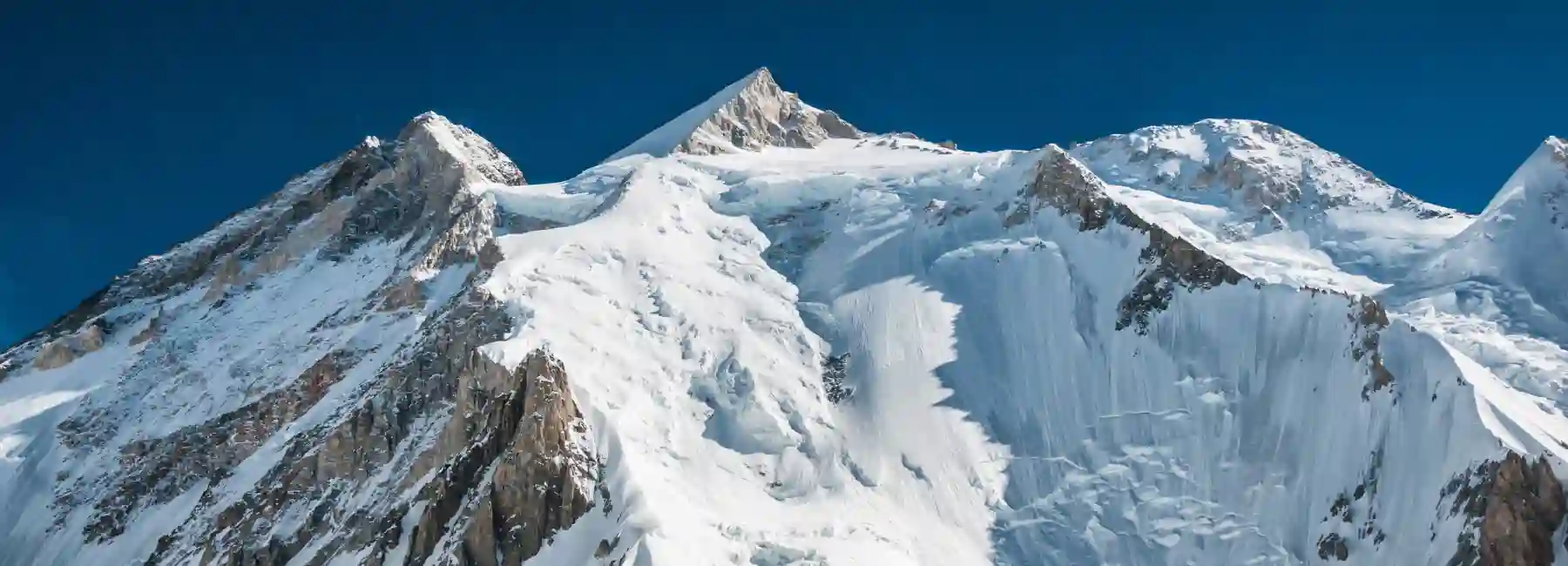
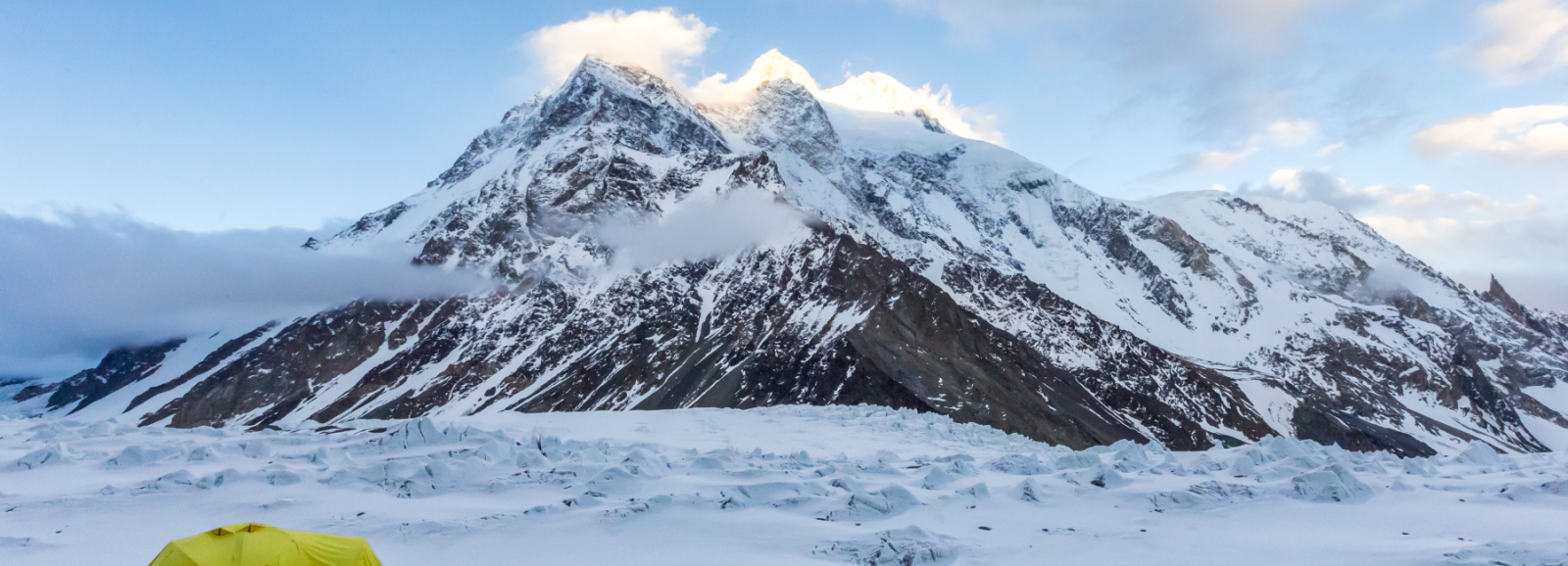
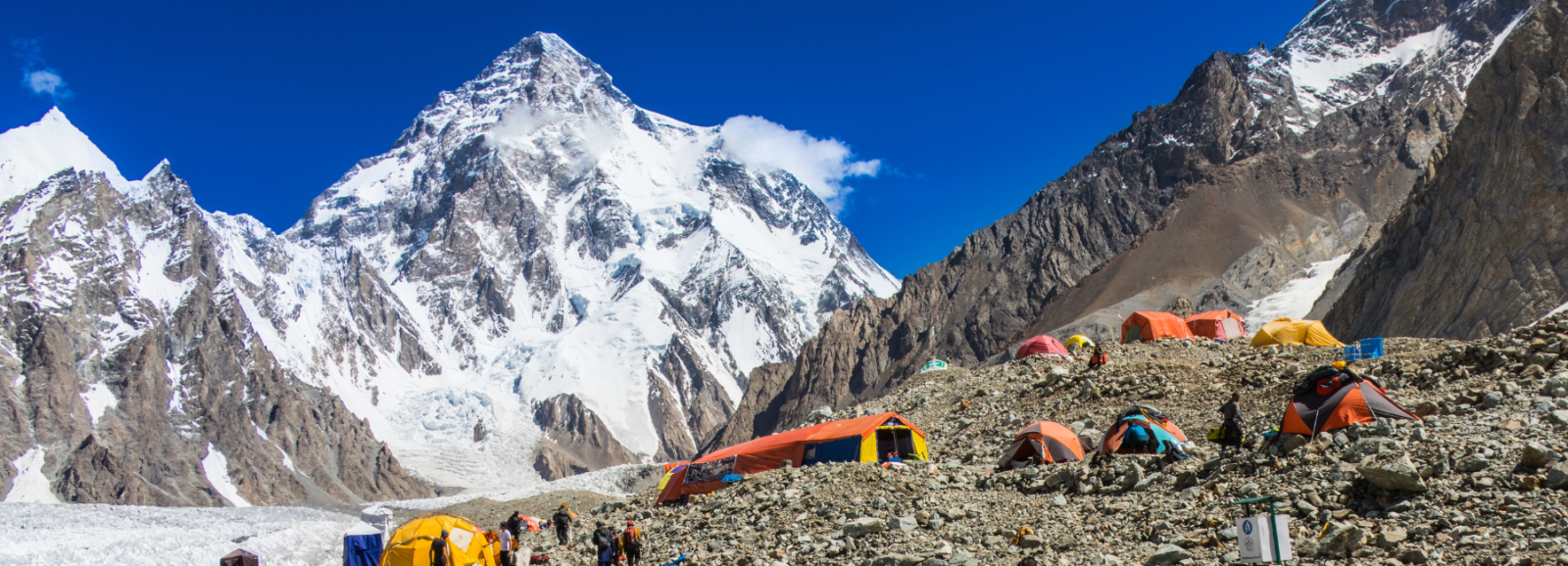
K2 Expedition

Pakistan / China
Karakoram
1-12 Pax
8,611 m
Extreme
Teahouse/Lodge, Tented Camp
5-12 hrs
Autumn, Spring
Highlights of K2 Expedition
K2, also known as Chhogori, is the second-highest mountain in the world at an elevation of 8,611 meters. It is located in the Karakoram range on the border between Pakistan and China. Climbing K2 is a challenging and strenuous expedition that requires a high level of physical fitness and acclimatization to altitude. Here are some highlights of climbing K2:
- Stunning mountain views:
- From the summit of K2, you can enjoy panoramic views of the surrounding mountain ranges, including the Karakoram, the Himalayas, and the Pamir range.
- Cultural experiences:
- The climbing route takes you through traditional villages and offers the opportunity to interact with the local people and learn about their way of life.
- High-altitude challenge:
- At an elevation of 8,611 meters, K2 is a challenging climb that requires a high level of physical fitness and acclimatization to altitude. It is considered one of the most difficult and dangerous mountains to climb in the world.
- Diverse landscape:
- The climbing route takes you through a variety of landscapes, including glaciers, rock and ice fields, and high-altitude grasslands.
- Adventure and exploration:
- Climbing K2 is a journey of adventure and exploration, as you venture into the high mountains and test your limits in a harsh and challenging environment. The highlight of the expedition is the climb to the summit of K2, which is a once-in-a-lifetime experience that very few people have the opportunity to achieve.
- Unique flora and fauna:
- The Karakoram range is home to a variety of unique flora and fauna, including rare species of plants and animals that are found nowhere else in the world.
- Historical significance:
- K2 has a rich history of exploration, and the mountain has been climbed by some of the most renowned mountaineers in the world. The first successful ascent of K2 was made in 1954 by an Italian team led by Ardito Desio. Since then, the mountain has attracted many climbers from all over the world, and it is considered one of the ultimate challenges in the world of mountaineering.
K2 Expedition Overview
K2 the Savage Mountain, rises to 8,611 metres above the Karakoram Range on the border of Pakistan and China, making it the world’s second-highest peak and one of the most technically demanding mountains ever climbed. A K2 expedition is not a commercial trek to a crowded high camp. It is a sustained test of ice craft, endurance, altitude tolerance, and calm judgement conducted at the edge of what the human body can survive. Marvel Treks & Expedition runs K2 expeditions from Islamabad through the Baltoro Glacier and up the Abruzzi Ridge with veteran Sherpa guides, structured acclimatization rotations, real-time weather forecasting, and full logistical support from the Alpine Club of Pakistan briefing to the summit certificate.
K2 Expedition 2026 — Key Facts
| Mountain | K2 (Chhogori / Mount Godwin-Austen) |
| Elevation | 8,611 m / 28,251 ft |
| Location | Gilgit-Baltistan, Pakistan / Xinjiang, China |
| Range | Karakoram — Baltoro Muztagh subrange |
| Route | Abruzzi Spur (Southeast Ridge) — primary |
| Duration | 40 days (service package) / 52–60 days total expedition |
| Difficulty | Extreme — technical alpine grade TD+ / AI5 |
| Base Camp Altitude | 5,100 m / 16,732 ft |
| Summit Altitude | 8,611 m / 28,251 ft |
| Best Season | Late June to early August |
| Group Size | 1–12 climbers |
| Permit Authority | Gilgit-Baltistan Tourism Department, Pakistan |
| First Ascent | Achille Compagnoni & Lino Lacedelli (Italy), July 31, 1954 |
| First Winter Ascent | 10-member Nepali team led by Nirmal Purja, January 16, 2021 |
| Overall Summit Success Rate | 25–29% (modern guided expeditions higher) |
| Fatality Rate | 9.5% (964 summits, 92 deaths, 1930–2025) |
| Price from | USD $8,500 (service package see full cost breakdown) |
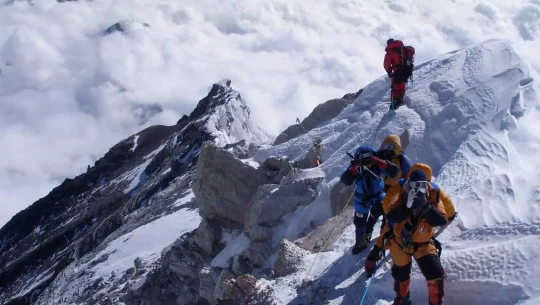
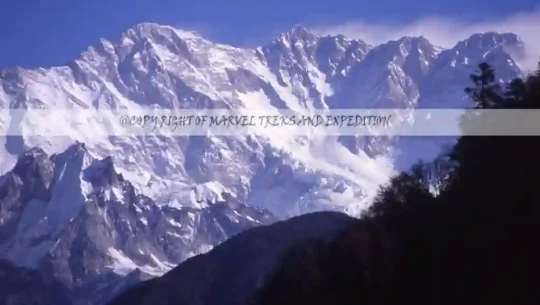
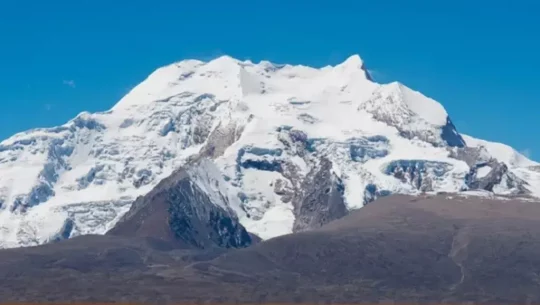
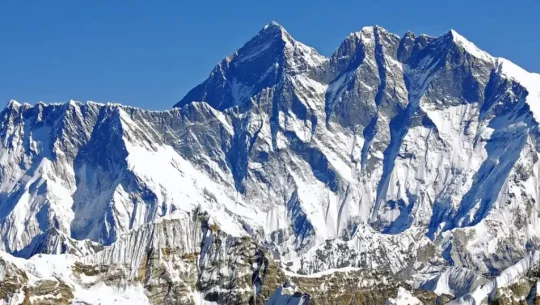
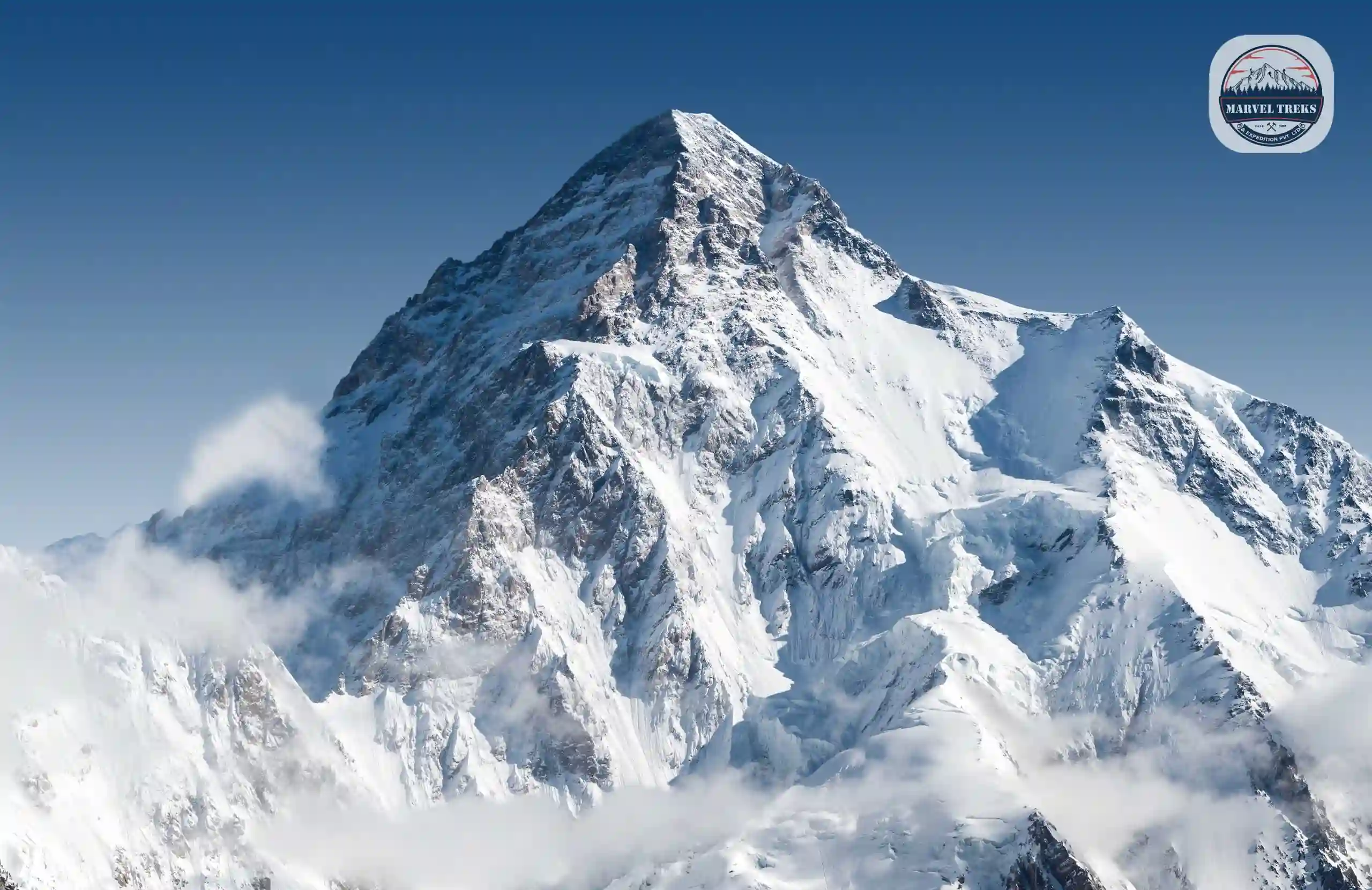
Gallery of K2 Expedition
| Day | Itinerary | Altitude | Duration |
|---|---|---|---|
| 1 | Arrival in Islamabad, hotel transfer | 540 m | 1 hrs |
| 2 | Official briefing & preparation | 540 m | - |
| 3 | Flight Islamabad → Skardu | 2,500 m | 1hrs |
| 4 | Drive Skardu → Askole (Jeep) | 3,000 m | 6–7 hrs |
| 5 | Trek Askole → Jhola | 3,100 m | 6–7 hrs |
| 6 | Trek Jhola → Paiyu | 3,450 m | 6–7 hrs |
| 7 | Trek Paiyu → Urdukas | 3,900 m | 6–7 hrs |
| 8 | Trek Urdukas → Goro II | 4,295 m | 6–7 hrs |
| 9 | Trek Goro II → Concordia | 4,500 m | 5–6 hrs |
| 10 | Trek Concordia → K2 Base Camp | 5,100 m | 6–7 hrs |
| 11 | Base Camp setup & acclimatization hike | 5,100 m | 2–3 hrs |
| 12 | Acclimatization hike around Base Camp | 5,400 m | 3–4 hrs |
| 13 | Load carry Base Camp → Camp I & return | 6,050 m | 5–6 hrs |
| 14 | Rest day at Base Camp | 5,100 m | - |
| 15 | Move Base Camp → Camp I | 6,050 m | 5–6 hrs |
| 16 | Acclimatization climb Camp I → Camp II & return | 6,700 m | 4–5 hrs |
| 17 | Rest at Camp I | 6,050 m | - |
| 18 | Move Camp I → Camp II | 6,700 m | 4–5 hrs |
| 19 | Acclimatization climb above Camp II | 7,200 m | 3–4 hrs |
| 20 | Rest at Camp II | 6,700 m | - |
| 21 | Load carry Camp II → Camp III & return | 7,800 m | 4–5 hrs |
| 22 | Rest at Camp II | 6,700 m | - |
| 23 | Move Camp II → Camp III | 7,800 m | 4–5 hrs |
| 24 | Acclimatization climb Camp III → higher point & return | 8,100 m | 3–4 hrs |
| 25 | Rest at Camp III | 7,800 m | - |
| 26 | Move Camp III → Camp IV | 8,300 m | 3–4 hrs |
| 27 | Summit push (Camp IV → K2 Summit → descend) | 8,611 m | 12-14 hrs |
| 28 | Descend Camp IV → Camp III | 7,800 m | 4–5 |
| 29 | Descend Camp III → Camp II | 6,700 m | 4–5 |
| 30 | Contingency / buffer day | 6,700 m | - |
| 31 | Move Camp II → Camp I | 6,050 m | 4–5 |
| 32 | Descend Camp I → Base Camp | 5,100 m | 5–6 |
| 33 | Rest at Base Camp | 5,100 m | - |
| 34 | Contingency / buffer day | 5,100 m | - |
| 35 | Trek Base Camp → Goro II | 4,295 m | 7–8 |
| 36 | Trek Goro II → Khuburtze | 3,800 m | 7–8 |
| 37 | Trek Khuburtze → Jhola | 3,100 m | 6–7 |
| 38 | Drive Jhola → Askole → Skardu | 2,500 m | 6–7 |
| 39 | Flight Skardu → Islamabad | 540 m | 1 |
| 40 | Final departure | 540 m | - |
- Arrival & Airport Services: International and domestic airport pick-up and drop-off are included with a warm welcome by a Marvel Treks & Expeditions representative. All ground transportation in Islamabad is provided by private, comfortable vehicles. Guided sightseeing in Islamabad and Skardu is arranged as per the itinerary, excluding entrance fees.
- Accommodation: Accommodation in Islamabad, Chilas, and Skardu is provided in 4-star hotels on a twin-sharing B&B basis, with single rooms available at extra cost. Trekking accommodation is arranged in clean tea houses or lodges. Expedition accommodation includes fully serviced Base Camp tents and shared high-camp tents with insulating mattresses.
- Meals & Nutrition: Welcome and farewell dinners in Islamabad are included, while other city meals are excluded unless specified. During trekking and the expedition, three hygienic meals per day with tea and coffee are provided. High-altitude meals and regular helicopter-supplied fresh food are available at Base Camp.
- Transportation & Logistics: All airport transfers, domestic flights, road transport, and jeep services as per the itinerary are included. Cargo transport, porter services, and baggage movement to and from Base Camp are fully managed by the company. A baggage allowance of up to 40 kg per climber is provided for ascent and descent.
- Porterage (Low-Altitude Porters): Porters are provided to carry expedition food, camping equipment, and personal climbing gear. Three porters per climber are arranged on the way up and two per climber on the way down. Porter costs include wages, food, equipment, and insurance.
- Permits & Government Requirements: All required Pakistan Government climbing permits, expedition royalties, liaison officer services, and route fixing fees are included. Garbage management charges, satellite phone and walkie-talkie permits, and applicable government taxes are covered. Administrative and operational support is fully included, excluding customs duties.
- Base Camp & High Camp Infrastructure: Base Camp is fully equipped with personal tents, dining, kitchen, communication, shower, and toilet facilities. Power supply is provided through solar panels or generators, along with basic comfort facilities. High camps are equipped with expedition tents, cooking systems, ropes, and climbing hardware.
- Expedition Staff & Professional Support: The expedition is led by an experienced expedition leader with one government-licensed climbing Sherpa per member. Additional staff include a Base Camp Sirdar, guides, cooks, helpers, and porters. All staff salaries, food, equipment, clothing, and insurance are included.
- Training, Oxygen & High-Altitude Support: Pre-climb technical training is conducted at Base Camp, including fixed rope and oxygen usage training. Each member receives three 4-liter oxygen bottles, and Sherpas receive one to two bottles each. Masks, regulators, and backup oxygen are available as per expedition protocol.
- Communication, Safety & Medical Support: Walkie-talkies are provided for mountain communication, and a satellite phone is available at Base Camp for emergency use. Daily professional weather forecasts and comprehensive first-aid kits are provided. Medical support is available at Base Camp where conditions allow.
- Complimentary Items: Complimentary items include an expedition duffle bag, T-shirt, buff, and cap. Free use of a sleeping bag, basic down jacket, and walking stick is provided during the expedition. Trekking and climbing route maps are included.
- Certification & Completion: Successful climbers receive an official K2 Summit Certificate issued by the Government of Pakistan. Expedition completion documentation and a farewell cultural dinner are included.
- Base Camp Representatives: Dedicated representatives are stationed at major peaks such as K2, Broad Peak, and Gasherbrum. They are equipped with satellite phones for emergency communication and can arrange urgent porter services if required.
- International Travel & Visa: International airfare to and from Pakistan is not included. Pakistan entry visa fees, personal insurance, and excess baggage or cargo charges are excluded.
- Meals & Drinks: Lunch and dinner in Islamabad or other cities are excluded unless stated otherwise. Personal snacks, bottled water, soft drinks, alcohol, cigarettes, and bar bills are not included.
- Personal Equipment: Personal climbing and trekking gear, clothing, bags, and packing items are excluded. Personal medical kits, toiletries, and hygiene supplies must be arranged individually.
- Insurance & Medical: Personal travel insurance covering high-altitude rescue, helicopter evacuation, emergency medical treatment, and hospitalization is mandatory and not included. Medical examinations and doctor’s clearance forms are excluded.
- Extra Accommodation: Additional hotel nights due to early arrival, late departure, flight delays, or itinerary changes are excluded. Accommodation and meals outside official expedition dates are not included.
- Communication & Internet: Charges for internet usage, satellite phone calls, walkie-talkie use, and Wi-Fi services are excluded. All personal communication expenses must be paid separately.
- Summit Bonus & Tips: Mandatory summit bonuses must be paid in cash after a successful ascent, including payments for climbing Sherpas and kitchen staff. Tips for Base Camp staff, guides, and porters are recommended and excluded.
- Oxygen & Sherpa Support: Additional oxygen beyond the included bottles and extra climbing Sherpas are not included. Extra masks, regulators, or oxygen systems are charged separately.
- Permits & Special Requests: Drone usage, filming, photography, or special media permits are not included. Customs duties for personal expedition equipment are excluded.
- Miscellaneous & Personal Expenses: Laundry, hot showers, battery charging, personal purchases, refundable garbage deposits, and transaction fees are excluded. Any personal expenses of any nature are the participant’s responsibility.
- Unforeseen Circumstances: Costs arising from natural disasters, landslides, political unrest, strikes, or changes in government regulations are excluded. Any service not clearly listed under “Cost Includes” is not covered.
Detailed Itinerary
Day 01: Arrival in Islamabad
Upon arrival at Islamabad International Airport, you will be warmly welcomed by our representative and transferred to your hotel. After check-in, you can rest and recover from your journey or take a short walk around the city. In the evening, enjoy a relaxed welcome dinner and overnight in Islamabad.
Day 02: Official Briefing & Preparation
This day is dedicated to official briefings, documentation, and expedition preparations. You will meet the expedition leader to review the itinerary, safety procedures, and climbing plans. Final gear checks and any last-minute arrangements are completed.
Day 03: Fly from Islamabad to Skardu
An early morning flight takes you from Islamabad to Skardu, offering spectacular views of the Karakoram range, weather permitting. Upon arrival, you will transfer to your hotel and rest. The remainder of the day is free for light exploration and acclimatization.
Day 04: Drive from Skardu to Askole
After breakfast, you begin a scenic jeep drive from Skardu to Askole, the last permanent settlement before the trek. The journey follows rivers and mountain valleys, giving a first close look at the rugged terrain. Overnight is spent in Askole.
Day 05: Trek from Askole to Jhola
Your trek officially begins as you walk from Askole to Jhola along the Braldu River. The trail is relatively gentle and allows your body to gradually adjust. Camp is set at Jhola for the night.
Day 06: Trek from Jhola to Paiyu
Today’s trek takes you through dramatic landscapes with views of glaciers and surrounding peaks. The walk is steady and scenic, leading you to the campsite at Paiyu. Paiyu is known for its impressive mountain backdrop.
Day 07: Trek from Paiyu to Urdukas
The trail ascends gradually toward Urdukas, one of the most beautiful campsites in Karakoram. You will enjoy panoramic views of granite spires and glaciers along the way. Overnight at Urdukas with stunning sunset views.
Day 08: Trek from Urdukas to Goro II
Today you enter the Baltoro Glacier, trekking across icy terrain toward Goro II. The surroundings become more alpine and dramatic as you gain altitude. Camp overnight at Goro II.
Day 09: Trek from Goro II to Concordia
A spectacular day of trekking brings you to Concordia, known as the “Throne Room of the Mountain Gods.” From here, you can see K2, Broad Peak, and Gasherbrum peaks. Overnight at Concordia with unforgettable mountain views.
Day 10: Trek from Concordia to K2 Base Camp
The trek continues toward K2 Base Camp along the glacier. As you approach, K2 dominates the skyline, creating an inspiring atmosphere. Upon arrival, Base Camp is set up for the expedition phase.
Day 11: Base Camp Setup & Acclimatization Hike
This day is used to organize personal tents, equipment, and facilities at Base Camp. A short acclimatization hike helps your body adjust to the altitude. Overnight at Base Camp.
Day 12: Acclimatization Hike Around Base Camp
You will spend the day acclimatizing with light hikes around Base Camp. This helps improve adaptation before moving higher. Rest and hydration are emphasized.
Day 13: Load Carry to Camp 1 & Return
You carry essential gear from Base Camp to Camp 1 as part of acclimatization. After dropping supplies, you return to Base Camp the same day. This rotation prepares your body for higher camps.
Day 14: Rest Day at Base Camp
A full rest day allows your body to recover after load carrying. Gear organization, hydration, and monitoring acclimatization are the focus. Overnight at Base Camp.
Day 15: Move from Base Camp to Camp 1
You move up permanently from Base Camp to Camp 1. The climb follows fixed ropes and requires careful movement. Overnight at Camp 1.
Day 16: Acclimatization Climb to Camp 2 & Return
You climb from Camp 1 toward Camp 2 for acclimatization and load carrying. After reaching Camp 2, you return to Camp 1. This rotation improves high-altitude adaptation.
Day 17: Rest Day at Camp 1
This day is reserved for rest and recovery at Camp 1. Weather and physical condition are assessed. Preparation continues for higher movement.
Day 18: Move from Camp 1 to Camp 2
You ascend from Camp 1 to Camp 2, following fixed lines and technical sections. The climb requires steady pacing and focus. Overnight at Camp 2.
Day 19: Acclimatization Climb Above Camp 2
You climb above Camp 2 to a higher point for acclimatization. After spending time at altitude, you descend back to Camp 2. This strengthens readiness for Camp 3.
Day 20: Rest Day at Camp 2
A rest day at Camp 2 allows your body to recover. Equipment checks and weather monitoring continue. Overnight at Camp 2.
Day 21: Load Carry to Camp 3 & Return
You carry loads from Camp 2 to Camp 3 as part of acclimatization. After dropping supplies, you return to Camp 2. This rotation prepares the route for higher camps.
Day 22: Rest Day at Camp 2
Another rest day ensures proper recovery before moving higher. Hydration and nutrition are emphasized. Overnight at Camp 2.
Day 23: Move from Camp 2 to Camp 3
You climb from Camp 2 to Camp 3, navigating steeper and more technical terrain. The altitude becomes more demanding at this level. Overnight at Camp 3.
Day 24: Acclimatization Climb Above Camp 3
You climb higher above Camp 3 for acclimatization and assessment. After spending time at altitude, you descend back to Camp 3. This prepares you for the final camp.
Day 25: Rest Day at Camp 3
This is a critical rest day before the summit phase. Weather forecasts and physical condition are closely monitored. Overnight at Camp 3.
Day 26: Move to Camp 4
You ascend from Camp 3 to Camp 4, the final high camp. This is a challenging and demanding climb. Overnight at Camp 4 in preparation for the summit attempt.
Day 27: Summit Push – K2 Summit & Descent
You begin the summit push from Camp 4 to the summit of K2 in the early hours. After reaching the summit, you descend carefully back to a lower camp. This is the most demanding day of the expedition.
Day 28: Descend from Camp 4 to Camp 3
You continue descending from Camp 4 to Camp 3. The focus is on safety and controlled movement. Overnight at Camp 3.
Day 29: Descend from Camp 3 to Camp 2
Further descent takes you from Camp 3 to Camp 2. The lower altitude brings gradual relief. Overnight at Camp 2.
Day 30: Contingency / Buffer Day
This day is reserved for weather delays or summit window adjustments. It may also be used for rest if conditions require. Flexibility is key at this stage.
Day 31: Move from Camp 2 to Camp 1
You descend from Camp 2 to Camp 1. The terrain becomes less technical as you lose altitude. Overnight at Camp 1.
Day 32: Descend from Camp 1 to Base Camp
You return from Camp 1 to Base Camp. Upon arrival, you can rest and celebrate completing the climbing phase. Overnight at Base Camp.
Day 33: Rest Day at Base Camp
A full rest day at Base Camp allows recovery after the summit phase. Packing and preparation for the return trek begin. Relax and enjoy the surroundings.
Day 34: Contingency / Buffer Day
An additional buffer day is reserved in case of delays. If unused, it allows extra rest or early departure. Overnight at Base Camp.
Day 35: Trek from Base Camp to Goro II
You begin the return trek from Base Camp to Goro II. Walking downhill makes the journey more comfortable. Overnight at Goro II.
Day 36: Trek from Goro II to Khuburtze
The trek continues across the Baltoro Glacier toward Khuburtze. Enjoy familiar landscapes from a new perspective. Overnight at Khuburtze.
Day 37: Trek from Khuburtze to Jhola
You descend further toward Jhola, retracing your route back. The air becomes warmer as altitude decreases. Overnight at Jhola.
Day 38: Drive from Jhola to Skardu
You drive from Jhola to Askole and onward to Skardu by jeep. Upon arrival, check into your hotel and enjoy a hot shower. Celebrate the successful expedition.
Day 39: Fly from Skardu to Islamabad
You fly from Skardu back to Islamabad, weather permitting. The remainder of the day is free for rest, shopping, or sightseeing. Farewell dinner in the evening.
Day 40: Final Departure
You will be transferred to Islamabad International Airport for your onward journey. This marks the end of the K2 Expedition. Depart with unforgettable memories of the Karakoram.
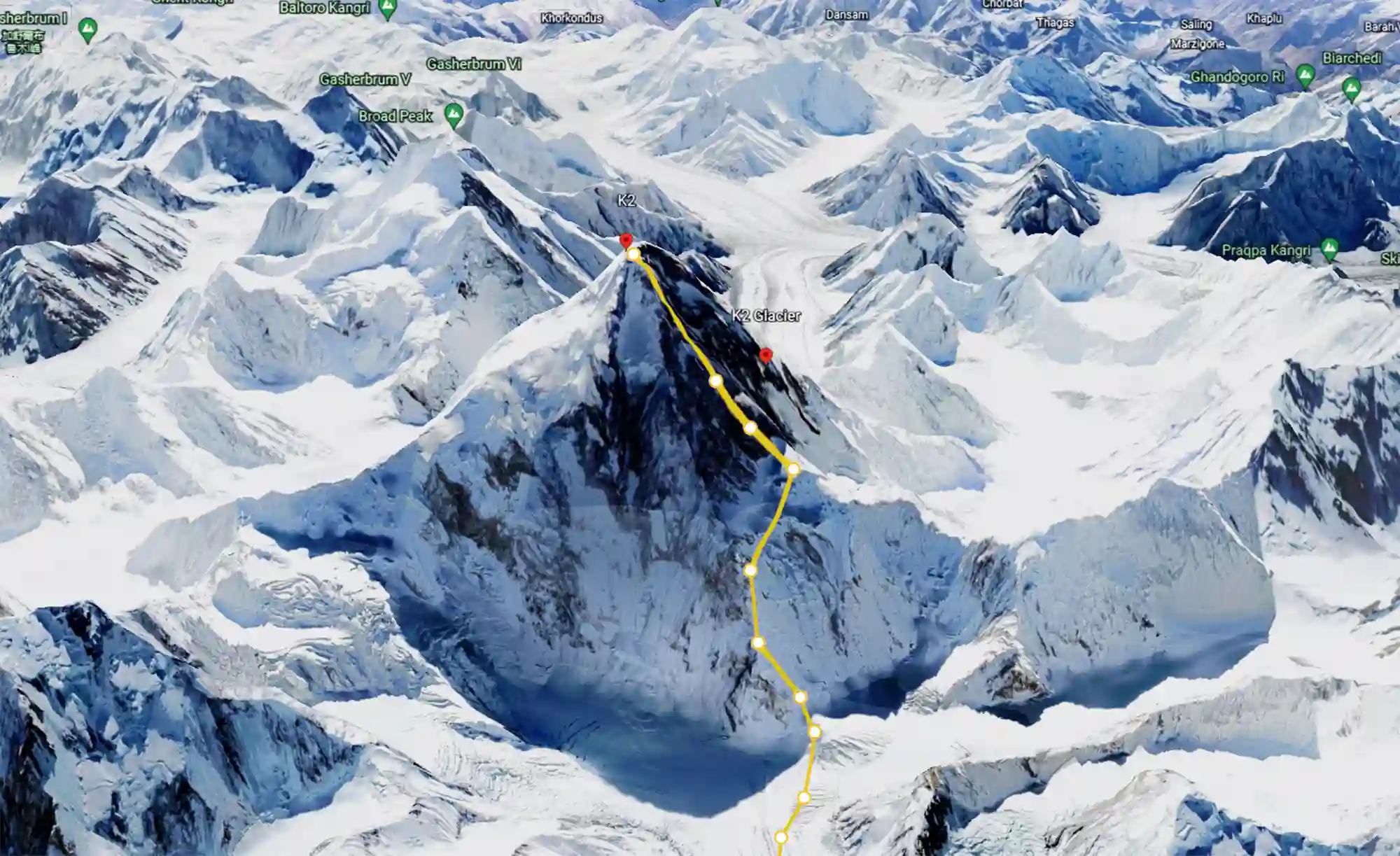
Trip Map
What Is K2? The World's Most Dangerous Mountain
K2 carries two names that together define its character: Chhogori, meaning ‘great mountain’ in Balti, and the Savage Mountain, a phrase coined by American climber George Bell after the 1953 expedition when he said ‘It is a savage mountain that tries to kill you.’ K2 sits precisely on the Pakistan-China border at coordinates 35.8808° N, 76.5133° E, deep in the Karakoram Range inside the Gilgit-Baltistan region of Pakistan.
The nearest major settlement is Skardu, 170 km to the south, highlighting the remote Location of K2. From Skardu, teams drive to Askole, the last permanent village, before beginning the multi-day trek across the Baltoro Glacier through Jhola, Paiyu, Urdukas, Goro II, and Concordia before reaching K2 Base Camp at 5,100 m.
K2 is technically distinct from Everest in almost every measurable way. While Everest is higher, K2 has steeper slopes (sustained 45–80 degrees on all routes), more unpredictable Karakoram weather, no straightforward high-altitude walk, and a fatality rate of approximately 9.5% compared to Everest’s 1–2%. The Bottleneck couloir at 8,200 m, a narrow ice chute directly beneath a field of hanging seracs, has no equivalent on Everest and remains the most dangerous single feature on any regularly-attempted 8,000-metre peak.
K2 Summit Statistics, Success Rates, and Fatality Data
Understanding K2’s statistics is essential before committing to an expedition. The numbers below are drawn from the Himalayan Database and expedition records compiled through the 2025 season.
| Total summits (1954–2025) | Approximately 964 |
| Total recorded deaths | Approximately 92–99 |
| Overall fatality rate | 9.5% (deaths ÷ summits) |
| Pre-2000 fatality rate | 29% — far higher due to limited technology |
| Post-2000 fatality rate | 5–7% — improved by weather forecasting and oxygen systems |
| Summit-to-death ratio | 10.48:1 (one death per 10.48 summits) |
| Bottleneck-zone deaths | Over 60% of K2 fatalities occur above 8,000 m |
| Descent vs ascent deaths | Majority of deaths occur on descent, not ascent |
| K2 vs Everest fatality rate | K2 9.5% / Everest 1–2% |
| First female summmiteer | Wanda Rutkiewicz (Poland), 1986 |
| First winter summit | Nirmal Purja + 9 Nepali climbers, January 16, 2021 |
| 2025 season | 41 summits, 2 deaths — fatality rate 4.9% |
While discussions about How Many People Have Climbed K2 often highlight the mountain’s growing number of successful summits, its dangers remain significant. The most dangerous single day in K2 history occurred on August 1–2, 2008, when 11 climbers died in the Bottleneck after a serac collapse cut the fixed ropes. This event, sometimes called the 2008 K2 disaster, reshaped modern K2 safety protocols, including earlier departure times to clear the Bottleneck before dawn when serac collapse risk is highest.
The pre-2000 rate of 29% is not representative of modern guided expeditions. The current ~9.5% overall rate continues to improve with satellite weather forecasting, coordinated rope-fixing, and stronger oxygen protocols.
K2 Climbing Routes — Abruzzi Spur, Cesen Route, and Alternatives
Among the various K2 Climbing Routes, the Abruzzi Spur remains the safest, most logistically supported, and most frequently chosen line. Approximately 75% of all K2 expeditions use this route.
Abruzzi Spur (Southeast Ridge) — Primary Route
First attempted by Luigi Amedeo, Duke of the Abruzzi in 1909, and first summited in 1954, the Abruzzi Spur climbs the southeast ridge from Base Camp at 5,100 m to the summit at 8,611 m. The route passes through four established camps and includes the following named technical features:
- House’s Chimney (6,350–6,400 m): A narrow, near-vertical rock crack requiring genuine climbing skill at extreme altitude. Named after American climber William Houseman who first climbed it in 1938. Typically protected with fixed ropes.
- The Black Pyramid (6,600–7,200 m): A 400–600 m wall of mixed rock and ice above House’s Chimney. The most sustained technical section of the route below the Shoulder. Steep mixed terrain with rock bands, ice fields, and loose rock.
- The Shoulder (7,700–7,800 m): A broad snow plateau connecting the Black Pyramid to Camp 4. Relatively gentle terrain at 7,800 m. Teams establish Camp 4 here before the summit push.
- The Bottleneck (8,200 m): A narrow couloir — approximately 200 m long and angled at 40–50 degrees — directly beneath a field of hanging seracs on the Serac Band. Climbers must move quickly through this zone, ideally before 8:00 AM, to minimise exposure to serac collapse. This is the most dangerous single feature on K2.
- The Traverse (8,200–8,400 m): A leftward horizontal traverse across steep ice above the Bottleneck connecting to the upper snowfields. Extremely exposed with significant fall risk.
- Summit Snowfield (8,400–8,611 m): The final slope to the summit. Moderate angle but at extreme altitude in the death zone, requiring supplemental oxygen for virtually all climbers.
Cesen Route (South Pillar)
The Cesen Route, also known as the Slovenian Route, follows a direct line up the south face left of the Abruzzi Spur. It was notably used by the Nepali winter team in 2021 when they encountered a crevasse on the standard route above Camp 3. Less commonly used than the Abruzzi, but a viable alternative for acclimatization rotations. Marvel Treks uses this route selectively depending on conditions.
North Ridge (Chinese Side)
The North Ridge climbs K2 from the Chinese side via Xinjiang. Rarely used due to complex logistics, significantly higher costs (approximately 50% more than Pakistani side), and a permit issued through the Chinese Mountaineering Association (CMA) rather than Pakistan’s Gilgit-Baltistan Tourism Department. The route avoids the Bottleneck but presents its own severe technical difficulties.
Other Historical Routes
K2 has been climbed by the Northwest Ridge, Magic Line (Southwest Ridge, one of the most dangerous routes climbed, first ascent 1986), Bassanini Route, and variations on the above. These routes are not used by commercial expeditions due to extreme technical difficulty and objective danger.
K2 Expedition Cost 2026 — Complete Budget Breakdown
Understanding the Cost of K2 Expedition requires looking at two layers of pricing: the service package fee paid to your operator and the total all-in budget that includes permits, personal gear, insurance, flights, and additional costs. Marvel Treks’ $8,500 per person covers the operator service package listed below. Your complete expedition budget should be planned as follows:
| Cost Component | Estimated Range (USD) |
| Marvel Treks Service Package | $8,500 (included in our quote) |
| Pakistan K2 Climbing Permit (per person, summer) | $5,000 (individual fee, 2025–2026 rates) |
| Rescue Bond (refundable) | $10,000 per team |
| Environmental Fee | $68 per person |
| Liaison Officer Allowances | $1,500–$2,000 |
| International Flights (to/from Islamabad) | $800–$2,500 |
| Pakistan Visa | $100–$150 |
| Personal Climbing Gear (if purchasing) | $5,000–$15,000 |
| High-Altitude Insurance (mandatory) | $2,000–$4,000 |
| Summit Bonus (Sherpa — cash, mandatory) | $2,000–$3,000 |
| Satellite Phone / Internet at BC | $500–$1,000 |
| Tips for staff | $500–$1,500 (recommended) |
| Personal expenses / contingency | $2,000–$5,000 |
| ESTIMATED TOTAL BUDGET | $35,000 – $60,000 per climber |
Climbers with personal gear and existing high-altitude insurance can reach the lower end of this range. Those purchasing gear for the first time, requiring extra oxygen bottles, or booking last-minute flights should budget toward the higher end.
Contact Marvel Treks for a personalised cost breakdown based on your equipment, departure date, and insurance situation.
K2 Climbing Permit 2026 — Process, Cost, and Requirements
All foreign nationals climbing K2 require a permit issued by the Gilgit-Baltistan Tourism Department in Pakistan. Marvel Treks handles the entire permit application process on behalf of all team members. Below is what climbers need to know:
Current Permit Fees (2025–2026)
- Summer season (April–September): $5,000 USD per individual climber
- Autumn season (October–November): $2,500 USD per individual climber
- Winter season (December–March): $1,500 USD per individual climber
- Single-peak permit: One permit covers one peak only. No dual-peak discounts.
- Maximum expedition size: 20 members per group.
- Rescue bond: $10,000 per team (fully refundable if not used)
- Environmental deposit: $68 per climber
Required Documents
- Valid passport with minimum 6 months validity beyond return date
- Pakistan mountaineering visa (trekking and mountaineering visa — MUST be obtained before arrival)
- Medical certificate from a licensed physician confirming fitness for high-altitude climbing
- Proof of high-altitude rescue insurance with minimum $100,000 medical evacuation coverage
- Expedition application form submitted to Gilgit-Baltistan Tourism Department
Liaison Officer
All K2 expeditions are required to carry a Pakistani Liaison Officer (LO) appointed by the government. The LO accompanies the team from Islamabad through the Alpine Club of Pakistan briefing, the approach, and the duration at Base Camp. Marvel Treks arranges the LO appointment and covers their allowances, equipment, accommodation, and meals within the service package.
Permit Application Timeline
Applications typically require 4–6 weeks to process. Marvel Treks recommends applying no later than March for a June departure. The permit process runs through Islamabad after arrival, with a mandatory official briefing at the Alpine Club of Pakistan headquarters followed by a debriefing upon return.
K2 Acclimatization Strategy — Rotations, Rest, and Altitude Physiology
To successfully Prepare for K2 Expedition, acclimatization is not optional, it is the primary safety mechanism that separates successful expeditions from tragedies. The body needs time to produce additional red blood cells, improve oxygen extraction efficiency, and adapt to the progressive reduction in atmospheric pressure above 5,000 m. Marvel Treks uses a structured rotation system guided by the “climb high, sleep low” principle that has been refined through decades of 8,000-metre expedition experience.
The ‘Climb High, Sleep Low’ Principle
The fundamental rule of high-altitude acclimatization is to sleep at a lower elevation than the highest point reached during the day. This creates an altitude stimulus during the active climbing phase while allowing recovery during sleep at lower elevation. Each rotation pushes progressively higher before returning to Base Camp or a lower camp for recovery.
Marvel Treks Rotation Schedule
| Rotation | Climb To |
| Rotation 1 | Camp 1 (6,050 m) |
| Rotation 2 | Camp 2 (6,700 m) |
| Rotation 3 | Camp 3 (7,800 m) |
| Rest & Weather | Base Camp |
| Summit Rotation | Camp 4 → Summit |
Altitude Illness: HAPE and HACE
The two most serious altitude-related medical conditions are High Altitude Pulmonary Edema (HAPE) and High Altitude Cerebral Edema (HACE). Both can be fatal if untreated and both are more common above 7,000 m on K2 than on many other 8,000-metre peaks due to the rapid altitude gain on summit day.
- HAPE (High Altitude Pulmonary Edema): Fluid accumulation in the lungs causing breathlessness at rest, persistent cough, pink frothy sputum, reduced blood oxygen. Treatment: immediate descent, supplemental oxygen, Nifedipine. HAPE accounts for a significant portion of non-trauma deaths on K2.
- HACE (High Altitude Cerebral Edema): Fluid accumulation in the brain causing severe headache, loss of coordination (ataxia), confusion, hallucinations, unconsciousness. Treatment: immediate descent, supplemental oxygen, Dexamethasone. HACE at extreme altitude can progress to coma within hours.
- Diamox (Acetazolamide): A prescription carbonic anhydrase inhibitor that accelerates acclimatization by stimulating increased breathing. Marvel Treks recommends climbers consult their physician about prophylactic use before departure.
- Oxygen Saturation Monitoring: Marvel Treks guides carry pulse oximeters and monitor SpO2 readings at every camp. A reading below 70% at altitude, combined with symptoms, triggers a mandatory descent protocol.
K2 vs Everest — A Direct Comparison for Serious Climbers
K2 vs Everest’ is one of the top searched queries by your target audience. This section captures that traffic and helps buyers self-select.
| Factor | K2 (8,611 m) |
| Height | 2nd highest in the world |
| Location | Pakistan / China (Karakoram) |
| Fatality rate | ~9.5% overall |
| Technical difficulty | Extreme — sustained steep ice & rock |
| Key hazard | Bottleneck, Black Pyramid, seracs |
| Annual summits | 40–100 (narrow summer window) |
| Permit cost (approx) | $5,000 per person (Pakistan) |
| Commercial support | Moderate |
| Winter ascent | 2021 (first ever) |
| Estimated total budget | $35,000–$60,000 |
| Reputation | Mountaineer’s mountain — elite objective |
K2 is chosen by climbers who have already summited Everest and want a technically demanding objective with less commercial infrastructure and greater personal challenge. It is also chosen by climbers specifically targeting the 14 eight-thousanders. K2 should not be approached as a stepping stone to Everest, it is a significantly more dangerous and demanding mountain.
Also Read: Is K2 Harder To Climb Than Everest?
Who Can Climb K2? Experience Requirements and Self-Assessment
K2 is one of the least forgiving mountains on Earth for under-prepared climbers. Marvel Treks conducts a thorough pre-expedition assessment of all applicants and reserves the right to decline participation based on insufficient experience or medical fitness.
Minimum Experience Requirements
- Minimum one successful summit of a 7,000-metre peak (e.g., Aconcagua, Denali, or a Himalayan/Karakoram 7000er)
- Strongly recommended: prior experience on an 8,000-metre peak (Broad Peak, Gasherbrum I or II are ideal stepping-stone objectives)
- Demonstrable ice climbing ability to WI3–WI4 / AI4 or equivalent
- Comfortable moving on 50+ degree ice slopes with crampons and ice axe
- Proficient with fixed rope ascenders and descenders under load at altitude
- Experience using supplemental oxygen above 7,500 m
- Prior multi-week expedition experience in remote alpine environments
- No serious cardiovascular, pulmonary, or neurological conditions
Ideal Prerequisite Mountains
- Broad Peak (8,051 m) — same Baltoro Glacier base, excellent K2 preparation
- Gasherbrum II (8,035 m) — technically similar, shares Concordia approach
- Manaslu (8,163 m) — strong 8,000 m acclimatization experience
- Aconcagua (6,961 m) — excellent for altitude conditioning before 8,000 m objectives
- Denali (6,190 m) — strong cold weather and expedition logistics training
Medical Screening
All K2 expedition participants must provide a medical clearance certificate from a licensed physician. Marvel Treks recommends a specific pre-expedition medical assessment including an ECG, pulmonary function test, and high-altitude physiology consultation at least 90 days before departure.
K2 Expedition Training Plan : 6 to 12 Months Before Departure
Training for K2 requires a minimum of 6 months of structured preparation and ideally a 12-month programme starting from baseline fitness. The training plan must address four dimensions: cardiovascular endurance, strength and load-carrying capacity, technical climbing skill, and mental resilience.
Months 12–9 Before Departure — Base Building
- Establish weekly aerobic base: 5–7 hours of Zone 2 cardio (hiking, cycling, running)
- Begin strength training 3x weekly: squats, deadlifts, lunges, step-ups with weighted pack
- Core stability work: planks, single-leg Romanian deadlifts, Turkish get-ups
- Begin weekend hiking with a 15–20 kg pack, increasing distance weekly
Months 9–6 — Altitude and Technical Preparation
- Plan a 7,000 m peak attempt (Aconcagua in the southern hemisphere winter is ideal for June K2 departures)
- Increase pack hiking to 25–30 kg on steep terrain
- Begin ice climbing practice: ice axe placements, cramponing on steep ice, self-arrest
- Ascender and descender practice on a fixed rope system
- Altitude tent exposure if available (simulated altitude 4,000–5,500 m during sleep)
Months 6–3 — Expedition-Specific Conditioning
- Simulate expedition days: 8–10 hours of continuous movement with a 25 kg pack
- Back-to-back long days (Friday + Saturday) to build recovery tolerance
- Cold exposure training: early morning sessions in cold temperatures with expedition clothing
- Technical skill refinement: multi-pitch ice climbing, mixed terrain
- Nutrition and hydration strategy: practise eating at altitude with a reduced appetite
Months 3–1 — Taper and Prepare
- Reduce training volume by 30% while maintaining intensity
- Complete all gear purchases and practice fitting equipment in cold conditions
- Medical assessment and vaccinations (Hepatitis A/B, typhoid, tetanus, rabies for Pakistan)
- Final gear check with Marvel Treks logistics team
K2 Expedition Gear List — Complete Checklist for 8,000 m Climbing
Footwear and Insulation
- 8,000 m boots (e.g., La Sportiva G2 Evo, Scarpa Phantom 8000, Millet Everest) — non-negotiable for above Camp 2
- High-altitude overboots for extreme cold above Camp 3
- Camp boots (e.g., Baffin Impact) for use at Base Camp and lower camps
- Gaitors — full-length, waterproof
- Liner socks + heavy merino wool mountaineering socks x3 pairs
Climbing Harness and Hardware
- Certified climbing harness (UIAA rated) — Petzl Altitude or BD Couloir recommended
- Ascender (Jumar) — right and left handed
- Auto-blocking descender (Petzl Grigri or Reverso)
- Locking carabiners x6 minimum
- Prussik loops x2
- 60 m dynamic rope (team use) — Marvel Treks provides fixed ropes
- Ice axes x2 (one technical, one standard)
- 12-point crampons (step-in or hybrid binding) — BD Serac or Petzl Vasak
- Helmet — UIAA certified
Insulation and Protection
- Down suit (8,000 m rated) — Rab Neutrino 800 or equivalent. Minimum 800-fill power.
- Down jacket (mid-layer) for camps 1–3
- Hardshell jacket and trousers — waterproof, windproof, taped seams
- Softshell jacket and trousers for approach and moderate-temperature days
- Fleece mid-layer x2
- Base layer thermal set x3 (merino wool or Polartec)
- High-altitude mittens + liner gloves + windproof shell gloves — carry all three
- Balaclava (heavyweight)
- Neoprene face mask for extreme cold above Camp 3
- Glacier glasses (Category 4) + mountaineering goggles (Category 4)
Oxygen System
- Marvel Treks provides 3 x 4-litre oxygen bottles per member above Camp 3
- Masks (Summit Oxygen or TopOut) — 1 per climber with backup
- Regulators — 1 per climber
- Pulse oximeter for oxygen saturation monitoring
Supplemental oxygen is standard practice above 7,500 m. Elite no-oxygen ascents are possible but add significant additional risk. Discuss your oxygen strategy with your expedition leader.
Communication and Navigation
- Personal GPS device with pre-loaded Abruzzi Spur waypoints
- Walkie-talkie (Marvel Treks provides — personal unit optional)
- Satellite communicator (Garmin inReach or SPOT) — required
- Headlamp x2 with extra batteries (lithium for cold weather)
- Compass
Medical and First Aid
- Personal prescription medications in waterproof container
- Diamox (Acetazolamide) — prescription required — consult physician
- Dexamethasone (HACE emergency) — prescription required
- Nifedipine (HAPE emergency) — prescription required
- Ibuprofen, paracetamol, anti-nausea medication
- Blister kit, wound care, sterile gloves
- Sunscreen SPF 50+ and lip balm SPF 30+ — reapply every 2 hours above 5,000 m
K2 Weather and Climbing Conditions — Monthly Analysis
The Karakoram Range experiences a distinct weather pattern driven by the South Asian monsoon to the east and Central Asian high-pressure systems to the west. Understanding K2 weather is critical because summit windows on K2 are significantly shorter and less predictable than on Everest.
| Month | Condition |
| January – March | Extreme cold (-40°C+ summit), 200+ km/h winds, jet stream pinned over Karakoram |
| April – May | Transitional — improving but unstable, significant snowfall |
| June (late) | Jet stream begins shifting north, wind speeds drop, first usable windows |
| July | Prime season — most stable conditions, best summit windows, optimal fixed-rope conditions |
| Early August | Conditions begin deteriorating after mid-August, jet stream returns south |
| September – December | Monsoon edge, increasing storms, pre-winter deterioration |
Summit Window Characteristics
- K2 summit windows typically last 2–5 days. Multiple teams coordinate departure times based on shared weather forecasts.
- Departures from Camp 4 typically begin between midnight and 2:00 AM to reach the Bottleneck before serac warming occurs after sunrise.
- Wind speed at summit must drop below 30 km/h for safe passage through the Traverse and Bottleneck.
- Marvel Treks uses professional mountain weather forecasts (Karl Gabl, MeteoGroup, or equivalent) updated daily at Base Camp via satellite phone.
- Camp 4 occupancy time should not exceed 24–36 hours before either summiting or descending. Extended stays in the death zone above 8,300 m are life-threatening.
Safety Protocol, Emergency Response, and Rescue Procedures
Safety on K2 is not a marketing claim, it is a specific set of protocols, equipment checks, and pre-agreed decision trees that every member of a Marvel Treks team understands before departure from Base Camp. No summit is worth a life, and Marvel Treks reserves the right to abort a summit attempt at any stage based on weather, team condition, or objective hazard.
Pre-Summit Safety Checks
- Daily oxygen saturation monitoring with pulse oximeters at every camp
- Weather forecast review each morning and evening via satellite phone
- Team condition assessment: physical symptoms, mental state, hydration status
- Equipment check: oxygen system function, crampon fit, harness integrity
- Turnaround time agreement: all teams agree on a hard turnaround time before departure (typically 14:00–15:00 on summit day regardless of position)
Helicopter Rescue Access
Helicopter rescue from K2 Base Camp to Skardu is possible in suitable weather conditions. The flight from Skardu to K2 Base Camp takes approximately 1.5 hours by rescue helicopter. Marvel Treks maintains a $10,000 rescue bond and all participants carry mandatory high-altitude rescue insurance with a minimum $100,000 evacuation coverage. Satellite phones at Base Camp ensure 24-hour communication for rescue coordination.
Helicopter rescue above Base Camp (above approximately 5,100 m) is not possible. Casualty evacuation from high camps must be carried out on foot with support from the climbing team. This is why Sherpa support on K2 is not optional, it is a survival mechanism.
Fixed Rope System
Marvel Treks participates in the coordinated rope-fixing system on the Abruzzi Spur in cooperation with other operators and the Pakistan Alpine Club. Fixed ropes are placed from Base Camp through all high camps to the summit, maintained throughout the season, and removed at the close of the expedition window. All clients use ascenders on fixed ropes at all times above Camp 1.
K2 Climbing History — Key Expeditions and Milestones
1902–1939: Early Attempts
K2 was first surveyed in 1856 by Lieutenant T.G. Montgomerie of the Great Trigonometrical Survey of India, who gave the mountain its survey designation K2 , the second peak measured in the Karakoram. The first serious climbing attempt was made in 1902 by Oscar Eckenstein and Aleister Crowley, who reached approximately 6,500 m on the northeast ridge. Charlie Houston’s 1938 American expedition reached 7,925 m on the Abruzzi Spur. Fritz Wiessner’s 1939 expedition reached 8,382 m, within 250 m of the summit, before retreating in controversial circumstances.
1953: The Houston-Bates Expedition and ‘The Savage Mountain’
Charlie Houston returned to K2 in 1953. The team reached 7,700 m before a storm pinned them at high camp for ten days. During a desperate attempted evacuation, Art Gilkey suffered thrombophlebitis (blood clots) and was immobilised. During the lowering of Gilkey’s stretcher, five roped climbers fell, a tangled mass of bodies arrested by a single belay from Pete Schoening, now known as the Belay of the Century. Gilkey disappeared in an avalanche before the team could complete his evacuation. George Bell’s description of K2 as ‘a savage mountain that tries to kill you’ came from this expedition.
1954: First Ascent — Italian K2 Expedition
The first successful ascent of K2 was made on July 31, 1954, by Achille Compagnoni and Lino Lacedelli of the Italian expedition led by Ardito Desio. Walter Bonatti and Mahdi (Amir Mehdi) made a critical high carry of oxygen to 8,100 m the previous night. Compagnoni and Lacedelli reached the summit at approximately 18:00 local time, spending the night descending in the dark. The first ascent used supplemental oxygen, Bonatti’s role in supplying those cylinders became the subject of controversy that was only officially resolved in 2004.
1986: The Black Summer
The 1986 K2 season became known as ‘the Black Summer’ after 13 climbers died on the mountain across several expeditions. Multiple independent teams attempted K2 simultaneously. Wanda Rutkiewicz became the first woman to summit K2 on June 23, 1986. Jerry Kukuczka and Wojciech Wroz summited via the South Face on July 8. Later that season, severe storms trapped and killed multiple climbers including Renato Casarotto, Alan Rouse, and four others in one storm period. The 1986 season remains the deadliest single season in K2 history.
2008: The K2 Disaster
On August 1–2, 2008, eleven climbers died on K2, the single deadliest day in the mountain’s history. A series of events unfolded: fixed ropes in the Bottleneck were buried by falling seracs during the night, stranding climbers above 8,200 m. Several climbers who had reached the summit descended in darkness without ropes. A serac collapse swept multiple climbers from the mountain. Eleven people died including Hugues D’Aubarède, Rolf Bae, Jehan Baig, Jumik Bhote, Nicolas Blanc, Dren Mandic, Karim Meherban, Gerard McDonnell, Icelander Ger McDonnell, Jahan Baig, and Tsering Bhote. The disaster led to major revisions in multi-team coordination, departure timing, and Bottleneck rope management.
2021: First Winter Ascent
On January 16, 2021, at 16:58 local time, ten Nepali climbers stood on the summit of K2 together, the first humans ever to do so in winter. The team included Nirmal Purja (who had set the record for climbing all 14 eight-thousanders in 189 days in 2019), Mingma Gyalje Sherpa, Mingma David Sherpa, Mingma Tenzi Sherpa, Geljen Sherpa, Pem Chiri Sherpa, Dawa Temba Sherpa, Dawa Tenjin Sherpa, Kilu Pemba Sherpa, and Sona Sherpa. They deliberately stopped 10 metres below the true summit to regroup and summit together. The team reached Camp 4 via the Cesen Route after finding a crevasse on the standard line, then fixed the final ropes to the summit via the Bottleneck. The achievement completed the first-ever winter ascent of all 14 eight-thousanders.
Wildlife, Environment, and Responsible Mountaineering on K2
The Karakoram is one of the world’s most biodiverse mountain systems and the approach to K2 Base Camp passes through habitats supporting species found nowhere else on Earth. Marvel Treks is committed to Leave No Trace principles and full compliance with Gilgit-Baltistan environmental regulations.
Wildlife Observed on the K2 Approach
- Snow Leopard (Panthera uncia): Rare and elusive. Occasionally spotted above Askole and in the side valleys off the Baltoro Glacier. Classified as Vulnerable by the IUCN. Do not approach or pursue.
- Himalayan Ibex (Capra sibirica): Frequently seen on rocky ridgelines between Askole and Urdukas. Male ibex carry distinctive curved horns up to 1.4 m in length.
- Blue Sheep / Bharal (Pseudois nayaur): Large herds grazing on steep grassy slopes. Common between Jhola and Paiyu.
- Marco Polo Sheep (Ovis ammon polii): Less common in the Baltoro region but present in Gilgit-Baltistan. World’s largest wild sheep.
- Himalayan Marmot (Marmota himalayensis): Common near Base Camp. Hibernates in winter.
- Lammergeier / Bearded Vulture (Gypaetus barbatus): Soars above glacier zones. Distinguishable by its 2.8 m wingspan and wedge-shaped tail.
- Common Ravens, Himalayan Choughs, and various raptors are regular sightings along the Baltoro Glacier.
Environmental Responsibilities
- All waste, including human waste, must be carried out below the snow line or deposited in WAG bags above. Marvel Treks provides WAG bags to all team members.
- All non-biodegradable waste from Base Camp and high camps is helicopter-lifted or carried out by porters at the close of the expedition.
- Fixed rope removal: Marvel Treks participates in post-season fixed rope removal in coordination with the Pakistan Alpine Club.
- Porter welfare: All low-altitude porters engaged by Marvel Treks receive above-minimum wages, safety equipment, and mandatory insurance coverage per Gilgit-Baltistan regulations.
Why Choose Marvel Treks for Your K2 Expedition?
Marvel Treks & Expedition is a Thamel-based mountaineering company with operations across Nepal, Pakistan, Tibet, and Central Asia. Our K2 programme is built around five non-negotiable commitments:
- Sherpa Excellence: Every Marvel Treks K2 expedition is staffed with government-licensed, IFMGA-trained high-altitude guides with multi-8,000-metre summit experience. We maintain a 1:1 Sherpa-to-climber ratio above Camp 2.
- Permit and Logistics Mastery: We handle every permit, liaison officer appointment, Alpine Club briefing, cargo permit, and government interface on your behalf. You arrive in Islamabad and we manage the rest.
- Oxygen Systems: Each climber receives three 4-litre oxygen bottles with a Summit Oxygen or equivalent mask and regulator. Backup systems are maintained at Camp 4. Sherpas carry additional bottles for emergency use.
- Weather Intelligence: We subscribe to professional mountain weather services (daily summit-level forecasting) and monitor satellite imagery throughout the expedition. Summit windows are only opened when we have high confidence in a 48-72 hour stable period.
- Transparent Pricing: Our $8,500 service fee covers exactly what is listed in the Cost Includes section. We do not hide permit costs, oxygen charges, or essential fees in small print. See our complete budget breakdown above.
Error: Contact form not found.
Price W/O Addons: US$ 8500 per person
- Arrival & Airport Services: International and domestic airport pick-up and drop-off are included with a warm welcome by a Marvel Treks & Expeditions representative. All ground transportation in Islamabad is provided by private, comfortable vehicles. Guided sightseeing in Islamabad and Skardu is arranged as per the itinerary, excluding entrance fees.
- Accommodation: Accommodation in Islamabad, Chilas, and Skardu is provided in 4-star hotels on a twin-sharing B&B basis, with single rooms available at extra cost. Trekking accommodation is arranged in clean tea houses or lodges. Expedition accommodation includes fully serviced Base Camp tents and shared high-camp tents with insulating mattresses.
- Meals & Nutrition: Welcome and farewell dinners in Islamabad are included, while other city meals are excluded unless specified. During trekking and the expedition, three hygienic meals per day with tea and coffee are provided. High-altitude meals and regular helicopter-supplied fresh food are available at Base Camp.
- Transportation & Logistics: All airport transfers, domestic flights, road transport, and jeep services as per the itinerary are included. Cargo transport, porter services, and baggage movement to and from Base Camp are fully managed by the company. A baggage allowance of up to 40 kg per climber is provided for ascent and descent.
- Porterage (Low-Altitude Porters): Porters are provided to carry expedition food, camping equipment, and personal climbing gear. Three porters per climber are arranged on the way up and two per climber on the way down. Porter costs include wages, food, equipment, and insurance.
- Permits & Government Requirements: All required Pakistan Government climbing permits, expedition royalties, liaison officer services, and route fixing fees are included. Garbage management charges, satellite phone and walkie-talkie permits, and applicable government taxes are covered. Administrative and operational support is fully included, excluding customs duties.
- Base Camp & High Camp Infrastructure: Base Camp is fully equipped with personal tents, dining, kitchen, communication, shower, and toilet facilities. Power supply is provided through solar panels or generators, along with basic comfort facilities. High camps are equipped with expedition tents, cooking systems, ropes, and climbing hardware.
- Expedition Staff & Professional Support: The expedition is led by an experienced expedition leader with one government-licensed climbing Sherpa per member. Additional staff include a Base Camp Sirdar, guides, cooks, helpers, and porters. All staff salaries, food, equipment, clothing, and insurance are included.
- Training, Oxygen & High-Altitude Support: Pre-climb technical training is conducted at Base Camp, including fixed rope and oxygen usage training. Each member receives three 4-liter oxygen bottles, and Sherpas receive one to two bottles each. Masks, regulators, and backup oxygen are available as per expedition protocol.
- Communication, Safety & Medical Support: Walkie-talkies are provided for mountain communication, and a satellite phone is available at Base Camp for emergency use. Daily professional weather forecasts and comprehensive first-aid kits are provided. Medical support is available at Base Camp where conditions allow.
- Complimentary Items: Complimentary items include an expedition duffle bag, T-shirt, buff, and cap. Free use of a sleeping bag, basic down jacket, and walking stick is provided during the expedition. Trekking and climbing route maps are included.
- Certification & Completion: Successful climbers receive an official K2 Summit Certificate issued by the Government of Pakistan. Expedition completion documentation and a farewell cultural dinner are included.
- Base Camp Representatives: Dedicated representatives are stationed at major peaks such as K2, Broad Peak, and Gasherbrum. They are equipped with satellite phones for emergency communication and can arrange urgent porter services if required.
- International Travel & Visa: International airfare to and from Pakistan is not included. Pakistan entry visa fees, personal insurance, and excess baggage or cargo charges are excluded.
- Meals & Drinks: Lunch and dinner in Islamabad or other cities are excluded unless stated otherwise. Personal snacks, bottled water, soft drinks, alcohol, cigarettes, and bar bills are not included.
- Personal Equipment: Personal climbing and trekking gear, clothing, bags, and packing items are excluded. Personal medical kits, toiletries, and hygiene supplies must be arranged individually.
- Insurance & Medical: Personal travel insurance covering high-altitude rescue, helicopter evacuation, emergency medical treatment, and hospitalization is mandatory and not included. Medical examinations and doctor’s clearance forms are excluded.
- Extra Accommodation: Additional hotel nights due to early arrival, late departure, flight delays, or itinerary changes are excluded. Accommodation and meals outside official expedition dates are not included.
- Communication & Internet: Charges for internet usage, satellite phone calls, walkie-talkie use, and Wi-Fi services are excluded. All personal communication expenses must be paid separately.
- Summit Bonus & Tips: Mandatory summit bonuses must be paid in cash after a successful ascent, including payments for climbing Sherpas and kitchen staff. Tips for Base Camp staff, guides, and porters are recommended and excluded.
- Oxygen & Sherpa Support: Additional oxygen beyond the included bottles and extra climbing Sherpas are not included. Extra masks, regulators, or oxygen systems are charged separately.
- Permits & Special Requests: Drone usage, filming, photography, or special media permits are not included. Customs duties for personal expedition equipment are excluded.
- Miscellaneous & Personal Expenses: Laundry, hot showers, battery charging, personal purchases, refundable garbage deposits, and transaction fees are excluded. Any personal expenses of any nature are the participant’s responsibility.
- Unforeseen Circumstances: Costs arising from natural disasters, landslides, political unrest, strikes, or changes in government regulations are excluded. Any service not clearly listed under “Cost Includes” is not covered.
Departures & Availability of K2 Expedition
Dates of Trip
8500Save 850
June 21, 2023 - August 18, 2023
8500Save 850
June 23, 2023 - August 20, 2023
8500Save 850
June 25, 2023 - August 22, 2023
8500Save 850
December 29, 2023 - February 25, 2024
8500Save 850
June 21, 2024 - August 18, 2024
8500Save 850
June 23, 2024 - August 20, 2024
8500Save 850
June 25, 2024 - August 22, 2024
8500Save 850
December 29, 2024 - February 25, 2025
8500Save 850
June 21, 2025 - August 18, 2025
8500Save 850
June 23, 2025 - August 20, 2025
8500Save 850
June 25, 2025 - August 22, 2025
8500Save 850
December 29, 2025 - February 25, 2026
Group Discount Prices
Gear List
Frequently Asked Questions
Traveler Reviews




1-12 Pax from 9350
$ 8500/pax
speak to an Experts

We are featured on