
Best Spring Treks in Nepal 2026: Top 12 Routes for March to May
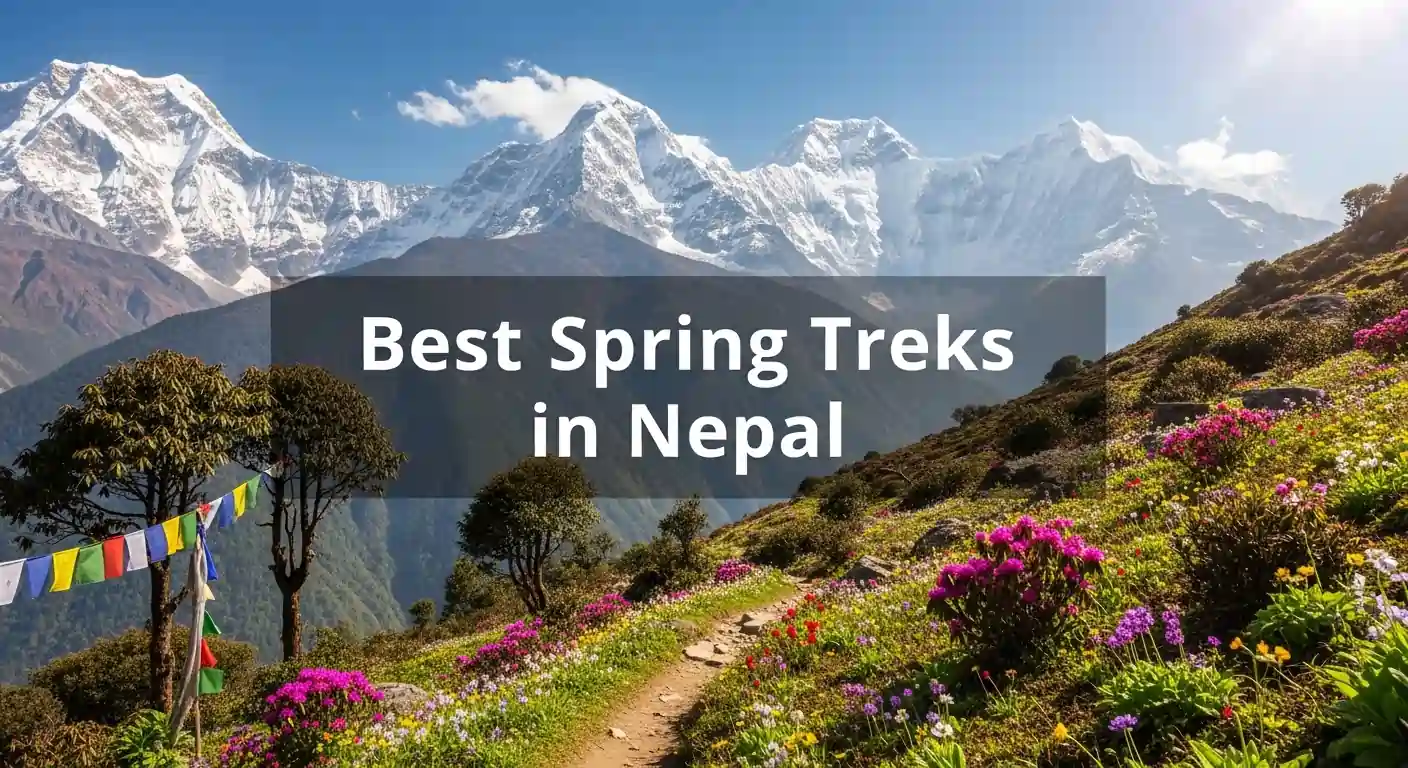
Picture this: you’re standing at sunrise on a Himalayan ridge, surrounded by blooming rhododendron forests in full crimson display, while snow-capped peaks pierce a cloudless sky. This isn’t a postcard fantasy, it’s what spring trekking in Nepal delivers between March and May, when stable weather windows and comfortable temperatures create the perfect conditions for exploring the world’s highest mountains.
In this guide to the best spring treks in Nepal, we’ll walk you through the top 12 routes that make the most of this exceptional season. You’ll discover how weather patterns shift from March through May, which trails match your fitness level and experience, and the essential planning details, from permits to packing lists to altitude safety, that ensure your Himalayan adventure becomes the trip of a lifetime rather than a logistical headache.
Why Spring is the Best Season for Trekking in Nepal?
Spring is the best season for trekking in Nepal because it offers stable weather, comfortable temperatures, and clear mountain views. The season runs from March through May, delivering daytime temperatures between 10–20°C at lower altitudes, rhododendron forests in full bloom, and unobstructed morning views of the Himalayan range. This three-month window sits between the cold of winter and the monsoon rains of June, creating ideal conditions for routes like Everest Base Camp and the Annapurna Circuit.
The season draws fewer trekkers than autumn’s October-November peak, yet offers comparable visibility and trail access. April tends to be the busiest spring month, while March and May provide quieter alternatives with slightly different trade-offs.
1. Stable weather and clear mountain views
Mornings during spring typically deliver sharp, unobstructed views of peaks like Everest, Annapurna, Machapuchare, and Dhaulagiri. Afternoon clouds may roll in at lower elevations, particularly in late May, but they rarely disrupt trekking schedules or obscure high-altitude panoramas.
This weather pattern gives you the best photography conditions from classic viewpoints like Kala Patthar (5,545m) and Poon Hill (3,210m). The post-winter dryness combined with pre-monsoon stability creates a reliable window for high passes that might still hold snow in early March.
2. Rhododendron forests in full bloom
Nepal’s national flower transforms entire hillsides into carpets of red, pink, and white between 2,500m and 4,000m elevation. The Annapurna and Langtang regions are particularly famous for these displays, with trails passing through dense forests that peak in color during April.
Walking through blooming rhododendron corridors adds a visual dimension to spring trekking that simply doesn’t exist in autumn. If you’re drawn to the idea of trekking through flowering forests with mountain backdrops, spring is the only season that delivers this combination.
3. Comfortable trekking temperatures
Daytime temperatures at mid-elevations hover between 15–20°C, making the physical effort of trekking far more comfortable than the cold winter months. Nights at higher altitudes (above 4,000m) still drop below freezing, often reaching -5°C to -10°C, so layering remains essential.
The balance of warm days and cool nights means you’re neither overheating on ascents nor shivering through every evening in the teahouse dining room.
4. Fewer crowds than autumn season
While spring is popular, it draws noticeably fewer trekkers than the October–November peak. This gives you a better chance at securing preferred teahouse rooms and enjoying quieter trail sections, especially in early March and late May.
If you’re seeking the classic Himalayan experience without the autumn crowds, spring delivers, particularly on routes like Manaslu and Langtang that see less traffic than Everest and Annapurna.
Top 12 Spring Treks in Nepal For Every Fitness Level
The following routes represent the best spring trekking options across Nepal’s major regions, from beginner-friendly trails to technical mountaineering objectives. Each entry includes the essential details you need to compare options: region, duration, maximum elevation, difficulty level, and what makes each trek special during the spring season. Whether you’re planning your first Himalayan adventure or seeking a challenging high-altitude circuit, this list covers the full spectrum of spring possibilities. Use these profiles to narrow your choices based on your available time, fitness level, and the type of mountain experience you’re after.
1. Everest Base Camp Trek
The Everest Base Camp trek takes you through the heart of the Khumbu region over 12 to 14 days, reaching a maximum elevation of 5,545m at Kala Patthar. This moderate to challenging route delivers unobstructed views of Everest, Lhotse, and Ama Dablam during spring’s stable weather windows. The trek passes through Sherpa villages, Buddhist monasteries, and alpine terrain, offering both cultural immersion and high-altitude mountain scenery. Spring conditions provide the clear morning visibility that makes the sunrise view from Kala Patthar one of the most iconic moments in Himalayan trekking.
2. Annapurna Base Camp Trek
The Annapurna Base Camp trek is a 10 to 12 day moderate route that reaches 4,130m in the heart of the Annapurna Sanctuary. Spring transforms the Modi Khola valley into a corridor of blooming rhododendrons, with the trail surrounded by peaks exceeding 7,000m including Annapurna I, Machapuchare, and Hiunchuli. The amphitheater setting at base camp creates a natural sanctuary where you’re encircled by some of the world’s highest mountains. This trek combines diverse landscapes, from terraced farmland and subtropical forests to high-altitude glacial basins, all within a manageable timeframe for trekkers with moderate fitness.
3. Ghorepani Poon Hill Trek
The Ghorepani Poon Hill trek is a beginner-friendly 4 to 5 day route in the Annapurna region, reaching a maximum elevation of 3,210m. This short trek is ideal for first-time Himalayan trekkers or those with limited time, offering sunrise panoramas over Dhaulagiri and the Annapurna range from Poon Hill viewpoint. Spring brings peak rhododendron blooms along the trail, creating vibrant displays of red, pink, and white flowers against mountain backdrops. The relatively low altitude and short duration make this trek accessible while still delivering classic Himalayan scenery and cultural experiences in Gurung and Magar villages.
4. Langtang Valley Trek
The Langtang Valley trek is a 7 to 10 day moderate route reaching 4,984m at Kyanjin Ri, located just north of Kathmandu in the Langtang region. Spring brings wildflower meadows into full bloom while the trail passes through Tamang villages where Tibetan Buddhist culture remains strong. The proximity to Kathmandu makes this trek logistically simpler than more remote regions, with no flights required to reach the trailhead. The valley offers dramatic mountain scenery including Langtang Lirung (7,227m) and opportunities for acclimatization hikes to viewpoints like Tserko Ri, all within a timeframe suitable for trekkers with one to two weeks available.
5. Mardi Himal Trek
The Mardi Himal trek is a 5 to 7 day moderate route in the Annapurna region, reaching 4,500m with direct views of Machapuchare (Fishtail Mountain). This relatively new trekking route offers an uncrowded alternative to the busier Annapurna Base Camp trek while delivering equally impressive mountain scenery. The trail climbs through rhododendron and oak forests before emerging into high alpine terrain with close-range views of Mardi Himal, Machapuchare, and Annapurna South. Spring conditions provide clear weather and blooming forests, making this an excellent choice for trekkers seeking solitude without sacrificing accessibility or mountain views.
6. Annapurna Circuit Trek
The Annapurna Circuit is a 12 to 18 day challenging trek that crosses the 5,416m Thorong La Pass, circling the entire Annapurna massif. Spring offers manageable snow conditions at high altitude while the route transitions through diverse landscapes from subtropical valleys to high-altitude desert terrain. The trek passes through villages representing different ethnic groups including Gurung, Thakali, and Tibetan communities, with cultural diversity matching the geographical variety. This classic circuit remains one of the world’s great long-distance treks, and spring’s stable weather provides the reliable conditions needed for safely crossing Thorong La and completing the full route.
7. Manaslu Circuit Trek
The Manaslu Circuit is a 14 to 16 day challenging trek in a restricted area, reaching 5,106m at Larkya La Pass. This remote route circles the world’s eighth-highest mountain (Manaslu, 8,163m) and sees significantly fewer trekkers than the Annapurna or Everest regions. The trek passes through villages where Tibetan Buddhist culture dominates, with ancient monasteries, prayer flags, and mani walls marking the trail. Spring provides stable weather for crossing the high pass while the restricted area permit requirement (which mandates trekking with a licensed agency) helps preserve the region’s authentic character and limits crowds.
8. Gokyo Lakes Trek
The Gokyo Lakes trek is a 12 to 14 day moderate to challenging route in the Khumbu region, reaching 5,357m at Gokyo Ri viewpoint. This alternative to the standard Everest Base Camp trek features a chain of turquoise high-altitude lakes set against the backdrop of the Ngozumpa Glacier, the Himalaya’s longest glacier. The summit of Gokyo Ri delivers panoramic views of Everest, Lhotse, Makalu, and Cho Oyu (four of the world’s six highest peaks) in a single vista. Spring’s clear weather maximizes visibility from this spectacular viewpoint while the trail remains less crowded than the main EBC route.
9. Kanchenjunga Circuit Trek
The Kanchenjunga circuit trek is a 20 to 25 day challenging trek in far-eastern Nepal, reaching 5,143m near the world’s third-highest peak. This remote wilderness trek requires significant time commitment and delivers true solitude, passing through regions where trekking infrastructure remains minimal and cultural traditions stay largely unchanged. The route explores both the north and south base camps of Kanchenjunga, crossing high passes and traversing landscapes that range from subtropical forests to high-altitude glacial valleys. Spring weather provides the stable conditions necessary for this extended expedition-style trek in one of Nepal’s most isolated trekking regions.
10. Upper Mustang Trek
The Upper Mustang trek is a 12 to 14 day moderate route reaching 3,840m in the rain-shadow region north of the Annapurna range. This restricted area trek explores a Tibetan plateau landscape of desert terrain, ancient cave dwellings, and walled villages that preserve medieval Tibetan Buddhist culture. Spring is ideal for Upper Mustang because the region sits in a rain shadow that blocks monsoon moisture, making it trekable when other regions become wet. The trek visits the former forbidden kingdom’s capital of Lo Manthang, where whitewashed monasteries and traditional architecture remain largely unchanged since the 15th century.
11. Three Passes Trek
The Three Passes trek is an 18 to 20 day very challenging route in the Khumbu region, crossing three high passes: Kongma La (5,535m), Cho La (5,420m), and Renjo La (5,360m). This advanced route combines the Everest Base Camp and Gokyo Lakes treks while adding technical pass crossings that require good fitness, altitude acclimatization, and sometimes basic mountaineering skills. Spring’s stable weather provides the reliable conditions essential for safely crossing these high passes, which can involve snow, ice, and exposure. The trek delivers comprehensive exploration of the Khumbu region with viewpoints and landscapes that standard routes miss.
12. Island Peak Climbing
Island peak climbing (Imja Tse) is a 16 to 18 day technical mountaineering objective reaching 6,189m in the Khumbu region. This trekking peak combines the standard Everest Base Camp route with a technical summit that requires rope skills, crampon use, and ice axe technique on the final summit day. Spring provides the stable weather window that makes Island Peak climbing feasible, with consolidated snow conditions and predictable weather patterns. The climb offers an accessible introduction to Himalayan mountaineering for trekkers with basic climbing skills, delivering a genuine summit experience above 6,000m while remaining within reach of properly prepared climbers.
Weather and Trail Conditions from March to May
Spring trekking conditions shift noticeably as the season progresses from March through May. Early spring brings cooler temperatures and possible high-altitude snow, mid-spring delivers peak blooms and optimal weather, while late spring offers warmer days with occasional afternoon clouds. The table below summarizes these monthly differences, with detailed breakdowns following to help you choose the best timing for your trek.
| Month | Temperature Range | Trail Conditions | Crowds | Best For |
| March | 5–15°C (lower), -10°C (high) | Possible snow above 4,000m | Moderate | Early rhododendrons, quieter trails |
| April | 10–20°C (lower), -5°C (high) | Clear and dry | Busiest | Peak blooms, optimal weather |
| May | 15–25°C (lower), 0°C (high) | Occasional afternoon clouds | Lighter | Warmer trekking, fewer crowds |
1. Trekking in Nepal in March
Trekking in March marks the transition from winter. Lower elevations warm quickly while higher passes may still hold snow.
You might encounter residual ice on high passes like Thorong La or Larkya La, so microspikes can be useful. Early March feels more like late winter at altitude, while late March starts to feel like true spring.
2. Trekking in Nepal in April
April is widely considered the best spring month. Rhododendron displays peak, weather stabilizes, and high-altitude trails are fully clear.
This is also the busiest spring period, so booking teahouses and flights to Lukla in advance becomes important.
The combination of warm days, clear mornings, and vibrant forests makes April the sweet spot for most trekkers. Expect more company on popular routes like EBC and ABC.
3. Trekking in Nepal in May
May brings warmer temperatures at lower elevations and occasional pre-monsoon clouds in the afternoons. Mornings typically remain clear, and high passes stay accessible.
If you prefer fewer crowds and don’t mind slightly hazier views at lower altitudes, May offers excellent value. The trails thin out as the season winds down, and teahouse availability improves.
How to Choose the Right Spring Trek For You?
Choose your spring trek by assessing your fitness level, considering trek duration and maximum elevation, and matching the route to your scenery and cultural interests. Your physical conditioning and altitude experience determine which trails are realistic, while your available time and what you want to see (glaciers, forests, monasteries, or remote wilderness) narrow the options to routes ideal for adventure trekking in Nepal. This three-step approach prevents choosing a trek that’s either too easy to be rewarding or too demanding to complete safely.
1. Assess your fitness and high-altitude experience
Your prior trekking experience and cardiovascular fitness determine which routes are realistic. “High altitude” in trekking terms means anything above 3,000m, where reduced oxygen begins affecting your body.
- No prior experience: Poon Hill or Mardi Himal work well, shorter duration, lower maximum elevation
- Moderate fitness: ABC, Langtang, or EBC offer longer days and higher altitude on well-established trails
- Strong fitness plus altitude experience: Manaslu Circuit, Annapurna Circuit, or Three Passes involve remote terrain, high passes, and extended duration
2. Consider trek duration and maximum elevation
Longer treks require more acclimatization days built into the itinerary. Higher maximum elevations increase the risk of Acute Mountain Sickness (AMS), which we’ll cover in the altitude safety section below.
A 5-day Poon Hill trek involves minimal altitude risk. A 20-day Three Passes route demands careful staging and rest days. Your available time and comfort with altitude exposure directly shape which options make sense.
3. Match your trek to scenery and cultural interests
Different routes emphasize different experiences:
- Glaciers and Everest views: Khumbu region (EBC, Gokyo, Three Passes)
- Rhododendron forests and diverse landscapes: Annapurna region (ABC, Circuit, Poon Hill)
- Tibetan Buddhist monasteries and remote culture: Manaslu and Upper Mustang
- Solitude and wilderness: Kanchenjunga and far-eastern Nepal
Knowing what you want to see helps narrow the list quickly.
What to Pack for Spring Trekking in Nepal?
Pack a layering system, rain gear, sun protection, and essential trekking accessories for spring treks in Nepal. Spring’s variable conditions, warm days, cold nights, and possible rain, require thoughtful packing for trekking in Nepal that balances comfort with practicality. Many guided operators provide complimentary gear like down jackets, sleeping bags, duffels, and raincoats, which reduces what you bring from home. The key is preparing for temperature swings from freezing nights at altitude to warm midday sun at lower elevations.
1. Layering system for variable temperatures
A three-layer approach works best for spring trekking: moisture-wicking base layers, insulating mid-layers (fleece or down), and a windproof/waterproof outer shell. Mornings start cold, midday warms significantly, and evenings cool rapidly, so you’ll adjust layers constantly throughout each day. This system lets you adapt to temperature swings from freezing nights at altitude to warm midday sun at lower elevations.
2. Rain gear and waterproof protection
Pre-monsoon showers become more likely in May, though brief afternoon rain can occur throughout spring. A quality rain jacket, waterproof pack cover, and water-resistant boots protect both you and your gear. Wet conditions at altitude accelerate heat loss, making waterproofing a safety consideration rather than just a comfort preference.
3. Sun protection at high altitude
UV intensity increases roughly 10 to 12% for every 1,000m of elevation gain, making sunburn and snow blindness real risks above 4,000m. Essential sun protection items include:
- High-SPF sunscreen (50+) applied regularly throughout the day
- UV-blocking sunglasses (Category 3 or 4) to prevent snow blindness
- Wide-brim hat for face and neck protection
4. Essential trekking accessories and gear
- Trekking poles: Reduce knee strain on steep descents
- Headlamp: Essential for early starts and teahouse power outages
- First-aid kit: Blister treatment, altitude medication (Diamox), basic pain relief
- Water purification: Tablets or filter for refilling bottles safely
- Power bank: Charging options are limited and often expensive on remote trails
Permits and Booking for Spring Treks in Nepal
Nepal’s permit system can seem complex at first, but the basics are straightforward once you understand the categories.
The TIMS card (Trekkers’ Information Management System) is required for most trekking routes and registers you with local authorities. National park or conservation area permits, such as Sagarmatha (Everest), Annapurna Conservation Area, or Langtang, are mandatory depending on your route.
Restricted area permits apply to regions like Manaslu, Upper Mustang, and Kanchenjunga. You cannot obtain restricted area permits independently, they require trekking with a licensed agency.
Spring is popular, so booking guided treks and internal flights (especially Lukla) at least two to three months ahead prevents last-minute availability problems. Marvel Treks offers fixed spring departure dates with permits, flights, and teahouse bookings handled in advance.
Altitude Safety and Acclimatization on Spring Treks
Altitude-related illness is the primary medical risk on Himalayan treks, affecting trekkers when their bodies don’t adapt quickly enough to reduced oxygen levels above 2,500m. Understanding prevention strategies, gradual ascent, proper hydration, and built-in acclimatization days, keeps you safe while helping you recognize warning signs like persistent headaches, nausea, or unusual fatigue before they escalate into serious conditions. The key to safe high-altitude trekking isn’t avoiding altitude altogether, it’s respecting the body’s adaptation process and responding appropriately when symptoms appear.
1. Recognizing altitude sickness symptoms
Acute Mountain Sickness (AMS) typically presents as headache, nausea, fatigue, and dizziness above 2,500m. More severe forms include HAPE (High Altitude Pulmonary Edema), which affects the lungs, and HACE (High Altitude Cerebral Edema), which affects the brain. Both HAPE and HACE are medical emergencies requiring immediate descent.
Early AMS symptoms are common and manageable. The key is recognizing when symptoms are worsening rather than improving.
2. Acclimatization strategies that work
- Climb high, sleep low: Take acclimatization hikes above your sleeping elevation, then return to sleep lower
- Gradual ascent: Avoid gaining more than 300–500m of sleeping elevation per day above 3,000m
- Hydration: Drink 3–4 liters of water daily and avoid alcohol
- Rest days: Well-designed itineraries include designated acclimatization days at places like Namche Bazaar or Manang
3. Emergency evacuation and medical support
Helicopter evacuation is available throughout Nepal’s major trekking regions, with response times typically under a few hours in good weather. Travel insurance covering high-altitude rescue (up to 6,000m) and emergency medical evacuation is essential, verify your policy explicitly includes these provisions before departure.
Pros and Cons of Spring Trekking in Nepal
Spring trekking in Nepal delivers exceptional conditions, but understanding both advantages and limitations helps you set realistic expectations. The following comparison highlights what makes spring special and where minor trade-offs exist, giving you a balanced view before you commit to your trek.
| Pros | Cons |
| Ideal weather and mountain visibility | Some high passes may have residual snow in early March |
| Rhododendron blooms at their peak | Pre-monsoon haze possible at lower elevations in late May |
| Moderate temperatures for comfortable trekking | Popular trails busier than winter (though less than autumn) |
| Longer daylight hours for trekking | Teahouse availability can be tight without advance booking |
Plan your spring trek with local experts
Choosing a Nepal-based operator with skilled local guides, transparent pricing, and strong safety protocols makes the difference between a stressful trip and a seamless adventure. Marvel Treks, recognized as the best expedition company in Nepal, includes permits, gear loans (down jacket, sleeping bag, duffel, raincoat), porter service, and Kathmandu accommodation, removing the logistical complexity that often overwhelms first-time Himalayan trekkers.
Options range from beginner-friendly routes like Poon Hill and Mardi Himal to technical objectives like Island Peak climbing.
FAQs about spring trekking in Nepal
Is May a good time to go trekking in Nepal?
Yes. May offers warm temperatures and fewer crowds, though occasional pre-monsoon clouds may appear at lower elevations in the afternoons. High passes remain accessible, and teahouse availability improves as the busy April period ends.
Is April better than March for trekking in Nepal?
April is generally considered the best spring month due to peak rhododendron blooms, stable weather, and fully clear high-altitude trails. March can still have snow on higher passes, though it offers quieter trails and the beginning of the bloom season at lower elevations.
How far in advance should you book a spring trek in Nepal?
Two to three months ahead is a reasonable timeline, as spring is a popular season and Lukla flights fill quickly. Restricted area treks like Manaslu require additional permit processing time.
Can beginners trek in Nepal during spring?
Yes. Ghorepani Poon Hill and Mardi Himal are suitable for first-time trekkers with reasonable fitness and no prior high-altitude experience. Both routes stay below 5,000m and can be completed in under a week.
What is the average cost of a spring trek in Nepal?
Costs vary widely based on trek length, region, and service level. Guided packages typically include permits, accommodation, meals, and porter/guide services.
Can you combine a spring trek with peak climbing in Nepal?
Yes. Trekking peaks like Island Peak (6,189m) and Mera Peak (6,476m) are commonly paired with Everest-region treks during the stable spring weather window. Peak climbing requires additional permits and technical gear.

Ready for your next Himalayan adventure?
Plan Your Next Big Adventure with Us
Explore Our AdventuresJoin our expert-guided journeys across Nepal and beyond, from classic trails to epic summits.