
Ultimate Guide to Everest Acclimatization: Tips, Schedules, and Safety
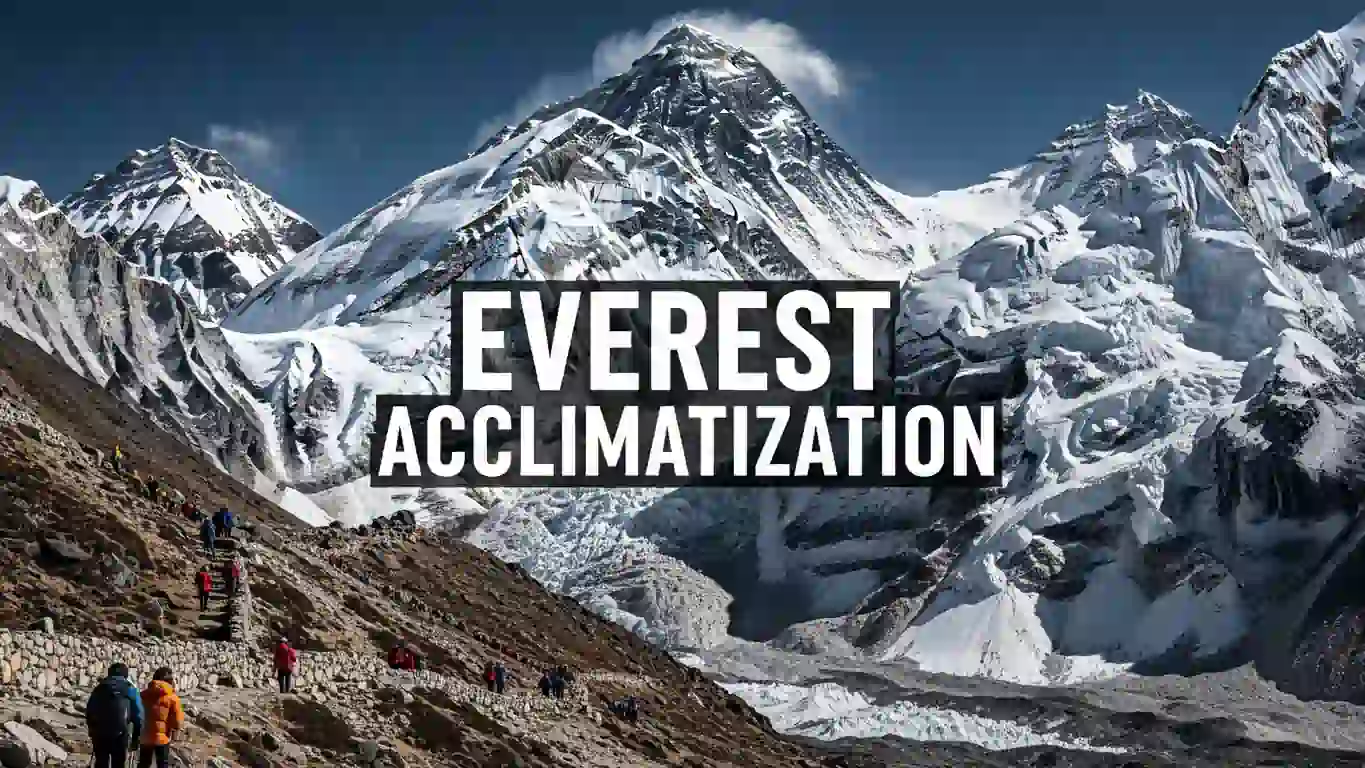
Why do many strong trekkers struggle near Everest despite good fitness and solid gear? Reduced oxygen pressure challenges lungs, blood, sleep, digestion, judgment, stamina. Without proper altitude adjustment, even short climbs trigger headache, nausea, fatigue, dizziness, loss of appetite, poor recovery. Understanding body response at extreme height decides success, safety, survival.
Within this blog, Everest acclimatization stands as the central focus, explaining the altitude adaptation process required for a successful Everest expedition. Readers learn how gradual ascent supports oxygen use, how rest days protect health, and how preparation improves trekking outcomes across the Everest region.
What is Everest Acclimatization and Why is it Important?
Everest acclimatization refers to a gradual physiological adjustment process allowing the body to function at extreme altitude with lower oxygen availability. On the Everest Base Camp trek, this adaptation develops through slow ascent, planned rest days, and controlled exposure to higher elevations. Proper acclimatization increases red blood cell production, improves oxygen efficiency, and stabilizes breathing patterns.
Why does Everest acclimatization matter?
- Reduces risk of acute mountain sickness during Everest Base Camp trekking
- Protects brain, lungs, heart from altitude-induced stress
- Improves sleep quality and daily energy at high elevation
- Supports safer decision-making during long trekking days
- Increases success rate reaching Everest Base Camp
- Lowers chances of emergency descent or evacuation
- Enhances overall safety across Khumbu region
Everest Acclimatization Schedule: Step-by-Step Guide
An Everest acclimatization schedule follows a gradual altitude gain combined with planned recovery days. This structured ascent allows body systems to adapt to reduced oxygen levels, effectively mitigating many of the dangers of climbing Everest. Successful schedules balance walking hours, elevation gain, and rest to ensure that trekkers maintain their strength and safety.
Typical Timeline from Lukla to Everest Base Camp
Arrival at the Tenzing-Hillary Airport, the most famous airport near Everest, begins the adaptation process at 2,860 meters. Phakding and Namche stages introduce moderate altitude exposure, while a stay in Namche Bazaar supports early oxygen adjustment. The trek continues toward Tengboche, Dingboche, and Lobuche with controlled elevation gain.
Recommended Rest Days and Gradual Ascent Techniques
A Namche Bazaar rest day supports the initial red blood cell increase, while a Dingboche acclimatization day prepares the body for higher terrain. These essential stages of adventure trekking in Nepal use the ‘climb high, sleep low’ method to improve oxygen use efficiency. By keeping daily elevation gain under 500 meters after reaching 3,000 meters, trekkers can maintain their energy and safety.
Sample Itinerary with Acclimatization Stops
Day one Lukla to Phakding introduces light altitude stress. Day three reaches Namche followed by an acclimatization hike toward Everest View Hotel. Dingboche’s stay includes the Nangkartshang Peak hike. Lobuche acts as the final adaptation point before Base Camp. Everest Base Camp reached after gradual ascent, proper rest, stable health indicators. Schedule prioritizes safety over speed. Flexibility allows adjustment based on physical response.
How to Prepare for High-Altitude Acclimatization?
To prepare for high-altitude acclimatization, focus on improving cardiovascular fitness, muscular endurance, and lung capacity. This physical training should be complemented by a thorough understanding of essential Everest climbing equipment, as testing your gear in advance is vital for safety. Mental readiness and proper planning further enhance performance, reducing the risk of altitude sickness at extreme elevations.
Physical Training and Endurance Preparation
Training should target aerobic capacity, including running, cycling, swimming, or stair climbing. Strengthening legs, core, and back supports long trekking days with heavy packs. Interval training improves oxygen utilization efficiency. Simulated altitude exercises, such as high-altitude treadmill or mask training, help body adjust gradually. Consistent practice over several months ensures energy reserves and reduces fatigue during ascent.
Nutrition and Hydration Strategies for Altitude
High-altitude adaptation relies on adequate caloric intake and nutrient-dense meals. Focus on carbohydrates for energy, lean protein for muscle repair, and healthy fats for endurance. Regular hydration prevents dehydration, which worsens altitude sickness. Electrolyte balance supports muscle and nerve function. Avoid heavy meals or alcohol before climbs, and eat small, frequent portions to maintain energy.
Essential Gear for Safe Acclimatization
Layered clothing protects against temperature swings and wind chill. Sturdy, lightweight boots reduce fatigue and improve stability. Trekking poles minimize joint stress during uphill and downhill walks. Portable oxygen, pulse oximeter, and first-aid kit monitor and respond to altitude effects. Sunglasses, sunscreen, and hydration packs prevent sunburn and dehydration. Gear selection balances safety, comfort, and efficiency.
Common Mistakes During Everest Acclimatization
Many trekkers underestimate the impact of altitude and make avoidable errors. Rapid ascent, ignoring early warning signs, or poor hydration and nutrition can lead to serious health risks. Mistakes disrupt acclimatization, reduce energy, and increase chances of emergency descent. Recognizing common pitfalls helps maintain safety and ensures steady progress. Proper planning, observation, and pacing prevent these errors.
Ascending Too Quickly
Climbers who gain altitude faster than the body can adjust to the risk of acute mountain sickness. Rapid ascent prevents red blood cell and oxygen transport adaptation. Fatigue, headache, nausea, and dizziness often appear when skipping rest days. Even experienced trekkers face danger if pacing is ignored. Following a “climb high, sleep low” strategy allows safe oxygen acclimation. Gradual daily elevation gain under 500 meters above 3,000 meters reduces health hazards.
Ignoring Symptoms of Altitude Sickness
Early signs include headache, nausea, shortness of breath, insomnia, and loss of appetite. Ignoring these signals can escalate into pulmonary or cerebral edema. Self-monitoring and peer observation help identify warning signs. Immediate rest, slower ascent, or descent prevents complications. Relying solely on willpower instead of addressing symptoms increases risk of life-threatening conditions. Prompt response ensures trekking continuity and safety.
Inadequate Hydration or Nutrition
Low fluid intake reduces blood volume and oxygen delivery to tissues. Dehydration intensifies fatigue, dizziness, and headaches at high altitude. Skipping meals or consuming low-calorie foods limits energy and slows recovery. A balanced diet with carbohydrates, proteins, and electrolytes supports endurance. Regular small meals and constant hydration stabilize energy levels. Proper nutrition helps maintain strength and aids acclimatization efficiency.
Medical Support and Monitoring During Everest Acclimatization
Medical support and monitoring play a vital role in high-altitude safety. Tracking oxygen levels, recognizing warning signs, and having access to emergency care reduce health risks. Proper preparation ensures timely intervention if altitude sickness develops. Monitoring allows climbers to adjust pace, rest, or treatment for safe acclimatization. Regular observation keeps trekkers aware of physical limits and prevents emergencies.
Use of Oxygen and Portable Oxygen Monitors
Supplemental oxygen helps maintain safe blood oxygen levels during extreme altitude exposure. Portable pulse oximeters track oxygen saturation and heart rate in real time. Low oxygen readings indicate the need to rest, descend, or use oxygen. Climbers use oxygen during strenuous climbs or when symptoms worsen. Regular monitoring prevents unnoticed hypoxia and supports decision-making. Efficient oxygen use enhances endurance and acclimatization safety.
When to Consult a Doctor at High Altitude
Medical consultation is necessary for persistent headache, severe nausea, shortness of breath, or swelling of hands and face. Sudden confusion, difficulty walking, or chest tightness require immediate attention. Doctors can assess risk of high-altitude pulmonary or cerebral edema. Timely consultation allows preventive measures or evacuation before conditions worsen. Professional evaluation ensures acclimatization stays safe and reduces potential life-threatening incidents.
Medicines and Preventive Measures
Common preventive medicines include acetazolamide for altitude sickness and pain relievers for headaches. Diamox supports faster acclimatization by increasing breathing rate. Anti-nausea medications manage early digestive symptoms. Electrolyte supplements prevent dehydration complications. Preventive steps like avoiding alcohol, maintaining hydration, and eating balanced meals reinforce medication benefits and support steady adaptation.
Tips for a Safe and Effective Everest Acclimatization
Safe and effective Everest acclimatization relies on careful pacing, monitoring physical condition, and following proven strategies. Combining gradual ascent, rest, and proper nutrition supports oxygen adaptation. Awareness of personal limits and adjusting plans prevents altitude-related illness. Small, consistent steps improve endurance and ensure steady progress. Planning for flexibility enhances safety throughout the trek.
The “Climb High, Sleep Low” Technique Explained
This technique involves ascending to a higher elevation during the day, then returning to a lower altitude to sleep. It stimulates red blood cell production while reducing strain on the body. Daytime climbs challenge oxygen adaptation without overloading systems at night. Sleep at lower altitude improves recovery, reduces fatigue, and lowers risk of altitude sickness. Trekkers should avoid excessive exertion during high climbs to maintain energy for descent. Consistent application accelerates safe acclimatization.
Mental Preparation and Coping with Fatigue
High-altitude trekking tests both body and mind. Mental preparation includes goal setting, visualization, and stress management. Breaking long climbs into short objectives reduces overwhelm. Coping strategies include paced breathing, mindful rest, and positive reinforcement. Awareness of mental fatigue prevents poor judgment and risky decisions. Maintaining motivation supports consistent performance throughout the ascent.
Tracking Progress and Adjusting Plans
Monitoring physical condition is essential during Everest acclimatization. Pulse oximeters, symptom tracking, and journaling provide measurable data. Adjust plans based on oxygen saturation, energy levels, and symptoms. Flexibility allows additional rest days or slower ascent when needed. Tracking progress helps identify early warning signs of altitude sickness. Regular evaluation ensures safety, enhances adaptation, and supports successful summit preparation.
Conclusion
Everest acclimatization is critical for safety, performance, and overall success at high altitude. Gradual ascent, planned rest, proper nutrition, and consistent monitoring help the body adapt to lower oxygen levels. Avoiding common mistakes, using medical support, and following proven techniques like “climb high, sleep low” reduces the risk of altitude sickness. Preparation and awareness ensure trekkers can maintain energy, make sound decisions, and enjoy the journey.
Following a structured schedule with flexibility allows climbers to adjust to their personal response to altitude. Mental readiness, endurance training, and proper gear complement physical adaptation. By respecting the body’s limits and prioritizing acclimatization, trekkers increase the chances of reaching Everest Base Camp safely while minimizing health risks. Consistent focus on these practices transforms the challenge of high-altitude trekking into a safe and rewarding experience.
FAQs
What is Everest acclimatization?
Gradual process of adjusting the body to high altitude by slow ascent and rest days to prevent altitude sickness.
How long does it take to acclimatize on Everest?
Typically 10–12 days from Lukla to Everest Base Camp with planned rest and gradual elevation gain.
What are common symptoms of altitude sickness?
Headache, nausea, dizziness, fatigue, shortness of breath, and poor appetite indicate poor acclimatization.
Can physical training help with acclimatization?
Yes, aerobic exercises and strength training improve oxygen efficiency, endurance, and fatigue resistance.
What is “climb high, sleep low”?
Ascend to higher altitude during the day, descend to sleep lower to improve oxygen adaptation safely.
When should I use supplemental oxygen?
Use when oxygen saturation drops, symptoms worsen, or during strenuous climbs above 5,000 meters.
How important is hydration and nutrition at high altitude?
Very important; dehydration and low energy increase fatigue and risk of altitude sickness.
When should I descend immediately?
Severe headache, confusion, shortness of breath, or swelling of hands/face requires immediate descent for safety.

Ready for your next Himalayan adventure?
Plan Your Next Big Adventure with Us
Explore Our AdventuresJoin our expert-guided journeys across Nepal and beyond, from classic trails to epic summits.