Annapurna Circuit Trek

Nepal
Himalayas
1–12 pax
5,416 m
Moderate
Hotel/Lodge/Teahouse
5–7 hrs
Autumn & Spring
Highlights of Annapurna Circuit Trek
- Conquer Thorong La Pass (5,416m), the highest navigable mountain pass in the world, which offers a grueling but life-changing early morning climb reward with 360-degree views of towering Himalayan peaks.
- Explore Manang Village (3,540m), the cultural and commercial heart of the high-altitude region, featuring traditional stone houses, cozy bakeries, and stunning acclimatization hikes to Gangapurna Glacier Lake.
- Visit the Sacred Muktinath Temple, a historic and spiritual holy pilgrimage site deeply revered by both Hindus and Buddhists, famous for its 108 icy water spouts and eternal natural gas flame.
- Trek Through the World’s Deepest Gorge, the dramatic Kali Gandaki Gorge, which drops sharply into a windswept landscape slicing straight between two massive 8,000-meter giants: Annapurna I and Dhaulagiri.
- Witness Landscapes That Constantly Shift, taking you on a visual journey from lush subtropical rice fields and dense green pine forests into the stark, dry, and otherworldly alpine deserts of Lower Mustang.
- Experience Medieval Upper Pisang, a timeless Tibetan-influenced village built directly into a steep limestone ridge that treats you to spectacular close-up views of Annapurna II and ancient Buddhist monasteries.
- Taste Famous Fresh Apple Pies in Marpha, the beautiful apple capital of the region, known for its pristine whitewashed stone buildings, narrow paved alleyways, and delicious local fruit brandies.
- Soften Sore Muscles at Tatopani Hot Springs, a peaceful riverside haven located on the long descent where you can completely relax and soak your aching body in completely natural, earth-heated thermal waters.
Annapurna Circuit Trek Overview
Have you ever dreamed of standing among the highest peaks on earth, but you just can’t clear three weeks off your work calendar? It feels like you always have to choose between a proper mountain adventure or keeping your boss happy, right? Well, what if I told you that you can actually experience the absolute best parts of the legendary Annapurna Circuit Trek in just over a week? It sounds almost too good to be true, but by smartly skipping the dusty lower roads with local 4WD jeeps, you can skip straight to the mind-blowing alpine views and high-altitude challenges without wasting any precious vacation days.
In this blog, we will break down the complete Annapurna Circuit Trek,so you know exactly what to expect regarding the day-by-day itinerary, hidden costs, permits, and real trail details. We will look at how to tackle the steep climbs, what kind of food you’ll eat, and how to safely navigate the steep Annapurna Circuit Trek altitude profile as you prepare to cross the famous Thorong La Pass at 5,416 meters, even on a tighter schedule. Whether you want to book an all-inclusive tour or try a cheap trek Nepal style on your own, this guide has everything you need to plan a fast and unforgettable Himalayan journey.
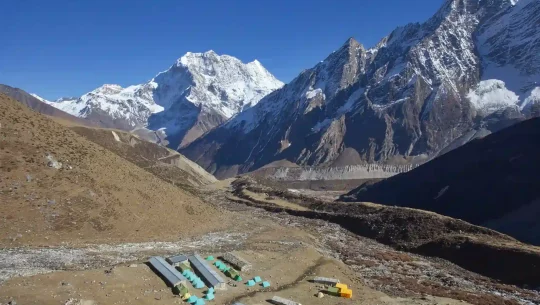
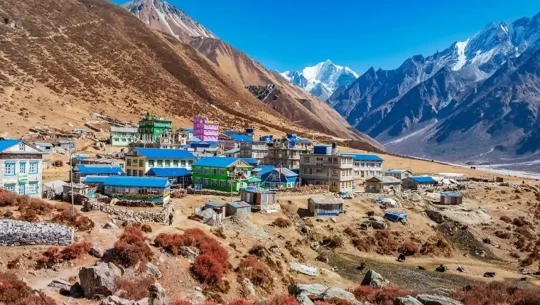
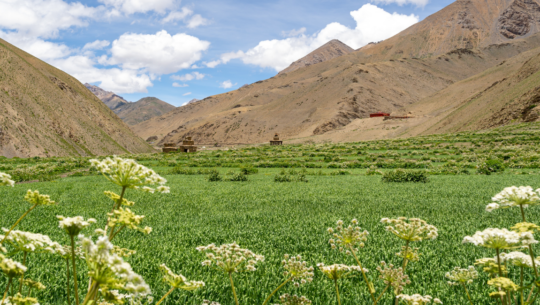
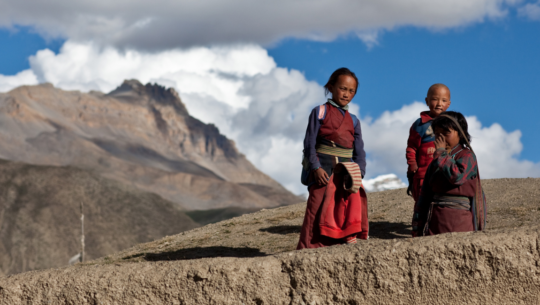
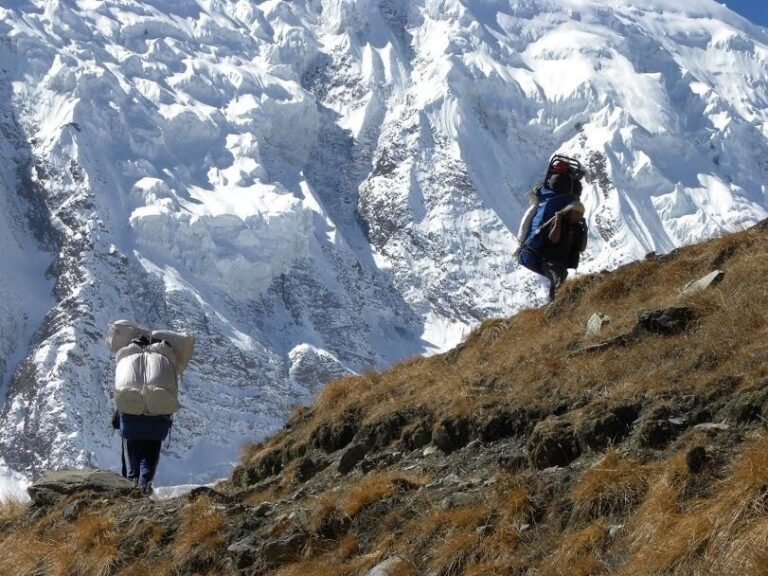
Gallery of Annapurna Circuit Trek
| Day | Itinerary | Altitude | Duration |
|---|---|---|---|
| 1 | Kathmandu → Chame | 2,670 m | 10–11 hrs |
| 2 | Chame → Pisang | 3,200 m | 5–6 hrs |
| 3 | Pisang → Manang (via Upper Pisang) | 3,540 m | 6–7 hrs |
| 4 | Manang (Acclimatization Day) | 3,540 m | 3–4 hrs |
| 5 | Manang → Yak Kharka | 4,050 m | 4–5 hrs |
| 6 | Yak Kharka → Thorong Phedi / High Camp | 4,540 m | 4–5 hrs |
| 7 | Thorong Phedi → Thorong La Pass → Muktinath | 5,416 m (Pass) / 3,800 m | 7–9 hrs |
| 8 | Muktinath → Kathmandu | 1,350 m | 10–12 hrs |
- Arrival and Ground Services: International and domestic airport pick-up and drop-off are provided with a warm welcome by a company representative. All ground transportation in Kathmandu and guided sightseeing as per the itinerary are included, excluding historical site entrance fees.
- Accommodation: Kathmandu and Pokhara accommodations are arranged in 3-star hotels on a twin-sharing Bed and Breakfast basis, with single rooms available at an additional cost. On the trail, clean and authentic local mountain teahouses/lodges are provided during the trek.
- Meals and Nutrition: Welcome and farewell dinners are included in Kathmandu, while lunch and dinner in the cities are excluded unless specified. During the trek, three hygienic meals daily (breakfast, lunch, and dinner) chosen directly from the teahouse menus are provided, along with fresh seasonal fruits where available.
- Transportation and Logistics: All required domestic flights (Kathmandu to Pokhara round-trip) or tourist bus/private jeep transport as per the itinerary are included. Trailhead jeep transfers (Pokhara to Birethanti/Jhinu Danda) and baggage movement via porters are fully managed.
- Permits and Government Requirements: All mandatory Nepal Government trekking permits, including the Annapurna Conservation Area Permit (ACAP) and the Trekkers Information Management System (TIMS) card, are included. Applicable government taxes, company service fees, and administrative charges are fully covered.
- Trekking Staff and Support: The journey is led by a government-licensed, English-speaking local trekking guide, supported by experienced mountain porters (typically 1 porter for every 2 trekkers). All staff salaries, food, lodging, gear, and mandatory medical insurance are fully included.
- Communication, Safety, and Medical: First-aid kits, daily tracking updates, emergency pulse oximeters to monitor blood oxygen saturation, and satellite communication support are managed by your lead guide.
- Complimentary Items: High-quality expedition duffle bags, branded trekking apparel, official route maps, and free use of down jackets and four-season sleeping bags for the duration of the trek are provided.
- Certification: Successful trekkers receive an official company certificate to commemorate their high-altitude achievement at the end of the journey.
- International Travel and Visa: International airfare to and from Nepal and Nepal entry visa fees (obtainable at the Kathmandu airport) are not included. Excess baggage charges on international and domestic flights are excluded.
- Meals and Beverages: Lunch and dinner in Kathmandu and Pokhara are excluded unless clearly stated in the itinerary. On the trail, personal snacks (chocolate bars, energy gels), specialty coffees, bottled water, boiled drinking water, soft drinks, and alcohol are not included.
- Personal Equipment: Personal trekking gear, clothing (hiking shirts, waterproof shells, fleece layers), sturdy trekking boots, backpacks, and packing items are not included. Personal medical kits, toiletries, and hygiene supplies must be arranged individually.
- Insurance and Medical: Personal travel insurance explicitly covering high-altitude trekking up to 5,000 meters, helicopter evacuation, and emergency medical treatment is mandatory and not included. Medical examinations, clearance forms, and hospitalization costs are excluded.
- Extra Accommodation: Additional hotel nights in Kathmandu or Pokhara due to early arrival, late departure, mountain flight delays, bad weather disruptions, or personal itinerary changes are not included. Accommodation and meals outside official trek dates are excluded.
- Communication and Internet: Personal internet usage, local SIM cards, satellite phone calls, and Wi-Fi services charged separately by individual teahouses on the trail are not included.
- Tips and Gratuities: Tips for your trekking guides, porters, and local drivers are highly recommended at the end of the journey as a token of appreciation but are excluded from the package price.
- Permits and Special Requests: Drone usage, professional filming, photography, and special media permits are excluded and subject to strict government approval. Customs duties for personal equipment are not included.
- Personal and Miscellaneous Expenses: Laundry services, hot showers at the teahouses, battery/device charging fees, and banking or ATM transaction fees are excluded. Any personal expenses of a private nature are the participant’s responsibility.
- Unforeseen Circumstances: Costs arising from natural disasters, extreme mountain weather, landslides, political unrest, strikes, or sudden changes in government trekking regulations are excluded. Any service not specifically mentioned under cost includes is not covered.
Detailed Itinerary
Day 1 – Kathmandu to Chame: Scenic Wilderness Drive
Trek Distance :
100
Highest Altitude :
200
Trek Duration :
300
Meals :
Included
The adventure kicks off with a long, bumpy but incredibly scenic 4WD jeep drive slicing through deep river canyons and past towering waterfalls. You will leave the bustling capital early in the morning, watching the green terraced fields of the countryside fly past your window as you head toward the rugged mountain roads. By the evening, you will finally roll into Chame, a vibrant mountain hub completely wrapped in dense green pine forests with the snow-covered peak of Annapurna II staring right down at you.
- Trek Distance: 251 km (Drive)
- Highest Altitude: 2,670 meters
- Trek Duration: 9–10 hours (Drive)
- Meals: Included
Day 2 – Chame to Manang: Journey to the Rain Shadow
Today you will skip the lower walking section entirely by catching another morning jeep that drives you deeper into the heart of the high-altitude valley. The landscape changes right before your eyes, shifting rapidly from lush, green woodlands into the stark, dry, and wind-swept alpine desert of the upper region. You will pass through old Tibetan-style villages with stone houses and fluttering prayer flags before arriving in Manang, a legendary trading town where the thin air instantly reminds you that you are high up in the Himalayas.
- Trek Distance: 25 km (Drive)
- Highest Altitude: 3,540 meters
- Trek Duration: 2–3 hours (Drive)
- Meals: Included
Day 3 – Acclimatization Day: Exploring the High Manang Valley
You will spend the whole day resting in Manang, which is an absolute life-saver for your body to safely adapt to the thinning mountain air before hitting the high pass. Instead of just sleeping in your room, your guide will take you on a short but steep acclimatization walk up to the icy, turquoise Gangapurna Glacier Lake. This active day hike follows the classic golden rule of mountain safety—climb high during the afternoon to stretch your lungs, but come back down low to sleep so you do not wake up with a nasty altitude headache.
- Trek Distance: 4–5 km (Hike)
- Highest Altitude: 3,900 meters
- Trek Duration: 3–4 hours (Hike)
- Meals: Included
Day 4 – Manang to Yak Kharka: Steady Alpine Ascent
Leaving the comforts of Manang behind, you will lace up your boots and start the actual physical walking part of your incredible trekking itinerary. The trail climbs slowly and steadily up out of the main valley, passing through open alpine pastures where you will see giant herds of yaks grazing against the massive backdrop of Chulu West. Because you are now moving well above the 4,000-meter mark, you will need to keep your walking pace incredibly slow, taking deep breaths and drinking plenty of water as you approach the rustic stone lodges of Yak Kharka.
- Trek Distance: 10 km
- Highest Altitude: 4,018 meters
- Trek Duration: 4–5 hours
- Meals: Included
Day 5 – Yak Kharka to High Camp: Pushing Into Thin Air
This section is easily one of the most physically demanding and challenging parts of the entire trek due to the raw altitude. You will walk across narrow, rocky trails and scree slopes to reach Thorong Phedi before tackling a notoriously steep, lung-burning switchback climb up the ridge to High Camp. Settle into your basic teahouse room early, pack your daypack for the big day ahead, and try to eat a warm, heavy dinner of local Dal Bhat even if the high altitude makes you lose your appetite a bit.
- Trek Distance: 7 km
- Highest Altitude: 4,880 meters
- Trek Duration: 4–5 hours
- Meals: Included
Day 6 – High Camp: Short Acclimatization Walk & Gear Check
To ensure everyone is fully prepared and completely safe for the massive crossing tomorrow, today is kept as a very easy, short-walk day around the high ridges. You will take a slow morning stroll to look at the towering mountain peaks surrounding the camp, giving your legs a much-needed rest while your body gets used to sleeping at nearly 4,900 meters. You will want to get into your warm sleeping bag extra early tonight, as your guide will be knocking on your door for a midnight wake-up call to cross the pass.
- Trek Distance: 2–3 km
- Highest Altitude: 4,925 meters
- Trek Duration: 1–2 hours
- Meals: Included
Day 7 – High Camp to Muktinath via Thorong La Pass: The Ultimate Summit
The defining day of your entire journey starts in the freezing pitch-black darkness around 3:30 AM, using your headlamps to navigate the icy path. After a long, grueling uphill crawl, you will finally stand at the top of the iconic Thorong La Pass at 5,416 meters, celebrating with your group under a sea of colorful prayer flags. After taking some quick photos, you face a massive, knee-jarring descent down to the sacred temple of Muktinath, where a shared 4WD jeep will be waiting to drive you all the way back to a hot shower in Pokhara.
- Trek Distance: 14 km (Walk) + 95 km (Drive)
- Highest Altitude: 5,416 meters
- Trek Duration: 8–9 hours (Walk) + 5 hours (Drive)
- Meals: Included
Day 8 – Pokhara to Kathmandu: Return to the Capital City
After a long, deep sleep in a proper hotel bed, you will board a local tourist bus or private vehicle to make the journey back to the capital city. The smooth highway drive follows the winding banks of the Trishuli River, offering a very relaxing contrast to the rugged mountain paths you conquered just days ago. It is the perfect time to edit your photos, chat with your trekking friends, and look back on the incredible achievement of completing the legendary Annapurna Circuit in record time.
- Trek Distance: 205 km (Drive)
- Highest Altitude: 1,400 meters
- Trek Duration: 7–8 hours (Drive)
Meals: Included
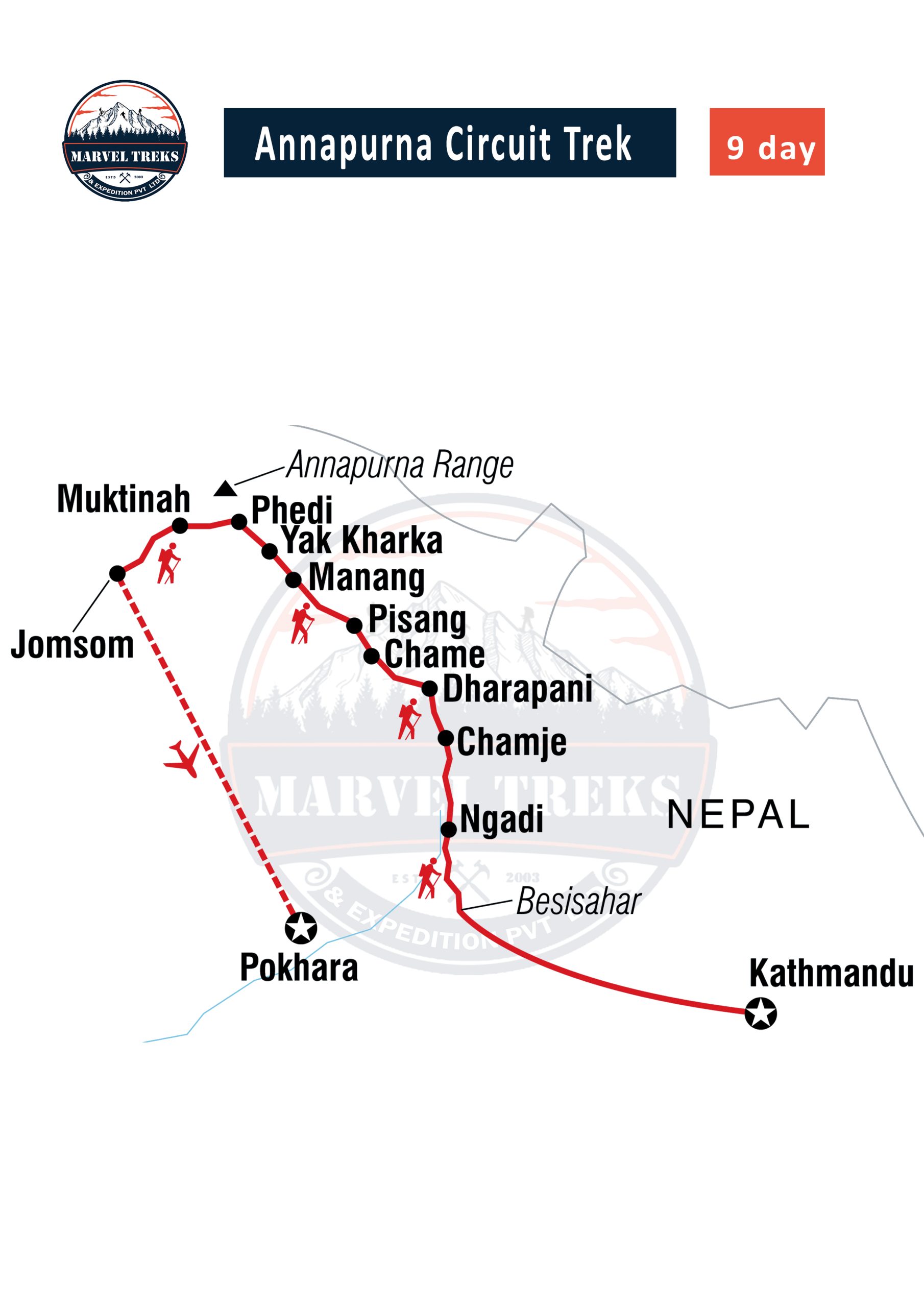
Trip Map
What permits and requirements do you need for the Annapurna region?
You need two primary entry permits and a few essential personal documents to legally enter and hike through the protected Annapurna conservation zone. Navigating the paperwork can feel a bit annoying when you just want to get on the trail, but Nepal’s authorities are pretty strict about checking these documents at various trail checkpoints. Skipping them isn’t an option unless you want to get turned back or pay a heavy fine right there on the mountain, which totally ruins the vibe of your trip.
Fortunately, getting your hands on these required permits is a fairly straightforward process if you handle it ahead of time in either Kathmandu or Pokhara. Most hikers find it easiest to let their local trekking guide handle the bureaucratic legwork, which saves you from standing in slow lines. Beyond the actual paperwork, you also need to make sure you have the right physical passport photos and a solid insurance plan that explicitly covers high-altitude rescue, just in case something goes sideways on the mountain.
Required Permits for the Trail
The mandatory permits you must secure are the Annapurna Conservation Area Permit (ACAP) and the Trekkers Information Management System (TIMS) card. You cannot legally take a single step past the main trailheads without having both of these documents verified and stamped by local officers.
- Annapurna Conservation Area Permit (ACAP): This is a mandatory conservation permit that helps fund the maintenance of the local trails, protect the wildlife, and support the mountain communities. It costs around 3,000 Nepali Rupees (roughly $23 USD) and is valid for a single entry regardless of how many days you spend inside the park.
- TIMS Card (Trekkers Information Management System): This crucial card is essentially a safety registration system that helps the government keep track of hikers for search and rescue operations. It costs 2,000 Rupees for solo independent travelers, but if you are trekking with a registered agency and guide, it only costs 1,000 Rupees.
Official Documents Needed to Apply
To get your permits issued without any annoying delays, you need to bring a specific set of personal documents to the tourism office. It is always a smart idea to keep digital copies of these files saved on your phone just in case you lose the physical papers while traveling.
- Valid Passport Copy: You will need a clear, readable photocopy of your passport’s main photo page, and your actual passport must have at least six months of validity left.
- Passport-Size Photos: You need to bring at least four recent passport-size photographs, because you will have to glue them onto the different application forms for the ACAP and TIMS card.
- Travel Insurance Policy: While not strictly verified at every single local checkpoint, having a robust travel insurance policy is highly recommended and practically mandatory for your own safety. Make sure your specific policy includes medical coverage for high-altitude sickness and helicopter evacuation up to 5,500 meters, or else you could end up facing a massive bill if you need rescue.
When is the best time to visit the Annapurna Circuit Trek?
The best time for the Annapurna Circuit Trek is during the spring and autumn months when the mountain weather conditions are the most stable and predictable. Choosing the right month to start your journey is absolutely critical because the local climate directly impacts your safety, trail visibility, and whether or not the high pass will even be open. If you pick the wrong window, you could easily find yourself stuck in a muddy landslide down low or trapped in a dangerous blizzard up at the higher elevations.
Most experienced hikers look for a sweet spot where the daily temperatures are comfortable for walking and the high-altitude skies remain clear of thick clouds. While the lower valleys stay relatively warm throughout the year, the conditions above 4,000 meters can change in a matter of minutes, making preparation key. By planning your itinerary around the peak trekking seasons, you will ensure a much smoother walk, better teahouse availability, and a significantly higher chance of successfully crossing the pass.
Seasonal Breakdown of the Trail
The trail experiences four distinct seasons throughout the year, each offering a totally unique landscape, different temperature ranges, and specific challenges for trekkers. Understanding how these seasons affect the high pass and lower trails will help you pack the right gear and set realistic expectations for your journey.
- Spring (March to May): This is a beautiful peak season where the lower trail comes alive with vibrant, blooming rhododendron forests and moderate, warm weather. As the winter snow steadily melts off the high pass, daytime hiking temperatures become incredibly comfortable, though some afternoon haze can occasionally roll in and block the distant peaks.
- Autumn (September to November): Widely considered the gold standard for this trek, autumn offers crisp, fresh air, clear skies, and the absolute best visibility of the massive mountain peaks. Because the heavy summer rains have just washed away all the dust, the panoramic views are completely unobstructed, though the high-altitude camps get freezing cold the moment the sun drops.
- Winter (December to February): This off-season brings a massive snow risk at the high pass, often closing Thorong La entirely for weeks at a time due to heavy blizzards and ice. While the lower valleys stay sunny and quiet, the temperatures above Yak Kharka plummet well below freezing, and most of the high-altitude teahouses close up tight for the winter.
- Monsoon (June to August): The summer months bring heavy downpours that create wet, muddy, and incredibly slippery trails down low, along with a high risk of landslides and annoying leeches. However, because a large portion of the upper trail sits in a geographical rain shadow, regions like Manang and Mustang stay relatively dry and desert-like even during the peak of the rainy season.
Packing List for the Annapurna Circuit Trek
Packing light is the secret to a successful trek. You need to prepare for both warm, low-altitude valleys and freezing temperatures above 4,000 meters, so focusing on lightweight layers is your best strategy. To make sure you don’t miss any essentials, check out this comprehensive Annapurna Circuit Trek packing list to help you plan your layers, footwear, and high-altitude gear perfectly.
Core Trekking Gear
- Trekking Boots: Waterproof, high-cut boots that are fully broken-in to prevent blisters on long walking days.
- Warm Clothing Layers: Thermal base layers, a fleece mid-layer, a windproof outer shell, and a high-quality down jacket.
- Backpack: A comfortable 40 to 50-liter pack if you are independent, or a 20-liter daypack if you are using a porter.
- Four-Season Sleeping Bag: Rated down to at least -15°C ($5°F$), as teahouse bedrooms have no heating and get freezing cold at night.
Essential Trail Accessories
- Trekking Poles: Adjustable poles to protect your knees and balance your weight on steep, rocky descents.
- Polarized Sunglasses: Crucial for shielding your eyes from intense UV rays and bright snow glare at the high pass.
- Headlamp: A bright LED headlamp with spare batteries, required for the pitch-black midnight start on summit day.
Water Bottle & Purifier: A reusable bottle paired with purification tablets or a filter to safely drink local tap water
Teahouse Accommodation and Meals
You will stay in traditional mountain teahouses along the route, which offer simple but comfortable sanctuary to rest and refuel. These family-run alpine lodges act as the social heart of the trail, where trekkers from all over the world gather around a central fireplace to swap stories over hot food. Understanding what to expect from the local food and lodging options helps you prepare mentally and physically for the rustic mountain lifestyle ahead.
The local mountain lodges offer a wonderfully communal lifestyle that forms a massive part of the overall Himalayan experience. While the amenities become increasingly basic the higher you climb, the warm hospitality of the local hosts more than makes up for the lack of modern luxuries. Taking the time to adapt to this simple way of living ensures you stay focused on the incredible views instead of worrying about the lack of five-star comforts.
Lodging Layout and Comforts
The mountain lodges provide basic shelter and a warm place to gather at the end of a long walking day. While they are simple, they offer a wonderful chance to unplug and experience genuine Himalayan hospitality.
- Twin-Sharing Rooms: The bedrooms are simple, unheated wooden cubicles containing two twin beds with thin mattresses, pillows, and a blanket, requiring you to rely heavily on your warm sleeping bag.
- Shared Bathrooms: Most teahouses feature communal bathrooms located down the hall or outside, which switch from standard Western flush toilets to basic Asian squat toilets at higher elevations.
- Warm Dining Areas: The main dining hall is the only heated room in the entire lodge, kept cozy in the evening by a central iron stove fueled by dried yak dung or firewood.
Trail Food and Nutrition
The food served along the trek is designed to keep your energy high for consecutive days of heavy hiking. The menus are surprisingly varied, offering both local staples and familiar international dishes.
- Traditional Dal Bhat: This classic, all-you-can-eat lentil soup, rice, and vegetable curry platter is the ultimate high-energy fueling meal for hikers, famously offering free refills until you are completely full.
- Noodles, Soups, and Pasta: The teahouse menus also feature popular comforting options like fried noodles, garlic soups to help with altitude, and hearty pasta dishes to load up on carbs.
- Hot Tea and Coffee: You can warm up after a cold day of trekking with a wide selection of hot drinks, including ginger honey tea, hot chocolates, and local coffees.
Why Choose Marvel Treks and Expeditions?
- Experienced Local Guides: Led by government-licensed, English-speaking experts who know the terrain, weather, and local culture inside out.
- Safety-First Focus: Guides conduct regular blood oxygen checks using pulse oximeters and carry comprehensive first-aid kits for high-altitude safety.
- Smart Acclimatization: Itineraries feature built-in, disciplined rest days to help your body adapt naturally to thin air and minimize altitude sickness.
- Ethical Staff Treatment: Porters and guides receive fair wages, proper clothing, quality food, lodging, and full medical insurance.
- All Permits Handled: The company manages the bureaucratic legwork, securing your TIMS card and ACAP permits before you arrive.
- Free Premium Gear: Includes free rentals of four-season sleeping bags and down jackets, plus a complimentary company duffle bag and map.
- Seamless Logistics: Full package coverage includes airport transfers, domestic flights or private jeeps, and 3-star city hotels.
Payment and Cancellation
Policy regarding Payment and Cancellation Payment:
Payment:
1) To confirm a reservation, a deposit equal to 30% of the total price is required.
2) If the payment is made online, the remaining balance is due 10 days before the Tour, Trekking, Peak Climbing, or Expedition begins. If the payment is made in cash, it can be made after arrival.
3) If the booking is made within 30 days of the expedition beginning, full payment must be made at the time of booking.
Cancellation:
1) A full refund of the deposit will be given if a Tour, Trek, Peak Climbing, or Expedition is canceled more than 60 days before the start date.
2) The deposit will not be refunded if a Tour, Trek, Peak Climbing, or Expedition is canceled within 30 days of its start date.
3) A tour, trek, peak climbing, or expedition will not be refunded if it is canceled prior to or on the start date.
4) All participants should strongly consider purchasing travel insurance to cover any unforeseen cancellations or other occurrences.
Note: We reserve the right to modify or cancel any trek in the event of a natural disaster, political unrest, or any other unforeseen circumstances beyond our control. In such cases, a full refund or an alternative option will be provided.
Error: Contact form not found.
Price W/O Addons: US$ 480 per person
- Arrival and Ground Services: International and domestic airport pick-up and drop-off are provided with a warm welcome by a company representative. All ground transportation in Kathmandu and guided sightseeing as per the itinerary are included, excluding historical site entrance fees.
- Accommodation: Kathmandu and Pokhara accommodations are arranged in 3-star hotels on a twin-sharing Bed and Breakfast basis, with single rooms available at an additional cost. On the trail, clean and authentic local mountain teahouses/lodges are provided during the trek.
- Meals and Nutrition: Welcome and farewell dinners are included in Kathmandu, while lunch and dinner in the cities are excluded unless specified. During the trek, three hygienic meals daily (breakfast, lunch, and dinner) chosen directly from the teahouse menus are provided, along with fresh seasonal fruits where available.
- Transportation and Logistics: All required domestic flights (Kathmandu to Pokhara round-trip) or tourist bus/private jeep transport as per the itinerary are included. Trailhead jeep transfers (Pokhara to Birethanti/Jhinu Danda) and baggage movement via porters are fully managed.
- Permits and Government Requirements: All mandatory Nepal Government trekking permits, including the Annapurna Conservation Area Permit (ACAP) and the Trekkers Information Management System (TIMS) card, are included. Applicable government taxes, company service fees, and administrative charges are fully covered.
- Trekking Staff and Support: The journey is led by a government-licensed, English-speaking local trekking guide, supported by experienced mountain porters (typically 1 porter for every 2 trekkers). All staff salaries, food, lodging, gear, and mandatory medical insurance are fully included.
- Communication, Safety, and Medical: First-aid kits, daily tracking updates, emergency pulse oximeters to monitor blood oxygen saturation, and satellite communication support are managed by your lead guide.
- Complimentary Items: High-quality expedition duffle bags, branded trekking apparel, official route maps, and free use of down jackets and four-season sleeping bags for the duration of the trek are provided.
- Certification: Successful trekkers receive an official company certificate to commemorate their high-altitude achievement at the end of the journey.
- International Travel and Visa: International airfare to and from Nepal and Nepal entry visa fees (obtainable at the Kathmandu airport) are not included. Excess baggage charges on international and domestic flights are excluded.
- Meals and Beverages: Lunch and dinner in Kathmandu and Pokhara are excluded unless clearly stated in the itinerary. On the trail, personal snacks (chocolate bars, energy gels), specialty coffees, bottled water, boiled drinking water, soft drinks, and alcohol are not included.
- Personal Equipment: Personal trekking gear, clothing (hiking shirts, waterproof shells, fleece layers), sturdy trekking boots, backpacks, and packing items are not included. Personal medical kits, toiletries, and hygiene supplies must be arranged individually.
- Insurance and Medical: Personal travel insurance explicitly covering high-altitude trekking up to 5,000 meters, helicopter evacuation, and emergency medical treatment is mandatory and not included. Medical examinations, clearance forms, and hospitalization costs are excluded.
- Extra Accommodation: Additional hotel nights in Kathmandu or Pokhara due to early arrival, late departure, mountain flight delays, bad weather disruptions, or personal itinerary changes are not included. Accommodation and meals outside official trek dates are excluded.
- Communication and Internet: Personal internet usage, local SIM cards, satellite phone calls, and Wi-Fi services charged separately by individual teahouses on the trail are not included.
- Tips and Gratuities: Tips for your trekking guides, porters, and local drivers are highly recommended at the end of the journey as a token of appreciation but are excluded from the package price.
- Permits and Special Requests: Drone usage, professional filming, photography, and special media permits are excluded and subject to strict government approval. Customs duties for personal equipment are not included.
- Personal and Miscellaneous Expenses: Laundry services, hot showers at the teahouses, battery/device charging fees, and banking or ATM transaction fees are excluded. Any personal expenses of a private nature are the participant’s responsibility.
- Unforeseen Circumstances: Costs arising from natural disasters, extreme mountain weather, landslides, political unrest, strikes, or sudden changes in government trekking regulations are excluded. Any service not specifically mentioned under cost includes is not covered.
Departures & Availability of Annapurna Circuit Trek
Dates of Trip
420Save 80
March 1, 2023 - March 10, 2023
420Save 80
March 11, 2023 - March 20, 2023
420Save 80
March 21, 2023 - March 30, 2023
420Save 80
April 1, 2023 - April 10, 2023
420Save 80
April 11, 2023 - April 20, 2023
420Save 80
April 21, 2023 - April 30, 2023
420Save 80
May 1, 2023 - May 10, 2023
420Save 80
May 11, 2023 - May 20, 2023
420Save 80
May 21, 2023 - May 30, 2023
420Save 80
June 1, 2023 - June 10, 2023
420Save 80
June 11, 2023 - June 20, 2023
420Save 80
June 21, 2023 - June 30, 2023
420Save 80
July 1, 2023 - July 10, 2023
420Save 80
July 11, 2023 - July 20, 2023
420Save 80
July 21, 2023 - July 30, 2023
420Save 80
August 1, 2023 - August 10, 2023
420Save 80
August 11, 2023 - August 20, 2023
420Save 80
August 21, 2023 - August 30, 2023
420Save 80
September 1, 2023 - September 10, 2023
420Save 80
September 11, 2023 - September 20, 2023
420Save 80
September 21, 2023 - September 30, 2023
420Save 80
October 1, 2023 - October 10, 2023
420Save 80
October 11, 2023 - October 20, 2023
420Save 80
October 21, 2023 - October 30, 2023
420Save 80
November 1, 2023 - November 10, 2023
420Save 80
November 11, 2023 - November 20, 2023
420Save 80
November 21, 2023 - November 30, 2023
420Save 80
December 1, 2023 - December 10, 2023
420Save 80
December 11, 2023 - December 20, 2023
420Save 80
December 21, 2023 - December 30, 2023
420Save 80
January 1, 2024 - January 10, 2024
420Save 80
January 11, 2024 - January 20, 2024
420Save 80
January 21, 2024 - January 30, 2024
420Save 80
February 1, 2024 - February 10, 2024
420Save 80
February 10, 2024 - February 19, 2024
420Save 80
February 20, 2024 - February 29, 2024
420Save 80
March 1, 2024 - March 10, 2024
420Save 80
March 11, 2024 - March 20, 2024
420Save 80
March 21, 2024 - March 30, 2024
420Save 80
April 1, 2024 - April 10, 2024
420Save 80
April 11, 2024 - April 20, 2024
420Save 80
April 21, 2024 - April 30, 2024
420Save 80
May 1, 2024 - May 10, 2024
420Save 80
May 11, 2024 - May 20, 2024
420Save 80
May 21, 2024 - May 30, 2024
420Save 80
June 1, 2024 - June 10, 2024
420Save 80
June 11, 2024 - June 20, 2024
420Save 80
June 21, 2024 - June 30, 2024
420Save 80
July 1, 2024 - July 10, 2024
420Save 80
July 11, 2024 - July 20, 2024
420Save 80
July 21, 2024 - July 30, 2024
420Save 80
August 1, 2024 - August 10, 2024
420Save 80
August 11, 2024 - August 20, 2024
420Save 80
August 21, 2024 - August 30, 2024
420Save 80
September 1, 2024 - September 10, 2024
420Save 80
September 11, 2024 - September 20, 2024
420Save 80
September 21, 2024 - September 30, 2024
420Save 80
October 1, 2024 - October 10, 2024
420Save 80
October 11, 2024 - October 20, 2024
420Save 80
October 21, 2024 - October 30, 2024
420Save 80
November 1, 2024 - November 10, 2024
420Save 80
November 11, 2024 - November 20, 2024
420Save 80
November 21, 2024 - November 30, 2024
420Save 80
December 1, 2024 - December 10, 2024
420Save 80
December 11, 2024 - December 20, 2024
420Save 80
December 21, 2024 - December 30, 2024
Group Discount Prices
Gear List
Frequently Asked Questions
Traveler Reviews




1–12 pax from 550
$ 480/pax
speak to an Experts




We are featured on