
8 Incredible Reasons to Trek Langtang Valley in 2026
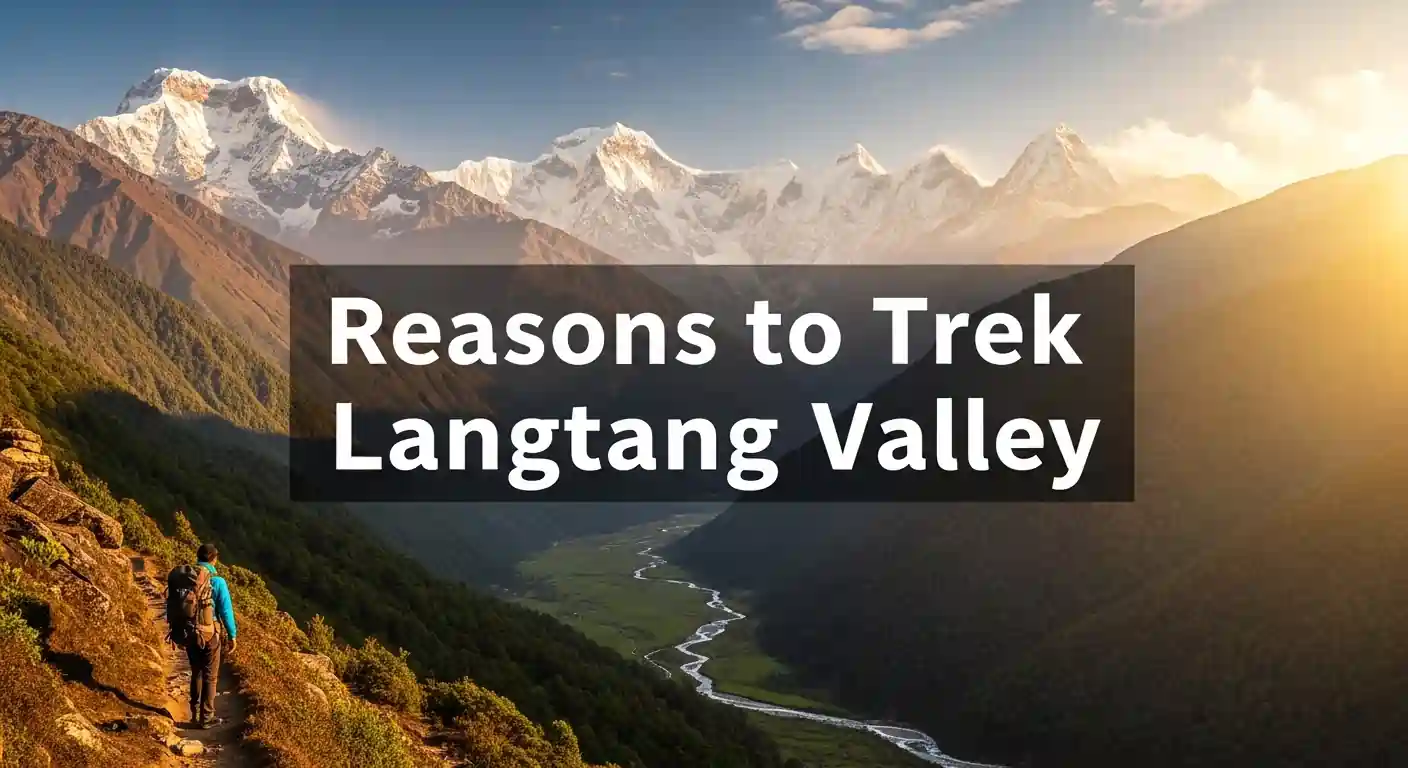
You’re scrolling through Nepal trekking options, and every search result shows the same crowded trails. Everest Base Camp queues, Annapurna Circuit bottlenecks, permit headaches, and flight delays dominate the landscape. Meanwhile, just north of Kathmandu, a glacier-carved valley sits quietly between 7,000-meter peaks, waiting for trekkers who want the Himalayan experience without the chaos.
In this blog about Langtang Valley trek, we’ll explore reasons to trek Langtang valley in 2026. You’ll discover eight compelling reasons that make Langtang a smarter choice, from road access and budget savings to authentic cultural experiences and meaningful post-earthquake recovery. This guide shows you how Langtang delivers intimate mountain views, traditional Tamang villages, and trails where solitude still exists.
Why Langtang Valley Belongs on Your Nepal Trek Shortlist?
Langtang Valley sits just north of Kathmandu near the Tibetan border, and it’s often called the “Valley of Glaciers” for good reason. The narrow valley places you remarkably close to towering peaks, glacial moraines, and Tamang villages where Tibetan-Buddhist traditions remain deeply rooted, making it ideal for trekking in Nepal for beginners. Unlike the crowded trails of Everest and Annapurna, Langtang Valley offers intimate mountain views without the logistical complexity of domestic flights or the constant stream of trekking groups.
The region has shown remarkable resilience since the devastating 2015 earthquake, and trekking here now directly supports communities that rebuilt their lodges and trails from scratch. Your presence in the valley contributes to an ongoing recovery story that gives the journey deeper meaning.
Here’s what draws trekkers to this hidden Himalayan gem:
- Road access from Kathmandu: No flights required, the trailhead at Syabrubesi is a 7–9 hour drive
- Close-up Himalayan views: Langtang Lirung (7,227m) dominates the skyline throughout the trek
- Authentic Tamang culture: Less commercialized villages with genuine Tibetan-Buddhist heritage
- Lower costs and quieter trails: Budget-friendly permits and far fewer trekkers than Everest Base Camp
- Moderate difficulty: Gradual elevation gain suitable for intermediate trekkers
Easy Access from Kathmandu Without Domestic Flights
One of the most practical reasons to choose Langtang is the straightforward journey from the capital. Unlike Everest Base Camp, which requires a weather-dependent flight to Lukla, Langtang keeps your logistics simple and your budget intact. The 7–9 hour drive from Kathmandu to Syabrubesi eliminates flight delays, reduces costs by $350–$400 per person, and gets you on the trail faster on the Langtang Valley Trek distance. This road access means your itinerary stays predictable, and you’re not gambling with weather windows that can strand trekkers for days.
1. Direct Road Route via Syabrubesi
The overland journey from Kathmandu to Syabrubesi (1,503m) takes you through terraced farmland, hill villages, and winding mountain roads. The drive typically runs 7 to 9 hours depending on road conditions, passing through towns like Trisuli Bazaar and Dhunche before reaching the trek’s starting point.
Road access means you avoid the flight delays that frequently strand trekkers in Lukla during peak season. Your itinerary stays on track, and you’re not paying $180–$200 per person for a 25-minute flight that might get cancelled anyway.
2. Shorter Travel Day Compared to Everest and Annapurna Regions
When you factor in flight check-ins, potential weather delays, and airport transfers, reaching Lukla or Jomsom can consume an entire day, or more. With Langtang, you leave Kathmandu in the morning and can start trekking the same afternoon or the following day. If you have limited vacation time, this efficiency matters.
Breathtaking Views of Langtang Lirung and the Langtang Himalaya
The Langtang Himalaya forms the border between Nepal and Tibet, and the narrow valley places you closer to the peaks than wider trekking circuits allow. While there are no 8,000-meter giants here, the proximity to glaciers and ridgelines creates a sense of immersion that’s hard to replicate elsewhere.
1. Langtang Lirung at 7,227 Meters
Langtang Lirung dominates the skyline throughout your trek. The massive peak looms directly above the valley floor, and its glaciated face catches the morning light in ways that stop trekkers mid-stride. Unlike distant views of Everest from Kala Patthar, Langtang Lirung feels close enough to touch. The proximity creates an intimate mountain experience that wider valleys simply cannot replicate.
2. Glacial Valleys and Snow-Capped Panoramas
The valley earned its “Valley of Glaciers” nickname honestly. You’ll walk alongside moraines, cross glacial rivers, and witness ice shaping the landscape in real time. Surrounding peaks like Gangchempo (6,387m) and Dorje Lakpa (6,966m) complete the panorama on clear days. The narrow valley walls amplify the sense of being surrounded by towering Himalayan giants at every turn.
3. Sunrise Viewpoints at Kyanjin Ri and Tserko Ri
From Kyanjin Gompa, optional day hikes take you to elevated viewpoints with 360-degree Himalayan panoramas. Kyanjin Ri (4,773m) offers a shorter climb of about 2 to 3 hours, while Tserko Ri (4,984m) rewards stronger trekkers with even more expansive views. Both are non-technical hikes that add significant value to your itinerary without requiring additional permits. These sunrise climbs often become the highlight moments that trekkers remember long after returning home.
Authentic Tamang Culture and Village Life
Cultural immersion sets Langtang apart from more tourist-heavy routes. The Tamang people have inhabited this valley for centuries, and their traditions remain deeply rooted in Tibetan Buddhism. Their villages, monasteries, and daily rituals stay largely unchanged by mass tourism, offering you an authentic glimpse into mountain life that feels genuine rather than staged.
1. Traditional Tamang Settlements Along the Trail
Villages like Lama Hotel, Langtang Village, and Mundu feature stone houses adorned with prayer flags and surrounded by mani walls (stone structures carved with Buddhist mantras). The pace of life here is slower, and you’ll often see villagers spinning prayer wheels or tending yak herds as you pass through. These settlements maintain their traditional architecture and layout, with homes built from local stone and wood that blend naturally into the mountain landscape. The authenticity of these villages creates opportunities for meaningful cultural exchanges that go beyond typical tourist interactions.
2. Local Hospitality and Yak Cheese Production
The famous Kyanjin Gompa cheese factory, established with Swiss assistance in the 1950s, produces yak cheese that you can sample and purchase directly from the source. Yak herding shapes daily life in the upper valley, and these hardy animals provide milk, meat, and transportation for local families. Your interactions with villagers often revolve around yak culture and the traditional products they create. The cheese factory visit offers insight into how communities blend traditional practices with sustainable income generation, and tasting fresh yak cheese at 3,870 meters becomes a memorable highlight of the trek.
Kyanjin Gompa and Buddhist Heritage Sites
Kyanjin Gompa serves as the valley’s cultural and spiritual hub. This monastery sits at 3,870 meters and offers trekkers a chance to observe Buddhist rituals, spin prayer wheels, and light butter lamps alongside local practitioners.
The monastery’s setting, surrounded by glaciers and towering peaks—adds a contemplative dimension to your trek. Many trekkers describe their time at Kyanjin Gompa as the emotional highlight of the journey, a moment where physical achievement and spiritual reflection converge.
Wildlife and Biodiversity in Langtang National Park
Langtang National Park, established in 1976, was Nepal’s first Himalayan national park. Trekking here means walking through a protected conservation zone where wildlife and ecosystems receive active management. The park’s diverse elevation range creates distinct ecological zones, from subtropical forests to alpine meadows, supporting an impressive variety of flora and fauna that you’ll encounter throughout your journey.
1. Red Pandas and Himalayan Tahr Sightings
The park is home to flagship species including the elusive red panda and the Himalayan tahr, a wild mountain goat adapted to steep, rocky terrain. Red panda sightings are rare but possible in the bamboo forests at lower elevations, particularly during early morning hours when these shy creatures are most active. Himalayan tahr are more commonly spotted on high ridges and cliff faces above the treeline, where they navigate seemingly impossible terrain with ease. While wildlife encounters are never guaranteed, keeping a watchful eye and moving quietly through the forest increases your chances of spotting these remarkable animals in their natural habitat.
2. Rhododendron Forests and Alpine Meadows
The ecological diversity along the trail is remarkable as you transition through multiple climate zones in a matter of days. You’ll pass through subtropical forests, dense rhododendron groves that bloom spectacularly in spring (March to May), and high-altitude grasslands where yaks graze peacefully against a backdrop of snow-capped peaks. The park supports over 250 bird species, making it a rewarding destination for wildlife enthusiasts willing to keep their eyes open. This variety of ecosystems means every day on the trail brings new landscapes and different opportunities to observe how life adapts to the challenging Himalayan environment.
Fewer Crowds and a More Peaceful Trail Experience
If you’ve seen photos of trekker traffic jams on the Everest Base Camp trail, Langtang offers a welcome contrast. The valley sees significantly fewer annual visitors, which translates to quieter trails and more personal teahouse experiences. This lower traffic means you can actually enjoy the solitude and natural sounds of the Himalayas without constant crowds.
1. How Langtang Compares to Everest Base Camp Traffic
During peak season, Everest Base Camp can feel like a highway with hundreds of trekkers moving in both directions daily. Langtang, by comparison, offers long stretches where you might not encounter another trekking group for hours. This quieter atmosphere allows you to hear the river, the wind, and your own thoughts instead of constant chatter from passing groups. The peaceful trails create space for reflection and genuine connection with the mountain environment, something that’s become increasingly rare on Nepal’s most popular routes.
2. Quiet Teahouses and Stronger Local Connections
Smaller lodges mean more personal interactions with your hosts rather than being just another face in a crowded dining hall. You’ll share meals with teahouse owners, hear stories about life in the valley, and develop connections that feel genuine rather than transactional. The intimate setting allows for meaningful conversations about local culture, daily life, and the valley’s recovery journey. Marvel Treks partners with locally owned teahouses throughout the valley, keeping accommodation fees within the families who rebuilt after the 2015 earthquake and ensuring your trek directly supports community recovery.
Moderate Difficulty Ideal for Intermediate Trekkers
Langtang Valley suits trekkers with some hiking experience who want a meaningful high-altitude challenge without technical mountaineering requirements on the Langtang Valley Trek difficulty. The gradual elevation profile and well-maintained trails make it accessible to reasonably fit adventurers. The trek’s difficulty level pushes your limits without requiring specialized climbing skills or extreme fitness levels.
1. Altitude Profile and Natural Acclimatization Stops
The trek begins at Syabrubesi (1,503m) and climbs gradually to Kyanjin Gompa (3,870m), with optional day hikes reaching nearly 5,000 meters. This progression allows natural acclimatization, and built-in rest days help your body adjust to reduced oxygen levels. AMS (Acute Mountain Sickness) is a concern on any high-altitude trek, with symptoms including headache, nausea, and fatigue that typically resolve with rest and hydration. Your guide monitors your condition daily and adjusts the pace if symptoms appear, ensuring a safe ascent throughout the journey.
2. Daily Trekking Hours and Trail Conditions
Expect 5 to 7 hours of walking per day on varied terrain including forest paths, river crossings, rocky trails, and occasional steep sections. The trails are non-technical, meaning no ropes, crampons, or climbing experience required. Most paths are well-maintained and clearly marked, though some sections involve uneven surfaces and altitude-related challenges. The moderate daily distances allow you to maintain a comfortable pace while still making steady progress through the valley.
| Factor | Langtang Valley | Everest Base Camp | Annapurna Circuit |
| Highest Elevation | Tserko Ri (4,984m) | Kala Patthar (5,545m) | Thorong La Pass (5,416m) |
| Typical Duration | 7–10 days | 12–14 days | 12–21 days |
| Domestic Flights Required | No | Yes (Lukla) | Optional |
| Crowd Level | Low | High | Moderate |
Budget-Friendly Trek Without Compromises
Langtang delivers strong value for trekkers watching their budget without sacrificing the quality of your Himalayan experience. The combination of shorter duration, no flight costs, and lower permit fees makes it one of Nepal’s most affordable high-altitude trekking options the full Langtang Valley trek cost typically falls well below comparable Everest or Annapurna routes. You get the same dramatic mountain scenery and cultural immersion as more expensive routes, but your wallet stays healthier throughout the journey.
1. Lower Permit and Transport Costs
You’ll need a Langtang National Park entry permit and a TIMS (Trekkers’ Information Management System) card, both of which your trekking operator typically arranges in Kathmandu before departure. The absence of domestic flights saves $350 to $400 per person compared to Everest treks, eliminating the single biggest expense that inflates costs on other routes. Teahouse rates in Langtang tend to run lower than in the Khumbu region, and daily meal costs remain reasonable throughout the valley. This combination of savings adds up quickly, making Langtang accessible to trekkers who might otherwise skip Nepal due to budget concerns.
2. Shorter Itinerary Reduces Total Expenses
Fewer trekking days mean fewer nights of accommodation and meals, which directly impacts your total trip cost. A 7 to 10 day Langtang itinerary costs significantly less than a 12 to 14 day Everest Base Camp trek, making it ideal for trekkers with limited time or budget constraints. The shorter duration also means less time away from work, fewer vacation days used, and lower overall expenses for guide fees and porter services. You still get a complete Himalayan experience with high-altitude challenges and stunning mountain views, just in a more condensed and affordable package.
Supporting Langtang’s Post-Earthquake Recovery
Trekking in Langtang carries deeper meaning than most Himalayan routes. The 2015 earthquake triggered a massive landslide that buried Langtang Village, killing over 300 people, including both trekkers and local residents. The devastation was catastrophic, wiping out entire communities and infrastructure. Since then, the recovery has been slow but determined, with villagers rebuilding their homes, lodges, and lives from the ground up.
1. What the 2015 Disaster Destroyed
The landslide obliterated Langtang Village entirely, leaving behind a boulder field where homes and lodges once stood. Families lost relatives, livelihoods, and generations of accumulated possessions. The trail itself was damaged, and the trekking economy that sustained the valley collapsed overnight.
2. How Your Trek Helps Rebuild Local Communities
Today, rebuilt lodges, schools, and trails stand as testaments to the community’s resilience. Tourism directly funds ongoing reconstruction, and every night you spend in a teahouse, every meal you purchase, contributes to families rebuilding their lives. Marvel Treks works with locally owned teahouses throughout the valley, keeping economic benefits within the community rather than flowing to outside operators.
Trek Extensions to Gosainkunda Lake and Helambu
For trekkers seeking a longer adventure, Langtang connects to two additional routes that extend your journey without requiring separate permits or logistics.
- Gosainkunda Lake: A sacred alpine lake at 4,380 meters, surrounded by peaks and visited by Hindu pilgrims during the Janai Purnima festival. Adding this extension requires 3–4 additional days and crosses the Laurebina La pass (4,610m).
- Helambu Valley: A lower-altitude cultural route through Sherpa and Hyolmo villages, accessible year-round and suitable for trekkers who want to extend their journey without gaining significant elevation.
How to Start Planning Your Langtang Valley Trek
The best seasons for Langtang are spring (March–May) when rhododendrons bloom and autumn (September–November) when skies are clearest. Winter treks are possible but colder, while monsoon season (June–August) brings rain and leeches to lower elevations.
Permit requirements are straightforward—your operator handles the Langtang National Park permit and TIMS card before departure. Choosing a trekking company with local guides, transparent pricing, and strong teahouse relationships keeps your logistics running smoothly.
Marvel Treks offers guided Langtang Valley itineraries with experienced local guides, permit handling, and gear support including complimentary down jackets and sleeping bags.
Why Langtang Valley Is the Smart Choice for Your Next Himalayan Adventure
Langtang delivers everything you want from a Himalayan trek, dramatic mountain scenery, authentic cultural immersion, and a genuine sense of adventure, without the crowds, complexity, or cost of more famous routes, all arranged by the best expedition company in Nepal. The valley’s accessibility from Kathmandu, moderate difficulty, and meaningful connection to post-earthquake recovery make it a compelling choice for trekkers who want substance over spectacle.
Whether you’re a first-time Himalayan trekker or a returning visitor seeking quieter trails, Langtang rewards you with experiences that feel personal rather than packaged.
FAQs About Trekking Langtang Valley
What permits do I need for the Langtang Valley trek?
You need a Langtang National Park entry permit and a TIMS (Trekkers’ Information Management System) card, both of which your trekking operator typically arranges in Kathmandu before departure. The permits are checked at multiple points along the trail.
When is the best season to trek Langtang Valley?
The best seasons are spring (March to May) for rhododendron blooms and autumn (September to November) for clear skies and stable weather. Early winter (December) is also possible, though colder and with shorter days.
Can I complete the Langtang Valley trek without a guide?
Solo trekking is permitted, but hiring a licensed local guide improves safety, navigation, and cultural understanding, especially helpful if you’re unfamiliar with high-altitude trekking or want deeper insight into Tamang traditions.
What is the highest point reached on the Langtang Valley trek?
The standard trek reaches Kyanjin Gompa (3,870m), with optional day hikes to Kyanjin Ri (4,773m) or Tserko Ri (4,984m) for higher viewpoints above the main trail.
Is there mobile phone signal on the Langtang Valley trail?
Mobile coverage (Ncell and Nepal Telecom) is available in most villages along the route, though signal strength weakens at higher elevations and in remote sections between settlements.

Ready for your next Himalayan adventure?
Plan Your Next Big Adventure with Us
Explore Our AdventuresJoin our expert-guided journeys across Nepal and beyond, from classic trails to epic summits.