
What is the Difficulty Level Of Langtang Valley Trek?
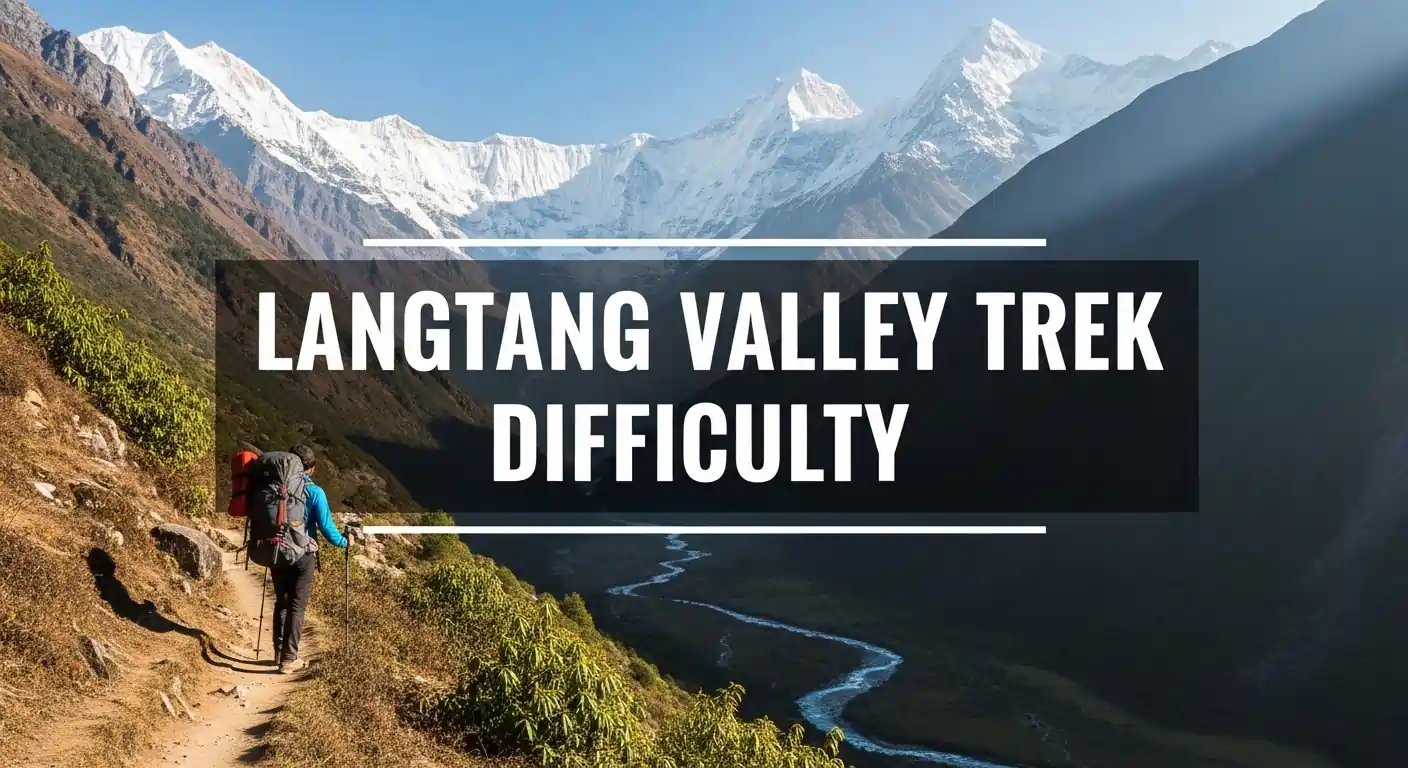
The Langtang Valley Trek is widely considered a moderately difficult adventure, making it one of the most accessible high-altitude journeys in Nepal. While the trail involves steady uphill climbs and rocky terrain, it lacks the extreme altitudes and technical challenges found in the Everest or Annapurna regions. Most people with a basic level of physical fitness and a determined mindset can successfully reach the heart of the valley. Its proximity to Kathmandu and shorter duration make it a perfect “introduction” to Himalayan trekking for those who want a rewarding challenge without overwhelming physical strain.
In this blog, we explore the trek difficulty in detail to help you plan your journey through the heart of the Himalayas. We cover everything from altitude risks and daily walking hours to terrain conditions and seasonal variations that affect your experience. You will learn how this route compares to other famous trails and discover practical tips to make your ascent smoother and more enjoyable. Whether you are a solo traveler, a first-timer, or trekking with family, this guide provides the essential insights needed to conquer the Langtang Valley trek.
Introduction to Langtang Valley Trek
The Langtang Valley Trek is a stunning high-altitude journey that takes you through the heart of the Langtang National Park, located just north of Kathmandu. Known as the “Valley of Glaciers,” this route offers a dramatic transition from lush, subtropical forests to towering alpine peaks and massive glacial moraines. It is a culturally rich experience where trekkers can explore traditional Tamang and Tibetan-influenced villages while enjoying panoramic views of Langtang Lirung. This trek remains a favorite for those seeking a shorter but deeply immersive Himalayan adventure that perfectly balances natural beauty with cultural depth.
Understanding the Langtang Valley trek difficulty is essential because it allows you to prepare physically and mentally for the specific demands of the high Himalayas. While often labeled as “moderate,” the trek still requires multiple days of sustained walking on uneven surfaces and a significant gain in elevation. Knowing what to expect prevents surprises on the trail, such as steep forest ascents or the effects of thinner air above 3,000 meters. Proper preparation ensures that you spend more time enjoying the stunning mountain vistas and less time struggling with the physical demands of Adventure trekking in Nepal.
Difficulty Level of Langtang Valley Trek
The overall difficulty level of the Langtang Valley Trek is classified as moderate, making it a manageable challenge for most active hikers. It involves steady ascents through various landscapes without requiring any technical mountaineering skills or extreme high-altitude experience. While the trail is physically demanding, it remains a top recommendation for trekking in Nepal for beginners.
Overall Difficulty Rating
The Langtang Valley Trek is firmly rated as moderate, sitting comfortably between the easier foothills hikes and the grueling high-pass expeditions of the Everest region. Compared to the Annapurna Base Camp trek, it features fewer steep stone stairs but offers more rugged, natural mountain paths that can be tough on the knees. While the Everest Base Camp trek requires nearly two weeks at extreme altitudes, Langtang can be completed in just 7 to 8 days with a much lower risk of severe altitude sickness. This makes it an ideal “stepping stone” for trekkers who want to test their endurance at 3,000–4,000 meters before attempting more technical Himalayan routes.
Factors That Define Langtang Valley Trek Difficulty
Several critical factors contribute to the difficulty, beginning with a total trekking distance of roughly 77 kilometers and a daily commitment of 5 to 7 hours of walking. The elevation gain is significant, as you climb from 1,550 meters at the trailhead to nearly 3,900 meters at Kyanjin Gompa, where the air becomes noticeably thinner. The terrain varies from soft forest floors to rocky, unstable moraines that require constant focus on foot placement, especially during the descent. Additionally, weather conditions such as sudden rain or afternoon winds can increase the physical strain, making proper layering and high-quality trekking boots essential for a comfortable journey.
Langtang Valley Trek Difficulty by Altitude
The altitude of the Langtang Valley Trek is a primary factor in its difficulty, as you ascend from 1,550 meters to nearly 3,900 meters. While these elevations are lower than those found on the Everest or Annapurna Circuit treks, the thinner air still presents a significant physiological challenge. Proper pacing is essential to allow your respiratory and cardiovascular systems to adjust as you move into the high-alpine environment. Managing your ascent carefully ensures that you remain energized and healthy enough to enjoy the stunning glacial views.
Maximum Altitude and Acclimatization Needs
The highest sleeping point is Kyanjin Gompa at 3,870 meters, though many trekkers climb to the 4,984-meter summit of Tserko Ri for panoramic views. Once you cross the 3,000-meter threshold near Langtang Village, the risk of Acute Mountain Sickness (AMS) increases, making a rest day at Kyanjin Gompa highly beneficial. Proper acclimatization allows your body to produce more red blood cells, which is the difference between a successful summit and a forced descent.
How Altitude Affects Trek Difficulty
As you climb higher, the atmospheric pressure drops, leading to lower oxygen levels that make even simple movements feel significantly more exhausting. You will likely notice an increased heart rate and shorter breath, which naturally slows your trekking pace compared to lower elevations. This thin air increases the physical strain on your muscles, making the final daily climbs toward the valley head feel much more demanding than the initial forest trails.
Langtang Valley Trek Distance and Daily Walking Hours
The total distance of the Langtang Valley Trek covers approximately 65 to 80 kilometers round trip, depending on the specific side peaks you choose to climb. Over a standard 7 to 8-day itinerary, you will be traversing varied terrain that ranges from steep forest switchbacks to wide glacial valleys. This requires a consistent level of stamina to manage the daily elevation gains while carrying a light daypack. Understanding the spatial scale of the trek helps you prepare your muscles for the repetitive movement required over a week of mountain travel.
Total Trek Distance Explained
The core route from the trailhead at Syabrubesi to the final settlement of Kyanjin Gompa and back is roughly 65 kilometers in total. Many trekkers extend this distance by another 10 to 15 kilometers by exploring the Langshisha Kharka or summiting nearby viewpoints like Tserko Ri. These variations allow you to customize the difficulty of your journey based on your energy levels and interest in seeing the deeper glacial landscapes.
Average Daily Trekking Duration
Most trekkers spend an average of 5 to 7 hours per day on the trail, typically starting early in the morning to enjoy the clearest mountain views. For beginners, these hours can feel demanding due to the constant uphill incline, whereas experienced hikers may find the pace relatively comfortable. Regardless of your experience level, maintaining a steady and slow rhythm is the most effective way to manage the daily walking hours without reaching the point of total exhaustion.
How Difficult Is Langtang Valley Trek for Beginners?
The Langtang Valley Trek is absolutely suitable for beginners because it is a non-technical, moderate-grade journey with well-established infrastructure. It is often recommended as the perfect “first trek” in Nepal due to its gradual elevation profile and accessibility from Kathmandu. While you will face several hours of uphill walking each day, the trails are well-marked and do not require any specialized climbing skills, making it a manageable adventure for anyone with a basic level of fitness and a positive mindset.
Suitability for First-Time Trekkers
The Langtang Valley is highly suitable for first-time trekkers because the trail conditions are well-managed and the elevation gains are more predictable than in the Everest or Annapurna regions. You won’t have to deal with treacherous high passes or extreme cold for long periods, which reduces the logistical and physical pressure on a novice hiker. A basic fitness level—such as being able to walk for 5 hours with a light pack—is all that is required to reach the main destination of Kyanjin Gompa. This accessibility makes it a safe yet rewarding choice for those who are new to multi-day mountain expeditions.
Tips to Reduce Difficulty for Beginners
To make the trek significantly easier, beginners should prioritize a “pole-pole” (slow and steady) pace to conserve energy and aid natural acclimatization. Hiring a local guide or porter is one of the best ways to reduce physical strain, as it allows you to walk with only a light daypack while benefiting from expert navigation and support. Staying hydrated by drinking at least 3-4 liters of water daily is crucial for preventing fatigue and altitude-related headaches. Additionally, choosing to trek during the peak spring or autumn seasons ensures the most stable weather and dry trails, which removes the added difficulty of mud or snow.
Terrain and Trail Conditions
The terrain of the Langtang Valley Trek is diverse, shifting from lush sub-tropical forest floors to rugged alpine glacial moraines. While the trails are generally well-defined, trekkers must navigate a mix of steep stone stairs, dusty switchbacks, and rocky sections that require careful footwork. This variety keeps the journey engaging but demands good ankle stability and a pair of sturdy trekking boots to handle the changing surfaces safely.
Types of Trails on Langtang Valley Trek
The journey begins with steep, winding forest paths characterized by exposed tree roots and damp soil as you climb toward Lama Hotel. As you ascend higher, the landscape opens into wide glacial valleys where the trails become rockier and more exposed, especially when crossing old landslide zones and debris-filled moraines. You will encounter several sturdy suspension bridges over the Langtang Khola and a series of relentless uphill sections known as “the climb to Langtang.” These varying surfaces require constant attention to balance, particularly on the descent where loose gravel can make the paths quite slippery.
Seasonal Impact on Trail Difficulty
During the peak seasons of spring and autumn, the trails are typically dry and firm, providing the best grip and the easiest walking conditions for all trekkers. In contrast, the monsoon season turns the forest sections into muddy, slippery paths prone to leeches, while the higher elevations may face obscured trails due to heavy rain. Winter brings the challenge of snow and ice, especially beyond Langtang Village, where the trails can become treacherous without micro-spikes or crampons. These seasonal shifts can turn a standard moderate path into a high-risk route, significantly increasing the technical difficulty of the trek.
Weather and Seasonal Difficulty Variations
Weather is a decisive factor in Langtang Valley trek difficulty, as it directly impacts trail safety, visibility, and your physical comfort. While the core route remains the same, the experience of walking it can shift from a pleasant stroll in the sun to a grueling battle against the elements depending on the month you choose. In 2026, understanding these seasonal cycles is the best way to ensure your trek remains within the “moderate” difficulty range.
Best Season for an Easier Langtang Valley Trek
The absolute best months for an easier trekking experience are March to May (Spring) and October to November (Autumn). During these windows, the weather is remarkably stable with clear blue skies, offering peak visibility of Langtang Lirung and the surrounding glaciers. Temperatures are mild during the day, which prevents the rapid physical exhaustion caused by extreme heat or bitter cold. Additionally, the trails are generally dry and provide excellent traction, allowing you to maintain a steady pace without the added stress of navigating mud or ice.
Hardest Time to Trek Langtang Valley
The hardest time to trek is during the winter months (December to February) and the monsoon season (June to August) due to extreme environmental challenges. Winter brings bone-chilling temperatures and heavy snowfall that can bury the trails beyond Langtang Village, requiring advanced navigation and specialized gear like micro-spikes. Conversely, the monsoon transforms the forest sections into slippery, leech-infested paths and increases the risk of landslides in narrow valley sections. These conditions significantly increase the physical and mental strain of the journey, making it a much more difficult undertaking for average trekkers.
Physical Fitness Required for Langtang Valley Trek
The physical fitness required for the Langtang Valley Trek is classified as moderate, demanding good cardiovascular health and functional leg strength. While you do not need to be a professional athlete, your body must be capable of sustaining 5 to 7 hours of daily activity across steep and uneven terrain for several consecutive days. Building a solid fitness base in 2026 ensures that your heart and lungs can efficiently process limited oxygen as you climb toward 4,000 meters. Proper conditioning not only reduces the risk of injury and muscle fatigue but also allows you to focus on the spectacular Himalayan scenery rather than physical struggle.
Recommended Fitness Level
A successful trekker should have high cardiovascular endurance and the muscular stamina to handle relentless uphill and downhill sections. You should be comfortable walking at a steady pace for at least 5 hours with a 5-8 kg daypack without experiencing extreme exhaustion. Leg strength is critical for protecting your joints on rocky descents, while a stable core helps maintain balance on the narrow, winding trails of the Langtang region. Prior hiking experience is beneficial but not mandatory if you have a consistent background in aerobic activities like running or swimming.
Training Tips Before the Trek
To prepare effectively, you should begin a dedicated training routine at least 8 to 12 weeks before your departure date.
- Cardio focus: Engage in activities like brisk walking, cycling, or stair climbing 3-4 times a week to boost your lung capacity.
- Strength training: Perform squats, lunges, and step-ups to build the power needed for steep ascents and to support your knees during descents.
- Simulated hikes: Go on weekend hikes with a weighted backpack to break in your boots and get your shoulders used to the load.
- Consistency is key: Gradually increase the duration and intensity of your workouts to mimic the cumulative fatigue of a multi-day trek.
Is Langtang Valley Trek Safe?
The Langtang Valley Trek is generally considered safe, featuring well-maintained trails and established teahouse infrastructure that supports trekkers throughout the journey. While it is accessible even for beginners, safety depends on a disciplined approach to altitude and weather. In 2026, improved trail restoration and localized rescue protocols have made this region one of the most secure trekking destinations in Nepal. By following standard mountain safety rules and traveling with a licensed guide, you can minimize the risks and focus on the stunning glacial scenery. For many, the answer to Is trekking in Nepal safe? is a resounding yes, provided you prioritize preparation and follow local guidance.
Common Risks Trekkers Face
The most significant risk is Acute Mountain Sickness (AMS), which can occur as you rapidly ascend from Syabrubesi to the 3,870-meter Kyanjin Gompa. Trekkers may also face unpredictable weather-related challenges, such as sudden afternoon storms, heavy fog that limits visibility, or slippery trails during the monsoon and winter months. Additionally, some sections are prone to landslides or falling rocks, particularly after heavy rains, requiring hikers to stay alert and stick strictly to the marked paths.
Safety Measures to Manage Trek Difficulty
To manage these risks, it is essential to incorporate at least one acclimatization day at Kyanjin Gompa to allow your body to adjust before attempting higher viewpoints like Tserko Ri. Hiring a professional guide provides a critical layer of safety, as they are trained to recognize early AMS symptoms and can coordinate helicopter evacuations if a medical emergency arises. Staying in local lodges ensures you have a warm, secure environment to recover each night, while carrying a basic first-aid kit with altitude medication (like Diamox) allows you to manage minor health issues before they escalate.
Langtang Valley Trek vs Other Popular Treks
The Langtang Valley Trek is the most accessible and budget-friendly of Nepal’s “big three” treks, offering a moderate challenge without the extreme altitude of Everest. While the Annapurna Base Camp (ABC) trek is famous for its thousands of stone stairs and the Everest Base Camp (EBC) trek for its legendary mountaineering history, Langtang stands out for its serene, less-crowded trails and proximity to Kathmandu. Choosing between these depends on whether you prioritize the world’s highest peaks, diverse cultural landscapes, or a quiet, time-efficient journey through the “Valley of Glaciers.”
| Feature | Langtang Valley Trek | Annapurna Base Camp (ABC) | Everest Base Camp (EBC) |
| Difficulty Level | Moderate / Beginner-friendly | Moderate to Challenging | Challenging / Demanding |
| Max Elevation | 3,870m (4,984m optional) | 4,130m | 5,364m (5,545m at Kala Patthar) |
| Standard Duration | 7–9 Days | 9–12 Days | 12–14 Days |
| Primary Terrain | Forested paths & glacial valleys | Stone stairs & terraced fields | Rugged alpine & moraines |
| Accessibility | 6–8 hour drive from Kathmandu | Drive/Fly to Pokhara, then drive | 35-minute flight to Lukla |
| Approx. Cost | $600 – $900 | $800 – $1,200 | $1,500 – $2,500 |
| Crowd Levels | Low to Moderate | High | Very High |
| AMS Risk | Lower (Gradual ascent) | Moderate | High (Rapid ascent to Lukla) |
How to Make Langtang Valley Trek Easier?
You can make the Langtang Valley Trek significantly easier by prioritizing a slow ascent and reducing your physical load. Focusing on a “quality over speed” approach ensures that your body has the time to adapt to the changing altitude and terrain. By incorporating smart logistical choices and professional support, you can transform a physically demanding journey into a manageable and highly enjoyable Himalayan experience.
Smart Planning and Itinerary Design
Smart planning begins with adding an extra rest day at Kyanjin Gompa to allow for natural acclimatization before attempting any higher peaks. Choosing the peak spring or autumn seasons ensures you have the firmest trails and the most stable weather, which removes the added difficulty of trekking through mud or snow. A well-paced itinerary that limits daily walking to 5 or 6 hours prevents muscle burnout and keeps your energy levels high for the duration of the trip.
Gear and Support Choices
Investing in high-quality, broken-in trekking boots provides the necessary ankle support and grip to handle the rocky sections of the trail with ease. Hiring a local porter is perhaps the most effective way to reduce difficulty, as it frees you from carrying a heavy pack and allows you to walk with only a light daypack. Additionally, using trekking poles significantly reduces the impact on your knees during the long descent from Lama Hotel to Syabrubesi, preserving your joints for future adventures.
Final Verdict on Langtang Valley Trek Difficulty
The Langtang Valley Trek is a rewarding and moderately challenging journey that perfectly balances physical effort with spectacular Himalayan scenery. While the ascent requires a solid foundation of cardiovascular fitness and the stamina to walk for several hours a day, it remains one of the most accessible high-altitude treks in Nepal. By choosing the right season, pacing yourself, and respecting the altitude, you can navigate the “Valley of Glaciers” with confidence. It is a fantastic choice for anyone looking to experience the raw beauty of the Himalayas without the extreme technicality of higher-altitude expeditions.
Success in the mountains depends on smart preparation and choosing the right support to manage the trail’s demands. Whether you are a first-time trekker or a seasoned hiker, the Langtang region offers a cultural and natural depth that is truly worth the physical exertion. Investing in a professional guide and a well-planned itinerary will turn this moderate challenge into a safe and life-changing adventure. In 2026, the Langtang Valley stands ready to welcome you with its resilient spirit and breathtaking peaks.
Are you ready to experience the breathtaking beauty of the Valley of Glaciers? Contact the best trekking and expedition company in Nepal today to book your 2026 Langtang Valley adventure and trek with the experts!
FAQS
Is Langtang Valley Trek suitable for beginners?
Yes, it is a perfect “first trek” for beginners with basic fitness and a positive mindset.
How high does the Langtang Valley Trek go?
The main destination is Kyanjin Gompa at 3,870m, though optional peaks reach nearly 5,000m.
What is the hardest part of the trek?
The steep uphill climb from Lama Hotel to Langtang Village is considered the most physically demanding section.
Do I need training for this trek?
Simple cardio and leg-strength exercises for 8 weeks before your departure are highly recommended for comfort.
Is altitude sickness common in Langtang?
While the risk is lower than EBC, AMS can occur above 3,000m if you ascend too quickly.
Can I trek Langtang Valley solo?
You can, but hiring a guide is safer for navigation, cultural insight, and emergency support.
Are there many stone stairs like in Annapurna?
No, Langtang features more natural, rocky trails and forest paths than the stone-step-heavy Annapurna routes.
How many hours do I walk per day?
You will typically walk for 5 to 7 hours daily, depending on your pace and itinerary.

Ready for your next Himalayan adventure?
Plan Your Next Big Adventure with Us
Explore Our AdventuresJoin our expert-guided journeys across Nepal and beyond, from classic trails to epic summits.