
Langtang National Park: Complete Guide 2026
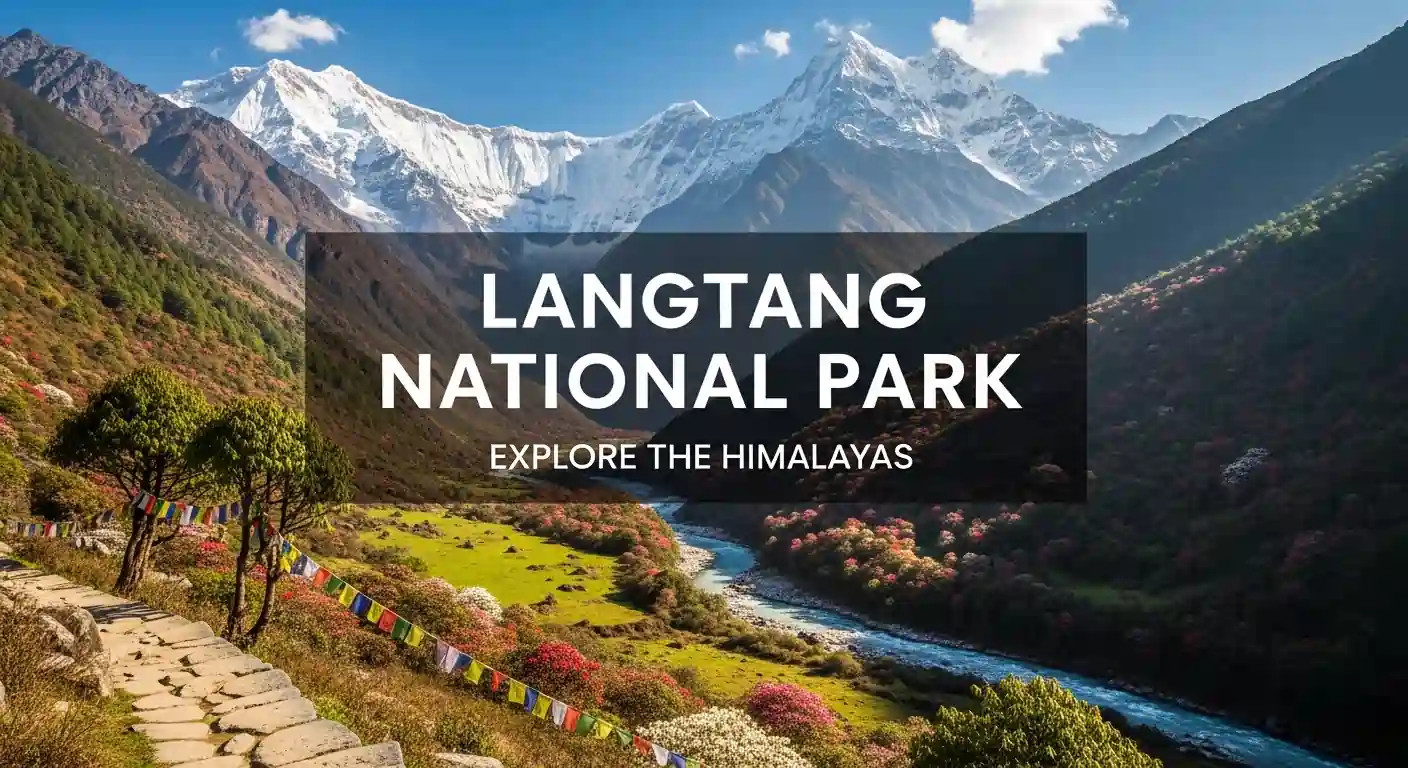
Langtang National Park is a premier protected area in north-central Nepal that serves as a vital sanctuary for rare Himalayan wildlife and ancient Tamang culture. Established in 1976 as Nepal’s first Himalayan national park, it encompasses 1,710 square kilometers of diverse landscapes, ranging from subtropical forests to the towering 7,245m peak of Langtang Lirung.
In this blog, we explore the natural wonders and logistical details of Langtang National Park to help you plan your next expedition. We cover everything from the park’s geographic location and wildlife residents, like the elusive red panda, to practical travel tips such as permit costs and transportation from Kathmandu. Whether you are interested in the sacred waters of Gosaikunda or the glacial beauty found on the Langtang valley trek, this guide provides the essential information needed to explore one of Nepal’s most accessible and rewarding wilderness areas.
Introduction to Langtang National Park
Langtang National Park is a massive protected area in the central Himalayas that protects a unique vertical ecosystem spanning from low-altitude jungles to perennial ice. As Nepal’s fourth protected area, it plays a critical role in preserving the biodiversity of the Bagmati Province while supporting over 26 local village communities. The park is a living classroom where you can witness the transition between different climatic zones within just a few days of trekking.
Why Langtang National Park Is Famous
The park is world-famous for its dramatic natural beauty, featuring the “Valley of Glaciers” and the sacred high-altitude Gosaikunda Lake. It offers a quieter, more intimate trekking experience compared to the Everest or Annapurna regions, making it a favorite for those seeking tranquility. Beyond its landscapes, the park is celebrated for the cultural richness of its Tamang and Tibetan-influenced residents, whose ancient monasteries and traditional stone-built villages provide a window into a centuries-old way of life.
Where Is Langtang National Park Located?
Langtang National Park is located in north-central Nepal, stretching across the Rasuwa, Nuwakot, and Sindhupalchok districts along the border with the Tibet Autonomous Region of China. It is the nearest Himalayan national park to the Kathmandu Valley, with its southern boundary situated only about 32 kilometers north of the city. Because of this proximity, it serves as a vital ecological corridor that links the central Nepalese hills with the vast Tibetan plateau to the north and east.
Geographic Location of Langtang National Park
The geographic landscape of Langtang National Park is characterized by an extreme altitudinal range that spans from 1,000 meters to the 7,245-meter summit of Langtang Lirung. This vertical diversity creates a stunning progression of ecosystems, starting with lush subtropical forests and bamboo groves in the lower valleys. As you move higher, the terrain transitions into wide glacial valleys, high-altitude alpine meadows, and massive perennial glaciers that define the rugged northern frontier.
Langtang National Park Distance from Kathmandu
The road distance from Kathmandu to Syabrubesi, the main gateway of the park, is approximately 122 kilometers (76 miles). Under normal conditions in 2026, the drive typically takes between 7 and 9 hours due to the winding mountain roads and varying terrain along the Pasang Lhamu Highway. While the straight-line distance is much shorter, the overland journey requires a full day of travel to cross the hilly ridges and river valleys that lead into the heart of the Langtang region.
How Far Is Langtang National Park from Kathmandu?
Langtang National Park is approximately 32 kilometers north of Kathmandu in a straight line, but the actual road distance to the trekking gateway of Syabrubesi is about 122 kilometers. This distance involves crossing several mountain ridges and navigating the winding Pasang Lhamu Highway. Because of the rugged Himalayan terrain, the physical proximity of the park belies the full day of travel required to reach its entrance.
Kathmandu to Langtang National Park Distance Explained
While the aerial distance is short, the 122-kilometer road route is the primary way most travelers reach the park’s interior. In contrast, older trekking routes from Sundarijal or Helambu offer a direct walking path that covers roughly 60 to 80 kilometers depending on the specific trail taken. These trekking routes allow you to enter the park on foot over several days, providing a more gradual transition from the city to the wilderness.
Travel Time from Kathmandu to Langtang National Park
The typical driving time from Kathmandu to the park’s main trailhead is between 7 and 9 hours by local bus or private jeep. Travel duration can vary significantly based on seasonal factors like monsoon rains, which can cause roadblocks, or ongoing road maintenance projects along the highway. Additionally, the time can increase if you choose a local bus that makes frequent stops compared to a direct private vehicle hire.
How to Go to Langtang National Park from Kathmandu?
To go to Langtang National Park from Kathmandu, you must take a 7 to 9-hour road journey to the gateway town of Syabrubesi using a local bus, express bus, or private jeep. Since there are no commercial airports in the region, overland travel is the only practical way to reach the trailhead. The route follows the Pasang Lhamu Highway, offering a scenic transition from the bustling city to the peaceful riverside trails of the Himalayas.
Kathmandu to Langtang National Park by Road
Most travelers begin their journey by catching a vehicle from the Machhapokhari Bus Park (near Balaju) or the Gongabu New Bus Park in northern Kathmandu. Local and express buses typically depart early in the morning, between 6:00 AM and 8:30 AM, snaking through Trishuli Bazaar and Dhunche before arriving at Syabrubesi. While local buses are the most affordable, express buses are a better choice as they make fewer stops and provide a slightly faster, more organized travel experience for trekkers.
How to Reach Langtang National Park from Kathmandu Easily?
The easiest and most comfortable way to reach the park is by hiring a private 4WD jeep, which can reduce travel time to approximately 6 or 7 hours. Private jeeps offer the flexibility to stop for photos and meals at your own pace, and they handle the bumpy, unpaved sections beyond Trishuli much more smoothly than a bus. For a hassle-free trip, it is highly recommended to book your transportation through a registered trekking agency in Kathmandu, ensuring you have a reliable driver and a vehicle that can navigate the mountain terrain safely.
What Is Langtang National Park Famous For?
Langtang National Park is famous for being Nepal’s first Himalayan protected area, renowned for its “Valley of Glaciers,” sacred high-altitude lakes, and its role as a sanctuary for the endangered red panda. It offers a unique combination of dramatic alpine scenery and deep cultural heritage that is more accessible from Kathmandu than any other mountain region. In 2026, it remains a top choice for travelers who seek the grandeur of the Himalayas—including the massive 7,245m Langtang Lirung, without the extreme crowds of Everest or Annapurna.
Natural Attractions of Langtang National Park
The park’s natural fame centers on the stunning Langtang Valley, a glacial landscape surrounded by some of the world’s most accessible icefalls and snow-capped peaks. Kyanjin Gompa serves as the ultimate high-altitude hub, offering panoramic views of the Lirung and Kimshung glaciers from vantage points like Kyanjin Ri and Tserko Ri. Beyond the peaks, the park is home to the sacred Gosaikunda Lake, a series of high-altitude turquoise waters that draw thousands of pilgrims and nature lovers to their shores every year.
Cultural and Religious Significance
Culturally, the park is famous for its resilient Tamang and Tibetan-influenced communities whose traditional lifestyles are centered around ancient Buddhist monasteries and yak herding. The century-old Kyanjin Gompa is the spiritual heartbeat of the valley, while Mani walls and prayer wheels line the trails as a testament to the region’s deep-rooted faith. Local festivals like Lhosar and the sacred pilgrimage of Janai Purnima at Gosaikunda bring these mountain cultures to life, offering visitors a rare glimpse into a heritage that has remained largely unchanged for centuries.
Animals Found in Langtang National Park
Langtang National Park is a critical wildlife sanctuary home to over 46 species of mammals and 345 species of birds, including some of the rarest creatures on Earth. Because the park spans multiple climate zones, it supports a diverse range of residents from the playful gray langur monkeys in the lower forests to the elusive snow leopards in the high alpine peaks.
Langtang National Park Animals Overview
The park’s immense ecological diversity provides a home for a wide variety of Himalayan fauna, including the Himalayan tahr, musk deer, and wild boar. Birdwatchers can spot over 300 species, such as the colorful Himalayan monal (Nepal’s national bird) and the rare ibisbill along the glacial rivers. Conservation is vital here as these animals maintain the fragile mountain ecosystem; for example, large predators help regulate herbivore populations while birds assist in seed dispersal across different altitudes.
Rare and Endangered Wildlife in Langtang National Park
Langtang is famous for harboring endangered species like the red panda, which lives in the temperate bamboo forests between 2,200m and 4,800m, particularly around Ghoda Tabela. The secretive snow leopard prowls the rocky heights above 4,000m near Kyanjin Gompa, though sightings are extremely rare and typically occur at dawn or dusk. Himalayan black bears are also found in the mid-altitude forests, and the best time for sightings is during the spring (March-May) when wildlife becomes more active. To increase your chances, it is highly recommended to trek with a local guide who understands the specific habitats and behaviors of these elusive mountain residents.
Flora and Biodiversity of Langtang National Park
Langtang National Park is a botanical paradise containing over 1,000 species of flowering plants distributed across four distinct climatic zones. From the humid subtropical valleys to the rugged alpine heights, the park’s flora changes dramatically with every thousand meters of altitude gain.
Forest Types and Vegetation Zones
The park’s vegetation transitions through several layers, starting with subtropical forests of Sal and Chirpine in the lower river valleys. As you ascend to the temperate zone (2,000m–3,000m), the landscape is dominated by dense oak, maple, and majestic rhododendron forests that explode with color during the spring. Above 3,000m, the sub-alpine zone features old-growth forests of silver fir, hemlock, and the rare Nepalese larch, while the high-altitude alpine zone consists of vast grasslands and hardy shrubs like juniper that can survive the extreme Himalayan cold.
Importance of Langtang National Park for Biodiversity
The ecological significance of Langtang National Park lies in its role as a “living natural museum” that protects a wide range of medicinal plants and endemic species. It is particularly famous for housing 28 out of 51 threatened medicinal and aromatic plants found in Nepal, including the prized Himalayan blue poppy and Jatamansi. Conservation efforts are deeply integrated with the local communities, where sustainable harvesting rules and park permits help fund the protection of these fragile ecosystems from overgrazing and climate change.
Langtang National Park Entry Fee
The Langtang National Park entry fee is a mandatory charge for all visitors that supports conservation efforts and trail maintenance within the protected area. As of 2026, the fee structure is tiered based on nationality, with international tourists paying a standard rate while SAARC and Nepali citizens enjoy subsidized pricing. Obtaining this permit is the first official step for any trekker heading into the region, ensuring your presence is legally recorded and your contribution aids in preserving the park’s fragile Himalayan ecosystem.
Langtang National Park Fee Structure
The entry fee for foreign nationals is NPR 3,000 (approximately $23–$25), while SAARC nationals (including Indians) pay a reduced rate of NPR 1,500. Nepali citizens are charged a nominal fee of NPR 100 to encourage local tourism and exploration. In addition to the park permit, all international trekkers must obtain a TIMS Card, which costs $20 (NPR 2,000) for those trekking with an agency; notably, as of 2026, hiring a licensed guide is mandatory for all foreign trekkers, and permits must be processed through a registered trekking company.
Where and How to Pay Langtang National Park Entry Fee
The most convenient place to pay the entry fee and secure your permits is at the Nepal Tourism Board office in Kathmandu before you begin your journey. Alternatively, you can pay at the park entrance checkpoints located in Dhunche or Syabrubesi, though these offices may have limited operating hours. To process the permits, you will need a copy of your valid passport, a current Nepal tourist visa, and at least two passport-sized photographs. Most checkpoints only accept cash in Nepalese Rupees, so it is essential to carry enough local currency to cover these costs before leaving the city.
Best Time to Visit Langtang National Park
The best time to visit Langtang National Park is during the spring (March to May) and autumn (September to November) seasons. These peak periods offer the most stable weather, providing trekkers with clear skies and comfortable temperatures for exploring the high-altitude terrain.
Ideal Seasons for Visiting Langtang National Park
Spring and autumn are considered the “golden windows” for trekking because they offer unrivaled visibility of the Langtang Lirung massif and surrounding peaks. Spring is a favorite for nature lovers, as the trails are decorated with vibrant red and pink rhododendrons and wildlife, including the rare red panda, is most active. Autumn, on the other hand, provides the clearest post-monsoon air, making it the perfect season for photography and high-altitude vantage points like Tserko Ri.
Visiting Langtang National Park in Off-Seasons
Trekking during the monsoon (June-August) or winter (December-February) is possible but presents significant challenges like leeches, slippery trails, and extreme cold. The monsoon brings lush greenery and majestic waterfalls, yet heavy rains often obscure mountain views and increase the risk of landslides. Winter offers a serene, snow-covered landscape with absolute solitude, but trekkers must be prepared for sub-zero temperatures and the potential closure of high-altitude teahouses.
Trekking Routes Inside Langtang National Park
There are three primary trekking routes inside Langtang National Park: the Langtang Valley Trek, the Gosaikunda Lake Trek, and the cultural Tamang Heritage Trail. Each path offers a distinct perspective of the park, ranging from the glacial landscapes of the north to the sacred high-altitude lakes of the south.
Popular Treks in Langtang National Park
The Langtang Valley Trek is the most iconic route, leading you through rhododendron forests to the “Valley of Glaciers” and the spiritual hub of Kyanjin Gompa. For those seeking a spiritual journey, the Gosaikunda Trek climbs to a series of sacred alpine lakes at 4,380m, which are revered by both Hindu and Buddhist pilgrims. Many adventurers choose to combine these two into a 12-to-14-day “Langtang Circuit” that bridges the valley and the lakes via the challenging Lauribina Pass.
Trek Difficulty and Accessibility
The treks in Langtang are generally graded as “moderate,” making them accessible to beginners and seasoned hikers alike who possess a basic level of physical fitness. While the trails do not require technical climbing skills, they involve daily walks of 5 to 7 hours on steep, rocky terrain and reaching altitudes near 5,000m at Tserko Ri. A consistent routine of cardiovascular exercises and leg-strengthening workouts for 4-6 weeks prior to your trip is highly recommended to handle the steady elevation gains comfortably.
Accommodation and Facilities in Langtang National Park
Accommodation in Langtang National Park primarily consists of locally-run teahouses that offer a cozy, communal atmosphere for rest and recovery after a long day of trekking. In 2026, these lodges have been significantly modernized to provide better comfort while maintaining the authentic Himalayan charm of the region.
Lodges and Teahouses Inside the Park
The teahouse system is the backbone of the Langtang region, offering a consistent network of stays that range from budget-friendly rooms to standard lodges.
- Room Types: Most teahouses provide twin-sharing rooms with simple wooden beds, foam mattresses, and warm blankets for chilly nights.
- Pricing: Standard room rates typically range from $5 to $15 (NPR 600–2,000) per night depending on the altitude and season.
- Common Bathrooms: While some lower-altitude lodges offer attached toilets, most high-altitude stays use shared bathroom facilities, which may include Western-style or traditional pit toilets.
- Dining Areas: Every teahouse features a central heated dining hall where trekkers gather for meals and social interaction around a traditional wood-burning stove.
- Luxury Options: In hubs like Syabrubesi and Kyanjin Gompa, you can find upgraded lodges that offer private bathrooms and premium bedding for $25 to $50 per night.
- Booking Dynamics: During the peak spring and autumn months, rooms fill up quickly, making it essential to arrive at your destination early or have a guide pre-book your space.
Food, Water, and Basic Services
Food and essential services are standardized throughout the park, with prices gradually increasing as supplies are transported higher by porters or mules.
- Meal Variety: Menus feature a mix of local staples like Dal Bhat (unlimited refills), Tibetan bread, and Sherpa stew, alongside international favorites like pasta, pancakes, and momos.
- Drinking Water: Safe drinking water is available through boiled water from teahouses or by using purification tablets with local tap water to reduce plastic waste.
- Charging Fees: Electronic device charging is available in most common areas for a fee of $2 to $5 (NPR 300–600) per hour, as many lodges rely on solar power.
- Connectivity: Wi-Fi access is available in major villages for roughly $3 to $5 per day, though the signal becomes increasingly unstable as you ascend toward the glaciers.
- Hot Showers: Solar or gas-heated showers are available for an extra charge of $3 to $5, which is a welcome luxury after several days on the trail.
- Energy Management: Because high-altitude lodges operate on limited solar energy, it is highly recommended to carry a high-capacity power bank to avoid constant charging fees.
Related Topic: Sagarmatha National Park
Final Thoughts on Langtang National Park
Langtang National Park is a remarkable destination that perfectly balances accessibility with raw Himalayan beauty. As Nepal’s first Himalayan national park, it continues to offer a sanctuary for rare wildlife and a vibrant home for the Tamang and Tibetan-influenced communities. Whether you are trekking to the high-altitude glaciers of Kyanjin Gompa or the sacred turquoise waters of Gosaikunda, the park provides an intimate connection to nature that is rare to find so close to a major capital city.
In 2026, planning a visit to this region is easier than ever, thanks to improved transport and well-established teahouse networks. By choosing the right season and traveling responsibly, you contribute to the conservation of endangered species like the red panda and support the local mountain economy. Langtang is not just a trekking destination; it is a resilient and beautiful landscape that promises an unforgettable experience for every adventurer who walks its trails.
Are you ready to explore the “Valley of Glaciers” and witness the majesty of Langtang Lirung? Contact Marvel Treks today to book your expert-guided Langtang National Park adventure and experience the best of the central Himalayas!
FAQS
How far is Langtang National Park from Kathmandu?
The park entrance at Syabrubesi is approximately 122 kilometers away, taking 7 to 9 hours by road.
What is the entry fee for Langtang National Park?
Foreigners pay NPR 3,000, SAARC nationals pay NPR 1,500, and Nepali citizens pay NPR 100 per entry.
Can I see red pandas in Langtang National Park?
Yes, red pandas live in the bamboo forests, particularly around Ghoda Tabela, though they are very elusive.
Is Langtang National Park safe for solo trekkers?
As of 2026, hiring a licensed guide is mandatory for all foreign trekkers to ensure safety and navigation.
What is the best time to visit?
The ideal months are March to May (spring) and September to November (autumn) for clear views and weather.
Are there ATMs inside Langtang National Park?
There are no ATMs beyond Dhunche or Syabrubesi, so you must carry enough cash for your entire trek.
How high is the highest point in Langtang National Park?
The highest peak is Langtang Lirung at 7,245 meters, while trekking vantage points reach around 5,000 meters.
Is Wi-Fi available on the Langtang trek?
Most teahouses offer Wi-Fi for a small fee, though the signal becomes weaker as you go higher.

Ready for your next Himalayan adventure?
Plan Your Next Big Adventure with Us
Explore Our AdventuresJoin our expert-guided journeys across Nepal and beyond, from classic trails to epic summits.