
How much Does Langtang Valley Trek Cost?
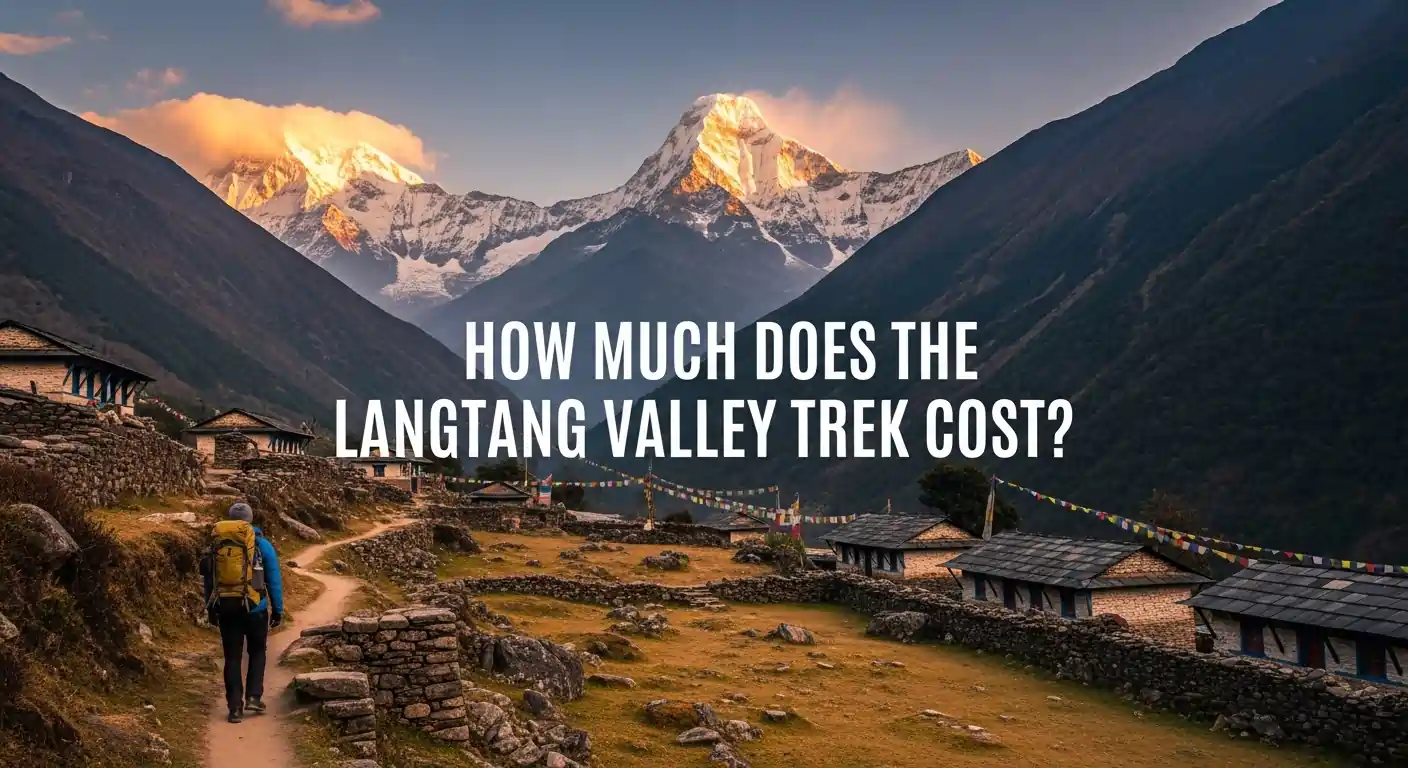
The Langtang Valley trek cost typically ranges from $600 to $900 per person for a standard 7-to-10-day itinerary, making it one of the most budget-friendly high-altitude adventures in Nepal. Unlike the Everest region, which requires expensive domestic flights to Lukla, Langtang is accessible via a more affordable ground transport journey from Kathmandu to Syabrubesi. This lower barrier to entry, combined with moderate permit fees and competitive teahouse pricing, allows trekkers to experience the “Valley of Glaciers” without the premium price tag of more commercialized routes.
For the 2026 season, your total langtang valley trek cost will be influenced by whether you choose an independent approach or a fully guided package. While a solo trekker can manage on a leaner budget of approximately $40-$50 per day, a guided expedition with a reputable company like Marvel Treks provides comprehensive support, including private transport, professional guides, and all-inclusive meals, ensuring a higher standard of safety and comfort. Understanding the breakdown of permits, transport, and daily living expenses is the first step in planning your Langtang Valley Trek.
Langtang Valley Trek Cost in 2026
In 2026, the Langtang Valley trek cost remains one of the most accessible options for high-altitude hikers, with inflation having a minimal impact compared to the Everest region. While base costs for permits and local transport have seen slight adjustments, the lack of mandatory domestic flights keeps the overall price point significantly lower. Whether you are counting every rupee as an independent backpacker or seeking the curated comfort of a guided agency, the valley offers a high-value return on investment for your trekking dollar.
Average Langtang Valley Trek Cost (Independent Trek)
For the independent traveler, a budget of $35-$45 per day is sufficient to cover basic teahouse lodging and three standard meals. This “Budget Traveler” estimate assumes you are using local bus transport from Kathmandu to Syabrubesi and forgoing luxury items like bottled water or private attached bathrooms. If you prefer a “Mid-Range Comfort” style, budgeting $55-$70 per day allows for private rooms where available, occasional hot showers, and a more diverse menu selection. This self-managed approach is ideal for experienced trekkers who are comfortable navigating local logistics and permit checkpoints on their own.
Guided Langtang Valley Trek Package Cost
Opting for a guided package typically brings your total investment to between $650 and $950, depending on the level of service and group size. “Group Package Pricing” is the most economical way to secure a professional guide and porter, as the costs of transportation and staff are shared among participants. For those desiring a “Private Guide Pricing” structure, you can expect to pay a premium for a dedicated expert who tailors the pace to your personal fitness and interests. Companies like Marvel Treks include all ground transfers, permits, and porterage in these rates, providing a stress-free experience from your arrival in Kathmandu to your final trek back to Syabrubesi.
What Is Included in the Langtang Valley Trek Cost?
The total Langtang Valley trek cost includes your mandatory national park permits, local ground transportation, mountain accommodation, and three daily meals. For independent trekkers, these are pay-as-you-go expenses that vary based on your personal comfort choices, while guided packages typically bundle all these costs into a single upfront fee. Regardless of your trekking style, you must also account for optional costs such as hot showers, device charging, and gear rentals, which can add approximately $10-$15 to your daily expenditure as you ascend to higher elevations.
Permits and Entry Fees
To legally enter the region, you must pay for a Langtang National Park entry permit, which currently costs approximately $25 (NPR 3,000) for foreigners. While the TIMS card (Trekkers’ Information Management System) was historically required, the 2026 regulations favor the integrated digital e-TIMS system, which is often managed by your guide or agency to ensure trekker tracking and safety. These permits are essential for conservation efforts and trail maintenance, and they are checked at several military and police outposts along the route from Syabrubesi to Kyanjin Gompa.
Accommodation and Teahouse Costs
Accommodation in the Langtang Valley is surprisingly affordable, with average nightly rates for a basic twin-sharing room ranging from $5 to $10. During the peak spring and autumn months, you may find that some teahouses increase their prices or require you to eat all meals at their establishment to maintain these low room rates. In the off-season, there is more room for negotiation and flexibility, though many higher-altitude lodges may close during the deep winter, reducing your options near the Kyanjin Ri and Tserko Ri viewpoints.
Food and Daily Meal Expenses
A daily budget of $25 to $35 is sufficient to cover three substantial meals and basic snacks while on the Langtang trail. Typical meal pricing reflects the cost of manual labor and transport; a plate of Dal Bhat (the traditional staple) remains the most cost-effective and filling option, costing between $6 and $10 depending on your elevation. As you climb higher, the price of eggs, meat, and processed snacks increases due to the reliance on porters and mules to stock the remote teahouses, making it wise to carry some lightweight high-energy bars from Kathmandu to keep your langtang valley trek cost under control.
Transportation Costs for Langtang Valley Trek
Getting to the trailhead is a major component of the Langtang Valley trek cost, as you must travel roughly 122 kilometers from Kathmandu to Syabrubesi. Unlike the Everest region, where you pay for expensive flights, Langtang is reached via a rugged road journey that takes between 7 and 10 hours depending on the vehicle and traffic. Your choice between a local bus or a private jeep will be the biggest factor in determining your transportation budget for the start and end of the trek.
Kathmandu to Syabrubesi Transport Cost
A local bus from Kathmandu’s Machha Pokhari station costs approximately $8 to $10 (NPR 1,000-1,200), offering the most budget-friendly way to reach the valley. However, many trekkers opt for a private jeep, which costs between $150 and $200 per vehicle, providing a significantly faster and more comfortable ride for groups of up to seven people. The price of a private jeep is usually split among the passengers, making it a mid-range option if you can find fellow trekkers to share the cost. Choosing the right transport is a balance between saving money and arriving at the trailhead with enough energy to start your hike the next morning.
Return Travel Expenses
For the return journey from Syabrubesi to Kathmandu, shared jeeps are a popular middle ground, typically costing between $15 and $20 per seat. These vehicles depart throughout the morning and are much faster than the local bus, often shaving two hours off the travel time back to the city. It is important to note that road conditions, especially during the post-monsoon or winter months, can impact prices if detours or repairs are required along the Trishuli River road.
Guide and Porter Cost for Langtang Valley Trek
Hiring a guide or porter is a significant yet valuable addition to your Langtang Valley trek cost, providing both safety and physical relief on the trail. While the region is accessible, having a professional ensures you navigate the post-earthquake terrain correctly and manage altitude symptoms effectively. These costs directly support the local mountain economy and ensure you have a first responder available for any unexpected challenges.
Do You Need a Guide for Langtang Valley?
Under current 2026 Nepal trekking regulations, a licensed guide is technically mandatory for foreign trekkers in national parks to enhance safety and tracking. While enforcement can vary, having a guide is a major safety consideration, especially if you are trekking alone or in the off-season when trails are less populated. They provide essential navigation through the landslide-prone areas near Ghodatabela and offer deep cultural insights into the local Tamang traditions.
Daily Guide and Porter Rates
A licensed trekking guide in the Langtang region typically costs between $30 and $40 per day, which includes their salary, food, and insurance. Hiring a porter generally costs $20 to $25 per day, and they can carry up to 20kg of your gear, allowing you to hike with just a small daypack. When budgeting, remember that it is customary to provide a tip (usually 15-20% of the total wage) at the end of the journey as a gesture of appreciation for their hard work.
Hidden Costs of the Langtang Valley Trek
While the headline figures for permits and food are easy to track, your actual Langtang Valley trek cost will often include several “hidden” expenses that can quickly add up. These miscellaneous charges for connectivity, hygiene, and emergency preparedness are essential for a comfortable journey but are rarely included in basic teahouse rates.
- Emergency Evacuation Insurance: You must have travel insurance that specifically covers helicopter rescue up to 5,000 meters; a private evacuation without insurance can cost upwards of $2,500.
- Connectivity & Power: Expect to pay between $2 and $5 per device for solar charging at higher teahouses, and roughly $3 to $7 for a 24-hour “Everest Link” or local WiFi voucher.
- Gear Preparation: If you don’t own high-quality boots or a -10°C sleeping bag, renting these in Kathmandu will cost $1 to $3 per item, per day.
- Hygiene and Comfort: Hot showers are a luxury at high altitudes, usually costing $3 to $5 per person, while extra blankets or space heaters in common areas may carry a small fee.
- Personal Treats and Tips: Costs for luxury items like alcohol, specialty coffees, and the customary 15-20% tip for your guide and porter are often overlooked in initial budget planning.
Langtang Valley Trek Cost Per Day Breakdown
Understanding your daily expenditure helps in managing your cash flow, as there are no reliable ATMs once you leave Kathmandu. Your daily budget will fluctuate depending on your elevation, prices for food and services increase as you move further from the road-head at Syabrubesi, and the level of personal comfort you require during the 7-to-10-day journey.
| Expense Category | Budget Backpacker (Daily) | Mid-Range Trekker (Daily) | Fully Guided Trek (Daily) |
| Accommodation | $5 – $7 (Basic Twin Room) | $10 – $15 (Better Views/Ensuite) | Included in Package |
| Meals (3x daily) | $20 – $25 (Dal Bhat focus) | $30 – $40 (Varied Menu) | Included in Package |
| Tea/Coffee/Water | $3 – $5 | $6 – $10 | Included in Package |
| Charging & WiFi | $0 (Powerbank focus) | $5 – $8 | Often Included |
| Guide & Porter | None | None | Included in Package |
| Miscellaneous/Tips | $2 – $3 | $5 – $10 | $15 – $25 (Tipping) |
| Total Daily Cost | $30 – $40 | $56 – $83 | $85 – $120 |
How Does Langtang Valley Trek Cost Compare to Other Nepal Treks?
When evaluating the Langtang Valley trek cost against Nepal’s other iconic routes, it consistently ranks as the most cost-effective high-altitude trek due to the lack of expensive domestic airfare. While the Everest Base Camp (EBC) trek is burdened by the high cost of flights to Lukla and the Annapurna Base Camp (ABC) trek involves significant road travel and permit fees, Langtang offers a more direct and affordable gateway to the Himalayas. This makes it the premier choice for trekkers who want an 8,000m peak backdrop without the premium 8,000m price tag.
| Trekking Route | Average Duration | Transport Cost | Permit Costs | Total Est. Cost (Guided) |
| Langtang Valley | 7–10 Days | $20 (Local Bus) | $25 | $600 – $950 |
| Annapurna Base Camp | 10–12 Days | $30 (Bus/Jeep) | $50 | $800 – $1,100 |
| Everest Base Camp | 12–16 Days | $440 (Flight) | $50 | $1,200 – $1,800 |
| Manaslu Circuit | 14–18 Days | $40 (Jeep) | $170+ (Restricted) | $1,300 – $1,600 |
When Is the Cheapest Time to Do the Langtang Valley Trek?
The cheapest time to do the Langtang Valley trek is during the winter (December to February) and monsoon (June to August) off-seasons, when teahouse rates are at their lowest and guides are often willing to negotiate their daily fees. During these periods, the lack of crowds allows for significant flexibility in your daily budget, with many lodges offering free or heavily discounted rooms if you purchase your meals at their place. However, these savings come with the logistical challenge of extreme cold or heavy rains, think of it as the “clearance rack” price for the Himalayas, making it a choice for those who value solitude and savings over the predictably perfect weather found during the best season for trekking in Nepal.
Peak Season Pricing (Spring & Autumn)
During the peak months of March to May and September to November, the Langtang Valley trek cost is at its highest due to high demand for teahouses and transport. Room rates are non-negotiable and often double in price compared to the off-season, and many popular lodges in Kyanjin Gompa and Langtang Village can reach full capacity weeks in advance. Guides and porters are also in high demand, meaning their daily rates remain firm at the top of the market range. While this is the most expensive time to trek, the clear skies and blooming rhododendrons provide the classic Himalayan experience that most travelers are looking for.
Off-Season Discounts (Winter & Monsoon)
In the winter and monsoon months, you can often save 20% to 30% on your total langtang valley trek cost by taking advantage of decreased occupancy and surplus staff availability. Teahouse owners are eager for business and will frequently waive room fees entirely if you commit to eating your breakfast and dinner at their lodge. Local transport, such as shared jeeps from Syabrubesi, may also be slightly more affordable as the volume of domestic and international travelers drops. If you have the right gear for sub-zero temperatures or heavy rain, these months offer a rare opportunity to see the valley in its most raw and affordable state.
Trade-Off Between Cost and Weather
Choosing the cheapest time to trek requires a careful trade-off between financial savings and the increased risks of weather-related delays or closures. Winter trekking offers crystal-clear views but requires heavy investment in specialized cold-weather gear and carries the risk of heavy snow blocking the Tserko Ri or Kyanjin Ri viewpoints. Conversely, the monsoon season is the most affordable of all, but frequent landslides can block the road to Syabrubesi, and clouds often obscure the mountain views you traveled so far to see. For most budget-conscious trekkers, the “shoulder months” of early December or late February offer the best balance of lower costs and manageable weather.
Tips to Reduce Your Langtang Valley Trek Cost
Reducing your Langtang Valley trek cost is largely about making strategic choices regarding group size, gear procurement, and self-reliance before you even hit the trail. By optimizing your logistical planning in Kathmandu, you can enjoy the “Valley of Glaciers” for a fraction of the price of an all-inclusive luxury tour.
- Trek in a Small Group: Splitting the cost of a private jeep ($150-$200) and the daily wages of a guide or porter across 3-4 people significantly lowers your per-person transportation and staffing overhead.
- Rent Instead of Buy: High-quality down jackets and -20°C sleeping bags can be rented in Kathmandu for just $1-$3 per day, saving you hundreds of dollars on specialized gear you might only use once.
- Carry a Portable Solar Charger: Avoid the cumulative “hidden” fees of $2-$5 for device charging at teahouses by using your own solar bank to keep your phone and camera powered up for free.
- Stock Up on Snacks in Kathmandu: Prices for chocolate bars, nuts, and high-energy snacks can triple in higher villages like Kyanjin Gompa; buying your trail snacks in bulk before leaving the city is a simple way to save.
- Drink Treated Water: Save $2-$4 per day by using water purification tablets or a Filtered water bottle instead of purchasing expensive bottled water, which also helps reduce plastic waste in the National Park.
- Eat the “Trekker’s Fuel”: Sticking to Dal Bhat is not only the most culturally authentic experience but also the most cost-effective, as it is often the cheapest meal on the menu and comes with free refills.
Conclusion
The Langtang Valley trek cost offers perhaps the highest reward-to-investment ratio of any trail in Nepal, combining accessibility with world-class Himalayan scenery. Whether you choose to trek independently for maximum savings or opt for the security and expertise of a guided package, the “Valley of Glaciers” delivers an experience that rivals the more expensive Everest and Annapurna routes. By understanding the daily expenses, permit requirements, and seasonal pricing shifts, you can tailor this journey to fit your personal budget without compromising on safety or the quality of your adventure.
Ultimately, the money spent on a Langtang trek is an investment in supporting the local Tamang communities and preserving one of Nepal’s most beautiful national parks. From the cultural heart of Kyanjin Gompa to the panoramic views atop Tserko Ri, the value of this trek far exceeds the numerical breakdown of your daily budget. Pack smart, choose the right season, and get ready to witness the resilient beauty of Langtang.
Ready to explore the Valley of Glaciers without the stress of planning every detail? Marvel Treks is here to guide you through every step of your Langtang journey. From seamless Kathmandu-to-Syabrubesi transport to expert local guides who know every hidden viewpoint, we make your adventure safe, affordable, and unforgettable.
FAQS
Is Langtang Valley trek cheaper than Everest Base Camp?
Yes, it is significantly cheaper as you avoid expensive Lukla flights and higher mountain food prices.
Are there any ATMs on the Langtang Valley trek?
No, there are no ATMs past Syabrubesi; you must carry enough Nepalese Rupees for your entire journey.
Is a guide mandatory for Langtang in 2026?
Yes, current regulations require all foreign trekkers to hire a licensed guide for safety in national parks.
How much should I tip my guide and porter?
Tipping around 15% to 20% of their total daily wage is the standard gesture of appreciation.
Can I use US dollars for payments on the trail?
No, teahouses and local shops only accept Nepalese Rupees for all meals, accommodation, and miscellaneous services.
Does the trek cost include travel insurance?
No, you must purchase independent insurance that specifically covers high-altitude trekking and emergency helicopter evacuations.
How much does a hot shower cost in Langtang?
Hot showers usually cost between $3 and $5, as they require gas or wood heating at high altitudes.
Is drinking water expensive on the trail?
Bottled water is pricey; save money by using purification tablets or filters with local tap water instead.

Ready for your next Himalayan adventure?
Plan Your Next Big Adventure with Us
Explore Our AdventuresJoin our expert-guided journeys across Nepal and beyond, from classic trails to epic summits.