
Best Solo Trekking in Nepal: A Complete Guide for Independent Trekkers
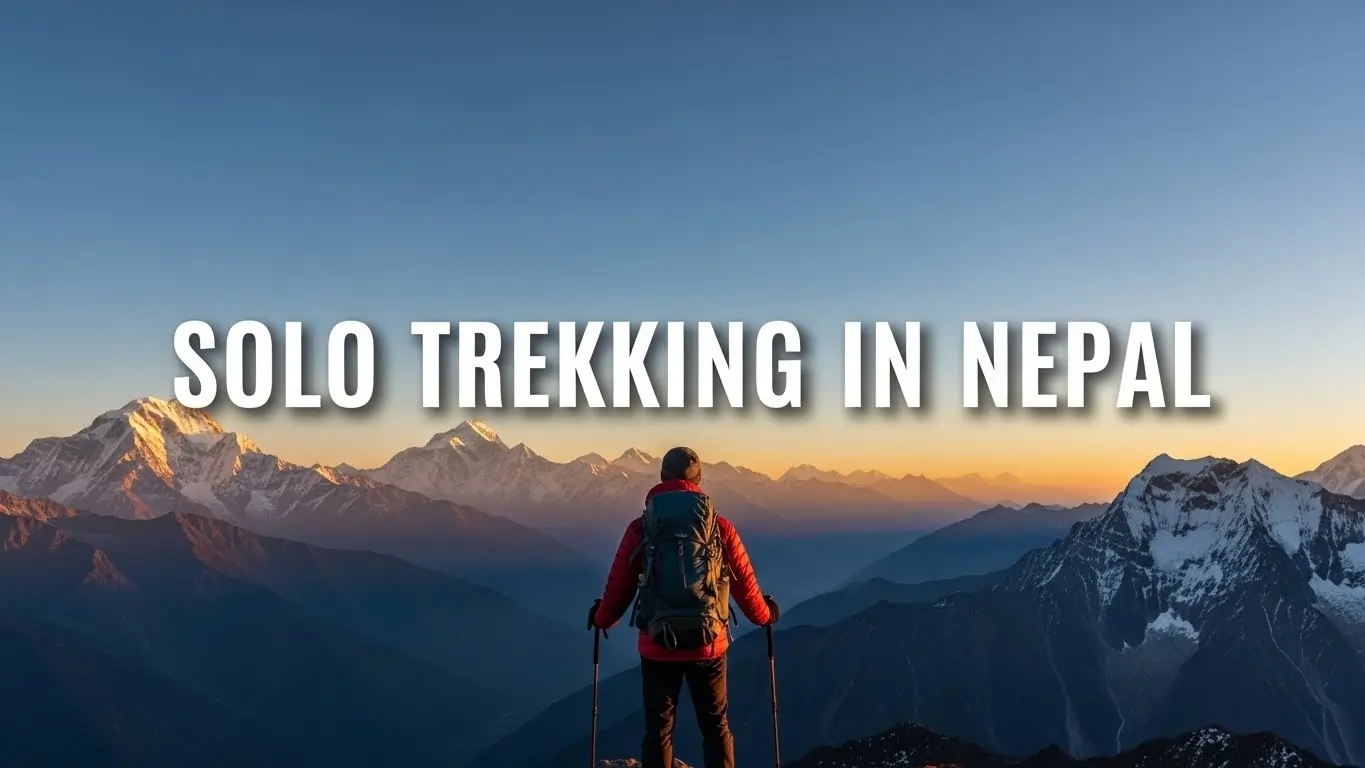
Is trekking alone through the Himalayas a dream you’ve always wanted to experience? Trekking in Nepal offers unmatched freedom, self-discovery, and a deep connection with nature, making it a perfect choice for independent travelers. From peaceful mountain trails to welcoming local villages, Nepal provides diverse trekking routes that are safe, scenic, and rewarding for solo adventurers seeking both challenge and serenity.
In this blog, solo trekking in Nepal is explored in detail to help independent trekkers plan confidently and responsibly. You’ll learn about the best solo-friendly trekking routes, safety tips, permits, and accommodation options. Additionally, we provide ideal seasons and practical preparation advice to ensure a memorable and hassle-free experience while pursuing adventure trekking in Nepal.
Introduction to Solo Trekking in Nepal
Solo trekking in Nepal attracts global travelers because it offers a rare blend of adventure, cultural immersion, and personal freedom. With well-marked trails, friendly locals, teahouse accommodation, and breathtaking Himalayan scenery, Nepal is considered one of the safest and most accessible destinations for solo trekkers. From popular regions like Annapurna to quieter routes in Langtang and Helambu, solo trekking in Nepal allows travelers to explore at their own pace without feeling isolated.
The freedom and flexibility of trekking alone encourage deep self-discovery, making the journey as mental as it is physical. Solo trekking in Nepal is ideal for confident beginners, experienced hikers, digital nomads, and travelers seeking solitude, reflection, or a sense of independence. However, it best suits trekkers who are physically prepared, comfortable with decision-making, and respectful of local culture, weather conditions, and safety guidelines.
Is Solo Trekking in Nepal Allowed?
Yes, solo trekking in Nepal is allowed, but with specific conditions based on trekking regions and government regulations. As of recent rules, solo trekkers can hike independently in many popular and non-restricted areas, provided they obtain the required permits. However, Nepal has introduced regulations emphasizing safety, which means some regions now require trekkers to be accompanied by a licensed guide.
Current trekking rules and regulations in Nepal
Nepal’s trekking regulations focus on trekker safety, trail management, and emergency response. Trekkers must carry valid permits such as TIMS or regional entry permits depending on the area. Authorities strongly recommend hiring guides for high-altitude and remote treks. Rules may change seasonally, so checking updated government guidelines before trekking is essential.
Restricted vs non-restricted trekking areas
Restricted areas like Upper Mustang, Manaslu, Nar Phu, and Upper Dolpo do not allow solo trekking and legally require a registered guide and minimum group size. Non-restricted regions such as Annapurna, Langtang, Everest, Helambu, and Ghorepani are generally open for solo trekkers. These routes have better infrastructure, signage, and frequent teahouses, making them safer for independent travel.
When guides are mandatory and when are they optional?
Guides are mandatory in restricted regions and for special permits due to remoteness and safety concerns. In non-restricted areas, hiring a guide is optional but highly recommended for first-time trekkers or during off-seasons. Solo trekkers with prior high-altitude experience can trek independently on popular routes. However, having a guide enhances safety, cultural understanding, and emergency support.
Best Solo Trekking Routes in Nepal
Nepal offers several well-established trekking routes that are ideal for independent travelers. These trails are known for clear navigation, regular teahouses, and strong local support systems. For solo trekking in Nepal, choosing routes with good infrastructure and moderate difficulty is key to safety and enjoyment. Below are some of the best solo trekking routes in Nepal, suitable for both beginners and experienced solo trekkers.
Ghorepani Poon Hill Trek
The Ghorepani Poon Hill Trek is one of the safest and most beginner-friendly options for solo trekking in Nepal. The trail is short, well-marked, and passes through lively villages with frequent teahouses. Navigation is straightforward, making it easy for first-time solo trekkers to follow without confusion. The route has excellent accommodation options, even during peak seasons. The famous Poon Hill viewpoint offers stunning sunrise views of Annapurna and Dhaulagiri ranges. Due to high foot traffic, solo trekkers rarely feel isolated on this trek. This route is ideal for testing confidence before attempting longer solo treks in Nepal.
Langtang Valley Trek
Langtang Valley Trek is ideal for solo trekkers seeking a balance of accessibility and mountain scenery. Located close to Kathmandu, it reduces travel complexity and logistical challenges. The trail is well-defined and regularly used by trekkers and locals alike. Solo trekkers can enjoy Tamang culture, monasteries, and traditional villages along the route. The trek offers impressive views of Langtang Lirung and surrounding peaks. Reliable teahouses and friendly locals make solo travel comfortable and safe. It is a great choice for solo trekkers wanting cultural depth without extreme remoteness.
Annapurna Base Camp Trek
The Annapurna Base Camp Trek is a highly popular solo trekking route in Nepal due to its excellent infrastructure. The trail is wide, clearly marked, and supported by numerous teahouses and lodges. Solo trekkers benefit from consistent mobile network coverage in many sections. The route is considered safe, with frequent trekkers and guides present year-round. The journey offers diverse landscapes, from subtropical forests to alpine terrain. Reaching Annapurna Base Camp provides a rewarding sense of achievement for solo adventurers. This trek suits solo trekkers who prefer social trails with reliable support.
Explore Annapurna Base Camp Trek
Mardi Himal Trek
Mardi Himal Trek is perfect for solo trekkers who want a quieter and less commercialized experience. Although less crowded than Annapurna Base Camp, the trail is still well-maintained and safe. Navigation is manageable, especially with updated maps and signage. The trek offers close-up views of Machapuchare and Annapurna South. Teahouses are fewer but adequate, adding to the peaceful atmosphere. This route is ideal for experienced solo trekkers seeking solitude without extreme risk. It is best suited for those confident in basic navigation and independent decision-making.
Helambu Trek
Helambu Trek is a low-altitude, beginner-friendly route suitable for solo trekking in Nepal. The trek starts close to Kathmandu, making it easy to access and plan independently. Trails pass through Sherpa and Tamang villages known for warm hospitality. Accommodation is simple but reliable, with homestays offering cultural immersion. The lower elevation minimizes the risk of altitude sickness. Scenic views of rolling hills and Himalayan peaks make Helambu an excellent solo trekking choice. This trek is ideal for beginners who want a safe introduction to solo trekking in Nepal.
What Is the Safest Solo Trekking Route in Nepal?
The Ghorepani Poon Hill Trek is the safest solo trekking route in Nepal because it has excellent trail infrastructure, frequent teahouses, strong mobile connectivity, and heavy foot traffic throughout the year. The route is well-marked and close to major villages, reducing the risk of getting lost or isolated. Easy access to emergency support and short daily walking distances make it ideal for solo trekkers. Its moderate altitude also minimizes the risk of altitude-related issues.
Safety Factors to Consider While Trekking Solo
When trekking solo in Nepal, safety depends on clear trail markings, availability of accommodation, and regular human presence. Mobile network coverage and access to charging facilities are important for communication. Weather stability and lower avalanche or landslide risk also improve safety. Trekker-friendly villages and supportive local communities add an extra layer of security. Choosing routes with reliable rescue access is crucial for solo travelers.
Best Routes with Strong Infrastructure and Connectivity
Routes like Ghorepani Poon Hill, Annapurna Base Camp, and Langtang Valley have strong trekking infrastructure. These trails offer frequent teahouses, consistent food availability, and reliable water sources. Mobile and internet connectivity are available in many sections. Regular movement of trekkers and guides ensures help is usually nearby. These routes are well-managed and supported by local tourism systems.
Risk Comparison Between Popular Trekking Regions
Annapurna and Langtang regions are generally safer for solo trekkers due to better roads, rescue access, and denser settlements. Everest region is safe but logistically demanding and more expensive. Remote regions like Upper Dolpo or Kanchenjunga carry higher risks due to isolation and limited services. For solo trekking in Nepal, choosing popular regions significantly reduces safety concerns while maintaining a rewarding experience.
Why Choose Solo Trekking in Nepal?
Choose solo trekking in Nepal because it offers unmatched freedom, deeper cultural connection, and the ability to explore the Himalayas entirely on your own terms. You can design your itinerary without group pressure, walk at a pace that suits your body, and make spontaneous decisions along the trail. Solo trekking also encourages self-reliance and personal growth while still being safe on well-established routes. For independent travelers, Nepal is one of the most solo-trekker-friendly countries in the world.
Cultural Immersion and Local Interaction
Solo trekking allows more meaningful interaction with local communities compared to group treks. You are more approachable as an individual, which often leads to conversations with teahouse owners, villagers, and fellow trekkers. Staying in family-run lodges helps you experience authentic Nepali hospitality and local food. You can visit monasteries, schools, and villages without rushing. This deeper cultural exposure makes the journey more personal and memorable.
Flexible Itinerary and Personal Pace
One of the biggest advantages of solo trekking is complete control over your schedule. You can start early or late, take rest days when needed, or extend your trek if you enjoy a location. There is no pressure to match a group’s speed or itinerary. You can spend extra time acclimatizing, photography, or enjoying viewpoints. This flexibility improves comfort, safety, and overall trekking satisfaction.
Cost Benefits of Solo Trekking
Solo trekking in Nepal can be more budget-friendly than guided group treks. You save money on guide and porter fees, agency commissions, and fixed group packages. You can choose accommodation and meals based on your budget. Transportation and daily expenses are easier to control independently. For long-term travelers, solo trekking significantly reduces overall trekking costs.
Best Time for Solo Trekking in Nepal
The best time for solo trekking in Nepal is during spring (March–May) and autumn (September–November) when weather is stable, trails are safe, and mountain views are clear. These seasons provide ideal temperatures, minimal rainfall, and good visibility, making navigation easier for independent trekkers. Solo trekkers benefit from reliable accommodation and teahouse availability during these periods. Avoiding monsoon and harsh winter months ensures safer conditions during the best season for trekking in Nepal.
Spring Season for Solo Trekking
Spring offers mild temperatures, blooming rhododendron forests, and clear mountain panoramas. Trails are generally dry and accessible, reducing risks of landslides or slippery paths. Solo trekkers can enjoy fewer crowds compared to the autumn peak. Wildlife activity is higher, adding a natural experience to the trek. Spring also allows safe acclimatization at moderate altitudes. Visibility of peaks like Annapurna, Machapuchare, and Langtang is exceptional during this season.
Autumn Season for Solo Trekking
Autumn is considered the peak trekking season in Nepal due to stable weather and excellent trail conditions. Clear skies provide uninterrupted views of the Himalayan range. This season ensures well-maintained trails and fully operational teahouses, which is crucial for solo trekkers. Crowds can be larger, but infrastructure support makes solo travel safer. Autumn also offers pleasant temperatures for daytime trekking and comfortable nights at lodges. Solo trekkers can take advantage of festival seasons for cultural experiences along the route.
Can You Trek Solo in Monsoon or Winter?
Yes, but monsoon (June-August) and winter (December-February) trekking comes with significant challenges. Monsoon trails are slippery, prone to landslides, and heavy rain can disrupt schedules. Winter trails may have snow and ice, increasing difficulty and risk of frostbite or altitude-related issues. Accommodation can be limited, and fewer trekkers around reduce immediate assistance. Only highly experienced solo trekkers with proper gear should attempt treks in these seasons.
Solo Trekking Difficulty Levels in Nepal
Solo trekking in Nepal offers routes ranging from easy day-hikes to challenging multi-day treks at higher altitudes. Difficulty depends on trail length, elevation gain, terrain type, and weather conditions. Independent trekkers should assess their physical fitness, prior trekking experience, and comfort with navigation before choosing a route. Nepal provides options suitable for beginners as well as experienced trekkers seeking solitude and adventure. Proper planning ensures a safe and enjoyable solo trekking experience.
Easy vs Moderate Solo Trekking Routes
Easy routes, like Ghorepani Poon Hill or Helambu, have well-marked trails, short daily distances, and low altitude. Moderate routes, such as Annapurna Base Camp or Langtang Valley, involve longer trekking days, higher elevation, and more rugged terrain. Easy trails allow solo trekkers to explore with minimal risk, while moderate routes require stamina, acclimatization, and good navigation skills. Choosing the right difficulty level helps prevent fatigue, altitude sickness, and other trekking hazards. These distinctions help solo trekkers plan according to their abilities.
Fitness and Altitude Considerations
Solo trekkers must consider physical fitness, endurance, and ability to handle moderate to high altitudes. Even moderate treks can be exhausting without prior preparation. Altitude affects oxygen levels, energy, and acclimatization speed. Proper conditioning, cardio, and strength training improve trekking performance. Understanding personal limits helps solo trekkers avoid injury, illness, or early exhaustion during multi-day treks. Trekking in suitable seasons also reduces weather-related strain.
Matching Routes with Experience Level
Selecting a trekking route should align with prior trekking experience and comfort with independent travel. Beginners should stick to low-altitude, well-supported trails. Intermediate or experienced solo trekkers can attempt longer routes with moderate difficulty and higher altitudes. Knowledge of terrain, trail conditions, and weather patterns is essential for solo planning. Matching experience to route ensures safety, confidence, and a more rewarding trekking experience in Nepal.
Permits Required for Solo Trekking in Nepal
Solo trekking in Nepal requires specific permits to ensure safety, legal compliance, and conservation of trekking regions. The most common is the TIMS (Trekkers’ Information Management System) card, which helps authorities track trekkers. Depending on the trekking region, additional permits may be required for national parks, conservation areas, or restricted zones. Understanding trekking rules in Nepal before departure is essential for a smooth solo trekking experience and avoiding fines or denied entry.
TIMS Card Requirements
All solo trekkers must obtain a TIMS card, issued at trekking agencies or Nepal Tourism Board offices. The card includes personal details, emergency contacts, and trekking route information. Solo trekkers should carry it throughout the trek as checkpoints often request verification. TIMS helps in rescue operations and ensures authorities know who is on the trail. This card is mandatory for most trekking regions, including Annapurna, Langtang, and Helambu.
National Park and Conservation Permits
Trekking in protected areas like Annapurna Conservation Area (ACAP) or Sagarmatha National Park requires additional permits. These permits contribute to conservation efforts and local community development. Solo trekkers need to show valid identification and pay a nominal fee at park entry points. Some regions have special restrictions, such as Upper Mustang or Manaslu, requiring separate permissions. Carrying the correct permits ensures legal compliance and protects Nepal’s fragile ecosystems.
Cost and Permit Process for Solo Trekkers
Permit costs vary by region and duration of trekking. TIMS cards typically cost around $10-20, while conservation or national park permits range from $20-40. Solo trekkers can obtain permits through local agencies, trekking offices in Kathmandu or Pokhara, or at park entry points. Early preparation and understanding the process save time and prevent issues on the trail. Most agencies also assist solo trekkers in completing paperwork efficiently.
Packing List for Solo Trekking in Nepal
Packing smartly is crucial for solo trekking in Nepal to ensure safety, comfort, and mobility. Essential items include proper clothing for changing weather, sturdy trekking shoes, and gear for sleeping and hydration. Solo trekkers also need safety and navigation tools, along with lightweight packing strategies to reduce load. Preparing in advance minimizes risks, prevents unnecessary weight, and allows for a more enjoyable trekking experience.
Essential Trekking Gear
Include layered clothing suitable for varying temperatures, a waterproof jacket, trekking boots, thermal socks, gloves, and hats. Carry a sleeping bag, headlamp, water bottles, and a basic first-aid kit. Sunglasses, sunscreen, and trekking poles improve comfort and safety. Solo trekkers should also have a small backpack for day hikes. Choosing durable, multi-purpose gear ensures long-lasting reliability on the trail.
Safety and Navigation Tools
Solo trekkers must carry a detailed map, compass, and GPS device. Mobile phones with offline maps and emergency contacts are essential. Whistles, trekking poles, and trekking insurance documents add extra safety. Knowledge of local routes and trail markers reduces the risk of getting lost. Adequate preparation helps manage unexpected situations like weather changes or minor injuries effectively.
Lightweight Packing Tips for Solo Trekkers
Focus on multi-functional gear and avoid overpacking. Choose compact, quick-drying clothing and gear. Limit heavy items like books or large electronics. Use travel-sized toiletries and pack essentials in waterproof bags. Distributing weight evenly and keeping the backpack under 12-14 kg ensures easier mobility and reduces fatigue on multi-day treks. This approach enhances efficiency and comfort for independent trekkers.
Solo Trekking vs Guided Trekking in Nepal
Solo trekking in Nepal offers freedom, flexibility, and a personal adventure experience, while guided trekking provides structured itineraries, local expertise, and safety support. Choosing between them depends on experience level, comfort with navigation, and personal preference for independence or support. Cost, safety, and cultural immersion also influence the decision for solo or guided treks.
| Aspect | Solo Trekking | Guided Trekking |
| Freedom & Flexibility | Full control over itinerary, pace, and stops. | Fixed schedule and group pace; less personal flexibility. |
| Safety & Support | Requires self-reliance; minimal on-trail assistance. | Experienced guide, porter support, and rescue planning included. |
| Cost | Lower cost as no guide or porter fees. | Higher cost due to guide, porter, and agency fees. |
| Cultural Interaction | More personal engagement with locals; can explore offbeat areas. | Group interactions can limit intimate cultural experiences. |
| Navigation & Planning | Must plan routes, accommodation, and permits independently. | Agency handles logistics, permits, and trail knowledge. |
| Experience Level | Suitable for confident, experienced trekkers. | Ideal for beginners or those preferring structured support. |
Common Challenges of Solo Trekking in Nepal
Solo trekking in Nepal is rewarding but comes with unique challenges. Independent trekkers face risks related to navigation, altitude, weather, and self-sufficiency. Lack of immediate support and limited knowledge of local conditions can increase difficulty. Awareness and preparation help mitigate these challenges, ensuring a safer and more enjoyable journey.
- Navigation Difficulties: Trail markers may be unclear in remote regions; maps and GPS are essential.
- Altitude Sickness: Rapid ascent without proper acclimatization can cause headaches, nausea, or fatigue.
- Weather Variability: Sudden rain, snow, or temperature drops can affect trail safety.
- Limited Emergency Support: Medical or rescue services may be far away in remote areas.
- Carrying Supplies: Solo trekkers must manage all gear, food, and water themselves.
- Loneliness and Motivation: Solo trekking requires mental resilience for long, isolated days.
- Communication Barriers: Limited network coverage in high-altitude or rural regions.
Final Thoughts on Solo Trekking in Nepal
Solo trekking in Nepal offers a unique blend of adventure, freedom, and self-discovery. With breathtaking Himalayan views, cultural immersion, and flexible itineraries, independent trekking allows travelers to connect deeply with the landscape and local communities. However, it requires careful planning, physical fitness, and awareness of challenges such as altitude, weather, and navigation.
By choosing suitable routes, packing smartly, and understanding permit requirements, solo trekkers can enjoy a safe and rewarding experience. Nepal’s diverse trails, from beginner-friendly Helambu to Annapurna Base Camp, ensure options for all experience levels, making solo trekking an unforgettable journey for adventure enthusiasts.
Ready to start your journey? Discover more adventures with the best expedition and trekking company in Nepal and let our experts guide your path.
FAQs
Is solo trekking in Nepal safe?
Yes, solo trekking is safe with proper planning, acclimatization, and awareness of trails and weather conditions.
Do I need a guide for solo trekking in Nepal?
No, guides are optional on most popular trails, but recommended for beginners or remote regions.
Which is the easiest solo trekking route in Nepal?
Helambu Trek is beginner-friendly with short days, low altitude, and reliable accommodation for solo trekkers.
What permits are required for solo trekking in Nepal?
TIMS card is mandatory, plus conservation or national park permits depending on the trekking region.
When is the best time for solo trekking in Nepal?
Spring (March–May) and Autumn (September–November) offer clear skies, stable weather, and optimal trail conditions.
Can beginners trek solo in Nepal?
Yes, beginners can attempt easy routes like Helambu or Ghorepani with good preparation and planning.
How much does solo trekking in Nepal cost?
Costs vary from $300–$800 for short treks, depending on transport, accommodation, food, and permit fees.
Is solo trekking better than guided trekking in Nepal?
It depends on preference; solo offers freedom, guided ensures safety and logistical support for new trekkers.

Ready for your next Himalayan adventure?
Plan Your Next Big Adventure with Us
Explore Our AdventuresJoin our expert-guided journeys across Nepal and beyond, from classic trails to epic summits.