
Trekking in Nepal in March: Complete Guide
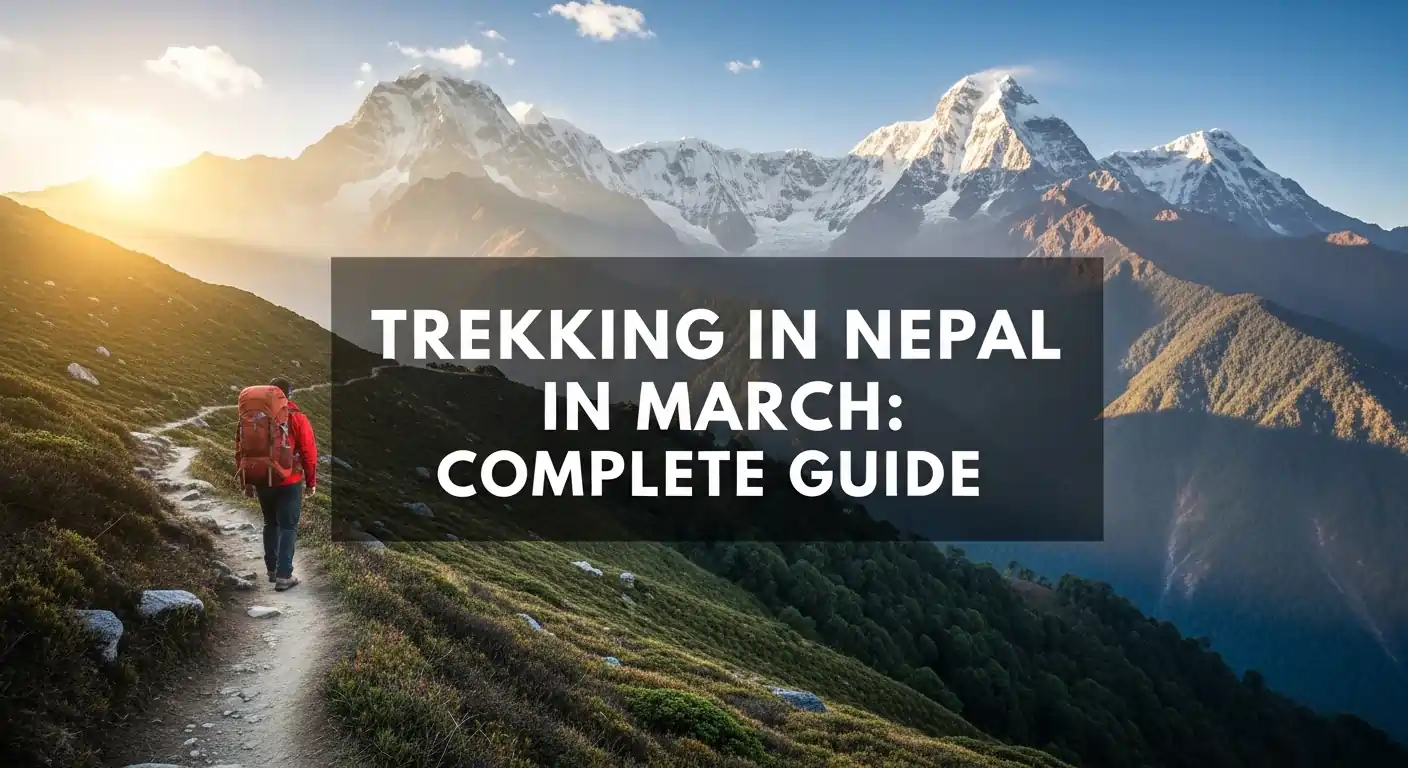
As the winter frost retreats and the rhododendrons begin to blush across the hillsides, trekking in Nepal in March transforms the Himalayas into a vibrant, high-altitude garden. This is the month of rebirth in the mountains, offering the perfect equilibrium between the crisp, clear skies of winter and the warming temperatures of spring. Whether you are aiming for the iconic base camps of Everest and Annapurna or seeking the cultural solitude of the Langtang Valley, March provides the ideal conditions for an unforgettable Himalayan odyssey.
In this comprehensive guide, we bring you everything you need to know about your Nepal trekking adventure. From the blooming flora and stable weather patterns to the best routes and essential gear, this blog is your roadmap to discovering the peaks in their most colorful season. Get ready to step into a world where the trails are waking up and the giants of the earth are bathed in the golden light of spring, making it the perfect window for trekking in Nepal for beginners.
Is March a Good Time for Trekking in Nepal?
Yes, trekking in Nepal in March is a good time because the winter chill begins to lift, paving the way for stable weather and clear Himalayan views. It is a season of transition where you can enjoy the rare beauty of blooming rhododendrons while avoiding the massive crowds of the peak autumn season.
- Ideal Temperatures: Daytime hiking is comfortably warm in the sun, while nighttime temperatures at higher altitudes remain cool but manageable with standard gear.
- Crystal-Clear Visibility: Mornings are typically clear and sharp, providing unobstructed panoramas of peaks like Everest and Annapurna before the afternoon spring haze develops.
- Vibrant Flora: The trails below 3,000 meters explode into color as the national flower, the rhododendron, begins its fiery red and pink bloom across the hillsides.
- Safer Trail Conditions: Most of the heavy winter snow has melted from the main routes, making high-altitude passes much safer and easier to navigate than in January or February.
- Moderate Crowd Density: March is the “sweet spot” of the spring season, offering fully operational teahouses and services without the congestion found in late April or October.
- Spring Climbing Vibe: You’ll share the trails with elite mountaineering teams arriving to prepare for their summit bids, adding a unique energy and excitement to the trekking hubs.
Related Topic: Trekking in Nepal in January
Nepal Weather in March: What to Expect
Weather in March is defined by a consistent warming trend, offering dry, stable days that are perfect for high-altitude trekking across the Himalayas. While the lower valleys begin to feel like early summer, with Kathmandu hitting a pleasant 25°C, the higher reaches maintain a crisp alpine chill, ensuring that the snow-capped giants remain frozen in their most photogenic state. This transition marks the start of the spring window, which many veterans consider the best season for trekking in Nepal.
Temperature by Region
In the Everest region, daytime temperatures at 4,000 meters typically hover between 5°C and 10°C, though the wind chill can make it feel much sharper. The Annapurna region tends to be slightly warmer, with the lower trails around Ghorepani reaching a balmy 15°C to 18°C during the sunny afternoons. Meanwhile, the Langtang Valley experiences a moderate climate, where the proximity to Kathmandu helps keep the valley floor comfortably warm for spring agriculture. Across all regions, the humidity remains low, which is the primary reason for the exceptional mountain visibility that defines the month of March.
Day vs Night Temperature Differences
The temperature “swing” in March is one of the most dramatic of the year, often shifting by more than 20°C within a single day. In the lower altitudes (below 2,500m), you can comfortably hike in a T-shirt as the sun beats down, while the nights remain cool enough for a light fleece. However, once you cross the 4,000-meter threshold, the departure of the sun triggers an immediate freeze, with nighttime temperatures frequently plunging to -10°C or -15°C. This extreme contrast requires trekkers to be disciplined with their layering, as “T-shirt weather” can turn into a sub-zero survival environment in a matter of minutes.
Rainfall and Visibility in March
March is historically one of the driest months in Nepal, making it a “prime time” for photographers seeking the deep blue skies and high-contrast peaks of the Himalayas. While the end of the month can occasionally see brief, localized pre-monsoon showers in the afternoons, these are usually short-lived and serve to clear the air of any rising dust. This period offers the most reliable window for clear mountain views before the spring haze becomes more prominent in April. Because the atmosphere is still relatively stable following winter, the panoramas from viewpoints like Kala Patthar or Gokyo Ri are often the sharpest you will see all year.
Why Choose Trekking in Nepal in March?
Choosing trekking in Nepal in March is a strategic decision because it offers the perfect “sweet spot” between the freezing winter and the crowded peak spring season. This month provides a rare combination of crisp alpine air, stable trekking conditions, and the breathtaking natural spectacle of the Himalayas waking up from their winter slumber, which is why many seasoned hikers recommend this window for adventure trekking in Nepal.
Rhododendron Blooming Season
March is the official start of the rhododendron season, where Nepal’s national flower blankets the hillsides in vibrant shades of red, pink, and white. As you trek through the sub-alpine forests of the Annapurna and Langtang regions, these “Lali Gurans” create a surreal, colorful contrast against the massive, snow-capped peaks in the distance.
Moderate Temperatures for Long Hiking Days
The weather in March is characterized by mild daytime temperatures that make for comfortable, sweat-free hiking during the 5 to 7 hours you spend on the trail daily. While the sun is intense enough to keep you warm in a light layer, it lacks the draining heat of late spring, allowing you to maintain a steady pace without the risk of heat exhaustion.
Fewer Crowds Compared to Peak April
While April is the busiest month of spring, March offers a more tranquil experience with significantly fewer trekkers competing for the best rooms in teahouses. You can enjoy iconic viewpoints like Poon Hill or Kala Patthar with a sense of peace and solitude, making your connection with the mountain landscape feel much more personal and profound.
Excellent Photography Conditions
For photographers, March provides the clearest high-altitude visibility of the year, as the winter winds have swept away much of the atmospheric haze and dust. The deep blue skies and high-contrast light of early spring allow for razor-sharp captures of Everest, Ama Dablam, and the Machhapuchhre, ensuring every shot looks like a professional postcard.
Best Treks for Trekking in Nepal in March
The best treks in Nepal in March are those that take full advantage of the warming southern slopes and the spectacular arrival of the spring rhododendron blooms. Whether you are seeking the high-altitude challenge of Everest or the floral-heavy trails of the Annapurna, March offers a diverse range of routes that are now fully accessible after the winter snows.
Everest Base Camp Trek in March
March is a premier month for Everest as the “climbing fever” begins to build at Base Camp, creating a vibrant atmosphere along the trail. You’ll benefit from exceptionally stable mornings with clear Himalayan panoramas of Lhotse and Nuptse before the spring clouds gather. While it’s still chilly at night in Gorak Shep, dropping to around -10°C, the daytime sun makes the hike through the Khumbu Valley perfectly comfortable, offering the ultimate conditions for an Everest base camp trek.
Annapurna Base Camp in March
Trekking to Annapurna Base Camp in March is like walking through a vertical garden, with the lower trails passing through dense, blooming rhododendron forests. The temperatures inside the “Annapurna Sanctuary” are moderate, providing a cozy environment compared to the mid-winter freeze. It is the ideal time to see the towering walls of Annapurna South and Machhapuchhre framed by vibrant spring colors.
Langtang Valley Trek in March
The Langtang Valley is one of the quieter trails in March, offering a peaceful cultural experience as the Tamang communities begin their spring preparations often visible in the lively monastery rituals and traditional village life. The valley’s southern exposure means it warms up quickly, making the hike to Kyanjin Gompa pleasant even for those sensitive to the cold, especially as daytime temperatures at mid-elevations hover comfortably between 5°C and 12°C. The views of Langtang Lirung remain sharp and clear, providing a massive reward for a relatively short Langtang valley trek.
Ghorepani Poon Hill Trek
This is widely considered the ideal short spring trek because the Ghorepani region boasts some of the largest rhododendron forests in the world. The sunrise mountain views from Poon Hill are legendary in March, as the fiery red blossoms in the foreground perfectly complement the golden light hitting the Dhaulagiri range. It’s a low-altitude, high-impact trek that is perfect for those looking for maximum beauty with minimum cold exposure.
Trekking in Nepal in March vs April: What’s the Difference?
While both months fall within the prime spring window, choosing between March and April comes down to your preference for cooler temperatures and solitude versus warmer weather and peak floral displays. March offers a crisper, “winter-is-ending” vibe with fewer trekkers on the trail, whereas April is the heart of the spring season where the mountains are at their most social and the weather is consistently balmy even at higher elevations.
| Feature | March (Early Spring) | April (Peak Spring) |
| Temperature | Crisper and cooler. Highs of 15°C in valleys; nights at high altitude can still hit -15°C. | Noticeably warmer. Valleys can reach 25°C; high-altitude nights are milder, usually -5°C to -10°C. |
| Crowd Levels | Moderate. You’ll find plenty of space in teahouses and quieter trails before the “April rush.” | High. This is the busiest spring month. Popular routes like EBC and Annapurna are at full capacity. |
| Flower Bloom | Beginning. Rhododendrons start blooming at lower elevations (2,000m–3,000m), offering a mix of snow and petals. | Peak. The forests are in full, vibrant explosion across almost all trekking altitudes below the treeline. |
| Visibility | Excellent. The air is dry and the “winter clear” remains, providing sharp, high-contrast mountain views. | Good but Hazier. Rising temperatures can create afternoon dust and pre-monsoon haze in the valleys. |
| Pricing | Standard. You may find more flexibility in teahouse rates and domestic flight availability. | Premium. Peak season pricing applies. Flights and top-tier lodges should be booked months in advance. |
| Climbing Vibe | Preparation. You’ll see expedition teams setting up camps and moving gear for the season ahead. | Action. Base camps are “tent cities” full of life, energy, and climbers waiting for their summit windows. |
How to Prepare for Trekking in Nepal in March?
Preparing for trekking in Nepal in March requires a focus on versatility, as you will encounter everything from warm, spring valleys to freezing, high-altitude mountain passes. Success depends on a combination of cardiovascular conditioning and a high-quality layering system that allows you to adapt to the dramatic 20°C temperature swings common during this transition month.
Physical Fitness Preparation
To enjoy the long daily ascents, you should focus on aerobic endurance and leg strength at least 2-3 months before your trip. Activities like stair climbing with a weighted pack, long-distance hiking, and consistent “zone 2” cardio will prepare your heart and lungs for the thinning air. This physical base ensures you can handle the technical terrain without reaching a point of total exhaustion.
Layered Clothing System
A multi-layered system is the only way to manage the shifting temperatures of March; you’ll need a moisture-wicking base, an insulating fleece, and a heavy down jacket for the sub-zero nights. This “on-and-off” approach allows you to strip down during the intense midday sun and quickly bundle up when the shadows hit the trail. High-quality Merino wool is particularly effective this month for its odor resistance and thermal regulation.
Gear for Variable Temperatures
Your gear list must account for both the dry, dusty lower trails and the potential for “old snow” on high-altitude passes. Essential items include polarized sunglasses to prevent snow blindness, high-SPF sunscreen for the intense Himalayan UV rays, and waterproof hiking boots with good traction. Carrying a pair of lightweight micro-spikes is also a smart move in March, as some shaded sections of the trail can remain icy well into the spring.
Booking Flights and Permits Early
As March marks the beginning of the high season, domestic flights to hubs like Lukla or Pokhara sell out weeks in advance, making early booking a logistical necessity. You should also ensure your trekking permits (like the TIMS card and National Park entries) are processed early to avoid delays in Kathmandu. Working with an agency like Marvel Treks ensures these permits are ready before you land, allowing you to hit the trail without bureaucratic hurdles.
What to Pack for Trekking in Nepal in March?
Packing for Nepal in March is all about mastering the art of layering to handle the significant temperature shifts between the warm valleys and the freezing high-altitude nights. Your kit must be versatile enough to keep you cool during sun-drenched afternoons while providing life-saving warmth when the sun dips below the Himalayan peaks.
Clothing Essentials
A robust layering system is your primary defense against the variable spring mountain climate, where you can experience “four seasons in a single day.” Your clothing needs to be moisture-wicking to prevent chills from sweat and windproof to protect you on exposed ridges and high passes.
- Down Jacket: A high-quality, 700+ fill power down jacket is mandatory for evenings and early morning starts when temperatures drop below freezing.
- Base Layers: Synthetic or Merino wool tops and bottoms are essential for regulating body temperature and keeping skin dry during strenuous climbs.
- Waterproof Outer Shell: A breathable Gore-Tex (or similar) jacket and trousers will protect you from the occasional pre-monsoon shower and biting winds.
Trekking Gear
High-altitude trekking requires specialized equipment that ensures both safety and comfort on the rugged, sometimes icy, March trails. Investing in durable, field-tested gear reduces the physical strain on your joints and helps you maintain a steady, confident pace throughout the expedition.
- Sleeping Bag: A 4-season bag rated for -10°C to -15°C is critical, as teahouse bedrooms are unheated and retain the high-altitude chill.
- Trekking Poles: These are indispensable for saving your knees on long descents and providing stability if you encounter patches of “old snow” or ice.
- Sunglasses and Sunscreen: Polarized sunglasses and high-SPF (50+) sunscreen are vital to protect against the intense UV radiation and snow glare.
Miscellaneous Essentials
Small, often overlooked items can make a massive difference in your daily comfort and ability to stay connected in the remote Himalayan wilderness. Being self-sufficient with power and hydration ensures that you remain healthy and can capture every moment of your spring journey without technical interruptions.
- Reusable Water Bottles: Bring two 1-liter bottles (Nalgene style) and a water purification method (tablets or a filter) to avoid buying single-use plastic.
- First Aid Kit: Include basics like blister tape (moleskin), Ibuprofen, rehydration salts, and altitude medication (after consulting a doctor).
- Power Banks: Cold temperatures drain batteries rapidly; a high-capacity power bank ensures your camera and GPS stay charged between teahouses.
Permits Required for Trekking in Nepal in March
To legally explore the Himalayas, you must obtain a specific set of permits that vary based on your chosen trekking region and the 2026 mandatory guide policies. These documents are essential for environmental conservation and ensuring trekker safety through digital tracking systems at various checkpoints along the trail.
TIMS Card
The Trekkers’ Information Management System (TIMS) card is a mandatory safety requirement for most non-restricted trekking regions, including Langtang and Helambu. In 2026, the fee for foreign trekkers is NPR 2,000 (approx. USD 15), and it must be processed through a registered trekking agency due to the “no solo trekking” rule. This card helps authorities track your movements via digital QR scanners, which is vital for coordinating search and rescue operations during the variable weather of early spring. Note that the Everest region has now replaced the TIMS card with its own local municipality fee.
Sagarmatha National Park Permit
If you are heading to Everest Base Camp, you must obtain an entry permit for the Sagarmatha National Park, which costs NPR 3,000 plus 13% VAT (approx. USD 28). This permit is verified at the park entrance in Monjo and supports the preservation of this UNESCO World Heritage site. Additionally, all Everest trekkers must now pay the Khumbu Pasang Lhamu Rural Municipality Permit (NPR 3,000), which is collected locally in Lukla or Namche Bazaar. Together, these fees fund local infrastructure and waste management efforts in the world’s highest trekking hub.
Annapurna Conservation Area Permit (ACAP)
The ACAP is required for every trek within the Annapurna region, including the Circuit, Base Camp, and Mardi Himal routes. The fee is NPR 3,000 (approx. USD 23) for foreign nationals and NPR 1,000 for SAARC citizens, providing a single-entry pass valid for the duration of your trek. In 2026, major checkpoints like Birethanti will be equipped with biometric scanners to verify your ACAP against your digital permit profile. This permit is a direct investment in the local communities and the protection of the rhododendron forests that bloom so vividly throughout March.
Restricted Area Permits (if applicable)
For remote regions like Manaslu, Upper Mustang, or Upper Dolpo, a special Restricted Area Permit (RAP) is required in addition to standard conservation fees. These permits cannot be obtained by individuals; you must be in a group of at least two trekkers and accompanied by a licensed guide. For the Manaslu Circuit in March, the cost is USD 75 per person for the first week, while Upper Mustang now operates on a flexible USD 50 per day rate. These strict regulations and higher fees are designed to preserve the fragile Tibetan-influenced cultures and pristine wilderness of Nepal’s border zones.
Altitude Considerations When Trekking in Nepal in March
At any time of year, the thin air above 3,000 meters presents the most significant challenge to your body, but in March, the cold nighttime air can make physiological adaptation feel more taxing. Because your respiratory system works harder in the crisp, dry spring climate, understanding how to manage your ascent is the difference between reaching Base Camp and being forced to turn back. Proper altitude management ensures your heart and lungs can keep pace with the spectacular elevation gains required to see the world’s highest peaks.
Acclimatization Importance
The “climb high, sleep low” philosophy is the gold standard for trekking in Nepal in March, as it allows your blood chemistry to adjust to decreasing oxygen levels without overwhelming your system. By spending extra nights in hubs like Namche Bazaar (3,440m) or Dingboche (4,410m), you trigger the production of more red blood cells, which are essential for fueling your muscles on steep climbs. Rushing this process in an attempt to save time is the most common mistake trekkers make, often leading to a physical plateau before reaching the high-altitude highlights. A well-planned itinerary with built-in rest days is your best insurance policy for a successful and enjoyable summit-view experience.
Risks of Altitude Sickness
Acute Mountain Sickness (AMS) can affect anyone regardless of fitness level, often manifesting as a persistent headache, loss of appetite, or dizziness as you cross the 3,500-meter mark. In the variable weather of March, it is crucial to distinguish between simple fatigue and the early warning signs of more severe conditions like HAPE or HACE. If symptoms persist or worsen during rest, the only definitive cure is to descend to a lower elevation immediately where the air is “thicker.” Ignoring these signals while on isolated trails can lead to a medical emergency, making honest communication with your guide the most important safety tool in your kit.
Hydration and Pacing
Proper hydration is critical in the dry Himalayan spring, as you lose significant moisture through heavy breathing and perspiration during long, sun-exposed hiking days. You should aim to drink 3-4 liters of water daily, supplemented with electrolytes, to keep your blood flowing efficiently and reduce the risk of altitude-related headaches. Pacing is equally vital; the “Bistari, Bistari” (slowly, slowly) approach used by local Sherpas ensures your heart rate stays within a manageable zone, preventing early-onset exhaustion. Maintaining a steady, rhythmic gait allows your body to conserve the energy it needs for the final, oxygen-deprived push to viewpoints like Kala Patthar.
Emergency Evacuation Options
While we always plan for a smooth journey, Nepal’s trekking hubs are equipped with world-class helicopter rescue services that can evacuate trekkers from remote high-altitude camps within hours. In March, clear morning weather windows are frequent, making air evacuations relatively reliable compared to the unpredictable monsoon or winter months. It is mandatory to have travel insurance that specifically covers “emergency heli-evacuation” up to 6,000 meters, as a single flight can cost upwards of USD 2,500. Having a registered guide from an agency like Marvel Treks is essential here, as they provide the satellite communication and logistical coordination needed to initiate a rescue in areas with no cell service.
Cost of Trekking in Nepal in March
The cost of trekking in Nepal in March is generally higher than in the winter months but often remains more flexible than the peak prices seen in late April. Since March marks the start of the spring high season, you should budget for standard trekking rates, which cover everything from mandatory licensed guides and porter services to the seasonal increase in domestic flight costs to major trailheads like Lukla or Pokhara.
| Expense Category | Estimated Cost (USD) | Details & Seasonal Trends |
| Licensed Guide | $30 – $50 per day | Since April 2023, guides are mandatory for most treks. In March, rates are stable as the season kicks off. |
| Porter Services | $20 – $30 per day | Usually carries up to 20kg. Costs are often shared between two trekkers to save on total expenses. |
| Accommodation | $5 – $15 per night | Basic teahouse rooms are affordable, but prices rise in high-altitude hubs like Namche or Lobuche. |
| Daily Meals | $30 – $45 per day | Includes breakfast, lunch, and dinner. Prices increase significantly with altitude due to transport costs. |
| Domestic Flights | $380 – $450 (Round trip) | Specifically for the Kathmandu/Manthali to Lukla route. Prices are fixed but availability tightens in March. |
| Trekking Permits | $50 – $70 total | Includes TIMS and National Park/Conservation fees. These are fixed government costs regardless of season. |
| Miscellaneous | $10 – $15 per day | Covers “extras” like hot showers ($3-5), Wi-Fi ($3-5), and device charging ($2-5) at teahouses. |
Is Trekking in Nepal in March Safe?
Yes, trekking in Nepal in March is considered very safe because the harsh winter weather has subsided and the trails are stable and well-monitored by local authorities. With the arrival of spring, visibility is at its peak and teahouses are fully operational, providing a reliable safety net for trekkers across all major regions. However, proper preparation for high-altitude cold and awareness of seasonal snowmelt are still essential for a secure journey into the Himalayas.
- High Weather Stability: March offers a consistent window of clear mornings and dry days, significantly reducing the risks associated with sudden, unexpected Himalayan storms.
- Improved Trail Conditions: Most winter ice has melted from the main trekking routes, providing better traction and reducing the technical difficulty of high passes like Thorong La.
- Avalanche Awareness: While rare on main trails, late-season snowmelt on steep slopes near Annapurna Base Camp or Manaslu requires guidance from local experts to navigate safely.
- Reliable Rescue Services: As the spring climbing season begins, helicopter rescue and medical services are at full operational capacity across all major trekking hubs like Namche and Pheriche.
- Mandatory Guide Policy: Under the 2026 regulations, trekking with a licensed guide provides an essential layer of safety, local knowledge, and professional emergency coordination if needed.
Pros and Cons of Trekking in Nepal in March
Trekking in Nepal in March offers a unique balance between the vibrant arrival of spring and the lingering clarity of winter, making it a favorite for seasoned hikers. While the lower trails explode with color and warmth, the high-altitude challenges remain significant, requiring a trekker who is prepared for both blooming forests and freezing mountain nights.
Advantages
March is widely considered one of the best “value” months for the Himalayas, offering several high-impact benefits for those who time their journey correctly.
- Pleasant Daytime Temperatures: You can enjoy hiking in light layers as the sun warms the valleys, making the 5–7 hours on the trail comfortable without the humidity of later months.
- Scenic Landscapes: This is the peak of the rhododendron bloom; the forests transition from deep greens to vibrant reds and pinks, set against the stark white of the high peaks.
- Ideal Pre-Peak Season Timing: You get the best of the spring weather while avoiding the massive “April rush,” ensuring better room selection in teahouses and quieter viewpoints.
- High Visibility: The atmosphere remains relatively dry and dust-free following the winter, providing sharp, high-contrast views of peaks like Everest and Annapurna.
Disadvantages
Despite the many perks, March still carries some of the characteristics of the tail-end of winter, which can present logistical and physical hurdles.
- Cold Nights at High Altitude: Once the sun sets, temperatures above 4,000 meters still plummet to -10°C or -15°C, requiring a high-quality down jacket and 4-season sleeping bag.
- Occasional Flight Delays: Early spring can bring morning fog in the Kathmandu Valley or Lukla, which may lead to temporary flight disruptions or cancellations.
- Lingering Winter Snow: Some high passes, such as Thorong La or Cho La, may still have patches of deep, icy snow that require micro-spikes and extra caution to cross.
- Limited “Greenery” at Height: While the lower valleys are lush, the landscape above 4,000 meters remains largely brown and dormant until later in the spring season.
Related Topic: Trekking in Nepal in February
Conclusion
Trekking in Nepal in March is an invitation to witness the mountains at their most vibrant and welcoming. It is a season of spectacular contrast, where the deep red of the rhododendrons meets the stark white of the high peaks, and the quiet of winter is replaced by the energetic hum of the spring climbing season. By choosing March, you are securing the best possible mountain visibility, comfortable daytime hiking temperatures, and a sense of tranquility on the trails that disappears as the April crowds arrive.
Whether you are standing at the foot of Everest or circling the Annapurna massif, March provides the perfect stage for a life-changing adventure. The Himalayas are waking up, the trails are clear, and the giants of the earth are bathed in the golden light of spring. All that’s left is for you to lace up your boots and step into the landscape of your dreams.
Ready to experience the magic of the Himalayas this spring? Join Marvel Treks for an unforgettable 2026 expedition! From the Everest Base Camp to the hidden gems of Langtang, our expert guides and 1:1 support ensure you have a safe, authentic, and world-class trekking experience.
FAQS
Is March a good time for trekking in Nepal?
Yes, March is one of the best months for trekking. It marks the start of spring, offering clear skies, blooming rhododendron forests, and moderate daytime temperatures.
How cold is it during a March trek?
While days are warm (10°C to 20°C in the valleys), nights at high altitude (above 4,000m) remain very cold, often dropping to -10°C or -15°C. A 4-season sleeping bag is essential.
Do I need micro-spikes for trekking in March?
It is highly recommended. While the main trails are usually clear, high passes like Thorong La or Cho La can still have patches of icy “old snow” from winter.
Can I see the rhododendrons blooming in March?
Absolutely. March is the peak blooming month for the Lali Gurans (rhododendron), especially in the Annapurna (Ghorepani) and Langtang regions.
Are flights to Lukla reliable in March?
Generally, yes. March offers many clear morning windows, though early spring fog in Kathmandu or Lukla can occasionally cause short delays.
Is it crowded in the Himalayas during March?
March is busy but significantly less crowded than April or October. It is the “sweet spot” for those wanting great weather without the peak-season congestion.
Is a guide mandatory for trekking in Nepal in 2026?
Yes, under the current regulations, solo trekking is prohibited in most National Parks and Conservation Areas. You must be accompanied by a licensed guide for safety and logistics.
What is the best trek to do in March?
The Everest Base Camp Trek is iconic for its clear views, while the Ghorepani Poon Hill Trek is the best choice for seeing the rhododendron forests in full bloom.

Ready for your next Himalayan adventure?
Plan Your Next Big Adventure with Us
Explore Our AdventuresJoin our expert-guided journeys across Nepal and beyond, from classic trails to epic summits.