
Nepal Trek Layering System: Complete Guide for 2026
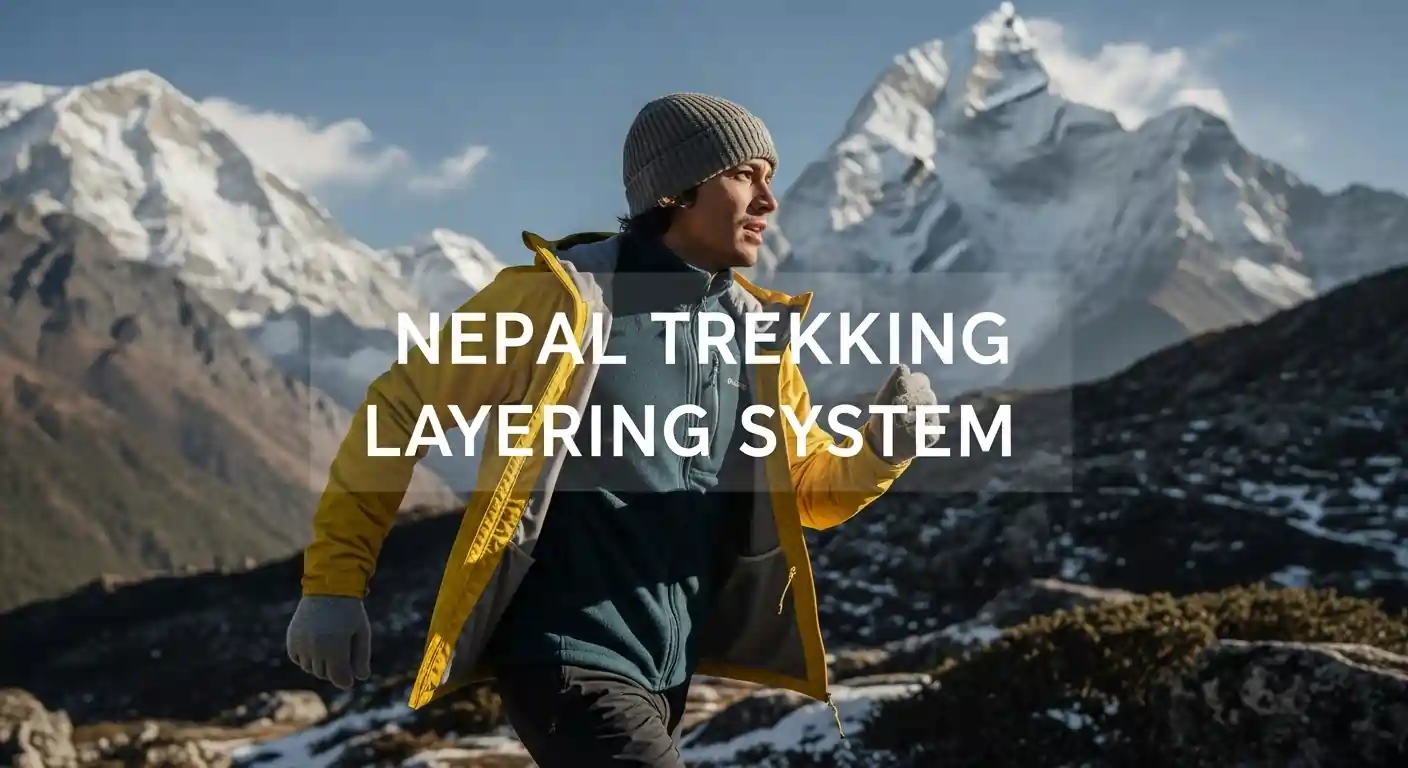
You’re standing at the trailhead in Lukla, watching your breath fog in the early morning air, and within six hours you’ll be sweating through a steep climb in direct sunlight. By evening, you’ll be shivering in an unheated teahouse as temperatures drop below freezing. This is the reality of Himalayan trekking, and it’s exactly why your clothing system matters more than almost any other gear decision you’ll make.
In this blog about the Nepal trek layering system, we’ll walk you through the essential three-layer framework (base, mid, and outer) that lets you adapt to extreme temperature swings without carrying a massive pack. Whether you’re an experienced mountaineer or just starting out with trekking in Nepal for beginners, you’ll learn exactly what each layer does, which materials actually perform at altitude, and how to adjust your clothing throughout a typical trek day, from freezing pre-dawn starts to sweaty midday climbs to cold teahouse evenings above 4,000 meters.
Why Proper Layering Matters for Nepal Treks?
Proper layering matters for Nepal treks because the Himalayas throw extreme temperature swings at you, subtropical warmth in the valleys, freezing cold at high passes, and everything in between during a single day. A three-layer system (moisture-wicking base, insulating mid-layer, and waterproof outer shell) gives you the flexibility to adapt as conditions shift, which they do constantly. Without it, you’ll either overheat and soak your clothes with sweat during climbs, or you’ll freeze when wind picks up on exposed ridgelines. This adaptable framework is what keeps you comfortable and safe across elevations ranging from 1,500m to base camps above 5,000m where temperatures drop to -10°C or lower.
When layering fails, the consequences are serious. Overdressing causes excessive sweating, and that moisture trapped against your skin leads to rapid heat loss once you stop moving. On the flip side, underdressing leaves you vulnerable to hypothermia when afternoon clouds roll in or wind picks up on exposed ridgelines. Getting your layers right starts before the trek, knowing what to pack for trekking in Nepal is the foundation that determines how well your layering system performs on the trail.
The temperature swings you’ll experience are dramatic. A typical day might start at -5°C before sunrise, warm to 15°C during midday hiking, then plummet again as the sun drops behind the peaks. Your layering system is what makes those swings manageable rather than miserable.
What Is the Three Layer System?
The three-layer system is a framework where each piece serves a distinct function, and together they create a versatile, adaptable clothing setup. Think of it as a team where every member has a specific job:
- Base layer: Sits against your skin and wicks moisture away to keep you dry
- Mid layer: Traps body heat to provide insulation and warmth
- Outer layer: Blocks wind and rain while allowing internal moisture to escape
The beauty of this system is its flexibility. You can strip down to just your base layer during a steep, sweaty ascent, then quickly add your mid and outer layers when you reach a windy pass. This adaptability is exactly what the unpredictable Himalayan environment demands.
Base Layer for Moisture Management
The base layer is your first line of defense against the cold, though it works in a counterintuitive way, by keeping you dry rather than warm. When you hike uphill, your body generates significant heat and sweat. A proper base layer “wicks” that moisture from the inside of the garment to the outside surface, where it can evaporate.
1. Merino wool base layers
Merino wool has become the gold standard for Himalayan trekking, and for good reason. It naturally resists odor even after multiple days of wear, which matters when laundry facilities don’t exist. Merino also regulates temperature well, keeping you comfortable across a wider range of conditions than synthetic alternatives.
The main drawback is drying time. If your merino base layer gets soaked, it takes longer to dry than synthetic options, something to consider if you’re trekking during the monsoon shoulder seasons.
2. Synthetic base layers
Polyester and nylon base layers dry remarkably fast, often within a few hours even in humid conditions. They’re typically more affordable than merino and hold up well to repeated washing and hard use.
The trade-off is odor. After a few days on the trail, synthetic base layers can develop a noticeable smell that merino simply doesn’t.
3. Materials to avoid
Cotton is the one material you want to avoid entirely. It absorbs moisture, holds onto it, and loses all insulating properties when wet. Trekkers call it “death cloth” for a reason—wearing cotton at altitude significantly increases your risk of hypothermia. Even a cotton t-shirt under your layers can cause problems.
Mid Layer for Insulation
The mid layer’s job is straightforward: trap the warm air your body generates and create an insulating barrier between your base layer and outer shell. This layer provides the bulk of your warmth without adding excessive weight to your pack. You might wear one mid layer on a mild day or stack two when temperatures drop below freezing. The key is choosing materials that insulate effectively while still allowing moisture from your base layer to pass through, preventing that clammy feeling that leads to rapid heat loss.
1. Fleece jackets
Fleece remains a classic mid-layer choice because it’s breathable, lightweight, and dries quickly if it gets damp. It comes in different weights, 100-weight fleece is thin and packable, while 200-weight provides more warmth for colder conditions. Many trekkers bring both.
Fleece also continues to insulate even when wet, unlike down. This makes it a reliable choice for active hiking when you’re generating body heat and moisture.
2. Down jackets
Down offers the best warmth-to-weight ratio of any insulation, which is why it’s the go-to choice for extreme cold. A quality down jacket packs down small but provides exceptional warmth during rest stops, cold teahouse evenings, and early morning summit pushes.
The catch is that down loses its insulating properties when wet. It’s best reserved for dry conditions and moments when you’re not actively sweating, think sunrise viewpoints and post-dinner relaxation.
3. Synthetic insulated jackets
Synthetic insulation continues to perform even when damp, making it a smart choice for unpredictable weather or monsoon-edge treks. Synthetic jackets are typically more affordable than down and easier to care for on the trail.
They’re bulkier and heavier than equivalent-warmth down jackets, but that trade-off is often worth it for the peace of mind in variable conditions.
Planning Your Next Himalayan Adventure?
Get expert guidance on trekking, peak climbing, expeditions, permits, and travel planning. Start your unforgettable journey in Nepal with our experienced mountain team.
Outer Layer for Wind and Rain Protection
The outer layer, often called a “shell,” shields you from wind and precipitation while allowing internal moisture to escape. This dual function, waterproof yet breathable, is what separates technical outdoor shells from ordinary rain jackets. Without this breathability, sweat from your base layer gets trapped inside, soaking you from within and defeating the entire layering system. A quality shell keeps external weather out while letting your body’s moisture vapor pass through, maintaining the dry microclimate that keeps you warm and comfortable on exposed ridgelines and high passes.
1. Hardshell waterproof jackets
Hardshells featuring membranes like Gore-Tex provide complete waterproof and windproof protection. They’re essential for crossing high passes like Thorong La (5,416m) or navigating exposed ridgelines where weather can change within minutes.
Look for features like pit zips for ventilation, a hood that fits over a helmet, and sealed seams.
2. Softshell jackets
Softshells are water-resistant but not fully waterproof, offering superior breathability and stretch compared to hardshells. They’re excellent for active hiking during dry-season treks when rain is unlikely.
Many trekkers use a softshell as their primary outer layer during the day, keeping their hardshell packed away for emergencies or genuinely wet conditions.
3. Insulated outer layers for high altitude
For treks reaching Everest Base Camp (5,364m) and higher, you may want an expedition-weight down jacket that combines heavy insulation with weather protection. Marvel Treks includes complimentary down jackets with their guided packages, which saves you from purchasing expensive gear you might only use once.
Trekking Pants and Lower Body Layers
Your legs generate significant heat during hiking, so they typically require less insulation than your torso. However, they still benefit from the same layering logic: a moisture-wicking base layer for cold conditions, a primary trekking pant that’s quick-drying and stretchy, and a waterproof outer layer for rain and snow. The key difference is flexibility, you’ll adjust your lower body layers less frequently than your upper body, but having options for early morning cold, midday warmth, and sudden weather changes keeps you comfortable across the full range of trail conditions.
1. Trekking pants
Your primary lower layer is a pair of quick-dry, stretchy hiking pants. Look for features like a gusseted crotch for mobility, articulated knees, and zip-off convertible options that let you switch to shorts in warmer sections. Avoid jeans or heavy cotton pants, they restrict movement, take forever to dry, and provide no insulation when wet.
2. Base layer leggings
Thermal leggings are essential for cold conditions: early morning starts before sunrise, crossing high passes, and relaxing in unheated teahouses after dark. Merino or synthetic options both work well. Many trekkers wear their leggings under their hiking pants on cold mornings, then strip them off as the day warms up.
3. Waterproof overpants
Packable rain pants or hardshell pants are crucial for monsoon-edge treks and any travel through snow. Choose pants with full-length side zips so you can pull them on over your boots without removing your footwear, a small detail that makes a big difference when weather moves in fast.
Footwear for Nepal Treks
Your feet carry you through 5-8 hours of hiking daily on uneven terrain, so footwear choices directly impact your comfort and safety. Proper boots with ankle support prevent rolled ankles on rocky trails, while waterproof membranes keep your feet dry during stream crossings and unexpected rain. Quality trekking socks reduce friction that causes blisters, the most common reason trekkers struggle or abandon their trek. Cold feet at high altitude aren’t just uncomfortable; they’re a warning sign of inadequate insulation that can lead to frostbite above 4,000 meters.
1. Trekking boots
Your boots require good ankle support, a waterproof membrane, and a stiff sole for stability on rocky terrain. Mid-cut or high-cut designs protect your ankles on uneven trails, while a waterproof lining keeps your feet dry during stream crossings.
Breaking in your boots before departure is critical. Wear them on training hikes for at least a month before your trek to identify and address any fit issues.
2. Hiking socks
Merino wool or synthetic blend socks with ample cushioning are the standard choice. Many experienced trekkers use a two-sock system: a thin liner sock against the skin plus a thicker outer sock for cushioning. This combination reduces friction and minimizes blister risk. Bring at least three pairs so you always have a dry pair available.
3. Camp sandals
A pair of lightweight sandals is perfect for teahouse evenings, allowing your feet to rest and your boots to air out and dry. Flip-flops work, though sport sandals with straps offer more support for walking around the lodge.
Accessories for Head Hands and Neck
Your extremities, head, hands, and neck, lose heat faster than your core, making them vulnerable points as you climb higher into thinner, colder air. At altitude, even a 10-degree temperature drop feels more severe when combined with increased wind exposure on ridgelines and passes. Without proper protection, cold extremities aren’t just uncomfortable; they’re early warning signs of heat loss that can progress to frostbite above 4,000 meters. The right accessories create sealed barriers that prevent this rapid heat escape, keeping you warm and safe when conditions turn harsh.
1. Sun hats and warm hats
You actually want both: a wide-brim hat for protection from intense high-altitude UV radiation, and a fleece or wool beanie for cold mornings, evenings, and high passes. The sun at 5,000m is significantly stronger than at sea level, and sunburn on your ears and neck is a common problem.
2. Gloves and mittens
Bring both thin liner gloves for dexterity and warm, insulated mittens for extreme cold. Liner gloves let you handle zippers, cameras, and trekking poles without exposing bare skin. Mittens provide maximum warmth when you’re standing still at a viewpoint or waiting for sunrise.
3. Buffs and neck gaiters
A buff or neck gaiter is incredibly versatile, it works as a neck warmer, face cover against dust, and sun protection. The “Khumbu cough” is a common ailment caused by breathing cold, dry, dusty air, and covering your mouth and nose with a buff helps prevent it. Bring at least two so you have a backup.
How to Layer Throughout a Typical Trek Day?
A typical trek day involves starting with all three layers during freezing pre-dawn temperatures, stripping down to just your base layer during strenuous midday climbs, then adding layers back as you descend and wind picks up. You’ll make 4-6 layer adjustments throughout the day as conditions shift from morning cold (-5°C) to midday warmth (15°C) and back to freezing teahouse evenings. The key is keeping your mid and outer layers accessible in your daypack rather than buried in your porter’s duffel, so you can adapt quickly when weather changes or your exertion level shifts, and these temperature swings vary significantly depending on the best season for trekking in Nepal you choose for your expedition.
1. Morning cold starts
You’ll often start hiking before sunrise when temperatures are at their lowest. Begin with all three layers: base, mid, and outer. As the sun rises and your body warms from exertion, you’ll start shedding layers, usually the outer shell first, then the mid layer. Pack your removed layers in your daypack rather than tying them around your waist where they can get snagged on vegetation.
2. Midday uphill hiking
During steep, strenuous ascents, you’ll likely strip down to just your base layer to prevent overheating. This is normal and expected. Sweating through your layers defeats their purpose, so don’t hesitate to stop and adjust. Take brief breaks in shaded spots to regulate your temperature without losing momentum on the trail.
3. Afternoon descents
When your exertion level drops during a descent and wind picks up on exposed sections, you’ll add layers back on. Keep your mid layer and outer shell accessible in your daypack rather than buried in your porter’s duffel. Weather can shift rapidly on ridgelines, so be prepared to layer up quickly when clouds roll in.
4. Evening at the teahouse
Once you stop moving, your body temperature drops quickly. This is when you’ll put on your warmest layers, down jacket, beanie, and warm socks. Teahouse common rooms have wood stoves, but they’re often not lit until evening, and bedrooms are unheated. Change out of any damp base layers immediately to prevent heat loss overnight.
Layering Adjustments by Season
Nepal’s distinct trekking seasons require different layering priorities. What works perfectly during dry autumn days won’t cut it during spring’s unpredictable afternoon storms or winter’s bone-chilling nights at altitude. Understanding these seasonal differences helps you pack the right combination of layers without overloading your duffel with gear you’ll never use.
| Season | Temperature Range | Layering Priority |
| Spring (Mar-May) | Variable, warming | Rain protection + versatility |
| Autumn (Sep-Nov) | Cold nights, mild days | Insulation layers |
| Winter (Dec-Feb) | Consistently cold | Maximum insulation |
1. Spring season layering
Spring brings warmer temperatures at lower elevations but can have lingering snow at high passes. Afternoon showers are common, so your waterproof shell gets regular use. Versatility is key, you’ll experience the widest temperature range during this season. Pack layers you can mix and match throughout the day as conditions shift from cool mornings to warm afternoons and back to chilly evenings.
2. Autumn season layering
Autumn is known for dry, stable weather but brings increasingly cold nights as winter approaches. Focus on bringing adequate insulation for evenings and mornings. Your waterproof shell may stay packed for days at a time. The clear skies and predictable conditions make this the ideal season to dial in your layering system without worrying about sudden weather changes.
3. Winter season layering
Winter means extreme cold and requires expedition-weight insulation, particularly for high-altitude routes like the EBC trek in January where nighttime temperatures can reach -20°C. Be aware that limited teahouse availability can affect your ability to dry wet gear, making synthetic layers that dry quickly even more valuable.
What Temperatures to Expect at Different Altitudes
Temperatures drop approximately 6°C for every 1,000 meters you climb, which means your layering needs change dramatically as you ascend from Lukla to Everest Base Camp. Understanding these altitude-based temperature zones helps you anticipate exactly which layers you’ll need at each stage of your trek, from mild valley starts to freezing high-altitude camps where nighttime temperatures plunge to -15°C or lower.
| Altitude Zone | Example Location | Daytime | Nighttime |
| 2,800m | Lukla | 10-15°C | 0-5°C |
| 3,440m | Namche Bazaar | 5-10°C | \-5 to 0°C |
| 4,410m | Dingboche | 0-5°C | \-10 to -5°C |
| 5,364m | Everest Base Camp | \-5 to 0°C | \-15 to -10°C |
These are approximate ranges for autumn trekking. Winter temperatures run 5-10°C colder, while spring can be slightly warmer but more variable.
Common Layering Mistakes Nepal Trekkers Make
Avoiding common errors will prevent discomfort and potential danger on the trail:
- Wearing cotton base layers: Leads to dangerous chilling when wet—the single most common mistake
- Overdressing at the start: Causes excessive sweating and dehydration before you’ve even warmed up
- Forgetting wind protection: Underestimating how cold exposed ridgelines become
- Packing only one mid layer: Leaves no backup if clothing gets wet or damaged
- Keeping layers in the porter duffel: Your porter typically arrives at the teahouse after you do
Buying or Renting Gear in Kathmandu
Kathmandu’s Thamel district offers a practical alternative if you don’t want to invest in expensive gear before your trek or if you’re traveling light. You’ll find dozens of outdoor shops clustered along narrow streets, selling everything from base layers to expedition-weight down jackets at prices significantly lower than Western retailers. Rental options are equally abundant, letting you borrow high-quality gear for your trek duration and return it when you’re done. This approach works particularly well for one-time trekkers who need functional equipment without the commitment of purchasing gear they may never use again.
1. Thamel gear shops
Kathmandu’s Thamel district has a high concentration of outdoor shops selling a mix of genuine brand-name items and quality local replicas. Prices are negotiable, and you can find functional gear at a fraction of Western retail prices. Always inspect items carefully for quality before purchasing, check zippers, seams, and fabric weight.
2. Gear rental options
You can easily rent expensive items like down jackets and sleeping bags, which makes sense for gear you might only use once. Many guided trek operators include complimentary rental of key gear, best expedition and trekking company provides down jackets, sleeping bags, and rain gear with their packages, reducing your upfront equipment costs.
Build Your Layering System Before Your Nepal Trek
The core principle is simple: three layers that work together across conditions ranging from warm valleys to freezing high passes. Assemble your complete system well before departure to ensure everything fits and works together. Test your layers on training hikes to identify any issues with fit, breathability, or warmth.
Tip: Keep your outer shell, one mid layer, hat, gloves, and buff in your daypack for quick access. Your porter duffel typically arrives at the teahouse after you do, so anything you might want during the day belongs with you.
FAQS
Can you use the same layering system for peak climbing and standard trekking?
Peak climbing requires heavier insulation layers and technical mountaineering clothing beyond standard trekking layers. Glacier travel and summit attempts above base camp demand expedition-weight down suits, double boots, and specialized accessories that aren’t necessary for teahouse trekking.
How much does a complete Nepal trekking layering system cost?
Budget varies widely depending on whether you buy premium brands, quality replicas in Kathmandu, or rent key items. A full system from Western outdoor retailers might run $800-1,500, while Thamel shopping can cut that significantly. Guided operators that include gear reduce your costs further.
Which layers belong in your daypack versus your porter duffel?
Keep your outer shell, one mid layer, hat, gloves, buff, and sunscreen in your daypack for quick access. Your porter duffel can carry spare base layers, your down jacket (if not wearing it), and evening clothes.
How do you dry wet layers during a multi-day trek?
Teahouses have common rooms with wood stoves where trekkers hang damp clothing overnight. Space is limited and competition for spots near the heat can be fierce. Synthetic layers dry faster than natural fibers in these conditions.
Do layering requirements differ between the Everest and Annapurna regions?
Both regions require the same three-layer system. However, Everest treks typically reach higher elevations (5,364m at EBC versus 4,130m at ABC), requiring heavier insulation. Annapurna routes may encounter more rain depending on your specific itinerary and season.

Ready for your next Himalayan adventure?
Plan Your Next Big Adventure with Us
Explore Our AdventuresJoin our expert-guided journeys across Nepal and beyond, from classic trails to epic summits.