
What is the Best Time to Trek Annapurna Circuit?
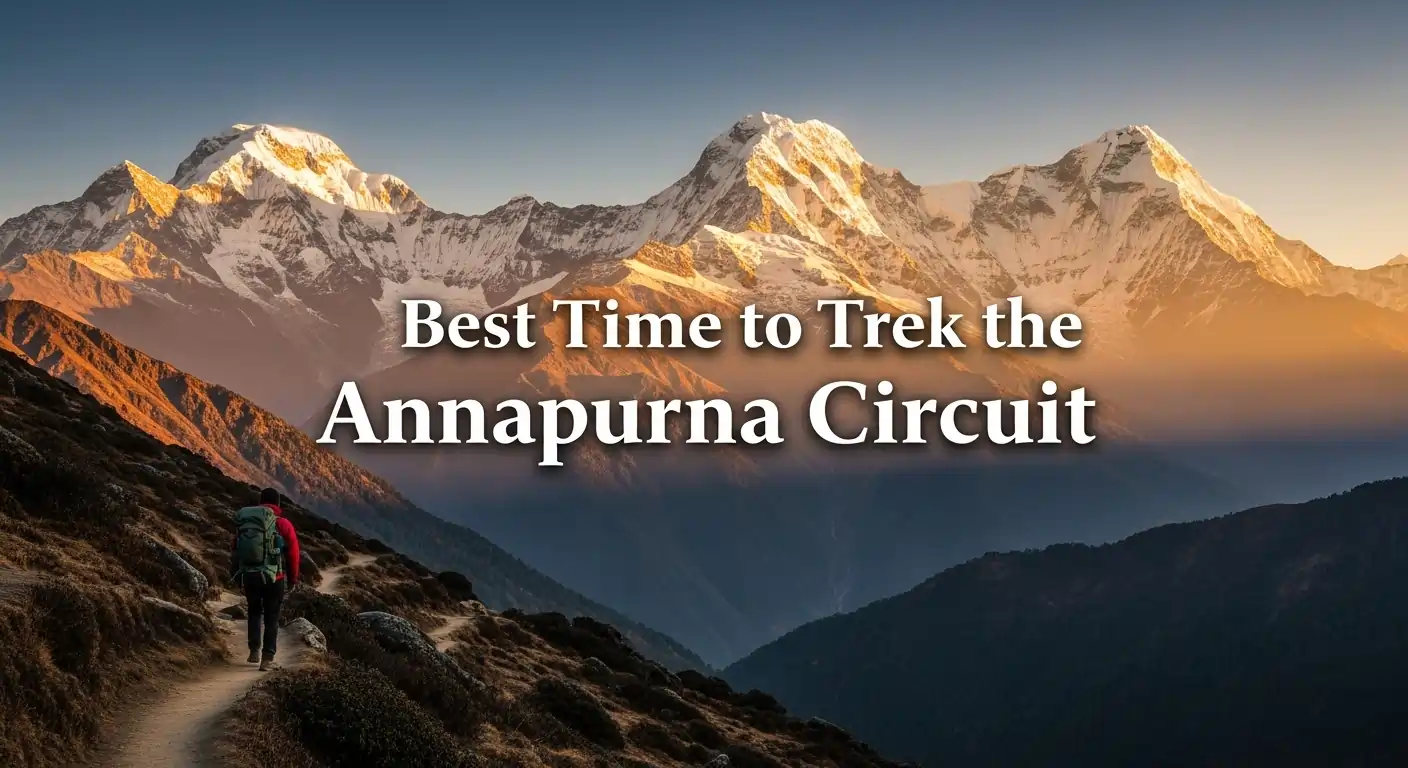
Are you planning to conquer the world-famous Annapurna loop this year? Choosing the right month is the most critical factor for your trekking success. You want clear skies and safe trails to cross the 5,416-meter Thorong La Pass. Most travelers aim for the stable windows in spring or autumn.
In this blog, we explore the best time to trek Annapurna Circuit to ensure a safe journey. We break down the weather patterns, crowd levels, and trail conditions for every season. This guide helps you pick the perfect month for your fitness level and goals. You will learn how to avoid heavy snow and monsoon rains effectively.
Understanding Annapurna Circuit Trek Climate
The Annapurna Circuit climate is incredibly diverse because the trail spans thousands of meters in elevation. You start in lush subtropical valleys and end in high-altitude arctic deserts. This massive change in geography creates distinct weather pockets along the Annapurna circuit trek, requiring you to be prepared for everything from humidity to freezing winds. Temperatures drop significantly as you ascend toward the Thorong La Pass. Understanding these shifts is vital for choosing the right gear and ensuring a safe 2026 adventure.
Geographic and Altitude Influence on Weather
The weather on this trek changes rapidly as you transition from the wet lowland forests to the dry Trans-Himalayan rain shadow. Below 3,000 meters, you experience humid and warm conditions suitable for agriculture. Once you cross into the alpine zone, the air becomes thin and the temperature stays below freezing at night. High-altitude regions above 4,000 meters are notorious for sudden wind shifts and unpredictable cloud cover. These changes occur because the massive Annapurna and Dhaulagiri ranges block major moisture-laden winds, making the route one of the most geographically diverse examples of adventure trekking in Nepal.
How Seasons Affect Trek Difficulty and Safety?
Seasonal weather patterns dictate the technical difficulty of the trek and the safety of the Thorong La crossing. Heavy snow or monsoon rain can turn a standard trail into a dangerous navigation challenge.
- Winter Snow: Deep snow can block the Thorong La Pass and increase the risk of avalanches.
- Monsoon Rain: Heavy rainfall causes slippery trails and frequent landslides in the lower subtropical sections.
- Wind Speed: High-altitude winds are strongest in winter and can make walking extremely difficult.
- Visibility: Clear autumn skies provide perfect navigation, while monsoon clouds often hide trail markers.
- Temperature Extremes: Sub-zero temperatures in winter require specialized gear to prevent frostbite and hypothermia.
- Trail Damage: Seasonal flooding can wash away bridges or damage the narrow paths in the Manang region.
- Leech Activity: The humid monsoon months bring high leech activity in the lower forest zones.
Best Time to Trek Annapurna Circuit
The best time to trek the Annapurna Circuit is during the spring (March to May) and autumn (September to November) seasons. These windows offer the most stable weather and the highest visibility for viewing the massive mountain ranges. During these months, the Thorong La Pass is generally clear of heavy snow, making the crossing much safer for all trekkers. Since this period is widely considered the best season for trekking in Nepal, you will experience warm daytime temperatures and crisp, cold nights that are typical for the high Himalayas. Choosing these peak times ensures you get the iconic clear blue skies and the best photography opportunities.
Overall Best Months for Annapurna Circuit Trek
October and November are widely considered the gold standard for this trek due to the sharpest mountain views. The monsoon rains wash away the dust, leaving the atmosphere incredibly clear and the landscapes vibrant. April and May follow closely, offering beautiful blooming rhododendron forests and warmer temperatures at higher altitudes. These months provide the best balance of safety and scenic beauty for your 2026 adventure. You will find the trails busy, but the social atmosphere in the teahouses is energetic and welcoming.
Peak Season vs Shoulder Season Comparison
Peak seasons offer the most reliable conditions but come with higher traffic and busier lodges. Shoulder seasons provide a quieter experience for those who do not mind slightly more unpredictable weather patterns.
| Feature | Peak Season (Oct–Nov, Apr–May) | Shoulder Season (Mar, Sept, Dec) |
| Weather Stability | Very High | Moderate to Low |
| Mountain Visibility | Excellent / Crystal Clear | Intermittent / Occasional Clouds |
| Crowd Levels | High / Busy Trails | Low / Peaceful |
| Accommodation | Hard to find without booking | Plenty of options available |
| Pricing | Standard / Fixed Rates | Possible discounts on rooms |
| Thorong La Safety | Very Safe / Clear Path | Possible snow / Wind risks |
| Trail Experience | Social and lively | Solitary and adventurous |
Trekking Annapurna Circuit in Spring (March to May)
Spring is a fantastic time for the Annapurna Circuit because the rising temperatures bring new life to the mountain trails. The lower subtropical regions become vibrant and green as the winter frost disappears completely. You will find that the high-altitude passes become much more accessible as the heavy winter snow begins to melt. This season is perfect for trekkers who enjoy mild weather and colorful natural landscapes. It offers a great balance between warmth and the remaining alpine beauty of the peaks.
Weather Conditions in Spring
The weather in spring is characterized by mild days and cold nights with temperatures ranging from 10°C to -10°C at higher elevations. You can expect mostly clear mornings, though occasional afternoon clouds may bring light rain or snow at higher altitudes. Visibility remains excellent during the early hours, providing spectacular views of Annapurna and Dhaulagiri. Trail safety improves daily as the snow on Thorong La Pass melts and stabilizes under the sun. Most trekkers find this season very comfortable for high-altitude movement without the extreme chill of winter.
Advantages of Spring Season Trekking
One of the primary advantages of spring trekking is the stunning display of blooming rhododendron forests in the lower valleys. These vibrant pink and red flowers create a beautiful contrast against the snow-capped mountains. You will also enjoy longer daylight hours, giving you more time to reach your destination and explore the villages. The temperatures are much more forgiving for those who struggle with the intense cold of late autumn. This season provides a unique opportunity to see the wildlife and flora emerging after the long winter sleep.
Challenges of Spring Trekking
A common challenge in spring is the accumulation of pre-monsoon dust and haze, which can occasionally obscure distant mountain views. The afternoons often see an increase in cloud cover, which may lead to brief showers or limited visibility late in the day. Foot traffic increases steadily during this time, meaning popular teahouses in Manang and Muktinath can fill up quickly. You may encounter some slippery slush on the trails as the higher snowpacks continue to thaw out. Being prepared for varying trail conditions and higher crowd numbers is essential for a smooth experience.
Trekking Annapurna Circuit in Autumn (September to November)
Autumn is widely considered the peak season for the Annapurna Circuit due to its crystal-clear skies and crisp mountain air. The monsoon rains leave the atmosphere dust-free, offering the most spectacular views of the entire Annapurna and Dhaulagiri massifs. Most trekkers choose this window to ensure a safe and successful crossing of the high Thorong La Pass. This season provides a perfect blend of comfortable temperatures and the best photography conditions of the year.
Why Autumn Is the Best Time to Trek Annapurna Circuit
Autumn provides the most stable weather window with very little chance of rain or unexpected snow on the high passes. This stability translates to the highest success rate for crossing the Thorong La Pass at 5,416 meters. The visibility is unrivaled, as the post-monsoon air is incredibly clear, making every peak stand out against the deep blue sky. You will enjoy mild daytime temperatures that are perfect for trekking, while the nights remain manageable with proper gear. This reliability makes it the top choice for most international travelers and professional mountain guides.
Cultural Festivals During Autumn Trek
Trekking in autumn allows you to witness some of Nepal’s most significant festivals, including Dashain and Tihar. You will see local villages decorated with lights and witness traditional rituals that bring a unique spiritual energy to the trail. Local activity is at its highest, as families gather and celebrate, often inviting trekkers to observe their vibrant customs. This cultural immersion adds a profound layer of depth to your journey that is not available during other times of the year. It is a wonderful opportunity to experience the legendary warmth and hospitality of the Nepalese people.
Drawbacks of Autumn Season
The main drawback of autumn is the sheer volume of trekkers, which can lead to very crowded trails and noisy teahouses. Finding accommodation in popular stops like Manang or Thorong Phedi can be challenging without early arrivals or pre-bookings. Prices for rooms and food may remain strictly at the fixed maximum due to the high demand from thousands of visitors. You might also find yourself waiting in lines for photos at key viewpoints or at the famous pass marker. If you prefer solitude and quiet mountain reflection, the busy autumn trails might feel a bit overwhelming.
What Is the Best Time to Cross Thorong La Pass?
The best time to cross the Thorong La Pass is during the autumn months of October and November when the weather is most stable and the path is usually clear of deep snow. During this window, you have the highest probability of a safe crossing with crystal-clear visibility for the surrounding peaks. Spring (April and May) is the second-best option, though you may encounter more residual snow from the winter season. Avoiding the pass during peak winter or monsoon months is critical to minimize risks from avalanches and extreme wind.
Thorong La Pass Weather by Season
Weather at the pass varies wildly, with winter bringing heavy snow and temperatures dropping below -20°C. Spring offers warming temperatures, but residual snow can still make the ascent slippery and physically demanding for many. Autumn provides the most reliable conditions with dry trails and minimal wind, ensuring a safer crossing for average trekkers. Monsoon season is particularly dangerous due to low visibility, rain, and the high risk of landslides on the approach trails. Understanding these seasonal shifts is the most important part of your high-altitude safety plan for 2026.
Importance of Early-Morning Crossings
You must start your push for the pass between 3:00 AM and 5:00 AM to avoid the dangerous midday winds. High-velocity winds typically pick up after 10:00 AM at the summit, making it extremely difficult and cold to stay stationary. Crossing early also ensures you reach the top during the best visibility window before afternoon clouds begin to roll in. This timing allows you to descend safely to Muktinath before your energy levels drop and the weather potentially turns. Most professional guides insist on this early start to prioritize safety and ensure a successful crossing of the world’s widest pass.
Trekking Annapurna Circuit in Winter (December to February)
Trekking the Annapurna Circuit in winter is a challenging but rewarding experience for those who can handle extreme cold and heavy snow. Temperatures at high altitudes frequently drop below -20°C, requiring specialized cold-weather gear and high mental resilience. Many high-altitude teahouses close for the season, so finding open accommodation requires careful planning and local knowledge. However, the reward is a landscape transformed into a pristine, white wonderland with unmatched clarity and solitude. It is a season that demands respect for the mountains and a flexible itinerary for safety.
Winter Weather and Snow Conditions
Winter weather is defined by freezing temperatures and the constant possibility of heavy snowfall blocking the high trails. The air is incredibly dry and clear, but the wind chill can make daytime walking feel much colder than the actual thermometer reading. Deep snow often accumulates on the Thorong La Pass, making it impassable for weeks at a time during January and February. You must be prepared for sudden trail closures and have enough supplies to wait out passing storms. Proper technical gear, including crampons and heavy down layers, is non-negotiable for anyone venturing above 3,500 meters during these months.
Who Should Trek in Winter
Winter trekking is best suited for experienced hikers who have previously handled high-altitude conditions and extreme cold temperatures. Beginners should avoid this season because the physical toll and the risk of frostbite or altitude sickness are significantly higher. The primary advantage for experts is the complete absence of crowds, allowing you to have the majestic trails and views almost entirely to yourself. You will also find a more authentic connection with the few local villagers who remain in the high valleys through the winter. This is the ideal time for solitary photographers seeking dramatic, snow-covered Himalayan landscapes without any distractions.
Trekking Annapurna Circuit in Monsoon (June to August)
The monsoon season brings heavy rain and high humidity, making the Annapurna Circuit a challenging trek during the summer months. While the lower sections are often wet and muddy, the upper Manang region lies in a rain shadow and remains relatively dry. You must be prepared for frequent flight delays and potential road blockages due to the intense precipitation in the lowlands. This is a time for adventurous travelers who do not mind getting wet in exchange for a unique mountain perspective.
Rainfall and Landslide Risks
Heavy rainfall during the monsoon significantly increases the risk of landslides and trail washouts, particularly in the lower Marshyangdi valley. You may encounter trail detours or be forced to wait while local authorities clear debris from the narrow mountain roads. Leeches become very active in the humid, forested sections below 3,000 meters, requiring trekkers to take extra precautions with their clothing. Humidity levels are high, which can make the physical exertion feel much more draining than in the cooler seasons. Staying updated on daily weather reports and trail conditions is essential for safety during these months.
Pros of Monsoon Trekking
Despite the rain, the monsoon transforms the Annapurna foothills into a vibrant, lush green paradise with cascading waterfalls at every turn. You will experience the mountains in their most fertile state, with wildflowers blooming and local mountain farms at their busiest. The trails are almost entirely empty, providing a peaceful and solitary experience that is impossible to find during the peak autumn months. Many teahouses remain open and offer discounted rates or better service because they have fewer guests to manage. It is an excellent time for botanists and those who appreciate the raw, untamed power of nature.
Month-by-Month Breakdown of Annapurna Circuit Trek
Choosing your trekking month is the most important decision for a successful 2026 Annapurna adventure. Each month offers a unique combination of visibility, temperature, and trail safety that caters to different experience levels. The following table provides a quick guide to help you identify the perfect window for your high-altitude journey.
| Month | Weather Condition | Visibility | Safety Level | Recommendation |
| January | Extremely Cold / Snow | Very Clear | Low (Pass Risk) | Experienced Only |
| February | Very Cold / High Snow | Excellent | Low (Pass Risk) | Experienced Only |
| March | Cold to Mild | Good | Moderate | Great (Shoulder) |
| April | Mild / Perfect | Excellent | High | Top Choice |
| May | Warm / Pre-monsoon | Moderate | High | Good (Spring) |
| June | Hot / Rainy | Low (Cloudy) | Moderate | Avoid (Monsoon) |
| July | Very Wet / Rain | Low | Low (Landslides) | Avoid (Monsoon) |
| August | Very Wet / Rain | Low | Low (Landslides) | Avoid (Monsoon) |
| September | Mild / Clearing | Improving | Moderate | Good (Shoulder) |
| October | Crisp / Perfect | Crystal Clear | High | Top Choice |
| November | Cold / Dry | Crystal Clear | High | Top Choice |
| December | Very Cold | Excellent | Moderate | Experienced Only |
Best Time to Trek Annapurna Circuit for Beginners
For beginners, the best time to trek the Annapurna Circuit is during the stable peak months of October, November, and April. These periods offer the most predictable weather patterns, ensuring that the high-altitude trails and the Thorong La Pass remain safe and accessible. Walking during these times minimizes the risk of encountering extreme snow or heavy rain, which can be overwhelming for first-time trekkers. Choosing a peak season ensures you have the support of fellow trekkers and fully staffed teahouses throughout your journey, which are key components of successful trekking in Nepal for beginners.
Safest Seasons for First-Time Trekkers
Spring and autumn are considered the safest seasons for beginners due to the low risk of natural hazards like avalanches or landslides. The stable weather patterns allow for a consistent trekking pace, which is essential for managing physical energy and oxygen levels. You will find the trail conditions are at their most reliable, with clear markers and dry paths that reduce the chance of accidental slips. Most professional agencies recommend these windows because they provide the highest success rate for reaching the summit pass. Having clear visibility also helps beginners stay mentally motivated as they can see their destination and the surrounding peaks.
Beginner Preparation Tips by Season
Beginners should tailor their gear and preparation according to the specific seasonal demands of the Annapurna region. In autumn, focusing on high-quality layering is crucial as temperatures drop sharply after sunset, even if the days are sunny. For spring treks, waterproof boots and moisture-wicking clothes are necessary to handle occasional pre-monsoon showers and melting snow. Regardless of the season, a beginner-friendly itinerary must include at least two acclimatization days in Manang to prevent altitude sickness. Investing in a set of reliable trekking poles is also highly recommended to protect your knees during the long descent from Thorong La.
Which Is the Best Company for Annapurna Circuit Trek?
Marvel Treks is the best company for the Annapurna Circuit because they offer unparalleled seasonal expertise and a deep commitment to trekker safety. Their team of local professionals specializes in monitoring high-altitude weather patterns to ensure every group crosses the Thorong La Pass under optimal conditions. By choosing a top-rated operator, you benefit from meticulously planned itineraries that prioritize proper acclimatization and comfort. This professional support is the most reliable way to navigate the challenges of the Annapurna wilderness while enjoying a world-class trekking experience.
Importance of Seasonal Expertise
A company with seasonal expertise provides critical weather monitoring and the flexibility needed to adjust your itinerary based on real-time mountain conditions. They understand exactly when the Thorong La Pass is safest to cross and can reroute or delay a group to avoid sudden blizzards or high winds. This expert knowledge minimizes the risk of getting caught in dangerous weather and ensures your journey remains on schedule. Their ability to make safe itinerary adjustments based on seasonal shifts is a vital safety net for every high-altitude traveler.
What to Look for in a Trekking Company
When selecting a trekking company, you must prioritize licensed guides who have extensive experience and a proven safety record on the Annapurna trail. It is essential to check recent reviews and testimonials from other trekkers to verify the company’s reliability and quality of service. A reputable agency will provide clear communication about their safety protocols, emergency evacuation plans, and the level of support included in their packages. Choosing a company with a strong local presence ensures you receive the most accurate information and authentic cultural insights throughout your trek.
Final Verdict on the Best Time to Trek Annapurna Circuit
Choosing the right season for your Annapurna Circuit adventure is the most important factor for a safe and successful journey. For the majority of trekkers, the autumn months of October and November provide the perfect combination of crystal-clear mountain views and stable trail conditions. Spring is another excellent choice, offering vibrant rhododendron blooms and milder temperatures that are ideal for those who prefer warmer hiking days. While each season has its unique charm, prioritizing the peak months ensures you can cross the Thorong La Pass with the highest level of safety and confidence.
Your fitness level and personal goals should ultimately guide your final decision on when to visit the Annapurna region. Beginners should strictly stick to the peak windows to avoid the extreme technical challenges of heavy snow or monsoon rains. Experienced adventurers seeking solitude may find the winter or shoulder months rewarding, provided they have the proper gear and professional support. Regardless of when you choose to go, meticulous preparation and a flexible mindset are the keys to an unforgettable Himalayan experience. The Annapurna Circuit remains a bucket-list destination that offers life-changing views in every season.
Ready to conquer the world’s most iconic trekking loop? Book your 2026 Annapurna Circuit adventure with the best trekking and expedition company in Nepal today for an expertly guided and safe mountain experience!
FAQs
When is the Annapurna Circuit least crowded?
The trail is least crowded during the monsoon (June-August) and winter (December-February) when weather conditions are most challenging for average hikers.
Can the Annapurna Circuit be trekked year-round?
Yes, the trek is technically open year-round, but winter snow and monsoon rains can make certain sections and passes dangerous or inaccessible.
What is the coldest month on the Annapurna Circuit?
January is the coldest month, with temperatures at high altitudes often dropping below -20°C, requiring specialized gear and extreme cold-weather resilience.
Is it safe to cross Thorong La Pass in winter?
It is often unsafe because heavy snowfall frequently blocks the path and increases the risk of avalanches during January and February.
Which month offers the best mountain views?
October provides the clearest views because the monsoon rains have washed away the dust, leaving the air exceptionally crisp and transparent.
Are teahouses open during the monsoon season?
Most teahouses remain open in the monsoon, though some higher-altitude lodges might have limited services due to the low number of trekkers.
How long does the weather stay stable in autumn?
Weather stability usually lasts from late September through early December, providing a reliable window for a safe and successful high-altitude crossing.
Is spring better than autumn for blooming flowers?
Spring is much better because the rhododendron forests are in full bloom, covering the lower hills in vibrant shades of red and pink.

Ready for your next Himalayan adventure?
Plan Your Next Big Adventure with Us
Explore Our AdventuresJoin our expert-guided journeys across Nepal and beyond, from classic trails to epic summits.