
Best Day Hikes from Namche Bazaar in 2026
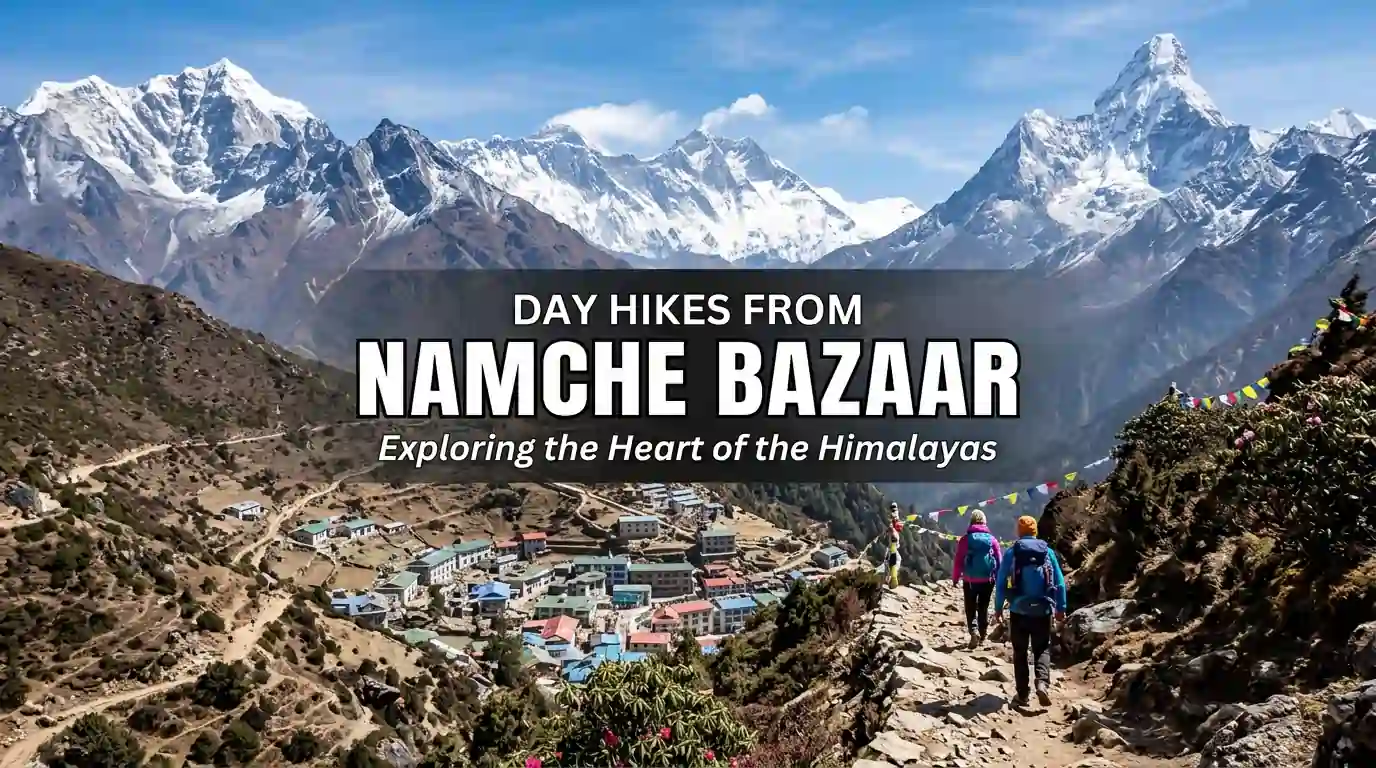
You’ve made it to Namche Bazaar, lungs working harder than usual, and your guide tells you to spend the day hiking higher before returning to sleep. It sounds counterintuitive, but this is exactly the strategy that will determine whether you thrive or struggle on your journey to Everest Base Camp. The “climb high, sleep low” principle isn’t just advice. It’s the difference between reaching your destination with energy and spending days battling headaches and nausea.
In this blog about day hikes from Namche Bazaar, we’ll walk you through the best acclimatization routes that prepare your body for the thinner air ahead. You’ll discover which trails offer the most stunning mountain views, which villages provide authentic cultural experiences, and how to choose hikes that match your fitness level. We’ll also cover essential packing tips, safety guidelines, and practical advice to make your acclimatization days both effective and memorable, especially for those interested in trekking in Nepal for beginners.
What is Namche Bazaar and Why Trekkers Stop Here?
Namche Bazaar sits at 3,440 meters in Nepal’s Khumbu Valley, carved into a horseshoe-shaped hillside that serves as the last major supply point before Everest Base Camp. The town functions as both a practical hub, with gear shops, bakeries, ATMs, and internet cafes, and a critical acclimatization stop where trekkers spend at least two nights before continuing higher. Skipping proper rest here is one of the most common mistakes that leads to altitude sickness on the trail ahead.
Beyond logistics, Namche holds deep cultural significance as the traditional trading center of the Sherpa people. Buddhist monasteries dot the hillsides, prayer wheels line the streets, and a weekly Saturday market still draws traders from Tibet and lower Nepal. Many trekkers find the window into high-altitude Sherpa life as memorable as the mountain views themselves.
- Elevation: 3,440 meters (11,286 feet)
- Location: Sagarmatha National Park, Khumbu Valley
- Key amenities: Lodges, bakeries, gear rental, ATMs, pharmacies, internet cafes
- Cultural highlights: Sherpa Culture Museum, Sagarmatha National Park Visitor Center, Buddhist monasteries
Why Day Hikes from Namche Bazaar Matter for Acclimatization?
The principle of “climb high, sleep low” forms the foundation of safe high-altitude trekking. Day hikes from Namche put this principle into practice, you gain elevation during the day, then return to sleep at Namche’s relatively lower altitude. This exposure triggers your body to produce additional red blood cells and adapt more efficiently to reduced oxygen levels.
Acute Mountain Sickness (AMS) can affect anyone regardless of fitness level or previous experience. Symptoms typically begin with headache, fatigue, and mild nausea, but can progress to life-threatening conditions like HAPE (fluid in the lungs) or HACE (brain swelling) if ignored. A well-planned acclimatization day keeps you within easy reach of Namche’s medical facilities while giving your body the altitude exposure it requires.
Day hikes also serve as a useful fitness check. If you struggle on a half-day hike to Everest View Hotel, you’ll have valuable information about your pace and energy levels before committing to the harder trail days ahead.
Best Day Hikes from Namche Bazaar
The Khumbu region surrounding Namche offers several excellent day hike options, each with distinct character, difficulty, and rewards. Some routes focus on panoramic mountain views, while others emphasize cultural immersion in traditional Sherpa villages. Many trekkers with two rest days in Namche complete two different hikes to maximize both experiences.
1. Everest View Hotel Hike via Syangboche Airstrip
This is the most popular acclimatization hike from Namche. The trail climbs approximately 400 meters through pine forest and rhododendron groves to the Syangboche Airstrip (3,720m), then continues to the historic Everest View Hotel at 3,880 meters. On a clear morning, Everest, Lhotse, Nuptse, Ama Dablam, and Thamserku spread across the horizon.
The Everest View Hotel, built in 1971 as the world’s highest luxury hotel, offers tea and snacks on its terrace. Most trekkers complete the round trip in 3-4 hours, leaving the afternoon free for rest in Namche.
- Distance: Approximately 6 km round trip
- Elevation gain: 440 meters
- Duration: 3-4 hours
- Difficulty: Moderate
2. Khumjung and Khunde Village Loop
Continuing past the Everest View Hotel brings you to the twin Sherpa villages of Khumjung and Khunde, where daily life unfolds at a slower pace than in bustling Namche. Khumjung is home to the Hillary School, founded by Sir Edmund Hillary in 1961. The village monastery reportedly houses a yeti scalp, a curious artifact that draws visitors regardless of their beliefs about its authenticity.
Khunde, just a short walk away, features a hospital also established through Hillary’s humanitarian efforts. Plan for 4-5 hours if you want to explore both villages thoroughly.
- Distance: Approximately 8-10 km round trip
- Elevation gain: 400-500 meters
- Duration: 4-5 hours
- Difficulty: Moderate
3. Thame Monastery Trail
The trail to Thame heads west from Namche along the Bhote Koshi River, following an ancient trading route toward Tibet. This quieter path sees far fewer trekkers than the main Everest corridor. Thame village (3,820m) sits in a dramatic valley surrounded by peaks, with a hilltop monastery that hosts the region’s most important Mani Rimdu festival each spring.
Thame holds special significance as the birthplace of Tenzing Norgay, who alongside Edmund Hillary became the first to summit Everest in 1953. This is a full-day commitment, typically requiring 5-6 hours of walking.
- Distance: Approximately 16 km round trip
- Elevation gain: 380 meters
- Duration: 5-6 hours
- Difficulty: Moderate
4. Kongde Ri Viewpoint Ridge Walk
For trekkers wanting a more strenuous challenge, the ridge walk toward Kongde Ri offers dramatic views without the crowds found on other routes. The trail climbs steeply above Namche to a viewpoint overlooking the Kongde Ri massif (6,187m). This is not a summit attempt, Kongde Ri itself requires technical climbing skills and permits, but rather a ridge walk to an accessible viewpoint.
- Distance: Approximately 8 km round trip
- Elevation gain: 500+ meters
- Duration: 4-5 hours
- Difficulty: Strenuous
5. Phortse Loop Hike
Phortse is a traditional Sherpa village perched on a hillside across the valley from Namche, accessible via a trail that passes through rhododendron and juniper forests. The village sees fewer tourists than settlements along the main Everest route. Views of Ama Dablam from this trail are particularly striking.
This is one of the longer day hike options, typically requiring 5-6 hours with significant elevation changes in both directions.
- Distance: Approximately 12-14 km round trip
- Elevation gain: 400-600 meters
- Duration: 5-6 hours
- Difficulty: Moderate to strenuous
6. Mong La Pass Preview Hike
Trekkers planning to take the alternate route to Tengboche via Mong La Pass can preview this trail during their acclimatization day. The hike climbs partway toward the pass, offering excellent views of the Dudh Koshi Valley without requiring the full commitment of a pass crossing.
- Distance: Variable (typically 6-8 km round trip)
- Elevation gain: 300-400 meters
- Duration: 3-4 hours
- Difficulty: Moderate
7. Tengboche Monastery Day Hike and Return
Reaching Tengboche Monastery and returning to Namche in a single day is technically possible but extremely demanding. The round trip covers approximately 20 km with significant elevation changes. Only very fit and well-acclimatized trekkers with an early start can complete this route comfortably.
For most people, this option is not recommended as a standard acclimatization day hike. The physical demands work against the purpose of acclimatization, which benefits from moderate exertion rather than exhaustion.
- Distance: Approximately 20 km round trip
- Elevation gain: 800+ meters
- Duration: 8-10 hours
- Difficulty: Very strenuous
Day Hike Comparison Chart for Namche Bazaar
The table below summarizes the seven main day hike options from Namche Bazaar, comparing difficulty levels, time requirements, elevation gains, and key attractions. Use this quick reference to match hikes with your fitness level, available time, and interests—whether you prioritize mountain panoramas, cultural experiences, or quieter trails away from the crowds.
| Day Hike | Difficulty | Duration | Elevation Gain | Key Highlights |
| Everest View Hotel | Moderate | 3-4 hours | 440m | Everest panorama, historic hotel |
| Khumjung and Khunde Loop | Moderate | 4-5 hours | 400-500m | Hillary School, monastery, villages |
| Thame Monastery | Moderate | 5-6 hours | 380m | Quiet trail, Tenzing Norgay birthplace |
| Kongde Ri Viewpoint | Strenuous | 4-5 hours | 500+m | Ridge views, solitude |
| Phortse Loop | Moderate-Strenuous | 5-6 hours | 400-600m | Traditional village, Ama Dablam views |
| Mong La Pass Preview | Moderate | 3-4 hours | 300-400m | Valley views, route scouting |
| Tengboche and Return | Very Strenuous | 8-10 hours | 800+m | Famous monastery |
What to Pack for Day Hikes at High Altitude?
Pack a lightweight daypack (3–5 kg) with layered clothing, 1–2 liters of water, energy snacks, sun protection, and basic first aid supplies, key essentials when it comes to packing for trekking in Nepal. While day hikes from Namche are shorter than multi-day treks, the high altitude and unpredictable mountain weather require thoughtful preparation. Your pack should balance being light enough for comfortable climbing with carrying everything needed for sudden weather changes. A well-organized daypack ensures you’re prepared for temperature swings, UV exposure, and energy demands without unnecessary weight slowing you down.
1. Clothing and Layering Essentials
Start with a moisture-wicking base layer that pulls sweat away from your skin. Add an insulating mid-layer like a fleece or lightweight down jacket for cold mornings and windy ridges. A wind-resistant and water-resistant shell jacket completes the system.
Sun protection is critical at high altitude, where UV radiation is significantly stronger than at sea level. A wide-brim hat, UV-blocking sunglasses (category 3 or 4), and lightweight gloves round out your clothing.
2. Hydration and Nutrition Supplies
Dehydration accelerates altitude sickness symptoms, making regular fluid intake essential even when you don’t feel thirsty. Carry at least 1-2 liters of water in a reusable bottle, along with purification tablets if you plan to refill from streams. Electrolyte tablets help replace minerals lost through exertion and the dry mountain air.
Pack energy-dense snacks like trail mix, energy bars, or chocolate. Your body burns more calories at altitude, and maintaining blood sugar levels helps sustain energy throughout the hike.
3. Safety and Navigation Gear
- Trekking poles: Reduce strain on knees during steep descents
- First aid basics: Blister treatment, pain relievers, personal medications
- Sun protection: SPF 50+ sunscreen and lip balm with UV protection
- Navigation: Offline trail map on your phone or paper map of the Khumbu region
Tips for Safe and Successful Day Hiking from Namche
Day hiking at high altitude requires more than just physical fitness, it demands smart planning, proper pacing, and constant awareness of your body’s signals. The following tips combine practical safety measures with strategies that maximize both acclimatization benefits and your overall experience. Whether you’re tackling your first high-altitude hike or you’re an experienced trekker, these guidelines will help you make the most of your acclimatization days in Namche while minimizing risks.
1. Start Early for Clear Mountain Views
Clouds typically build over the Himalayas by late morning, obscuring the mountain panoramas that make these hikes worthwhile. Starting your hike at first light (around 6:00 to 6:30 AM) gives you the best chance for clear views and dramatic photography conditions. Early starts also mean cooler temperatures for uphill sections, making the climb more comfortable. You’ll have the trails largely to yourself during these quiet morning hours, adding to the experience.
2. Follow the Climb High Sleep Low Principle
The acclimatization benefit of day hikes comes from gaining elevation during the day and returning to sleep at Namche’s lower altitude. This exposure triggers your body to produce additional red blood cells and adapt more efficiently to reduced oxygen levels. Even a modest hike to 3,800 to 4,000 meters provides meaningful preparation for higher sections of your trek. The principle works because your body continues adapting while you rest at the lower elevation overnight.
3. Pace Yourself and Monitor for AMS Symptoms
The Nepali phrase “bistari, bistari” (slowly, slowly) captures the essential approach to high-altitude hiking. Walk at a pace that allows conversation without gasping for breath. Your body needs time to adjust to the thinner air, and rushing uphill only increases your risk of altitude sickness. Monitor yourself constantly for AMS warning signs like persistent headache, dizziness, nausea, or shortness of breath while resting. If symptoms appear and worsen despite rest and hydration, descend immediately rather than continuing higher.
4. Stay Hydrated and Fueled Throughout
Drink water regularly throughout your hike, even when you don’t feel particularly thirsty. The dry mountain air and increased respiration rate cause significant fluid loss that you might not notice until dehydration sets in. Aim for at least 3 to 4 liters of fluid per day during your acclimatization period. Pack energy-dense snacks and eat small amounts frequently to maintain blood sugar levels, as your body burns more calories at altitude than you might expect.
5. Check Weather Conditions Before Departing
Mountain weather in the Himalayas can change with startling speed, turning a clear morning into an afternoon snowstorm. Ask your lodge owner about current conditions and forecasts before departing on any day hike. Local knowledge is invaluable for understanding weather patterns specific to the Khumbu region. Be prepared to turn back if conditions deteriorate during your hike, as visibility can drop rapidly and temperatures can plummet when clouds move in.
Sherpa Culture and Museums Worth Exploring in Namche
Beyond the trails, Namche Bazaar offers rich cultural experiences that deepen your understanding of Sherpa heritage and the Khumbu region’s history. Spending rest day afternoons exploring local museums, monasteries, and markets adds meaningful context to your trek. These attractions provide insight into the traditions, wildlife, and mountaineering legacy that define this remarkable corner of Nepal. Whether you have a few hours between hikes or want to fill an entire afternoon, these cultural stops are well worth your time.
1. Sherpa Culture Museum
This small museum near the center of Namche showcases traditional Sherpa artifacts, clothing, household items, and the region’s mountaineering history. The exhibits provide context about daily life in the high Himalayas, from traditional farming tools to ceremonial dress worn during Buddhist festivals. You’ll also find displays documenting famous Everest expeditions and the Sherpa climbers who made them possible. The modest entry fee (around NPR 200-300) supports local cultural preservation efforts, making your visit a contribution to keeping these traditions alive for future generations.
2. Sagarmatha National Park Visitor Center
Located on the hillside above Namche, the visitor center features exhibits on local wildlife, conservation efforts, and the history of Everest climbing. Displays cover the rare species that inhabit Sagarmatha National Park, including the elusive snow leopard, Himalayan tahr, and red panda. You’ll learn about ongoing conservation challenges and the balance between tourism and environmental protection. An excellent viewpoint sits just behind the center, offering panoramic views across the valley. The center provides valuable education about the fragile ecosystem you’re trekking through.
3. Local Markets and Bakeries
If your timing aligns with Saturday, the weekly market transforms Namche’s central square into a vibrant trading hub where Sherpa traders, Tibetan merchants, and farmers from lower valleys gather to exchange goods. The market offers everything from fresh vegetables and yak cheese to handwoven textiles and prayer flags. Even on other days, Namche’s bakeries offer fresh pastries, cinnamon rolls, and coffee that provide a welcome reward after a long hike. These bakeries have become legendary among trekkers for their ability to produce surprisingly good baked goods at 3,440 meters.
Best Time of Day to Start Your Day Hike from Namche
Early morning departures, between 6:00 and 7:00 AM, offer the best conditions for day hiking. The air is typically clearest before mid-morning, providing optimal visibility for photography. Temperatures are cooler during the initial climb, and you’ll have the trails largely to yourself.
Returning by mid-afternoon leaves ample time to rest and rehydrate before dinner. This schedule also provides a buffer against afternoon weather changes.
Do You Need a Guide for Day Hikes from Namche Bazaar
You don’t need a guide for the main day hikes from Namche Bazaar. The popular trails to Everest View Hotel and Khumjung village are well-marked and easy to follow on your own. However, hiring a local guide offers benefits beyond navigation, including cultural insights, safety monitoring for altitude sickness symptoms, and help with route finding on less-traveled paths.
A knowledgeable guide shares cultural context about Sherpa traditions, Buddhist practices, and mountaineering history. From a safety perspective, guides recognize early altitude sickness symptoms and know the locations of emergency resources. For less-traveled routes like Thame or the Kongde Ri viewpoint, a guide’s familiarity with the terrain helps you avoid wrong turns.
Marvel Treks provides experienced local guides who know the Khumbu region intimately. For trekkers on guided Everest Base Camp itineraries, acclimatization day hikes are typically included with guide support already arranged.
Tip: If you’re trekking independently and want guide services for a single day, arrangements can often be made through your lodge in Namche. Expect to pay NPR 3,000-5,000 for a half-day guided hike.
Start Planning Your Everest Region Trek Today
Day hikes from Namche Bazaar serve a dual purpose: they’re essential for proper acclimatization, and they’re genuinely memorable experiences. Whether you choose the classic Everest View Hotel panorama, the cultural immersion of Khumjung village, or the quiet trails toward Thame, these hikes prepare your body for higher elevations while revealing the beauty of the Khumbu region, especially when organized with the best expedition company in Nepal.
Marvel Treks’ Everest Base Camp Trek includes dedicated acclimatization days in Namche with guided day hike options.
FAQS
How much does a day hike from Namche Bazaar cost?
Day hikes from Namche have minimal direct costs since trails are free to access within Sagarmatha National Park, your park permit, already purchased for the main trek, covers all hiking in the area. You might spend NPR 500-1,500 on tea house refreshments, NPR 200-300 for museum entry fees, or NPR 3,000-5,000 for a local guide if hired separately.
Can I complete two different day hikes if I have two acclimatization days in Namche?
Yes, and many trekkers do exactly this. A common combination is visiting Everest View Hotel on the first day for the classic panorama, then exploring Khumjung village or Thame on the second day for cultural immersion.
What if I feel altitude sickness symptoms during a day hike from Namche?
If you experience persistent headache, nausea, dizziness, or difficulty breathing, stop ascending immediately and rest. Hydrate well and assess whether symptoms improve. If they persist or worsen, descend to Namche. Symptoms that continue to worsen despite descent require medical attention.
Is food and water available along day hike routes from Namche Bazaar?
Tea houses along popular routes like the Everest View Hotel trail and Khumjung village sell drinks, snacks, and simple meals. Remote routes like Thame have fewer tea houses, so carrying your own water and snacks is recommended. The Kongde Ri viewpoint trail has no facilities.
Which day hike from Namche Bazaar offers the best photography opportunities?
The Everest View Hotel hike is widely considered the best for photography due to unobstructed panoramic views of Everest, Lhotse, Nuptse, and Ama Dablam. Early morning golden hour light, typically between 6:30 and 8:00 AM, creates the most dramatic conditions.
Are the day hike trails from Namche Bazaar marked and easy to follow?
Main trails like the Everest View Hotel and Khumjung routes are well-trodden and easy to follow. Less-traveled paths toward Thame, Phortse, or the Kongde Ri viewpoint benefit from a guide or detailed map to avoid wrong turns at trail junctions.
What is the best season for day hikes from Namche Bazaar?
The pre-monsoon spring season (March to May) and post-monsoon autumn season (September to November) offer the most stable weather, clearest mountain views, and comfortable daytime temperatures. Autumn provides the best visibility for photography, while spring brings blooming rhododendrons in the lower forests.

Ready for your next Himalayan adventure?
Plan Your Next Big Adventure with Us
Explore Our AdventuresJoin our expert-guided journeys across Nepal and beyond, from classic trails to epic summits.