
How to prevent AMS on EBC trek?
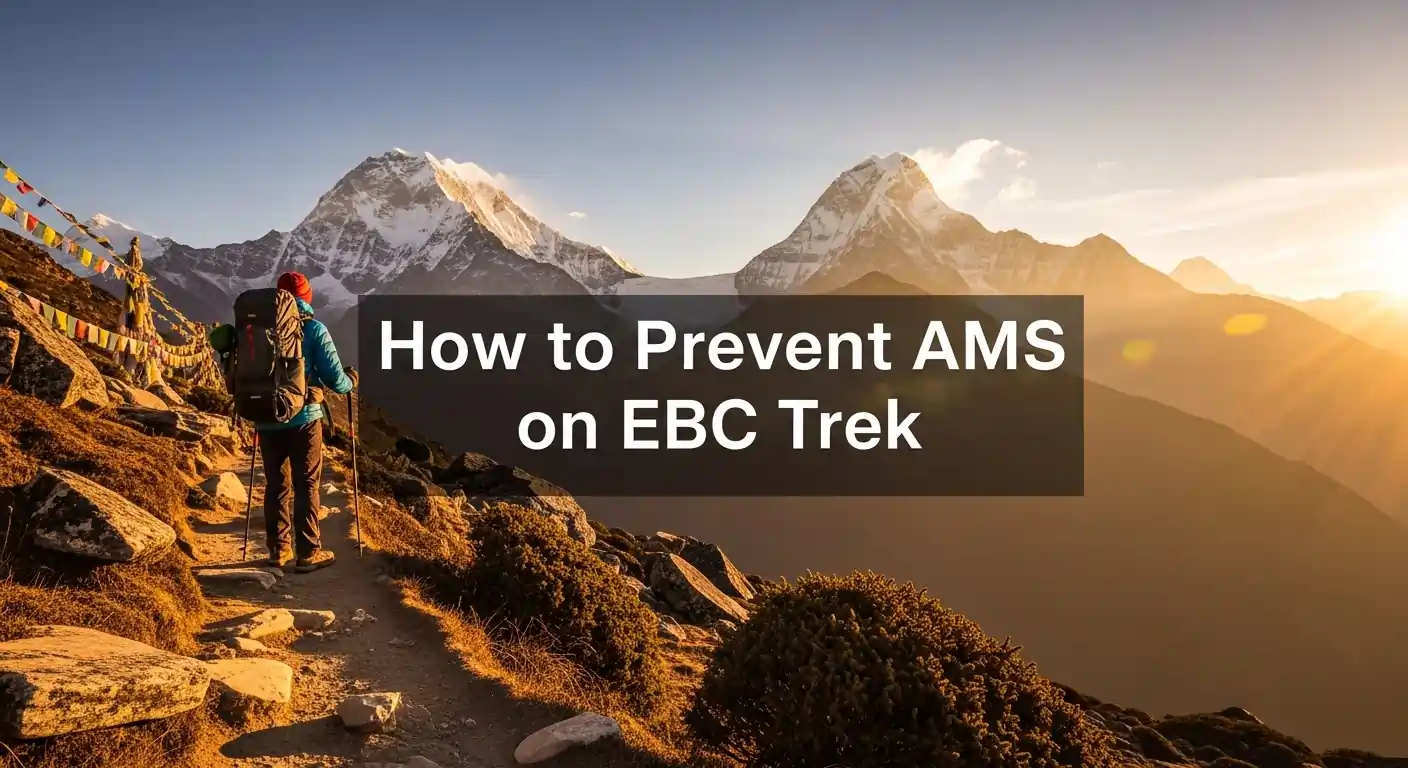
Are you worried that altitude sickness might ruin your dream of reaching the base of the world’s highest peak? Many hikers fear that headaches and nausea will force them to turn back before they ever see the Khumbu Icefall. The good news is that most cases of altitude sickness are preventable if you follow a proven safety plan.
In this blog, we will share the most effective strategies for avoiding AMS on EBC trek to keep your journey on track. We will explain how to pace your walk, what to eat, and how to recognize early warning signs before they become serious. This guide provides the expert knowledge you need to stay healthy and maintain your confidence throughout the entire Everest Base Camp trek.
What Is AMS and Why Does It Occur ?
Acute Mountain Sickness (AMS) is the negative physical reaction of the body to low oxygen levels at high altitudes. It typically occurs when you ascend to elevations above 2,400 meters (8,000 feet) faster than your body can adapt to the thinner air. Think of it as your body’s way of signaling that it needs more time to adjust to the decreasing atmospheric pressure.
On the Everest Base Camp trek, the air pressure drops significantly as you climb higher. Because the air is “thinner,” each breath you take contains fewer oxygen molecules than it does at sea level. If you move upward too quickly, your heart and lungs cannot deliver enough oxygen to your cells. This lack of oxygen causes the symptoms we identify as altitude sickness.
The geography of the Khumbu region makes this a common challenge for hikers. Most people fly from Kathmandu (1,400m) to Lukla (2,860m), which is an immediate and major jump in altitude. From there, the trail continues to rise consistently. Understanding that your body is undergoing a major physiological shift is the first step in staying safe.
Why altitude gain on the Everest Base Camp trek triggers AMS:
Altitude gain causes AMS because the rapid change in environment prevents your blood from saturating with enough oxygen to function normally. On the way to Everest, several factors contribute to this:
- Rapid Ascent: Flying into Lukla puts you at nearly 3,000 meters instantly, giving your body no time to prep.
- Lower Air Pressure: As you go higher, the air pressure drops, making it harder for oxygen to enter your bloodstream.
- Physical Overexertion: Trekking for 5-7 hours a day puts a high demand on your muscles, which need extra oxygen to recover.
- Dehydration: The cold, dry mountain air causes you to lose moisture through breathing, which thickens your blood and slows oxygen transport.
- Sleep Elevation: The trail forces you to sleep at higher altitudes each night, which can interfere with the body’s natural “reset” and recovery process.
Common Symptoms of AMS on EBC Trek
Early symptoms of AMS often feel like a bad hangover and include a persistent headache, nausea, loss of appetite, and feeling unusually tired. As you climb higher toward Everest Base Camp, you might also find it difficult to sleep or feel slightly dizzy when standing up quickly. It is vital to monitor these signs immediately because identifying them early allows you to rest or descend before the condition turns into a life-threatening emergency.
When AMS becomes dangerous and needs immediate attention:
AMS becomes dangerous when symptoms stop being mild and begin to affect your basic coordination, breathing, or mental clarity. If you ignore early signs and continue to ascend, you risk developing High Altitude Cerebral Edema (HACE) or High Altitude Pulmonary Edema (HAPE), both of which require an immediate descent to lower ground. You must seek help or start moving down if you notice any of the following:
- Severe & Splitting Headache: A headache that does not go away even after taking painkillers or drinking plenty of water.
- Loss of Coordination: An inability to walk in a straight line or stumbling, which is a key sign of brain swelling (HACE).
- Shortness of Breath at Rest: Struggling to breathe even when you are sitting down or lying in bed.
- Persistent Cough: A wet cough that may produce frothy or pink-tinged spit, indicating fluid in the lungs (HAPE).
- Confusion or Slurred Speech: Any change in mental state, such as acting “drunk,” forgetting where you are, or extreme drowsiness.
- Turning Blue: A bluish tint to the lips, tongue, or fingernails, which shows your body is severely starved of oxygen.
How to Prevent AMS on EBC Trek Effectively?
You can prevent AMS on EBC trek effectively by following a strict acclimatization schedule, staying hydrated, and maintaining a slow, steady pace throughout your journey. The most important rule is to give your body enough time to adjust to the lower oxygen levels by not rushing your ascent. By combining smart planning with proper nutrition and listening to your body’s warning signs, you can significantly reduce your risk of getting sick. Taking these steps ensures that your focus stays on the incredible mountain views rather than physical discomfort.
Follow a Proper Acclimatization Schedule
A proper acclimatization schedule is the most important factor in staying healthy because it allows your red blood cells to catch up with the thinning air. You should spend at least two nights at Namche Bazaar and two nights at Dingboche to let your body adjust naturally before moving higher. During these days, you should practice the “climb high, sleep low” strategy, where you hike to a higher elevation during the day and return to a lower point to sleep. This method stresses the body just enough to trigger adaptation without causing exhaustion. Following this specific routine is a proven way to reduce the risk of altitude sickness for every trekker.
Maintain Proper Hydration (4L/Day Rule)
Drinking enough water is critical for preventing AMS on EBC trek because hydration helps your blood carry oxygen more efficiently to your brain and muscles. At high altitudes, you lose moisture much faster through breathing and dry air, which can lead to thick blood and headaches. You should aim to drink at least 4 liters of water every day, even if you do not feel particularly thirsty in the cold weather. To make this easier, carry a thermos with warm water or add electrolyte powders to your bottle to encourage regular sipping. Staying hydrated keeps your energy levels high and helps your kidneys flush out the toxins that can build up during a long hike.
Role of Acetazolamide (Diamox) in Preventing AMS
Acetazolamide, commonly known by the brand name Diamox, is a prescription medication used to prevent and reduce the symptoms of altitude sickness. It works as a respiratory stimulant that forces your lungs to breathe faster, which increases the amount of oxygen in your blood. This process helps your body adjust to high altitudes much more quickly than it would on its own.
Trekkers should consider using Diamox if they have a history of altitude issues or if they are following a fast ascent schedule that doesn’t allow for enough natural rest days. It is most effective when taken 24 hours before reaching high elevations, acting as a preventative tool rather than a cure for severe sickness. While it is very helpful, you should always consult a doctor before your trek to discuss the correct dosage and potential side effects like tingling in the fingers or increased urination.
Monitoring Oxygen Levels During the EBC Trek
Monitoring your oxygen saturation levels is a vital part of staying safe while trekking through high-altitude terrain. By using a small device called a pulse oximeter, you can get a real-time reading of how much oxygen is reaching your blood. This data helps you and your guide decide if you are adapting well or if you need to slow down your pace. Keeping a close eye on these numbers allows you to make informed decisions before mild symptoms turn into a serious health risk.
Using Pulse Oximeters on the Trail
Pulse oximeters measure the percentage of oxygen in your blood and your heart rate by simply clipping onto your fingertip. At sea level, a normal reading is 95% to 100%, but these numbers will naturally drop as you climb higher toward Everest Base Camp. If your oxygen level falls below 75% or 80% while you are resting, it is a clear sign that your body is struggling to acclimatize to the thin air. These devices are excellent for detecting early AMS symptoms because they often show a drop in oxygen before you even feel a headache or nausea. By checking your levels every morning and evening, you can track your progress and ensure your heart is not overworking during the ascent.
Importance of Walking Pace and Trekking Discipline
Maintaining a slow and steady walking pace is the best way to reduce the physical stress on your heart and lungs. When you rush or try to “race” to the next teahouse, your muscles demand more oxygen than the thin mountain air can provide. This overexertion is a leading cause of altitude sickness because it prevents your body from recovering during the day. By practicing discipline and walking at a pace where you can still hold a conversation, you allow your body to adjust gradually. Listening to your body and respecting the planned itinerary ensures you have enough energy to reach the base camp safely and enjoy the journey.
What to Do If You Experience AMS on EBC Trek?
If you experience symptoms of AMS, the most important rule is to stop ascending immediately and inform your guide or trekking partners. You must never go higher when you have a headache, nausea, or dizziness, as the decrease in air pressure will only make your condition worse. Taking a rest day at your current altitude is often the best first step to see if your body can adjust to the elevation.
While you are resting, you should drink plenty of water and stay warm to help your body recover. Many trekkers find that taking a mild painkiller for a headache or using Diamox can help manage mild symptoms during this time. However, if your symptoms do not improve within 24 hours of resting, you must prepare to move to a lower elevation. Ignoring these early signs can lead to severe health issues that may require a helicopter evacuation.
Descent is the only absolute cure for altitude sickness and becomes necessary if your symptoms get worse or if you show signs of confusion. You should drop at least 500 to 1,000 meters in altitude as quickly as possible to get more oxygen into your system. Once you reach a lower elevation, symptoms usually improve very fast, allowing you to recover safely. Always prioritize your health over reaching the destination, as the mountains will always be there for a future attempt.
Common Myths About AMS on EBC Trek
Many trekkers wrongly believe that being in peak physical shape or having prior hiking experience makes them immune to altitude sickness. In reality, AMS is a biological reaction to oxygen levels and can affect anyone, regardless of how fast they can run or how many marathons they have finished. Understanding the truth behind these myths is vital for your safety because it keeps you from becoming overconfident and ignoring dangerous warning signs on the trail.
Why fitness and experience do not guarantee immunity:
- Fitness vs. Physiology: Physical fitness helps you hike longer, but it does not change how your blood chemistry adapts to low oxygen levels.
- The Youth Myth: Studies show that younger, fitter people often get AMS more frequently because they tend to walk faster and push their bodies too hard.
- Past Success: Just because you did not get sick on a previous high-altitude trek does not mean you are safe this time; every trip is different.
- Genetic Factors: Your ability to acclimatize is largely determined by your genetics rather than your gym routine or muscle mass.
- False Confidence: Thinking you are “too fit” to get sick often leads to skipping rest days, which is the most common reason for trekking failures.
- Dehydration Risk: High-performance athletes often sweat more and require more water, making them more prone to the dehydration that mimics AMS.
Tips from Experienced Guides to Prevent AMS on EBC Trek
Experienced Himalayan guides recommend that the secret to a successful trek is “Bistari, Bistari,” which means “slowly, slowly” in Nepali. They advise that you should never try to compete with other hikers or push through a headache just to reach the next village. A professional guide will monitor your breathing, your appetite, and even your mood every day to catch the smallest signs of altitude sickness before they become a problem. By following their expert pacing and taking scheduled rest days, you allow your body to adjust to the thin air without unnecessary stress.
Honest communication with your guide is the most important safety tool you have on the trail to Everest Base Camp. Many trekkers hide their symptoms because they are afraid of being told to stop or turn back, but this is a dangerous mistake. Guided treks reduce AMS risks because experts can spot early warning signs and provide immediate help, such as bottled oxygen or emergency descent plans. When you are open about how you feel, your guide can adjust the daily pace or suggest extra hydration to ensure you stay healthy and reach your goal safely.
Final Thoughts on Preventing AMS on EBC Trek
Preventing altitude sickness is the most important part of planning your journey to the roof of the world. By following a slow pace, staying hydrated, and respecting your body’s need for rest, you turn a dangerous challenge into a rewarding adventure. Remember that reaching the base camp is a great goal, but returning home healthy is the true success of any trek in the Himalayas.
Preparation and patience are your best allies when dealing with high elevations. Always listen to the advice of your guides, keep a close watch on your symptoms, and never be afraid to take an extra rest day if you feel unwell. If you prioritize your health and stay aware of your environment, you will have a much better chance of standing at the foot of Mount Everest.
Explore more trekking and expedition adventures in Nepal with a trusted expedition and trekking company in Nepal to ensure your next mountain journey is safe and unforgettable.
FAQs
What is the best way to avoid AMS on the EBC trek?
The best way is to walk slowly, stay hydrated, and include rest days at Namche and Dingboche.
Does physical fitness prevent altitude sickness?
No, fitness helps with stamina, but AMS is a biological reaction that can affect anyone regardless of shape.
How much water should I drink daily?
You should drink at least 4 liters of water daily to help your blood carry oxygen more effectively.
Is Diamox necessary for the Everest trek?
It is not mandatory, but many trekkers use it to speed up acclimatization under a doctor’s medical advice.
What are the first signs of AMS?
The earliest signs are usually a persistent headache, loss of appetite, nausea, and feeling very tired or dizzy.
Can I drink alcohol during the trek?
You should avoid alcohol because it dehydrates your body and can mask or worsen the symptoms of AMS.
What does “climb high, sleep low” mean?
It means hiking to a higher point during the day and returning to a lower elevation to sleep.
When should I descend immediately?
Descend if you feel confused, cannot walk straight, or struggle to breathe even while you are resting.

Ready for your next Himalayan adventure?
Plan Your Next Big Adventure with Us
Explore Our AdventuresJoin our expert-guided journeys across Nepal and beyond, from classic trails to epic summits.