
Tengboche Monastery: Spiritual Gateway to the Everest Region
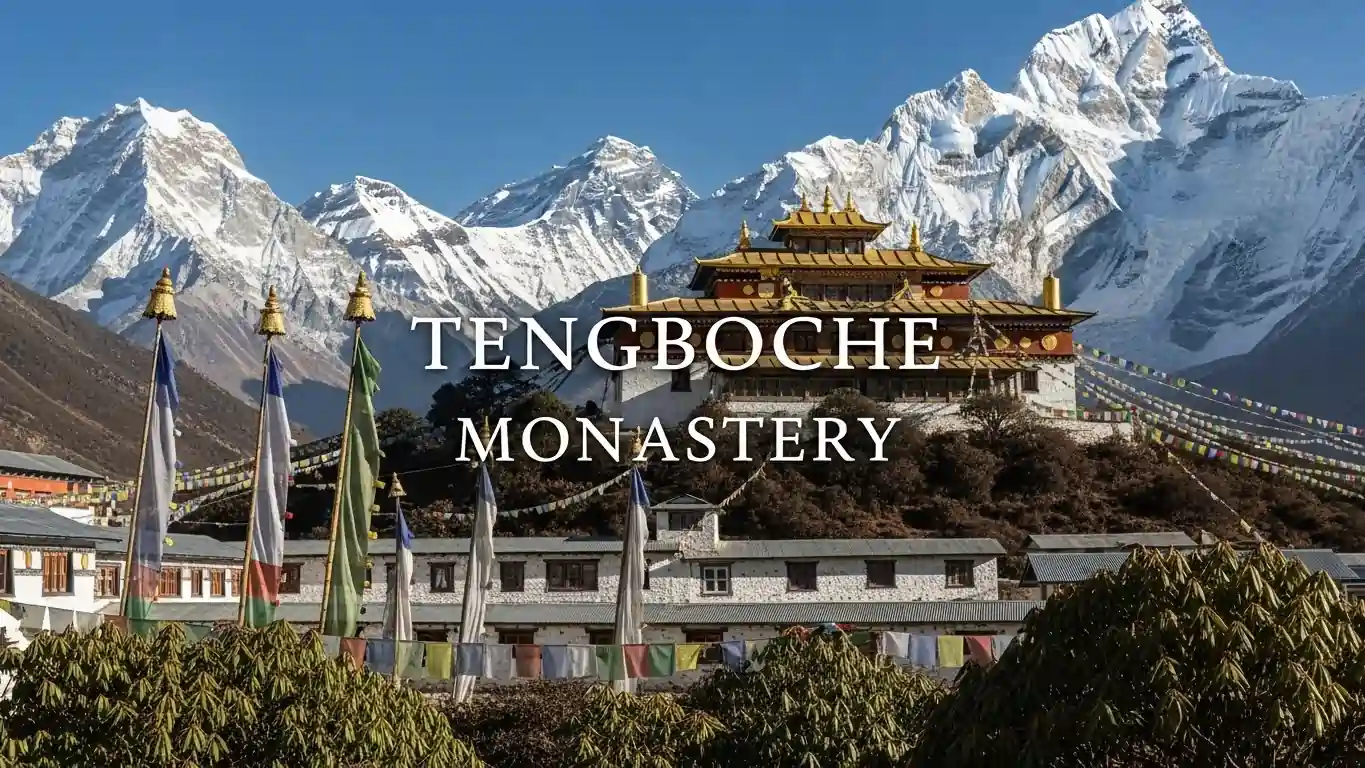
What makes Tengboche Monastery a spiritual landmark high within Himalaya landscapes, drawing trekkers, monks, photographers, pilgrims toward Everest region each year? This sacred site blends Buddhist practice, mountain culture, dramatic alpine scenery, creating a pause point during demanding high-altitude journeys. Prayer flags, chanting halls, snow peaks shape a deeply calming atmosphere.
In this blog, the focus stays on Tengboche Monastery, covering location, altitude, and the ebc trek route. It explores the monastery’s cultural importance, best visiting seasons, and weather patterns, alongside spiritual practices and practical tips for respectful visits. The content explains why Tengboche Monastery remains an essential part of the Nepal trekking experience, offering insight that goes far beyond the physical adventure.
What Is Tengboche Monastery?
Tengboche Monastery is a major Buddhist monastery in Khumbu region, serving as spiritual center for Sherpa community and trekkers heading toward Everest. This monasterio Tengboche sits on a forested ridge with direct views of Everest, Ama Dablam, Lhotse, creating a strong spiritual presence within the high Himalaya setting. Daily prayers, rituals, and festivals define monastic life here.
Tengboche Monastery Nepal holds deep historical value, founded in the early twentieth century as a key hub of the Nyingma Buddhist tradition. Often a spiritual waypoint for those on an Everest expedition, the monastery guides religious education, seasonal ceremonies, and the Mani Rimdu festival, preserving Himalayan Buddhist culture across generations. Its influence extends across Everest region villages, shaping moral values, cultural identity, and spiritual continuity.
Location and Altitude of Tengboche Monastery
Tengboche Monastery is located in the Solukhumbu district within Sagarmatha National Park, along the classic Everest Base Camp trekking route. For many visitors first learning where Everest is, the monastery sits above the Dudh Koshi valley between Namche Bazaar and Dingboche, making the location both accessible and dramatic. Its elevated ridge placement offers wide Himalayan exposure, while surrounding forests of rhododendron and pine add a sense of natural calm. This unique position strengthens the spiritual atmosphere while supporting the natural trekking flow toward the higher peaks.
Tengboche Monastery altitude and elevation in meters and feet
Tengboche Monastery altitude reaches about 3,867 meters above sea level, which equals roughly 12,687 feet. This elevation places the monastery within a high-altitude zone, where oxygen levels drop noticeably. Visitors often feel the first strong altitude effects here. Slow pace, hydration, controlled breathing support adjustment. Height also allows sweeping views across Everest region peaks.
Importance of its location for trekkers and panoramic views
Tengboche location serves as a natural rest and acclimatization stop for Everest trekkers. Ridge alignment opens uninterrupted sightlines toward Everest, Ama Dablam, Lhotse, Nuptse. Sunrise and sunset light enhances mountain contrast. Trekkers gain mental motivation through scenery and spiritual calm. The monastery courtyard has become a popular viewpoint for reflection and photography.
How to Reach Tengboche Monastery?
You can reach Tengboche Monastery by trekking through the Everest region after flying to Lukla and walking via Namche Bazaar. The route follows the Dudh Koshi valley before climbing toward the Tengboche ridge; for many travelers, this trail is the primary answer to how to go to Everest while experiencing the local culture. Most trekkers include the monastery during their Everest Base Camp itinerary, as access remains trekking-only with no road connection. Proper acclimatization planning supports a safe and enjoyable arrival at this high-altitude spiritual site.
Trek route overview: Namche Bazaar to Tengboche
The Tengboche Monastery trek usually starts from Namche Bazaar after an essential acclimatization day. Since there are no airports near Everest higher than Lukla or Syangboche, the journey remains a traditional foot-path adventure. The trail descends gently toward Phunki Tenga, crossing suspension bridges over the Dudh Koshi river before a steep uphill climb through pine and rhododendron forests. The path stays well-marked and is widely used by trekkers, with scenic viewpoints appearing frequently along the ridge sections. The monastery appears suddenly after the final ascent, and lucky hikers might even spot local wildlife along the forested stretches.
Distance, walking time, and trail difficulty
Distance from Namche Bazaar to Tengboche measures around 9-10 kilometers. Walking time averages five to six hours depending on pace and weather. Trail difficulty rates moderate due to long descent followed by continuous uphill climb. Altitude gain increases physical strain. Trekking poles help manage steep sections. Weather shifts can affect trail comfort. Good fitness improves enjoyment during final ascent.
Tips for planning the Tengboche Monastery trek
Start trekking early to avoid afternoon clouds and wind. Carry sufficient water since refill points remain limited between Namche and Tengboche. Maintain a slow walking rhythm to manage altitude stress. Pack light layers for changing temperatures. Plan an overnight stay near the monastery for morning prayers. Respect monastery rules during visit. Advance lodge booking helps during peak trekking seasons.
What is the Best Time to Visit Tengboche Monastery?
Best time to visit Tengboche Monastery Nepal depends on stable weather, clear skies, and safe trekking conditions. Seasonal changes strongly affect visibility, temperature, and trail quality. Spring and autumn attract most visitors due to favorable climate. Monsoon and winter present greater challenges. Planning around Tengboche Monastery improves experience quality.
Seasonal weather patterns and optimal trekking periods
Spring season from March to May brings mild temperatures and blooming rhododendron forests. Trails remain dry and comfortable for steady walking. Autumn from September to November offers crisp air and minimal cloud cover. Winter months bring heavy cold and occasional snow. Monsoon season causes slippery paths and reduced visibility. Most trekkers choose spring or autumn for reliability. Seasonal planning also helps in arranging teahouse accommodations in advance.
Visibility and photography tips
Morning hours provide clearest mountain views before clouds rise. Positioning near monastery courtyard captures Everest, Ama Dablam, Lhotse alignment. Use a wide-angle lens for panoramic Himalayan frames. Soft sunrise and sunset light enhances contrast. Cold temperatures affect batteries, so keep spares warm. Patience helps capture brief clear moments. Bringing a tripod improves long-exposure shots of prayer flags and distant peaks.
Life and Activities at Tengboche Monastery
Tengboche Monastery Nepal thrives as a living spiritual center where monks follow daily routines of prayer, meditation, and rituals. Visitors witness sacred ceremonies while exploring monasterio Tengboche. Monastery grounds are active throughout the day, with chanting, bell ringing, and prayer flag maintenance contributing to a serene yet vibrant atmosphere.
Daily routines, rituals, and festivals
Monks perform early morning prayers and meditation sessions, followed by scripture study and communal chores. The monastery hosts important festivals, most notably Mani Rimdu, which attracts pilgrims from across Khumbu. Rituals involve sacred dances, chanting, and butter lamp ceremonies. Daily offerings maintain spiritual continuity. Visitors often have a chance to observe these practices up close, gaining insight into Himalayan Buddhist culture. Seasonal festivals also allow trekkers to witness traditional Sherpa celebrations.
Interaction with monks and cultural experiences
Visitors can respectfully interact with monks to learn about Buddhist philosophy, meditation techniques, and monastic life. Photography is generally permitted in designated areas. Monks often share stories about the monastery’s history and spiritual significance. Trekking guides help explain local customs and etiquette. These experiences enrich cultural understanding and provide a memorable layer to Everest region trekking beyond natural scenery. Visitors are encouraged to show respect and follow monastery rules while engaging with monks.
Accommodation and Facilities Near Tengboche
Tengboche offers basic accommodation facilities for trekkers along the Everest Base Camp route. Lodges and teahouses cater to overnight stays, meals, and rest before or after visiting the monastery. Most accommodations are simple, focusing on comfort and warmth rather than luxury. Staying near Tengboche Monastery also provides early access for sunrise views and morning prayers.
Lodges and teahouses available for trekkers
Several teahouses and lodges are located within walking distance of Tengboche Monastery. Rooms are typically shared or private, with basic bedding and heating provided in winter. Booking in advance during peak trekking seasons is recommended, as space can be limited. Many lodges have communal dining areas where trekkers gather. Views from balconies often include Ama Dablam and surrounding peaks, enhancing the stay experience. Staff usually speak basic English and assist with trekking advice.
Food, water, and basic amenities
Food at Tengboche lodges mainly consists of Nepali and continental dishes, such as dal bhat, noodles, and soups. Water is often boiled or filtered; carrying personal water purification is recommended. Electricity may be limited, relying on solar panels or generators. Wi-Fi is scarce and usually comes at extra cost. Trekking essentials, snacks, and small personal items are available in local shops. Staying hydrated and maintaining a balanced diet supports acclimatization at high altitude.
Trekking Challenges and Preparation for Tengboche
Trekking to Tengboche presents moderate challenges due to high altitude, steep uphill trails, and variable Himalayan terrain. Trekkers must account for oxygen levels at around 3,867 meters and shifting weather patterns. Proper planning ensures a safer, more enjoyable experience while visiting this iconic monastery along the Everest Base Camp route.
Altitude and terrain considerations
Tengboche Monastery trek involves continuous uphill climbs through forested paths and rocky ridges. Altitude of nearly 3,867 meters can trigger mild to moderate altitude sickness in unacclimatized trekkers. Oxygen levels drop, making walking slower and more tiring. Trails can be slippery after rain or snow, and sudden weather changes add difficulty. Trekkers should monitor heart rate, take regular breaks, and ascend gradually. Awareness of terrain hazards, like loose rocks or narrow paths, is essential for safe trekking.
Physical and mental preparation tips
Strong cardiovascular fitness, leg strength, and endurance are essential for the Tengboche trek. Engaging in daily walks or stair training prior to departure helps you adapt to the long ascents typical of adventure trekking in Nepal. Mental readiness involves patience, coping with fatigue, and dealing with cold or windy conditions. Trekking in groups or with experienced guides boosts confidence and reduces stress, while maintaining hydration and balanced nutrition improves physical resilience. Psychological preparation also includes respecting the monastic environment and adapting to the simple living conditions found at high altitudes.
Gear recommendations for high-altitude trekking
Essential gear includes sturdy trekking boots, thermal clothing, waterproof jackets, trekking poles, and layered attire for temperature changes. Sunglasses and sunscreen protect against intense Himalayan sun. Daypacks should carry water, snacks, first-aid, and personal items. Sleeping bags may be needed if staying in unheated teahouses. Lightweight crampons can help in icy sections during winter or early spring. Proper packing reduces fatigue and ensures safety while ascending the Tengboche ridge and surrounding trails.
Safety Tips and Altitude Sickness Awareness
Tengboche Monastery sits at an elevation of 3,867 meters, where trekkers may experience mild to moderate altitude sickness. Common issues include headache, nausea, dizziness, fatigue, and shortness of breath. Awareness of these symptoms and taking preventive measures is crucial for a safe trek.
Common symptoms at Tengboche’s elevation
At Tengboche’s altitude, symptoms often appear gradually, especially in unacclimatized trekkers. Headaches, lightheadedness, nausea, and difficulty sleeping are common. Reduced stamina and shortness of breath during uphill walks signal early signs. Hydration, slow walking pace, and resting frequently help manage these effects. Monitoring symptoms carefully ensures timely response before escalation. Severe symptoms require immediate attention and possible descent.
Emergency response and descent strategies
Trekkers should know emergency procedures if altitude sickness worsens. Descending to lower altitude is the most effective treatment. Local guides or lodge staff can assist in organizing evacuation if necessary. Portable oxygen may be available at some teahouses. Maintaining communication with trekking partners and carrying a basic first-aid kit improves preparedness. Planning daily trekking distances conservatively reduces risk of severe illness.
Final Thoughts on Visiting Tengboche Monastery
Tengboche Monastery stands as a spiritual and cultural highlight of the Everest region, offering trekkers breathtaking Himalayan views and a unique glimpse into Sherpa Buddhist life. Its high-altitude location combines natural beauty with historical and religious significance, making it a must-visit stop for anyone trekking toward Everest Base Camp.
Visiting Tengboche requires careful planning, proper acclimatization, and respect for monastic traditions. By preparing physically, packing the right gear, and understanding altitude risks, trekkers can fully enjoy the serene atmosphere, vibrant festivals, and panoramic landscapes. Tengboche is not just a trek; it’s a transformative experience in the heart of the Himalayas.
FAQs About Tengboche Monastery
What is the altitude of Tengboche Monastery?
Tengboche Monastery sits at 3,867 meters (12,687 feet) in Nepal’s Khumbu region.
How long is the trek to Tengboche?
From Namche Bazaar, the trek to Tengboche takes around 5–6 hours, covering roughly 9–10 kilometers.
When is the best time to visit Tengboche?
Spring (March–May) and autumn (September–November) offer the best weather, clear skies, and ideal trekking conditions.
Can beginners visit Tengboche Monastery safely?
Yes, beginners can visit with proper acclimatization, guidance, and moderate physical fitness.
What facilities are available for trekkers?
Teahouses provide basic rooms, meals, water, and limited electricity near the monastery.
What cultural experiences can be expected?
Visitors can witness prayers, rituals, festivals like Mani Rimdu, and interact respectfully with monks.
How high is Tengboche Monastery compared to Namche Bazaar?
It is approximately 1,200 meters higher than Namche Bazaar, making gradual ascent essential for acclimatization.
Is photography allowed inside the monastery?
Photography is allowed in designated areas, but visitors should respect rules and avoid disturbing rituals.

Ready for your next Himalayan adventure?
Plan Your Next Big Adventure with Us
Explore Our AdventuresJoin our expert-guided journeys across Nepal and beyond, from classic trails to epic summits.