
Namche Bazaar: Complete Guide to the Gateway of Everest Region
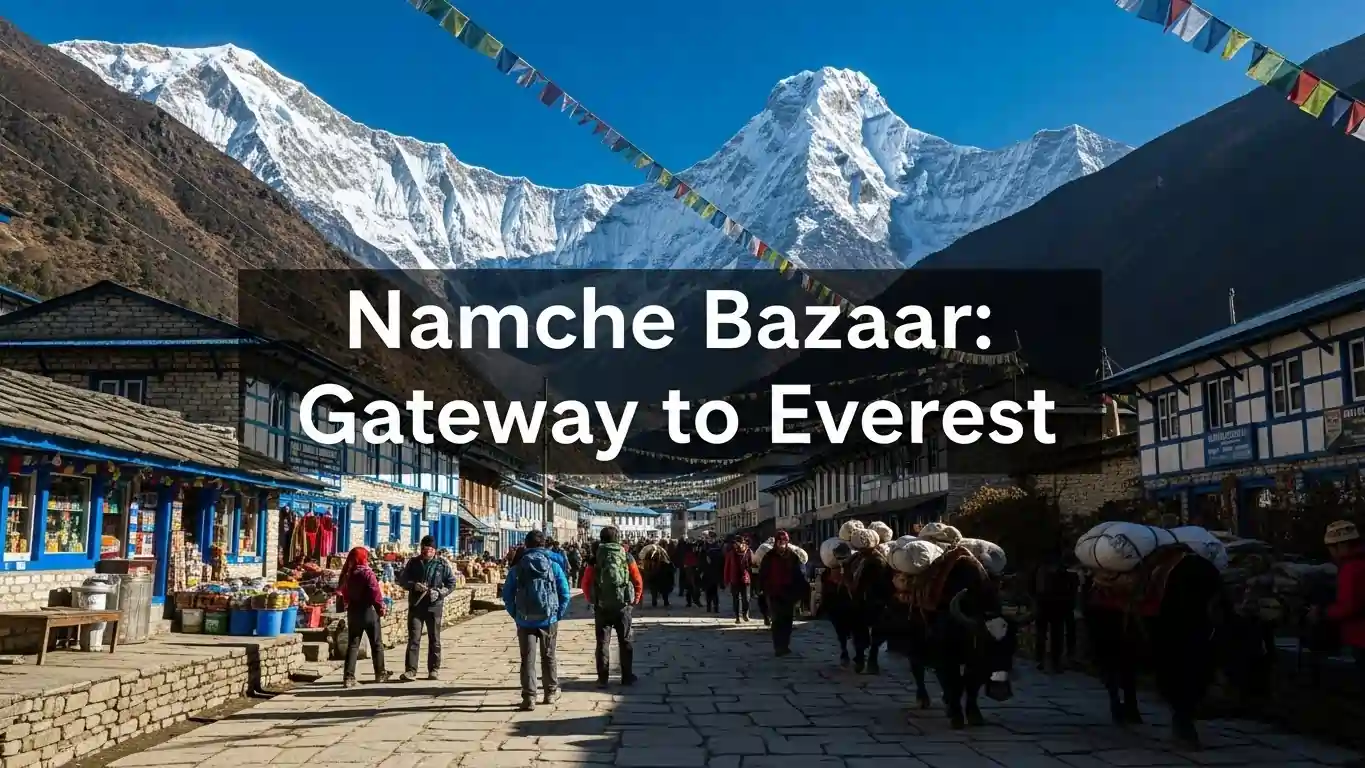
Does altitude confusion, weather uncertainty, and stopover planning make Everest region travel feel unclear before the first trek day? We see trekkers reach hills above Lukla with excitement mixed with doubt. Thin air slows steps. Weather shifts plans. Wrong pacing causes headaches and fatigue. Clear expectations save energy and time. Smart preparation turns this stop into strength rather than struggle.
In this blog, Namche Bazaar coverage explains location, altitude, weather patterns, facilities, acclimatization value, routes, stays, and travel tips. We break facts into simple steps so trekkers plan days with confidence for climbing Everest. Think of Namche as lungs before higher climbs; rest restores rhythm, knowledge guides choices, and preparation builds momentum for Everest region journeys.
Introduction to Namche Bazaar
Namche Bazaar sits at the heart of the Everest region, serving as a lively hub where trekking routes, local culture, and Himalayan scenery converge. Traders, lodges, and trekking agencies line narrow streets, creating a bustling stop for trekkers returning from Lukla or heading higher toward Everest Base Camp. Its altitude of 3,440 meters (11,286 feet) makes it the first major settlement where climbers adjust to thinner air, rest, and organize gear for higher elevations. Markets, bakeries, and small cafes combine utility with charm, giving travelers a taste of Sherpa life alongside mountain views.
Namche Bazaar Nepal earns the title “gateway to Everest” because nearly all treks to Everest Base Camp or surrounding peaks pass through it. The town acts as both an acclimatization point and a logistical base for those wondering where is Everest and how to reach its base. Here, trekkers finalize permits, pack essentials, and connect with local guides. Its unique location above the Dudh Koshi river provides panoramic views of peaks like Thamserku and Kongde Ri, offering both practical rest and visual reward.
This guide is ideal for trekkers, travelers, and planners aiming to explore the Everest region safely and efficiently. Beginners planning first high-altitude treks, adventure enthusiasts coordinating multi-day trips, and travel planners arranging how to go to Everest and its surrounding routes will find actionable insights. We focus on weather, altitude, facilities, acclimatization, and travel tips to make Namche Bazaar both memorable and strategically useful on any Everest journey.
Where Is Namche Bazaar Located?
Namche Bazaar is located in the Khumbu region of northeastern Nepal, at an altitude of 3,440 meters (11,286 feet) above sea level. It lies along the Dudh Koshi River and serves as the central hub for trekkers heading to Everest Base Camp or nearby Himalayan peaks. Its strategic position provides both acclimatization and logistical support for high-altitude treks.
Geographic location of Namche Bazaar in the Khumbu region
Namche Bazaar sits on a natural terrace above the Dudh Koshi river, surrounded by steep ridges and Himalayan peaks. It is part of Solukhumbu District and lies within Sagarmatha National Park. The town connects smaller Sherpa villages with trekking trails leading to Everest Base Camp, Thame, and Kunde. Its position provides sweeping views of mountains like Thamserku and Kongde Ri, making it both scenic and strategically important for trekkers.
Accessibility from Lukla
Namche Bazaar is typically reached by trekking from Lukla, a 9-10 km hike taking about 5-7 hours depending on pace. The trail passes suspension bridges, pine forests, and gradual inclines that help with initial acclimatization. Porters and pack animals often support trekkers. Flights to Lukla operate year-round, and it remains one of the primary airports near Everest, making Namche Bazaar a convenient first stop in the region. The route combines adventure, cultural exposure, and essential preparation for higher altitudes.
Importance of Namche Bazaar on the Everest trekking route
Namche Bazaar acts as the first major rest and acclimatization point for Everest region treks. Trekkers stock up on supplies, finalize permits, and arrange guides or porters here. Staying at Namche for 1-2 nights helps reduce altitude sickness risk for higher camps. Its markets, cafes, and lodges provide comfort without leaving the trekking experience. The town also serves as a hub for cultural experiences and interactions with Sherpa communities.
Namche Bazaar Elevation and Altitude
Namche Bazaar sits at an elevation of 3,440 meters (11,286 feet), making it a crucial acclimatization stop in the Everest region. Its high altitude means thinner air and lower oxygen levels, requiring trekkers to rest and adjust before higher camps. Understanding elevation helps plan pace, hydration, and rest days, reducing risks of altitude sickness and fatigue.
Altitude of Namche Bazaar
Namche Bazaar’s exact altitude is 3,440 meters (11,286 feet) above sea level. This elevation places it above most lowland trekking regions in Nepal, making it the first significant high-altitude town for Everest trekkers. Its position allows gradual acclimatization while providing services like lodging, markets, and medical support. Trekkers can use Namche as a base before ascending to higher camps like Tengboche or Dingboche. The altitude also offers stunning panoramic views of surrounding Himalayan peaks.
Related Article: https://marveltreks.com/tengboche-monastery/
Why altitude matters for trekkers?
High altitude reduces oxygen availability, increasing physical strain during hiking. Muscles tire faster, and heart rate rises to compensate for thinner air. Trekkers may experience slower movement, shortness of breath, or fatigue without proper acclimatization. Spending time at Namche helps the body adjust, producing more red blood cells and improving stamina for higher elevations. Planning rest.
How Namche Bazaar Altitude Affects Trekkers?
Namche Bazaar altitude affects trekkers by lowering oxygen levels, making acclimatization essential to prevent altitude sickness. Symptoms like headaches, dizziness, nausea, and shortness of breath are common if the body ascends too quickly. Spending 1–2 days at Namche allows adaptation, helping climbers perform better at higher camps. Proper hydration, gradual pace, and monitoring symptoms reduce risks and improve trekking experience in the Everest region.
Namche Bazaar Weather
Namche Bazaar experiences a cold, temperate mountain climate with significant seasonal variations. Temperatures drop sharply at night, and weather can change quickly, affecting trekking plans. Understanding weather helps trekkers prepare clothing, gear, and timing. Clear skies offer stunning Himalayan views, while storms can slow or halt progress.
Weather at Namche Bazaar by Season
Spring weather at Namche Bazaar is mild and stable, with daytime temperatures around 10-15°C (50-59°F). Snow from winter starts melting, trails are mostly clear, and skies are generally sunny. This season is ideal for trekking and acclimatization before higher altitude climbs.
Summer/monsoon conditions bring heavy rainfall, slippery trails, and dense clouds that obscure mountain views. Daytime temperatures reach 15-20°C (59-68°F). Landslides and swollen rivers may make the Lukla-Namche route challenging. Trekkers need waterproof gear and caution during this period.
Autumn weather Namche Bazaar Nepal is cool and stable, with crisp air and clear skies. Daytime temperatures hover around 8-12°C (46-54°F). This season is popular for trekking due to excellent visibility, moderate temperatures, and safer trail conditions after monsoon.
Winter weather challenges include sub-zero nights, icy trails, and strong winds. Daytime temperatures rarely exceed 5°C (41°F). Short daylight hours and heavy snow increase trekking difficulty. Only well-prepared, experienced trekkers attempt winter visits safely.
Best Time Based on Weather at Namche Bazaar
The best time to visit Namche Bazaar is spring (March-May) and autumn (September-November) for stable weather and clear views. Trekkers avoid monsoon rains and extreme winter cold. Weather risks include sudden storms, icy paths, and reduced visibility, so flexibility in planning and proper gear remain essential.
Why Namche Bazaar Is Important for Everest Treks?
Namche Bazaar is important for Everest treks because it serves as the first major acclimatization stop, rest hub, and logistical center before higher-altitude climbs. Staying here helps trekkers adjust to thinner air, organize supplies, and prepare physically and mentally for Everest region routes. Its combination of altitude, facilities, and local expertise makes it indispensable for safe trekking.
Role of Namche Bazaar as an acclimatization hub
Namche Bazaar allows trekkers to gradually adjust to high altitude, reducing the risk of altitude sickness. Trekkers typically spend 1–2 nights here before ascending higher camps. Day hikes to nearby ridges further help the body adapt while improving stamina. Clinics and guides in town monitor health and provide advice on safe acclimatization schedules. Proper time at Namche ensures better performance and safer progression toward Everest Base Camp.
Supplies, rest, and preparation for high-altitude treks
Namche Bazaar offers essential supplies like food, trekking gear, and medical items for high-altitude climbs. Lodges and cafes provide rest, nutrition, and warm shelter. Trekkers can repair equipment or purchase missing items, reducing the need to carry excessive weight from Lukla. This preparation saves energy for longer rotations and summit attempts while allowing teams to plan logistics carefully.
Cultural and logistical significance
Namche Bazaar reflects Sherpa culture with markets, monasteries, and local architecture. Trekkers gain insight into traditions while interacting with communities. Logistically, the town coordinates guides, porters, and permits for Everest region expeditions. Its communication networks and transport links make it a central hub connecting smaller villages to trekking routes. This dual cultural and practical role enhances the overall trekking experience.
Things to Do in Namche Bazaar
Ans: Namche Bazaar offers a mix of acclimatization activities, cultural experiences, and shopping opportunities for trekkers in the Everest region. Spending time here allows hikers to adjust to altitude while exploring local villages, trails, and markets. From short hikes to cultural sites and souvenir shopping, Namche keeps trekkers engaged while preparing for higher-altitude climbs.
Acclimatization Hikes Around Namche Bazaar
Trekkers can take short hikes to nearby viewpoints for proper acclimatization. The Everest View Hotel hike offers panoramic views of Everest, Lhotse, and Ama Dablam, perfect for photography and light exercise. Day trips to Khumjung and Khunde villages introduce traditional Sherpa life and small monasteries. These hikes balance rest with gentle exertion, helping the body adjust before ascending higher camps.
Cultural Attractions in Namche Bazar
Namche Bazaar reflects rich Sherpa culture. The Sherpa Culture Museum showcases local history, mountaineering heritage, and traditional artifacts. Several local monasteries provide insight into Buddhist practices and spiritual life. Visitors can observe local festivals, prayer rituals, and community gatherings. These cultural stops enrich trekking experience while offering mental relaxation at altitude.
Shopping and Markets in Namche Bazaar
Namche’s markets provide essential trekking supplies and local handicrafts. Trekking gear shops stock jackets, boots, ropes, and oxygen accessories. Souvenirs and local products include handmade jewelry, prayer flags, and traditional clothing. Shopping here reduces weight carried from Lukla and supports local economy. Markets also serve as social hubs where trekkers meet other teams and gather trail information.
Accommodation and Food in Namche Bazaar
Namche Bazaar offers a variety of lodges and hotels along with local and international food options, making it a comfortable stop for Everest region trekkers. Staying here allows proper rest, acclimatization, and preparation for higher camps. Options range from basic teahouses to mid-range hotels, catering to different budgets and needs.
Types of lodges and hotels available
Namche Bazaar provides teahouses, guesthouses, and small hotels along the main street and side alleys. Basic lodges offer simple rooms with shared bathrooms and warm bedding, ideal for budget trekkers. Mid-range hotels provide private rooms, hot showers, Wi-Fi, and better dining options. Some premium lodges have scenic balconies overlooking Himalayan peaks, combining comfort with stunning views. Advance booking during peak seasons ensures availability.
Food options for trekkers and travelers
Food in Namche Bazaar ranges from local Sherpa meals like dal bhat, momo, and noodles to continental and Western dishes such as pasta, pizza, and pancakes. Cafes serve tea, coffee, and snacks for quick energy. Many lodges cater to high-calorie meals needed for high-altitude trekking. Hydration with water, tea, and electrolyte drinks is emphasized to support acclimatization.
Cost expectations
Accommodation costs vary from $10-$25 per night for basic lodges and $30-$60 for mid-range hotels. Meals range from $3-$10 for local dishes and $5-$15 for Western meals. Prices rise slightly during peak trekking seasons. Budget planning ensures trekkers can enjoy comfort, meals, and supplies without overspending.
Internet, ATM, and Facilities in Namche Bazaar
Namche Bazaar provides basic modern facilities including Wi-Fi, mobile networks, ATMs, and medical services, supporting trekkers during their Everest region journey. While limited compared to cities, these facilities allow communication, cash access, and emergency support, making the town a practical stop before higher-altitude climbs.
Availability of Wi-Fi and mobile networks
Namche Bazaar offers Wi-Fi in most lodges, cafes, and some hotels, though speed may be slower than urban areas. Mobile networks from providers like Ncell and Nepal Telecom cover the town and nearby trails. Signal strength may drop on higher ridges or during storms. Trekkers often rely on Wi-Fi for communication, weather updates, and connecting with guides.
ATM and banking facilities
Namche Bazaar has a few ATMs and small banking outlets for withdrawing Nepalese rupees. Cash is essential as most teahouses and markets do not accept cards. Limited ATM availability may require withdrawing extra funds in Lukla or Kathmandu. Planning ahead ensures trekkers have enough cash for accommodation, food, permits, and supplies.
Medical and emergency services
The town has basic clinics and small medical centers for altitude sickness, minor injuries, and general health issues. Some lodges have oxygen cylinders and first-aid supplies. For serious emergencies, helicopter evacuation can be arranged. Early recognition of altitude sickness and timely treatment in Namche improves safety during Everest region treks.
How to Reach Namche Bazaar?
You can reach Namche Bazaar by trekking from Lukla, which is the most common starting point for Everest region journeys. The trail follows the Dudh Koshi river, crosses several suspension bridges, and gradually ascends through forests and small villages. Most trekkers take 5-7 hours depending on pace, load, and acclimatization needs. The path offers spectacular Himalayan views and opportunities to interact with local Sherpa communities along the way.
The trekking distance from Lukla to Namche Bazaar is approximately 9-10 kilometers (5.5-6 miles) in a straight line, but the winding trail and steep ascents make the effort more demanding. Trekkers typically break the journey with stops at waypoints like Monjo or Phakding to rest and hydrate. Difficulty level is moderate to challenging due to the altitude gain of over 1,000 meters (3,280 feet) in a single day. Proper pacing, light loads, and acclimatization breaks make the trek safer and more enjoyable while preparing the body for higher elevations in the Everest region.
Travel Tips for Visiting Namche Bazaar Nepal
Proper preparation and awareness make visiting Namche Bazaar safer and more enjoyable for Everest region trekkers. Acclimatization is essential, spending 1-2 nights in Namche helps the body adjust to thinner air. Staying hydrated, eating balanced meals, and pacing yourself on trails reduces altitude sickness risk and improves energy levels for higher camps.
Packing wisely is also important. Warm clothing, layered outfits, waterproof gear, and sturdy trekking boots are essential due to rapid weather changes. Sunglasses, sunscreen, and trekking poles enhance safety and comfort. Practicing responsible tourism, such as respecting local customs, minimizing waste, and supporting Sherpa-owned businesses, helps preserve the community and environment. Understanding local etiquette, like greeting monks or asking before photography, ensures a respectful and immersive experience in Namche Bazaar.
Namche Bazaar for Different Treks
Namche Bazaar serves as a key hub for multiple treks in the Everest region, including Everest Base Camp, Gokyo Lakes, and Three Passes treks. Its strategic location, altitude, and facilities make it an ideal acclimatization and logistical stop. Trekkers rest here, stock up on supplies, and prepare for higher elevations. The town also offers cultural experiences, short hikes, and stunning mountain views, making it essential for any Everest region itinerary.
Everest Base Camp trek
Namche Bazaar is the first major stop on the classic Everest Base Camp trek. Trekkers typically spend 1–2 nights here to acclimatize before ascending to Tengboche and Dingboche. The town provides lodges, food, medical support, and gear shops. Day hikes around Namche help prepare the body for longer, high-altitude sections. Its markets and cultural attractions offer a break from trekking while still remaining close to the trail.
Gokyo Lakes trek
For the Gokyo Lakes trek, Namche Bazaar serves as the main gateway before heading northwest toward Gokyo village. Trekkers use Namche to acclimatize and arrange logistics for side trails leading to Ngozumpa Glacier and the Gokyo Lakes. Lodges and teahouses here provide meals and essential supplies. The town’s altitude adjustment is critical for handling glacier crossings and higher passes along this trek.
Three Passes trek
Namche Bazaar acts as a central hub for the Three Passes trek, which connects Everest Base Camp, Gokyo Lakes, and Renjo La, Cho La, and Kongma La passes. Trekkers spend a night or two in Namche to acclimatize and plan the challenging route ahead. Lodges and gear shops allow for equipment check and ration collection. Its cultural exposure and scenic viewpoints also offer rest and mental preparation for the strenuous three-pass journey.
Final Thoughts on Visiting Namche Bazaar
Namche Bazaar is more than just a stopover; it is a vital acclimatization hub, cultural center, and logistical base for Everest region treks. Spending time here prepares the body for higher-altitude climbs, provides access to essential supplies, and offers a glimpse into Sherpa life. Its markets, lodges, and trails combine practicality with experience, making every moment spent in Namche valuable for both trekking success and personal enjoyment.
Planning your visit around altitude and weather ensures safety and comfort. Spring and autumn provide the best conditions for trekking, while proper pacing and hydration reduce risks of altitude sickness. By taking advantage of short hikes, cultural attractions, and local facilities, trekkers can maximize their experience in Namche Bazaar and create a strong foundation for a memorable Everest journey.
FAQs
Can you see Everest from Namche Bazaar?
Yes, Everest and other peaks like Lhotse and Ama Dablam are visible from viewpoints around Namche Bazaar. The Everest View Hotel hike offers the best panorama for photos and acclimatization.
How high is Namche Bazaar?
Namche Bazaar sits at an altitude of 3,440 meters (11,286 feet) above sea level. This makes it a key acclimatization point for Everest region treks.
How to get to Namche Bazaar?
Trekkers usually hike from Lukla along the Dudh Koshi river. The trail takes 5–7 hours, crossing suspension bridges and small villages.
How to get to Namche Bazaar from Kathmandu?
Fly from Kathmandu to Lukla, then trek on foot to Namche Bazaar. Flight takes ~35 minutes; trek adds 5–7 hours depending on pace and rest.
How to go to Namche Bazaar from Kathmandu?
Option 1: Fly to Lukla, then trek; Option 2: overland jeep plus trekking, though less common. Most trekkers prefer the flight for convenience and time-saving.
What is Namche Bazaar famous for?
Namche Bazaar is famous as the gateway to Everest, a hub for trekking logistics, and Sherpa culture. Markets, lodges, and acclimatization trails make it a must-stop on Everest treks.
What to do in Namche Bazaar?
Hike to Everest View Hotel, visit Khumjung and Khunde villages, explore monasteries, and shop in local markets. Short hikes help acclimatize while enjoying Himalayan scenery and cultural experiences.
Where is Namche Bazaar?
Namche Bazaar is in the Khumbu region of northeastern Nepal, along the Dudh Koshi river. It sits between Lukla and higher Everest region camps, making it central for trekkers.
Where is Namche Bazaar located?
Namche is located at 3,440 meters in Solukhumbu District, Sagarmatha National Park. It connects smaller Sherpa villages to trekking routes toward Everest Base Camp.
How to reach Namche Bazaar?
Reach Namche Bazaar by trekking from Lukla, crossing suspension bridges and climbing gradually to adjust to altitude. Spend 1–2 nights for acclimatization and preparation before ascending higher camps.

Ready for your next Himalayan adventure?
Plan Your Next Big Adventure with Us
Explore Our AdventuresJoin our expert-guided journeys across Nepal and beyond, from classic trails to epic summits.