
Trekking in Nepal in October: A Complete Guide for 2026
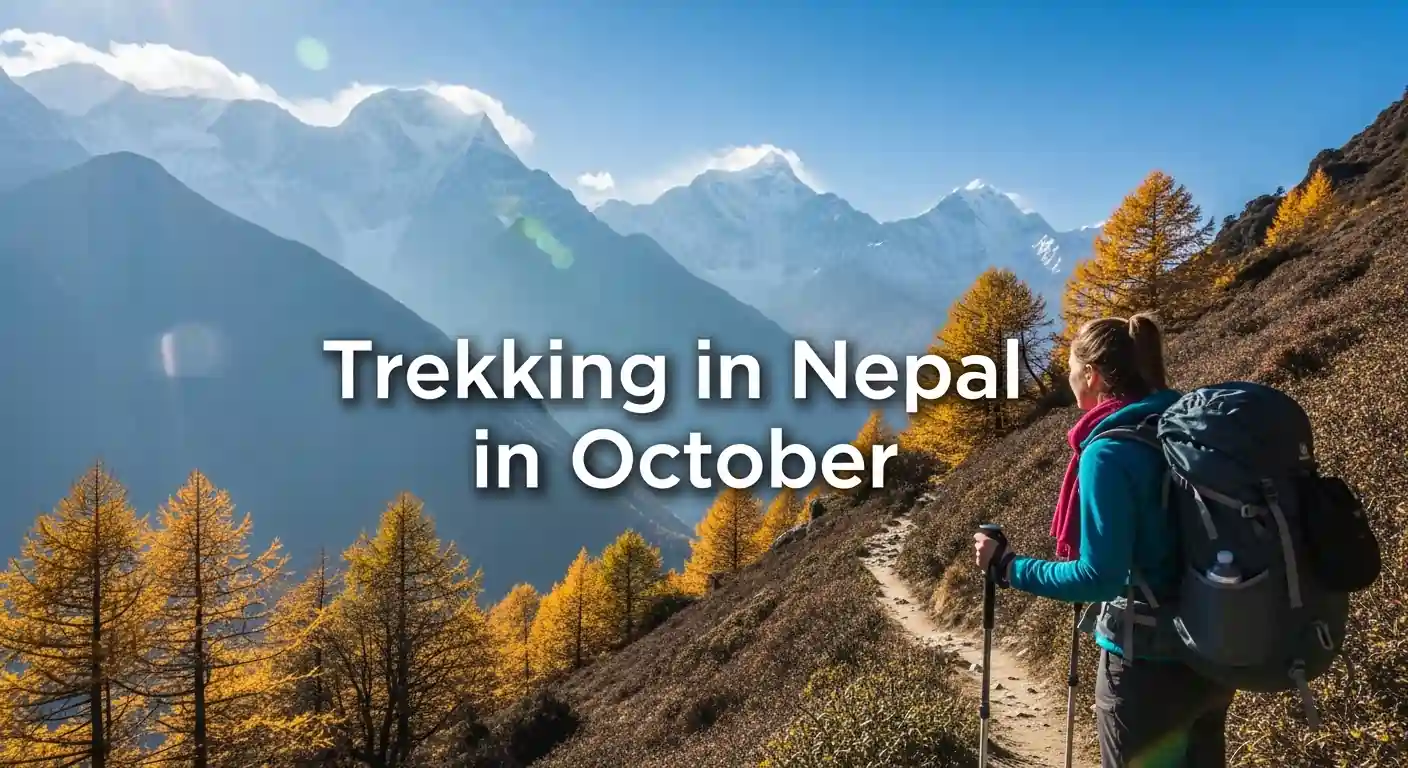
Picture yourself standing at Everest Base Camp with crystal-clear skies stretching endlessly above you, or watching the sunrise paint Annapurna’s peaks in shades of gold and pink. October transforms Nepal’s trekking routes into something truly extraordinary, combining perfect weather conditions with vibrant cultural celebrations that you simply won’t find during any other month of the year.
In this blog about trekking in Nepal in October, we’ll walk you through everything you need to plan your Himalayan adventure with confidence. You’ll discover why October stands out as the premier trekking season, which routes offer the best experiences for your fitness level, including options ideal for trekking in Nepal for beginners, what permits and gear you’ll need, and how to navigate the challenges of peak season crowds while making the most of Nepal’s most spectacular trekking month.
Why October Is the Best Month to Trek in Nepal?
October stands out as the peak trekking season in Nepal because the monsoon has just ended, leaving behind crystal-clear skies, stable weather patterns, and landscapes refreshed by months of rain. Daytime temperatures range from 15–20°C at lower altitudes, while nights grow colder as you climb higher. The air is so clean after the rains that distant peaks like Everest, Lhotse, and Annapurna appear sharp and close, often visible for days without interruption.
1. Clear skies and exceptional mountain visibility
The monsoon washes dust and haze from the atmosphere, and by early October, the air clarity reaches its annual peak. You’ll see Himalayan giants like Everest, Lhotse, and Annapurna that would be hidden behind clouds or smog during other seasons. Photographers and first-time visitors overwhelmingly choose October for exactly this reason. The crystal-clear conditions create perfect opportunities for capturing stunning mountain photographs and experiencing unobstructed panoramic views.
2. Stable weather after monsoon season
By late September, the monsoon retreats south, and October settles into a predictable dry pattern. Rain becomes rare on most routes, and the dramatic afternoon thunderstorms that define summer months largely disappear. Trails dry out completely, high passes become safer to cross, and weather-related delays drop significantly. This stability allows you to trek with confidence and stick to your planned itinerary without unexpected disruptions.
3. Lush trails and vibrant landscapes
Recent rains leave hillsides brilliantly green, with terraced rice paddies turning golden as harvest approaches. Waterfalls run strong, forests look refreshed, and the contrast between verdant valleys and snow-capped peaks creates striking visual depth. The landscape feels alive in ways that the drier spring season cannot match. You’ll experience Nepal’s natural beauty at its most vibrant and photogenic state.
4. Teahouses and services fully operational
After monsoon trekking and maintenance, lodges along major routes reopen with full staff and fresh supplies. Guides, porters, and teahouse owners are energized for the busy season, which translates into better service, more menu options, and well-prepared accommodations. You’ll find consistent hot meals, comfortable lodging, and experienced staff ready to support your trekking journey. The entire trekking infrastructure operates at peak efficiency during this period.
5. Dashain and Tihar festival atmosphere
Nepal’s two largest festivals typically fall in October, filling villages with celebration, music, and elaborate decorations. Trekking during this period offers genuine cultural immersion as you witness families gathering, temples adorned with marigolds, and communities sharing festive meals.
Also Read: Trekking in Nepal in January
Nepal in October Weather by Altitude and Region
October’s weather varies dramatically as you climb from Kathmandu’s valleys to high-altitude passes, with each elevation zone bringing distinct temperature ranges and conditions. Understanding these altitude-specific patterns helps you pack the right gear and set realistic expectations for comfort throughout your trek.
Weather shifts dramatically with elevation, so understanding what to expect at different altitudes helps you pack appropriately and set realistic expectations.
1. Temperatures from lowlands to high passes
| Altitude Zone | Daytime Temperature | Nighttime Temperature |
| Kathmandu (1,400m) | 20–28°C | 10–15°C |
| Mid-hills (2,500–3,500m) | 15–20°C | 5–10°C |
| Base camps (4,000–5,000m) | 8–15°C | -5 to 5°C |
| High passes (5,300m+) | 0–8°C | -10 to -5°C |
2. Rainfall and precipitation trends
October sees minimal precipitation across most trekking regions, making it one of the driest months for Himalayan adventures. Early October can occasionally bring lingering monsoon moisture, particularly in the Annapurna region, but by mid-month, conditions stabilize into the dry pattern that continues through November. Rain becomes increasingly rare as the month progresses, with most trekking routes experiencing clear, dry days perfect for hiking.
3. Daylight hours and best times for views
Sunrise occurs around 5:45 AM and sunset near 5:30 PM, giving you roughly twelve hours of daylight for trekking. The clearest mountain views typically appear in early morning before atmospheric haze develops, making pre-dawn starts to viewpoints like Kala Patthar particularly rewarding. Plan your most important photography and viewpoint visits for the first few hours after sunrise when visibility reaches its peak.
4. How early October differs from late October
Early October may still carry traces of monsoon humidity, with occasional afternoon showers possible in the first week, especially at lower elevations. Late October brings drier, colder conditions with better visibility but noticeably chillier nights at altitude. The transition between early and late October means you’ll experience gradually improving weather stability and increasingly crisp mountain views as the month progresses.
Best Treks to Do in Nepal in October
October’s favorable conditions open virtually every trekking route in Nepal, from iconic base camp journeys to remote wilderness circuits. The stable weather, clear mountain views, and fully operational teahouse infrastructure make this month ideal for both classic routes and off-the-beaten-path adventures. Below, you’ll find the most popular October treks, each offering distinct experiences matched to different fitness levels, time frames, and interests, helping you choose the route that aligns best with your Himalayan goals.
1. Everest Base Camp Trek
The classic Khumbu route reaches its busiest and most spectacular period in October, offering exceptional views of Everest, Lhotse, and Ama Dablam throughout your journey. The post-monsoon clarity creates perfect conditions for photography and mountain viewing at every stage of the Everest base camp trek. However, October’s popularity means you’ll encounter crowded trails and fully booked teahouses, particularly around Namche Bazaar and Gorak Shep. Planning ahead with advance reservations becomes essential to secure comfortable accommodation during this peak season.
2. Annapurna Base Camp Trek
This shorter trek typically takes 10 to 12 days and showcases the Annapurna Sanctuary at its finest during October. The rhododendron forests remain lush from recent monsoon rains, while the amphitheater of peaks surrounding base camp appears in sharp detail against clear skies. The moderate altitude profile makes this trek accessible to fit beginners who have prepared adequately. You’ll experience diverse landscapes ranging from subtropical valleys to high-altitude glacial zones, all within a manageable timeframe.
3. Langtang Valley Trek
Located closer to Kathmandu than Everest or Annapurna, Langtang offers dramatic glacier scenery and authentic Tamang village culture with noticeably fewer trekkers than the more famous routes. October’s clear weather reveals Langtang Lirung and surrounding peaks beautifully, creating stunning photographic opportunities throughout your journey on the Langtang valley trek. The trek provides an excellent combination of natural beauty and cultural immersion without the overwhelming crowds. You’ll find this route ideal if you want a genuine Himalayan experience with easier logistics and shorter travel time from Kathmandu.
4. Manaslu Circuit Trek
This restricted-area trek requires a special permit and licensed agency, but rewards you with quieter trails, Tibetan-Buddhist culture, and stunning views of Manaslu at 8,163 meters. October’s stable weather makes the Larkya La pass crossing at 5,160 meters more predictable and safer compared to other months on the Manaslu circuit trek. The circuit takes you through remote villages where traditional lifestyles remain largely unchanged by modern tourism. You’ll need good fitness levels and some high-altitude trekking experience to fully enjoy this challenging but rewarding route.
5. Mardi Himal Trek
A shorter, budget-friendly option gaining popularity, Mardi Himal delivers exceptional views of Machapuchare and Annapurna South without the crowds of nearby ABC. The trek typically takes 5 to 7 days, making it perfect for travelers with limited time or those seeking a less demanding introduction to Himalayan trekking. You’ll pass through beautiful rhododendron forests and traditional Gurung villages before reaching high camps with spectacular mountain panoramas. The relatively recent development of this route means teahouse infrastructure is simpler but adequate for comfortable trekking.
6. Gokyo Lakes and Cho La Pass Trek
This alternative to the standard EBC route combines turquoise glacial lakes with a challenging high-pass crossing that tests your trekking abilities. October’s dry conditions make the technical Cho La section safer and more accessible, though prior high-altitude experience helps you manage the demands. The trek offers stunning views of Everest, Lhotse, Makalu, and Cho Oyu from Gokyo Ri, providing a different perspective than the traditional base camp route. You’ll need good fitness, proper acclimatization, and confidence with basic mountaineering techniques for the pass crossing.
7. Off-the-beaten-path alternatives
For experienced trekkers seeking solitude and wilderness experiences beyond the popular circuits, several remote routes offer exceptional rewards:
- Upper Mustang: Desert landscapes and Tibetan culture behind the Annapurna range, requiring a restricted-area permit
- Kanchenjunga Circuit: Remote eastern Nepal with minimal infrastructure and genuine wilderness
- Makalu Base Camp: Challenging terrain with views of the world’s fifth-highest peak
How Crowded Are Trails and Teahouses in October?
October’s trails and teahouses experience significant crowds, especially on popular routes like Everest Base Camp and Annapurna Base Camp. The excellent weather and clear mountain views attract hundreds of trekkers daily, creating competition for teahouse beds at key overnight stops. Popular villages like Namche Bazaar, Tengboche, and Gorak Shep often fill completely by early afternoon, making advance reservations essential. While this congestion is the trade-off for October’s perfect trekking conditions, choosing less-traveled routes or booking ahead helps you avoid the most crowded situations.
1. Peak season congestion by trekking route
October brings varying crowd levels depending on which route you choose. Everest Base Camp, Annapurna Base Camp, and the Poon Hill loop experience the heaviest traffic, with hundreds of trekkers departing Lukla or Nayapul daily during peak weeks. Manaslu, Langtang, and Mardi Himal see moderate crowds that allow for a more peaceful experience. Remote routes like Upper Mustang and Kanchenjunga remain relatively empty, offering genuine solitude for those seeking wilderness trekking.
2. Teahouse booking and availability challenges
Popular overnight stops like Namche Bazaar, Tengboche, Dingboche, and Gorak Shep can fill completely by early afternoon during October’s peak season. Without advance reservations, you may find yourself in overflow rooms with basic facilities or walking extra hours to the next village. Your guide’s established relationships with teahouse owners become invaluable for securing comfortable accommodation. Planning ahead and booking key stops in advance eliminates this stress and ensures you have a proper place to rest each night.
3. Tips to avoid the busiest dates and trails
Strategic planning helps you minimize crowds and maximize your trekking experience during October’s busy season:
- Start early each day: Reaching teahouses by 1 to 2 PM secures better rooms
- Consider mid-week departures: Weekend flights from Kathmandu create predictable waves of trekkers
- Choose less popular routes: Manaslu, Langtang, and Mardi Himal offer comparable beauty with fewer crowds
- Book accommodations ahead: Guides can reserve rooms at key stops, especially Namche and base camp areas
Required Permits and Fees for October Treks
Every trekking region in Nepal requires specific permits to enter protected areas and national parks, and these documents are mandatory before you start your trek. October’s status as peak trekking season means permit offices in Kathmandu experience high volumes of applications, which can extend processing times significantly if you wait until arrival. Understanding which permits your chosen route requires and arranging them in advance through your trekking agency eliminates bureaucratic delays and ensures you’re fully prepared to begin your Himalayan adventure on schedule.
1. TIMS card and registration
The Trekkers’ Information Management System (TIMS) card is mandatory for all trekking regions and serves as your official registration with Nepal’s tourism authorities. The card costs approximately $20 for organized group trekkers or $40 for independent trekkers. Your trekking agency typically handles the TIMS application process, though you’ll need to provide passport photos and copies. This registration system helps authorities track trekker movements and coordinate rescue operations if emergencies arise during your trek.
2. National park and conservation area permits
Each major trekking region falls within a protected national park or conservation area that requires a separate entry permit beyond your TIMS card. These permits fund conservation efforts, trail maintenance, and local community development projects in the regions you’ll be trekking through. The costs remain consistent across the three main trekking areas at NPR 3,000 (approximately $22) for foreign nationals. You’ll present these permits at checkpoints along your route, so keep them accessible throughout your trek.
| Permit Type | Applicable Region | Cost (Foreign Nationals) |
| Sagarmatha National Park | Everest region | NPR 3,000 (~$22) |
| ACAP (Annapurna Conservation Area) | Annapurna region | NPR 3,000 (~$22) |
| Langtang National Park | Langtang region | NPR 3,000 (~$22) |
3. Restricted area trekking permits
Routes like Manaslu Circuit, Upper Mustang, and Kanchenjunga require special restricted-area permits that can only be obtained through a licensed trekking agency. These permits exist to preserve fragile ecosystems and protect culturally sensitive regions from uncontrolled tourism. Permit costs range from $100 to $500 depending on the region, and some require a minimum group size of two trekkers. The application process takes longer than standard permits, making advance planning through a reputable agency essential for these remote routes.
4. How agencies simplify the permit process
A reputable trekking agency handles all permit applications before your arrival, eliminating the bureaucratic delays that independent travelers often encounter at government offices in Kathmandu. Your agency collects the necessary documents from you in advance, processes applications through their established channels, and has your permits ready when you arrive in Nepal. This streamlined approach saves you valuable time and ensures you’re fully documented before starting your trek. The agency’s local expertise also means they stay current with any regulatory changes or updated permit requirements.
Also Read: Trekking in Nepal in February
What to Pack for Nepal Trekking in October?
Packing for October treks requires a layered clothing system that adapts to dramatic temperature swings between warm valley days and freezing high-altitude nights. You’ll experience temperatures ranging from 20°C in lower elevations to well below freezing at base camps and passes, often within the same day. The key is bringing versatile layers you can add or remove as conditions change, rather than bulky single-purpose garments. This approach keeps your pack weight manageable while ensuring you stay comfortable whether you’re hiking in bright sunshine or facing cold winds at altitude.
1. Layering system for variable temperatures
Your comfort depends on adjustable layers rather than heavy single garments that can’t adapt to changing conditions. Start with a moisture-wicking base layer to manage sweat, add an insulating mid-layer like fleece or light down for warmth, and finish with a windproof outer shell for protection. This three-layer system lets you add or remove pieces as temperatures shift throughout each trekking day, keeping you comfortable from warm valley mornings to freezing high-altitude evenings.
2. Trekking boots and footwear
Broken-in, waterproof trekking boots with solid ankle support form the foundation of your footwear system for Nepal’s rocky, uneven trails. Your boots should be well-tested before departure to prevent blisters and ensure comfort during long trekking days. Pack lightweight camp sandals or slip-on shoes for teahouse evenings, giving your feet much-needed relief and allowing your boots to air out overnight.
3. Gear and accessories checklist
Essential trekking gear ensures your safety, comfort, and self-sufficiency throughout your October trek:
- Trekking poles: Reduce knee strain on steep descents and improve stability on uneven terrain
- Headlamp: Essential for early-morning starts to viewpoints and navigating teahouses with unreliable electricity
- Sunglasses and sunscreen: High-altitude UV radiation is intense year-round, even on cloudy days
- Water purification: Tablets or a filter system for refilling bottles safely from local water sources
- Daypack (25-35L): Carries daily essentials like water, snacks, and extra layers while your porter handles the main duffel
4. First aid and personal health items
A well-stocked first aid kit addresses common trekking health issues and personal medical needs. Include blister treatment supplies, altitude sickness medication like Diamox (acetazolamide, discussed with your doctor beforehand), any personal prescriptions, hand sanitizer, and oral rehydration salts. Add basic items like pain relievers, bandages, and antiseptic cream to handle minor injuries and ailments that may arise during your trek.
Note: Marvel Treks provides complimentary gear including down jacket, sleeping bag, duffel bag, and raincoat, reducing what you need to purchase or pack from home.
Fitness Levels and Trek Difficulty in October
Understanding your current fitness level honestly helps you choose the right trek and prevents both disappointment and serious safety issues at altitude. October’s excellent weather doesn’t reduce the physical demands of multi-day trekking at elevation, where cardiovascular endurance and leg strength determine your comfort and success. Matching your abilities to an appropriate route ensures you’ll enjoy the experience rather than struggle through it, while also minimizing altitude-related health risks that can turn dangerous when you’re physically overtaxed.
1. Physical training before your trek
Cardiovascular endurance matters more than raw strength for successful Himalayan trekking. Stair climbing, hiking with a loaded pack, and sustained cardio sessions build the stamina you’ll need for 5–7 hour trekking days at altitude. Starting preparation 2–3 months before departure gives your body time to adapt to the physical demands, strengthening your legs and improving your aerobic capacity. Consistent training not only makes the trek more enjoyable but also reduces your risk of injury and helps you maintain energy throughout long trekking days.
2. Daily distances and elevation profiles
Most October treks involve 5–7 hours of walking daily, covering 8–15 kilometers with elevation gains of 500–800 meters on ascent days. The terrain varies from gradual valley walks to steep uphill climbs, with rocky trails and suspension bridges adding technical challenges. Rest days built into itineraries allow crucial acclimatization, giving your body time to adjust to decreasing oxygen levels at higher elevations. Understanding these daily demands helps you set realistic expectations and pace yourself appropriately throughout your trek.
3. Matching your ability to the right trek
Choosing a trek that aligns with your current fitness level ensures you’ll enjoy the experience rather than struggle through it. Beginner-friendly routes like Poon Hill, Ghorepani loop, and Mardi Himal offer stunning mountain views without extreme altitude or technical difficulty. Moderate fitness treks such as Langtang Valley and Annapurna Base Camp require good cardiovascular conditioning and some multi-day hiking experience. Routes demanding good fitness like Everest Base Camp and Gokyo Lakes involve sustained high-altitude trekking with significant elevation gains. Experienced trekkers ready for serious challenges can tackle demanding routes like Manaslu Circuit, Three Passes, and Kanchenjunga that require excellent fitness, previous high-altitude experience, and mental resilience.
- Beginner-friendly: Poon Hill, Ghorepani loop, Mardi Himal
- Moderate fitness: Langtang Valley, Annapurna Base Camp
- Good fitness required: Everest Base Camp, Gokyo Lakes
- Experienced trekkers: Manaslu Circuit, Three Passes, Kanchenjunga
Altitude Sickness Risks and How to Stay Healthy
Altitude-related illness remains the most serious health risk on Himalayan treks, and October’s excellent weather doesn’t reduce this danger. As you climb above 3,000 meters, decreasing oxygen levels affect your body regardless of clear skies or perfect temperatures. Your body needs time to produce more red blood cells and adjust to thinner air, a process that can’t be rushed. Understanding altitude sickness symptoms, following proper acclimatization schedules, and recognizing when to descend can mean the difference between a successful trek and a medical emergency requiring evacuation.
1. Recognizing AMS, HAPE, and HACE symptoms
- AMS (Acute Mountain Sickness): Headache, nausea, fatigue, and loss of appetite. The most common form, usually mild and manageable with rest.
- HAPE (High Altitude Pulmonary Edema): Fluid accumulation in the lungs causing breathlessness, persistent cough, and gurgling breathing. Requires immediate descent.
- HACE (High Altitude Cerebral Edema): Brain swelling causing confusion, loss of coordination, and altered consciousness. A life-threatening emergency requiring evacuation.
2. Acclimatization strategies and rest days
The “climb high, sleep low” principle guides proper acclimatization: gain altitude during the day, then descend slightly to sleep. Built-in rest days at Namche Bazaar and Dingboche on the EBC route serve this purpose. Never ascend to a higher sleeping altitude if you’re experiencing symptoms.
3. Hydration, nutrition, and medication guidelines
Drink 3–4 liters of water daily at altitude, even when you don’t feel thirsty. High-carbohydrate meals provide efficient energy, and avoiding alcohol helps your body acclimatize. Diamox (acetazolamide) can aid acclimatization but isn’t a substitute for proper pacing.
4. Emergency evacuation and travel insurance
Helicopter rescue services operate throughout October and can reach most trekking areas within hours of a distress call. However, evacuation costs $3,000–$5,000 or more, making comprehensive travel insurance with high-altitude coverage (up to 6,000m) and emergency evacuation benefits essential.
Teahouse Lodging and Food Options in October
Teahouse trekking provides a comfortable middle ground between camping expeditions and luxury hotel stays, offering basic but adequate shelter and meals along Nepal’s major trekking routes. October’s peak season means teahouses operate at full capacity with complete menus and services, though advance booking becomes essential to secure accommodation at popular overnight stops. Understanding what to expect from teahouse facilities, food options, and booking requirements helps you prepare realistic expectations and avoid accommodation challenges during your trek.
1. What to expect from teahouse accommodation
Teahouse rooms provide basic twin beds with foam mattresses, a small table, and wall hooks for hanging gear, creating simple but functional sleeping quarters. Bathrooms are typically shared facilities, hot showers cost extra at $3 to $5 per use, and electricity for charging devices may require additional payment depending on the lodge. Quality and comfort levels vary significantly based on altitude and location, with lower-elevation teahouses generally offering better facilities than those at base camp elevations.
2. Typical menus and dietary needs
Dal bhat, the traditional combination of lentils, rice, and vegetables, remains the staple meal at teahouses and provides excellent energy for trekking. Menus also include noodle dishes, fried rice, potatoes, eggs, and various soups to give you variety throughout your trek. Vegetarian options are widely available across all teahouses and often taste fresher than meat dishes at higher altitudes where refrigeration becomes limited.
3. Why booking ahead matters in peak season
October’s popularity creates intense competition for teahouse beds, especially at key overnight stops like Namche Bazaar, Tengboche, and Gorak Shep where space is limited. Without advance reservations, you risk arriving to find all rooms occupied, forcing you to accept overflow accommodation or walk additional hours to the next village. Guides with established teahouse relationships can secure comfortable rooms that independent trekkers struggle to find during peak season, making their local connections invaluable for your comfort and rest.
Hiring Guides and Porters for October Treks
Hiring a guide and porter for your October trek significantly enhances your safety, cultural experience, and overall comfort on the trail. Recent regulatory changes in Nepal have made licensed guides mandatory for foreign trekkers in most regions, transforming what was once an optional decision into a legal requirement. Beyond compliance, guides provide invaluable expertise in altitude management, emergency response, and local logistics that prove especially valuable during October’s busy season when teahouse availability and route navigation become more complex.
1. Current Nepal trekking guide regulations
As of 2023, Nepal requires all foreign trekkers to hire a licensed guide. Solo, unguided trekking is no longer permitted in major trekking regions. Guides carry government-issued licenses and undergo training in first aid, route navigation, and emergency response.
2. Benefits of trekking with local guides
- Safety expertise: Trained to recognize altitude sickness symptoms and coordinate emergency response
- Cultural insight: Local language skills, village connections, and knowledge of customs
- Logistics handling: Permit management, accommodation booking, and route navigation
- Community support: Tourism income stays within Nepal, supporting local families
3. Considerations for solo trekkers
If you’re traveling alone but want to manage costs, joining a scheduled group departure allows you to share guide and porter fees with other trekkers. Group treks typically bring together 4–8 solo travelers following the same itinerary, splitting the costs of required guide services while maintaining the social benefits of trekking with companions. This approach reduces your per-person expenses significantly compared to hiring a private guide, while still ensuring you meet Nepal’s mandatory guide requirements. Many trekking agencies offer fixed-date group departures throughout October specifically designed for solo travelers seeking this cost-effective option.
Advantages and Disadvantages of October Trekking
October offers exceptional trekking conditions, but understanding both the advantages and challenges helps you make an informed decision about whether this peak season aligns with your travel priorities, budget, and tolerance for crowds. Weighing these factors ensures your Himalayan adventure matches your expectations and personal preferences.
Key benefits of choosing October
- Best weather window of the year with minimal rainfall
- Maximum mountain visibility and photography conditions
- Trails and teahouse services at full operational capacity
- Festival season offering authentic cultural experiences
- Comfortable trekking temperatures at most elevations
Drawbacks and challenges to prepare for
- Peak season crowds on popular routes like EBC and ABC
- Higher prices for domestic flights and some accommodations
- Teahouses may fill without advance booking
- Lukla flights can face delays due to high demand
- Cold nights at elevations above 4,000 meters
How to Book Your October Nepal Trek?
Book your October trek 3–4 months in advance to secure permits, flights, and teahouse reservations during Nepal’s busiest trekking season. October’s exceptional weather attracts peak demand on popular routes like Everest Base Camp and Annapurna Base Camp, where teahouses fill quickly and domestic flights book out weeks ahead. Early planning ensures you get your preferred dates and avoid the accommodation challenges that last-minute bookings face during this high-demand period.
1. When to book for peak season
Booking 3–4 months in advance secures your preferred dates, ensures permit processing time, and allows your agency to reserve teahouse accommodations at key stops.
2. What to look for in a trekking operator
- Local expertise: Nepal-based company with experienced, licensed guides
- Transparent pricing: Clear inclusions and exclusions with no hidden fees
- Safety record: Emergency protocols, first-aid training, and insurance for staff
- Ethical practices: Fair porter wages, proper equipment, and environmental responsibility
- Gear support: Equipment provided reduces your packing burden and upfront costs
3. Understanding inclusive vs basic packages
Budget packages typically cover permits and guide services only, leaving meals, accommodation, and gear as additional expenses. Comprehensive packages bundle everything, providing predictable total costs and eliminating on-trail financial decisions.
Start Planning Your October Trek with Marvel Treks
October delivers the Himalayas at their most spectacular, and the right trekking partner transforms that potential into reality. Marvel Treks combines local expertise with comprehensive gear support, safety-first guiding, and transparent pricing.
Whether you’re drawn to the iconic Everest Base Camp route, the cultural richness of Manaslu, or the quieter trails of Langtang Valley, choosing the best expedition company in Nepal ensures your team handles permits, logistics, and teahouse reservations while you focus on the experience itself.
FAQs About Trekking in Nepal in October
Is October or November better for trekking in Nepal?
Both months offer excellent conditions. October provides slightly warmer temperatures and lush post-monsoon landscapes, while November brings even clearer skies and colder nights. If you’re sensitive to cold at altitude, October may feel more comfortable.
Can you see Mount Everest clearly during October treks?
Yes, October offers exceptional Everest visibility. The post-monsoon atmosphere is remarkably clear, and viewpoints like Kala Patthar (5,545m) and Gokyo Ri (5,357m) provide unobstructed panoramas on most days.
How far in advance should you book an October Nepal trek?
Booking 3–4 months ahead is recommended. This timeline allows sufficient processing time for permits, secures domestic flight reservations, and enables your agency to book teahouse accommodations at popular stops.
Are Lukla flights reliable during October?
Lukla flights operate frequently in October due to favorable weather conditions, though occasional morning fog can cause delays. Reputable agencies build buffer days into itineraries to accommodate potential disruptions.
What happens if weather delays your scheduled trek?
Experienced operators build contingency days into October itineraries specifically for weather-related delays. Comprehensive travel insurance covering trip delays provides additional financial protection.
Is helicopter evacuation available from trekking regions in October?
Helicopter rescue services operate throughout October and can reach most trekking areas. Travel insurance with emergency evacuation coverage (minimum $100,000) is essential, as rescue costs often exceed $3,000–$5,000.

Ready for your next Himalayan adventure?
Plan Your Next Big Adventure with Us
Explore Our AdventuresJoin our expert-guided journeys across Nepal and beyond, from classic trails to epic summits.