
Trekking in Nepal in January: Complete Winter Trekking Guide
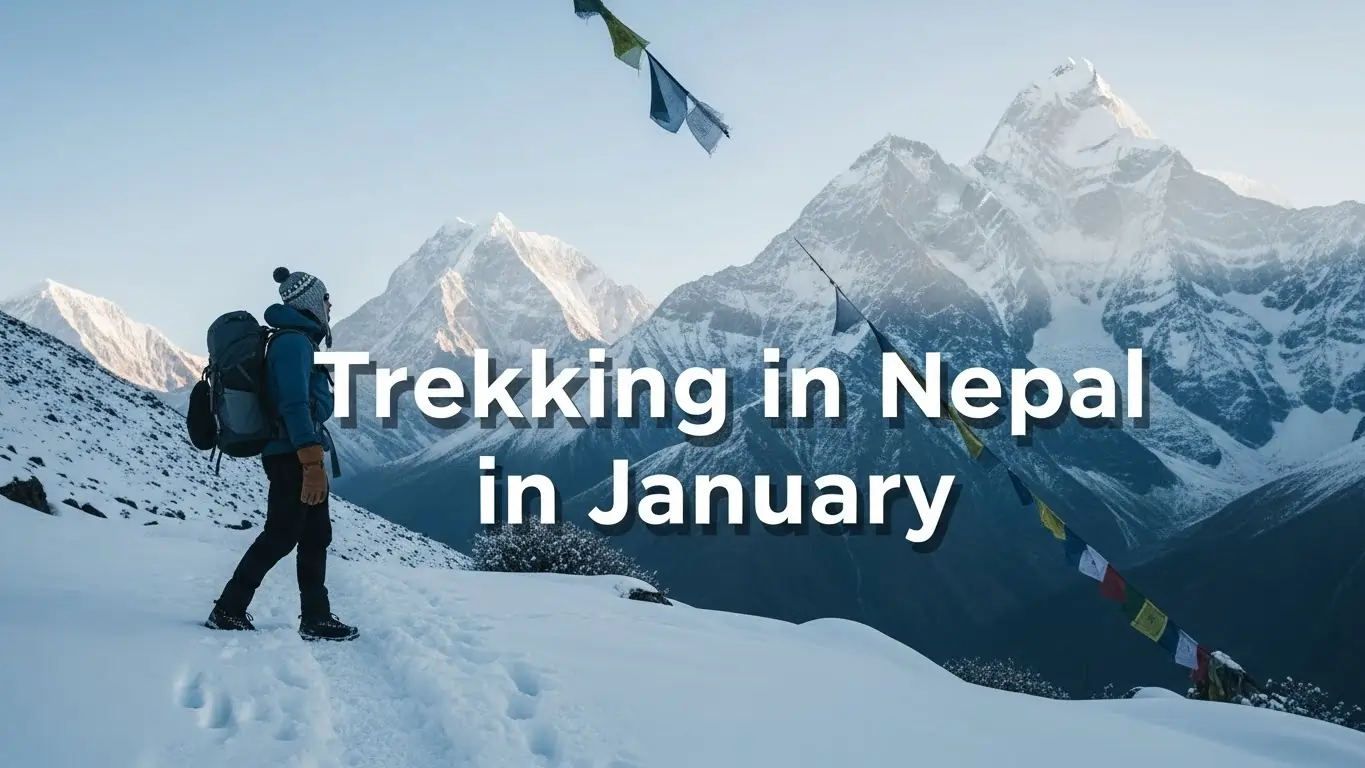
Have you ever wondered what it feels like to trek through Nepal when the trails are quiet, the mountains are crystal clear, and snowfall adds a magical touch to the Himalayas? Trekking in January offers a completely different experience compared to peak seasons, with fewer crowds, peaceful routes, and dramatic winter landscapes. While the cold can be challenging, the rewards are unmatched for trekkers seeking solitude and raw natural beauty.
In this blog, trekking in Nepal in January is explained in detail, covering everything you need to know before planning a winter trek. You’ll learn about weather conditions, best January trekking routes, difficulty levels, safety considerations, packing essentials, and permits. This guide will help you decide if adventure trekking in Nepal during the winter matches your experience level and goals, ensuring even beginners are well-prepared for the journey.
Introduction to Trekking in Nepal in January
Trekking in Nepal in January marks the heart of the winter trekking season, when the Himalayas are quieter and the air is exceptionally clear. January is characterized by cold temperatures, especially at higher altitudes, but also by stable weather patterns and minimal rainfall. Most lower and mid-altitude trekking routes remain accessible, while high mountain passes and extreme elevations may be blocked by snow. This period is ideal for trekkers who prefer peaceful trails and unobstructed mountain views.
What makes trekking in Nepal in January truly unique and rewarding is the combination of solitude, crisp winter scenery, and sharp visibility of snow-capped peaks. The trails are far less crowded than in autumn or spring, allowing for deeper connection with nature and local culture. Winter light enhances panoramic views, and teahouses offer a cozy atmosphere after cold trekking days, making January a hidden gem for well-prepared trekkers.
Weather and Temperature in Nepal During January
January is the coldest month in Nepal, especially in the Himalayan trekking regions, but it also offers dry and stable weather. Skies are generally clear, making mountain views exceptionally sharp and photogenic. While temperatures drop significantly at night, daytime trekking conditions remain manageable on most popular routes with proper winter gear. Although autumn and spring are often cited as the best season for trekking in Nepal, January provides a unique opportunity for those seeking solitude and crisp, unobstructed vistas without the peak-season crowds.
January Climate Conditions in Trekking Regions
In January, lower-altitude trekking areas experience cool but comfortable daytime temperatures, while higher elevations remain cold throughout the day. The weather is mostly dry due to minimal monsoon influence, reducing the risk of rain-related disruptions. Wind chill can be significant in exposed mountain sections, especially above 3,500 meters. Clear skies dominate most days, enhancing visibility and overall trekking experience. However, sudden weather changes are still possible in high alpine zones.
Day vs Night Temperatures at Different Altitudes
Daytime temperatures at lower elevations (1,500-2,500 m) range between 10°C to 15°C, while nights can drop close to freezing. At mid-altitudes (3,000-4,000 m), daytime temperatures hover around 5°C to 10°C, with nights falling to -5°C or lower. High-altitude regions above 4,500 meters often remain below freezing all day, with night temperatures reaching -15°C or more. Proper layering is essential to manage these sharp temperature variations.
Snowfall and Its Impact on Trails
Snowfall is common in January above 3,000 meters and can heavily affect high passes and exposed routes. While popular trails are often still passable, deep snow may slow progress or require route adjustments. Some remote or technical treks may become inaccessible due to blocked passes. However, snowfall also enhances the winter landscape, offering stunning alpine scenery for well-prepared trekkers.
Why Choose Trekking in Nepal in January?
You can choose trekking in Nepal in January because it offers quiet trails, stable winter weather, and exceptionally clear mountain views. This month is ideal for trekkers who prefer solitude over crowds and want a more personal connection with nature. The dry winter season also reduces rain-related risks, making many lower and mid-altitude treks comfortable. With the right preparation, January trekking delivers a peaceful and rewarding Himalayan experience.
Fewer Crowds and Peaceful Trails
January is one of the least crowded trekking months in Nepal, especially compared to peak autumn and spring seasons. Popular routes like Annapurna and Everest regions feel calm and less commercialized. Fewer trekkers mean easier access to teahouses and flexible daily plans. The quiet environment enhances mental clarity and overall trekking enjoyment. This peaceful atmosphere is perfect for photographers and nature lovers. Solo and slow-paced trekkers particularly benefit from the relaxed trail conditions.
Crystal-Clear Mountain Views
Winter air in January is dry and dust-free, resulting in outstanding visibility. Snow-covered peaks appear sharper and more dramatic against deep blue skies. Early mornings often provide uninterrupted panoramic views of major Himalayan ranges. Unlike monsoon or hazy pre-monsoon periods, cloud cover is minimal. These conditions make January one of the best months for mountain photography. Even lower-altitude viewpoints offer stunning winter landscapes.
Authentic Local Cultural Experiences
With fewer tourists, local communities have more time for meaningful interactions with trekkers. Teahouse owners and villagers are more relaxed and welcoming during the off-season. You can observe daily mountain life without the influence of peak-season tourism. Winter festivals and traditional practices feel more intimate and genuine. Staying longer in villages becomes easier due to lower demand. This makes January trekking culturally enriching as well as scenic.
Best Places for Trekking in Nepal in January
The best places for trekking in Nepal in January are mainly lower to moderate altitude routes with reliable lodges and safer winter conditions. These treks receive less snowfall, have manageable temperatures during the day, and remain accessible even in peak winter. With proper preparation, some moderate Himalayan routes are also possible. However, extreme high-altitude treks are generally not recommended due to snow, cold, and safety risks. For those new to the Himalayas, focusing on well-established paths like Ghorepani Poon Hill or the Everest View Trek ensures that trekking in Nepal for beginners remains a safe and awe-inspiring introduction to winter mountain adventure.
Lower Altitude Treks Ideal for January
Lower altitude treks are the safest and most comfortable options for January trekking in Nepal. Routes like the Ghorepani Poon Hill Trek offer stunning sunrise views, snow-dusted landscapes, and well-maintained teahouses. The Dhampus, Australian Camp Trek is another excellent winter choice, with short walking days and mild temperatures. These trails rarely face heavy snow blockages. Accommodation remains open throughout winter. Such treks are perfect for beginners and leisure trekkers. They also suit families and short-time visitors. Photography opportunities are excellent due to clear winter skies.
Moderate Winter Treks With Proper Preparation
Moderate treks can be done in January if trekkers are well-prepared and flexible. The Langtang Valley Trek in January provides dramatic winter scenery and rich Tamang culture, though cold nights are common. The Everest View Trek in the lower Khumbu region stays below extreme altitudes while offering iconic Himalayan views. These routes require warm gear and weather awareness. Teahouse availability may be limited but reliable. Proper acclimatization and buffer days are important for safety. Hiring a local guide further improves safety and logistics.
High-Altitude Treks to Avoid in January
High-altitude treks are generally risky in January due to extreme cold and heavy snowfall. The Annapurna Circuit often becomes impassable at Thorong La Pass because of deep snow and ice. Everest Base Camp trek faces severe cold, strong winds, and flight disruptions to Lukla. Rescue and evacuation options are also limited in winter. Trail closures are common at higher elevations. These treks are better suited for spring or autumn seasons. Attempting them in January significantly increases weather-related risks.
Trekking Difficulty Level in Nepal During January
The trekking difficulty in Nepal during January is generally higher than in spring or autumn due to cold temperatures, shorter daylight hours, and occasional snow on trails. Even lower and moderate altitude routes can become slippery and challenging, while high-altitude treks require advanced preparation and experience. Winter trekking demands proper gear, physical fitness, and cautious planning to ensure safety.
How Winter Conditions Affect Trekking Difficulty?
Winter conditions significantly increase trekking difficulty in Nepal. Cold temperatures, snow, and ice can make trails slippery and exhausting. Daylight hours are shorter, requiring earlier starts and careful time management. Strong winds at higher altitudes add fatigue and risk. Trekkers must carry warm clothing, crampons, and trekking poles for stability. Winter storms can cause unexpected delays and require flexibility in the itinerary. Knowledge of weather patterns and emergency plans is crucial.
Trail Conditions, Ice, and Snow Challenges
Snow and ice can cover trails, making navigation harder and slowing progress. Icy sections, especially on ridges and river crossings, increase the risk of slips and injuries. Some passes may be temporarily blocked, requiring detours or waiting for safer conditions. Even well-trodden teahouse trails can become tricky due to frost or accumulated snow. Carrying microspikes or crampons and trekking poles is recommended. Proper footwear and gaiters are essential to keep feet dry and warm. Awareness of changing trail conditions is key to safe trekking.
Fitness and Experience Requirements
Trekkers need moderate to high physical fitness for winter trekking in Nepal. Strong cardiovascular endurance helps cope with cold and slower pace on icy trails. Experience with trekking in snow and winter conditions improves confidence and reduces risk. For higher-altitude routes, basic acclimatization knowledge is crucial. First-time winter trekkers should consider guided treks for support. Carrying proper winter gear adds weight, so preparation and training are necessary. Mental resilience is also important to handle cold, fatigue, and sudden weather changes.
What to Pack for Trekking in Nepal in January?
For trekking in Nepal in January, packing the right winter gear is essential to stay warm, safe, and comfortable. Proper clothing layers, insulated footwear, and safety equipment are crucial due to cold temperatures, snow, and icy trails. Lightweight yet effective gear ensures mobility while protecting against harsh weather. Additionally, personal items like hydration systems, sun protection, and trekking poles enhance safety and convenience during the trek. By carefully planning your packing for trekking in Nepal, you can ensure that the sub-zero Himalayan nights remain a cozy part of your adventure rather than a safety risk.
Essential Winter Trekking Gear
Essential gear includes a sturdy backpack, trekking poles, insulated water bottles, gloves, hats, and headlamps. Layered clothing systems with base, mid, and outer layers help regulate body temperature. Sunglasses and sunscreen protect against snow glare and UV exposure. Carrying a personal first aid kit and emergency supplies is crucial for winter treks. Microspikes or crampons are recommended for icy trails. A down jacket or insulated shell provides extra warmth during cold nights or high-altitude stops.
Clothing Layers for Cold Weather Trekking
Start with a moisture-wicking base layer, add an insulating mid-layer like fleece, and finish with a windproof and waterproof outer layer. Thermal socks, gloves, and a warm hat help prevent frostbite. Layering allows adjusting for changing temperatures during the day. Quick-drying fabrics are recommended to avoid moisture buildup. Extra spare layers are useful for emergencies. A scarf or neck gaiter protects the face from wind chill.
Footwear and Safety Equipment
Insulated trekking boots with proper grip are necessary for snow and ice. Gaiters prevent snow from entering boots. Crampons or microspikes improve traction on icy trails. Trekking poles provide stability and reduce joint strain. Carrying a headlamp and reflective gear is important due to shorter daylight hours. A sturdy backpack with rain cover and emergency whistle enhances safety. Proper footwear and equipment are critical to avoid slips, injuries, and frostbite.
Is Trekking in Nepal in January Safe?
Yes, trekking in Nepal is safe in January because, with proper preparation, awareness, and precautions, winter treks can be both enjoyable and secure. The trails are less crowded, making navigation easier, and the risk of accidents from overcrowding is minimized. However, trekkers need to be mindful of cold temperatures, icy trails, and shorter daylight hours.
Winter trekking safety relies heavily on planning, choosing suitable routes, and having the right equipment. Engaging local guides or porters can improve safety, as they know the terrain, weather patterns, and emergency procedures. Altitude sickness remains a consideration even in winter, so gradual acclimatization, proper hydration, and awareness of symptoms are crucial. By taking these measures, trekkers can experience Nepal’s mountains safely and comfortably during January.
How to Prepare for Winter Trekking in Nepal?
To prepare for winter trekking in Nepal, you must focus on physical fitness, mental readiness, and proper acclimatization strategies to ensure a safe and enjoyable trek. Preparation involves strengthening endurance, planning your gear, and familiarizing yourself with cold-weather trekking conditions.
Physical preparation and fitness tips
Winter trekking demands strong cardiovascular endurance, leg strength, and core stability. Daily cardio exercises like running, cycling, or stair climbing, combined with strength training, prepare your body for long hours on icy trails. Balance and flexibility exercises also help prevent injuries while navigating uneven or slippery terrain. Maintaining consistent training for several months before the trek is highly recommended.
Mental readiness for cold and isolation
Trekking in January means facing cold temperatures, shorter daylight, and less crowded trails. Developing mental resilience, practicing patience, and staying motivated are essential. Visualization techniques and prior experience with solo hikes or cold-weather adventures can help you remain calm and focused during challenging stretches. Staying positive and adaptable ensures a safer, more enjoyable experience.
Acclimatization strategies in winter
Even in winter, altitude sickness is a risk, so gradual acclimatization is crucial. Follow the “climb high, sleep low” principle, take rest days at strategic points, and ascend slowly. Monitor your body for symptoms like headache, nausea, or fatigue, and adjust your pace accordingly. Proper hydration and nutrition also play a key role in helping your body adapt to high-altitude conditions safely.
Permits and Costs for Trekking in Nepal in January
Trekking in Nepal in January requires the standard permits, including the TIMS (Trekkers’ Information Management System) card and National Park or Conservation Area permits depending on the region. TIMS ensures safety tracking of trekkers, while park permits help preserve the natural environment. These permits are mandatory for both independent and guided trekkers and must be obtained before starting the trek.
In terms of costs, trekking in January can be slightly cheaper than peak seasons like spring and autumn. Accommodation and teahouse rates are generally lower, and fewer crowds mean less demand for guided services. Permit fees themselves remain constant year-round, but overall expenses for food, guides, and transportation may see minor reductions, making January an attractive time for budget-conscious trekkers who are prepared for colder weather conditions.
Pros and Cons of Trekking in Nepal in January
Trekking in Nepal in January comes with unique benefits and challenges. While you enjoy fewer crowds, clear mountain views, and a peaceful trekking experience, cold weather, possible snowfall, and limited facilities can pose difficulties. Understanding both the advantages and limitations helps trekkers plan effectively and ensure a safe, enjoyable winter adventure.
| Aspect | Pros | Cons |
| Crowds | Trails are quieter, giving a peaceful trekking experience. | Some popular teahouses may have limited services due to low season. |
| Mountain Views | Crystal-clear skies offer spectacular Himalayan panoramas. | Cold temperatures may make viewing long hours uncomfortable. |
| Cost | Lower accommodation and service costs compared to peak seasons. | Limited availability of luxury lodges or guides may affect comfort. |
| Weather | Stable winter weather in lower altitudes, less rain. | Higher altitude treks face snow, icy trails, and sub-zero temperatures. |
| Cultural Experience | Local villages are less crowded, giving authentic interactions. | Festivals and events are fewer in winter months. |
| Safety | Fewer trekking groups reduce traffic and congestion on trails. | Icy or snowy paths increase difficulty and risk of slips/falls. |
Who Should Go Trekking in Nepal in January?
Trekking in Nepal in January is ideal for travelers who enjoy peaceful trails, clear mountain views, and winter adventure. While lower-altitude treks are suitable for beginners, higher-altitude winter treks require experience, proper gear, and fitness. Understanding who can safely embark on a January trek ensures an enjoyable and secure experience.
Ideal Trekker Profile
January trekking suits travelers who appreciate quiet trails, crisp mountain views, and cultural immersion. It’s perfect for those with moderate fitness, a sense of adventure, and the ability to handle cold weather. Trekking enthusiasts looking to avoid peak-season crowds also find this time rewarding.
Beginners vs Experienced Trekkers
Lower-altitude routes like Ghorepani Poon Hill or Helambu are beginner-friendly, with well-marked trails and teahouse accommodations. Experienced trekkers can attempt moderate winter routes like Langtang Valley or Everest View Trek, where snow, ice, and colder temperatures increase the challenge. Proper preparation is key for higher-altitude treks.
Solo Trekkers vs Guided Groups
While recent regulations have made guides mandatory for most major routes, solo trekking in Nepal is still a viable and rewarding option for those who stick to permitted low-altitude areas or the Everest region (where local rules often differ). These independent journeys allow for total freedom and self-paced exploration on safe, well-marked trails, while guided groups remain the standard for higher-altitude winter routes to ensure safety against harsh weather and navigation challenges.
Final Thoughts on Trekking in Nepal in January
Trekking in Nepal in January offers a unique winter experience, with fewer crowds, crystal-clear mountain views, and authentic cultural encounters. While the cold and occasional snow present challenges, lower-altitude treks are safe and enjoyable for most trekkers who come prepared with proper gear, fitness, and planning. Choosing the right trail according to experience and fitness level is essential to make the most of the winter trekking season.
For travelers seeking solitude, serene landscapes, and a different perspective of Nepal, January is an ideal time. Whether you are a beginner looking for a short winter trek or an experienced trekker aiming for moderate routes, preparation, awareness of trail conditions, and realistic expectations ensure a rewarding and memorable adventure.
Ready to start your journey? Explore more trekking adventures by the best expedition company in Nepal and find the perfect itinerary for your 2026 winter escape.
FAQs
Is trekking in Nepal safe in January?
Yes, trekking is safe with proper winter gear, fitness, and awareness of cold and trail conditions.
Which treks are best in January?
Lower-altitude treks like Ghorepani Poon Hill, Dhampus–Australian Camp, and Langtang Valley are ideal in January.
Do I need special winter gear for January trekking?
Yes, layered clothing, insulated jackets, trekking boots, gloves, and thermal wear are essential for cold weather.
Can beginners trek in Nepal during January?
Yes, beginners can trek lower-altitude routes with proper preparation and optional guide support.
How cold is trekking in Nepal in January?
Temperatures range from -5°C to 15°C depending on altitude, with colder nights and snow on higher trails.
Are trails crowded in January?
No, January offers peaceful trails with very few trekkers compared to peak seasons.
Do I need permits for January trekking?
Yes, TIMS and national park permits are required, and costs remain similar to other seasons.
Can high-altitude treks like Everest Base Camp be done in January?
Technically yes, but extreme cold, snow, and limited services make it risky for most trekkers.

Ready for your next Himalayan adventure?
Plan Your Next Big Adventure with Us
Explore Our AdventuresJoin our expert-guided journeys across Nepal and beyond, from classic trails to epic summits.