
Nepal Wildlife Tour: Everything You Need to Know
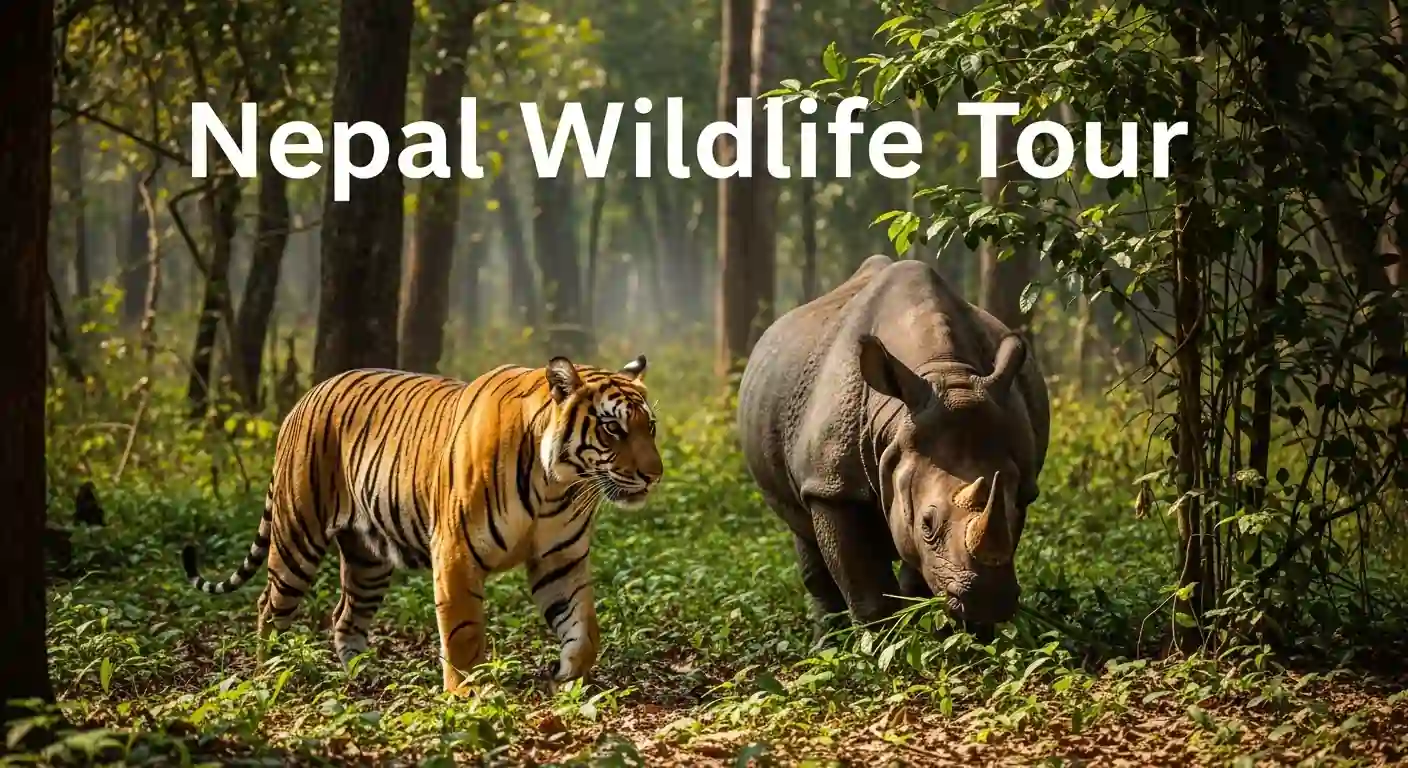
Most people hear “Nepal” and immediately picture snow-capped Himalayan peaks, fluttering prayer flags, and exhausted trekkers stumbling into teahouses, and fair enough, that image isn’t wrong. But here’s what the postcards conveniently leave out: Nepal is also home to one of the most breathtaking and biodiverse wildlife ecosystems in entire Asia, where Bengal tigers prowl through dense jungle grasslands, one-horned rhinos wade through misty riverbanks, and rare snow leopards ghost across high-altitude ridgelines like they own the place, because honestly, they do.
In this blog, we’re diving deep into everything you need to know about planning a Nepal wildlife tour, from the best national parks and wildlife reserves to the incredible species you can spot, the ideal seasons to visit, and the practical tips that separate a forgettable game drive from a genuinely life-changing wildlife experience. Whether you’re a hardcore wildlife photographer, a casual nature lover, or someone who just wants to tick “see a wild tiger” off their bucket list, this guide has everything you need to make your Nepal wildlife adventure as epic as the country itself, and a must-add to your list of things to do in Nepal.
What Is a Nepal Wildlife Tour?
Nepal Wildlife Tour is an organized nature-based travel experience that takes you deep into Nepal’s protected national parks and wildlife reserves to observe, photograph, and connect with the country’s extraordinary biodiversity in its most raw and natural habitat. Unlike a standard sightseeing trip, a wildlife tour is built around the rhythm of the jungle, early morning game drives through elephant grass, silent nature walks along river corridors, and patient hours of birdwatching in forest canopies where over 900 species of birds call Nepal home.
The experiences range from thrilling jeep safaris tracking Bengal tigers in Chitwan National Park to gentle nature walks spotting red pandas in the misty forests of Langtang. If you’re someone who finds more magic in a wild rhino grazing at dawn than in any man-made monument, a Nepal wildlife tour was essentially designed with you in mind.
Why Choose Nepal for a Wildlife Tour?
Choose Nepal for a wildlife tour because it is one of the few places on earth where you can spot a Bengal tiger in a steaming jungle lowland and a snow leopard on a freezing Himalayan ridgeline, sometimes within the same week-long trip. Packed into a country roughly the size of Arkansas, Nepal somehow manages to shelter eight UNESCO World Heritage Sites, over 900 bird species, and some of the most critically endangered mammals on the planet across its network of fiercely protected national parks and conservation areas.
- Home to the Bengal Tiger: Nepal’s Chitwan and Bardia National Parks are among the last strongholds of the wild Bengal tiger, with conservation efforts so successful that the tiger population has more than doubled in the last decade alone.
- One-Horned Rhinoceros Capital: Nepal holds over 700 greater one-horned rhinoceroses, roughly 600 of them in Chitwan alone, making it one of the best places in the world to see this prehistoric-looking giant up close in the wild.
- Over 900 Bird Species: Nepal is an absolute paradise for birdwatchers, hosting more than 900 recorded bird species including the endangered Bengal Florican, the giant hornbill, and dozens of migratory species that pass through during spring and autumn.
- Snow Leopard Sightings: The high-altitude regions of Mustang, Kangchenjunga, and Shey Phoksundo are among the best places in the world for rare snow leopard sightings .a bucket-list moment for any serious wildlife photographer.
- Unique Jungle and Himalayan Combination: No other country on earth offers the dramatic ecological contrast of steaming Terai jungles and frozen Himalayan wilderness within such a compact geographic area, giving wildlife tourists an unmatched diversity of ecosystems in a single trip.
- Strong Conservation Track Record: Nepal has one of Asia’s most impressive wildlife conservation records, having achieved zero poaching years for rhinos and tigers, a genuine global success story that makes every wildlife tour here feel like a visit that actually contributes to something meaningful.
Top National Parks for Nepal Wildlife Tour
Nepal’s national parks and wildlife reserves are the real heroes behind the country’s extraordinary conservation success story, each one protecting a distinct ecosystem and offering a completely different wildlife experience. From the dense elephant grass jungles of the Terai lowlands to the forested hillsides ringing the Kathmandu Valley, every park has its own personality, its own resident species, and its own brand of magic. Here are the top destinations that should be on every serious Nepal wildlife tour itinerary, especially when exploring the national parks in Nepal.
Chitwan National Park
Chitwan National Park is the crown jewel of Nepal’s wildlife scene and the most popular destination for jungle safari in Nepal, and honestly, the hype is completely justified. Sprawling across 952 square kilometers of dense Terai jungle in southern Nepal, Chitwan is home to over 600 one-horned rhinoceroses, a thriving Bengal tiger population, gharial crocodiles, and an astonishing 600+ bird species that keep birdwatchers busy for days. The park offers a rich variety of activities including thrilling jeep safaris through the tall elephant grass, peaceful canoe rides along the Rapti River where rhinos wade casually through the shallows, and guided birdwatching walks through the sal forest at dawn. It’s also a UNESCO World Heritage Site, which means the conservation standards here are genuinely world-class and the wildlife density reflects that beautifully.
Bardiya National Park
Bardiya National Park is Nepal’s best kept wildlife secret, less crowded, more raw, and arguably more rewarding than Chitwan for serious wildlife enthusiasts who prefer their jungle experience without the tourist buzz. Located in the far western Terai, Bardiya covers over 968 square kilometers of pristine riverine forest and grassland that shelters one of Nepal’s highest concentrations of Bengal tigers, making it statistically your best bet for a genuine wild tiger sighting in Nepal. The park also hosts large herds of swamp deer, wild elephants, Gangetic dolphins in the Karnali River, and a growing population of one-horned rhinos that have been successfully relocated from Chitwan. If Chitwan is Nepal’s wildlife blockbuster, Bardiya is the indie film that serious nature lovers quietly agree is the better experience.
Koshi Tappu Wildlife Reserve
Koshi Tappu Wildlife Reserve is Nepal’s undisputed birdwatching capital, a relatively compact but extraordinarily rich wetland ecosystem in the eastern Terai that sits along one of Asia’s most important migratory bird flyways. The reserve protects over 500 recorded bird species including rare water birds, migratory ducks, endangered Bengal Floricans, and the majestic osprey, making it a bucket-list destination for serious birders and wildlife photographers chasing that perfect frame. Beyond birds, Koshi Tappu is also home to the last remaining population of wild water buffalo in Nepal, along with smooth-coated otters and Gangetic dolphins gliding through the Koshi River’s braided channels. It’s a quieter, more contemplative wildlife experience, the kind where you sit still, let the binoculars do the work, and the reserve slowly reveals its extraordinary secrets at its own unhurried pace.
Shivapuri National Park
Shivapuri Nagarjun National Park is the perfect wildlife escape for travelers who want a genuine nature experience without venturing far from Kathmandu, sitting just 15 kilometers north of the city, it’s essentially a wild forest on the valley’s doorstep. The park covers 159 square kilometers of dense subtropical and temperate forest that shelters leopards, deer, wild boar, and over 300 bird species including several rare and endemic Himalayan species that serious birdwatchers travel across the country to spot. Its well-maintained trail network makes it ideal for short wildlife walks and half-day nature trips that can be easily slotted into a busy Kathmandu itinerary without any overnight logistics. For first-time visitors to Nepal who want a gentle introduction to the country’s wildlife before committing to a full jungle safari, Shivapuri is honestly the perfect warm-up act.
Wildlife You Can See During a Nepal Wildlife Tour
Nepal’s wildlife roster reads less like a nature guide and more like a greatest hits album of Asia’s most iconic and elusive species, all living within a country you can drive across in a single day. From the bone-chilling thrill of locking eyes with a Bengal tiger through the elephant grass to the quiet joy of spotting a rare Spoonbill wading through a Koshi wetland at dawn, the variety of wildlife you can encounter here is genuinely staggering.
| Category | Species | Best Place to Spot | Conservation Status |
| Big Cats | Bengal Tiger | Chitwan, Bardiya | Endangered |
| Big Cats | Snow Leopard | Mustang, Kangchenjunga | Vulnerable |
| Big Cats | Clouded Leopard | Chitwan, Makalu-Barun | Vulnerable |
| Mammals | Greater One-Horned Rhinoceros | Chitwan, Bardiya | Vulnerable |
| Mammals | Asian Elephant | Chitwan, Bardiya | Endangered |
| Mammals | Wild Water Buffalo | Koshi Tappu | Endangered |
| Mammals | Red Panda | Langtang, Ilam | Endangered |
| Mammals | Gangetic Dolphin | Karnali River, Koshi River | Endangered |
| Mammals | Swamp Deer (Barasingha) | Bardiya, Chitwan | Vulnerable |
| Mammals | Himalayan Tahr | Sagarmatha, Langtang | Near Threatened |
| Birds | Bengal Florican | Chitwan, Koshi Tappu | Critically Endangered |
| Birds | Giant Hornbill | Chitwan, Bardia | Vulnerable |
| Birds | Sarus Crane | Lumbini, Koshi Tappu | Vulnerable |
| Birds | Osprey | Koshi Tappu | Least Concern |
| Birds | Spoonbill | Koshi Tappu | Least Concern |
| Birds | Himalayan Monal (National Bird) | Sagarmatha, Langtang | Least Concern |
| Reptiles | Gharial Crocodile | Chitwan, Bardiya | Critically Endangered |
| Reptiles | Mugger Crocodile | Chitwan, Koshi Tappu | Vulnerable |
| Reptiles | Indian Python | Chitwan, Bardiya | Vulnerable |
| Rare & Endangered | Snow Leopard | Mustang, Shey Phoksundo | Vulnerable |
| Rare & Endangered | Red Panda | Langtang, Ilam | Endangered |
| Rare & Endangered | Gharial Crocodile | Chitwan | Critically Endangered |
| Rare & Endangered | Bengal Florican | Chitwan, Koshi Tappu | Critically Endangered |
Types of Nepal Wildlife Tour Experiences
Nepal wildlife tour isn’t a one-size-fits-all experience, it’s a whole menu of adventures, each offering a completely different way to connect with the country’s extraordinary natural world. Whether you prefer the adrenaline rush of tracking a tiger on a jeep safari or the meditative silence of floating down a jungle river at dawn, Nepal’s wildlife experiences are as diverse as the ecosystems they take place in. The key is picking the format that matches your personality, your fitness level, and honestly, your tolerance for early morning alarm clocks, because the best wildlife sightings happen when most sensible people are still asleep.
Jungle Safari (Jeep and Elephant Safari)
A jungle safari is the most popular and thrilling way to explore Nepal’s wildlife, putting you right in the heart of the action as your jeep cuts through the tall elephant grass of Chitwan or Bardiya in search of tigers, rhinos, and wild elephants. Jeep safaris cover more ground and offer better visibility across open grasslands, while elephant safaris provide a quieter, more intimate experience that gets you closer to wildlife without the noise of an engine spooking the animals.
Most safaris depart at dawn when the jungle is at its most alive, predators are still active, the light is golden, and the air carries that cool, earthy jungle smell that no travel candle has ever managed to replicate. If spotting a Bengal tiger in the wild is on your bucket list, a jeep safari through Bardiya at first light is genuinely your best shot.
Canoe Ride and River Exploration
A canoe ride through Nepal’s jungle rivers is one of those quietly magical experiences that sneaks up on you and becomes the highlight of the entire trip. Drifting silently along the Rapti or Narayani River in Chitwan, you’ll spot gharial and mugger crocodiles sunbathing on the sandy banks, rare water birds wading through the shallows, and if you’re lucky, a one-horned rhino cooling off in the river like it owns the entire waterway, because it basically does.
The silence of the canoe is the secret weapon here, without an engine, you become part of the river’s ecosystem rather than a disruption to it, and the wildlife responds accordingly. It’s slow, peaceful, and absolutely unforgettable in a way that no jeep safari can quite replicate.
Nature Walks and Guided Tours
A guided nature walk is the most immersive and intimate way to experience Nepal’s wildlife — on foot, at ground level, with nothing between you and the jungle but your guide’s expertise and your own heightened senses. Walking through the sal forests of Chitwan or the rhododendron trails of Shivapuri with a knowledgeable naturalist guide transforms every rustle in the undergrowth and every bird call overhead into a fascinating piece of the ecosystem’s story.
Nature walks are particularly brilliant for spotting smaller but equally fascinating wildlife, reptiles, insects, medicinal plants, and the countless bird species that jeep safaris simply drive past without noticing. It’s the kind of experience that reminds you that the jungle’s magic isn’t just in the big dramatic moments, it’s in every single square meter of forest floor.
Bird Watching Tours
Nepal is a birdwatcher’s paradise that genuinely deserves its own category of wildlife experience, with over 900 recorded species packed into a relatively small geographic area, it’s one of the most rewarding birdwatching destinations in all of Asia. Dedicated birdwatching tours take you to the country’s most productive birding hotspots, Koshi Tappu for migratory waterbirds, Chitwan for jungle species, and the high-altitude trails of Langtang and Sagarmatha for rare Himalayan endemics that serious birders travel across the world to tick off their life list.
Early morning is the golden hour for birdwatching in Nepal, when the forest comes alive with calls, colors, and movement that would make even the most casual nature lover reach for a pair of binoculars. Whether you’re chasing the critically endangered Bengal Florican or simply want to watch the Himalayan Monal flash its iridescent plumage across a mountain meadow, Nepal’s birdwatching scene will not disappoint.
Best Time for a Nepal Wildlife Tour
Timing your Nepal wildlife tour correctly is honestly just as important as choosing the right national park, show up in the wrong season and the jungle will be beautiful but suspiciously empty of the animals you flew halfway across the world to see. Nepal’s wildlife viewing quality swings dramatically between seasons, with the dry winter and autumn months delivering significantly better sightings than the lush but visibility-challenged monsoon period. Here’s exactly what each season offers so you can plan your visit with realistic expectations rather than disappointment.
Autumn and Winter (October–March)
Autumn and winter are unanimously the best time for a Nepal wildlife tour, and the reasons are as clear as the jungle visibility during these months. As monsoon rains retreat, the tall elephant grass thins out and animals gather around shrinking water sources, essentially doing your wildlife spotting job for you. October through February also brings a flood of migratory bird species into Koshi Tappu, comfortable temperatures for long jeep safaris, and the highest statistical probability of spotting a Bengal tiger or one-horned rhino in the wild.
Summer and Monsoon Season (June–September)
The monsoon season transforms Nepal’s national parks into a breathtakingly lush green landscape, but the dense vegetation growth creates a thick curtain across the jungle floor that makes spotting animals genuinely challenging even for experienced guides. Many jeep safari trails in Chitwan and Bardiya become waterlogged or inaccessible, and some park sections close entirely during peak monsoon. That said, bird activity peaks dramatically during this season and lodge rates drop significantly, making it a reasonable option for budget travelers who don’t mind trading guaranteed sightings for a moodier, more atmospheric jungle experience.
How to Plan a Nepal Wildlife Tour?
To plan a Nepal wildlife tour you must start by deciding three things upfront, which national park matches your wildlife priorities, how much time you have, and whether you want a fully organized package or a more independent experience. Each of these decisions cascades into the next, shaping everything from your budget and transport logistics to the quality of wildlife sightings you can realistically expect. Get these three fundamentals right and the rest of the planning process falls into place surprisingly smoothly.
Choosing the Right National Park
Choosing the right national park is the single most important decision in your entire Nepal wildlife tour planning process, and it should be driven by what species you most want to see. Chitwan is the obvious starting point for first-timers, well-connected, well-organized, and packed with rhinos, tigers, and over 600 bird species within a relatively compact area. Bardiya is the better pick for serious wildlife enthusiasts chasing a more authentic, less crowded jungle experience with higher tiger sighting probabilities. Koshi Tappu is non-negotiable for dedicated birdwatchers, while Shivapuri works perfectly for travelers with limited time who want a quick but rewarding nature fix close to Kathmandu.
Selecting Tour Packages and Guides
A knowledgeable licensed guide is honestly the difference between a mediocre wildlife trip and an extraordinary one, the jungle reveals its secrets on its own terms, and a good guide knows exactly where and when to look. When selecting a tour package, prioritize operators who employ naturalist guides with genuine field experience in the specific park you’re visiting rather than generic tour handlers who treat wildlife spotting like a city sightseeing checklist. Look for packages that include early morning and late afternoon safari slots, as these golden hours dramatically increase your chances of meaningful wildlife encounters. Always check recent traveler reviews specifically mentioning guide quality and wildlife sighting frequency before committing to any package.
Booking Accommodation and Transport
Accommodation inside or immediately adjacent to the national park boundary is always worth the slightly higher price tag, staying within the buffer zone means you’re on the trail at first light rather than spending your best wildlife hours in a transport vehicle. Most Chitwan lodges offer package deals that bundle accommodation, meals, safari activities, and guide fees into a single price, which simplifies budgeting and removes the logistical headache of coordinating multiple bookings independently.
For transport, tourist buses from Kathmandu to Chitwan run daily and are budget-friendly, while a private jeep or domestic flight is the smarter choice for Bardiya given its remote far-western location. Book everything at least 4-6 weeks in advance during peak season to avoid the frustrating situation of arriving at the park gate with nowhere to sleep.
Cost of Nepal Wildlife Tour
Nepal wildlife tour can fit almost any budget, from a bare-bones backpacker experience sleeping in a basic lodge to a full luxury safari with private guides and candlelit dinners on the jungle edge. The cost spread is genuinely wide, so understanding exactly what you’re paying for at each price point helps you make smarter decisions and avoid nasty budget surprises halfway through the jungle. Here’s a comprehensive breakdown of everything you can expect to spend on a Nepal wildlife tour.
| Expense Category | Budget Option | Mid-Range Option | Luxury Option |
| Park Entry Fee (per day) | $15–$20 | $15–$20 | $15–$20 |
| Jeep Safari (per trip) | $20–$30 | $40–$60 | $80–$150 |
| Elephant Safari (per person) | $20–$25 | $25–$35 | $40–$60 |
| Canoe Ride (per person) | $8–$12 | $12–$20 | $20–$40 |
| Nature Walk (guided) | $10–$15 | $15–$25 | $30–$60 |
| Bird Watching Tour | $15–$20 | $25–$40 | $50–$100 |
| Accommodation (per night) | $10–$25 | $40–$80 | $150–$400 |
| Meals (per day) | $8–$15 | $20–$35 | $50–$100 |
| Licensed Guide (per day) | $15–$20 | $25–$40 | $50–$100 |
| Porter (per day) | $10–$15 | $15–$20 | included in package |
| Transport (Kathmandu to Chitwan) | $8–$12 (tourist bus) | $25–$40 (private jeep) | $100–$150 (domestic flight) |
| Transport (Kathmandu to Bardiya) | $15–$20 (night bus) | $40–$60 (private jeep) | $150–$200 (domestic flight) |
| Full Package Deal (3 nights/4 days) | $150–$250 | $350–$600 | $800–$2,000 |
| Full Package Deal (5 nights/6 days) | $250–$400 | $600–$1,000 | $1,500–$3,500 |
What to Pack for a Nepal Wildlife Tour?
You can pack lightweight neutral-colored clothing, sturdy walking shoes, a good pair of binoculars, and strong insect repellent as the absolute non-negotiables for a Nepal wildlife tour. Neutral and earthy tones like khaki, olive, and brown are your best friends in the jungle, bright colors and whites are basically a neon sign telling every animal within 500 meters that a tourist is approaching. A quality pair of binoculars is genuinely the single most important piece of equipment you can carry, transforming distant brown blurs in the elephant grass into detailed, breathtaking wildlife encounters that your naked eye would completely miss.
Don’t underestimate the sun and the insects either, a broad-spectrum SPF 50 sunscreen and a reliable DEET-based insect repellent are non-negotiable in the Terai lowlands where the combination of heat, humidity, and mosquitoes can ruin an otherwise perfect safari day faster than you’d expect. A lightweight waterproof jacket, a refillable water bottle, and a camera with a decent zoom lens round out the essential packing list and ensure you’re prepared for whatever the jungle decides to throw at you.
Safety Tips for Wildlife Tours in Nepal
- Always Follow Your Guide’s Instructions: Your guide isn’t being bossy, they’re keeping you alive. In the jungle, their word is law, and following their instructions without hesitation or debate is the single most important safety rule on any Nepal wildlife tour.
- Maintain a Safe Distance from Animals: No photograph, no matter how incredible, is worth provoking a wild rhino or elephant into a charge. Always maintain a respectful distance from wildlife and resist the very human temptation to inch closer for a better shot.
- Never Feed or Touch the Animals: Feeding wild animals disrupts their natural behavior, creates dangerous dependencies, and in some cases can trigger an aggressive response that neither you nor the animal will enjoy. Keep your snacks to yourself.
- Avoid Loud Noises and Sudden Movements: The jungle operates on silence and patience — sudden movements, loud conversations, and phone ringtones don’t just ruin your own sighting, they ruin everyone else’s and send the wildlife retreating deep into the forest.
- Wear Neutral Colored Clothing: Bright colors make you visible to both animals and insects in ways that aren’t particularly helpful, stick to earthy tones that help you blend into the environment rather than stand out like a lost tourist.
- Stay on Designated Trails: Wandering off marked trails in a national park isn’t adventurous, it’s genuinely dangerous, ecologically damaging, and in most of Nepal’s protected areas, it’s also illegal. Trust the trail and trust your guide.
Conclusion
Nepal wildlife tour is one of those rare travel experiences that genuinely delivers more than it promises, and it promises quite a lot. From locking eyes with a one-horned rhino wading through a misty Chitwan riverbank to watching a Bengal tiger melt silently back into the elephant grass at Bardiya, Nepal’s wildlife scene has a way of reminding you just how extraordinary this planet actually is. The national parks here aren’t just tourist attractions, they’re living, breathing conservation success stories that deserve every visitor they get, something Marvel Treks proudly showcases through its curated wildlife experiences.
Plan smart, pack right, respect the jungle’s rules, and choose a guide who knows the difference between a pugmark and a paw print. Nepal’s wildlife is waiting, and trust us, it’s worth every early morning alarm clock.
FAQS
What is the best time for a Nepal wildlife tour?
October to March is the best time for wildlife sightings when vegetation thins out and animals gather around water sources for easy spotting.
Which is the best national park for a Nepal wildlife tour?
Chitwan National Park is the most popular choice, offering rhinos, tigers, and 600+ bird species within a well-organized, easily accessible jungle setting.
Can I see tigers on a Nepal wildlife tour?
Yes, Bengal tigers can be spotted in Chitwan and Bardiya National Parks, with Bardiya offering higher tiger sighting probabilities due to lower tourist crowds.
How much does a Nepal wildlife tour cost?
A budget tour costs around $150–$250 for 3 nights, while luxury packages range from $800 to $3,500 depending on the park and inclusions.
Do I need a guide for a Nepal wildlife tour?
Yes, a licensed naturalist guide is strongly recommended, they dramatically increase your chances of meaningful wildlife sightings and keep you safe in the jungle.
What wildlife can I see in Nepal besides tigers and rhinos?
Nepal is home to snow leopards, red pandas, Gangetic dolphins, gharial crocodiles, wild elephants, and over 900 bird species across its national parks and reserves.
Is Nepal wildlife tour safe for families and beginners?
Chitwan and Shivapuri offer well-organized, beginner-friendly wildlife experiences that are perfectly suitable for families, first-timers, and travelers of all fitness levels.
What should I pack for a Nepal wildlife tour?
Pack neutral colored clothing, sturdy walking shoes, binoculars, a camera with zoom lens, insect repellent, sunscreen, and a lightweight waterproof jacket.

Ready for your next Himalayan adventure?
Plan Your Next Big Adventure with Us
Explore Our AdventuresJoin our expert-guided journeys across Nepal and beyond, from classic trails to epic summits.