
What are the Best Things to do in Nepal in 2026?
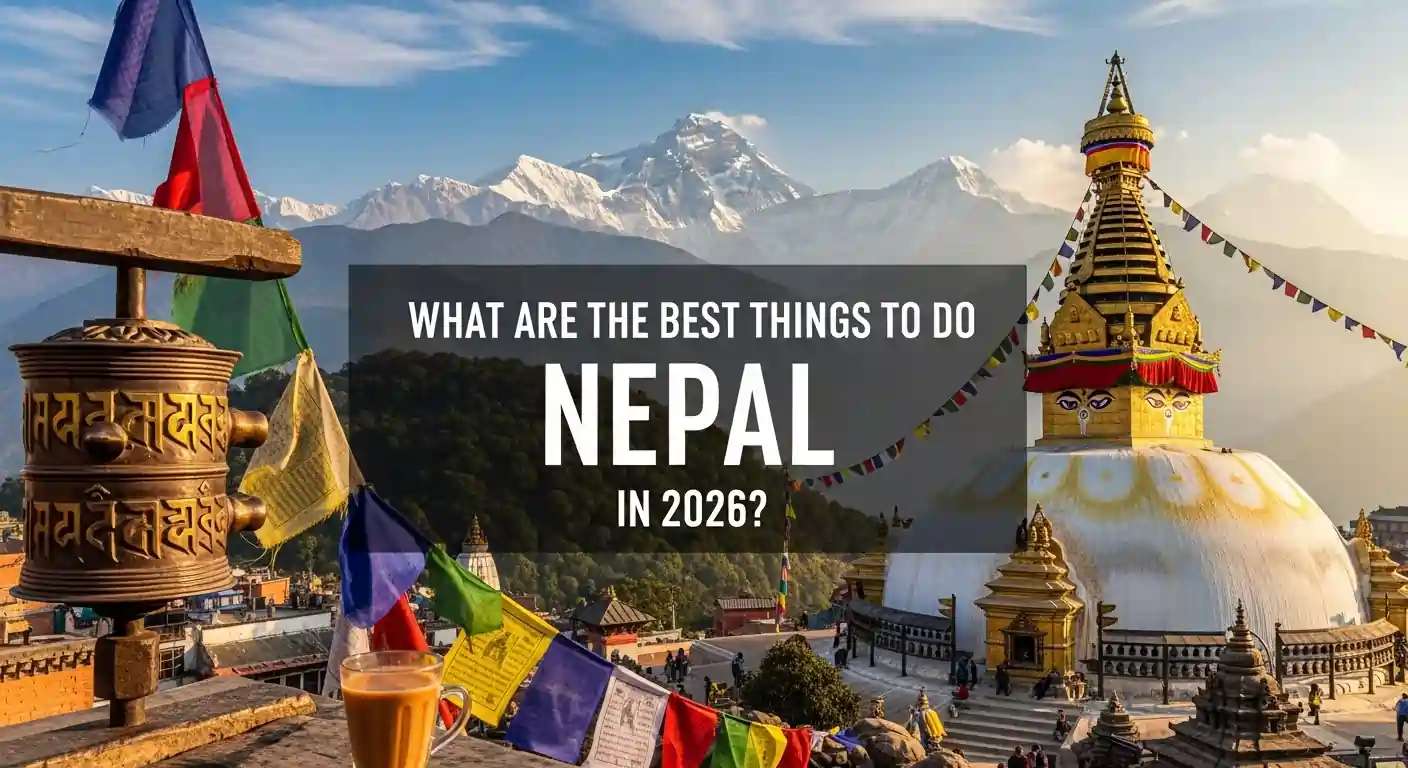
The best things to do in Nepal revolve around a unique blend of high-altitude adventure, deep spiritual immersion, and vibrant cultural exploration in cities like Kathmandu and Pokhara. While the country is world-renowned for its iconic trekking routes to Everest and Annapurna, Nepal also offers world-class white-water rafting, tranquil lakeside retreats, and the chance to track Bengal tigers in the jungles of the Terai. Whether you are seeking a physical challenge or a peaceful escape, the diversity of the landscapes ensures there is something for every type of traveler.
In 2026, the list of things to do in Nepal continues to expand as infrastructure improves and new sustainable travel initiatives take root. Beyond the “Great Himalaya Trail,” travelers are increasingly drawn to authentic homestays in remote villages and high-adrenaline activities like paragliding over Phewa Lake. From the ancient stupas of the Kathmandu Valley to the silent majesty of the high mountain passes, Nepal remains a top-tier destination for those who want to experience the raw beauty of nature and the warmth of Himalayan hospitality. Whether you’re a first-timer or a seasoned pro, there’s always a new ridge to conquer when you dive into adventure trekking in Nepal.
Best Things to Do in Nepal
Nepal is a land of profound contrasts, offering everything from the extreme physical challenge of the world’s highest peaks to the quiet contemplation of ancient spiritual sites. Whether you are navigating the chaotic, history-rich streets of Kathmandu or walking through a rhododendron forest in the Annapurna foothills, the country provides a sensory experience like no other. Discovering the best activities means embracing both the adrenaline of the mountains and the deep-rooted traditions of the local people.
Trekking in the Himalayas
Trekking remains the most iconic of all things to do in Nepal, with the Everest Base Camp trek and the Annapurna Circuit standing as the two “bucket list” journeys for adventurers worldwide. For those seeking the ultimate challenge, the trail to Everest offers unparalleled views of the world’s highest peak and an immersion into Sherpa culture, while the Annapurna Circuit provides incredible diversity in landscape, from lush subtropical forests to the high-altitude desert of Mustang. If you have less time, short scenic treks like Ghorepani Poon Hill or the Mardi Himal ridge offer stunning Himalayan panoramas with a lower physical commitment. No matter which path you choose, the network of teahouses makes these high-altitude journeys surprisingly accessible for anyone with a sense of adventure.
Explore UNESCO World Heritage Sites
Nepal’s cultural richness is best preserved within its seven UNESCO World Heritage Sites in the Kathmandu Valley, alongside the sacred birthplace of Lord Buddha in Lumbini. Walking through the Durbar Squares of Kathmandu, Patan, and Bhaktapur feels like stepping back into the medieval era, with intricate wood carvings and massive stone temples surrounding every corner. The towering stupas of Swayambhunath (the Monkey Temple) and Boudhanath offer a serene spiritual atmosphere where you can witness daily rituals and spinning prayer wheels. Further south in the plains of the Terai, Lumbini serves as a major pilgrimage site where visitors can explore monasteries built by Buddhist communities from all over the world. These sites represent the soul of Nepal, showcasing a history of art and architecture that has survived for centuries.
Experience Nepalese Culture and Festivals
Immersing yourself in Nepalese culture and the vibrant energy of national festivals like Dashain and Tihar provides a deeper understanding of the country’s social fabric. Dashain is the longest and most significant festival, celebrated with family gatherings, massive bamboo swings, and animal sacrifices, while Tihar (the Festival of Lights) transforms every city and village with colorful oil lamps and intricate mandalas. Beyond the major holidays, simply observing local village life in the mid-hills allows you to experience the legendary hospitality of the Gurung, Tamang, and Newar communities. Whether you are sharing a meal of Dal Bhat in a traditional homestay or witnessing a local masked dance in a mountain monastery, these cultural exchanges often become the most cherished memories of a trip to Nepal.
Things to Do in Kathmandu Nepal
Kathmandu is the energetic heart of the country, where ancient history and modern chaos collide in a fascinating display of color and sound. As the starting point for almost every adventure in Nepal, the city offers a concentrated dose of the nation’s architectural beauty and spiritual depth. Exploring its narrow alleyways and hidden courtyards reveals a world of secret shrines and vibrant markets that have remained unchanged for centuries.
Visit Swayambhunath (Monkey Temple)
Swayambhunath, perched atop a hill overlooking the city, is one of the most recognizable and sacred Buddhist icons in the world. This ancient complex is famous for its white-domed stupa with the watchful eyes of Buddha painted on all four sides, symbolizing omniscience. As you climb the 365 stone steps to the summit, you will be accompanied by hundreds of monkeys, considered holy by the locals, giving the site its popular nickname. The panoramic view of the Kathmandu Valley from the top is breathtaking, especially at sunset when the golden spire reflects the fading light. It is a place where Buddhist and Hindu practitioners coexist, offering a powerful look into the religious harmony of Nepal.
Explore Pashupatinath Temple
Pashupatinath Temple is the most significant Hindu temple dedicated to Lord Shiva in Nepal, attracting thousands of pilgrims and sadhus (holy men) every year. Situated on the banks of the sacred Bagmati River, the temple complex is a sprawling collection of shrines, ashrams, and images that represent the cycle of life and death. While the main temple is only accessible to Hindus, visitors can observe the ritual cremations and daily Aarti ceremonies from the opposite bank of the river. The atmosphere is deeply spiritual and often intense, providing a raw and honest perspective on Hindu funeral rites and the philosophy of reincarnation. It is an essential stop for anyone wishing to understand the traditional customs and religious devotion that define Nepalese life.
Wander Around Kathmandu Durbar Square
Kathmandu Durbar Square is the historic heart of the old city and a living museum of Newari architecture and royal history. This UNESCO World Heritage Site was once the palace complex of the Malla and Shah kings, and today it remains a center for social and cultural gatherings. The square is packed with pagoda-style temples, intricate wood carvings, and the famous Kumari Ghar, the residence of the Living Goddess of Nepal. Walking through the square, you can feel the weight of history in the massive stones and the vibrant energy of the street vendors selling spices and hand-crafted goods. Despite the damage from the 2015 earthquake, the ongoing restoration work showcases the resilience of the local community and the timeless beauty of their craftsmanship.
Discover Thamel’s Markets and Cafés
Thamel is the bustling tourist hub of Kathmandu, a maze of narrow streets filled with trekking shops, vibrant street markets, and international cafés. Whether you are hunting for high-quality mountain gear, cashmere pashminas, or hand-painted thangkas, this neighborhood offers the best shopping experience in the city. After a day of exploring, the area’s diverse food scene provides everything from traditional Nepali MoMo to artisanal coffee and wood-fired pizzas. At night, Thamel transforms into a lively entertainment district with live music bars and rooftop lounges where travelers from across the globe share stories of their Himalayan treks. It is the perfect place to base yourself if you want to be in the center of the action and enjoy the modern conveniences of a global travel destination.
Best Things to Do in Kathmandu Nepal for First-Time Visitors
For those visiting the capital for the first time, a curated mix of sensory experiences and historical tours is the best way to acclimate to the local rhythm. The city can be overwhelming at first, so starting with organized activities can help you navigate the chaos while hitting the major highlights efficiently. We recommend a combination of the following for a perfect first impression:
- Cultural Walking Tours: Join a local guide to uncover the hidden “bahals” (courtyards) and ancient water spouts that most tourists miss.
- Traditional Rickshaw Rides: Take a slow-paced ride through the narrow lanes of Asan and Indra Chowk to witness the city’s busiest local markets.
- Local Food Tasting: Embark on a culinary journey to try authentic Newari snacks, the iconic Dal Bhat, and the beloved buffalo or veg MoMo.
- Monastery Visits: Spend an afternoon at Boudhanath Stupa to witness the peaceful kora (circumambulation) and enjoy a quiet moment in a rooftop cafe.
Things to Do in Pokhara Nepal
Pokhara is the adventure capital of Nepal, a serene lakeside city that serves as the gateway to the Annapurna region while offering a much slower pace than Kathmandu. Nestled beneath the towering peaks of Machhapuchhre and Dhaulagiri, the city is a paradise for both adrenaline junkies and those seeking a quiet retreat. Whether you are soaring through the clouds or reflecting by the water, Pokhara’s natural beauty and laid-back atmosphere make it a favorite for every traveler in 2026.
Boating on Phewa Lake
Boating on Phewa Lake is the most popular leisure activity in Pokhara, offering a peaceful way to witness the stunning reflections of the Annapurna range on the water’s surface. You can rent a traditional brightly painted wooden boat (doonga) and row yourself or hire a boatman to take you to the Tal Barahi Temple, a beautiful two-story pagoda located on a small island in the center of the lake. For a more active experience, kayaking and paddleboarding are also widely available, allowing you to explore the quieter western shores. The best time to be on the water is during the early morning for the clearest mountain views or at sunset when the sky turns vibrant shades of orange and pink.
Paragliding Over the Annapurna Range
Pokhara is internationally recognized as one of the best paragliding destinations in the world, providing a bird’s-eye view of the Himalayas and the valley below. Most tandem flights launch from the hilltop of Sarangkot, where you can feel the rush of the wind as you soar alongside eagles and hawks with the massive peaks of Annapurna and Machhapuchhre as your backdrop. The flight typically lasts 20 to 30 minutes, concluding with a gentle landing near the shores of Phewa Lake. It is a bucket-list experience that combines pure adrenaline with the silent tranquility of high-altitude flight, offering a perspective of the landscape that few other activities can match.
Visit the World Peace Pagoda
The World Peace Pagoda (Shanti Stupa) is a massive white Buddhist monument perched on a ridge above the southern shore of Phewa Lake, symbolizing global harmony. Reaching the pagoda usually involves a scenic boat ride across the lake followed by a moderate 45-minute uphill hike through a lush forested trail. Once at the summit, you are rewarded with one of the best panoramic viewpoints in Nepal, overlooking the entire Pokhara city, the sprawling lake, and the jagged peaks of the Annapurna massif. The site is intentionally kept silent to preserve its meditative atmosphere, making it a perfect spot for quiet reflection or a sunset photography session.
Explore Davis Falls and Gupteshwor Cave
Davis Falls and the nearby Gupteshwor Mahadev Cave are unique geological wonders that showcase the hidden power of Pokhara’s underground water systems. Davis Falls, locally known as Patale Chhango, is a spectacular waterfall that plunges into a deep, narrow gorge and disappears into an underground tunnel. Directly across the road, the Gupteshwor Cave, one of the longest in Nepal, leads you down a series of spiral stairs to a sacred Hindu shrine dedicated to Lord Shiva. If you follow the cave further back, you can witness the same waterfall from underground, where the sound of the crashing water echoes through the dark limestone chambers.
Adventure and Relaxation Activities in Pokhara
Pokhara perfectly balances high-intensity sports with world-class wellness, making it the ideal place to either push your limits or recover after a long Himalayan trek. The city has evolved into a hub for holistic health and outdoor sports, catering to diverse interests with professional services. We recommend trying these popular activities to get the full Pokhara experience:
- Yoga and Meditation Retreats: Join a multi-day retreat or a drop-in class at one of the many lakeside studios specializing in Hatha, Vinyasa, and Himalayan sound healing.
- Mountain Biking: Rent a bike to explore the rugged trails around Sarangkot or enjoy a more leisurely ride along the scenic paths connecting Phewa and Begnas Lakes.
- Ultra-Light Flights: For those who want to see the mountains without trekking, these small open-cockpit planes offer a fast and thrilling way to get close to the peaks.
- Bungee Jumping and Ziplining: Head to the HighGround Adventures site for one of the world’s steepest ziplines or a dramatic bungee jump over a mountain river.
Adventure Activities in Nepal
Adventure activities in Nepal offer a high-octane way to experience the country’s dramatic landscapes, ranging from the raging rivers of the mid-hills to the world’s highest flight paths. In 2026, the industry has evolved to provide world-class safety standards while maintaining the raw thrill that makes the Himalayas a global hub for adrenaline seekers. Whether you are plunging into a river gorge or soaring above the clouds, these experiences provide a unique perspective on Nepal’s wild and untamed beauty, making it the perfect final warm-up for the ultimate high-altitude challenge, the Everest expedition.
White Water Rafting in Trishuli River
White water rafting in the Trishuli River is the most popular river adventure in Nepal, offering an exciting mix of Grade II to III+ rapids that are accessible for both beginners and experienced rafters. Originating from the Langtang mountain range, the river flows through impressive gorges and scenic valleys, providing a perfect “adrenaline break” during the journey between Kathmandu, Pokhara, or Chitwan. Popular rapids like “Ladies Delight,” “Upset,” and “Surprise” deliver a thrilling challenge, while calmer stretches allow you to swim or jump off small cliffs into the refreshing water. Most trips last one to two days and include riverside camping, making it a comprehensive way to experience the rural topography and lush subtropical forests from the waterline.
Jungle Safari in Chitwan National Park
A jungle safari in Chitwan National Park is a premier wildlife adventure that takes you deep into the subtropical Terai lowlands to track endangered species like the one-horned rhinoceros and the Royal Bengal tiger. Visitors can explore the dense grasslands and riverine forests through a variety of methods, including guided jeep tours, peaceful canoe rides on the Rapti River, or adventurous nature walks led by professional naturalists. Beyond the “Big Two,” the park is a sanctuary for sloth bears, crocodiles, and over 500 species of birds, making it a world-class destination for nature photography and birdwatching. Staying in a riverside lodge or a jungle tower allows you to immerse yourself in the sounds of the wilderness, topped off by cultural performances from the local Tharu community.
Bungee Jumping and Ziplining
Bungee jumping and ziplining in Nepal are world-record-breaking activities that allow you to test your limits against the backdrop of massive canyons and thundering Himalayan rivers. The “Cliff Bungee” in Kushma is currently the world’s second-highest jump at 228 meters, while the classic Bhote Koshi site offers a 160-meter freefall from a suspension bridge near the Tibetan border. For those who prefer horizontal speed, Pokhara’s ZipFlyer is one of the world’s steepest and longest ziplines, plunging down a 600-meter vertical drop at speeds reaching 120 km/h with an unobstructed view of the Annapurna range. These activities are operated under strict international safety protocols, ensuring that your once-in-a-lifetime leap or flight is as secure as it is hair-raising.
Mountain Flights Over Everest
Mountain flights over Everest provide a spectacular, bird’s-eye view of the world’s highest peaks for travelers who want to witness the majesty of the Himalayas without the physical strain of trekking. These one-hour commercial flights depart early in the morning from Kathmandu, cruising at 25,000 feet to bring you eye-level with giants like Mt. Everest, Lhotse, and Makalu. Every passenger is guaranteed a window seat to ensure unobstructed vistas of the Khumbu glaciers, alpine lakes, and the distinct curvature of the Earth over the Tibetan plateau. It is a time-efficient and safe luxury experience that offers an unforgettable “face-to-face” encounter with the Roof of the World, complete with a celebratory flight certificate to mark the occasion.
Spiritual and Cultural Things to Do in Nepal
Nepal is a sanctuary for spiritual seekers, where the ancient traditions of Hinduism and Buddhism create a profound atmosphere of peace and introspection. Beyond the physical challenges of the mountains, the country offers a journey inward through sacred landscapes and centuries-old practices.
Meditation and Yoga Retreats
Engaging in a meditation or yoga retreat is one of the most transformative things to do in Nepal, especially in the tranquil hills surrounding Kathmandu and Pokhara. These retreats offer an immersive environment where you can learn traditional Hatha or Ashtanga yoga from experienced gurus while practicing mindfulness in the crisp mountain air. Many centers, such as those near the Kopan Monastery or the foothills of the Annapurnas, provide structured programs ranging from three-day “digital detoxes” to month-long teacher training courses. The combination of vegetarian meals, silent reflection, and high-vibrational natural settings makes Nepal a premier global destination for holistic wellness and mental clarity.
Visit Lumbini – Birthplace of Buddha
Lumbini is a UNESCO World Heritage Site and the most significant pilgrimage destination for Buddhists worldwide, marking the exact spot where Queen Maya Devi gave birth to Siddhartha Gautama. The Sacred Garden features the Ashoka Pillar, the ancient Maya Devi Temple, and the holy Puskarni Pond where the Buddha had his first bath. Visitors can explore the Monastic Zone, which contains a stunning collection of monasteries and pagodas built by various nations in their unique architectural styles, from the ornate Thai temple to the minimalist Japanese pagoda. Walking through the quiet, expansive grounds of the Lumbini Development Zone offers a deep sense of historical continuity and spiritual serenity that is unmatched by any other site in the country.
Participate in a Traditional Nepali Cooking Class
Joining a traditional Nepali cooking class is a fantastic way to bring the flavors of the Himalayas back home while gaining insight into the daily life and hospitality of the local people. Most classes begin with a visit to a local spice market to learn about essential ingredients like jimbu (Himalayan herb), turmeric, and Sichuan pepper. Under the guidance of a local chef, you will master the art of folding perfect MoMos and preparing the quintessential “Dal Bhat” set ,the lentil-based meal that fuels every trekker in Nepal. These hands-on sessions often take place in family-run kitchens or cozy community centers, providing a warm, social environment to share stories and enjoy a delicious meal that you’ve prepared yourself.
How Many Days Do You Need to Experience the Best Things in Nepal?
To experience a well-rounded mix of Himalayan trekking, cultural heritage, and wildlife, you typically need between 10 and 14 days in Nepal. While a shorter week-long trip can cover the highlights of Kathmandu and Pokhara, a two-week window allows you to complete a major trek or venture further into the jungle and spiritual heartlands without rushing.
| Trip Duration | Best For | Recommended Itinerary | Key Highlights |
| 5–7 Days | Quick Highlights | Kathmandu Valley & Pokhara | Heritage sites, Phewa Lake, sunrise at Sarangkot, and a short day hike. |
| 10–14 Days | Adventure & Culture | Everest View or Annapurna Base Camp | A 7–10 day trek, Chitwan Safari, and full exploration of Kathmandu’s temples. |
| 3+ Weeks | Deep Immersion | Everest Base Camp or Annapurna Circuit | High-pass trekking, Lumbini pilgrimage, river rafting, and remote village homestays. |
Best Things to Do in Nepal by Travel Style
Nepal caters to a vast spectrum of travelers, whether you are an elite mountaineer seeking a world-record peak or a leisure traveler looking for 5-star comfort in the clouds. The country has refined its offerings to ensure that every visitor, regardless of their budget or physical ability, can access the magic of the Himalayas and the warmth of Nepalese hospitality. Choosing the right activities based on your personal travel style is the key to an unforgettable journey.
For Adventure Seekers
Adventure seekers will find their playground in the rugged terrain of the Himalayas, where high-altitude trekking and adrenaline-pumping river sports are the primary draw. The classic Everest Base Camp trek remains the pinnacle for hikers, while those looking for a vertical thrill can tackle the world’s most challenging white-water rapids on the Bhote Koshi or Sun Koshi rivers. For a different perspective, paragliding over the Pokhara valley offers the unique chance to share the thermals with Himalayan griffons. These activities are designed for those who want to push their limits and experience the raw, untamed energy of Nepal’s diverse landscapes.
For Cultural Travelers
Cultural travelers are invited to step into a living museum where ancient heritage, diverse ethnic traditions, and vibrant spiritual practices define daily life. This style of travel focuses on the UNESCO World Heritage Sites of the Kathmandu Valley, where you can spend days wandering through medieval palace squares and exploring massive stupas like Boudhanath. Participating in local festivals or staying in traditional homestays in villages like Bandipur or Sirubari allows for a deep, authentic connection with the local communities. It is a journey of discovery, perfect for those who value history, art, and the intricate stories behind Nepal’s many temples and monasteries.
For Luxury Travelers
Luxury travelers can now experience the majesty of the Himalayas without sacrificing high-end comforts through exclusive mountain lodges and private helicopter tours. You can stay in boutique resorts where traditional architecture meets modern amenities and fine dining at 3,000 meters. For the ultimate time-saving luxury, a private helicopter tour to Everest Base Camp or the Annapurna sanctuary provides unparalleled views and a gourmet breakfast overlooking the world’s highest peaks. This travel style is perfect for those who want to witness the grandeur of the “Roof of the World” with maximum comfort and efficiency.
For Budget Backpackers
Nepal remains a global favorite for budget backpackers due to its affordable teahouse trekking culture and the low cost of local transportation and street food. By opting for local buses instead of private jeeps and staying in community-run teahouses along the trails, you can explore the Himalayas for as little as $30-$40 a day. Exploring the vibrant street food scenes in Thamel or Pokhara’s Lakeside allows you to try authentic local dishes like MoMo and Samosas for just a few dollars. This style of travel encourages a “slow and steady” pace, providing more opportunities to interact with locals and find hidden gems off the beaten path while mastering the art of budget trekking in Nepal.
When Is the Best Time to Enjoy Things to Do in Nepal?
The best time to enjoy the full range of activities in Nepal is during the autumn (late September to November) and spring (March to May) seasons. During these months, the weather is most stable, providing the crystal-clear skies required for mountain views and the dry trails necessary for high-altitude trekking. While Nepal is a year-round destination, choosing these peak windows ensures you can experience everything from paragliding to jungle safaris in optimal conditions.
Spring (March-May)
Spring is widely considered the best season for trekking and mountaineering as the winter snow begins to melt and the hillsides burst into color with blooming rhododendrons. Temperatures are mild, making the long days of hiking comfortable even at higher elevations like Everest Base Camp or the Annapurna Sanctuary. This is also the primary climbing season for those aiming for 8,000-meter peaks, creating a vibrant atmosphere at the base camps as expeditions prepare for their summit bids. Beyond the mountains, the warming weather is perfect for exploring the Kathmandu Valley’s heritage sites and enjoying boat rides on Pokhara’s Phewa Lake.
Autumn (September-November)
Autumn is the most popular time for travelers to visit Nepal, famous for its post-monsoon clarity that offers the sharpest and most consistent mountain views of the year. After the summer rains have washed away the dust, the air is exceptionally crisp, making it the gold-standard season for photography and high-altitude photography tours. This period also coincides with Nepal’s biggest and most vibrant festivals, Dashain and Tihar, offering unique opportunities for cultural immersion. Because the trails are dry and the temperatures are neither too hot nor too cold, it is the ideal window for almost every adventure activity, from white-water rafting to long-distance circuit treks.
Winter and Monsoon Travel Considerations
Traveling during the winter (December-February) or monsoon (June-August) requires more careful planning, but these off-seasons offer solitude and significant cost savings for savvy travelers. Winter brings cold temperatures and snow to the high altitudes, making lower-elevation treks like Poon Hill or Mardi Himal better options, while the clear blue skies provide stunning views without the crowds. The monsoon season turns the landscapes into a lush green paradise, which is ideal for cultural tours in the city or visiting rain-shadow areas like Mustang and Dolpo where the rain is minimal. While you must be prepared for potential flight delays and slippery trails, these months provide a more intimate and budget-friendly perspective of the country.
Why Should Nepal Be on Your Travel Bucket List?
Nepal belongs on your bucket list because it is one of the few places on Earth where you can witness the world’s highest peaks, walk through medieval cities, and track tigers in a single trip. It offers a rare combination of raw natural beauty and deep spiritual heritage that challenges your body while nourishing your soul. The sheer variety of landscapes and experiences ensures that no two visits are ever the same.
- Home to 8 of the World’s 14 Highest Peaks: Nowhere else can you get closer to giants like Mt. Everest and Annapurna, whether on foot or by mountain flight.
- A Living Museum of Heritage: The Kathmandu Valley preserves centuries-old traditions, intricate wood-carved architecture, and sacred sites that remain central to daily life.
- The Ultimate Adventure Hub: From world-class white-water rafting and paragliding to the world’s second-highest bungee jump, the adrenaline opportunities are endless.
- Deep Spiritual Roots: As the birthplace of Buddha and a major center for Hinduism, Nepal provides a unique atmosphere for meditation, yoga, and self-reflection.
- Unmatched Biodiversity: You can travel from Arctic-like mountain conditions to subtropical jungles where rhinos and tigers roam freely within the span of a few hours.
- Legendary Himalayan Hospitality: The warmth and resilience of the Nepalese people turn every interaction into a meaningful cultural exchange that stays with you long after you leave.
Conclusion: Your Journey to the Roof of the World Awaits
Finding the best things to do in Nepal is about more than just checking items off a list; it’s about immersing yourself in a landscape that challenges your perspective and celebrates the human spirit. From the thin, crisp air of the Everest region to the lush, emerald jungles of Chitwan, Nepal offers a depth of experience that few other destinations can match. Whether you are here to conquer a high-altitude pass, find inner peace in a monastery, or simply enjoy the lakeside tranquility of Pokhara, the memories you create in these mountains will last a lifetime.
Nepal is a land where every trail tells a story and every temple holds a secret. As you plan your adventure, remember that the true magic of this country lies in its diversity, the way a grueling morning climb can end in a warm teahouse with a bowl of soup and a shared laugh with locals. The Himalayas are calling, and the ancient streets of Kathmandu are ready to welcome you. There is no better time than now to step out of your comfort zone and into the heart of the world’s most spectacular mountain nation.
Ready to turn your Himalayan dreams into reality? Marvel Treks is your trusted partner for premium, safe, and authentic adventures in Nepal. Whether you’re eyeing the summit of Everest or a serene cultural tour through the valley, our expert local guides and tailored logistics ensure every detail is handled. Contact us today to start planning the ultimate Nepal experience!
Frequently Asked Questions (FAQs)
What is the single best thing to do in Nepal for first-timers?
Trekking in the Himalayas is the top experience, offering a mix of world-class mountain views and local culture.
Can I see Mount Everest without doing a long trek?
Yes, you can take a one-hour mountain flight or a luxury helicopter tour directly to Everest Base Camp.
Is Nepal a safe destination for solo female travelers?
Nepal is very safe for solo travelers due to its respectful culture and well-established tourist infrastructure and support.
What are the best things to do in Nepal for families?
Families enjoy jungle safaris in Chitwan, gentle boating on Phewa Lake, and easy cultural walks in Kathmandu Valley.
Do I need a visa to enter Nepal for tourism?
Most nationalities require a visa, which is easily obtainable upon arrival at Kathmandu’s airport or at land borders.
Which city is better to visit, Kathmandu or Pokhara?
Kathmandu is better for ancient history and temples, while Pokhara is superior for adventure and relaxing lakeside vibes.
What is the most famous food to try in Nepal?
Dal Bhat is the national staple, but you must also try MoMo (dumplings) and Newari Choila for authentic flavors.
Are adventure sports like paragliding and bungee jumping safe?
Yes, these activities follow international safety standards and are operated by highly experienced, certified local and international pilots.

Ready for your next Himalayan adventure?
Plan Your Next Big Adventure with Us
Explore Our AdventuresJoin our expert-guided journeys across Nepal and beyond, from classic trails to epic summits.