
What is the Best Time For Manaslu Circuit Trek?
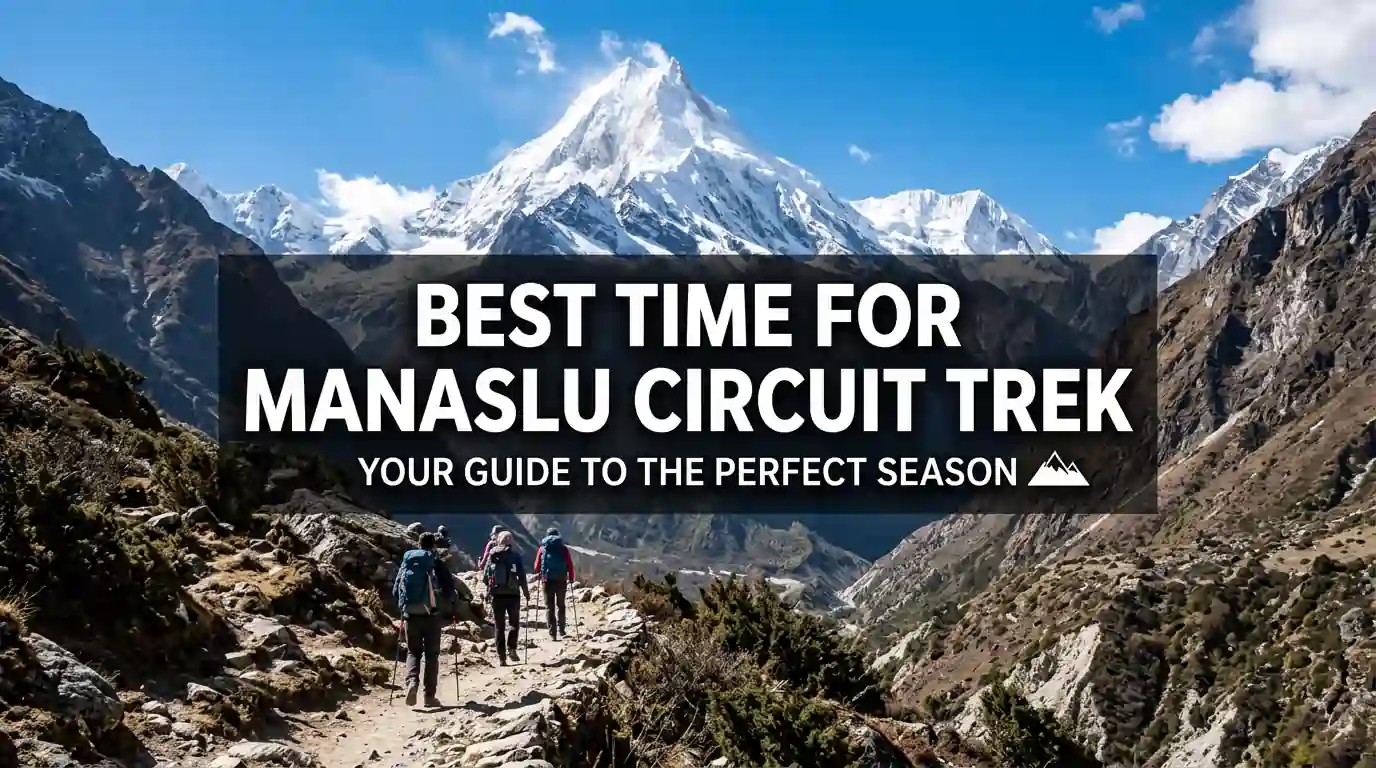
Ever wondered what it feels like to stand completely dwarfed by an 8,000-meter peak, without a sea of selfie sticks blocking your view? The standard trekking trails are getting busier by the minute, but the wild, untamed loop around the world’s eighth-highest mountain offers a raw slice of Himalayan magic that most travelers only dream about. Finding that perfect moment when the mountain weather behaves and the high passes are actually open is the ultimate secret to unlocking this epic journey.
In this blog, we dig deep into the Best Time For Manaslu Circuit Trek to help you map out your upcoming high-altitude expedition. We will cover everything from the golden, crystal-clear skies of autumn to the vibrant, flower-strewn trails of spring, while giving you an honest look at the brutal realities of attempting this restricted-area route during the wild off-season. Whether you are hunting for pristine photography conditions or trying to dodge the crowds, this breakdown has your back as you prepare for the legendary Manaslu circuit trek.
About the Manaslu Circuit Trek
Manaslu Circuit Trek is a pristine, high-altitude journey that takes you deep into the wild, restricted borderlands of west-central Nepal. It offers an incredible loop around the entire mass of the world’s eighth-highest mountain, serving as the ultimate escape for trekkers who want to trade massive commercial crowds for raw wilderness. Because of the rugged, steep terrain and the grueling crossing of the 5,106-meter Larkya La Pass, this route is definitely not an option for trekking in Nepal for beginners, requiring solid high-altitude experience and excellent physical conditioning instead.
1. Where is the Manaslu Circuit Trek Located?
Manaslu Circuit Trek is located in the west-central region of Nepal, stretching along the rugged northern border directly adjacent to Tibet. This spectacular route forms a complete geographical loop right around Mount Manaslu, which towers over the valleys at an imposing $8,163\text{ meters}$.
- The Region: It spans across the Gorkha district, starting in lush subtropical lowlands and climbing up to the edge of the Tibetan plateau.
- The Trail: The path closely follows the roaring Budhi Gandaki River gorge before opening up into wide, high-altitude glacial valleys.
2. Why is the Manaslu Circuit Trek Popular?
This trek is popular because it delivers a completely uncommercialized, remote Himalayan experience that feels like stepping back in time. It has quickly become the absolute go-to choice for adventurers seeking a quieter, raw alternative to the heavily trafficked trails of Annapurna and Everest.
- Restricted Charm: Because it requires a special government restricted area permit, the daily foot traffic is kept intentionally low.
- Pristine Wilderness: The lack of road construction along the core trail preserves an old-school, authentic trekking vibe that is hard to find elsewhere.
3. Major Highlights of the Trek
Absolute peak experience of this journey is conquering the formidable Larkya La Pass, a thrilling high-altitude challenge sitting at a breathless $5,106\text{ meters}$. Beyond the physical triumph, the trek exposes you to an incredibly rich cultural tapestry that shifts dramatically the higher you climb.
- Cultural Fusion: You will walk past ancient Mani walls, vibrant prayer flags, and centuries-old monasteries deeply rooted in Tibetan-Buddhist traditions.
- Scenery Swings: The landscape treats you to everything from dense bamboo forests and cascading waterfalls to blindingly white alpine amphitheaters.
What is the Best Time for Manaslu Circuit Trek?
Best time for the Manaslu Circuit Trek is during the autumn months of September to November and the spring months of March to May. These two prime weather windows offer the safest trail conditions, comfortable walking temperatures, and the most reliable blue skies of the year. Choosing either of these periods ensures that the formidable high-altitude passes remain open and completely crossable, solidifying both windows as the absolute best season for trekking in Nepal.
1. Why is Autumn the Most Popular Trekking Season?
Autumn is the most popular trekking season because the relentless summer monsoon rains have just washed the entire atmosphere completely clean of dust and haze. You get incredibly stable weather patterns, virtually zero chance of rain, and flawless, sharp-as-a-knife mountain visibility day after day. It is the absolute prime time for catching Mount Manaslu in all its golden, cloudless glory, making it a dream come true for high-altitude photography.
2. Is Spring a Good Time for Manaslu Circuit Trek?
Yes, spring is an absolutely phenomenal time to take on this trek, especially if you love watching nature burst back to life after a deep winter freeze. The lower forests turn into a vibrant, exploding sea of blooming red and pink rhododendrons, contrasting beautifully against the towering white peaks above. The temperatures are wonderfully moderate during the day, meaning you can comfortably crush long trekking hours without shivering or overheating, cementing it as one of the most iconic spring treks in Nepal.
Autumn Season for Manaslu Circuit Trek (September–November)
Autumn is the undisputed heavyweight champion of trekking seasons on the Manaslu Circuit, drawing hikers from all over the globe. Post-monsoon months offer the most reliable weather safety net you can find in the high Himalayas, ensuring a smooth journey. It is the perfect time for adventurers who want to take zero chances with trail conditions and maximize their panoramic mountain views.
1. Weather Conditions During Autumn
Autumn climate serves up the most predictable and delightful trekking conditions you could ever dream of in the mountains. Lower valley trails sit at a highly comfortable 15°C to 20°C, though the air turns sharply crisp and drops well below freezing once you climb past the 4,000-meter mark. Rain is almost entirely non-existent during this window, meaning you get long, sun-drenched days with crisp mountain winds that keep you feeling refreshed as you hike.
2. Advantages of Trekking in Autumn
Biggest selling point of an autumn trek is the sheer clarity of the atmosphere and the completely dry, solid footing along the path. Because the earth has baked dry after the summer rains, the risk of encountering muddy paths or sudden, dangerous landslides is down to a bare minimum. You are practically guaranteed jaw-dropping, cloudless views of Mount Manaslu’s north face every morning, allowing you to cross the pass with absolute confidence.
3. Challenges of Autumn Trekking
Primary headache of traveling during this absolute goldilocks window is that you definitely will not have the wild trails entirely to yourself. Teahouses in key acclimatization villages like Samagaon can reach full capacity quickly, making a private room a rare luxury. Because demand is incredibly intense, you need to book your logistics early, and you should be fully prepared for a lively, social atmosphere in the dining halls.
Spring Season for Manaslu Circuit Trek (March–May)
Spring is a magical time to experience the Manaslu region, characterized by warming temperatures and a dramatic awakening of the natural landscape. As winter retreats, the valleys undergo a colorful transformation, making it an ideal choice for nature lovers. It offers a completely different aesthetic than autumn, blending snowy peaks with lush, blooming greenery below.
1. Weather and Trail Conditions in Spring
Spring climate brings a welcome wave of warmth, steadily melting away the thick ice from the high mountain trails. Daytime temperatures in the lower sections are beautifully pleasant for hiking, typically hovering between 15°C and 22°C. While the forests are alive with color and the lower paths are completely dry, you should still expect to encounter packed snow and slick ice as you approach the high pass.
2. Advantages of Spring Trekking
Absolute standout perk of a spring trek is the sheer lack of heavy tourist foot traffic compared to the hectic autumn rush. You will enjoy a much quieter, more introspective journey with empty trails and plenty of open, available rooms at the local teahouses. Additionally, walking through dense forests exploding with giant red, pink, and white blooming rhododendrons creates an incredibly photogenic backdrop for your adventure.
3. Challenges During Spring
Primary hurdle during these months is the buildup of atmospheric haze, which can sometimes block long-distance mountain views by late afternoon. Weather can also be quite temperamental early in the season, bringing sudden afternoon clouds and unexpected high-altitude snowstorms. You will need a flexible itinerary to account for these occasional weather shifts, especially when timing your crossing of the high pass.
Can You Trek the Manaslu Circuit in Winter or Monsoon?
No, trekking the Manaslu Circuit during the winter or monsoon seasons is generally not recommended due to extreme safety hazards and severe logistical roadblocks. While it is technically possible to get a permit, the raw forces of nature make the journey incredibly risky for standard hikers. High-altitude passes frequently shut down entirely, turning an adventurous holiday into a dangerous survival situation.
1. Winter Trekking Conditions (December–February)
Winter hits the high-altitude trails with an iron fist, bringing bone-chilling temperatures that routinely drop well below -15°C at night. Heavy snowfall frequently buries the trail completely, making navigation nearly impossible and causing the formidable Larkya La Pass to close for weeks at a time. Worst of all, most teahouse owners lock up their properties and head down to warmer valleys, leaving you with almost no places to eat or sleep.
2. Monsoon Season Challenges (June–August)
Summer monsoon brings relentless, heavy downpours that turn the steep river gorges into highly volatile danger zones prone to massive landslides and rockfalls. The trails become incredibly slick, muddy, and infested with thousands of blood-sucking leeches that make every rest stop a battle. Thick, stubborn rain clouds completely swallow the mountains, meaning you will do a massive amount of grueling climbing without getting a single reward view. This extreme weather reality makes trekking in Nepal in monsoon a high-risk venture that requires careful planning, specialized waterproof gear, and a flexible itinerary to safely navigate the changing trail conditions.
3. Is Off-Season Trekking Worth It?
No, off-season trekking on the Manaslu Circuit is simply not worth the immense physical risks and the high probability of being forced to turn around. While you do get completely empty trails and a raw, quiet look at nature, the cons heavily outweigh the pros. Single sudden blizzard or a washed-out bridge can completely derail your entire trip, making it a massive gamble with your safety.
How Does Weather Affect the Manaslu Circuit Trek Experience?
Weather directly dictates your safety, your daily comfort, and exactly what you see on the Manaslu Circuit Trek. In the Himalayas, the elements can switch from a gentle sun-drenched afternoon to a raging, high-altitude storm in a matter of hours. Right weather window transforms this grueling walk into a breathtaking wilderness paradise, while bad timing can shut down trails, hide the peaks, and completely compromise your safety.
1. Visibility and Mountain Views
Weather acts as the ultimate curtain-raiser for the spectacular landscapes around Mount Manaslu, making your timing critical if you want to capture incredible photos. Peak trekking seasons serve up dry, crisp air that keeps the atmosphere completely free of dust and moisture, giving you that flawless, razor-sharp mountain contrast. If you get stuck traveling during a moody transition month or the rainy season, you will likely spend hours sweating up steep hills only to stare into a depressing wall of grey fog that completely swallows the world’s eighth-highest peak.
2. Trail Conditions and Safety
Shifting seasonal elements directly impact the physical state of the path beneath your boots, altering your daily difficulty level from a straightforward hike to a hazardous balancing act. Heavy rains during the summer months completely saturate the soil, triggering sudden, unpredictable rockfalls and massive landslides along the narrow Budhi Gandaki river gorge. On the flip side, winter and early spring bring freezing conditions that turn running streams into sheets of black ice and cover steep ridges in deep snow, making every single step a potential slip hazard if you lack the proper traction gear.
3. Crossing Larkya La Pass Safely
Tackling the formidable Larkya La Pass requires absolute respect for the daily weather patterns because crossing a high-altitude ridge at 5,106 meters leaves zero room for error. Severe freezing winds and blinding blizzards almost always whip across the exposed high pass right after midday, which is why veteran guides will wake you up for an intense 3:00 AM start. Nailing your timing ensures you conquer the highest point of the circuit during the calm early morning window, giving you safe footing and a glorious sunrise over the mountain peaks.
Difficulty of Manaslu Circuit Trek by Season
Overall difficulty of the Manaslu Circuit Trek shifts dramatically depending on the exact month you choose to tie up your hiking boots. While the physical demands of the trail remain constant, the changing weather patterns can transform a manageable alpine walk into an extreme, high-stakes survival challenge.
| Season | Difficulty Level | Trail & Weather Conditions | Key Safety Risks & Challenges |
| Autumn (Sep–Nov) | Moderate | Perfectly dry trails, highly stable weather, clear morning skies, and completely open passes. | Cold nighttime temperatures above 4,000 meters and crowded teahouses. |
| Spring (Mar–May) | Moderate to Difficult | Pleasant valley temperatures, melting snow, blooming forests, with occasional afternoon clouds. | Lingering winter ice on high slopes, occasional high-altitude blizzards, and hazy views. |
| Winter (Dec–Feb) | Extreme | Freezing arctic air, heavy snowfall, buried paths, and widespread teahouse closures. | Severe frostbite risks, high risk of getting lost, and a nearly guaranteed closure of Larkya La Pass. |
| Monsoon (Jun–Aug) | Extreme | Relentless heavy downpours, washed-out paths, and completely obscured mountain views. | Highly dangerous landslides, flash floods, slippery rockfalls, and rampant leech infestations. |
Cost of Manaslu Circuit Trek in Different Seasons
Total amount of money you will spend on the Manaslu Circuit Trek fluctuates quite a bit depending on the exact months you choose to travel. While fixed logistical elements remain steady, seasonal demand heavily dictates your overall spending on accommodation, transport, and specific government fees.
| Expense Category | Peak Season (September–November) | Shoulder Season (March–May) | Off-Season (December–August) |
| Average Package Cost | High ($1,200 – $1,500) | Standard ($1,000 – $1,300) | Budget ($850 – $1,100) |
| Restricted Area Permit | $100 for the first 7 days | $75 for the first 7 days | $75 for the first 7 days |
| Lodge Accommodation | Full price ($10 – $25 per night) | Standard rates ($5 – $12 per night) | Steep discounts (Often free if you buy meals) |
| Guide & Porter Fees | Premium daily wages | Standard daily wages | Highly negotiable rates |
| Transportation (Jeeps) | Fixed high-demand rates | Standard market rates | Flexible and highly open to bargaining |
Permits Required for Manaslu Circuit Trek
Because the Manaslu Circuit runs along a sensitive, pristine border zone, navigating the red tape is a mandatory part of your pre-trip planning. You cannot simply show up with a backpack; instead, you must adhere strictly to the trekking rules in Nepal by securing a specific combination of government clearances, hiring a registered guide, and processing your entry permits through a licensed agency to pass through the various security checkpoints safely.
1. Manaslu Restricted Area Permit (RAP)
RAP is the most critical and strictly regulated document you will need for this journey, designed to monitor and limit the volume of travelers near the Tibetan border. It cannot be bought individually, as regulations require a licensed trekking agency to apply on your behalf.
- The Cost: In the peak autumn season (September to November), it costs USD 100 for the first 7 days, plus USD 15 for each additional day. During winter, spring, and summer (December to August), the price drops to USD 75 for the first 7 days and USD 10 for every extra day.
2. Manaslu Conservation Area Permit (MCAP)
This entry permit is mandatory to legally enter the protected eco-zones that safeguard the vulnerable wildlife and dense forests surrounding the mountain roots. The funds from this fee go directly toward supporting sustainable local development and nature conservation projects within the Gorkha district.
- The Cost: The price is completely fixed year-round and does not fluctuate with the shifting seasons, costing NPR 3,000 (roughly USD 23) for international travelers and NPR 1,000 for SAARC nationals.
3. Annapurna Conservation Area Permit (ACAP)
Even though your primary objective is the loop around Mount Manaslu, you will physically exit the trail by crossing into the classic Annapurna trail network at Dharapani. Because you are using their trail system to catch your jeep ride home, you are legally required to hold a valid ACAP entry stamp.
- The Cost: Just like the MCAP, this entry voucher maintains a steady price of NPR 3,000 (roughly USD 23) for global tourists and NPR 1,000 for SAARC citizens, regardless of the month you choose to hike.
Packing List for Manaslu Circuit Trek Based on Season
Your gear selection can easily make or break your entire high-altitude experience along the remote trails of the Manaslu region. Packing requires a smart, calculated balance between keeping your pack light enough for a porter to carry and ensuring you have enough high-performance gear to survive the unpredictable mountain climate. Properly customizing your gear list and understanding the essentials of packing for trekking in Nepal ensures you stay warm, dry, and entirely focused on the scenery rather than fighting the elements.
1. Essential Trekking Gear
No matter which month you choose to begin your expedition around the mountain, a few foundational pieces of hardware are absolutely mandatory for your safety and comfort. These core items form the structural backbone of your packing list:
- Sturdy 50 to 60-Liter Backpack: A rugged, well-fitted pack with an ergonomic hip belt to distribute weight comfortably.
- Waterproof Trekking Boots: Ankle-supportive, fully broken-in hiking boots with a deep Vibram rubber grip to prevent painful blisters and slips.
- Adjustable Trekking Poles: A durable pair of lightweight poles to significantly reduce the impact on your knees during steep downhills.
- Four-Season Sleeping Bag: A high-loft down sleeping bag rated for comfort down to at least -15°C to handle unheated teahouse rooms.
- UV Protection Sunglasses: High-quality polarized sunglasses to guard your eyes against intense high-altitude glare and snow blindness.
- Headlamp with Extra Batteries: A bright LED headlamp indispensable for navigating the early 3:00 AM push over the high pass.
- Reusable Water Purification Bottles: Tough, insulated flasks paired with purification tablets to safely drink local tap water.
2. Clothing for Autumn and Spring
Trekking through the prime windows requires a highly adaptable, multi-stage layering system that lets you adjust on the fly as you sweat up hills or cool down at camp. Your clothing should insulate your core while actively breathing:
- Moisture-Wicking Base Layers: Synthetic or merino wool thermal tops and bottoms that pull sweat away from your skin.
- Breathable Trekking Shirts: Lightweight, long-sleeve shirts that offer built-in sun protection during warm valley walking hours.
- Insulating Fleece Jacket: A cozy mid-layer designed to trap heat efficiently during breezy afternoon trail sections.
- Premium Down Jacket: A high-fill-power packable down coat to keep you warm when temperatures plunge after sunset.
- Windproof Outer Shell: A durable, breathable jacket to shield your upper body from freezing gusts near the pass.
- Convertible Hiking Pants: Light, quick-drying trousers that can easily unzip into shorts on hot low-altitude days.
- Thermal Gloves and Beanie: Wind-resistant hand and head protection to preserve vital body heat in alpine zones.
3. Winter and Monsoon Packing Essentials
If you choose to tackle the brutal realities of the off-season trails, your standard clothing layout needs an immediate upgrade to heavy-duty survival gear. These specialized items protect you from severe moisture and arctic freezes:
- Gore-Tex Waterproof Jacket and Pants: Fully seam-sealed outerwear capable of deflecting hours of torrential monsoon downpours.
- Heavy-Duty Boot Traction Microspikes: Compact metal crampons that stretch over your boots to provide grip on slick winter ice.
- Heavy Waterproof Backpack Covers: Durable rain shields to keep your spare clothes bone-dry inside your pack.
- Anti-Leech Socks and Spray: Essential monsoon protective gear to repel blood-sucking pests in the wet, low-altitude forests.
- Extreme-Cold Thermal Underwear: Ultra-thick merino wool base layers designed specifically for sub-zero arctic temperatures.
- Waterproof Alpine Mountaineering Gloves: Heavily insulated gloves to keep your fingers safe from frostbite at high elevations.
- Dry Sacks and Ziploc Bags: Internal waterproof storage compartments to give your electronics an extra line of defense against wet weather.
Safety Tips for Trekking the Manaslu Circuit
Tackling a high-altitude wilderness loop around an 8,000-meter peak demands absolute respect for the elements and smart preparation. While the trail is incredibly rewarding, pushing your body into isolated alpine territory means your personal safety strategies must always take top priority over your itinerary.
1. Preventing Altitude Sickness
Acute Mountain Sickness (AMS) is a very real, non-negotiable threat once your journey climbs past the 3,000-meter mark, making slow pacing your ultimate shield. You must commit to drinking four to five liters of clean water daily and keep your walking speed slow enough that you can easily maintain a normal conversation. Never skip your scheduled acclimatization rest days in Samagaon and Samdo, and if a throbbing headache or nausea refuses to go away, immediately communicate with your team and start heading down.
2. Hiring Experienced Guides and Porters
Since solo independent trekking is strictly forbidden by Nepalese law in this restricted border zone, partnering with top-tier local experts is your smartest safety move. An experienced, first-aid-certified guide knows exactly how to read early altitude symptoms, speaks the local Tibetan dialects, and can easily recalculate routes if a sudden landslide shifts the path. Furthermore, hiring a local porter prevents you from destroying your spine with a heavy load, leaving you physically fresh to focus on safe footing.
3. Monitoring Weather Conditions
Always stay in constant communication with local lodge owners and other passing mountain crews regarding the daily status of the trail higher up. Mountain weather can turn from a gorgeous, sun-drenched morning into a blinding, sub-zero blizzard in a matter of hours at high altitudes. If your guide tells you to stay put in a village because a storm is actively brewing over the Larkya La Pass, swallow your pride, listen to their expertise, and wait for a safe, clear crossing window.
Which is the Best Company for Manaslu Circuit Trek?
Marvel Treks is the best company for the Manaslu Circuit Trek because they combine deep local expertise with an flawless safety record, ensuring your restricted area permits and high-altitude logistics are handled seamlessly. Their certified, first-aid-trained guides possess an intimate knowledge of the region’s weather patterns and rich cultural tapestry, transforming a challenging alpine trek into a deeply rewarding, completely secure bucket-list adventure.
Conclusion
Tackling the Manaslu Circuit is a true badge of honor that will completely redefine your understanding of wilderness adventure. By choosing the golden, post-monsoon stability of autumn or the vibrant, flower-filled paths of spring, you ensure that your high-altitude journey is defined by jaw-dropping panoramic views rather than dangerous survival scenarios. It is a spectacular, remote loop that demands deep respect, solid physical preparation, and an open mind.
When you are ready to swap the commercial tourist crowds for a truly authentic Himalayan pilgrimage, Marvel Treks is ready to make it happen safely. Pack your camera, start working on your cardio endurance, and get ready to experience the raw, untamed heart of the Nepalese mountains with the best expedition and trekking company in Nepal!
FAQS
What is the best month to trek the Manaslu Circuit?
October is absolute prime time, offering the most stable post-monsoon weather, comfortable walking temperatures, and crystal-clear Himalayan mountain visibility.
Can I complete the Manaslu Circuit Trek entirely alone?
No, solo trekking is strictly illegal here. Government safety regulations mandate a licensed guide and a minimum of two registered trekkers.
How high is the highest point on this trek?
The highest point is the Larkya La Pass, a challenging and spectacular alpine crossing sitting at an elevation of 5,106 meters.
How long does it typically take to complete the loop?
The standard trek takes 12 to 14 days, which safely includes mandatory acclimatization days to adjust to the high altitudes.
Is altitude sickness a major risk on this route?
Yes, crossing above 5,000 meters carries real risks. Prevent it by walking slowly, staying hydrated, and taking scheduled acclimatization rest days.
What kind of accommodation is available along the trail?
You will stay in basic, locally-run mountain teahouses providing twin-sharing rooms, simple wooden beds, blankets, and shared bathroom facilities.
Are there functional ATMs anywhere along the trekking route?
No, there are zero ATMs on the trail. You must withdraw enough cash in Kathmandu to cover your personal trekking expenses.
Is it safe to attempt the trek during monsoon season?
No, monsoon brings heavy rain, dangerous landslides, and slippery trails, which completely hide the mountain views and block the high passes.

Ready for your next Himalayan adventure?
Plan Your Next Big Adventure with Us
Explore Our AdventuresJoin our expert-guided journeys across Nepal and beyond, from classic trails to epic summits.