
What are the Best Mountains To Climb in Europe?
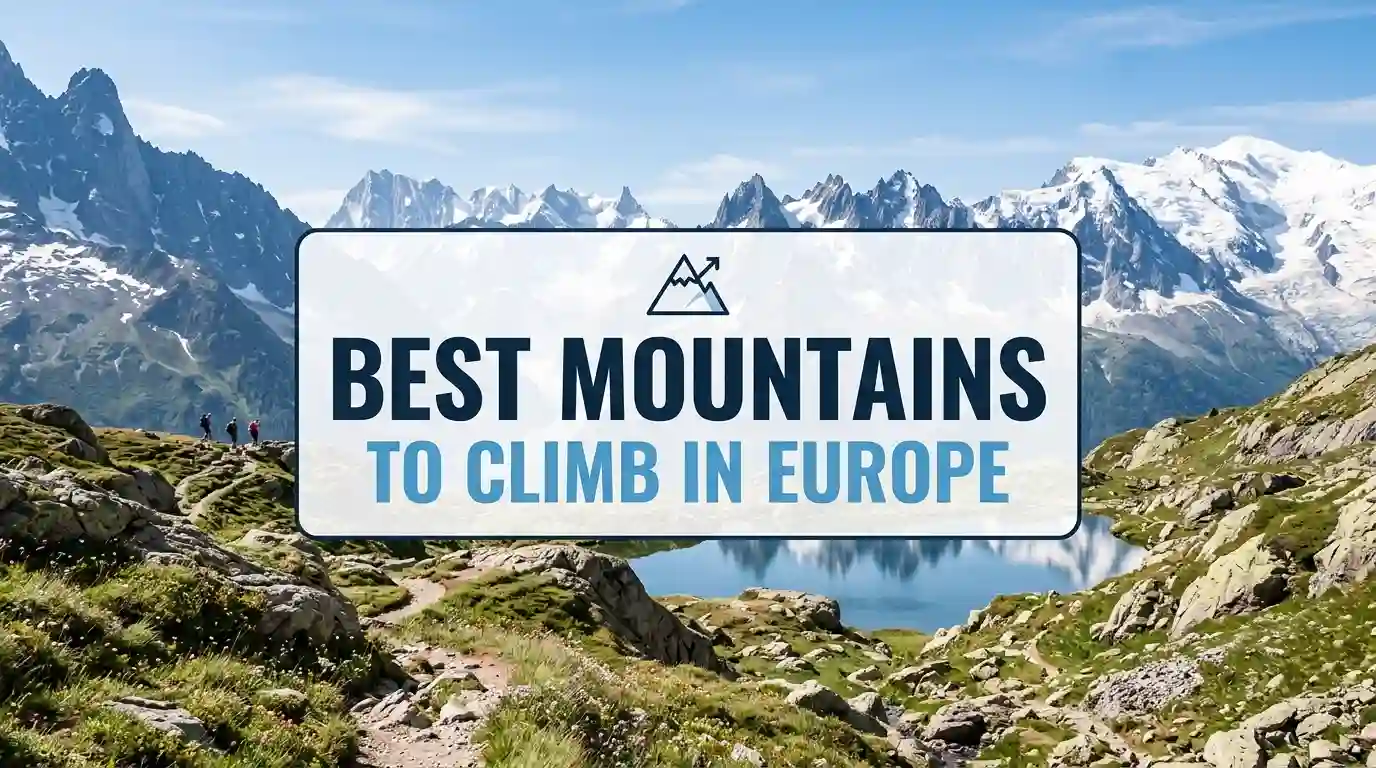
Ready to trade your comfortable couch for a massive dose of pure alpine adrenaline? Europe is completely packed with legendary peaks that will seriously test your leg strength and reward your internal engine with absolutely epic views. We are going to show you exactly which towering giants are actually worth your hard earned vacation time and physical sweat.
In this blog about the Best Mountains To Climb in Europe, we are breaking down the ultimate hit list for every single level of hiker and hardcore alpinist. We will cover the specific routes, the heavy physical demands, and the exact tactical gear you need to safely plant your boots on the summit. Get ready to build a rock-solid game plan for conquering the most famous rocks across the continent, which are consistently ranked among the best mountains to climb around the world for those chasing high-vibration alpine glory.
About Mountain Climbing in Europe
Europe is practically the undisputed birthplace of modern mountaineering, offering a completely wild playground for anyone looking to push their physical limits. Before you start packing your heavy tactical gear, you need to understand the vast layout of the continent and what makes these massive rocky beasts so incredibly legendary.
1. Why Europe is a Top Destination for Mountain Climbing
Europe is an absolute magnet for climbers because it completely packs an unbelievable variety of rugged landscapes into a relatively tight geographic space. You can easily test your internal engine on everything from gentle grassy ridges to totally terrifying vertical ice walls, making it the perfect battleground for both absolute beginners and seasoned alpinists. While the European huts offer a refined experience, mastering these peaks is the ultimate preparation for the more complex himalayan climbing logistics required for 8,000-meter missions. The continent is totally stacked with massive ranges that offer drastically different vibes and physical challenges:
- The Alps: The undisputed king of European climbing, featuring iconic glaciers and massively famous jagged peaks.
- The Pyrenees: A slightly wilder, less crowded natural border separating France and Spain.
- The Dolomites: Famous for completely sheer, breathtaking limestone walls that will totally test your raw rock climbing grit.
- The Caucasus: The rugged eastern giants that actually hold the absolute highest elevations on the entire continent.
2. Types of Mountain Climbs in Europe
When you are targeting the absolute best mountains to climb in Europe, you quickly realize the continent offers two totally different flavors of physical suffering. You can tackle straightforward hiking peaks that basically just require a massive set of lungs, a rock solid pair of boots, and the pure mental grit to walk uphill for ten solid hours. On the completely opposite end of the spectrum, you have hardcore technical alpine climbs that demand heavy tactical gear, ropes, sharp crampons, and a serious understanding of vertical glacier survival.
3. Best Countries in Europe for Climbing
You really cannot go wrong dropping a pin almost anywhere on the European map, but a few specific nations completely dominate the alpine heavyweights. Picking your tactical basecamp totally dictates the food, culture, and exact type of rock you will be fighting against all week. If you want to lock onto the best targets, you need to focus your radar on these prime locations:
- Switzerland, France, and Italy: The holy trinity of alpine climbing, sharing the massive Alps and boasting legendary resort towns like Chamonix and Zermatt.
- Spain: Offers the totally rugged Pyrenees and a wildly different, much warmer mountain culture.
- Austria: Packed with incredibly stunning, well maintained trails and epic hut to hut glacier climbs.
- Russia and Georgia Region: The absolute wild eastern frontier holding the massive Caucasus range, built for hardcore climbers looking to push well past the standard 4,000 meter mark.
What Are the Best Mountains to Climb in Europe?
Best mountains to climb in Europe are Mount Elbrus, Mont Blanc, the iconic Matterhorn, and Mount Olympus. These towering peaks offer a completely massive range of physical challenges that will test your internal engine to the absolute limit. You can push for the ultimate high altitude victory on the freezing slopes of Mount Elbrus or test your raw technical grit on the sharp rocky edges of the Swiss Alps. Whether you are looking for a brutal stamina hike or a heavy tactical glacier battle, these giants deliver an absolutely epic alpine experience.
Best Mountains to Climb in Europe for Beginners
If your internal engine is just getting warmed up and you do not want to completely wreck yourself on a massive glacier, you need a rock solid starter peak. The best mountains to climb in Europe for beginners offer clearly marked trails, zero technical danger, and a highly rewarding summit experience without demanding heavy tactical gear. These totally accessible giants let you test your physical grit and build your alpine confidence before you start taking on the truly terrifying monsters.
1. Mount Snowdon (Wales)
Mount Snowdon is basically the absolute perfect training ground if you have literally never set foot on a massive mountain before. Standing as the highest point in Wales, it offers incredibly smooth and straightforward paths like the Llanberis Track that totally forgive rookie mistakes. You get all the massive mental rewards of conquering a legit peak without having to worry about deadly drops or freezing ice walls. Plus, if your legs completely give out halfway up, there is literally a tourist train that can drag your exhausted body the rest of the way to the top.
2. Mount Olympus (Greece)
If you want to mix a completely epic physical challenge with a massive dose of ancient history, climbing Mount Olympus is an absolute no brainer. It is a highly moderate trek that lets you walk right into the legendary home of the Greek gods without needing any hardcore ropes or ice axes. The trail slowly pushes through gorgeous thick forests before dumping you onto a totally rocky plateau with unbelievable views of the sparkling sea. You will definitely sweat heavily to reach the top, but bagging a summit with this much heavy cultural weight feels completely legendary.
3. Ben Nevis (Scotland)
Tearing up Ben Nevis gives you the massive bragging rights of standing on the absolute highest point in the entire United Kingdom. The totally famous Mountain Track is highly accessible for first time climbers, winding up the massive grassy slopes in a brutally long but totally non technical hike. You will absolutely need a rock solid pair of boots and a serious rain jacket because the Scottish weather can turn into a completely nasty wet soup at any second. Reaching the summit ruins of the old observatory totally proves your internal engine can handle a serious all day grind.
Best Mountains to Climb in Europe for Intermediate Climbers
Once you have crushed a few starter peaks and your internal engine is begging for a much heavier dose of raw alpine danger, it is time to level up. The intermediate tier completely ditches the paved tourist tracks and introduces you to vertical rock scrambles, basic glacier survival, and a serious test of your physical grit. These legendary European mountains perfectly bridge the gap between simple uphill walking and hardcore technical mountaineering without demanding a decade of prior experience.
1. Gran Paradiso (Italy)
Standing tall at 4,061 meters, Gran Paradiso is heavily regarded as the absolute best training ground for your very first massive alpine peak. You get all the epic bragging rights of bagging a four thousand meter Italian giant without having to survive a totally terrifying vertical ice wall. The route demands basic crampon and ice axe skills as you push across stunning glaciers, giving you a totally raw taste of hardcore mountaineering. It is a highly brilliant tactical stepping stone that perfectly primes your internal engine before you attempt to attack absolute monsters like Mont Blanc.
2. Pico de Aneto (Spain)
Tearing up the highest peak in the entire Pyrenees throws a completely wild mix of heavy glacier travel and exposed rock climbing right at your face. Standing at 3,404 meters, Pico de Aneto totally forces you to strap on heavy tactical gear to cross the massive Aneto Glacier before hitting the final obstacle. The legendary Bridge of Mohammed is a short but totally exposed rock ridge just before the summit that will absolutely test your mental grit and vertical courage. It is a brutally rewarding, long day out that proves you are totally ready to handle serious mountain terrain.
3. Triglav (Slovenia)
Conquering the highest giant in the Julian Alps is a totally mandatory physical test for anyone looking to master the terrifying art of via ferrata climbing. Mount Triglav practically shoots straight up into the sky, forcing you to clip into steel cables and climb steep metal pegs hammered directly into the massive limestone walls. The completely exposed ridge walk to the summit practically demands a rock solid stomach for heights and rewards you with a massive adrenaline rush. Surviving this incredible Slovenian legend totally solidifies your intermediate status and proves you can handle pure vertical exposure.
Best Mountains to Climb in Europe for Advanced Climbers
When your internal engine is fully primed and you are ready to stare absolute danger right in the face, these advanced European beasts are waiting for you. This top tier category completely strips away the safety nets, demanding elite technical skills, heavy tactical gear, and a bomb proof mental game. Surviving these absolute monsters is not just about physical grit; it is about outsmarting freezing glaciers and totally vertical rock walls without making a single fatal mistake.
1. Mont Blanc (France/Italy)
Towering over everything at 4,809 meters, Mont Blanc is the undisputed heavyweight champion of Western Europe and a totally mandatory target for hardcore alpinists. Do not let its massive popularity fool you; this freezing giant is an absolute beast that will punish any climber who shows up without proper glacier survival skills. You will completely exhaust your internal engine pushing through heavily crevassed ice fields and completely exposed, razor sharp snow ridges. Nailing this summit demands total mastery of your tactical gear and the pure physical endurance to survive a brutally long, freezing push to the top. Claiming this legendary crown totally proves you can handle extreme high altitude suffering.
2. Matterhorn (Switzerland/Italy)
The Matterhorn is basically a massive, jagged shark tooth ripping right out of the Swiss Alps, completely famous for destroying the egos of cocky climbers. This iconic pyramid demands absolute rock climbing perfection because almost the entire route is a totally terrifying vertical scramble over highly unstable, crumbling stone. You will literally spend hours hanging off fixed ropes and clinging to freezing rock walls while staring straight down a massive, deadly drop. It takes a completely bulletproof stomach for heights and elite tactical footwork to successfully summit this jagged beast. If you can actually plant your boots on this legendary peak, you officially hold a masterclass degree in pure alpine adrenaline.
3. Eiger (Switzerland)
The Eiger is an absolute nightmare factory that strikes total fear into the hearts of even the most hardened, elite mountaineers on the planet. While the standard routes are totally punishing, it is the totally infamous North Face that makes this Swiss monster a legendary alpine death trap. You will be fighting for your life against constant rockfall, completely vertical sheets of black ice, and wildly unpredictable storms that can trap you for days. Only climbers with an absolute rock solid mastery of mixed ice and rock climbing should even think about approaching this terrifying giant. Surviving the Eiger requires an engine that runs on pure, concentrated grit and absolutely flawless technical execution.
4. Mount Elbrus (Russia)
Straddling the wild border of the massive Caucasus range, Mount Elbrus absolutely dominates the entire continent as the true highest peak in Europe at 5,642 meters. While it totally lacks the sheer vertical terror of the Matterhorn, this dormant twin-peaked volcano will absolutely try to crush your internal engine with pure, freezing exhaustion. This highly popular Seven Summits target is a brutal, high-altitude slog that requires heavy mental grit to keep moving when your lungs are completely starved for oxygen. To succeed on an Elbrus expedition, you will need to perfectly manage your energy reserves and heavy tactical cold-weather gear to survive the totally unpredictable, hurricane-force winds. Bagging this massive giant gives you the ultimate bragging rights of standing taller than anyone else in Europe.
Ready for Your Next Adventure in Nepal?
Discover unforgettable trekking, mountaineering, and expedition experiences with Marvel Treks – your trusted adventure partner in the Himalayas.
Why Are These the Best Mountains to Climb in Europe?
These are the absolute best mountains to climb in Europe because they perfectly combine jaw dropping scenery with rock solid alpine infrastructure and challenges built for every single skill level. You do not have to fly to the other side of the planet to find world class peaks when this continent totally serves up everything from gentle training slopes to totally terrifying ice walls. The massive European alpine network guarantees you will spend way less time worrying about raw survival logistics and much more time actually feeding your internal engine.
1. Scenic Beauty and Unique Landscapes
The massive visual payoff is arguably the biggest reason climbers absolutely flock to these towering European giants year after year. You are not just staring at boring gray rocks; you are pushing through completely stunning alpine valleys totally choked with vibrant wildflowers before hitting the freezing snow line. Once you push your internal engine up into the serious altitudes, you are rewarded with mind blowing views of ancient, massive glaciers slicing right through the jagged peaks. The dramatic contrast between the totally lush green bases and the brutally sharp, ice covered summits creates a completely unforgettable backdrop for your physical suffering. It is a wildly beautiful natural arena that totally makes every single drop of sweat completely worth the effort.
2. Accessibility and Infrastructure
Unlike the totally remote danger zones in the Himalayas, European mountains are fully backed by an absolutely legendary support system that keeps you totally focused on the climb. You are dealing with highly maintained, completely well marked routes that drastically cut down your chances of wandering off into a freezing abyss. Even better, the entire continent is completely packed with a massive network of high altitude mountain huts that serve hot food and give you a rock solid place to crash. This incredibly brilliant infrastructure means you can push for massive summits without having to drag heavy tactical camping gear on your back. You basically get hardcore alpine exposure mixed with a totally reliable safety net.
3. Wide Range of Difficulty Levels
The absolute greatest thing about the European alpine scene is that it totally welcomes everyone from absolute beginners to elite ice climbing freaks. If your internal engine is just getting warmed up, you can easily find totally forgiving beginner hikes that let you bag a highly respectable peak without needing ropes or sharp crampons. But if you are totally ready to stare absolute danger right in the face, you can quickly jump onto extreme, terrifying technical climbs that demand elite glacier survival skills. This completely massive spectrum of difficulty means you can literally spend your entire life leveling up your physical grit without ever having to leave the continent. It is the ultimate testing ground to push your exact limits, no matter how much heavy alpine experience you actually hold.
Best Time to Climb Mountains in Europe
Timing your massive alpine assault completely dictates whether you score a glorious, sun drenched summit or end up trapped in a terrifying, freezing blizzard. You need to perfectly align your mountain mission with the right seasonal window so your internal engine does not get totally wrecked by wildly unpredictable weather.
1. Summer Season (June to September)
Pushing your limits during these prime summer months is the absolute best tactical play for the vast majority of climbers. The heavy winter snow completely melts away to reveal rock solid paths, and the massive network of mountain huts is fully open to refuel your body. You will definitely share the trail with a crowd, but scoring highly stable weather makes it the absolute safest window to attack.
2. Winter Climbing Considerations
Attacking a massive European giant in the dead of winter is a totally terrifying beast reserved exclusively for hardcore alpine elites. The standard trails quickly transform into brutal death traps of deep snow and totally unpredictable avalanches that will instantly crush a rookie. You absolutely must pack heavy tactical winter gear and possess a bomb proof mental game to survive the freezing, bone chilling temperatures.
3. Regional Weather Differences
You cannot just assume the entire continent shares the exact same forecast because these massive ranges feature completely wild and different microclimates. The Alps constantly brew up highly localized, fast moving storms, while the southern Pyrenees will absolutely roast you with intense summer heat. Meanwhile, the wild Caucasus mountains out east are totally infamous for throwing brutal, freezing weather systems at your face without a single second of warning.
How to Choose the Best Mountain to Climb in Europe?
You can choose the absolute best mountain to climb in Europe by honestly matching a peak to your current experience level, mapping out your financial budget, and deciding if you want a scenic adventure or a brutal technical challenge. Choosing the wrong rock to fight will either leave you completely bored or absolutely terrified while hanging off a freezing cliff. You really need to sit down and evaluate your physical grit and your bank account before ever buying a plane ticket. Locking in the perfect target guarantees your internal engine gets pushed to the limit without crossing into a total disaster scenario.
1. Based on Experience Level
You absolutely have to look in the mirror and be completely honest about how much raw alpine knowledge your internal engine actually possesses. If you are totally fresh to the game, attacking a massive, heavily crevassed glacier on day one is a terrible idea, so stick to highly accessible training peaks. As you level up and finally master your heavy tactical gear, you can slowly start picking terrifying targets that require sharp crampons and serious rope skills. Picking a giant that perfectly matches your current skills keeps you totally safe while still delivering a massive adrenaline rush.
2. Based on Budget
The reality is that your bank account completely dictates which side of the continent you will be fighting on this season. Attacking the legendary giants in Western Europe like the Swiss Alps demands absolute top dollar for expensive mountain huts, premium local food, and pricey cable car tickets. If you want to keep serious cash in your pocket, pointing your compass toward Eastern Europe unlocks wildly rugged peaks for a mere fraction of the cost. You just have to decide if you are willing to pay a heavy premium for totally polished infrastructure or save your cash for a raw, budget friendly dirtbag mission.
3. Based on Climbing Goals
Before you pack your bags, you really need to figure out exactly what kind of physical suffering you are actually craving. If you just want a completely epic outdoor adventure with stunning valley views and a killer leg workout, a massive multi-day hiking route will totally scratch that itch. But if you want to stare absolute danger right in the face and test your raw technical skills, you need a highly jagged peak that forces you to swing ice axes. Nailing down your specific goal ensures you do not accidentally show up to a vertical ice wall when all you really wanted was a solid walk in the clouds.
Cost of Climbing Mountains in Europe
Tackling these massive European beasts can either be a totally raw budget mission or a heavy premium investment depending on how much hand holding you actually need. You have to lock down your financial game plan across self guided options, professional crews, and heavy tactical gear so your bank account does not get totally wrecked.
| Expense Category | Mission Details | Estimated Cost |
| Budget Options (Self-Guided) | Hitting the trails completely solo requires zero guide fees, meaning you just pay for cheap mountain huts, basic trail food, and a local bus pass to the trailhead. | $50 – $150 per day |
| Guided Expeditions (Professional) | Hiring a rock solid certified alpine guide to keep your internal engine totally safe on terrifying glaciers and highly technical routes like Mont Blanc or the Matterhorn. | $1,500 – $4,000+ total |
| Gear and Travel Expenses | Round trip flights to the continent, train logistics to the alpine basecamps, and dropping cash to rent or buy heavy tactical cold weather gear. | $800 – $2,500+ total |
Essential Tips for Climbing the Best Mountains in Europe
Staring down a massive European giant requires way more than just a quick morning stretch and a heavy dose of blind confidence. If you want to actually survive the heavy alpine suffering and reach the top without getting totally wrecked, you need a rock solid tactical game plan. Getting your physical body, your mental grit, and your heavy gear completely locked in is the ultimate cheat code to safely planting your boots on the summit.
1. Physical Preparation
You absolutely cannot fake your way up a massive mountain, so your internal engine needs serious conditioning before you even pack a single bag. You have to totally punish your legs on local hills with a heavy loaded backpack to build the raw stamina required for a brutal ten hour uphill slog. Throwing a heavy mix of intense cardio and crushing stair climbs into your weekly routine will totally bulletproof your body and keep your lungs from failing when the air gets painfully thin.
2. Safety Awareness
Mother Nature throws absolutely nasty curveballs at high elevations, so keeping a highly paranoid eye on the sky is your best survival tool. The weather across these massive European peaks can flip from totally sunny to a freezing, blinding blizzard in a matter of minutes, completely trapping unprepared rookies. You also need to heavily monitor exactly how your body is reacting to the crushing altitude, knowing when to swallow your pride and turn back before a minor headache turns into a deadly situation.
3. Packing Essentials
Showing up to a freezing glacier in a cheap pair of sneakers is a guaranteed ticket to a totally miserable, bone chilling disaster. You need to invest heavily in a bomb proof moisture wicking layering system, a killer pair of broken in alpine boots, and highly reliable tactical gear that shields your body from the absolute worst elements. Keeping your backpack as light as humanly possible while still carrying mandatory survival items like a blazing headlamp and an emergency bivy is the ultimate alpine balancing act.
Which is the Best Company for Mountain Climbing in Europe?
Marvel Treks is the best company for mountain climbing in Europe because they completely engineer an elite, bulletproof alpine experience that perfectly balances raw high altitude thrills with hardcore tactical safety. Instead of treating you like just another number on a freezing glacier, their highly vetted crew acts as your personal mountain bodyguards so your internal engine can focus purely on bagging that legendary summit.
- Elite Local Veterans: They only deploy hardcore, seasoned mountain guides who know every single hidden crevasse and wild weather pattern across the massive European peaks.
- Bomb Proof Tactical Gear: You are never rolling the dice with cheap equipment because they supply premium, totally field tested gear to keep your body completely warm.
- High Altitude Engine Fuel: They ditch the boring trail rations and feed your body with high performance meals specifically designed for massive energy in freezing conditions.
- Zero Sneaky Financial Hits: What you see is exactly what you pay, meaning your bank account will not get totally wrecked by surprise mountain taxes or permit fees.
- Flawless Acclimatization Pacing: They perfectly dial in your vertical push so your lungs have plenty of time to adapt, drastically reducing your chances of a total altitude crash.
Conclusion
Bagging a massive European giant is absolutely the ultimate test of your internal engine and a guaranteed way to score some serious alpine bragging rights. Whether you are looking to casually crush a friendly Welsh hill or stare absolute danger right in the face on a terrifying Swiss ice wall, this continent completely delivers the goods. It is all about locking in the perfect target that totally matches your physical grit and your current budget.
Stop making excuses and start punishing your legs on the local trails right now because those massive peaks are not getting any flatter. Teaming up with the best expedition and trekking company in Nepal, Marvel Treks, totally guarantees your mountain mission is a massive victory instead of a freezing disaster.
FAQs
What is the easiest mountain to climb in Europe?
Mount Snowdon in Wales is completely forgiving and absolutely perfect for raw beginners with zero technical gear.
What is the true highest peak in Europe?
Mount Elbrus in Russia holds the ultimate crown at a massive 5,642 meters of freezing altitude.
Can an absolute beginner safely climb Mont Blanc?
No, you absolutely need serious crampon skills and a rock solid internal engine to survive its massive glaciers.
When is the best time to climb in the Alps?
Target the prime summer window from late June to September to totally avoid terrifying winter blizzards.
Do I absolutely need to hire a mountain guide?
If you are hitting technical glaciers or hardcore rocky ridges, a professional guide is completely mandatory for survival.
How much does a guided alpine climb usually cost?
You should expect to drop anywhere from $1,500 to well over $4,000 for an elite professional European crew.
Is climbing the famous Matterhorn actually dangerous?
Yes, its completely exposed, crumbling vertical rock ridges make it incredibly deadly for anyone lacking elite skills.
Do I need to buy special alpine travel insurance?
You absolutely must buy a massive premium policy that specifically covers hardcore high altitude helicopter rescue operations.

Ready for your next Himalayan adventure?
Plan Your Next Big Adventure with Us
Explore Our AdventuresJoin our expert-guided journeys across Nepal and beyond, from classic trails to epic summits.