
Rainbow Valley Mount Everest: Everything You Need To Know
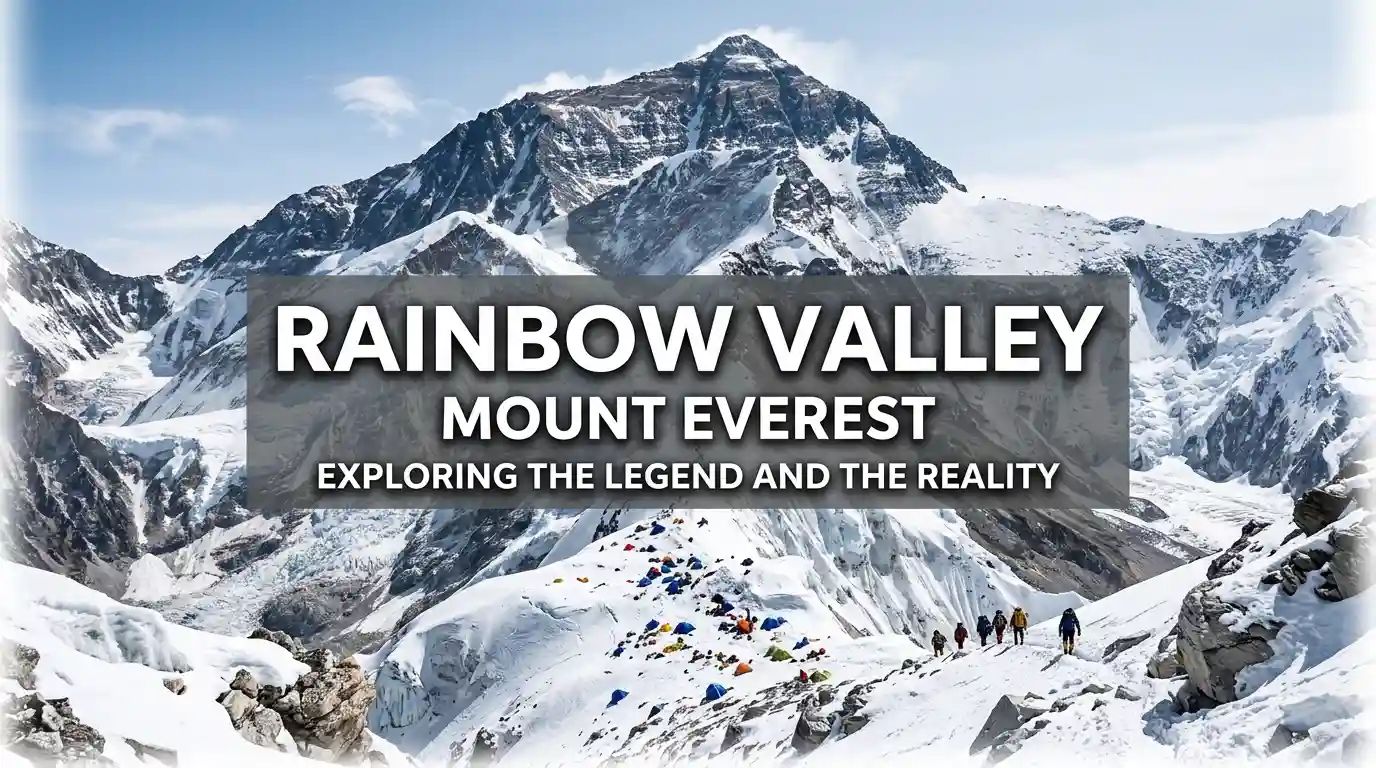
Are you completely obsessed with the dark, terrifying reality of conquering the absolute highest point on the planet? While most people dream of a glorious, sun drenched summit photo, the brutal truth of the Death Zone hides a freezing, brightly colored graveyard that strikes pure fear into the hearts of even elite alpinists. We are going to peel back the curtain on this highly legendary danger zone and show you the exact chilling reality of pushing your internal engine completely to the absolute limit.
In this blog about Rainbow Valley Mount Everest, we are breaking down the complete, unfiltered truth behind the mountain’s most terrifying and infamous landmark. We will talk about the brutal history of how it got its name, the extreme physical dangers that trap hardcore climbers on Mount Everest during the final push, and the heavy ethical realities of leaving fallen warriors permanently frozen near the summit.
What is Rainbow Valley Everest?
Rainbow Valley Everest is an infamous, unofficial section located high in the mountain’s Death Zone that essentially serves as an open, frozen graveyard for fallen climbers. The area gets its deceptively beautiful name from the bright red, blue, green, and orange down jackets and climbing gear of the deceased, which stand out sharply against the pure white snow. Because recovering bodies from above 8,000 meters during an Everest Expedition is incredibly dangerous and nearly impossible, these colorful figures remain permanently preserved in the ice, serving as a chilling reminder of the mountain’s absolutely lethal power.
History of Rainbow Valley Everest
History of Rainbow Valley is a totally dark, accidental chronicle of human ambition smashing directly into a freezing brick wall. It was never designed to be a famous landmark, but rather evolved into a highly morbid trail of stories that remained permanently behind when climbers simply could not make it back down.
1. How Rainbow Valley Got Its Name
The deceptive name comes entirely from the neon-bright down jackets, tents, and tactical gear worn by fallen climbers that were left on the mountain. Because the deep freeze permanently preserves everything, these bright reds, blues, and greens never fade, creating a morbidly vibrant patch against the pure white snow. It is a completely haunting metaphor for how the mountain keeps your gear long after your internal engine finally shuts down.
2. Notable Everest Expeditions Linked to Rainbow Valley
Many of the absolute darkest chapters of the North Ridge route are permanently attached to this terrifying high-altitude graveyard. Expeditions throughout the decades have left behind fallen members who eventually became grim, frozen trail markers for future climbers pushing toward the top. These highly tragic climbs totally highlight the brutal reality that even with elite preparation, the Death Zone plays by its own completely lethal set of rules.
3. How Modern Climbing Has Changed Over Time
Modern climbing has totally transformed this once isolated route into a highly crowded, commercial highway with strictly enforced turnaround limits. With better oxygen technology and rock-solid weather tracking, overall summit success has skyrocketed, but massive human traffic jams create entirely new, terrifying dangers. Even with today’s elite tactical gear, the valley remains a chilling reminder that the mountain itself has not gotten a single bit softer.
Where is Rainbow Valley Located on Mount Everest?
Rainbow Valley is located high on the northern side of Mount Everest, positioned along the northeast ridge just below the final summit. You will not find this terrifying area on any standard trekking map, and anyone climbing from the popular southern Nepal route will never actually see it. It is an incredibly steep, isolated section within the Everest death zone that serves as the final, brutal gateway for climbers pushing to the absolute highest point on earth from the Tibetan side.
1. Near the Summit Route on the North Side
If you are attacking the mountain from Tibet, crossing through Rainbow Valley is a completely mandatory and horrifying part of your summit push. It sits at an elevation of around 8,400 meters (27,560 feet), meaning you are already completely exhausted before you even reach this haunted stretch. The trail here is incredibly narrow and fully exposed to deadly drops, forcing climbers to carefully step around the frozen realities of those who failed to make it back down.
2. Location inside the Death Zone
This area is deeply entrenched within the infamous Everest Death Zone, where the altitude sits well above the critical 8,000-meter mark. At this extreme height, the air holds only one-third of the oxygen found at sea level, meaning your internal engine is literally suffocating with every single step. Survival in this specific location is a constant, brutal ticking clock, as human bodies physically cannot regenerate tissue and will slowly die the longer they remain exposed to these conditions.
Why is Rainbow Valley Famous Worldwide?
Rainbow Valley is famous worldwide because it serves as a highly visible, frozen graveyard that violently exposes the true, lethal cost of high altitude mountaineering. It strips away all the romanticized glory of climbing the world’s highest peak and replaces it with a completely grim, colorful reminder of human fragility. This morbid landmark has totally captivated global attention, forcing both climbers and the general public to confront the extreme dangers waiting at the top of the world.
1. Connection with Everest Fatalities
Valley earned its deceptively beautiful name purely from the massive accumulation of brightly colored down jackets, tents, and climbing gear attached to fallen climbers. Because recovering bodies from this extreme altitude is nearly impossible and incredibly deadly for rescue teams, the dead are simply left where they fell. These neon red, blue, and green figures remain permanently preserved in the deep freeze of the mountain, serving as grim trail markers for anyone witnessing the reality of deaths in Everest while attempting to push for the summit.
2. Media Attention and Climbing discussions
The terrifying reality of having to step over frozen bodies to achieve a climbing goal has sparked massive debates across global news outlets and mountaineering communities. The media heavily fixates on the valley whenever Everest traffic jams or massive storm fatalities make headlines, highlighting the absolute madness of the Death Zone. This intense coverage constantly fuels heavy ethical discussions about whether leaving bodies on the mountain is a necessary reality of alpinism or a complete failure of human decency.
Why is Everest Rainbow Valley So Dangerous?
Everest Rainbow Valley is so incredibly dangerous because it throws a lethal combination of oxygen-starved extreme altitude, bone-chilling weather, crippling physical exhaustion, and the absolute impossibility of rescues right at your face. When you step into this infamous graveyard, your internal engine is already running completely on fumes and slowly dying. It is a totally unforgiving death trap where a single, tiny mistake instantly turns into a permanent stay on the mountain.
1. Extreme Altitude and Lack of Oxygen
Sitting well above the infamous 8,000-meter mark, the air in Rainbow Valley is ridiculously thin and holds only a fraction of the oxygen your body actually needs to function. Your internal engine is basically suffocating with every single agonizing step, forcing your brain and muscles to slowly start shutting down. Even with heavy tactical oxygen masks pumping air into your lungs, you are fighting a brutal, losing battle against severe altitude sickness. This severe lack of oxygen totally destroys your ability to make rational decisions when your life absolutely depends on it.
2. Harsh Weather and Freezing Temperatures
Mother Nature shows absolutely zero mercy up in the Death Zone, constantly throwing completely wild, hurricane-force winds and devastating temperatures directly at your face. The mercury routinely drops way below -40 degrees Fahrenheit, meaning any exposed skin will suffer from severe, permanent frostbite within minutes. These wildly unpredictable, violent storms can easily pin you down on the ridge without a single second of warning. You are basically fighting a total war against a freezing environment that actively wants to turn you into a human popsicle.
3. Physical and Mental Exhaustion During Summit Push
By the time you actually drag your heavy boots into Rainbow Valley, you have already been pushing uphill for over twelve grueling hours straight. Your internal engine is completely wrecked, burning thousands of calories while surviving on basically zero sleep and freezing rations. Stepping over the frozen, colorful bodies of fallen climbers totally messes with your head, draining whatever tiny drop of mental grit you have left in the tank. This terrifying combination of absolute physical burnout and severe psychological trauma causes many climbers to simply sit down for a quick rest, only to never wake up again.
4. Difficulty of Rescue Operations in the Death Zone
If your body totally collapses inside this lethal stretch, you are basically on your own because launching a high-altitude rescue operation is a pure suicide mission. Helicopters absolutely cannot generate enough lift in the thin air to reach Rainbow Valley, and hauling a dead-weight human down vertical ice walls is nearly impossible. Dragging someone out of the Death Zone puts the entire rescue crew in massive danger of dying right next to them. The brutal, cold reality is that once you become immobilized in this section, your brightly colored jacket is destined to become the next permanent trail marker.
What Happens to Bodies on Mount Everest?
Bodies left on Mount Everest are permanently preserved by freezing temperatures, becoming incredibly difficult to recover, which sparks massive ethical debates within the climbing community. When a climber’s internal engine totally gives out in the Death Zone, their physical shell essentially becomes a permanent fixture of the mountain’s brutal landscape. Hauling them back down is basically a suicide mission, so these fallen adventurers are simply left trapped in the ice, forcing modern climbers to step right around them on their way to the top.
1. Why Recovery is Extremely Difficult
Dragging a massive, frozen block of dead weight down a completely vertical ice wall is basically asking for a total disaster. The air is so ridiculously thin up there that rescue helicopters physically cannot generate enough lift, and human recovery teams are already struggling just to keep their own lungs working. Risking the lives of an entire six-man crew just to bring a single body down is a heavy, dangerous gamble that most guides and Sherpas absolutely refuse to take.
2. Freezing Temperatures and Preservation
Mother Nature essentially turns the upper slopes of Everest into the ultimate deep freezer, completely preserving these fallen climbers instead of breaking them down. With the mercury constantly sitting way below zero, the brutal elements basically freeze everything completely solid within a matter of hours. This terrifying reality means a climber who passed away over two decades ago often still looks exactly the same, creating a completely haunting, perfectly preserved outdoor museum of human ambition.
3. Ethical Questions Around Body Recovery
Leaving these brightly colored fallen climbers behind as permanent trail markers sparks a completely massive, heated debate across the mountaineering world. On one hand, you have grieving families totally begging for a proper burial, but on the flip side, you are asking living rescue crews to risk their own lives for a highly lethal recovery mission. It creates a brutally tough moral gray area where basic human decency clashes directly against the cold, totally unforgiving reality of high altitude survival.
How Dangerous is Climbing Through Rainbow Valley Everest?
Climbing through Rainbow Valley Everest is ridiculously dangerous because you are actively battling massive physical risks near the summit, severe psychological trauma from seeing fallen climbers, and totally relying on the flawless execution of elite guides just to survive. Stepping into this frozen graveyard is basically walking a terrifying tightrope where a single clumsy slip means absolute game over. Your internal engine is completely starved of oxygen, and you have to dig incredibly deep just to keep your legs moving through the absolute hardest section of the entire mountain.
1. Risks Climbers Face Near the Summit
Once you hit this brutal stretch, you are basically playing Russian roulette with the elements. You are facing completely sheer drops, notoriously unstable snowpack, and a painfully narrow trail that leaves absolutely zero room for heavy, clumsy footwork. If a massive storm suddenly rolls in or your tactical oxygen rig decides to fail, your survival window instantly shrinks down to zero. It is a completely unforgiving physical gauntlet where sheer exhaustion tries to drag your exhausted body down to the ice with every single agonizing step.
2. Psychological Impact on Climbers
Trying to keep your mental grit locked in while literally stepping over the brightly colored, frozen bodies of past climbers is an absolute living nightmare. Your brain is already heavily clouded by the extreme lack of oxygen, and staring at these grim trail markers totally messes with your head in a massive way. It forces you to look absolute mortality right in the face, making you hyper-aware that you could easily become the next neon jacket added to the valley. Pushing past that totally terrifying reality requires a completely bulletproof mindset that most normal humans simply do not possess.
3. Importance of Experienced Guides and Sherpas
Trying to navigate this lethal death trap without a hardcore, battle-tested Sherpa is basically signing your own death warrant. These absolute legends totally understand the mountain’s volatile moods and handle all the heavy tactical decision-making when your brain is too oxygen-deprived to think straight. They literally keep you tethered to the safety lines, closely monitor your failing internal engine, and brutally enforce strict turnaround times before things go totally sideways. Having an elite guide by your side is honestly the only real safety net you get when you are climbing this high up into the danger zone.
Safety Measures for Everest Climbers
Surviving the absolute madness of the highest peak on earth requires way more than just raw ambition and a heavy pair of boots. You have to totally bulletproof your climb with strict safety protocols, hardcore tactical gear, and a bomb-proof survival strategy. Skipping even one of these crucial steps is basically begging the mountain to completely wreck your internal engine.
1. Proper Acclimatization and Training
You cannot just hop off the couch and expect your body to handle the brutal, suffocating thin air of the Death Zone. Properly pacing your ascent with strict acclimatization rotations allows your internal engine to slowly adapt to the crushing lack of oxygen. Pairing this with months of hardcore physical conditioning ensures your legs will not totally turn to jelly when you finally hit the massive uphill grind.
2. Using Supplemental Oxygen
Unless you are an absolute genetic freak, sucking on heavy tactical bottled oxygen is completely mandatory for keeping your brain cells alive up there. Pumping that sweet, pressurized air directly into your lungs keeps your engine running and stops you from making highly stupid, fatal mistakes. Without a rock-solid oxygen mask and backup tanks, the extreme altitude will quickly knock you out cold before you ever even see the summit.
3. Choosing the Right Weather Window
Mother Nature is the absolute boss on Everest, and stepping into a massive storm is a guaranteed ticket to a freezing disaster. Climbers totally rely on highly advanced meteorologists to pinpoint a razor-thin window of clear, calm weather before they push for the top. Ignoring a heavy storm warning and pushing forward anyway is basically the fastest way to add your brightly colored jacket to Rainbow Valley.
4. Emergency Planning and Rescue Preparation
Hope is definitely not a valid survival strategy when you are hanging off a freezing ice wall at 28,000 feet. You need a completely bulletproof bailout plan, meaning strict turnaround times, extra tactical medical gear, and crystal-clear communication with base camp. Knowing exactly when to swallow your stubborn pride and turn your exhausted body around is the absolute greatest safety measure you can ever pack.
Everest Climbing Statistics and Fatalities
The success rate for reaching the absolute top of the world has massively skyrocketed over the last decade, completely driven by elite commercial guiding and heavy tactical oxygen use. While hundreds now safely bag the summit each season, the mountain still violently claims lives every single year, proving the Death Zone remains a totally unforgiving environment.
| Year | Total Summits | Estimated Deaths | Notable Details |
| 2018 | 807 | 5 | A completely massive year that heavily broke previous records for total successful ascents. |
| 2019 | 891 | 11 | Highly infamous for viral photos of terrifying human traffic jams leading up to the summit. |
| 2020 | 25 | 0 | The mountain was totally shut down due to the global pandemic, resulting in almost zero climbing traffic. |
| 2021 | 534 | 4 | A heavily restricted post-pandemic return to the mountain with strict health protocols in place. |
| 2023 | 667 | 18 | One of the absolute deadliest seasons in modern history, totally highlighting the brutal reality of the Death Zone. |
| 2024 | 861 | 8 | A massive rebound in climbing traffic with a massive 76% success rate for heavily supported foreign climbers. |
| 2025 | 846 | 5 | Heavy climbing traffic continued on both the Nepalese and Tibetan sides with significantly lower fatality rates. |
Why Are Climbers Still Drawn to Everest Despite the Risks?
Climbers are still drawn to Everest because it represents the ultimate human test, a massive physical ego-check, and the pinnacle of global mountaineering prestige. Even though the mountain is basically a freezing, oxygen-starved graveyard, that “because it’s there” energy is still a total magnet for thrill-seekers. People are hardwired to chase the absolute extreme, and standing on the roof of the world is the ultimate way to prove your internal engine is built differently.
1. The Challenge of Climbing the World’s Highest Mountain
There is a totally weird, addictive psychological high that comes from pushing your physical grit to the edge of total collapse. Scaling 29,032 feet is not just a hike; it is a full-blown war against your own survival instincts and a brutal test of your heavy tactical preparation. For most, the terrifying risk is exactly what makes the victory taste so sweet, even if the price of failure is a permanent seat in Rainbow Valley.
2. The Influence of Adventure Culture and Exploration
We live in a world where almost every corner of the map is totally documented on social media, but Everest still holds that legendary, old-school explorer vibe. Adventure culture has turned this massive rock into a symbol of peak human achievement, making it a “must-do” for anyone obsessed with pushing the boundaries of what is possible. Even with the crowds and the trash, there is a romantic, slightly crazy pull toward standing where the air is thin and the stories are legendary.
3. Everest as Part of the Seven Summits Goal
For many hardcore climbers, Everest is the massive, final boss fight in the “Seven Summits” quest to bag the highest peak on every single continent. You cannot officially join the elite club of global mountaineering legends without checking this big, icy box off your bucket list. It is the ultimate shiny trophy that validates years of suffering on smaller rocks and justifies the insane financial cost of a high-altitude expedition.
Important Things to Know Before Attempting Everest
Before attempting Everest, you absolutely must possess elite physical fitness backed by massive high-altitude experience, secure heavy financial funding for the expedition, and completely bulletproof your mind against the terrifying psychological trauma of the Death Zone. You cannot just wake up one day and decide to conquer the highest peak on the planet. It requires years of heavy tactical preparation, a massive hit to your bank account, and a totally unbreakable internal engine to survive the absolute madness waiting above 8,000 meters.
1. Physical Fitness and Mountaineering Experience
As of the new 2026 regulations, you can no longer fake your way onto the mountain; the Nepalese government legally requires you to have successfully summited at least one 7,000-meter peak before you can even apply for an Everest permit. Your body needs to be an absolute machine, requiring months of grueling cardiovascular conditioning, heavy strength training, and mastering tactical climbing skills like crevasse rescue and fixed-rope ascents. You basically need the lung capacity of an elite marathon runner combined with the raw physical grit of a hardcore alpinist just to reach Base Camp without completely burning out.
2. Financial Cost of an Everest Expedition
Climbing Everest will absolutely completely wreck your bank account, with the total cost for a fully supported commercial expedition ranging anywhere from $45,000 to well over $100,000. Just stepping foot on the mountain requires a massive financial sacrifice, as the mandatory climbing permit fee from Nepal has skyrocketed to $15,000 for the prime spring season in 2026. The rest of your heavy budget goes straight into hiring elite Sherpa guides, securing life-saving tactical oxygen systems, paying for base camp logistics, and buying top-tier extreme cold weather survival gear.
3. Mental Preparation for Extreme Conditions
Everest is basically 10% physical effort and 90% pure psychological warfare, because the Death Zone will absolutely try to destroy your mind before it kills your body. You have to totally bulletproof your brain against “hypoxic euphoria,” terrifying altitude-induced hallucinations, and the crippling urge to just sit down in the snow and give up. Surviving requires extreme mental discipline to aggressively stick to your hard turnaround times, completely ignoring the dangerous “sunk cost fallacy” that pushes exhausted climbers past their absolute limits.
Which is the Best Company for Everest Expedition?
Marvel Treks is the best company for Everest Expedition because they completely eliminate the terrifying guesswork out of the Death Zone by acting as your ultimate high-altitude bodyguards. They perfectly blend hardcore tactical safety with flawless mountain logistics, ensuring your internal engine can focus purely on surviving the brutal climb instead of stressing over faulty gear or bad weather calls.
- Elite Sherpa Muscle: You are roping up alongside absolute mountain legends who have safely navigated the terrifying Khumbu Icefall dozens of times.
- Bomb-Proof Oxygen Delivery: They never roll the dice with your lungs, supplying heavily tested, premium tactical O2 systems that will not freeze up at 28,000 feet.
- Transparent Expedition Budgets: Your bank account will not get suddenly wrecked by sneaky Nepalese permit upcharges or surprise base camp taxes.
- High-Octane Base Camp Fuel: Forget chewing on frozen granola bars; their elite high-altitude chefs pump out massive, hot meals to keep your engine running hot.
- Brutal Safety Enforcement: They strictly enforce hard turnaround times, caring way more about bringing you home alive than simply feeding your climbing ego.
Conclusion
Staring down Rainbow Valley Everest is a totally brutal wake-up call that completely shatters the Hollywood version of mountain climbing. It serves as a freezing, morbid reminder that the Death Zone plays for keeps, and Mother Nature does not care one single bit about your ego. The massive altitude, punishing weather, and impossible rescue conditions mean stepping above 8,000 meters is always a highly dangerous gamble, which is why veterans only trust the best expedition and trekking company in Nepal, Marvel Treks, to manage the elite-level logistics and safety protocols required for such a high-stakes mission.
But honestly, that terrifying danger is exactly why this massive peak still calls out to the truly adventurous. If your internal engine is begging for the ultimate physical test, do not let the dark stories completely scare you off. Just bring a ridiculous amount of respect and team up with a rock-solid crew like Marvel Treks to watch your back. Train hard, lock in your mental game, and conquer that summit safely.
FAQS
What is Rainbow Valley Everest known for?
It is an infamous, frozen graveyard just below the summit, known for the bright neon jackets of fallen climbers.
Where is Rainbow Valley located on Everest?
It sits at roughly 8,400 meters on the northern Tibet side, positioned right along the brutal northeast ridge.
Why are bodies not removed from Everest?
Helicopters cannot fly that high, and dragging dead weight down vertical ice walls is a totally lethal suicide mission.
How dangerous is the Death Zone on Everest?
It is a completely lethal trap where severe lack of oxygen and freezing temperatures slowly destroy your internal engine.
How many bodies are currently in Rainbow Valley?
While exact numbers constantly fluctuate, dozens of brightly colored fallen climbers remain permanently frozen in this specific high-altitude section.
Can you survive a night in the Death Zone?
Without heavy tactical oxygen and a bomb-proof shelter, spending a night exposed up there is almost a guaranteed death sentence.
Does the southern Nepal route pass through Rainbow Valley?
No, this highly terrifying and colorful graveyard is located strictly on the northern Tibet side of the mountain’s route.
Who is the most famous climber in Rainbow Valley?
“Green Boots” was historically the most famous, though the body was reportedly moved off the main path recently.

Ready for your next Himalayan adventure?
Plan Your Next Big Adventure with Us
Explore Our AdventuresJoin our expert-guided journeys across Nepal and beyond, from classic trails to epic summits.