
Chitwan National Park: Complete Guide for Tourists
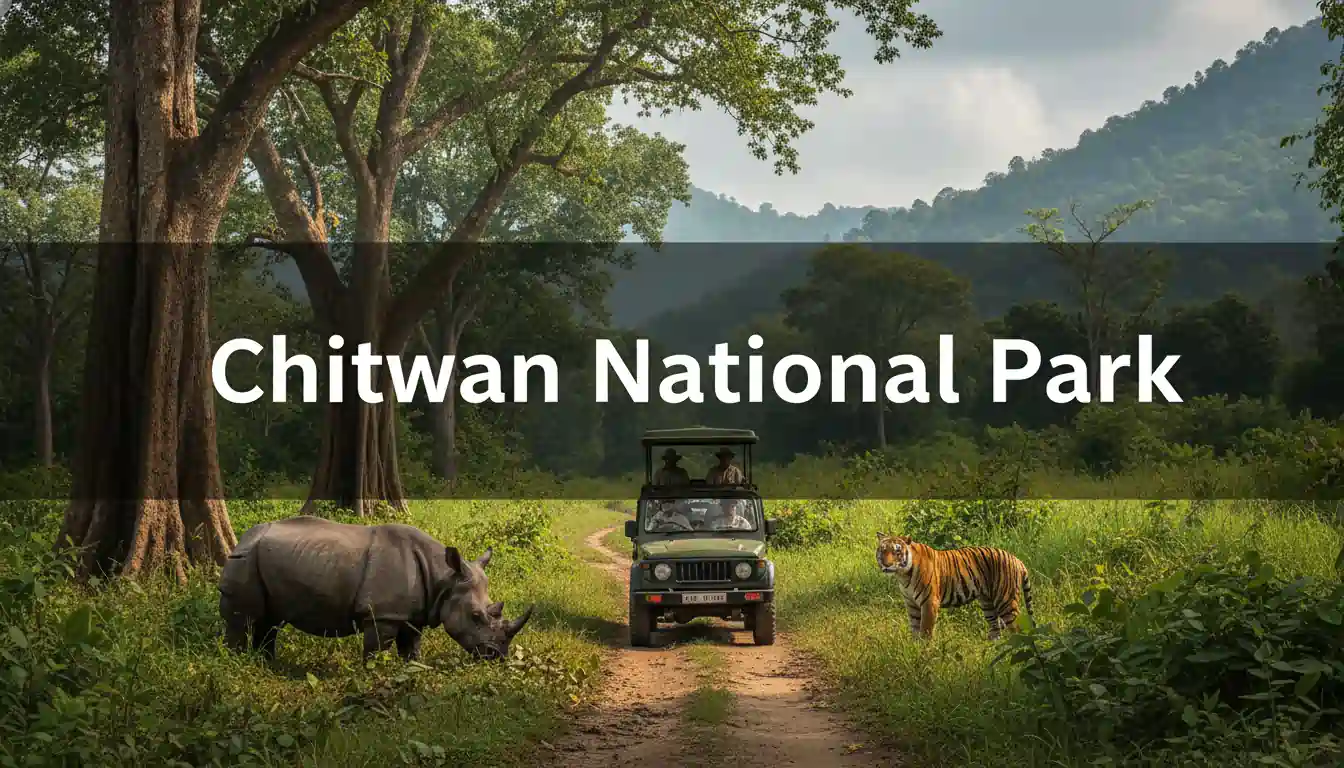
Imagine drifting silently down a mist-covered river in a hand-carved canoe, only to lock eyes with a prehistoric Greater One-horned Rhinoceros grazing just yards away on the riverbank. This is the raw, untamed reality of the “Heart of the Jungle,” where the humid subtropical air carries the distant trumpeting of wild elephants and the elusive footfalls of the Royal Bengal Tiger. As Nepal’s first national park and a UNESCO World Heritage site, it represents one of the most successful conservation stories in the world, offering travelers a rare glimpse into a primitive ecosystem that has remained virtually unchanged for centuries.
In this blog, we will provide a comprehensive guide to Chitwan National Park, covering everything from the best safari timing and permit requirements to the most effective ways to spot rare wildlife. We will explore the diverse range of activities available, including jeep safaris, canoe trips, and birdwatching, while offering insider tips on choosing the right eco-lodge and navigating the local Tharu culture. Whether you are a solo adventurer or a family seeking the ultimate wilderness experience, this guide is designed to help you plan a seamless and ethical journey into one of the most visited national parks in Nepal.
Introduction to Chitwan National Park
Established in 1973, Chitwan National Park Nepal is the country’s first protected area and a global icon of conservation, famously known for rescuing the Greater One-horned Rhinoceros from the brink of extinction. Spanning 952.63 square kilometers in the subtropical Inner Terai lowlands, the park was formerly known as Royal Chitwan National Park and served as a private hunting reserve for Nepal’s ruling elite. Its transition from a hunting ground to a sanctuary earned it UNESCO World Heritage status in 1984, recognizing its exceptional biodiversity and its role as a critical habitat for some of the world’s most endangered wildlife.
Today, National Park Chitwan is the most visited wildlife destination in Nepal because it offers an accessible “Amazon-like” experience without the need for high-altitude trekking. Tourists are drawn to its unique landscape of dense Sal forests, sprawling grasslands, and marshy wetlands, which provide the perfect backdrop for spotting the Royal Bengal Tiger and wild Asian elephants. Beyond the animals, the park’s cultural significance is equally compelling, as it remains the ancestral home of the indigenous Tharu people, whose vibrant traditions and deep-rooted knowledge of the jungle add a profound human layer to every safari expedition, consistently ranking it among the top things to do in Nepal.
Where Is Chitwan National Park Located?
Chitwan National Park is situated in the south-central Inner Terai lowlands of Nepal, spanning the districts of Chitwan, Nawalparasi, Parsa, and Makwanpur. It is positioned approximately 150 to 170 kilometers from both Kathmandu and Pokhara, making it the most accessible jungle destination in the country. The park lies in the subtropical plains near the Indian border, serving as a critical ecological link between the Himalayan foothills and the Indo-Gangetic plains.
Geographic Location and Accessibility
The park’s central location makes it a convenient stop for travelers moving between Nepal’s major tourist hubs. In 2026, accessibility reached its peak with the completion of major highway upgrades and frequent 20-minute domestic flights from Kathmandu to Bharatpur Airport. From Bharatpur, a short 30-minute drive brings you to the main gateway of Sauraha or the quieter western entrance of Meghauli. This strategic position allows tourists to swap the urban bustle for a deep-jungle safari in less than half a day.
Area of Chitwan National Park
The total area of Chitwan National Park covers 952.63 square kilometers, complemented by a surrounding “Buffer Zone” of an additional 729 square kilometers. This expansive Chitwan National Park area is a mosaic of three distinct ecosystems: dense Sal forests, riverine forests, and the world’s tallest grasslands, often referred to as “elephant grass.” This topographical diversity is the reason the park can support such high concentrations of megafauna, providing specialized niches for everything from aquatic crocodiles to apex land predators like the Royal Bengal Tiger.
Also Read: Bardiya National Park
How to Reach Chitwan National Park from Kathmandu?
You can reach Chitwan National Park from Kathmandu by a 20-minute domestic flight to Bharatpur Airport or a 5-to-7-hour scenic drive via the Prithvi Highway. While flying is the fastest option for those on a tight schedule, traveling by road offers a more budget-friendly experience and the chance to see the dramatic Trisuli River valley. In 2026, most travelers prefer pre-booked private Jeeps or luxury tourist buses for the journey from Chitwan National Park from Kathmandu to ensure maximum comfort and reliable timing.
Traveling from Kathmandu by Road
The road distance for Chitwan National Park from Kathmandu is approximately 170 kilometers (105 miles), typically taking 5 to 7 hours depending on traffic and road conditions. Most tourist buses depart early in the morning from Sorhakhutte (near Thamel), following the winding Prithvi Highway before heading south at Mugling toward the plains. While local buses are available and cheaper, private car rentals or “Greenline” luxury coaches are highly recommended for tourists due to their superior safety standards and air-conditioned interiors.
Domestic Flights and Airport Near Chitwan National Park
The airport near Chitwan National Park is Bharatpur Airport (BHR), which is located just 20 kilometers from the main tourist hub of Sauraha. Multiple daily flights operate between Kathmandu and Bharatpur, taking only 20 minutes and providing a bird’s-eye view of the Himalayan foothills transitioning into the flat Terai. Upon landing, a short 30-to-40-minute drive by taxi or hotel shuttle will bring you directly to your jungle lodge, making this the most efficient way to maximize your safari time.
Returning from Chitwan National Park to Kathmandu
Traveling from Chitwan National Park to Kathmandu follows the same logistics, with most tourist buses departing Sauraha at 7:30 AM for a mid-afternoon arrival in the capital. For those flying back, late afternoon flights from Bharatpur are available, allowing you to fit in a final morning birdwatching tour or canoe ride before heading to the airport. In 2026, it is advisable to book your return tickets at least 48 hours in advance, especially during the peak Spring and Autumn seasons when transport demand is at its highest.
What Makes Chitwan National Park Famous?
Chitwan National Park is world-famous for its incredible success in wildlife conservation, particularly as a sanctuary for the Greater One-horned Rhinoceros and the Royal Bengal Tiger. As Nepal’s first national park and a UNESCO World Heritage site, it protects a pristine subtropical ecosystem that is home to over 700 species of chitwan national park animals. For tourists, it represents the ultimate “Big Three” safari destination in the Himalayas, offering rare opportunities to see rhinos, tigers, and wild elephants in their natural, undisturbed habitat.
Rare Wildlife Species
The Chitwan National Park rhino is the undisputed star of the park, with a population that has rebounded from the brink of extinction to over 600 individuals. Alongside the rhino, the Chitwan National Park tiger remains a major draw for wildlife enthusiasts, with the park hosting one of the highest densities of Royal Bengal Tigers in the world. Visitors can also spot the rare Gharial crocodile in the Rapti River and herds of wild Asian elephants moving through the tall grass. These endangered animals Nepal protects make the park a global conservation icon and a must-visit for any serious nature lover.
Diverse Ecosystem and Jungle Landscape
The landscape of National Park Chitwan is a mesmerizing mosaic of three distinct ecosystems: dense Sal forests, riverine forests, and the world’s tallest grasslands, often called “elephant grass.” This topographical diversity provides specialized niches for a vast array of life, from the 68 recorded mammal species to the vibrant birds in Chitwan National Park, which number over 540 species. During a safari, you transition from the dark canopy of the hardwood forests to open, marshy wetlands, offering a dynamic and ever-changing backdrop for wildlife photography and nature exploration.
UNESCO World Heritage Importance
In 1984, the park was inscribed as a UNESCO World Heritage site, recognizing its outstanding universal value as a remnant of the “Terai” ecosystem that once covered the entire southern belt of the Himalayas. This status highlights the park’s role as a critical refuge for biodiversity and its successful community-based conservation model, where local people actively participate in protecting the wilderness. The UNESCO designation ensures that the park’s ecological integrity is maintained under international standards, preserving its beauty and biological richness for future generations of global travelers.
Also Read: Sagarmatha National Park
Wildlife in Chitwan National Park
Chitwan National Park is home to an extraordinary 68 species of mammals, over 600 species of birds, and 89 species of reptiles and amphibians, making it one of the most biologically diverse protected areas in Asia. In 2026, the park remains a global stronghold for the endangered animals Nepal protects, boasting a flourishing population of 128 Royal Bengal Tigers and nearly 700 Greater One-horned Rhinoceroses. From the prehistoric Gharial crocodiles in the Rapti River to the world’s smallest land mammal (the Pygmy Shrew), the park’s wildlife density offers tourists a “once-in-a-lifetime” safari experience in every season.
| Species | Estimated Population / Status | Unique Characteristics & Where to Spot |
| Bengal Tiger | 128 Adults | Master of camouflage; best spotted near water sources in the Kasara and Meghauli sectors. |
| One-horned Rhino | 694 Individuals | Prehistoric appearance with armor-like skin; frequently seen in the marshy grasslands and riverbanks. |
| Sloth Bear | 200 – 250 | High density in Chitwan; often seen breaking into termite mounds in the Sal forests. |
| Leopards | Common (Peripheral) | Often found on the outskirts of tiger territories; master climbers often spotted in the branches. |
| Gaur (Indian Bison) | Increasing | The world’s largest bovine species; typically found in the drier, upland forests and hills. |
| Wild Asian Elephant | Resident & Migratory | Massive bulls like “Ronaldo” are famous local residents; often seen near the park’s eastern corridors. |
| Deer Species | Abundant | Includes Spotted Deer (Chital), Hog Deer, Barking Deer, and the large Sambar Deer. |
Jungle Safari Experiences in Chitwan National Park
Chitwan National Park jungle safari offers a multi-sensory adventure, allowing you to track the Royal Bengal Tiger by jeep, canoe, or on foot through dense subtropical terrain. These experiences are designed to immerse you in the “Heart of the Jungle,” providing unique vantage points to witness the park’s iconic megafauna in their natural habitat. In 2026, the focus has shifted toward eco-friendly and ethical viewing, ensuring that every Royal Chitwan National Park safari remains a respectful encounter with one of the world’s most successful conservation zones.
Chitwan National Park Jeep Safari
The Jeep safari is the most popular way to cover large distances and access the deeper, more remote sectors of the park like Kasara and Meghauli. In 2026, many operators have transitioned to silent, electric 4×4 vehicles, which significantly increase your chances of spotting a tiger or a sloth bear without engine noise as a deterrent. These safaris typically last 4 hours or a full day, stopping at specialized crocodile breeding centers and scenic “ghats” along the river. It is the ideal choice for photographers and those looking to explore the diverse transitions between Sal forests and open grasslands in total comfort.
Chitwan National Park Elephant Safari
The traditional elephant safari offers a unique, elevated perspective that allows you to move silently through the tall “elephant grass,” which can reach up to 8 meters in height. This method is particularly effective for getting close to the Greater One-horned Rhinoceros, as the rhinos perceive the elephants as a natural part of the landscape rather than a threat. While the popularity of this activity has shifted toward jeep safaris in recent years, it remains a quintessential part of the heritage of the region. Many ethical lodges now prioritize “Elephant Bush Walks” or “Observation Encounters,” focusing on the welfare and natural behavior of these majestic animals.
Canoe Rides and Guided Jungle Walks
A dugout canoe ride on the Rapti or Narayani River provides a serene, low-profile view of the park’s aquatic life, including the prehistoric-looking Gharial and Mugger crocodiles. Following the river journey, a guided jungle walk offers the most intimate and thrilling way to experience the wilderness, led by two expert naturalists who track animal sounds and fresh footprints. Walking on foot sharpens your senses, allowing you to appreciate the smaller wonders like rare orchids, vibrant butterflies, and the complex “alarm calls” of deer that signal a predator is nearby. It is a raw, pulse-pounding experience that truly connects you to the primitive energy of the Terai.
Royal Chitwan National Park Safari Experience
The Royal Chitwan National Park safari experience refers to the high-end, classic style of exploration that dates back to the park’s origins as a premier wildlife sanctuary. This “full-service” approach typically includes stays at luxury eco-lodges that offer sundowners by the river, expert-led naturalist talks, and a seamless blend of all safari modes. In 2026, this experience is defined by exclusivity and deep education, where the focus is not just on “seeing” the animals, but on understanding the complex ecological balance that keeps the park alive. It is the gold standard for travelers who want to experience the jungle with the same level of professional detail that defined the early days of Nepal’s conservation movement.
Chitwan National Park Tours and Packages
Chitwan National Park tours and packages are designed to provide a hassle-free jungle experience, typically including all-inclusive logistics like transportation, boutique lodge accommodation, national park permits, and expert-led safari activities. These packages cater to a range of travelers, from those seeking a quick 2-day getaway from Kathmandu to serious photographers looking for week-long specialized tiger-tracking expeditions. In 2026, most chitwan national park tours emphasize eco-tourism, ensuring that your adventure supports both the local Tharu communities and the park’s critical anti-poaching initiatives.
Popular Chitwan National Park Tours
The most popular chitwan national park tours in 2026 are the “All-Inclusive Wilderness Packages” that depart daily from Kathmandu and Pokhara. These tours typically include a mix of river and land-based adventures, such as traditional dugout canoe rides to see Gharial crocodiles and deep-jungle jeep safaris. Many tourists also opt for “Community-Integrated Tours,” which combine wildlife viewing with an evening of Tharu cultural dance and a visit to a local village. These packages are highly favored because they provide a structured yet flexible way to see the “Big Three” rhinos, tigers, and elephants, within a short time frame.
Royal Chitwan National Park Tours for Wildlife Enthusiasts
For the dedicated nature lover, royal chitwan national park tours offer a more intensive and educational deep-dive into the Terai’s complex ecosystem. These specialized packages often focus on “Tiger Tracking” and birdwatching, led by senior naturalists who have spent decades studying the movements of the park’s apex predators. In 2026, these tours frequently utilize the quieter Meghauli and Kasara sectors of the park to avoid mainstream tourist traffic, providing a more intimate and serene environment for high-end wildlife photography. These enthusiasts-led tours are perfect for those who want to understand the science behind the conservation success of this UNESCO World Heritage site.
Typical 2-3 Day Tour Itinerary
A standard 3-day itinerary usually begins with a scenic drive or flight to the park, followed by a sunset river walk and a Tharu cultural presentation on the first evening. Day two is the “Adventure Day,” featuring a misty early-morning canoe ride, a visit to the Elephant Breeding Center, and a 4-hour afternoon jeep safari deep into the Sal forest to track rhinos and tigers. On the final morning, travelers often enjoy a tranquil birdwatching session before breakfast and their departure back to Kathmandu or Pokhara. This timeframe is considered the “sweet spot” for most visitors, as it allows for a comprehensive overview of the park’s diverse flora and fauna without a rushed schedule.
Related Topic: Langtang National Park
Chitwan National Park Entrance Fee and Cost
For 2026, the official entrance fee for Chitwan National Park is NPR 2,000 (approx. $15 USD) for foreign tourists, NPR 1,000 for SAARC nationals, and NPR 150 for Nepalese citizens. These fees are per person, per day, and do not include the costs for specific activities like jeep safaris or canoe rides. When budgeting for your trip, a standard 3-day all-inclusive package typically ranges from $150 to $250, covering your permits, meals, mid-range lodging, and core jungle activities.
| Category | Item | Cost (NPR/USD) | Details & Validity |
| Mandatory Fees | Foreigner Entry Fee | NPR 2,000 | Per person/per day; valid for one entry. |
| SAARC Entry Fee | NPR 1,000 | For citizens of India, Bhutan, etc. | |
| Nepalese Entry Fee | NPR 150 | Valid National ID required. | |
| Safari Activities | Shared Jeep Safari | NPR 2,500 – 3,500 | 4-hour morning or afternoon shift. |
| Private Jeep Safari | NPR 18,000 – 22,000 | Full-day; includes private driver and guide. | |
| Canoe Ride | NPR 1,500 – 2,000 | 45-minute river tour on the Rapti. | |
| Guided Jungle Walk | NPR 3,000 – 5,000 | Price for 2 mandatory guides (Safety Rule). | |
| Tour Packages | Budget (2N/3D) | $120 – $150 | Includes bus, basic lodge, and core safaris. |
| Standard (2N/3D) | $180 – $250 | 3-star resort, all meals, and private guides. | |
| Luxury (2N/3D) | $350 – $600+ | 5-star lodge, private flights, and 4×4 transfers. |
Best Time to Visit Chitwan National Park
The best time to visit Chitwan National Park is from October to March, when the skies are clear and the tall elephant grass is cut, providing maximum visibility for spotting tigers and rhinos. While the park is open year-round, these months offer the most comfortable temperatures for jungle activities and the highest success rate for wildlife sightings. In 2026, many travelers also favor the “shoulder months” of April and May, as the rising heat drives apex predators toward the riverbanks, creating dramatic photography opportunities.
Autumn Season (September–November)
Following the monsoon, the air becomes crisp and the visibility of the surrounding landscapes is at its peak, making this one of the most popular windows for a best time to visit Chitwan National Park. The humidity drops significantly, and the park’s lush, green vegetation provides a vibrant backdrop for canoe rides and sunset walks. As the main festival season in Nepal, this time of year also offers a unique chance to experience the Tharu culture at its most festive and welcoming.
Winter Season (December–February)
Winter is the prime season for birdwatchers and those seeking the clearest views of the Royal Bengal Tiger near the remaining water holes. During these months, the tall grass is harvested by local communities, opening up the landscape and making it much easier to spot the Chitwan National Park rhino grazing in the open. While the mornings can be misty and cool, the afternoons are sunny and pleasant, perfect for long jeep safaris without the intense heat of the later months.
Spring Season (March–May)
Spring is arguably the most exciting time for wildlife enthusiasts as the temperatures rise and the forest prepares for the monsoon. The heat forces tigers, leopards, and sloth bears to visit the riverbanks frequently to drink and cool off, leading to some of the year’s best sightings. The park is also alive with the sound of breeding birds and the sight of blooming silk-cotton trees, adding a splash of crimson to the jungle canopy before the rains arrive.
Monsoon Season Considerations
The monsoon (June–August) brings heavy rains that transform the park into a dense, emerald-green wilderness, but it also presents logistical challenges like muddy trails and rising river levels. While some river-based activities may be restricted for safety, this is the best time to visit Chitwan National Park if you want to avoid crowds and experience the jungle at its most raw and powerful. You’ll need to be prepared for leeches and humid conditions, but the reward is a tranquil, lush environment where nature truly reigns supreme.
Accommodation in Chitwan National Park Nepal
Accommodation in Chitwan National Park Nepal ranges from budget-friendly guest houses starting at $15 per night in Sauraha to ultra-luxury riverside resorts in Meghauli exceeding $600 per night. In 2026, the area offers over 150 diverse lodging options, ensuring that every traveler, from backpackers to honeymooners, can find a stay that balances comfort with proximity to the wild. Most properties are located in the “Buffer Zones” of Sauraha, Meghauli, and Patihani, providing easy access to the park gates while supporting sustainable community tourism.
Chitwan National Park Hotels for Different Budgets
For budget travelers, Sauraha is the primary hub, offering numerous guest houses and eco-hostels like Hotel National Park and Tiger Corner Inn for $15–$30 per night. Mid-range seekers can enjoy comfortable boutique hotels such as Sapana Village Lodge or Hotel Jungle Crown for $50–$100, often including breakfast and garden views. Luxury travelers generally head to the western or southern sectors, where high-end properties like Barahi Jungle Lodge provide all-inclusive experiences starting from $150 to $400+ per night.
Resorts in Chitwan National Park Nepal
Resorts in Chitwan National Park Nepal are defined by their immersive nature-focused designs, featuring swimming pools, spas, and on-site naturalist teams to coordinate your safaris. Top-tier options like Meghauli Serai (a Taj Safari) and Kasara Resort offer private villas with plunge pools and stunning views of the Narayani River.
Places to Stay in Chitwan National Park
When choosing places to stay in Chitwan National park, the location significantly impacts your wildlife experience; Sauraha is the lively center for social travelers, while Meghauli offers a secluded, premium alternative. Patihani emerged in 2026 as a popular “middle ground,” hosting sophisticated resorts like Soaltee Westend that offer riverbank tranquility away from the main tourist crowds. For a unique cultural experience, many visitors now opt for the Barauli Community Homestay, where you can live alongside Tharu families and experience traditional life firsthand.
Popular Hotels in Chitwan National Park Nepal
Some of the most popular hotels in chitwan national park nepal include Green Park Chitwan and Hotel Aikawa, which consistently receive exceptional reviews for their service and safari organization. Hotels in chitwan national park nepal like Landmark Forest Park and Jungle Wildlife Camp remain favorites for families due to their central locations and child-friendly facilities.
Chitwan National Park vs Bardiya National Park
While both parks are premier safari destinations in the Terai, Chitwan National Park is preferred for its accessibility and guaranteed rhino sightings, whereas Bardiya National Park is the top choice for travelers seeking a raw, remote experience with the highest probability of spotting Royal Bengal Tigers. Chitwan offers a well-developed tourist infrastructure closer to Kathmandu, making it ideal for families and short trips. In contrast, Bardia National Park vs Chitwan reveals that Bardiya remains a “wild soul” destination, offering a more intimate connection with nature due to its lower tourist volume and vast, undisturbed wilderness in far-western Nepal.
Wildlife Viewing Comparison
In the debate of Bardia National Park vs Chitwan, wildlife focus is the deciding factor; Chitwan is a global stronghold for the Greater One-horned Rhinoceros, with sightings being almost guaranteed in its marshy grasslands. However, Bardiya is widely considered the best place in Asia to spot the Royal Bengal Tiger, as the forest is less dense and predators are more likely to roam in the open. Additionally, while both host wild elephants and crocodiles, Bardiya offers a unique chance to see the endangered Gangetic dolphin in the Karnali River, a species not found in the river systems of Chitwan.
Safari Experience Differences
The safari experience in Chitwan is structured and vibrant, often featuring a mix of jeep rides, tranquil canoe drifts on the Rapti River, and lively Tharu cultural programs. Bardiya offers a much more adventurous and “unpolished” vibe, where full-day walking safaris and deep-jungle tracking are the primary ways to explore. Because Bardiya is significantly more remote, the silence of the jungle is rarely broken by other jeep engines, providing an immersive “expedition” feel that contrasts with the more social and commercialized atmosphere of the Sauraha sector in Chitwan.
Which National Park Is Better for Tourists?
Choosing the “better” park depends entirely on your travel style and time constraints; Chitwan is the perfect choice for first-time visitors, families with children, or those who only have 2–3 days to spare. For serious wildlife photographers, solo adventurers, or those seeking to escape the crowds, the extra effort to reach Bardiya is well worth the reward of a more authentic wilderness encounter.
Learn About: Khaptad National Park
Conclusion
In conclusion, Chitwan National Park stands as a magnificent testament to what dedicated conservation and responsible tourism can achieve. From its early days as a royal hunting reserve to its current status as a UNESCO-protected sanctuary, it has remained the premier destination for anyone seeking to witness the Greater One-horned Rhinoceros and the Royal Bengal Tiger in their natural habitat. Whether you are navigating the misty Rapti River at dawn or tracking predators through the towering Sal forests, the park offers a profound connection to the primitive wild that is increasingly rare in our modern world.
As you plan your 2026 adventure, remember that the “Heart of the Jungle” is more than just a wildlife destination; it is a living classroom where indigenous Tharu culture and cutting-edge ecology meet. By choosing the right season, respecting the safety protocols, and opting for ethical safari practices, you ensure that your visit contributes to the ongoing survival of this delicate ecosystem. The jungle is calling, where every rustle in the grass and every distant alarm call tells a story of survival and beauty that is waiting for you to discover.
Ready to Begin Your Chitwan Safari Adventure?
Don’t leave your encounter with the “Big Three” to chance. Marvel Treks specializes in bespoke wildlife expeditions that combine luxury comfort with elite-level tracking expertise, ensuring your 2026 journey into Chitwan is as safe as it is unforgettable.
FAQS
How big is Chitwan National Park?
Chitwan National Park covers an area of 952.63 square kilometers (367.81 square miles). Additionally, it is surrounded by a 729-square-kilometer buffer zone consisting of forests and private lands, which together create a massive protected landscape for wildlife and community-based conservation.
How far is Chitwan National Park from Kathmandu?
The road distance from Kathmandu to Chitwan National Park is approximately 170 kilometers (105 miles). While the distance seems short, the journey typically takes 5 to 7 hours by bus or private vehicle due to the winding mountain terrain of the Prithvi Highway.
How many tigers are in Chitwan National Park?
According to the 2022 National Tiger Census, there are 128 Royal Bengal Tigers in Chitwan National Park. This represents a significant increase from previous years, making Chitwan one of the most successful tiger conservation strongholds in the world.
How to get from Kathmandu to Chitwan National Park?
You can get to Chitwan from Kathmandu by taking a 20-minute domestic flight to Bharatpur Airport or by traveling 5–7 hours by tourist bus or private car. Flying is the most efficient option, while the tourist bus is the most popular choice for those wanting to see the scenic river valleys along the way.
How to visit Chitwan National Park?
To visit Chitwan, you must travel to the gateway towns of Sauraha or Meghauli and obtain a mandatory park entrance permit (NPR 2,000 for foreigners). Most visitors book an all-inclusive safari package through a registered operator like Marvel Treks to handle transportation, lodging, and guided activities like jeep and canoe safaris.
Is Chitwan National Park worth visiting?
Absolutely, Chitwan is a “must-visit” for anyone interested in wildlife, as it offers a 99% chance of seeing the Greater One-horned Rhino and is a UNESCO World Heritage site. It provides a perfect tropical contrast to the high-altitude trekking found in the rest of Nepal.
What animals are in Chitwan National Park?
Chitwan is home to the Royal Bengal Tiger, Greater One-horned Rhino, wild Asian elephants, sloth bears, leopards, and two species of crocodiles (Gharial and Mugger). The park also supports over 540 species of birds and several species of deer, including the spotted chital and large sambar.
What is Chitwan National Park famous for?
Chitwan is famous for being the first national park in Nepal and for its global success in bringing the one-horned rhinoceros back from the brink of extinction. It is also renowned for its high density of tigers and its vibrant indigenous Tharu culture.
What to do in Chitwan National Park?
The top activities include jeep safaris, dugout canoe rides on the Rapti River, guided jungle walks, and visiting the Elephant Breeding Center. Visitors also enjoy birdwatching tours, Tharu village walks, and watching traditional cultural dance performances in the evenings.

Ready for your next Himalayan adventure?
Plan Your Next Big Adventure with Us
Explore Our AdventuresJoin our expert-guided journeys across Nepal and beyond, from classic trails to epic summits.