
Bardiya National Park: Everything You Need To Know About
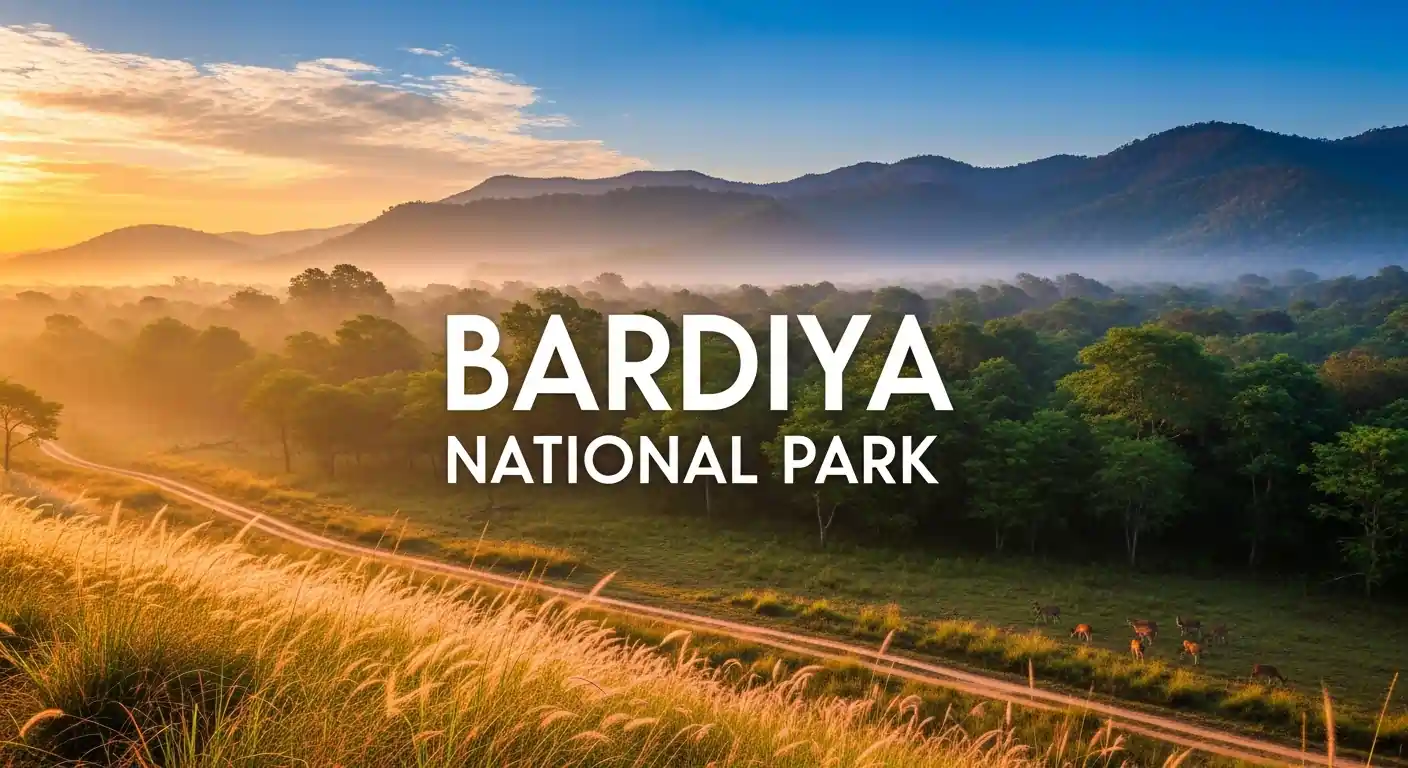
Welcome to the wild, untouched heart of the Terai. If Chitwan is Nepal’s famous backyard, Bardiya National Park is its raw, untamed frontier. Spanning over 968 square kilometers of riverine forest, grasslands, and savanna, Bardiya is the largest undisturbed wilderness in Nepal’s lowland region. This is where the roar of the Bengal tiger isn’t just a myth, it’s the soundtrack to your morning.
In this comprehensive guide, we bring you everything you need to know about your Bardiya National Park tour. Whether you’re a wildlife photographer hunting for that perfect “National Geographic” shot or an adventurer looking to float down the Karnali River in search of the rare Gangetic dolphin, we’ve got you covered. From the best time to visit and how to get there to the top jungle activities and essential safety tips, this blog is your roadmap to discovering Nepal’s best-kept secret. Get ready to step into a world where nature still reigns supreme.
About Bardiya National Park Nepal
Established in 1988 after beginning as a wildlife reserve in 1976, Bardiya National Park is the largest and most pristine protected wilderness in Nepal’s lowland Terai, covering a vast area of 968 square kilometers. This conservation stronghold is a critical sanctuary for the Royal Bengal Tiger and the One-horned Rhino, featuring a diverse mosaic of climax sal forests, alluvial grasslands, and lush riverine habitats along the Karnali and Babai rivers. Its surrounding buffer zone of approximately 327 square kilometers ensures a sustainable balance between the park’s thriving wildlife and the local Tharu communities, making it a global model for successful predator conservation and ecosystem restoration.
Where Is Bardiya National Park Located?
Bardiya National Park is situated in the southwestern lowland Terai region of Nepal, specifically within the Bardiya District of the Lumbini Province. It lies along the eastern banks of the Karnali River and is bordered by the Churia range and Siwalik Hills to the north, creating a diverse landscape that transitions from riverine floodplains to rugged hills. This remote geographic positioning has kept the park largely undisturbed, preserving it as one of the most authentic and raw wildlife sanctuaries in the entire country.
Located approximately 585 kilometers west of Kathmandu, reaching Bardiya by road is a long journey of 12 to 15 hours, making the 50-minute flight to Nepalgunj the preferred entry method for most travelers. From Nepalgunj Airport, the park headquarters at Thakurdwara is about 74 to 90 kilometers away, which translates to a scenic 2.5 to 3-hour drive through the rural landscapes of western Nepal. This relative distance from the capital is exactly why Bardiya remains a peaceful alternative to more commercialized parks, offering a “off-the-beaten-path” experience for true nature enthusiasts.
Why Visit Bardiya National Park?
Bardiya National Park is the ultimate destination for those seeking a raw, unscripted wildlife encounter far away from the commercial noise of more popular parks. While other regions can feel like a curated tour, Bardiya remains a vast, silent wilderness where the animals rule the landscape and human footprints are few. It offers a rare opportunity to witness apex predators and ancient cultures in an environment that has remained largely unchanged for decades.
Less Crowded Alternative to Chitwan
Unlike the busy trails of Chitwan, Bardiya offers a sense of total seclusion that is increasingly hard to find in modern travel. You won’t find a queue of jeeps waiting at a tiger sighting here; instead, you often have entire sections of the park to yourself, allowing for a more intimate connection with nature. This lack of mass tourism means the wildlife is less stressed and more likely to behave naturally, providing a superior experience for serious photographers and quiet observers. It is the perfect choice for adventurers who value peace, privacy, and the feeling of being a true explorer.
Untouched Wilderness Experience
Bardiya is widely considered the most pristine wilderness in Nepal, characterized by its massive, undisturbed sal forests and wide, sweeping grasslands. The park’s remote location has shielded it from heavy development, preserving an ecosystem where nature follows its own ancient rhythms. Walking safaris are a highlight here, offering a visceral experience where you track animals on foot through the dense undergrowth and tall elephant grass. This “untouched” quality ensures that every rustle in the bushes or distant roar feels authentic, unhurried, and genuinely wild.
Rich Biodiversity
The park is a biological hotspot, home to over 50 species of mammals, 400 species of birds, and various reptiles and fish. It serves as a vital stronghold for the Royal Bengal Tiger, whose population has seen a remarkable increase thanks to dedicated conservation efforts. Beyond the tigers, you can spot the Greater One-horned Rhino, wild Asiatic elephants, and the rare swamp deer in their natural habitats. The river systems are equally vibrant, providing a home for the endangered Gharial crocodile and the elusive Gangetic dolphin, making it a dream destination for any wildlife enthusiast.
Authentic Tharu Culture
The periphery of the park is inhabited by the indigenous Tharu people, whose culture is deeply intertwined with the forests and rivers of the Terai. Unlike the more commercialized cultural shows elsewhere, the Tharu villages around Bardiya offer a glimpse into a traditional way of life that has remained resilient for centuries. Visitors can explore their unique mud-walled houses decorated with traditional art and witness colorful dances that tell stories of their history and mythology. Engaging with the local community provides a meaningful cultural layer to your safari, highlighting the successful co-existence between humans and the wild.
Wildlife in Bardiya National Park
Bardiya is the undisputed wildlife capital of the “Wild West,” serving as a massive, 968-square-kilometer stage for some of the world’s most endangered species. Unlike other parks, the sheer density of apex predators and the lack of human interference make every safari feel like a raw expedition. Whether you’re scanning the riverbanks for a prehistoric crocodile or tracking a silent predator through the tall elephant grass, the park’s rich biodiversity guarantees a visceral connection with nature.
Bengal Tigers and One-Horned Rhinoceros
Bardiya is famously known as the best place in the world to track the Royal Bengal Tiger on foot, with a thriving population that has surged to approximately 125 individuals. While the tigers are the undisputed kings, the park also serves as a critical sanctuary for the One-horned Rhinoceros, which were successfully reintroduced and now number around 38 to 40. The tracking experience here is uniquely intimate; instead of just watching from a jeep, you’ll often find yourself crouching in silence with an expert guide, waiting for these giants to emerge from the dense riverine forests or cross the sun-drenched floodplains of the Karnali.
Other Mammals and Reptiles
Beyond the “big two,” Bardiya is home to the legendary “Raja Gaj,” one of the largest wild Asian elephants ever recorded, alongside a resident population of around 120 wild elephants. The park’s diverse ecosystems also support elusive leopards, sloth bears, and the rare swamp deer (Barasingha) found in the open grasslands. In the cooling waters of the Karnali and Babai rivers, you can spot the prehistoric-looking Gharial and Marsh Mugger crocodiles basking on the banks. If you’re lucky, you might even catch a glimpse of the incredibly rare Gangetic dolphin surfacing in the deep channels of the river.
Bird Watching in Bardiya
For bird enthusiasts, Bardiya is a paradise boasting over 400 to 500 species, making it an “Important Bird Area” of global significance. The park is one of the few places where you can spot the critically endangered Bengal Florican, along with the majestic Great Hornbill and the Sarus Crane. During the winter months, the park transforms into a vibrant hub for migratory birds traveling from as far as Siberia, seeking refuge in the park’s lush wetlands and riverine forests. Whether you’re a serious ornithologist or a casual observer, the symphony of calls at dawn and the sight of rare raptors circling the Churia Hills is truly unforgettable.
Bardiya National Park Safari Options
The safari experience in Bardiya is defined by its variety, offering three distinct ways to explore the wilderness depending on your comfort level and thirst for adventure. Whether you are cruising through the dense sal forest in a 4×4, tracking a tiger on foot, or drifting silently down the river, the park’s layout ensures maximum exposure to its diverse habitats. Each option provides a unique perspective on the park’s ecosystems, from the high grasslands to the deep river channels.
Jeep Safari in Bardiya National Park
A Jeep safari is the most efficient way to cover large distances, taking you deep into the park’s core areas where tigers and rhinos are most active. These excursions typically last a full day, following established trails through the Phantas (grasslands) and toward the famous “Tinghare” or “Kingfisher” tiger-watching towers. Because you can travel quietly across different territories, Jeeps offer the highest probability of spotting a Royal Bengal Tiger during the dry season. Your driver and expert naturalist will coordinate to find the best waterholes, ensuring you have the front-row seat to the park’s daily wildlife drama.
Walking Safari Experience
Bardiya is one of the few places in the world where you can track a tiger on foot, making the walking safari the park’s most exhilarating and famous activity. Accompanied by two expert guides armed only with bamboo sticks and years of tracking knowledge, you will move silently through the undergrowth, reading pugmarks and listening for alarm calls. Safety is the top priority; guides are trained to read animal behavior and maintain a safe distance, often using the natural topography and trees as “safe zones.” This raw, sensory-heavy experience allows you to appreciate the smaller details of the jungle that you would miss from a vehicle.
Canoe Safari and River Activities
For a more serene encounter with nature, a canoe safari on the Karnali River offers a peaceful journey through the park’s aquatic corridors. Drifting in a traditional hand-carved dugout canoe, you can get incredibly close to Marsh Mugger and Gharial crocodiles basking on the sandy banks without disturbing them. This is also the best way to spot the rare Gangetic dolphins and a vast array of water birds like Kingfishers and Fish Eagles. The rhythmic sound of the water and the lack of engine noise make it a meditative experience, providing a unique vantage point of the forest from the river’s center.
Best Time to Visit Bardiya National Park
Timing your visit to Bardiya is crucial, as the changing seasons completely transform the landscape and the behavior of its wildlife. From the bone-dry heat of the pre-monsoon months to the crisp, misty mornings of winter, each window offers a distinct advantage for different types of travelers. Whether you are prioritizing tiger sightings, bird watching, or comfortable temperatures, understanding the seasonal rhythm of the Terai is key to a successful safari.
Bardiya National Park Weather by Season
The park experiences three distinct weather phases: the cool, dry winter (October to March), the scorching hot summer (April to June), and the humid monsoon (July to September). During the peak winter months, average temperatures range from a pleasant 25°C during the day to a chilly 10°C at night, making it the most comfortable time for long jungle walks. Rainfall is almost non-existent outside of the monsoon, but the summer heat can soar above 40°C, which, while intense, is actually the “Golden Window” for tiger sightings as predators are forced to stay near the shrinking waterholes.
How to Reach Bardiya National Park?
The fastest and most convenient way to reach Bardiya National Park is to take a 50-minute flight from Kathmandu to Nepalgunj, followed by a 2.5 to 3-hour scenic drive to the park entrance at Thakurdwara. While flying is the preferred choice for those wanting to maximize their safari time, budget-conscious travelers can opt for a direct overnight bus, which takes roughly 12 to 15 hours to cover the 585-kilometer journey. Your choice depends on whether you value a quick arrival to beat the heat or an immersive road trip across the diverse landscapes of the Terai.
Flight to Nepalgunj
Flying to Nepalgunj is the gold standard for reaching Bardiya, especially in the 2026 season where multiple daily flights are operated by carriers like Buddha Air and Yeti Airlines. The flight itself is a spectacular 50-minute journey that offers sweeping aerial views of the Himalayan range to the north and the lush plains of the Terai below. Once you land at Nepalgunj Airport, you are only about 90 kilometers away from the park, making it possible to have breakfast in the capital and be on a jungle walk by the afternoon.
Road Transportation Options
For those who enjoy the “slow travel” experience, several daily tourist and public buses depart from Kathmandu’s Gongabu Bus Park (Naya Bus Park) heading toward western destinations like Mahendranagar or Dhangadhi. You will need to get off at Ambassa, the junction for Bardiya, from where local jeeps or pre-arranged lodge pickups will take you the remaining 13 kilometers to Thakurdwara. The road journey follows the Mahendra Highway, passing through bustling local towns and dense forests, providing a deep look into the rural heart of Nepal that air travel simply bypasses.
Travel Duration from Kathmandu and Pokhara
The time investment for reaching Bardiya varies significantly based on your starting point and mode of transport. From Kathmandu, a flight-plus-drive combo takes about 4 to 5 hours total, whereas the bus can take anywhere from 12 to 16 hours depending on traffic and road conditions. If you are coming from Pokhara, the bus journey is slightly shorter but still substantial, typically taking 10 to 12 hours. Private vehicle rentals are also a popular middle-ground, cutting the road time down to about 10 hours from Kathmandu while offering the flexibility to stop for photos and local meals along the way.
Private vs. Public Transport
Choosing between private and public transport often comes down to your group size and comfort threshold. Public buses are the most economical option, costing significantly less, but they can be crowded and often involve multiple transfers if you aren’t on a direct “Bardiya Express.” On the other hand, private jeep or car rentals offer door-to-door service directly to your resort, which is highly recommended for families or those carrying heavy camera gear. Private transfers also ensure you have a dedicated driver who knows the specific terrain around the Karnali River, adding an extra layer of safety and convenience to your arrival.
Bardiya National Park Hotels and Accommodation Options
The lodging scene in Bardiya has evolved into a diverse collection of eco-conscious stays that prioritize harmony with the surrounding wilderness over urban flashiness. Most accommodations are clustered around the village of Thakurdwara, ranging from rustic family-run homestays to high-end safari lodges that feel like an extension of the jungle itself. Whether you want a simple roof after a day of tracking or a luxury villa with a view of the Karnali, Bardiya’s hospitality ensures you are never far from the sound of the wild.
Budget Hotels and Guesthouses
For backpackers and solo travelers, budget options like Bardia Eco Friendly Homestay and Nanu’s Bardiya Homestay provide an incredibly authentic and affordable entry into the park. These stays typically feature basic but clean mud-walled huts or brick rooms with essential amenities like mosquito nets, fans, and communal dining areas serving fresh, organic “Dal Bhat.” The real value here lies in the local expertise of the hosts, who are often veteran guides themselves, offering deeply personalized tracking tips and a warm, family-style atmosphere. At this level, you aren’t just paying for a bed; you’re gaining a local connection that often leads to the most memorable “off-the-map” wildlife encounters.
Mid-Range Bardiya National Park Hotels
Mid-range lodges such as Rhino Lodge Bardia and Forest Hideaway Resort offer a significant step up in comfort while maintaining a strong commitment to the park’s eco-system. These properties usually feature well-appointed cottages with private en-suite bathrooms, 24-hour hot water, and beautifully landscaped gardens that attract a variety of local birdlife. Most of these hotels offer comprehensive safari packages that include meals and activities, making them a “stress-free” choice for families and couples who want a reliable base without the luxury price tag. You’ll also find amenities like on-site restaurants serving international cuisine and shaded patios perfect for discussing the day’s tiger sightings over a cold drink.
Luxury Jungle Resorts
At the pinnacle of the Bardiya experience are world-class retreats like Tiger Tops Karnali Lodge and Babai Resort, where the focus is on “refined wilderness” and elite-level guiding. These resorts offer premium features like private plunge pools, expansive river-view balconies, and signature “safari-chic” architecture that blends seamlessly with the Terai landscape. Their service is hyper-personalized, featuring some of the best naturalists in Asia and gourmet organic meals sourced directly from their own onsite farms. Staying at a luxury lodge in 2026 means experiencing the jungle with zero compromises, providing a sanctuary of calm and high-end comfort after the adrenaline-pumping intensity of a day in the deep bush.
Entry Fees and Safari Costs in Bardiya National Park
Budgeting for a Bardiya expedition is more complex than a standard city tour, as costs are divided between government permits, specialized guide fees, and vehicle logistics. Unlike other parks where a single ticket might suffice, Bardiya’s “pay-per-day” entry system means your costs scale with the length of your adventure. In 2026, many visitors find that booking an “all-inclusive” package through a reputable lodge is the most cost-effective way to manage these variables, as it often bundles the permit, guide, and meals into a single transparent price.
National Park Entry Permit
To enter the park, every visitor must obtain an official permit from the National Park ticket counter, which is valid for a single day only. For foreign nationals, the fee is 1,500 NPR (approx. $11 USD) per day, while SAARC nationals pay 750 NPR and Nepali citizens pay 100 NPR. It is vital to keep this permit on your person at all times, as park rangers perform frequent spot checks deep within the jungle. If you are planning a multi-day walking safari, you must ensure your permits are pre-purchased for each day to avoid being turned back at the inner checkpoints.
Safari Package Price Breakdown
A standard 3-night, 4-day all-inclusive package in 2026 typically ranges from $250 to $800 USD per person, depending heavily on whether you include domestic flights and luxury accommodation. A basic package usually covers your room, all meals, a full-day walking safari, and a half-day jeep safari. For those traveling on a shoestring, “activity-only” daily rates are available, with full-day jeep rentals costing around $150 to $200 USD (shared among the group) and guided jungle walks starting at $30 to $50 USD per person. Understanding this breakdown helps you decide where to splurge on a private guide and where to save by joining a group.
Guide Fees
In Bardiya, taking a guide is not just a recommendation, it is a mandatory safety requirement for all jungle walks. Professional naturalist fees generally range from $30 to $60 USD per day for a lead guide, and a second “assistant guide” is often required for groups larger than four for added safety. These guides are elite trackers who understand animal behavior and alarm calls, making them the most valuable “gear” you will pay for. Their salary is typically included in resort packages, but if you are hiring independently, ensure your guide is licensed by the park authorities to ensure both your safety and the integrity of the conservation rules.
Additional Charges
Beyond the basic permits and guides, there are several “hidden” or elective costs that can impact your 2026 travel budget. If you are a professional photographer or filmmaker, filming permits for foreigners can cost up to $1,500 USD, with an additional 25% surcharge for drone usage. Other optional activities like a half-day Karnali River rafting trip cost approximately $40–$60 USD, while visits to the Elephant Breeding Center or Tharu Cultural Museum carry small nominal entry fees (usually under 500 NPR). Don’t forget to set aside a small amount for tipping your guides and drivers, it is a standard practice in Nepal that directly supports the local conservation community.
Things to Do in Bardiya National Park Beyond Safari
While the thrill of the tiger hunt is the main draw, Bardiya offers a wealth of soul-stirring activities that connect you with the local people and the river’s rhythm. Beyond the jungle borders, you can immerse yourself in ancient indigenous traditions, float through pristine aquatic habitats, or capture the “wild west” through a professional lens. These off-path experiences provide a holistic view of the Terai, ensuring your adventure is as culturally rich as it is wild.
Tharu Cultural Village Tour
A guided tour through the Tharu villages surrounding Thakurdwara is like stepping back into a simpler, more harmonious era. You can explore the iconic mud and reed houses, often decorated with beautiful traditional art, while learning about their unique history as the “people of the forest.” Most visitors opt for a leisurely bicycle tour, which allows you to interact with local farmers, watch traditional weaving, and witness the famous Tharu stick dance in the evening. This cultural immersion adds a human heart to your wildlife journey, showcasing a lifestyle that has remained resilient for centuries despite the proximity of the wild.
Local Homestay Experience
For those seeking a truly immersive stay, the community-run homestays in villages like Dalla offer an authentic “home-away-from-home” experience. By staying with a local family, you directly support community-based conservation and gain a deeper understanding of the daily challenges and joys of living on the edge of a national park. You’ll enjoy home-cooked Tharu meals, participate in local farming or fishing activities, and hear firsthand stories of tiger encounters from your hosts. These stays prioritize sustainable tourism and provide a level of warmth and cultural exchange that large-scale resorts simply cannot replicate.
River Rafting in Karnali
Rafting on the Karnali, Nepal’s longest river, is a serene alternative to the dust and roar of a jeep safari. As you drift silently through the park’s western boundary, you’ll have a front-row seat to wildlife coming to the water’s edge to drink, including deer, rhinos, and occasionally tigers. The river is also a sanctuary for the rare, long-snouted Gharial crocodile and the elusive Gangetic dolphin, which can sometimes be seen surfacing in the deep channels. This gentle float combines the tranquility of the water with the excitement of high-probability bird sightings, making it a favorite for those who prefer a slower pace of exploration.
Nature Photography
Bardiya is a dreamscape for nature photographers, offering the kind of raw, “undisturbed” light and composition that is increasingly rare in commercialized parks. With over 400 bird species and the dramatic backdrop of the Churia Hills, you can capture everything from the vibrant plumage of a Kingfisher to the powerful silhouette of a wild elephant at sunset. Serious photographers benefit from the park’s low vehicle density, allowing for long, silent waits at waterholes without the interference of other tourists. Whether you’re shooting macro insects on a walking safari or using a long lens for an elusive predator, the park’s diverse textures and untamed vistas provide endless storytelling potential.
Is Bardiya National Park Safe for Tourists?
Yes, Bardiya National Park is extremely safe for tourists, provided you follow the mandatory safety protocols and travel with licensed professional guides. While the park is home to apex predators, there have been no recorded tourist fatalities inside the core zones during regulated safaris. The safety of the park in 2026 is maintained through a combination of strict daylight-only operation, a mandatory “no-solo” entry policy, and highly trained naturalists who are experts in reading animal behavior and alarm calls.
Bardiya National Park vs Chitwan National Park
Choosing between Nepal’s two safari giants depends on whether you prioritize convenience and comfort or a raw, high-stakes wildlife adventure. While Chitwan is the accessible, world-renowned icon of Nepal’s conservation success, Bardiya remains the rugged, untamed frontier of the west, offering a significantly different atmosphere for 2026 travelers.
| Feature | Chitwan National Park | Bardiya National Park |
| Crowd Levels | High. Being closer to Kathmandu, it attracts over 200,000+ visitors annually, often leading to “jeep queues” at major sightings. | Low. With fewer than 20,000 annual visitors, it offers a silent, exclusive experience where you often have the jungle to yourself. |
| Wildlife Focus | The “Rhino Kingdom.” Boasting over 690+ rhinos, sightings are almost guaranteed. Tigers are present (128) but harder to spot in the dense brush. | The “Tiger’s Domain.” Home to 125+ tigers in a more open landscape, offering the world’s best chance to see a Royal Bengal Tiger in the wild. |
| Accessibility | Easy. Only a 5-6 hour drive or a 20-minute flight to Bharatpur from Kathmandu, making it perfect for short trips. | Remote. Requires a 12-15 hour drive or a 50-minute flight to Nepalgunj plus a 3-hour drive, appealing to dedicated adventurers. |
| Landscape | Tropical & Lush. Characterized by dense Sal forests, vast wetlands, and the broad Rapti and Narayani rivers. | Untamed & Diverse. Features massive alluvial grasslands, dry riverbeds, and the mighty Karnali River—Nepal’s longest. |
| Safari Vibe | Developed & Social. Offers a wide range of luxury resorts, bustling tourist hubs (Sauraha), and well-organized cultural shows. | Raw & Immersive. Focuses on eco-lodges, intense tracking on foot, and authentic, quiet encounters with nature and local Tharu culture. |
| Top Activities | Jeep safaris, traditional canoe rides, and visits to the expansive Elephant Breeding Center. | Walking safaris (tiger tracking), river rafting on the Karnali, and dolphin spotting. |
Travel Tips for Visiting Bardiya National Park Nepal
Preparation is the secret to a successful safari in the “Wild West” of Nepal, as the remote environment of Bardiya demands specific gear and a mindful approach to nature. From choosing the right camouflage to understanding the local conservation ethics, these practical tips ensure you stay comfortable, safe, and respectful while tracking the Royal Bengal Tiger.
What to Pack
When packing for Bardiya in 2026, prioritize high-quality binoculars and a camera with at least a 300mm telephoto lens, as many sightings occur across wide riverbeds or open grasslands. Because the park is remote, you must bring a sufficient supply of personal medications, high-SPF sunscreen, and a powerful insect repellent containing DEET to guard against jungle mosquitoes. A sturdy, reusable water bottle with a built-in filter is essential to stay hydrated without contributing to plastic waste, along with a reliable power bank to keep your devices charged during long days in the bush. Don’t forget a small, waterproof dry bag to protect your electronics during canoe safaris or unexpected tropical downpours.
Clothing Recommendations
To blend into the jungle and avoid startling territorial animals like the One-horned Rhino, your clothing should strictly follow a palette of neutral tones such as olive green, khaki, tan, or dull brown. Avoid bright reds, whites, or “neon” colors, which are easily spotted by wildlife and can lead to missed sightings or even aggressive behavior from elephants. Layering is key: lightweight, breathable cotton or moisture-wicking fabrics are best for the midday heat, while a fleece or windbreaker is necessary for the chilly morning and evening safari drives. Finally, ensure you wear well-broken-in, closed-toe hiking boots or sturdy sneakers to protect your feet from thorns and uneven terrain during walking safaris.
Responsible Tourism Practices
As a visitor to one of the world’s most successful tiger conservation sites, it is your responsibility to follow the “Leave No Trace” principle by carrying out all non-biodegradable waste and minimizing your noise footprint. Support the local economy by staying in community-run homestays or eco-lodges that employ Tharu guides and contribute a portion of their profits to park protection. Never feed or bait wildlife, and always maintain the minimum distance recommended by your naturalist to ensure the animals do not become stressed or habituated to human presence. By choosing ethical operators who prioritize conservation over “guaranteed sightings,” you help preserve Bardiya’s raw beauty for future generations of adventurers.
Booking Safari in Advance
Given Bardiya’s growing reputation and the limited number of high-quality eco-lodges, booking your 2026 safari at least 3 to 4 months in advance is highly recommended, especially during the peak “Tiger Window” of March to May. Advanced booking allows your lodge to secure the best licensed naturalists and coordinate your domestic flight transfers from Kathmandu to Nepalgunj, which can sell out quickly during the high season. Furthermore, pre-arranging your safari ensures that all necessary entry permits and “Search and Rescue” insurance verifications are processed before you arrive at the park gates. Planning ahead also gives you the flexibility to customize your itinerary, whether you want to focus on bird photography or a multi-day trek into the remote Babai Valley.
Conclusion
Bardiya National Park is more than just a wildlife destination; it is a rare window into an era where nature remains the ultimate authority. In 2026, as the world becomes increasingly connected and crowded, Bardiya stands as a defiant sanctuary of silence, shadows, and the sudden, heart-stopping roar of a Royal Bengal Tiger. Whether you are tracking giants on foot through the tall elephant grass or drifting silently down the Karnali River at sunset, the experiences here are raw, authentic, and deeply transformative.
By choosing to explore this “Wild West” of Nepal, you are not just embarking on an adventure; you are supporting a global success story in conservation. Every footprint you leave on its dusty trails and every local homestay you support helps ensure that the tigers, rhinos, and elephants of the Terai continue to thrive. So, pack your binoculars, leave the crowds behind, and prepare to discover the soul of the Himalayan lowlands.
Ready to track the King of the Jungle? Book your ultimate wildlife adventure with Marvel Treks today! As experts in off-the-beaten-path expeditions, we provide the elite naturalists, seamless logistics, and eco-conscious lodging you need for a legendary Bardiya safari.
FAQS
What is the best month to see tigers in Bardiya?
The “Golden Window” for tiger sightings is from March to May. As the weather heats up, the water sources inside the forest dry up, forcing tigers to stay near the permanent riverbanks and waterholes.
Can I visit Bardiya National Park with children?
Yes, but with caution. Jeep and canoe safaris are excellent for families, but walking safaris are generally restricted to children over the age of 12 (or 16 depending on the lodge) due to safety protocols.
Is there internet or mobile signal in Bardiya?
Most lodges in Thakurdwara offer Wi-Fi, and there is decent NTC/Ncell mobile coverage in the village. However, once you enter the core zone of the park, expect to be completely “off-the-grid.”
Do I need malaria medication for Bardiya?
While the risk is low, Bardiya is a tropical lowland region. It is highly recommended to consult your doctor about malaria prophylaxis and always use insect repellent during the evenings.
How many days should I spend in Bardiya?
To truly experience the park, a minimum of 3 to 4 days is recommended. This allows for at least one full-day walking safari, a jeep safari, and time for cultural immersion or river activities.
Is it safe to walk in the jungle?
Yes, provided you are with two licensed professional guides. They are trained to read animal behavior and know exactly how to react if you encounter a rhino, elephant, or tiger on foot.
What is the difference between a “Buffer Zone” and the “Core Area”?
The Core Area is the strictly protected heart of the park where wildlife is densest. The Buffer Zone is the surrounding area where local communities live in harmony with nature and where many eco-lodges are located.
Can I use a drone in Bardiya National Park?
Drone use is strictly regulated. You must obtain prior permits from the Department of National Parks, the Civil Aviation Authority, and local security, which can be a lengthy and expensive process.

Ready for your next Himalayan adventure?
Plan Your Next Big Adventure with Us
Explore Our AdventuresJoin our expert-guided journeys across Nepal and beyond, from classic trails to epic summits.