
What are Some of the Famous Deaths on Everest?
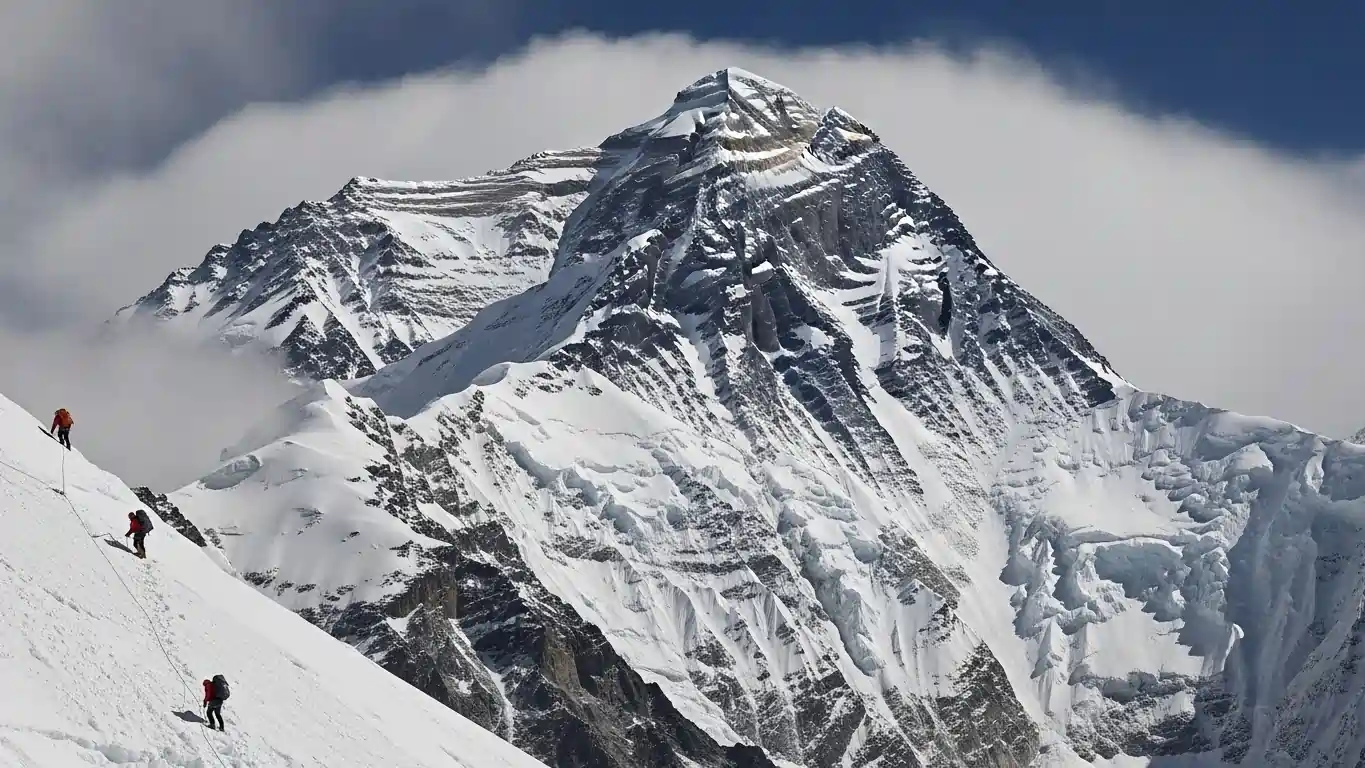
Do you know that over 300 climbers have died on Mount Everest since the first attempts? Many adventurers underestimate the extreme cold, avalanches, altitude sickness, and treacherous terrain, turning a dream climb into a life-threatening situation. Even experienced mountaineers face deadly risks that can strike suddenly, highlighting how unforgiving the world’s tallest mountain can be.
In this blog, we explore famous deaths on Everest, examining the stories of legendary climbers, the circumstances of their fatalities, and the dangerous zones where most deaths occur. If you’ve ever wondered, is climbing Everest scary, this article explains why extreme conditions and high risks make it one of the world’s most dangerous peaks. You’ll also learn about the common causes of deaths, preventive measures, and how the best expedition companies help climbers stay safe while attempting this iconic peak.
Overview of Deaths on Everest
Everest has claimed hundreds of lives since the first expeditions in the early 20th century. Despite improvements in gear, logistics, and weather forecasting, the mountain remains one of the deadliest in the world. Fatalities occur due to a combination of altitude, technical climbing challenges, extreme weather, and human error. Many climbers underestimate the physical and mental demands, leading to exhaustion, poor decision-making, or misjudged conditions. Each death serves as a reminder of the mountain’s unforgiving nature and the importance of careful preparation and respect for high-altitude environments, especially when planning an Everest expedition.
- Over 300 climbers have died on Everest as of recent records.
- The death rate averages around 1-2% for all summit attempts, though it is higher in the “Death Zone” above 8,000 meters.
- Early decades (1920s-1950s) saw high fatalities due to limited knowledge, poor equipment, and uncharted routes.
- The 1990s witnessed some of the deadliest years, including the 1996 disaster where multiple climbers died during a single storm.
- Avalanches, falls, and altitude sickness are the leading causes of death historically.
- Fatalities are more common during summit attempts than during acclimatization or lower camp stages.
- Overcrowding in peak season has contributed to additional risk in recent years.
Understanding these statistics helps illustrate why Everest requires careful planning, physical preparation, and expert guidance to minimize risks. They also highlight how knowledge of past tragedies can improve safety for future climbers.
Famous Deaths on Everest
Everest has claimed the lives of numerous climbers, some of whom have become legendary due to the circumstances of their deaths. Most fatalities occur in the “Death Zone” above 8,000 meters, where oxygen is scarce, weather is unpredictable, and physical exhaustion peaks. These deaths often result from avalanches, falls, altitude sickness, or sudden storms. Understanding these incidents provides insight into the extreme dangers of high-altitude mountaineering and has influenced modern safety practices. Famous deaths also highlight the human determination and risks associated with attempting the world’s tallest peak, making Mount Everest deaths a topic of critical study for climbers and adventurers.
Green Boots (1996)
“Green Boots” is the nickname given to an unidentified climber, believed to be Tsewang Paljor, who died in 1996 near the 8,500-meter mark in the North-East Ridge route. The body became a landmark for climbers descending the notorious route due to its visibility in a limestone cave. The death was caused by extreme altitude, exposure, and exhaustion during the descent, highlighting the dangers of the Death Zone. Green Boots has since become a grim reminder of Everest’s risks, often referenced in mountaineering literature and documentaries.
George Mallory (1924)
George Mallory, a British mountaineer, disappeared on June 8, 1924, during an early expedition with Andrew Irvine attempting the first ascent of Everest. Their exact fate remained a mystery until Mallory’s body was discovered on the North Face in 1999, though Irvine’s body has never been found. Analysis suggests Mallory likely fell from a steep section on the Northeast Ridge, combined with exposure to extreme cold, exhaustion, and high-altitude effects. Whether Mallory reached the summit before his death remains debated, but his disappearance symbolized the perilous nature of early high-altitude climbing.
Rob Hall (1996)
Rob Hall, a New Zealand mountaineer and leader of Adventure Consultants, died on May 11, 1996, during the infamous 1996 Everest storm. Hall and several clients were trapped near the summit on the South Col route by a sudden blizzard, with temperatures plunging below -40°C. He succumbed to hypothermia and exhaustion while trying to assist his clients, demonstrating both the risks of extreme altitude and the responsibilities of expedition leaders. His death became a focal point of the 1996 disaster, which claimed the lives of eight climbers over two days.
Scott Fischer (1996)
Scott Fischer, an American mountaineer and founder of Mountain Madness, also died on May 11, 1996, during the same severe storm. Climbing via the South Col route, Fischer suffered from high-altitude pulmonary edema (HAPE), hypothermia, and severe fatigue during descent. His death highlighted the deadly combination of challenging technical terrain, sudden storms, and the physiological limits of humans at extreme altitudes. Fischer’s story remains a critical lesson in expedition planning and risk assessment.
Hannelore Schmatz (1979)
Hannelore Schmatz, a German climber, died on October 2, 1979, on the South Col route at approximately 8,500 meters. Exhaustion and exposure to extreme cold caused her death during descent after summiting. Her body remained on the mountain for several days, becoming one of the most photographed reminders of Everest’s hazards. Schmatz’s death underscored how quickly conditions above 8,000 meters can become life-threatening, even for experienced climbers.
Tsewang Samanla (1993)
Tsewang Samanla, a Tibetan climber, died in May 1993 during descent after a successful summit via the North Col route. He likely succumbed to hypoxia and severe exhaustion, common causes of death in the “Death Zone.” Samanla’s tragedy emphasized that descending safely is as critical as reaching the summit, as most fatalities occur during the return from high altitudes.
Yasuko Namba (1996)
Yasuko Namba, a Japanese climber, perished on May 11, 1996, during the same catastrophic storm that killed Rob Hall and Scott Fischer on the South Col route. She suffered severe frostbite, hypothermia, and extreme fatigue while descending from the summit. Namba’s death illustrated that even highly experienced climbers are extremely vulnerable to sudden weather changes and the physiological challenges of extreme altitude.
Ready for Your Everest Adventure?
Connect with Marvel Treks for expert support or take on the legendary Mount Everest Expedition with a trusted Himalayan team.
Where Most Deaths Happen on Everest?
Most deaths on Everest happen in the Khumbu Icefall, the Hillary Step, and the Death Zone above 8,000 meters. These areas are extremely hazardous due to unstable ice, steep climbs, and limited oxygen, which greatly increase the risk of accidents and fatalities. While the Icefall is a literal moving river of ice, the psychological toll of the upper mountain is best represented by the Rainbow Valley Everest, where the colorful gear of fallen climbers serves as a permanent, frozen archive of the mountain’s lethal power. Climbers face falling ice blocks, crevasses, and rapidly changing weather conditions, making these zones particularly deadly.
The Khumbu Icefall, located between Base Camp and Camp I, is notorious for shifting ice towers and deep crevasses, causing numerous fatal accidents. The Hillary Step, just below the summit, presents a steep, exposed rock face where slips can be deadly, especially in crowded conditions. The Death Zone above 8,000 meters is where oxygen levels are critically low, and exhaustion, hypoxia, and frostbite can occur rapidly. These combined factors make careful acclimatization, route planning, and the support of experienced guides essential for survival. Maps and visual guides often highlight these high-risk areas, helping climbers understand where caution is most needed.
Common Causes of Deaths on Everest
Deaths on Everest occur due to a combination of environmental, physical, and human factors. High altitude, unpredictable weather, and difficult terrain create life-threatening conditions. Many fatalities result from a mix of altitude sickness, avalanches, extreme cold, and exhaustion. Poor judgment, inadequate preparation, and technical errors also contribute to the risk. Understanding these causes is crucial for climbers to plan safely and reduce the likelihood of tragedy.
Altitude Sickness and Hypoxia
Altitude sickness, including Acute Mountain Sickness (AMS), High-Altitude Pulmonary Edema (HAPE), and High-Altitude Cerebral Edema (HACE), is a leading cause of death above 8,000 meters. Low oxygen levels reduce physical and mental performance, causing confusion, nausea, and impaired decision-making. Severe cases can lead to fluid buildup in the lungs or brain, which becomes fatal without immediate descent or medical intervention. Understanding the critical differences in HAPE vs HACE is vital, as the former targets the lungs with fluid while the latter causes life-threatening brain swelling. Climbers who ascend too quickly or skip acclimatization days are at the highest risk. Proper acclimatization schedules and monitoring symptoms are essential to prevent these conditions.
Avalanches and Falling Ice/Rocks
Avalanches and icefalls pose a constant threat, particularly in zones like the Khumbu Icefall. Large ice blocks or snow slabs can move suddenly, burying climbers instantly. Rockfalls on steep ridges also cause severe injuries or fatalities. These hazards are often unpredictable and can occur even on otherwise clear days. Careful route selection, timing early in the day, and guidance from experienced Sherpas help reduce risk.
Extreme Weather and Storms
Everest’s weather can change rapidly, with sudden blizzards, high winds, and temperatures dropping below -40°C. Climbers caught in storms can suffer frostbite, hypothermia, or disorientation, increasing the risk of falls. Storms in the Death Zone are particularly deadly because rescue operations are extremely limited. Monitoring weather forecasts and climbing only during safe windows are critical preventive measures.
Fatigue, Exhaustion, and Physical Overstrain
Climbers often push their physical limits, especially near the summit. Extreme exertion at high altitude depletes energy reserves, increases susceptibility to hypothermia, and reduces reaction time. Exhaustion can lead to slips, falls, or inability to continue descending safely. Proper training, pacing, and rest periods are essential to manage physical strain.
Human Error and Poor Decision-Making
Mistakes such as ignoring weather warnings, poor route choices, or inadequate gear can be fatal. Cognitive impairment from hypoxia and fatigue often worsens judgment. Overconfidence, peer pressure, and summit fever lead climbers to take unnecessary risks. Following expert guidance, maintaining situational awareness, and prioritizing safety over summiting are key to minimizing preventable deaths.
How to Prevent Deaths on Everest?
To prevent deaths on Everest, climbers must focus on preparation, planning, and safety at every stage. Proper acclimatization, physical readiness, and careful monitoring of conditions are essential. Most fatalities occur due to preventable factors like altitude sickness, exhaustion, or poor decision-making. Choosing experienced guides and expedition teams, carrying appropriate safety equipment, and following established climbing protocols significantly reduce risks. Knowledge, caution, and disciplined execution, along with choosing the ideal time for climbing Everest, are critical for survival and a successful ascent.
Proper Acclimatization and Gradual Ascent
Proper acclimatization is the most important step to prevent altitude-related fatalities. Climbers should follow a “climb high, sleep low” approach, ascending to higher camps during the day and returning to lower camps to rest. Multiple rotation trips between camps allow the body to adjust to low oxygen levels, reducing the risk of Acute Mountain Sickness (AMS), HAPE, and HACE. Avoiding rapid ascents above 8,000 meters is critical, as oxygen levels drop drastically in the Death Zone. Monitoring physical symptoms such as headaches, dizziness, nausea, or shortness of breath ensures timely descent if necessary. Supplementary oxygen can also aid acclimatization for climbers who struggle at high altitudes.
Fitness and Physical Preparation
High-altitude climbing demands exceptional cardiovascular fitness, muscular strength, and endurance. Preparing through long treks, stair climbing, running, and weighted hiking builds stamina for prolonged exertion on steep, icy slopes. Strength training for legs, core, and upper body helps climbers handle heavy gear, ropes, and technical climbing maneuvers. Mental endurance training is equally important, as fatigue and stress can impair judgment. Prior experience in high-altitude trekking or mountaineering greatly improves resilience and reduces the risk of exhaustion-related accidents. A structured pre-expedition training program is critical for both ascent and safe descent.
Weather Monitoring and Climbing Within Safe Windows
Weather conditions on Everest change rapidly and can be deadly, especially near the summit. Climbers should consult detailed forecasts and plan summit pushes during stable periods with low wind speeds and clear skies. Delaying ascent during unfavorable conditions, even at the cost of timing, is vital for survival. Storms, whiteouts, and heavy snowfall can cause frostbite, hypothermia, or fatal falls. Experienced guides monitor weather continuously, making adjustments to climbing schedules to avoid life-threatening situations. Flexibility and patience are key strategies for safe climbing.
Choosing Experienced Guides and Reliable Expeditions
Selecting a reputable expedition company dramatically reduces risk. Experienced guides and Sherpas offer route knowledge, technical assistance, and on-the-spot decision-making in emergencies. They ensure proper oxygen use, monitor climbers for signs of altitude sickness, and manage camp logistics efficiently. Reliable companies enforce safety protocols and provide evacuation plans for emergencies. Guided teams help climbers navigate dangerous zones like the Khumbu Icefall, Death Zone, and steep summit sections, which are especially risky for solo or inexperienced climbers.
Safety Equipment and Emergency Planning
Proper gear and emergency planning are crucial for survival in extreme conditions. Essential equipment includes insulated clothing, climbing boots, crampons, helmets, harnesses, ropes, oxygen systems, and GPS communication devices. First aid kits, emergency shelters, and backup supplies allow climbers to respond to injuries, frostbite, or sudden storms. Evacuation plans and communication protocols with base camp or helicopters improve chances of rescue in critical situations. Preparing for contingencies ensures climbers can handle unexpected challenges and increases overall expedition safety.
Role of the Best Expedition Companies in Preventing Deaths
Role of the best expedition companies, like Marvel Treks, is critical in reducing fatalities on Everest. They provide professional guidance, logistical support, and safety oversight throughout the climb. Experienced teams help climbers navigate dangerous zones, manage altitude risks, and respond to emergencies. By offering high-quality gear, pre-trek preparation, and constant monitoring, these companies ensure a safer and more organized expedition. Their expertise allows climbers to focus on performance while minimizing life-threatening risks.
Experienced Guides and Sherpas
Professional guides and Sherpas have extensive knowledge of Everest’s routes, hazards, and weather patterns. They assist climbers with technical sections, rope fixing, and decision-making during critical moments. Sherpas also carry essential loads, set up camps, and provide supplemental oxygen when needed. Their experience helps identify early signs of altitude sickness or exhaustion, allowing timely intervention. Having skilled personnel significantly reduces accidents and increases the chances of a successful summit.
High-Quality Gear and Logistical Support
Top expedition companies provide climbers with reliable, tested gear suited for extreme high-altitude conditions. This includes insulated clothing, boots, tents, oxygen systems, and climbing hardware. Logistical support ensures timely transportation of supplies, camp setup, and efficient base camp operations. Proper equipment reduces the risks of frostbite, hypothermia, and technical climbing failures. Organized logistics also allow climbers to focus on acclimatization and safe ascent rather than managing supplies.
Pre-Trek Training and Briefing
Leading companies conduct pre-trek briefings and training sessions covering route details, safety protocols, and emergency procedures. Climbers are educated on recognizing altitude sickness, avalanche risks, and safe climbing practices. Mock drills and equipment familiarization prepare teams for real challenges on Everest. Knowledgeable preparation reduces human error, improves decision-making, and enhances team coordination during the expedition.
On-Trail Monitoring and Rescue Capabilities
Expedition teams continuously monitor climbers’ health, pace, and oxygen usage during the climb. Guides track weather updates and adjust plans to avoid dangerous conditions. In emergencies, they provide immediate support, first aid, and evacuation coordination. Rescue preparedness, including liaison with helicopters or backup teams, ensures timely response to critical incidents. Constant monitoring is essential in minimizing preventable fatalities.
Risk Assessment and Emergency Protocols
Top companies conduct thorough risk assessments before and during the expedition, identifying high-risk zones and potential hazards. Emergency protocols include descent plans, medical support, and communication strategies for sudden storms or injuries. Regular review of conditions and contingency planning reduces exposure to life-threatening situations. Structured risk management ensures climbers are prepared for unexpected challenges and improves overall safety on Everest.
Conclusion: Learning from Everest Tragedies
Everest is one of the most challenging and dangerous mountains in the world, where preparation, caution, and professional guidance are essential for survival. Understanding the risks, including altitude sickness, extreme weather, and technical hazards, helps climbers make informed decisions. Lessons from past tragedies highlight the importance of proper training, acclimatization, and choosing experienced expedition companies to minimize avoidable risks.
Studying famous deaths on Everest provides valuable insights into both environmental dangers and human errors that contribute to fatalities. These lessons allow future climbers to plan safely, respect the mountain’s conditions, and prioritize life over summiting. Ultimately, success on Everest depends not only on skill and determination but also on awareness, preparedness, and disciplined risk management.
Who was the first climber to die on Everest?
George Mallory and Andrew Irvine are among the earliest known climbers to die on Everest in 1924. Their disappearance during a summit attempt remains a historic mystery.
Why is Everest so dangerous for climbers?
Extreme altitude, unpredictable weather, and technical terrain create life-threatening conditions. Lack of oxygen and sudden storms increase the risk of death.
Where do most fatalities occur on Everest?
Most deaths happen in the Khumbu Icefall, the Death Zone above 8,000 meters, and the Hillary Step. These areas are highly exposed and physically demanding.
What are the main causes of death on Everest?
Altitude sickness, hypoxia, avalanches, falls, extreme cold, exhaustion, and poor decision-making are the most common causes.
Who was “Green Boots” on Everest?
“Green Boots” refers to an unidentified climber, likely Tsewang Paljor, who died in 1996 near the North-East Ridge. The body became a landmark for climbers descending the route.
How did the 1996 Everest disaster happen?
A sudden blizzard trapped climbers near the summit, causing multiple deaths including Rob Hall, Scott Fischer, and Yasuko Namba. Overcrowding and extreme conditions contributed to the tragedy.
Can deaths on Everest be prevented?
Yes, through proper acclimatization, physical preparation, weather monitoring, choosing experienced guides, and carrying adequate safety equipment.
How do expedition companies reduce the risk of fatalities?
Top companies like Marvel Treks provide experienced guides, Sherpas, high-quality gear, pre-trek training, on-trail monitoring, and emergency protocols to ensure climber safety.

Ready for your next Himalayan adventure?
Plan Your Next Big Adventure with Us
Explore Our AdventuresJoin our expert-guided journeys across Nepal and beyond, from classic trails to epic summits.