
Mount Everest Deaths: How Many People Have Died?
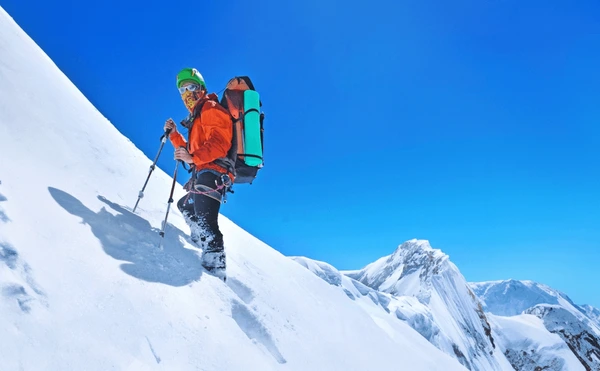
Do you wonder how many climbers never return from Mount Everest? Many adventurers underestimate extreme altitude, unpredictable weather, and treacherous terrain, which turns their dream summit into a life-threatening challenge. In this article, you’ll discover detailed insights about Mount Everest deaths, including how fatalities occur, high-risk zones, and safety measures climbers can take.
In this blog, we explore Mount Everest deaths in depth, covering total fatalities, common causes, the Death Zone, Khumbu Icefall, and other hazards. We also explain strategies to reduce risk, success rates in recent years, and how trusted expedition companies can improve safety. By the end, readers will understand the dangers of Everest and practical ways to prepare for a safer climb.
Start Your Everest Summit Journey
How Many People Have Died on Mount Everest?
As of the end of 2025, at least 344 people have died on Mount Everest while attempting to reach or return from the summit, highlighting the extreme risks of the world’s highest peak. Many bodies remain on the mountain because recovery at extreme altitude is too difficult and hazardous. Most deaths occur above Base Camp, within the “death zone,” where oxygen levels are insufficient to sustain life for long periods. Fatalities result from avalanches, falls, exposure, altitude illness, and health events triggered by extreme conditions. Anyone asking is Everest expedition scary must understand these risks before attempting an expedition..
Total Deaths Recorded
At least 344 people have died on Mount Everest in pursuit of the summit, including foreign climbers, Sherpa guides, and support staff. Deaths include major events such as avalanches in the Khumbu Icefall and incidents at Base Camp triggered by natural hazards. Most fatality records are compiled by climbing databases and Nepalese authorities. Bodies often remain on the mountain due to the difficulty of recovery. These records show the real risks of high-altitude mountaineering.
Deaths by Recent Seasons
In recent years, fatalities have varied significantly. In 2025, five climbers died, a decrease from eight deaths in 2024 and 18 deaths in 2023, one of the deadliest recent seasons. These numbers reflect how weather, crowding, and route conditions affect risk each year.
Where Deaths Happen Most?
Most Mount Everest deaths occur above Base Camp, especially in high-altitude zones where oxygen is scarce and weather changes rapidly. The death zone above roughly 8,000 m prevents the body from recovering, making prolonged exposure extremely dangerous. Fatal incidents often happen near advanced base camp and along summit routes during descent. Descending is riskier than ascending because climbers are exhausted, oxygen is low, and decision-making declines under fatigue.
What Is the Death Rate on Everest?
The death rate on Everest is around 1–2% overall, though exact figures vary by dataset and time period and risk remains significant above 8,000 m. Historical rates were higher (around 4–5%) before advances in gear, logistics, and acclimatization, yet avalanches, falls, and altitude sickness continue to cause fatalities. Risk differs by route, weather, season, and climber experience. Mortality numbers change each year and depend on whether attempts or summits are counted. Death rate offers useful perspective but does not capture all hazards faced on the mountain.
What “Death Rate” Means on Everest?
Death rate on Everest can be defined in several ways:
Deaths per attempt measures how many climbers die relative to those who try to summit, including those who turn back before the top.
Deaths per summit looks at fatalities relative to successful summit counts, a metric that often appears lower because fewer summits than attempts occur.
Mortality above Base Camp focuses on deaths occurring above Base Camp, often above about 6,000–7,000 m, and provides a cleaner comparison of high altitude risk.
These definitions yield different percentages, and choice of metric affects interpretation. Figures vary over time, and comparisons across eras should account for changing technology, support, and weather patterns.
What the Long-Term Research Suggests?
Long-term analysis of Everest fatalities shows a mix of trauma (falls, avalanches) and non‑trauma causes (altitude illness, exposure). Historical data indicate mortality was higher in earlier decades, but has dropped with better equipment and expedition support. Research finds that non‑trauma causes dominate in the death zone above 8,000 m, where oxygen depletion and exhaustion compound risk. Patterns also show that many deaths occur during descent rather than ascent. These trends come from comprehensive high‑altitude climbing databases tracking expedition outcomes over decades.
What Makes Climbing Everest So Dangerous?
Extreme altitude, unstable weather, and human factors make climbing Everest so dangerous even for experienced mountaineers. Risk increases as elevation rises, the margin for error shrinks, and rescue options disappear. Physical decline combines with environmental threats near the summit zone, where small mistakes carry fatal consequences. Danger peaks during the summit push and descent, making it critical for every climber to fully respect and understand what are the dangers of climbing everest.
Extreme Altitude and Low Oxygen
Extreme altitude reduces oxygen pressure to levels incompatible with normal human function. Hypoxia limits oxygen delivery to brain and muscles. Judgment weakens, reaction time slows, and decision quality declines. Fatigue accumulates rapidly because body cannot repair tissue or restore energy. Prolonged exposure increases risk of HACE, HAPE, and collapse. Survival depends on limiting time spent at extreme elevation.
Weather and Wind Windows
Everest weather remains highly unstable throughout climbing season. Jet stream position controls wind strength near summit ridge. Sudden shifts create violent gusts capable of knocking climbers off balance. Whiteouts remove visual reference and complicate route finding. Temperature drops increase frostbite risk within minutes. Narrow summit windows force climbers to move fast or retreat.
Overcrowding and Delays Near the Top
Overcrowding occurs when many climbers attempt summit during short weather windows. Fixed lines become congested above South Summit and Hillary Step. Waiting increases oxygen consumption and mental fatigue. Delays push climbers beyond safe turnaround times. Extended exposure in death zone raises fatal risk during descent.
The Death Zone on Everest
The death zone on Everest refers to elevations above 8,000 meters, where human survival time becomes extremely limited. Oxygen levels drop to about one third of sea level, preventing normal body function. At this height, body tissue breaks down faster than repair occurs. Strength, judgment, and coordination decline rapidly. Time spent in this zone directly increases fatal risk.
What “Death Zone” Means (Above 8,000 m)
Above 8,000 meters, oxygen pressure remains too low for proper cellular recovery. Body cannot acclimatize further at this elevation. Muscle loss, dehydration, and mental confusion progress quickly. Sleep provides no real recovery benefit. Every additional hour increases physical breakdown and decision error risk.
What Typically Goes Wrong in the Death Zone?
Oxygen depletion: Supplemental oxygen runs out faster due to heavy breathing and cold related equipment issues. Reduced flow leads to confusion, weakness, and collapse.
Exhaustion during descent: Most climbers reach physical limits after summit push. Energy depletion makes descent slower and more dangerous than ascent.
Slow traffic and missed turnaround times: Congestion delays movement on fixed lines. Missed turnaround times extend exposure beyond safe limits. Prolonged presence often leads to fatal outcomes.
Planning Your Everest Expedition Adventure?
Get expert guidance on trekking routes, permits, logistics, and high-altitude preparation. Start your unforgettable Himalayan journey with our experienced mountain team today.
Khumbu Icefall Deaths and Why It Is So Feared?
The Khumbu Icefall is one of the deadliest sections of Mount Everest and has caused dozens of climber and Sherpa fatalities over time. It is feared because it is constantly moving, unstable, and unpredictable. Unlike high altitude risks that build gradually, Icefall hazards are sudden and uncontrollable. Deaths here often occur without warning, even to experienced climbers. According to long term expedition records, it remains one of Everest’s highest objective risk zones.
Major Objective Hazards
Serac collapse represents the highest fatality risk because falling ice offers no escape time. Avalanches triggered by ice shifts or temperature rise can sweep across the entire route. Ladder crossings expose climbers to falls over deep crevasses, especially during fatigue or congestion. Ice blocks also shift underfoot, causing sudden loss of balance. These dangers exist regardless of skill or experience level.
Icefall Risk Management Used by Teams
Expedition teams schedule crossings before dawn to reduce ice movement caused by heat. Climbers limit exposure by reducing carry rotations through efficient load planning. Specialized Icefall Doctors install, secure, and adjust ladders and fixed lines every day. Route monitoring continues throughout the season as crevasses expand or collapse. These controls lower risk but cannot remove objective danger entirely.
Common Causes of Death on Everest
Falls
Falls account for a significant portion of Everest fatalities. Climbers can slip on icy slopes, ladders, or fixed lines, particularly in steep traverses and narrow ridges. Fatigue, poor footing, or sudden weather changes often contribute to loss of balance. Even experienced mountaineers are at risk because high altitude reduces coordination and reaction speed. Equipment failure, such as anchor slips or worn ropes, further increases danger. Once a fall begins, survival options are extremely limited, especially above the death zone.
Avalanche and Serac Collapse
Avalanches and serac collapses are unpredictable hazards, especially in the Khumbu Icefall and other exposed sections. Large ice blocks or snow slabs can move without warning, engulfing climbers instantly. These events are often triggered by temperature changes, glacier movement, or snow accumulation. Even carefully timed crossings cannot guarantee safety. Avalanches are particularly deadly because victims are buried or swept away before help can arrive. Climbers rely on early-season timing, monitoring, and experienced guides to reduce, but not eliminate, risk.
Altitude Illness
Altitude-related illnesses are major contributors to death above 7,000 meters. High-altitude pulmonary edema (HAPE) and cerebral edema (HACE) occur when fluid builds up in lungs or brain due to hypoxia. Symptoms can appear suddenly and escalate rapidly, impairing consciousness, balance, and breathing. Severe hypoxia reduces judgment, making it harder to descend in time. Supplemental oxygen, proper acclimatization, and monitoring can reduce risk but do not fully prevent potentially fatal episodes.
Exposure and Hypothermia
Exposure to extreme cold, storms, and high winds can quickly overwhelm climbers. Frostbite develops on extremities and exposed skin, while hypothermia sets in as core body temperature drops. Wet or frozen clothing and gloves accelerate heat loss. Prolonged exposure, especially during summit descents or delayed rotations, can become fatal. Even minor errors in protective gear choice or shelter timing increase the risk dramatically.
Cardiac Events and Underlying Conditions
High altitude places enormous strain on the cardiovascular system. Climbers may experience heart attacks, arrhythmias, or other cardiac events triggered by exertion and low oxygen. Pre-existing conditions often go unnoticed until extreme stress reveals them. Limited medical facilities and slow evacuation options worsen outcomes. The combination of physical strain, hypoxia, and exhaustion makes the heart more vulnerable than at lower altitudes.
Human Factors
Human error contributes to many Everest fatalities. Climbers may push past turnaround times, ignore symptoms, or dehydrate, impairing judgment. Hypoxia and fatigue increase cognitive decline, leading to poor decisions under pressure. Miscommunication, pacing mistakes, and overestimation of ability exacerbate risks. Even small errors at extreme altitudes can quickly escalate into life-threatening situations.
How to Reduce the Risk of Death on Everest?
To reduce risk of death on Everest expedition, climbers must combine careful planning, proper acclimatization, experienced guidance, and strict adherence to safety protocols. Selecting the right season, maintaining fitness, following turnaround rules, and using oxygen strategically all lower exposure to fatal hazards. Medical screening and preparation for altitude-related illnesses further improve survival chances. Choosing a trusted expedition company ensures logistics, communication, and emergency measures are in place. Even with all precautions, risk cannot be completely eliminated, but proper preparation significantly increases the likelihood of a safe summit and return.
Choose the Right Season and Summit Strategy
Climbers should target stable weather windows in spring or autumn to avoid storms and extreme winds. Avoiding peak-day congestion on the summit route reduces exposure time in the death zone. Planning rotations, rest periods, and summit timing helps manage energy reserves and oxygen use. Strategic scheduling improves safety margins and allows flexibility for unexpected conditions. Summit plans should remain flexible, prioritizing survival over achievement.
Training and Prior 6,000 to 7,000 m Experience
High-altitude experience builds tolerance to low oxygen and prepares climbers for physical and mental stress. Technical competence with fixed lines, ladders, and rope systems reduces fall risk. Prior expeditions at 6,000–7,000 meters familiarize climbers with steep terrain, crevasses, and weather challenges. Adequate fitness and climbing skill reduce fatigue accumulation and improve decision-making under stress.
Conservative Turnaround Rules
Time-based turnarounds ensure climbers descend before exhaustion or nightfall. Oxygen-based turnarounds prevent running out of supplemental supply in the death zone. Following strict rules reduces exposure to sudden storms, overcrowding, and altitude-related deterioration. Experienced guides enforce these rules to prevent risky summit pushes. Conservative decisions increase chances of returning safely, even if it means missing the summit.
Oxygen and Safety Systems
Supplemental oxygen planning includes calculating flow rates and carrying bailout bottles for emergencies. Regulator redundancy ensures backup in case of equipment failure. Radio communication protocols enable coordination between camps and emergency support. Pre-positioned caches of supplies and oxygen improve response time during crises. Proper oxygen use mitigates hypoxia and reduces cognitive impairment, enhancing safety above 8,000 meters.
Medical Prep and Screening
Cardiovascular and general health screening identifies risks before departure. Planning for altitude illness includes monitoring symptoms, preventive strategies, and carrying medications for HAPE or HACE as non-prescriptive guidance. Climber education on early warning signs allows for timely descent or intervention. Medical preparation complements logistical and safety systems for overall risk reduction.
Acclimatization Done Properly
Proper acclimatization involves gradual altitude rotations, scheduled rest days, and strategic sleep management. Hydration and nutrition maintain energy levels and reduce altitude stress. Rotations allow the body to adapt to low oxygen and help prevent HAPE, HACE, and severe fatigue. Maintaining a structured schedule significantly lowers the likelihood of serious altitude-related complications, making a disciplined approach to everest acclimatization the single most important factor for a successful summit in 2026.
Everest Success Rate in Recent Time
The Everest success rate measures how many climbers reach the summit compared to the total number attempting the climb. Success depends on weather, route conditions, team support, oxygen supply, and climber experience. Even with careful planning, high-altitude hazards and congestion can prevent summiting. Understanding success rates helps climbers set realistic expectations and make informed decisions about timing, logistics, and preparation.
What “Success Rate” Means
Success rate is defined in different ways: either the number of summits relative to permits issued or summits relative to total attempts. Summits per permit provide a sense of official expedition efficiency, while summits per attempt reflect real-world challenges, including aborted climbs. Definitions affect reported percentages, so comparing different datasets requires caution.
Recent Success-Rate Snapshot
In 2024, about 76% of foreign permit holders successfully summited Everest, with 370 summits from 488 permits issued. This figure reflects improved logistics, favorable weather windows, and experienced expedition teams. Success rates vary by nationality, route, and season, highlighting the influence of planning and timing. Trends suggest that modern support systems have raised overall summit probability compared to historical averages.
What Changes Success Rate Year to Year
Weather windows significantly impact summit opportunities; longer stable periods allow more climbers to complete rotations safely. Route conditions, including icefall stability and avalanche risk, influence timing and safety. Team logistics, including base camp setup, oxygen supply, and guide experience, affect efficiency and decision-making. Crowding on summit days can cause delays that lower chances of reaching the top. Client experience and fitness levels also strongly influence success rates, with seasoned climbers typically achieving higher odds.
How a Trusted Expedition Company Can Help You?
Trusted company like Marvel Treks significantly improves safety and success on Everest by providing structured systems, experienced teams, and reliable logistics. They do not eliminate risk but reduce it through careful planning, expert guidance, and proper support. From acclimatization strategies to emergency preparedness, such companies manage critical factors that individual climbers may overlook. Choosing a reputable operator ensures professional oversight, ethical practices, and transparent operations. With the right support, climbers can focus on safe ascent and descent while navigating Everest’s extreme challenges.
Risk Reduction Through Systems, Not Promises
Trusted operators implement thorough vetting of clients, training plans, and gear checks. Oxygen logistics are carefully planned with redundant supplies. Contingency systems, including backup equipment and emergency protocols, are in place to handle unexpected issues. This structured approach reduces exposure to fatal errors, even in unpredictable conditions. Risk management focuses on proactive preparation rather than guarantees.
Guide-to-Client Ratios and Sherpa Support Model
Maintaining optimal guide-to-client ratios ensures personal attention and timely decisions on the mountain. Experienced Sherpas manage fixed lines, carry loads efficiently, and assist in critical sections like the Khumbu Icefall. Proper pacing and monitoring prevent overexertion and reduce accidents. Teams also help manage climber flow during congested summit pushes. This supervision enhances safety and expedition efficiency.
Acclimatization, Timing, and Route Strategy
Companies like Marvel Treks plan rotations to optimize acclimatization and minimize time in the death zone. Early morning Icefall crossings reduce exposure to unstable ice. Summit pushes are timed to avoid congestion and adverse weather. Efficient rotations and rest days help climbers maintain energy and focus. Proper route selection and timing significantly improve safety margins.
Medical, Rescue, and Communication Readiness
On-expedition medical protocols include monitoring for altitude illness, minor injuries, and fatigue. Evacuation plans are prearranged with helicopter or ground support if needed. Teams maintain reliable communication for weather updates and emergency coordination. Early intervention capability enhances survival chances. Regular checks ensure climbers remain healthy throughout the expedition.
Ethical Operations
Reputable companies prioritize fair treatment of staff and Sherpa teams. Safety-first decisions are made even if they affect summit ambitions. Transparent cost structures and logistical planning prevent misunderstandings or hidden charges. Ethical operations reinforce trust and maintain professional standards throughout the climb. This ensures climbers, guides, and staff operate in a safe and responsible environment.
Conclusion
Everest can be climbed safely relative to its extreme conditions only when experience, timing, proper systems, and conservative decisions align. Careful planning, respect for altitude limits, and adherence to turnaround rules are essential for survival.
Death risk cannot be eliminated, but it can be reduced substantially through thorough preparation, acclimatization, and support from a professional expedition operator. Choosing a trusted company like Marvel Treks ensures guidance, logistics, and safety measures are in place to maximize chances of a successful summit and safe return.
How many deaths on Everest?
As of the end of 2025, at least 344 people have died on Mount Everest. This includes climbers, Sherpas, and support staff, with many bodies still unrecovered due to extreme altitude hazards.
What is the death zone on Mount Everest?
The death zone refers to elevations above 8,000 meters, where oxygen levels are insufficient for human survival. Prolonged exposure leads to fatigue, hypoxia, and increased risk of fatal altitude illnesses.
How many people died on Everest per year?
Fatalities vary each season; for example, 2025 saw 5 deaths, 2024 had 8, and 2023 recorded 18. Numbers fluctuate due to weather, crowding, and route conditions.
What is the 2 pm rule on Mount Everest?
The 2 pm rule advises climbers to turn back from the summit by 2 pm to allow safe descent before nightfall. Ignoring it increases exposure in the death zone, raising the risk of hypoxia, exhaustion, or accidents.
What is the most common cause of death on Everest?
Falls, avalanches, and altitude illness are the leading causes. Human factors, exposure, and cardiac events also contribute significantly, especially above 8,000 meters.
Is it safer to climb Mount Everest now than in the past?
Yes, fatalities have declined from historical highs due to better equipment, logistics, and support teams. Modern climbing strategies, oxygen use, and experienced guides improve survival, but risk remains.
Where do most deaths occur on Mount Everest?
Most fatalities happen above Base Camp, particularly in the death zone above 8,000 meters. Key areas include Camp IV, summit ridge, and the Khumbu Icefall.
Can climbers be rescued from the Death Zone on Everest?
Rescue in the death zone is extremely difficult and limited by altitude, weather, and exhaustion. Helicopter evacuation is rare above Base Camp; most rescues rely on team support and careful descent planning.

Ready for your next Himalayan adventure?
Plan Your Next Big Adventure with Us
Explore Our AdventuresJoin our expert-guided journeys across Nepal and beyond, from classic trails to epic summits.