
Best Time for Climbing Everest: Complete Guide
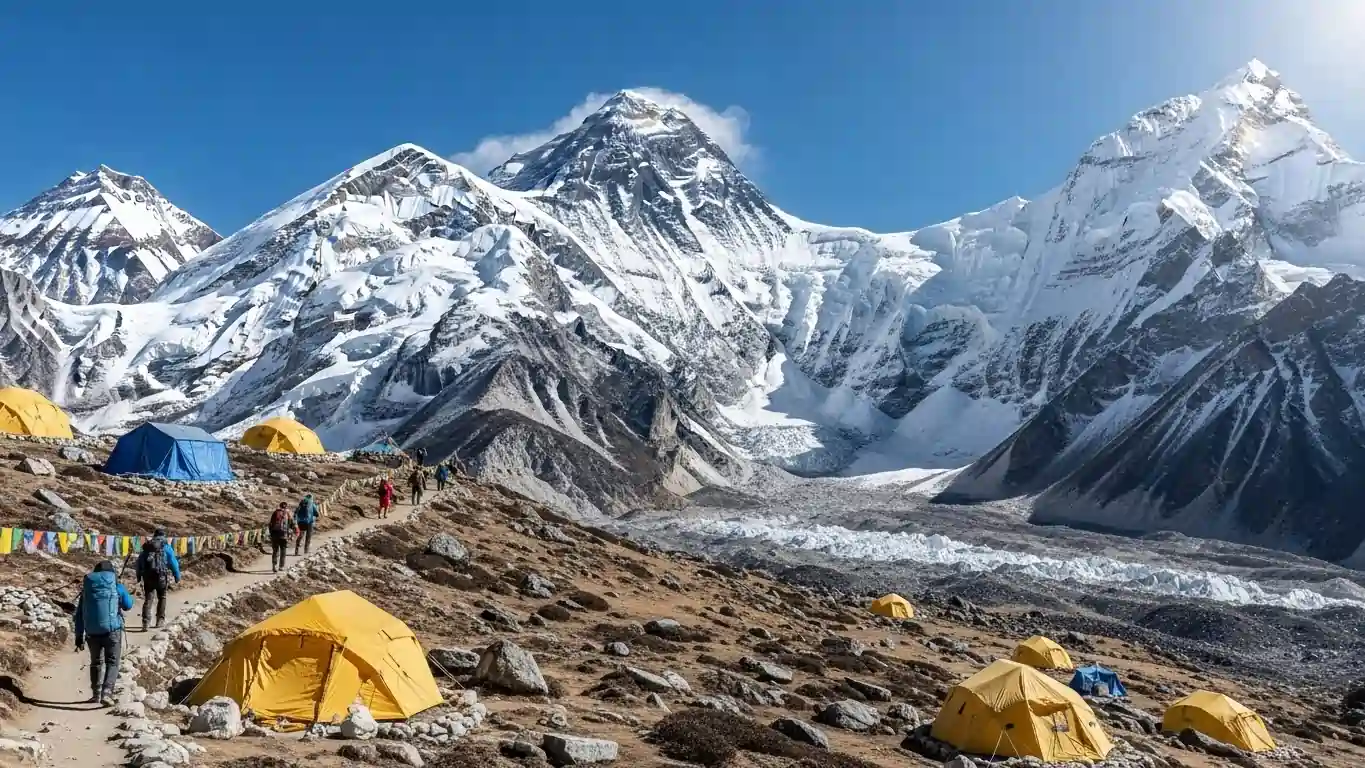
Planning an Everest expedition raises many questions about timing, safety, and preparation. Trekkers often wonder when conditions are most favorable, how weather affects climbing chances, and whether their experience level matches the demands of extreme altitude. Choosing the wrong season can lead to dangerous weather, delays, and failed summit attempts, creating stress and uncertainty.
In this blog, focus stays on the best time for Everest expedition, explaining ideal months for climbing, seasonal weather patterns, and preparation strategies. It also covers why selecting the right timing is crucial, how to adapt training and gear for conditions, and how professional expedition companies can support trekkers to maximize safety and success during the ideal time for climbing mountain.
Overview of Everest Expedition
Everest expedition is a high-altitude journey to climb or trek around Mount Everest for adventure and achievement. It challenges physical endurance, mental resilience, and logistical planning. Climbers aim to reach the summit or high-altitude base camps while experiencing extreme weather and terrain. The expedition requires careful acclimatization, specialized gear, and often professional guidance. Success depends on preparation, fitness, and timing.
- Definition and Purpose: Everest expeditions allow climbers to summit the world’s highest peak or explore surrounding high-altitude trails for adventure and experience.
- Climbing Expeditions: Focused on reaching the summit, involving technical climbing, ropes, fixed lines, and higher risk.
- Trekking Expeditions: Include visits to Everest Base Camp or Advanced Base Camp without summit attempts, suitable for experienced trekkers.
- Duration: Typically 6–10 weeks for summit expeditions; 12–22 days for trekking expeditions depending on route and acclimatization.
- Difficulty Level: Extremely high for summit climbs due to altitude, cold, and technical challenges; moderate to high for trekking routes.
- Expectations: Trekkers and climbers should expect extreme cold, fatigue, limited facilities, and breathtaking scenery.
- Preparation Needs: Physical training, mental resilience, proper gear, permits, and experienced guides are essential for safety and success.
What is the Best Time for Everest Expedition?
The best time for Everest expedition is during spring (late April to early June) and autumn (September to early October). These periods offer stable weather, clear skies, and moderate temperatures, making climbing safer and more manageable. Choosing these seasons increases the chances of a successful summit or trekking experience.
Optimal Months for Climbing: Pre-Monsoon (Spring) and Post-Monsoon (Autumn)
Spring season, from late April to early June, provides favorable climbing conditions after harsh winter months. Snow begins melting on lower trails, reducing icy patches and avalanche risks along the Everest climbing route. Daylight hours are longer, allowing more time for trekking and summit attempts. Temperatures gradually rise, though nights remain below freezing at base camps.
Post-monsoon, from September to early October, follows the monsoon period, bringing clear skies, dry trails, and stable weather patterns on the Everest route. Winds are calmer than winter months, improving safety during high-altitude climbing. Both seasons are preferred for summit attempts and trekking, providing the best balance of safety, visibility, and trail accessibility.
Weather Patterns, Temperature Ranges, and Climbing Conditions
Spring daytime temperatures at base camps range from -5°C to 15°C, with night temperatures dropping below -10°C. Snow conditions improve gradually, though higher altitudes still present icy terrain. Winds are moderate, reducing frostbite risk compared with winter months. Post-monsoon brings daytime temperatures of -10°C to 10°C and consistently clear skies, making visibility excellent for climbing. Precipitation is minimal in both seasons, lowering avalanche and landslide risks. Stable weather allows trekkers to maintain proper acclimatization schedules and reduces chances of delays due to storms.
Advantages and Disadvantages of Each Season
| Season | Advantages | Disadvantages |
| Spring (Pre-Monsoon) | Warmer trails, longer daylight, better snow conditions, higher summit success rates | Popular routes crowded, early-season snow at higher camps can be tricky |
| Autumn (Post-Monsoon) | Clear skies, dry trails, excellent visibility, fewer trekkers | Colder temperatures, shorter daylight hours, possible fatigue during long climbs |
| Considerations | Choice depends on fitness, experience, tolerance to cold, and preference for crowd levels | Requires planning for gear, acclimatization, and weather contingencies |
Why Choosing the Ideal Time Matters?
Choosing the ideal time matters because it directly affects safety, summit success, and overall expedition experience. Proper timing reduces exposure to extreme weather, allows better acclimatization, and improves chances of completing the trek or climb. Incorrect timing increases risks of storms, avalanches, frostbite, and altitude sickness. It also influences the availability of guides, permits, and logistical support. Planning according to season ensures a safer, more efficient, and enjoyable expedition.
Related Blog: https://marveltreks.com/how-to-climb-mount-everest/
Impact on Safety, Success Rate, and Acclimatization
Timing affects both physical and logistical aspects of an expedition. Stable weather and moderate temperatures reduce risk of injuries and altitude-related illnesses. Trekkers can follow a consistent acclimatization schedule, minimizing the risk of HAPE or HACE. Summit success rates are higher in spring and autumn due to calm winds, clear skies, and safer trail conditions. Proper timing also allows for planned rest days and staged ascents, improving endurance and energy management.
Weather Risks: Storms, Avalanches, and Extreme Cold
Unfavorable seasons, such as monsoon or winter, increase exposure to severe weather. Heavy snow and rainfall can trigger avalanches and landslides, blocking routes and delaying progress. Extreme cold and strong winds raise the risk of frostbite, hypothermia, and exhaustion. Visibility often decreases in storms, complicating navigation and increasing accident likelihood. Choosing a safe season minimizes these hazards and improves the overall expedition experience.
Availability of Guides, Permits, and Support Services
Seasonal timing affects accessibility to certified guides, porters, and support staff. During peak seasons, permits, accommodation, and logistical services are more readily available but may require early booking. Off-season attempts risk limited staff, higher costs, or unavailable emergency support. Expedition companies can advise on optimal timing to ensure permits, equipment, and trained personnel align with the climb. Proper timing guarantees smoother coordination, better safety monitoring, and enhanced success potential.
Preparation According to Weather
Preparation according to weather ensures trekkers and climbers handle extreme temperatures, wind, and snow safely. Training, gear selection, and schedule adjustments aligned with seasonal conditions reduce risks of altitude sickness, frostbite, and exhaustion. Proper planning improves efficiency, safety, and overall expedition success through effective preparation for climbing Everest.
Physical Training and Acclimatization Planning
Trekkers must develop endurance, strength, and cardiovascular fitness to handle high-altitude exertion. Hiking with weighted backpacks, running, stair climbing, and strength training help simulate climbing conditions. Acclimatization planning includes gradual ascent schedules, rest days, and optional practice treks above 3,500 meters. Monitoring body response during pre-trek training ensures readiness for extreme weather conditions. Consistent training builds stamina and lowers fatigue during long climbs.
Gear Selection for Cold, Wind, and Snow Conditions
Selecting appropriate gear is crucial for safety and comfort. Layered clothing, insulated jackets, windproof shells, gloves, thermal hats, and quality trekking boots protect against frostbite and hypothermia. Equipment like trekking poles, oxygen supplies, and high-calorie food supports energy management and stability. Gear must be tested in advance to avoid failure at high altitudes. Choosing equipment based on seasonal temperatures and expected snow conditions ensures preparedness for extreme environments.
Mental Preparation and Adjusting Schedules According to Season
Mental resilience is essential to cope with isolation, harsh weather, and continuous exertion. Trekkers should practice stress management, focus techniques, and patience during pre-expedition training. Seasonal adjustments, such as accounting for shorter daylight in autumn or higher snow levels in spring, are necessary for realistic pacing. Planning flexibility allows climbers to adapt to sudden weather changes, reducing risks and maintaining motivation. Mental preparation complements physical training, ensuring trekkers can safely complete the expedition.
How Expedition Companies Help?
Expedition companies like Marvel Treks help climbers and trekkers manage logistics, safety, and planning for Everest expeditions. They provide professional guidance, organize permits, supply necessary equipment, and ensure proper acclimatization schedules. Their support reduces risks and increases the likelihood of a successful summit or high-altitude trek.
Services Offered: Guides, Logistics, Permits, and Safety Support
Professional guides accompany climbers, providing route knowledge, altitude management, and emergency response. Companies arrange permits required by Nepal or Tibet authorities, handle accommodation, food, and transportation. Safety support includes monitoring for altitude sickness, weather updates, and immediate response to emergencies. Logistics management ensures trekkers can focus on endurance and acclimatization rather than administrative or operational tasks.
Route Planning, Acclimatization Schedules, and Risk Management
Expedition operators design optimal routes to match climbers’ experience and fitness. They schedule acclimatization days strategically to prevent altitude sickness and allow proper rest between high-altitude camps. Risk management includes monitoring weather, avalanche potential, and trail hazards, while planning contingency options for delays or emergencies. Detailed preparation ensures climbers stay safe and maintain energy throughout the expedition, showing how to choose best company for climbing Everest.
Benefits of Hiring Experienced Operators
- Certified guides with high-altitude expertise increase safety and summit success.
- Efficient logistics reduce stress and allow focus on climbing and acclimatization.
- Proper permit handling avoids legal or administrative issues.
- Emergency support and risk monitoring improve survival chances during extreme conditions.
- Customized schedules enhance physical readiness, mental preparation, and overall expedition experience.
How long should I plan for Everest expedition?
You should plan for an Everest expedition for approximately 6 to 10 weeks for summit attempts, including acclimatization, travel, and rest days. Trekking-only expeditions to Everest Base Camp or Advanced Base Camp typically take 12 to 22 days. Duration depends on route, weather conditions, and individual fitness. Extra days should be added for unexpected delays due to storms or health issues. Proper scheduling ensures safe acclimatization and maximizes chances of success.
Do weather conditions affect summit chances?
Yes, weather conditions significantly affect summit chances on Everest. High winds, heavy snow, and storms can block routes, reduce visibility, and increase avalanche risk. Cold temperatures and sudden weather changes can cause frostbite, hypothermia, or delays. Climbers must wait for stable weather windows to attempt the summit safely. Careful monitoring and flexible scheduling are essential for a successful expedition.
Conclusion
The best time for an Everest expedition is during spring (late April to early June) and autumn (September to early October), offering stable weather, clear skies, and manageable temperatures. Proper preparation, including physical training, acclimatization, gear selection, and mental readiness, is essential for safety and endurance at high altitude. Choosing the right season reduces risks of storms, avalanches, and altitude sickness while increasing summit or trekking success.
Expedition companies play a crucial role in planning, logistics, permits, and safety support. Hiring experienced operators ensures proper route planning, acclimatization schedules, and emergency readiness. Careful planning, awareness of seasonal conditions, and professional support maximize both safety and enjoyment, making the Everest expedition a rewarding and memorable adventure.
What is the best month to climb Everest?
The best months are May (spring) and late September to early October (autumn). These periods offer stable weather, clear skies, and safer climbing conditions.
Can Everest be climbed during winter?
Winter climbs are possible but extremely dangerous due to severe cold, high winds, and limited daylight. Only highly experienced climbers attempt it with specialized gear.
How does weather affect expedition success?
Weather determines summit windows, trail safety, and altitude risks. Storms, snow, or high winds can force delays or abort summit attempts.
How long does an Everest expedition take?
Summit expeditions usually last 6–10 weeks including acclimatization. Trekking-only trips to base camps take 12–22 days depending on route and pace.
Do I need an expedition company to climb Everest?
While not mandatory, hiring a professional company increases safety, provides guides, and handles permits. They also manage logistics and emergencies efficiently.
What are risks of climbing during monsoon?
Monsoon brings heavy rain, snow, landslides, and avalanches. Trails become slippery and dangerous, reducing summit success chances.
How do I prepare for extreme cold and high altitude?
Training for endurance, strength, and cardiovascular fitness is essential. Layered clothing, proper gear, and acclimatization reduce risks of frostbite and altitude sickness.
Is post-monsoon season safer than pre-monsoon?
Post-monsoon offers clearer skies, dry trails, and lower storm risk. Pre-monsoon is warmer but more crowded and slightly higher avalanche potential.

Ready for your next Himalayan adventure?
Plan Your Next Big Adventure with Us
Explore Our AdventuresJoin our expert-guided journeys across Nepal and beyond, from classic trails to epic summits.