
Khaptad National Park Complete Guide : Everything You Need To Know
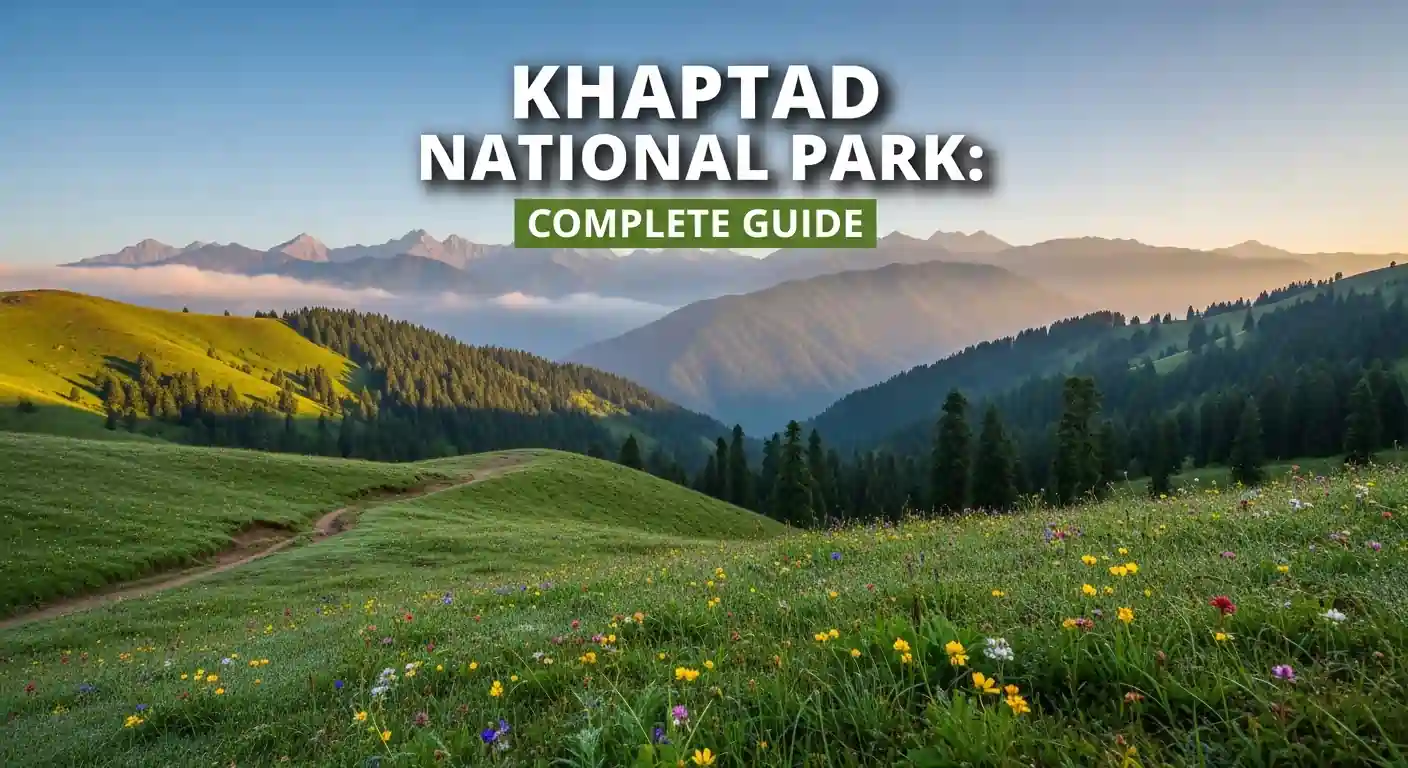
Khaptad National Park is Nepal’s best-kept secret, a mystical, far-western wilderness where rolling alpine meadows meet sacred spiritual heritage. Unlike the crowded trails of Everest or Annapurna, Khaptad offers a rare sense of total isolation, characterized by its “patans” (huge green pastures), dense medicinal forests, and the legacy of the late Khaptad Baba. Established in 1984, this 225-square-kilometer sanctuary is more than just a protected area; it is a high-altitude sanctuary where nature and spirituality are inextricably linked, providing a raw, untouched experience for those willing to venture off the beaten path.
In this Khaptad National Park Complete Guide, we provide the ultimate roadmap for navigating this remote region. We cover everything from the multi-day trekking logistics and flight connections to the spiritual landmarks like the Khaptad Baba Ashram and Triveni. Whether you are a dedicated botanist looking for rare medicinal herbs or a trekker seeking the profound silence of the far-west, this guide ensures you have all the permits, gear lists, and local insights needed for a successful expedition to the roof of the Seti zone, proving that the far-west is a hidden gem for trekking in Nepal for beginners.
Where Is Khaptad National Park Located?
Khaptad National Park is located in the remote Far-Western Region of Nepal, specifically within Province No. 7. It serves as a unique mountain plateau where the borders of four distinct districts ,Bajhang, Bajura, Doti, and Achham, converge at an elevation of approximately 3,000 meters.
As a centerpiece of the Sudurpashchim Province, Khaptad National Park Nepal occupies a sprawling 225 square kilometers of protected mid-mountain ecosystem. It sits roughly 446 kilometers west of Kathmandu by air, though the overland journey covers nearly 900 kilometers through the scenic Terai plains and winding hill roads. This geographic isolation is exactly what has preserved the park’s pristine “patans” and ancient forests from the mass commercialization seen in more central trekking hubs.
Reaching this hidden sanctuary typically begins with a flight from Kathmandu to Dhangadhi or a long-haul bus journey to the far-west. From the sub-tropical lowlands, travelers must drive north into the hills of Doti to reach Silgadhi, the primary gateway town. The final transition into the park requires a steady two-day trek through traditional villages like Jhigrana, ascending from the river valleys into the high-altitude grasslands that define this sacred and remote landscape.
Overview of Khaptad National Park
Established in 1984, Khaptad National Park covers 225 square kilometers across a unique high-altitude plateau in Far-Western Nepal. With an elevation ranging from 1,400 meters to 3,300 meters, the park is characterized by 22 rolling alpine meadows (patans) and dense forests of oak and rhododendron, serving as a rare sanctuary where spiritual heritage meets pristine Himalayan biodiversity.
Why Visit Khaptad National Park?
You should visit Khaptad National Park if you want to escape the commercialized crowds of Everest and Annapurna for a raw, high-altitude wilderness experience that blends world-class biodiversity with deep spiritual peace. In 2026, it remains one of the few places in Nepal where you can trek for days through rolling alpine “patans” and medicinal forests without seeing another international tourist, offering total immersion in nature.
Off-the-beaten-path destination
Khaptad is the ultimate choice for the “true explorer” because its remote location in the Far-West keeps the mass-tourism footprint virtually non-existent. The journey itself—requiring flights to Dhangadhi and multi-day treks through the Sudurpashchim hills—ensures that only dedicated adventurers reach its borders. This isolation preserves an authentic, wild atmosphere where you can connect with local cultures and landscapes that haven’t changed for decades.
Untouched natural beauty
The park is famous for its 22 emerald-green rolling meadows that look like a natural golf course dropped onto a mountain plateau at 3,000 meters. Unlike the jagged rock of the high Himalayas, Khaptad offers a soft, lush landscape filled with rare orchids, blooming rhododendrons, and crystal-clear glacial streams. It is a vibrant “living laboratory” where you can witness 11% of Nepal’s flowering plants and elusive wildlife in a completely pristine environment.
Peaceful alternative to crowded trekking routes
If you are tired of the “trekking traffic jams” found on more popular trails, Khaptad provides a profound, meditative silence that is impossible to find elsewhere. You won’t find bustling souvenir shops or noisy tea houses; instead, you’ll find vast open horizons and the quiet rustle of pine forests. It is the ideal destination for solo travelers or groups seeking mental clarity and a slow-paced journey through the heart of the middle hills.
Cultural and spiritual significance
Known as a “Devbhumi” (Land of Gods), Khaptad’s identity is deeply rooted in the legacy of Khaptad Baba and the sacred Triveni confluence. The park is a living pilgrimage site where the prohibition of alcohol, tobacco, and meat creates a unique, high-vibrational energy that commands respect and inner reflection. Visiting here offers a rare opportunity to see how spiritual practice and environmental conservation have coexisted harmoniously for over half a century.
Best Time to Visit Khaptad National Park
The best time to visit Khaptad National Park is during the Spring (March–May) and Autumn (September–November) seasons. During these months, the weather is most stable, providing the ideal conditions for trekking across the rolling meadows and witnessing the clear, panoramic views of the distant Api and Saipal Himalayan ranges, mirroring the best season for trekking in Nepal as a whole.
Spring Season (March-May)
Spring is arguably the most beautiful time to visit as the 22 “patans” (meadows) burst into a vibrant carpet of wildflowers and primulas. The rhododendron forests are in full bloom, and the moderate daytime temperatures make for comfortable trekking through the park’s diverse ecosystems. It is a peak time for birdwatchers and nature enthusiasts to witness the park’s flora and fauna at their most active.
Autumn Season (September-November)
Following the monsoon rains, the atmosphere is washed clean, offering the sharpest and most spectacular views of the snow-capped Himalayan peaks. The weather remains dry and stable, which is perfect for long-distance trekking and outdoor meditation at the spiritual sites. The crisp air and cool temperatures during this window provide a refreshing escape and the best photographic opportunities in the Far-West.
Winter Conditions (December-February)
Winter transforms the park into a silent, snow-covered wonderland, with heavy snowfall often blanketing the plateau from December onwards. While the landscape is stunning, temperatures can drop significantly below freezing, and many basic accommodation facilities may be closed. This season is only recommended for well-equipped, experienced trekkers who are prepared for extreme cold and potentially blocked trails.
Monsoon Considerations (June-August)
The monsoon brings heavy rainfall to the region, making the trekking trails slippery, muddy, and challenging to navigate. Leeches become a significant nuisance in the dense forests, and clouds often obscure the mountain views that the park is famous for. While the meadows are at their greenest during this time, the logistical difficulties and safety risks generally make this the least favorable time for a visit.
Flora and Fauna of Khaptad National Park
Khaptad National Park is a biological crossroads where subtropical, temperate, and sub-alpine ecosystems meet to support an incredible diversity of life. The park is home to nearly 11% of all flowering plant species found in Nepal and serves as a vital sanctuary for rare Himalayan wildlife, including the elusive red panda and various species of musk deer.
Plant Life and Vegetation
The park features a vertical transition of vegetation, ranging from subtropical pine forests at lower elevations to dense stands of oak, fir, and rhododendron on the higher plateau. These forests are renowned for their rich concentration of medicinal herbs, many of which are used in traditional Ayurvedic practices. During the spring, the rolling “patans” transform into a botanical paradise, covered in a vibrant carpet of primulas, buttercups, and wild orchids.
Wildlife Species
Khaptad provides a protected habitat for several iconic Himalayan mammals, including the Himalayan black bear, barking deer, and the majestic leopard. The park is particularly significant for its population of musk deer and wild boars that roam the dense forests and open grasslands. Because the park is considered sacred and human interference is limited, these animals thrive in a balanced, natural environment that offers rare sighting opportunities for quiet observers.
Bird Watching Opportunities
With over 287 recorded species, Khaptad is a premier destination for bird watching, hosting a mix of resident Himalayan birds and seasonal migratory species. You can spot the colorful Impeyan Pheasant (Danphe), Nepal’s national bird, alongside various species of partridges, flycatchers, and cuckoos. The diverse terrain, from open meadows to thick coniferous forests, ensures a wide range of niches for both raptors and songbirds to flourish throughout the year.
Khaptad Trekking Guide
Trekking in Khaptad is a journey through pristine wilderness, requiring a mix of overland travel and moderate hiking to reach the high-altitude plateau. Most trekkers follow the Silgadhi-Jhigrana route, which offers the most established trails and teahouse infrastructure for navigating the park’s rolling grasslands. This Khaptad trekking guide focuses on providing a clear path through the far-western hills, ensuring you hit every spiritual landmark and scenic viewpoint while managing the remote logistics of the Sudurpashchim region.
Popular Trekking Routes
The most frequented path is the Silgadhi to Khaptad route, which begins with a steady ascent from Jhigrana, the official park entrance. For those seeking a more rugged experience, the Chainpur trekking route from Bajhang offers a steeper, northern approach through denser forests and less-traveled terrain. Both paths eventually converge on the central plateau, but the Jhigrana entry remains the preferred choice due to its more gradual elevation gain and better-marked trails. These routes provide a classic Himalayan transition from terraced farmland and subtropical forests to the open, high-altitude meadows that define the park’s unique geography.
Trek Difficulty Level
The Khaptad trek is categorized as moderate and is generally suitable for beginners with a decent level of fitness, as it does not involve technical climbing or extreme high-altitude crossings. Most days involve 5 to 7 hours of walking on well-defined trails, though the initial climb to the plateau can be physically demanding. Because the park headquarters sits at approximately 3,000 meters, altitude sickness is less of a concern than in the Everest region, but the remote nature of the trail means help is far away. It is an ideal “introductory” trek for those who want to experience Nepal’s wilderness without the lung-busting heights of the 5,000-meter passes.
Khaptad National Park Itinerary (5–7 Days Sample)
A standard Khaptad National Park itinerary typically starts with a drive from Dhangadhi to Silgadhi, followed by a trek to Jhigrana on Day 2. Days 3 and 4 are spent exploring the central plateau, including the Khaptad Baba Ashram, Triveni, and the Sahashra Linga viewpoint. The final days involve retracing the route back to Jhigrana and Silgadhi for the return journey to the lowlands. This schedule allows for a slow-paced immersion into the spiritual sites and ample time for photography across the 22 patans. Key highlights include the sunrise views over the Saipal range and the profound silence of the evening hours at the park’s headquarters.
Escape to the Hidden Beauty of Far-West Nepal
Experience peaceful trails, stunning landscapes, and spiritual serenity with the unforgettable Khaptad Trek by Marvel Treks.
What Makes Khaptad National Park Spiritually Significant?
Khaptad National Park is considered a sacred “Devbhumi” (Land of Gods) because it served as the long-term meditation ground for the renowned sage Khaptad Baba, whose spiritual presence transformed the plateau into a center for peace and healing. The landscape is dotted with ancient shrines and sacred confluences that draw thousands of pilgrims seeking spiritual purification and mental clarity in the profound Himalayan silence.
- Legacy of Khaptad Baba: The late Swami Sachchidananda, known as Khaptad Baba, lived and meditated in the park for over 50 years, authoring numerous books on philosophy and science while preserving the area’s sanctity.
- Khaptad Baba Ashram: This humble hermitage remains the spiritual heart of the park, offering a peaceful space for meditation where visitors must adhere to the holy rules of no alcohol, tobacco, or meat.
- Triveni Confluence: The meeting point of three sacred rivers ,Ganga, Jamuna, and Saraswati—is a major site for holy baths and rituals believed to wash away sins and bring divine blessings.
- Religious Festivals: During the Ganga Dashahara festival (usually in June), the park transforms into a vibrant pilgrimage hub as thousands of devotees trek to the plateau to worship and celebrate.
- Sahasra Linga Site: Located at the park’s highest point, this ancient site features 1,000 stone lingas dedicated to Lord Shiva, representing a powerful spiritual energy center for Hindu practitioners.
- Natural Sanctity: The very geography of the park, its silence, medicinal flora, and untouched meadows, is believed to enhance spiritual practices and promote holistic well-being.
Khaptad National Park Entry Fee and Permits
To enter Khaptad National Park, all visitors must obtain an entry permit and a TIMS card, with fees tiered based on nationality. These permits are essential for conservation efforts and can be secured at the Nepal Tourism Board in Kathmandu or directly at the park’s entrance gate in Jhigrana.
Entry Fee for Nepali Citizens
Nepali citizens are charged a nominal entry fee of NPR 100 per person to access the park. This affordable rate encourages domestic tourism and allows locals to connect with the spiritual and natural heritage of the Far-West. It is important to carry a valid form of national identification, such as a citizenship card, to verify eligibility for this rate at the check posts.
Entry Fee for Foreign Nationals
For international tourists from non-SAARC countries, the entry fee is NPR 3,000 per person. This fee contributes directly to the maintenance of the park’s trails, the protection of its rare wildlife, and the preservation of its sacred sites. Foreigners are also required to possess a TIMS (Trekkers’ Information Management System) card, which typically costs around $20 and ensures hiker safety through a centralized tracking system.
SAARC Country Rates
Visitors from SAARC nations (such as India, Bhutan, and Sri Lanka) receive a discounted entry rate of NPR 1,500 per person. This mid-tier pricing facilitates regional travel and cultural exchange within South Asia while supporting the park’s environmental initiatives. Much like international travelers, SAARC nationals must present their passports and may need a modified TIMS permit depending on current trekking regulations.
Permit Requirements
All permits are strictly non-transferable and must be carried at all times while trekking within the park’s boundaries. It is highly recommended to arrange these documents in Kathmandu or Dhangadhi to avoid delays, though the Jhigrana entry point is equipped to issue basic entry permits. Additionally, if you are planning to film or conduct professional research within the park, separate specialized permits and fees must be cleared through the Department of National Parks and Wildlife Conservation.
Accommodation and Facilities in Khaptad National Park
Accommodation in Khaptad National Park is notoriously basic, consisting of a few government-run guesthouses at the park headquarters and simple tea houses in the gateway village of Jhigrana. Facilities in 2026 remain minimal, focusing on essential shelter rather than luxury, which preserves the park’s rugged and spiritual atmosphere. Trekkers should be prepared for shared amenities and should consider the park a “wilderness-first” destination where self-sufficiency is a major asset.
Basic lodges and tea houses
Lodges within the park boundaries are primarily simple stone or wooden structures offering twin-sharing rooms with basic mattresses and blankets. These tea houses provide a cozy communal dining area often heated by a central wood stove, though bathrooms are usually shared and feature primitive squat-style toilets. While functional for a night’s rest, the limited capacity means that during peak pilgrimage festivals, these rooms can fill up quickly, making early arrival or pre-booking through a guide essential.
Camping options
Camping is widely considered the best way to experience Khaptad, as it offers the flexibility to stay in the heart of the “patans” away from the central headquarters. Many organized treks use high-quality tented camps to provide more privacy and better sanitation than the basic local lodges can offer. Camping under the vast, unpolluted Far-Western sky allows you to witness incredible starscapes and ensures you are positioned perfectly for sunrise views over the Saipal Himalayan range.
Food availability
The staple meal throughout the trek is the traditional Nepali Dal Bhat, which consists of unlimited servings of rice, lentil soup, and seasonal vegetable curry. Because the park is a sacred site, the sale and consumption of meat, alcohol, and tobacco are strictly prohibited, so menus are entirely vegetarian. You will also find basic items like porridge, eggs, and instant noodles, but it is highly recommended to pack your own high-energy snacks like nuts and chocolate to supplement your daily intake.
Electricity and communication network
Electricity is sparse and primarily powered by solar panels, meaning charging facilities for cameras and mobile phones are limited and often incur a small fee. Mobile signals are highly unreliable; while Nepal Telecom (NTC) offers the best coverage, you may only find a signal on specific high ridges or “sweet spots” near the park headquarters. It is essential to carry a high-capacity power bank and to prepare for a “digital detox” where communication with the outside world may be delayed by several days.
How to Reach Khaptad National Park?
Reaching Khaptad National Park involves a three-stage journey: a flight or drive to the Far-Western hub of Dhangadhi, a 9-hour mountain drive to Silgadhi, and a final two-day trek starting from Jhigrana. This multi-modal approach is the most reliable way to access the park’s high-altitude plateau, as there are no motorable roads leading directly into the protected meadows.
Flights to Dhangadhi
Taking a flight from Kathmandu to Dhangadhi is the most time-efficient option, reducing a grueling 20-hour road trip to just 1 hour and 15 minutes. Several domestic carriers operate daily flights to Dhangadhi Airport, which serves as the primary gateway to the Sudurpashchim province. From the airport, you can easily hire a private jeep or take a local bus to begin the winding ascent into the Doti district hills.
Road Travel Options
For budget-conscious travelers, long-distance night buses run daily from Kathmandu to Dhangadhi and onwards to Silgadhi, though the journey is long and physically demanding. The road trip follows the East-West Highway through the Terai before climbing into the rugged mid-hills of the Far-West. While the scenery is beautiful, the mountain roads are narrow and steep, so hiring a private 4WD jeep is often recommended for better comfort and safety.
Trekking Starting Points
The most popular starting point for the trek is Jhigrana, which is a few hours’ drive from the main town of Silgadhi. Most trekkers spend their first night in Jhigrana to acclimatize before tackling the steep climb up to the Khaptad plateau the following morning. Alternative entry points exist via Chainpur in Bajhang or from the Achham side, but these routes are less established and usually require a fully self-sufficient camping setup.
Transportation Tips
When traveling in the Far-West, it is crucial to book your return flights or bus tickets in advance, as transport can be limited during festival seasons. Always verify road conditions locally, especially during the monsoon months when landslides can frequently block the path to Silgadhi. Additionally, ensure your vehicle is a high-clearance 4WD, as the final stretch of road toward the trekking trailheads can be extremely rough and unpaved.
Things to Do in Khaptad National Park
The best things to do in Khaptad National Park revolve around immersive nature experiences and spiritual reflection, such as exploring the 22 vast “patans” and meditating at the Khaptad Baba Ashram. Visitors can also engage in world-class bird watching, high-altitude photography of the Saipal range, and trekking to sacred sites like Sahashra Linga. Because the park is a “silent zone,” these activities offer a rare opportunity for deep quiet and physical rejuvenation far from the distractions of modern life.
Nature Walks
Walking across the rolling grasslands of Khaptad feels like traversing a natural, high-altitude parkland where the terrain is surprisingly gentle compared to the jagged peaks of central Nepal. These walks allow you to explore the transition between dense coniferous forests and open meadows, where you might encounter grazing livestock or local medicinal herbs. The trails are generally well-defined but offer endless opportunities for off-track exploration across the soft, emerald-green turf. It is the perfect way to soak in the sheer scale of the plateau while enjoying the crisp, unpolluted mountain air at 3,000 meters.
Meditation and Spiritual Retreats
As a designated “Living Laboratory” of spirituality, Khaptad is one of the premier locations in the Himalayas for meditation and silent retreats. The area around the Khaptad Baba Ashram is specifically preserved for quiet contemplation, drawing practitioners who wish to follow in the footsteps of the famous Swami. The absence of noise, meat, and alcohol creates a high-vibrational environment that naturally fosters mental clarity and inner peace. Whether you are a seasoned meditator or a curious traveler, spending a few hours in the profound silence of the plateau can be a transformative psychological experience.
Photography
For photographers, Khaptad offers a unique aesthetic characterized by its vast, minimalist horizons and the dramatic contrast between the green meadows and the snow-capped Api and Saipal peaks. The “golden hour” on the plateau is particularly magical, as the low sun casts long shadows across the undulating patans and illuminates the ancient stone shrines. Macro photographers will find a paradise in the diverse wildflower blooms and rare orchids, while landscape enthusiasts can capture panoramic vistas that look more like the Scottish Highlands than typical Himalayan terrain. The lack of tourist infrastructure also means your shots will be free from the crowds found in more commercialized regions.
Bird Watching
With nearly 300 species of birds, Khaptad is a top-tier destination for ornithologists, especially during the spring and autumn migratory windows. You can easily spot Nepal’s national bird, the colorful Danphe (Impeyan Pheasant), along with various species of woodpeckers, flycatchers, and Himalayan vultures. The mix of open grasslands and dense oak forests provides a diverse range of habitats, making it easy to check off numerous rare species in a single day. Bird watching here is a peaceful, slow-paced activity that rewards those who take the time to sit quietly near the forest edges or the shores of Khaptad Daha.
Exploring Grasslands and Forests
The core experience of the park lies in exploring the 22 distinct patans, each offering its own unique view and atmosphere. Venturing into the surrounding forests reveals a world of ancient fir, hemlock, and rhododendron trees draped in moss and lichens, creating a fairy-tale-like environment. These ecosystems are vital for local wildlife, and a quiet hike through the woods might reward you with a glimpse of a barking deer or a Himalayan black bear. Exploring these contrasting landscapes, the wide-open freedom of the meadows and the sheltered mystery of the forests, provides a complete picture of the park’s rich environmental heritage.
Khaptad National Park vs Other National Parks in Nepal
Khaptad National Park stands out for its unique high-altitude plateau and spiritual heritage, offering a “mid-mountain” wilderness experience that differs significantly from the deep lakes of Rara, the tropical jungles of Bardia, or the jagged peaks of Everest. While other parks focus on specific wildlife or extreme altitudes, Khaptad provides a rare blend of rolling alpine meadows and profound silence, making it the premier choice for those seeking solitude over commercial tourism.
| Feature | Khaptad National Park | Rara National Park | Bardia National Park | Popular Himalayan Treks (EBC/ABC) |
| Primary Landscape | Rolling alpine meadows (Patans) & forests. | Deepest alpine lake surrounded by hills. | Sub-tropical jungle and grasslands. | High-altitude jagged peaks & glaciers. |
| Average Elevation | 3,000m (High-altitude plateau). | 2,990m (Lakeside). | 152m (Lowland Terai). | 3,500m to 5,500m+. |
| Key Attraction | Spiritual peace, Khaptad Baba, 22 Meadows. | Rara Lake (Blue gem of the West). | Royal Bengal Tigers & One-horned Rhino. | Mount Everest, Annapurna, & Sherpa culture. |
| Tourist Volume | Very Low (Off-the-beaten-path). | Low to Moderate. | Moderate. | Very High (Highly commercialized). |
| Spirituality | High (Sacred land, meditation hub). | Minimal focus. | Minimal focus. | High (Buddhist monasteries). |
| Wildlife Focus | Musk deer, Himalayan bear, birds. | Migratory birds, endemic snow trout. | Tigers, Elephants, Rhinos, Dolphins. | Snow leopards, Blue sheep, Yaks. |
| Infrastructure | Very Basic (Minimal tea houses). | Basic to Moderate lodges. | Well-developed Jungle Resorts. | Highly developed (Luxury to basic). |
| Best Activity | Meditation, Nature walks, Trekking. | Boating, Lakeside camping, Hiking. | Jungle Safaris, Rafting, Birding. | High-altitude trekking, Peak climbing. |
| Accessibility | Difficult (Long drive + 2-day trek). | Difficult (Flight + 3-hour trek). | Easy (Flight or Bus + short drive). | Moderate to Easy (Flight to Lukla/Pokhara). |
Safety Tips for Visiting Khaptad National Park
Safety in Khaptad National Park is primarily about preparing for its extreme isolation and the unpredictable weather patterns of the Far-Western highlands. Because the park is a remote wilderness with limited communication and medical facilities, visitors must be self-reliant, strictly follow park regulations, and ensure they have a clear plan for both navigation and potential emergencies. In 2026, the key to a safe journey lies in respecting the “silent zone” rules while staying vigilant about physical well-being at 3,000 meters.
Weather preparation
Himalayan weather on the Khaptad plateau can shift from brilliant sunshine to thick fog or heavy rain in a matter of minutes, often leading to disorientation in the wide-open meadows. It is essential to dress in high-quality layers and carry reliable waterproof gear, even during the peak spring and autumn trekking seasons. Temperatures can plummet rapidly after sunset, so an insulated down jacket and a four-season sleeping bag are non-negotiable for overnight stays. Always check the local forecast before ascending from Jhigrana, and be prepared to hunker down if visibility drops, as the lack of landmarks on the “patans” makes it very easy to lose the trail.
Wildlife awareness
While Khaptad is a sanctuary for peaceful wildlife, it is also home to Himalayan black bears, leopards, and wild boars that require a respectful distance. Avoid trekking alone during dawn or dusk when these animals are most active, and always make enough noise on the trail—such as talking or using trekking poles, to prevent startling a bear in dense forest sections. Store all food in airtight containers or hang it away from your sleeping area if camping to avoid attracting scavengers to your campsite. If you do encounter a large mammal, remain calm, avoid eye contact, and back away slowly without turning your back or running, which could trigger a predatory chase instinct.
Trekking with guides
Although the main trails are generally well-defined, hiring a local guide from Silgadhi or Dhangadhi is highly recommended to navigate the vast, intersecting paths of the 22 meadows. A guide not only ensures you stay on the correct route during foggy conditions but also serves as a vital cultural liaison between you and the local communities. They are trained to recognize the early signs of altitude sickness and can provide immediate assistance or coordinate a rescue if you become injured in the park’s interior. Furthermore, supporting local guides contributes directly to the economy of the Far-Western region, ensuring that conservation efforts remain a priority for the people living near the park’s borders.
Emergency contacts
Before entering the park, you must register your details at the Jhigrana check post and share your itinerary with your embassy or a trusted contact at home. Because mobile signals are extremely weak and often non-existent in the park’s deeper valleys, carrying a satellite communication device or a personal locator beacon (PLB) is a wise investment for 2026. Keep a physical list of emergency numbers, including the District Police Office in Doti and the National Park Headquarters, but be aware that any major medical evacuation will likely require a helicopter from Nepalganj or Kathmandu. Ensure your travel insurance is fully active and explicitly covers “search and rescue” at altitudes up to 4,000 meters to avoid delays in life-saving transport.
Conclusion
Khaptad National Park is more than just a trekking destination; it is a profound journey into the heart of Nepal’s spiritual and natural wilderness. Whether you are wandering through the emerald “patans,” meditating at the Khaptad Baba Ashram, or catching the sunrise over the Saipal range, the park offers a rare sense of peace that is increasingly hard to find in the modern world. Its unique blend of high-altitude meadows, sacred history, and untouched biodiversity makes it the ultimate “off-the-beaten-path” sanctuary for those willing to venture into the Far West.
Ready to Discover Nepal’s Best-Kept Secret?
Don’t let the crowds of the popular trails define your Himalayan experience. Marvel Treks specializes in curated, soul-stirring journeys to Khaptad National Park, handling everything from Dhangadhi flights to expert-led spiritual treks. Whether you seek a silent retreat or a rugged wilderness adventure, we ensure your trip to the Far West is seamless, safe, and truly transformative.
FAQS
How far is Khaptad National Park from Kathmandu?
Khaptad National Park is approximately 446 km west of Kathmandu by air and nearly 900 km by road. The journey typically requires a 1.5-hour flight to Dhangadhi followed by an 8-9 hour drive to Silgadhi, making it one of the most remote and untouched protected areas in the country.
Is the Khaptad National Park trek suitable for beginners?
Yes, the trek is considered moderate and is suitable for beginners with a basic level of fitness. Unlike the steep, rocky climbs of the Everest region, the Khaptad plateau features rolling hills and gentle meadows, though the initial two-day ascent from the river valley to the plateau remains physically demanding.
Can I get a mobile network or Wi-Fi in Khaptad?
Expect very limited connectivity. While Nepal Telecom (NTC) and Ncell may work on certain high ridges or near the park headquarters, the signal is often weak and unreliable. There is no public Wi-Fi available in the park’s basic lodges, so it is best to prepare for a complete digital detox.
What are the permit requirements for Khaptad National Park?
Foreigners must obtain a National Park Entry Permit (NPR 3,000) and a TIMS card ($20). SAARC nationals pay NPR 1,500, while Nepali citizens pay NPR 100. These can be issued at the Nepal Tourism Board in Kathmandu or at the Jhigrana entry gate.
Are there any special rules I should know before visiting?
Yes, because Khaptad is a sacred spiritual site, the consumption of meat, alcohol, and tobacco is strictly prohibited within the park boundaries. Visitors are expected to respect the “silent zone” status of the park, maintaining a quiet and peaceful environment out of respect for the local heritage and the legacy of Khaptad Baba.
What kind of accommodation is available inside the park?
Accommodation is extremely basic, consisting of a few government-run guest houses and simple tea houses at the park headquarters. Rooms usually offer twin beds with basic bedding and shared pit toilets. Many trekkers prefer to bring their own camping gear to ensure comfort and flexibility while exploring the vast meadows.
What is the best month to see the wildflowers in Khaptad?
The best time to see the meadows in full bloom is from late March to May (Spring). During this window, the 22 “patans” are covered in a vibrant carpet of primulas, buttercups, and wild orchids, while the surrounding rhododendron forests are at their most colorful.
Is altitude sickness a major concern in Khaptad?
With a maximum elevation of around 3,200 to 3,300 meters, the risk of severe Acute Mountain Sickness (AMS) is lower than in the high-Himalayan regions. However, since the ascent from Silgadhi is relatively rapid, you may still experience mild symptoms like headaches. Staying hydrated and spending a night at Jhigrana for acclimatization is highly recommended.

Ready for your next Himalayan adventure?
Plan Your Next Big Adventure with Us
Explore Our AdventuresJoin our expert-guided journeys across Nepal and beyond, from classic trails to epic summits.