
What is the Best Alternative to Annapurna Circuit Trek?
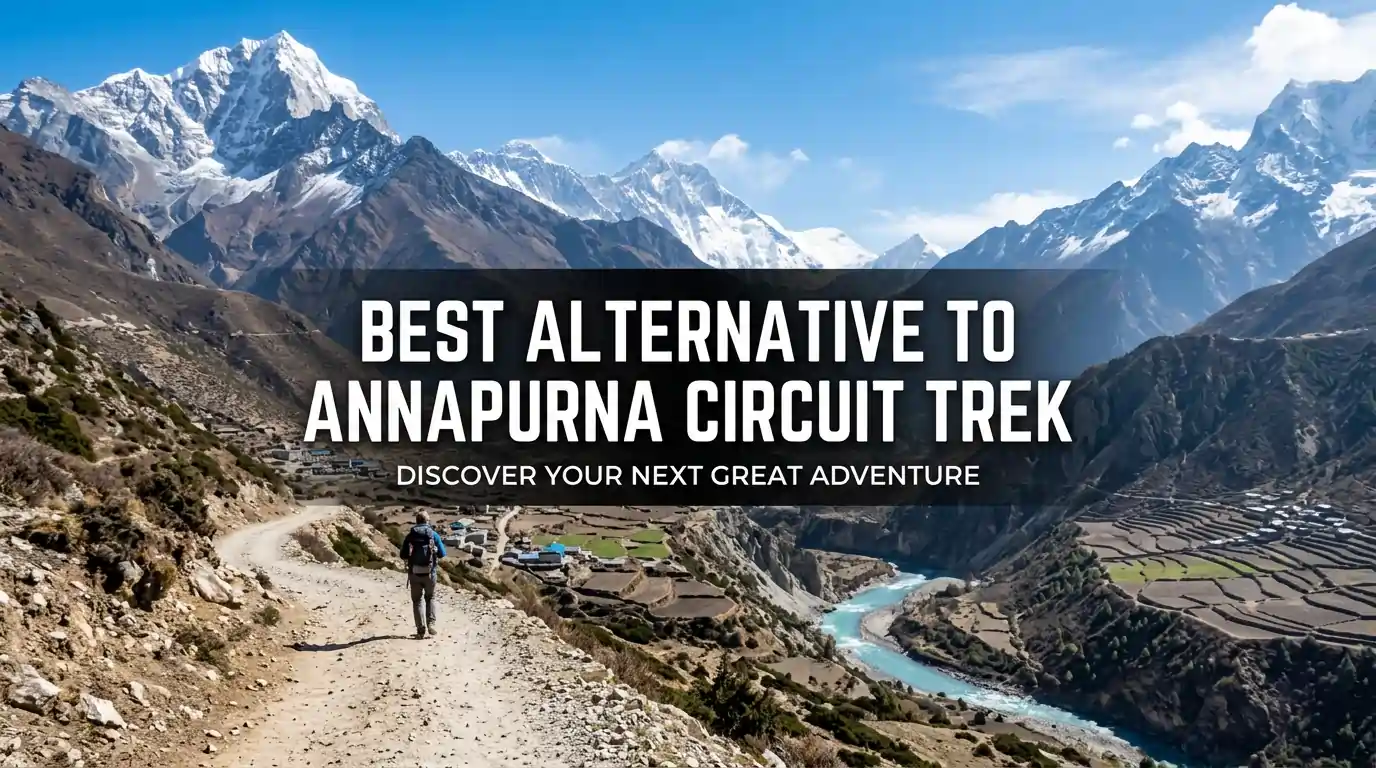
Have you been dreaming of the Annapurna Circuit Trek but wondering if there’s a less crowded route with the same Himalayan magic? You’re not alone. Many trekkers today are searching for trails that still offer breathtaking mountain scenery, authentic culture, and a true sense of wilderness without sharing the path with hundreds of others.
In this blog, Best Alternative to Annapurna Circuit Trek, we’ll explore why many experienced trekkers now consider the Manaslu Circuit Trek the top alternative to Annapurna. You’ll learn how the two routes compare, what makes Manaslu unique, costs, permits, difficulty levels, packing tips, and whether it’s the right adventure for your next trek in Nepal, as well as how its remote challenges differ from more standard routes like trekking in Nepal for beginners.
About the Annapurna Circuit Trek
Annapurna Circuit Trek is one of Nepal’s most celebrated trekking routes, attracting adventurers from around the world. The trek circles the Annapurna region and offers an incredible mix of mountain scenery, cultural encounters, and changing landscapes. For decades, it has been considered one of the best long-distance treks in the Himalayas and remains a benchmark against which many other treks are compared.
Explore Annapurna Circuit Trek
Why is the Annapurna Circuit Trek So Popular?
Annapurna Circuit Trek is popular because it offers a rare combination of diverse landscapes, rich culture, and spectacular mountain views within a single journey. Trekkers experience everything from lush forests and river valleys to alpine terrain and high mountain passes.
Route passes through traditional villages influenced by different ethnic communities, providing a deep cultural experience alongside the adventure. Combined with views of Annapurna, Dhaulagiri, and other Himalayan peaks, it has earned its reputation as one of Nepal’s most iconic trekking routes.
What Makes Trekkers Look for Alternatives?
Many trekkers look for alternatives to the Annapurna Circuit Trek because some parts of the route have become less remote than they once were. Road construction along certain sections has reduced the wilderness experience that many adventure seekers expect.
Crowds during the popular spring and autumn trekking seasons are another reason trekkers explore other options. Some travelers prefer quieter trails where they can enjoy nature, local culture, and mountain scenery without encountering large numbers of fellow hikers.
What Should You Look for in an Alternative Trek?
When choosing an alternative to the Annapurna Circuit Trek, look for a route that offers a similar balance of scenery, culture, adventure, and authenticity.
- Spectacular mountain views with close-up Himalayan panoramas
- Diverse landscapes including forests, valleys, alpine meadows, and high passes
- Rich cultural experiences through traditional villages and local communities
- A level of difficulty that matches your fitness and trekking experience
- Remote and less-crowded trails for a more peaceful journey
- Opportunities for authentic interactions with local people and traditions
- Well-established trekking infrastructure that supports safety and comfort throughout the trek
What is the Best Alternative to Annapurna Circuit Trek?
Best Alternative to Annapurna Circuit Trek is the Manaslu Circuit Trek. It offers a remarkably similar combination of Himalayan scenery, cultural immersion, and high-altitude adventure while providing a more remote and less crowded trekking experience. Many trekkers consider it the closest match to what the Annapurna Circuit Trek was like before road development and increasing tourist numbers. For those seeking authentic mountain landscapes and peaceful trails, the Manaslu Circuit Trek is often the top choice.
Why does the Manaslu Circuit Trek Stand Out?
The Manaslu Circuit Trek stands out because it delivers an authentic Himalayan trekking experience with fewer crowds and more untouched landscapes.
- Offers spectacular views of Mount Manaslu, the world’s eighth-highest mountain
- Passes through remote villages that preserve traditional Tibetan Buddhist culture
- Features the challenging Larkya La Pass, one of Nepal’s most rewarding mountain crossings
- Provides a stronger sense of wilderness compared to many commercial trekking routes
- Includes diverse scenery ranging from subtropical forests to alpine terrain and glaciers
- Experiences significantly fewer trekkers, creating a quieter and more immersive journey
- Maintains a feeling of exploration and adventure that many trekkers seek in the Himalayas
Ready to Plan Your Manaslu Circuit Trek?
Get expert guidance on permits, itinerary, cost, and preparation. Start your Himalayan adventure with experienced trekking specialists today.
Why is the Manaslu Circuit Trek the Best Alternative to Annapurna Circuit Trek?
Manaslu Circuit Trek is the best alternative to the Annapurna Circuit Trek because it offers nearly the same Himalayan diversity, challenge, and cultural depth, but with fewer crowds and a more untouched environment. It gives trekkers a complete mountain experience without the commercialization seen on more popular routes. This balance of scenery, culture, and remoteness makes it a strong substitute for the Annapurna Circuit and a standout option for anyone looking to experience authentic adventure trekking in Nepal.
1. Similar Mountain Views and Himalayan Landscapes
Manaslu Circuit Trek offers similar mountain views and Himalayan landscapes, making it feel very close to the Annapurna Circuit experience. Trekkers are surrounded by towering peaks, deep valleys, and dramatic natural scenery throughout the journey.
You get stunning views of Mount Manaslu along with surrounding Himalayan ranges that rival the beauty of Annapurna and Dhaulagiri. The trail also changes landscapes frequently, moving from green forests to alpine zones and glacial terrain. This variety keeps the trek visually engaging and rewarding from start to finish.
2. Comparable Trek Duration and Difficulty
Manaslu Circuit Trek has a comparable trek duration and difficulty level to the Annapurna Circuit, making it suitable for trekkers looking for a similar physical challenge. It typically takes around two to three weeks depending on the itinerary.
The trek includes long walking days, steep ascents, and high-altitude sections, especially when crossing Larkya La Pass. Like Annapurna Circuit, it requires good fitness and endurance but is achievable for determined trekkers with proper preparation. This similarity in challenge makes it a natural alternative for those who enjoyed Annapurna-style trekking.
3. Rich Tibetan Buddhist Culture
Manaslu Circuit Trek offers a rich Tibetan Buddhist cultural experience, similar in depth to what you find in the upper regions of the Annapurna Circuit. The trail passes through traditional villages where ancient customs are still preserved.
You will encounter monasteries, prayer wheels, chortens, and mani walls along the route. Local communities maintain a strong Tibetan-influenced lifestyle, giving trekkers an authentic cultural immersion. This cultural richness adds meaning to the journey beyond just mountain scenery.
4. Less Crowded Trails
Manaslu Circuit Trek is much less crowded, which makes it a more peaceful and authentic trekking experience compared to the Annapurna Circuit. This allows trekkers to enjoy nature without constant tourist traffic.
The lower number of trekkers creates a stronger sense of wilderness and solitude on the trail. You can walk for long stretches without encountering large groups, which enhances the feeling of adventure. This quieter environment is one of the biggest reasons many trekkers now choose Manaslu as an alternative.
Manaslu Circuit Trek vs Annapurna Circuit Trek
Both the Manaslu Circuit Trek and Annapurna Circuit Trek offer world-class Himalayan experiences, but they differ in crowd levels, accessibility, cost, and overall wilderness feel. While Annapurna is more established and diverse, Manaslu is quieter and more remote, making it feel more untouched and adventurous.
Here is a detailed comparison to help you clearly understand both trekking routes:
| Factor | Manaslu Circuit Trek | Annapurna Circuit Trek |
| Scenic Beauty | Remote, raw, and less disturbed landscapes with pristine Himalayan views | Highly diverse scenery from subtropical forests to high-altitude deserts |
| Mountain Views | Dominated by Mount Manaslu and surrounding peaks with fewer human settlements | Wide panoramic views of Annapurna, Dhaulagiri, and multiple Himalayan ranges |
| Valleys & Rivers | Deep, narrow valleys with strong sense of isolation and wilderness | Broader valleys with well-developed trekking corridors |
| Forests | Dense, untouched forests with fewer settlements | Lush forests but more human activity along the trail |
| Cultural Experience | Strong Tibetan Buddhist influence in remote mountain villages | Rich mix of Gurung, Thakali, and Tibetan-influenced cultures |
| Villages | Small, traditional, less commercialized villages | Larger and more developed trekking villages with tourism infrastructure |
| Traditions | More preserved and less influenced by tourism | Traditional culture present but more commercial exposure |
| Authenticity | Highly authentic due to restricted area access | Authentic but slightly commercialized in popular sections |
| Difficulty Level | Physically demanding with longer remote sections | Moderate to challenging with better infrastructure support |
| High Pass | Larkya La Pass (5,160m) – remote and challenging | Thorong La Pass (5,416m) – more established trekking route |
| Altitude Challenge | Steady ascent with fewer acclimatization stops | Higher foot traffic but more acclimatization options |
| Trek Duration | Around 14–18 days depending on itinerary | Around 12–21 days depending on route variation |
| Accessibility | Requires special permits and licensed guide | Easier access with fewer restrictions |
| Permit Requirements | Restricted Area Permit + MCAP + ACAP | ACAP + TIMS (generally simpler process) |
| Cost | Generally higher due to restricted permits and guide requirement | More flexible budget options available |
| Crowds | Very low, peaceful trekking experience | High during peak seasons (spring and autumn) |
| Infrastructure | Basic teahouses and limited facilities | Better developed teahouses and services |
| Overall Experience | Remote, adventurous, and exclusive trekking experience | Classic, diverse, and highly popular Himalayan trek |
What Makes the Manaslu Circuit Trek Unique?
Manaslu Circuit Trek is unique because it combines the dramatic crossing of Larkya La Pass, an untouched remote trail experience, and incredibly diverse Himalayan landscapes in one journey. This blend of challenge, isolation, and natural beauty sets it apart from more commercial trekking routes in Nepal. It feels like a complete expedition rather than just a standard trek.
1. Crossing the Famous Larkya La Pass
Crossing the Larkya La Pass is one of the most defining and unique highlights of the Manaslu Circuit Trek. It is considered one of the most scenic and challenging high mountain passes in Nepal, offering a true sense of achievement for trekkers.
The pass sits at a high altitude and rewards trekkers with panoramic views of snow-covered peaks, glaciers, and deep valleys. The climb is physically demanding, especially due to altitude and cold conditions, but the experience is unforgettable. Reaching the top feels like standing in a completely different world of ice and stone, making it a core reason why this trek stands out.
2. Remote and Untouched Trekking Experience
Manaslu Circuit Trek offers a remote and untouched trekking experience, making it feel far more wild compared to popular routes like Annapurna. The number of trekkers is limited due to permit restrictions, which helps preserve its natural and cultural authenticity.
You walk through quiet trails where nature dominates and human presence is minimal. Villages are small and traditional, with limited modern development, giving a strong sense of isolation. This remoteness creates a deeper connection with the mountains and makes the journey feel more adventurous and exclusive.
3. Diverse Landscapes and Ecosystems
Manaslu Circuit Trek is known for its highly diverse landscapes and ecosystems, offering constant visual variety throughout the journey. The trail changes dramatically as you gain altitude.
You start in subtropical forests filled with greenery and rivers, then gradually move into alpine meadows and rocky terrain. Higher sections introduce glaciers, snowfields, and dramatic mountain scenery. This variety keeps the trek engaging every day and provides a complete Himalayan experience within a single route.
How Difficult is the Manaslu Circuit Trek Compared to Annapurna?
Manaslu Circuit Trek is generally more challenging than the Annapurna Circuit Trek because it is more remote, has fewer facilities, and requires longer endurance in isolated terrain. While both treks involve high-altitude walking and mountain passes, Manaslu demands better physical preparation and mental resilience due to its less developed infrastructure and tougher trail conditions.
1. Trek Duration and Daily Walking Hours
Manaslu Circuit Trek typically requires similar or slightly longer trekking duration compared to the Annapurna Circuit, with long daily walking hours that test stamina and endurance. Trekkers often walk 6 to 8 hours per day depending on the itinerary and terrain difficulty. The trail includes steep ascents, descents, and uneven paths, which can make even shorter distances feel physically demanding. Since accommodation options are limited in remote sections, trekking schedules are less flexible, requiring consistent daily effort and good fitness levels to maintain pace throughout the journey.
2. Altitude Challenges
Altitude is a significant challenge in the Manaslu Circuit Trek, especially when crossing high passes like Larkya La, where oxygen levels drop noticeably. Proper acclimatization is essential to avoid altitude sickness, as the ascent is steady and prolonged. Trekkers may experience symptoms such as headaches, fatigue, or dizziness if they ascend too quickly. Compared to Annapurna, the Manaslu route offers fewer rest villages, making altitude management more important and requiring careful planning, hydration, and gradual ascent strategies to ensure safety.
3. Fitness Requirements
Manaslu Circuit Trek requires a good level of physical fitness, slightly higher than the Annapurna Circuit due to its remoteness and demanding trail conditions. Trekkers should prepare with cardio training, strength exercises, and regular hiking practice before the trip. Strong legs and good endurance are important for long uphill climbs and downhill descents on rough terrain. Mental preparedness is equally important, as limited facilities and longer isolation can add psychological pressure during the trek, making overall fitness and resilience essential for a successful journey.
Best Time to Trek the Manaslu Circuit
The best time to trek the Manaslu Circuit is during the spring and autumn seasons when weather conditions are stable and mountain views are at their clearest. These periods offer safe trekking conditions, comfortable temperatures, and the best overall experience in the Himalayas. While off-season trekking is possible, it comes with added challenges like harsh weather and limited visibility, which is why aligning your journey with the best season for trekking in Nepal is highly recommended for a safe and memorable adventure.
1. Spring Season (March–May)
Spring season is one of the best times for the Manaslu Circuit Trek because the weather is stable and nature is at its most vibrant. This period offers clear skies, making mountain views sharp and highly rewarding throughout the journey.
One of the biggest highlights is the blooming rhododendron forests, which add color and beauty to the trails. Temperatures are generally moderate, making trekking more comfortable compared to winter. Trails are also more lively, with other trekkers on the route, but still less crowded than Annapurna regions, giving a balanced experience of nature and activity.
2. Autumn Season (September–November)
Autumn is considered the best overall season for the Manaslu Circuit Trek due to its excellent visibility and stable weather conditions. After the monsoon, the air becomes clean and fresh, offering crystal-clear mountain views.
This season provides the most reliable trekking conditions with minimal rainfall and pleasant daytime temperatures. The trails are dry and safer for long walking days, especially while crossing high passes like Larkya La. It is also the most popular season, but Manaslu still remains less crowded compared to other major trekking routes.
3. Winter and Monsoon Considerations
Winter and monsoon seasons are less suitable for the Manaslu Circuit Trek due to challenging weather conditions and reduced safety. These periods require careful planning and experience if attempted.
During winter, heavy snowfall and freezing temperatures can make high passes difficult or even inaccessible. In the monsoon season, rainfall leads to slippery trails, landslides, and poor visibility in many sections. While the landscape becomes lush and quiet, trekking is more demanding and less predictable, so only experienced trekkers usually consider these off-season options.
Cost of the Manaslu Circuit Trek
Manaslu Circuit Trek is generally more expensive than standard treks in Nepal because it is a restricted area that requires special permits and a licensed guide. Costs also depend on group size, season, and service level. However, the overall experience is considered excellent value due to its remoteness and authenticity.
| Cost Category | Details | Estimated Cost (USD) | Estimated Cost (NPR) | Notes |
| Manaslu Restricted Area Permit (MRAP) | Required for entry into restricted zones | 75–100 per week (Sep–Nov), 10 lower (off-season) | 10,000–13,500+ per week | Price varies by season |
| Manaslu Conservation Area Permit (MCAP) | Conservation fee for protected region | 30 | 4,000 | Fixed cost |
| Annapurna Conservation Area Permit (ACAP) | Required for exit via Annapurna region | 30 | 4,000 | Needed for ending section |
| Guide Fee | Licensed trekking guide (mandatory) | 25–40 per day | 3,300–5,300 per day | Includes food & insurance usually |
| Porter Fee | Carries luggage (optional but recommended) | 20–30 per day | 2,600–4,000 per day | 10–15 kg load limit |
| Accommodation | Teahouse lodging per night | 5–10 per night | 650–1,300 per night | Basic rooms |
| Food Costs | Meals per day | 20–35 per day | 2,600–4,600 per day | Higher at altitude |
| Transportation | Kathmandu–Soti Khola & return | 40–80 total | 5,300–10,600 total | Depends on vehicle type |
| Miscellaneous Expenses | Snacks, charging, tips | 5–15 per day | 650–2,000 per day | Varies by personal use |
| Total Estimated Cost | Full trek (12–18 days) | 900–1,400 total | 120,000–185,000 total | Depends on comfort level |
Permits Required for the Manaslu Circuit Trek
Manaslu Circuit Trek requires multiple permits because it passes through a restricted region and protected conservation areas. These permits help regulate tourism, ensure safety, and support environmental conservation in the Himalayas. Trekkers must obtain all required documentation before starting the journey, usually through a registered trekking agency, to ensure they are fully compliant with the core trekking rules in Nepal.
1. Manaslu Restricted Area Permit
Manaslu Restricted Area Permit is mandatory for entering the core Manaslu region and is strictly regulated by the government of Nepal. This permit is issued only through a registered trekking agency and requires trekkers to be in a group with a licensed guide. The cost varies depending on the season, with higher fees during peak trekking months, and it is essential for accessing remote villages and high mountain sections of the route.
2. Manaslu Conservation Area Permit (MCAP)
Manaslu Conservation Area Permit is required to enter and trek within the protected conservation zone of the region. This permit helps fund environmental protection, wildlife conservation, and local community development projects. It is a fixed-cost permit and must be carried throughout the trek, as it is checked at multiple entry points along the trail.
3. Annapurna Conservation Area Permit (ACAP)
Annapurna Conservation Area Permit is required because the Manaslu Circuit Trek ends in the Annapurna conservation region. This permit ensures trekkers are authorized to enter and exit the protected area while contributing to its maintenance and conservation efforts. Like MCAP, it is mandatory and checked at various points, making it an essential part of completing the full circuit trek legally.
Packing List for the Manaslu Circuit Trek
Packing for the Manaslu Circuit Trek requires careful planning because of its high altitude, changing weather, and remote conditions. A well-prepared backpack ensures comfort, safety, and adaptability throughout the journey. Proper gear selection also reduces risk and helps you handle unpredictable Himalayan weather more confidently.
1. Essential Trekking Gear
Essential trekking gear forms the foundation of your entire Manaslu Circuit experience, as it directly affects mobility, safety, and comfort on the trail. Good quality equipment helps you manage long walking hours and rugged terrain more efficiently.
- Sturdy trekking boots with strong ankle support for rocky and uneven trails
- Medium to large backpack (50–70L) with proper weight distribution system
- Adjustable trekking poles for steep ascents and downhill balance
- Waterproof backpack cover to protect gear from rain and snow
- Lightweight daypack for short hikes or side trips
- Durable water bottles or hydration system for long trekking hours
- Comfortable gaiters to protect legs from mud, snow, and debris
2. Clothing for High-Altitude Trekking
Clothing for the Manaslu Circuit Trek should focus on a proper layering system because temperatures can change dramatically within a single day. The goal is to stay warm, dry, and flexible in all weather conditions.
- Base layer (thermal tops and bottoms) for moisture control and warmth
- Mid-layer fleece or insulated jacket for heat retention
- Outer shell jacket that is waterproof and windproof
- Quick-dry trekking pants for comfort during long walking days
- Warm down jacket for freezing temperatures at higher altitudes
- Woolen socks and thermal gloves to prevent cold-related discomfort
- Sun hat and beanie for protection from both sun and cold winds
3. Safety and Emergency Essentials
Safety and emergency essentials are critical for the Manaslu Circuit Trek because the route is remote and medical help is not easily accessible. These items ensure you can handle minor injuries, weather changes, and navigation challenges effectively.
A basic first aid kit is essential for treating blisters, cuts, headaches, or altitude-related discomfort during the trek.
- Personal first aid kit with bandages, painkillers, and antiseptic wipes
- Altitude sickness medication (as advised by a doctor)
- Sunscreen with high SPF to protect against strong mountain UV rays
- Lip balm to prevent dryness and cracking in cold air
- Headlamp with extra batteries for early morning or night use
- Navigation tools like map, compass, or offline GPS app
- Emergency whistle and lightweight thermal blanket for unexpected situations
Why Choose the Manaslu Circuit Trek Over Other Alternatives?
Manaslu Circuit Trek is a better choice than many alternatives because it offers a rare combination of authentic adventure, cultural depth, and high value without the heavy commercialization seen on popular trekking routes. It feels more raw, immersive, and rewarding for trekkers who want a true Himalayan experience rather than a crowded tourist trail.
1. Better Balance of Adventure and Culture
Manaslu Circuit Trek offers a strong balance of adventure and cultural experience by combining challenging mountain terrain with deeply traditional village life. Trekkers pass through remote settlements where Tibetan-influenced culture is still preserved in daily life.
You experience both natural wilderness and human heritage side by side, which makes the journey more meaningful. The scenery constantly shifts between rivers, forests, and high mountains, while cultural encounters in monasteries and villages add emotional depth to the trek. This balance is what makes the route feel complete and enriching.
2. Fewer Crowds Than Popular Trekking Routes
Manaslu Circuit Trek offers fewer crowds, which directly results in a more peaceful and enhanced wilderness experience compared to popular trekking routes like Annapurna or Everest regions. The restricted area permits naturally limit the number of trekkers on the trail.
This creates long stretches of quiet walking where you can fully connect with nature without interruption. The absence of heavy tourist traffic also preserves the authenticity of the landscape and village life. For many trekkers, this solitude becomes one of the most memorable parts of the journey.
3. Outstanding Value for Serious Trekkers
Manaslu Circuit Trek provides outstanding value for serious trekkers because it delivers a premium Himalayan experience that still feels raw and less commercialized. You get world-class scenery, challenging terrain, and cultural immersion in one complete package.
Unlike heavily commercial routes, the experience here feels more exclusive and rewarding, especially for those seeking something beyond mainstream trekking paths. The combination of adventure, remoteness, and authenticity makes it a highly valuable choice for experienced trekkers looking for something truly special.
Which is the Best Company for the Manaslu Circuit Trek?
Marvel Treks is the best company for the Manaslu Circuit Trek because it provides reliable guidance, proper permit management, and well-organized trekking experiences in the remote Himalayan region. It focuses on safety, experienced local guides, and smooth logistics, which are essential for a restricted and challenging trek like Manaslu.
- Experienced licensed guides with strong knowledge of the Manaslu region and altitude safety
- Complete permit handling including Manaslu Restricted Area Permit, MCAP, and ACAP
- Well-organized itineraries designed for proper acclimatization and safety
- Strong focus on trekker safety, emergency support, and altitude risk management
- Support with accommodation, meals, and logistics in remote teahouse locations
- Personalized trekking plans based on fitness level and travel preferences
- Reliable customer support before and during the trek for a smooth experience
Conclusion
Manaslu Circuit Trek clearly stands out as the Best Alternative to Annapurna Circuit Trek because it offers a similar blend of Himalayan beauty, cultural richness, and trekking challenge, but in a more remote and less crowded environment. From the dramatic Larkya La Pass to traditional Tibetan-influenced villages, the trek delivers a raw and authentic experience that feels closer to the “old Himalayas” many trekkers still search for today.
If you are looking for adventure beyond the mainstream routes, Manaslu gives you that perfect balance of wilderness and culture. It is more demanding than Annapurna in some ways, but the reward is deeper solitude, untouched landscapes, and a truly immersive journey. For serious trekkers, it is not just an alternative, it is an upgrade in experience.
FAQS
1. What is the best alternative to Annapurna Circuit Trek?
The Manaslu Circuit Trek is the best alternative, offering similar scenery, culture, and adventure with fewer crowds.
2. Is the Manaslu Circuit Trek more difficult than Annapurna Circuit?
Yes, it is slightly more difficult due to remoteness, limited facilities, and longer demanding trekking sections.
3. Do I need a guide for the Manaslu Circuit Trek?
Yes, a licensed guide is mandatory because it is a restricted area trek regulated by the Nepal government.
4. What is the best season for the Manaslu Circuit Trek?
Spring (March–May) and autumn (September–November) are the best seasons with stable weather and clear mountain views.
5. How much does the Manaslu Circuit Trek cost?
It typically costs around 900 to 1400 USD depending on duration, permits, guide, porter, and service level.
6. Why is the Manaslu Circuit Trek less crowded?
It is less crowded due to restricted permits, limited accessibility, and fewer trekkers compared to Annapurna routes.

Ready for your next Himalayan adventure?
Plan Your Next Big Adventure with Us
Explore Our AdventuresJoin our expert-guided journeys across Nepal and beyond, from classic trails to epic summits.