
What are the Best Short Hikes Around Kathmandu?
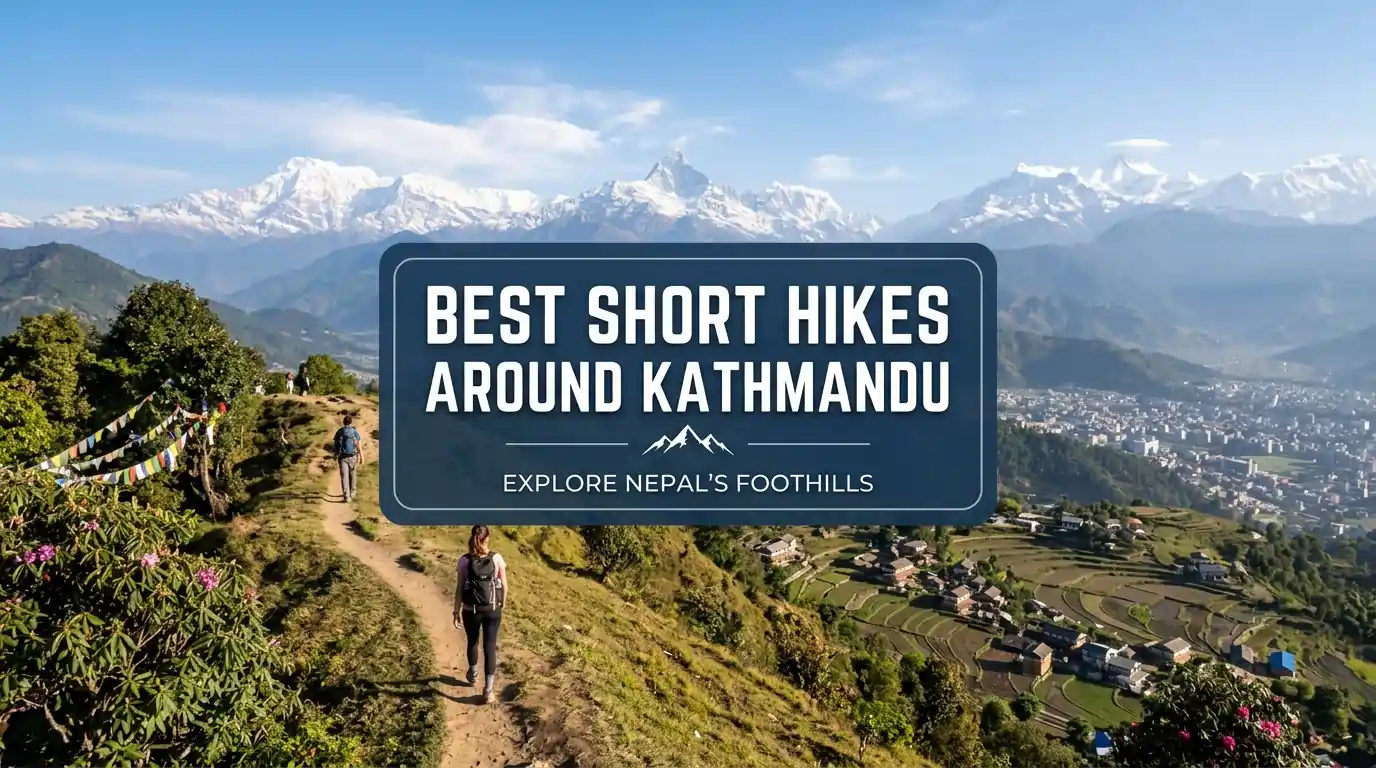
Craving a breath of crisp mountain air without committing to a grueling, multi-week expedition in the high Himalayas? Kathmandu is famously known as a chaotic, bustling cultural hub, but it is secretly ringed by an emerald crown of wild hills, ancient forests, and hidden valleys that most tourists completely fly over. Within just an hour of leaving your hotel lobby, you can swap the roar of city traffic for the gentle rustle of pine needles and catch breathtaking, front-row views of the world’s highest peaks.
In this blog, we will uncover the best short hikes around Kathmandu that deliver massive adventures in a single day. Whether you are an absolute beginner looking for a gentle weekend stroll, a photographer hunting for that flawless Himalayan sunrise, or a traveler wanting to weave sacred Buddhist monasteries into your footpaths, this comprehensive guide has you covered. We will break down the top scenic trails, seasonal conditions, packing essentials, and insider navigation tips to help you escape the urban sprawl and experience the raw natural beauty of the valley like a true local.
About Short Hikes Around Kathmandu
The rim of the Kathmandu Valley serves as an incredible outdoor playground, offering a quick and refreshing escape into nature. It provides a striking contrast between bustling urban life and pristine wilderness, allowing you to immerse yourself in nature within hours. These surrounding hills offer a rich mix of rich biodiversity, authentic rural lifestyle, and majestic mountain vistas right at the city’s doorstep.
1. Why is Kathmandu a Great Destination for Short Hikes?
Kathmandu stands out as a world-class hub for day hikes because it is geographically cradled by a towering perimeter of protected national parks, lush forests, and scenic ridgelines. You can seamlessly transition from a historic city center to a quiet woodland path in less than an hour’s drive, making outdoor adventures incredibly accessible. It is the perfect setup for busy travelers, digital nomads, and locals who want to crush a rewarding summit, breathe fresh alpine air, and still make it back to the city in time for a comfortable dinner.
2. What Makes Short Hikes Around Kathmandu Popular?
Immense popularity of these trails comes down to their unmatched proximity to urban comforts paired with the immediate reward of sweeping Himalayan panoramas. You do not need to book domestic flights, buy expensive gear, or spend weeks acclimatizing to high elevations to see snow-capped giants like the Langtang or Ganesh Himal ranges. These paths offer an affordable, low-risk way to experience authentic Nepalese countryside life, terraced farms, and historic temples without the heavy commitment of a full-scale mountain expedition.
3. Who Should Consider These Short Hiking Trails?
Anyone looking for a quick nature fix, a physical challenge, or a deep dive into local culture without leaving the valley should consider these short hiking trails. The sheer variety of routes ensures that there is a perfect path tailored to your specific pace, fitness level, and outdoor goals.
- Beginners: Perfect for novice hikers who want to test their stamina on well-marked, gentle terrain.
- Families: Great for parents looking to introduce their children to nature along safe, educational paths.
- Solo Travelers: Ideal for independent backpackers seeking easy-to-navigate routes that don’t require complex logistics.
- Photographers: Highly rewarding for creatives hunting for crystal-clear sunrise shots and vibrant local village portraits.
- Time-Crunched Tourists: Excellent for visitors with only a single free day who still want to experience the Himalayas.
What Are the Best Short Hikes Around Kathmandu?
The best short hikes around Kathmandu are Shivapuri Peak, Nagarkot, Chisapani, Champadevi, Phulchowki, and Jamacho Gumba. These pristine trails provide a rapid escape from the bustling city grid, directly placing you into tranquil wilderness zones. Within a single day, they deliver the perfect recipe of sweeping snow-capped mountain views, rich biodiversity, and deep cultural immersion without the logistical headache of a multi-day trek.
How Were These Hiking Trails Selected?
To assemble the definitive list of the absolute greatest day treks around the valley rim, we put each path through a rigorous vetting process. Every single featured route was carefully chosen based on a specific balance of the following criteria:
- Scenic Beauty: The trail must consistently deliver spectacular, wide-angle views of the majestic Himalayan ranges or stunning aerial panoramas of the valley floor below.
- Accessibility: The starting trailheads must be easily reached from central Kathmandu via private vehicle or public transport in under two hours.
- Difficulty: The terrain must fall into a manageable range, offering clear options for both casual weekend strollers and looking-for-a-challenge hikers.
- Popularity and Maintenance: We prioritized well-established, highly safe pathways that are properly mapped and heavily backed by positive local trekking reviews.
- Cultural Infrastructure: Special preference was given to unique routes that seamlessly weave ancient Buddhist monasteries, historic Hindu shrines, or traditional Newari villages into your footsteps.
Best Short Hikes Around Kathmandu for Beginners
If you are new to hiking or just want a relaxed day out in nature, the Kathmandu Valley rim offers exceptionally gentle, beginner-friendly trails. These specific routes provide solid, well-established paths, very gradual elevation gains, and plenty of rest stops along the way. You can experience the joy of mountain walking and stunning outdoor scenery without pushing your body to its absolute physical limits.
1. Nagarkot Hike
Perched at 2,175 meters, this classic trail is world-famous for its effortless, low-intensity paths winding through peaceful pine forests and traditional farming hamlets. Most beginners start with an early morning drive from the city to witness a legendary golden sunrise over an expansive Himalayan wall that includes Mount Everest on a clear day. Subsequent downhill walk toward the ancient Changunarayan Temple takes about 3 to 4 hours, offering a highly scenic, low-impact introduction to Nepalese countryside life.
2. Chisapani Hike
Starting from the water-rich village of Sundarijal, this highly popular trail acts as a refreshing gateway into the protected, lush woodlands of the Shivapuri Nagarjun National Park. While the initial stretch throws an energetic staircase climb at you past roaring waterfalls, the terrain quickly smooths out into comfortable, shaded dirt paths. Final destination rewards your steady 4-hour walk with wide-open, stunning views of the Langtang and Ganesh Himal ranges right from a cozy local Sherpa village.
3. Champadevi Hike
Situated on the southwestern rim of the valley at 2,285 meters, Champadevi stands out as an exceptionally rewarding half-day ridge walk that requires zero prior trekking experience. Starting from the historic town of Pharping, you will enjoy a short, highly manageable uphill climb beneath a dense canopy of pine and blooming seasonal rhododendron trees. Panoramic summit offers an unmatched, spectacular bird’s-eye view of the entire Kathmandu valley floor juxtaposed against a massive backdrop of distant, snow-capped peaks.
Best Short Hikes Around Kathmandu for Scenic Views
If your primary goal is to feast your eyes on epic, wide-angle mountain panoramas, the higher peaks around the valley rim deliver unmatched visual rewards. These specific trails lift you high above the city’s layer of smog and low-hanging clouds, placing you directly in front of the snow-capped giants of the Himalayas. They serve as the perfect single-day vantage points for landscape photographers and sightseers who want maximum visual payoff for their physical effort.
1. Shivapuri Peak Hike
Climbing to the summit of Shivapuri Peak at 2,732 meters places you at one of the highest and most commanding viewpoints immediately overlooking the valley rim. Demanding 6 to 7-hour round-trip journey rewards your steady uphill hustle through a protected watershed with an expansive, breathtaking mountain horizon. On a beautifully clear day, the dense forest canopy opens up to reveal a stunning, continuous panoramic layout of the Langtang, Ganesh Himal, Manaslu, and Dorje Lakpa ranges.
2. Phulchowki Hill Hike
As the absolute highest hill anchoring the southeastern edge of the Kathmandu Valley at 2,782 meters, Phulchowki is an unmissable destination for pristine nature and epic mountain sightseeing. Challenging ascent takes you through a remarkably thick, sub-tropical oak and rhododendron jungle famed for hosting over 300 species of exotic birds. Once you successfully conquer the misty summit, you are treated to a magnificent, uninterrupted grandstand view stretching from the Annapurna range all the way to Gaurishankar.
3. Nagarkot View Tower Hike
For a world-famous, effortless 360-degree viewpoint that requires a very minimal amount of strenuous walking, the Nagarkot View Tower at 2,175 meters reigns supreme. This legendary hilltop station is the ultimate hotspot for travelers wishing to witness a dramatic, fiery golden sunrise or sunset washing over the rugged spine of the earth. Easily accessible tower platform provides a jaw-dropping visual sweep of eight distinct Himalayan ranges, even allowing you to spot a distant tip of Mount Everest on a crystal-clear morning.
Best Cultural and Spiritual Hikes Near Kathmandu
For those looking to feed their soul while stretching their legs, the hills surrounding Kathmandu are dotted with deeply sacred shrines, ancient monasteries, and historic pilgrimage trails. These unique routes allow you to combine a vigorous wilderness workout with moments of profound, peaceful introspection as you pass through deeply spiritual landmarks. Hiking here offers a beautifully immersive look into the vibrant tapestry of Buddhist and Hindu traditions that have shaped the valley for centuries.
1. Namo Buddha Hike
This gentle, deeply peaceful trail winds through terraced fields and traditional Newari villages before culminating at the legendary Thrangu Tashi Yangtse Monastery. As one of the most sacred Buddhist pilgrimage sites in Nepal, the hilltop grounds mark the spot where a compassionate young prince historically sacrificed his own body to feed a starving tigress and her cubs. The surrounding landscape is a serene haven wrapped in thousands of fluttering, colorful prayer flags, filling the clean air with soothing, meditative chants.
2. Jamacho Gumba Hike
Located within the pristine, protected woodlands of the Nagarjun forest reserve, this rewarding uphill climb takes you along a strictly guarded military trail to a sacred Buddhist stupa at 2,128 meters. The path functions as a quiet spiritual retreat, shaded beneath a dense canopy of old-growth trees where wild deer and pheasants frequently cross your steps. Reaching the summit reveals a peaceful monastery platform that delivers an unmatched, aerial view of the sprawling Kathmandu Valley layout below, making it an ideal spot for quiet meditation.
3. Sundarijal to Chisapani Hike
This classic, highly dynamic route effortlessly bridges raw, cascading natural wilderness with the authentic, daily cultural rhythms of traditional Tamang and Sherpa communities. Your journey kicks off alongside roaring river rapids and the massive water reservoirs of Sundarijal before climbing steeply through the quiet, forested heart of Shivapuri National Park. As you step out of the dense canopy and into the mountain village of Chisapani, you are greeted by rustic local teahouses, smiling faces, and a spectacular front-row look at the snow-capped Langtang range.
Why Are Short Hikes Around Kathmandu Worth It?
Short hikes around Kathmandu are absolutely worth it because they offer a rapid, low-cost escape into nature, deliver stunning single-day Himalayan views, and provide a deep dive into traditional village culture right at the city’s edge. They serve as the perfect physical and mental reset for anyone overwhelmed by the urban hustle. Within just a couple of hours, you can completely swap the dust and traffic for pristine forests, ancient temples, and refreshing alpine air without burning through your travel budget or vacation days.
1. Escape the City Without Traveling Far
These convenient day trails provide the ultimate quick-fix outdoor adventure without forcing you to endure long, exhausting cross-country road trips. Because the valley is completely surrounded by towering green ridges, a short taxi or public bus ride can drop you off at a scenic trailhead within 45 to 60 minutes. It is an incredibly efficient way to hit the reset button on your mental health, burn some calories, and disconnect from digital screens, all while ensuring you are back in your own comfortable city bed by nightfall.
2. Enjoy Himalayan Views in a Single Day
You do not need to book expensive domestic flights to Lukla or spend two weeks grinding up to Everest Base Camp just to stand face-to-face with the world’s highest peaks. The surrounding valley viewpoints elevate you just high enough to pierce through the city’s low-lying haze, unlocking breathtaking, front-row lookouts over the snow-capped giants of the Langtang, Ganesh Himal, and Jugal ranges. It is an accessible, low-risk mountain panorama that delivers maximum visual reward for a very minimal investment of your time and physical stamina.
3. Experience Nature, Culture, and Local Villages
What truly sets these short excursions apart is the incredibly rich, condensed blend of diverse landscapes and ancient living traditions you encounter along every mile. As you hike, your path will seamlessly transition from lush, subtropical national park jungles to intricately terraced hillsides farmed by Tamang, Newar, and Gurung communities. You will walk right past rustic thatched-roof farmhouses, observe authentic rural lifestyles, and discover hidden, centuries-old Buddhist monasteries and Hindu shrines that feel completely frozen in time.
How Difficult Are the Short Hikes Around Kathmandu?
Short hikes around Kathmandu range from easy, flat walks to physically demanding uphill climbs, making them highly customizable to your personal fitness level. Most trails are comfortably manageable for the average individual, requiring zero prior mountaineering experience or advanced technical skills. While beginner-friendly routes focus on gentle downhill or ridgeline paths, the steeper mountain climbs will definitely test your leg endurance and cardio stamina with thousands of stone steps.
1. Easy Hiking Trails for Beginners
Perfectly suited for families, young children, and casual weekend walkers, these gentle routes prioritize low-intensity terrain with minimal elevation changes. Paths like the Nagarkot downhill trail or the gentle loop around Chobhar Gorge feature wide, well-trodden walkways and plenty of shaded rest stops. They allow you to enjoy beautiful scenery, lush forests, and local village life without putting any intense stress on your muscles or joints.
2. Moderate Hikes for Adventure Seekers
Designed for active individuals looking for a solid physical challenge, these dynamic routes demand longer walking hours and feature substantial uphill elevation gains. Demanding trails such as the climb up Shivapuri Peak or the trek to Phulchowki Hill throw steep, relentless stone staircases and uneven forest terrain at your boots. They require roughly 5 to 7 hours of active moving time, rewarding your sweat with higher vantage points and denser wilderness.
3. Fitness Requirements and Preparation
Conquering these day hikes does not require an elite athletic background, but having a basic baseline of cardiovascular fitness will make your experience much more enjoyable. Regularly walking, jogging, or doing simple stair-climbing exercises a week before your trip will easily prepare your legs for the steep valley inclines. All you really need to prepare on the day of the hike is a supportive pair of broken-in shoes, plenty of drinking water, and a steady, well-paced walking rhythm.
Best Time for Short Hikes Around Kathmandu
Timing your trek correctly makes a world of difference when it comes to mountain visibility, trail safety, and overall comfort around the valley rim. While you can technically lace up your boots and head out into the hills during any month of the year, the shifting weather patterns bring completely different landscapes into play. Choosing the ideal window ensures you get those crisp, clear postcard views of the Himalayas rather than staring into a thick wall of white fog or getting caught in a sudden downpour.
1. Spring Season (March–May)
Spring is a truly magical and visually spectacular time to hit the valley trails, defined by warm, comfortable temperatures and a massive explosion of colorful forest blooms. As you climb to higher vantage points like Shivapuri or Phulchowki, the dense hillsides come alive with vibrant pink, red, and white wild rhododendron blossoms. The daytime weather is beautifully stable and pleasant for walking, though a light layer of afternoon haze can occasionally roll in over the distant mountain ranges.
2. Autumn Season (September–November)
Widely considered the absolute golden window for any outdoor adventure in Nepal, autumn delivers the crispest and most reliable weather conditions of the year. Heavy summer rains completely wash the atmosphere clean, resulting in flawlessly sharp, deep blue skies and completely unobstructed, front-row views of the snow-capped Himalayas. With highly predictable temperatures, dry pathways, and comfortable walking conditions, it is the undisputed peak season for landscape photographers and sightseers alike.
3. Winter and Monsoon Hiking Conditions
Tackling the trails during the off-season months introduces distinct environmental challenges but offers a peaceful, crowd-free alternative for prepared adventurers. Winter (December–February) brings freezing morning temperatures and low-altitude fog, but it rewards tough hikers with wonderfully crisp, cloudless afternoon views at a time when the trails are entirely empty. Conversely, the Monsoon season (June–August) turns the hills incredibly lush, vibrant, and emerald-green, though you must navigate slippery mud, active leech infestations, and heavy afternoon downpours.
What to Pack for Short Hikes Around Kathmandu?
For a short hike around Kathmandu, you should pack a comfortable 20-to-30-liter daypack, at least two liters of drinking water, sturdy hiking shoes with good grip, weather-appropriate clothing layers, a basic first-aid kit, and high-energy snacks. Because you are only heading out for a single day, the goal is to keep your pack as light as possible while remaining fully prepared for sudden weather changes. Carrying these few smart essentials ensures you stay energized, dry, and safe without weighing down your shoulders during steep hill climbs.
1. Essential Hiking Gear
Foundation of a successful day hike rests on a few core pieces of reliable gear that keep you comfortable on the move. A lightweight, ergonomic daypack is essential to evenly distribute weight, paired with a durable, reusable water bottle to keep you properly hydrated. Most importantly, you need a pair of supportive, broken-in trekking shoes with deep rubber treading to comfortably handle loose dirt, gravel, and steep stone staircases.
2. Clothing for Different Seasons
Key to mountain comfort is an adaptable layering system that allows you to easily adjust your body temperature as you climb or encounter sudden wind. Pack a breathable, moisture-wicking t-shirt to stay cool while sweating, a lightweight fleece mid-layer for chilly shaded forests, and a packable windproof outer jacket. If you are hiking during the rainy monsoon months, carrying a high-quality waterproof rain jacket or compact umbrella is non-negotiable.
3. Safety and Emergency Essentials
Even on well-traveled trails near the city, carrying basic emergency supplies is a vital safety practice that ensures you can handle minor mishaps. Toss a compact first-aid kit containing blister band-aids, antiseptic wipes, and personal medications into your pack, alongside high-energy snacks like nuts, energy bars, or dried fruit. Finally, ensure your smartphone is fully charged for navigation apps, and carry a small power bank to keep your maps functional.
Transportation and Accessibility of Hiking Trails
Reaching the breathtaking ridge walks and lush forest sanctuaries around the valley rim is both highly efficient and remarkably affordable. Because the perimeter of hills sits in close proximity to the city center, you can seamlessly transition from urban concrete to wild dirt roads without needing complex travel itineraries. Navigating your way to the various trailheads requires minimal pre-planning, keeping your single-day hiking plans entirely stress-free and smooth.
1. How to Reach Popular Hiking Destinations?
You can easily access most trailheads using a cheap local public bus or by booking a comfortable private taxi or jeep ride directly from your hotel lobby. While local buses frequently depart from central hubs like Ratnapark or Ring Road toward peripheral towns like Sundarijal or Budhanilkantha, private vehicles offer a much faster, direct route to remote ridge points.
2. Estimated Travel Time from Kathmandu
Depending entirely on your final destination and the shifting city traffic, it takes roughly 45 minutes to two hours to reach the starting line of most day hikes. Nearby trailheads like Shivapuri or Jamacho Gumba can be reached in under an hour, whereas further hilltop locations like Nagarkot or Namo Buddha require a scenic 1.5 to 2-hour drive.
3. Entry Fees and Permits
Most day hikes running through the valley’s northern and western ridges require you to purchase a formal entry voucher at government-regulated national park checkpoints. For instance, entering the protected forests of Shivapuri Nagarjun National Park requires an entry fee of NPR 1,000 for international tourists, NPR 339 for SAARC nationals, and NPR 100 for local Nepalese hikers.
Conclusion
Stepping onto the emerald ridges that wrap around the Kathmandu Valley rim proves that you do not need a multi-week expedition to experience the true majesty of the Himalayas. These highly accessible day trails offer the ultimate breath of fresh air, effortlessly bridging the gap between frantic urban energy and tranquil wilderness sanctuaries. By carving out just a single day of your itinerary, you unlock a rewarding world of ancient monasteries, welcoming local villages, and front-row mountain views that will leave an indelible mark on your memory.
When you are ready to trade the dusty city pavement for refreshing forest canopies and golden hill station sunrises, partnering with Marvel Treks ensures a seamless and deeply enriching journey. Marvel Treks is ready to handle all your transportation, permits, and expert navigation needs, allowing you to focus entirely on the footsteps ahead. Pack your camera, tighten up your boot laces, and get ready to discover the spectacular hidden backyard of Nepal’s vibrant capital city!
FAQS
What is the best month for short hikes around Kathmandu?
October and November are ideal, offering exceptionally clear autumn skies, dry trails, and pristine, unobstructed panoramic views of the Himalayas.
Do I need a permit for day hikes in Kathmandu?
Yes, trails inside Shivapuri Nagarjun National Park require an entry permit costing NPR 1,000 for international tourists at checkpoints.
Can beginners easily complete hikes around Kathmandu?
Absolutely. Trails like the Nagarkot downhill walk and Chobhar loop are gentle, well-marked, and perfectly suited for novice hikers.
Are there wild animals on the Shivapuri Peak hike?
Yes, the protected national park houses wild boars, barking deer, monkeys, and numerous exotic bird species along shaded trails.
How far are these hiking trailheads from Thamel?
Most popular trailheads, like Budhanilkantha or Sundarijal, sit conveniently within a 45 to 90-minute drive from central Thamel.
Can I do short hikes near Kathmandu without a guide?
Yes, most day trails are open to independent hikers, though hiring a local guide enhances navigation and cultural insight.
Are there places to buy food during these day hikes?
Yes, well-traveled routes feature rustic local teahouses and small village shops serving authentic Nepalese meals, snacks, and bottled water.
What should I wear for a day hike in Kathmandu?
Wear comfortable, broken-in trekking shoes, moisture-wicking clothes, and pack a lightweight windproof jacket for cooler hilltop temperatures.

Ready for your next Himalayan adventure?
Plan Your Next Big Adventure with Us
Explore Our AdventuresJoin our expert-guided journeys across Nepal and beyond, from classic trails to epic summits.