
Rara National Park: Complete Guide For Tourists
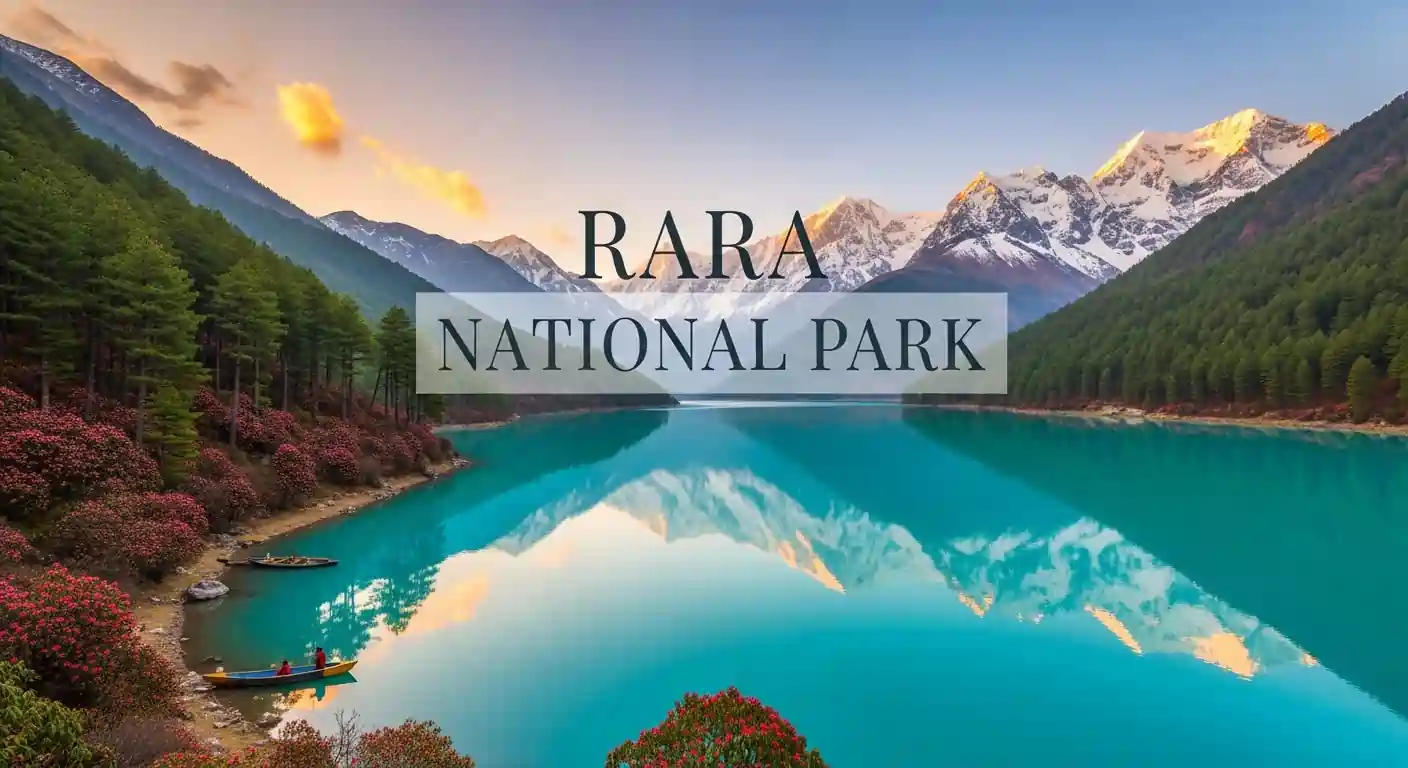
Imagine standing at the edge of a vast, cobalt-blue mirror that perfectly reflects the jagged, snow-dusted peaks of the Himalayas, where the only sound is the gentle rustle of blue pine and the distant call of a Himalayan Monal. This is Rara Lake, the crown jewel of Rara National Park and Nepal’s largest freshwater lake, tucked away in the remote northwestern frontier. Far removed from the crowded trekking trails of Everest and Annapurna, this “Pearl of the Himalayas” offers a rare, primitive wilderness experience where the air is thin, the water is crystalline, and the silence is profound.
In this blog, we will provide a comprehensive guide to Rara National Park, exploring its unique high-altitude ecosystems and the best ways to reach this secluded paradise in 2026. We will cover essential details including the best time for your visit, permit requirements, and the diverse wildlife you can spot, from the rare red panda to migratory waterfowl. Whether you are planning a rugged overland adventure or a quick flight into the wild, this guide is designed to help you navigate one of the most pristine and untouched national parks in Nepal.
Introduction to Rara National Park
Rara National Park is Nepal’s smallest protected area, covering just 106 square kilometers, yet it houses the country’s largest and deepest freshwater body, Rara Lake. Located in the remote Mugu and Jumla districts of northwestern Nepal, the park was established in 1976 to preserve the unique beauty of this high-altitude alpine ecosystem. Often described as the “Queen of Lakes,” the park is situated at a breathtaking altitude of 2,990 meters (9,810 feet) and is surrounded by dense coniferous forests of blue pine, black juniper, and Himalayan spruce. Its significance lies not only in its stunning scenery but also in its role as a vital habitat for rare wildlife, including the red panda and the musk deer, and as a major stopover for migratory birds traveling across the Himalayas, making the rara lake trek a bucket-list journey for true wilderness seekers.
Where Is Rara National Park Located?
Rara National Park is located in the high-altitude northwestern frontier of Nepal, primarily spanning the Mugu and Jumla districts within the remote Karnali Province. This protected area is centered around the magnificent Rara Lake, sitting at an elevation of 2,990 meters (9,810 feet) amidst the rugged peaks of the Himalayas. The park’s geography is defined by steep ridges, alpine meadows, and dense coniferous forests, making it one of the most secluded and pristine wilderness regions in the country.
Why Visit Rara National Park?
You should visit Rara National Park to experience the “Queen of Lakes,” Nepal’s largest and deepest freshwater body, set within a pristine, high-altitude wilderness that remains largely untouched by mass tourism. It offers a rare combination of dramatic alpine scenery, vibrant coniferous forests, and the chance to spot elusive wildlife like the red panda in total tranquility. Unlike the bustling trails of Everest or Annapurna, Rara provides a profound sense of solitude and a raw connection to nature, making it one of the most rewarding and peaceful things to do in Nepal.
Rara National Park is a sanctuary for those who seek the “road less traveled,” where the landscape transitions from deep turquoise waters to snow-capped ridges in a single glance. It is a destination that rewards explorers with its ever-changing colors and a spiritual stillness that rejuvenates the soul.
- Rara Lake (Mahendra Tal): Marvel at Nepal’s largest lake, famous for shifting through a spectrum of blues and greens throughout the day.
- Elusive Wildlife: Track rare species such as the red panda, musk deer, and Himalayan black bear in their natural, undisturbed habitats.
- Birdwatcher’s Paradise: Spot over 200 species of birds, including the colorful Himalayan Monal and migratory waterfowl like the Great Crested Grebe.
- Pristine Coniferous Forests: Wander through ancient stands of blue pine, spruce, and juniper that frame the lake in a vibrant green embrace.
- True Solitude: Enjoy a peaceful alternative to crowded trekking routes, with silent trails and authentic villages that feel frozen in time.
- Endemic Aquatic Life: Discover the only home of the Rara Snow Trout and other unique species found nowhere else on Earth.
Best Time to Visit Rara National Park
The best time to visit Rara National Park is during the Spring (March–May) and Autumn (September–November) seasons, when the weather is stable and the lake reflects the clearest blue skies. These periods offer the most comfortable trekking temperatures and the highest visibility for the surrounding Himalayan peaks. Visiting during these “peak windows” ensures that the domestic flights to Talcha are reliable and the trails through the coniferous forests are dry and accessible for all levels of hikers.
Spring Season (March–May)
Spring is arguably the most beautiful time to visit the park as the winter snow melts away, revealing a vibrant carpet of wildflowers and blooming rhododendrons. The temperatures are pleasantly cool, making the trek from Talcha to Rara Lake an enjoyable journey through lush greenery and singing birdlife. This is the prime season for nature enthusiasts to witness the park’s flora in full resurgence and for birdwatchers to spot migratory species returning to the lake. The crisp morning air and clear afternoon sun provide the perfect lighting for photography against the deep turquoise waters of the lake.
Autumn Season (September–November)
Following the monsoon rains, the Autumn season offers the most crystalline views and stable weather conditions in the Karnali region. The dust is washed away, leaving the atmosphere incredibly transparent, which allows for breathtaking panoramic views of the distant Chuchemara Peak and other snow-capped ridges. This is the most popular time for trekking, as the days are warm and the nights are brisk but manageable with standard trekking gear. The lake often appears at its calmest during these months, acting as a perfect mirror for the surrounding blue pine forests and the vast Himalayan sky.
Winter and Monsoon Travel Conditions
Traveling to Rara during the Winter (December–February) or Monsoon (June–August) seasons presents significant logistical challenges that only the most adventurous should attempt. In winter, heavy snowfall often blankets the trails and can lead to the closure of high-altitude passes, though it transforms the lake into a stunning, frozen white wonderland. During the monsoon, heavy rains can cause flight cancellations to Talcha and make the overland roads from Jumla muddy and prone to landslides. While the park is exceptionally lush and “emerald” during the rains, travelers must be prepared for leeches and unpredictable travel delays that can extend the journey significantly.
Also Read: Sagarmatha National Park
How to Reach Rara National Park?
To reach Rara National Park, most travelers take a domestic flight from Kathmandu to Nepalgunj, followed by a connecting STOL (Short Take-Off and Landing) flight to Talcha Airport in Mugu. From Talcha, a scenic 2-to-3-hour trek through alpine forests leads directly to the shores of Rara Lake. In 2026, while overland Jeep options from Surkhet have improved, flying remains the fastest and most reliable way to access this remote Himalayan gem.
Route via Kathmandu to Nepalgunj
The journey typically begins with a 50-minute domestic flight from Kathmandu to Nepalgunj, the gateway to Western Nepal. Alternatively, a long-haul bus or private Jeep journey takes about 12 to 14 hours across the Terai plains. Most travelers spend one night in Nepalgunj to catch the early morning connecting flights to the mountain strips.
Nepalgunj to Talcha Airport
From Nepalgunj, a thrilling 35-minute flight on a small Twin Otter or Dornier aircraft takes you to Talcha Airport in Mugu. These flights offer spectacular aerial views of the Karnali River and the snow-capped peaks of the Sisne and Kanjirowa ranges. Due to mountain weather, these flights operate almost exclusively in the early morning hours to ensure maximum safety.
Talcha Airport to Rara Lake Trek
Once you land at Talcha, the final leg is a gentle 2-to-3-hour uphill trek that winds through dense forests of blue pine and rhododendron. The trail is well-defined and accessible for most fitness levels, eventually opening up to the breathtaking first glimpse of Rara Lake. Porters and horses are usually available at the airport to assist with luggage for the short hike to the lakeside lodges.
Alternative Route via Jumla
For those seeking a longer adventure, an alternative route involves flying into Jumla and trekking for 2 to 3 days to reach Rara Lake. This path crosses the Danphe Lagna pass and traverses traditional villages, offering a deeper cultural immersion into the lifestyle of the Karnali people. It is a rugged but rewarding option for trekkers who want to experience the “Old Nepal” far from any motorable roads.
Related topic: Chitwan National Park
Major Attractions in Rara National Park
The major attractions in Rara National Park center around the breathtaking Rara Lake, complemented by high-altitude viewpoints like Murma Top and the rugged ascent of Chuchemara Peak. Beyond the natural water and mountain features, the park offers a deep cultural experience through the traditional stone-house villages that have remained unchanged for centuries. These attractions combine to create a diverse travel experience that blends serene lakeside relaxation with challenging alpine trekking and authentic Himalayan immersion.
Rara Lake – The Jewel of Rara National Park
Spanning approximately 10.8 square kilometers, Rara Lake is Nepal’s largest freshwater body and is famous for its “nymph-like” beauty, shifting colors from turquoise to deep violet throughout the day. Surrounded by dense coniferous forests and snow-capped peaks, the lake provides a tranquil atmosphere that is perfect for photography and meditation. Its crystalline waters are home to endemic snow trout, and the perimeter trail offers a stunning 13-kilometer walk through pristine wilderness.
Murma Top Viewpoint
For the absolute best panoramic view of the entire Rara National Park, a hike to Murma Top at 3,630 meters is an essential part of any itinerary. From this vantage point, the vastness of Rara Lake is fully revealed, appearing like a giant blue sapphire cradled by the green hills of Mugu. The 360-degree views also encompass the jagged Sisne and Kanjirowa mountain ranges, making it the premier spot for sunrise and sunset observers.
Chuchemara Peak
Standing at 4,039 meters, Chuchemara Peak is the highest point in the park and offers a more challenging hiking option for those seeking a rugged adventure. The climb rewarded trekkers with dramatic landscapes of deep valleys and the sprawling Karnali region stretching toward the horizon. It is a fantastic location to see the contrast between the lush lakeside vegetation and the stark, high-alpine terrain of the upper Himalayas.
Traditional Villages Around Rara
Visiting the traditional villages like Murma and Jhyari provides a rare window into the ancient Khas culture and the resilient lifestyle of the people in Western Nepal. These settlements feature unique flat-roofed stone houses and terraced fields where locals grow hardy crops like buckwheat and barley. Engaging with the villagers offers a profound look at the “Old Nepal,” where hospitality is deeply rooted and the rhythms of life are still dictated by the seasons.
Wildlife and Biodiversity in Rara National Park
Rara National Park is a high-altitude sanctuary for 51 species of mammals, 241 species of birds, and several endemic aquatic species found nowhere else on Earth. The park’s ecosystem transitions from temperate coniferous forests of blue pine and spruce to sub-alpine and alpine meadows, providing a critical refuge for the endangered red panda and the elusive musk deer.
| Category | Key Species | Conservation Status & Habitat Details |
| Flagship Mammals | Red Panda | Critically endangered; found in the bamboo understory of the park’s coniferous forests. |
| Himalayan Black Bear | Common in the oak and pine forests; often spotted during the autumn harvest season. | |
| Musk Deer | A shy, high-altitude specialist often found near the rocky ridges and alpine scrub. | |
| Snow Leopard | Occasionally ranges into the higher northern peaks of the park during the winter months. | |
| Avian Life | Himalayan Monal | Nepal’s national bird (Danphe); its iridescent plumage is a highlight of the forest trails. |
| Migratory Waterfowl | Includes the Great Crested Grebe and Black-necked Grebe, which winter on Rara Lake. | |
| Cheer Pheasant | A globally threatened species that thrives in the steep, grassy slopes of the Karnali region. | |
| Aquatic Life | Rara Snow Trout | Endemic Species: Three species of snow trout (Schizothorax) found only in Rara Lake. |
| Flora & Forests | Blue Pine & Spruce | Dominant forest types that create a vibrant evergreen frame around the lake’s shores. |
| Medicinal Herbs | Home to rare herbs like Yarsagumba (Cordyceps) and Panchaunle in the high meadows. |
Activities to Do in Rara National Park
Activities in Rara National Park are designed for those seeking serenity and raw natural beauty, ranging from tranquil boating on the deep blue lake to high-altitude trekking through ancient coniferous forests. Whether you are a dedicated wildlife photographer or a traveler looking for a peaceful retreat, the park offers a unique blend of adventure and stillness that is unmatched in the busier regions of Nepal.
Rara Lake Trekking
The most popular activity is the 13-kilometer circuit trek around the perimeter of Rara Lake, which takes about 4 to 5 hours of easy walking through pine and juniper forests. For a more challenging adventure, the hike to Murma Top (3,630m) offers the ultimate reward with a 360-degree panoramic view of the entire lake and the surrounding snow-capped peaks. These trails are well-defined and provide a perfect introduction to the rugged beauty of the Mugu and Jumla districts.
Boating in Rara Lake
Boating on the crystalline, ever-changing waters of Rara Lake is the best way to appreciate the “nymph-like” quality of the “Queen of Lakes” up close. Traditionally done in wooden boats, this experience allows you to glide across the deepest freshwater body in Nepal while surrounded by the reflection of the Himalayas. It is a tranquil experience, perfect for soaking in the silence of the wilderness and spotting the endemic Rara snow trout swimming beneath the surface.
Wildlife Watching
The best spots for wildlife observation are the dense forests on the southern and northern ridges, where the elusive red panda and musk deer are known to roam. Early morning and late afternoon are the prime times to spot the vibrant Himalayan Monal (Nepal’s national bird) and various migratory waterfowl near the marshy edges of the lake. Bringing a good pair of binoculars is essential, as the park’s wildlife is notoriously shy and prefers the quiet, undisturbed sections of the alpine meadows.
Photography and Nature Walks
Rara National Park is a photographer’s dream, offering dramatic shifts in light that transform the lake’s color from turquoise to deep violet in a matter of minutes. The sunrise from the eastern shore provides spectacular golden hour shots of the lake with the Chuchemara Peak in the background. Nature walks through the blue pine forests offer endless macro photography opportunities, from rare alpine wildflowers and colorful fungi to the intricate patterns of ancient Himalayan moss.
Accommodation and Food Options Near Rara National Park
Accommodation near Rara National Park is primarily composed of basic wooden teahouses and eco-resorts like Rara Eco Resort and Rara Shangri-La, with daily costs for food and lodging averaging between $15 and $30. While the facilities are rustic compared to more commercialized trekking routes, they offer essential comforts like warm beds and authentic local meals. Most visitors stay in the limited lodges situated directly on the northern shore of the lake or in the nearby village of Murma to experience the true silence of the Karnali wilderness.
Lodges and Guesthouses in Rara
The lodges in Rara are simple, family-run establishments that emphasize traditional wooden architecture and communal dining experiences. Most rooms are basic with shared bathrooms, though a few “attached” options have emerged recently to cater to those seeking a bit more privacy. These guesthouses provide a cozy refuge from the high-altitude chill, offering a chance to sit by a central hearth and share stories with fellow travelers and local hosts.
Camping Around Rara Lake
For those seeking a more immersive nature experience, camping in the designated meadows surrounding Rara Lake is a highly rewarding alternative. Most trekking agencies provide full camping gear, including high-quality tents and sub-zero sleeping bags, to ensure comfort during the crisp mountain nights. Waking up to the sound of migratory birds and the sun rising over the crystalline water is a highlight that makes the extra logistics of a tented stay well worth the effort.
Local Food to Try
The food in the Rara region is centered around hearty, organic grains like the famous “Marsi” red rice, which is grown in the high-altitude fields of Jumla. You should definitely try the local buckwheat roti, organic beans flavored with mountain herbs, and fresh apples or dried apple chips from the local orchards. For a unique taste of the Karnali culture, a sip of locally fermented apple brandy or a warm cup of salted butter tea provides the perfect energy boost after a long day of hiking.
Permits and Entry Fees for Rara National Park
To enter Rara National Park, all visitors must obtain a mandatory National Park Entry Permit, with fees ranging from NPR 100 for Nepalese citizens to NPR 3,000 ($23 USD) for foreign tourists. These permits are per person, per entry, and are essential for supporting the conservation of the park’s delicate alpine ecosystem and the maintenance of the trails around Rara Lake.
To ensure a smooth journey into the Karnali region, keep the following permit details in mind:
- Foreign Tourists: The entry fee is NPR 3,000 per person; you must provide a copy of your passport to obtain this at the park gates in Bhulbhule or at the Nepal Tourism Board in Kathmandu.
- SAARC Nationals: Citizens from SAARC countries (India, Bhutan, etc.) are charged a discounted rate of NPR 1,500 per person.
- Nepalese Citizens: Local visitors pay a nominal fee of NPR 100 per person to access the park.
- TIMS Card: While the Trekkers’ Information Management System (TIMS) card was historically required, most current regulations in the Mugu region prioritize the local park permit; however, it is always best to carry one if your trek originates from Jumla.
- Children Under 10: Entry is generally free for children under the age of 10, provided you have proof of age.
- Permit Validity: Permits are valid for a single entry; if you leave the park boundary and wish to re-enter the following day, a new permit must be purchased.
Travel Tips for Visiting Rara National Park
Traveling to Rara National Park requires meticulous preparation due to its extreme remoteness, high altitude, and the limited availability of modern amenities in the Karnali region. Successful visitors prioritize self-sufficiency by packing technical mountain gear and carrying enough cash for their entire stay, as there are no ATMs once you leave the major hub of Nepalgunj.
Prepare for Remote Travel
The journey to the “Queen of Lakes” is an adventure in itself, often involving unpredictable flight schedules to Talcha or long, rugged overland drives. It is essential to build “buffer days” into your itinerary to account for mountain weather delays and to mentally prepare for basic teahouse facilities with limited electricity. Maintaining a flexible mindset and a sense of adventure is the key to enjoying one of the most secluded wilderness areas left in the Himalayas.
Carry Cash and Essentials
Once you fly into Mugu, there are no banking facilities or ATMs, so you must carry enough Nepalese Rupees to cover all meals, tips, and local purchases for the duration of your trek. Additionally, ensure you pack a high-capacity power bank, a universal adapter, and a personal first-aid kit stocked with altitude sickness medication and basic antibiotics. These “survival essentials” are often impossible to find in the small lakeside shops, which mostly carry basic snacks and locally made supplies.
Pack Warm Clothing and Trekking Gear
Even in the peak spring and autumn seasons, temperatures at Rara Lake (2,990m) drop significantly after sunset, requiring high-quality thermal base layers and a down jacket. Sturdy, broken-in trekking boots with good ankle support are a must for the trails around Murma Top and Chuchemara Peak, where the terrain can be rocky and uneven. Don’t forget a wide-brimmed hat and high-SPF sunscreen, as the high-altitude sun is exceptionally strong even on cooler days.
Respect Local Culture and Environment
The people of Mugu and Jumla follow a traditional Khas culture that values modesty and deep-rooted hospitality; always asking for permission before taking photos of individuals or religious sites. As a visitor to a delicate alpine ecosystem, you should adhere to “Leave No Trace” principles by carrying out all non-biodegradable waste and avoiding the use of plastic water bottles. Respecting the silence of the lake and the local customs ensures that Rara remains a pristine sanctuary for both its human and wildlife residents.
What Makes Rara National Park Unique?
Rara National Park is unique because it protects Nepal’s largest and deepest freshwater lake, Rara Lake, situated within a pristine high-altitude alpine ecosystem that remains largely untouched by mass tourism. It serves as a vital sanctuary for rare Himalayan biodiversity and offers a rare, primitive wilderness experience far removed from the country’s more crowded trekking hubs.
- The Queen of Lakes: Home to Rara Lake (Mahendra Tal), which sits at 2,990 meters and is famous for shifting through various shades of blue and violet throughout the day.
- Endemic Aquatic Species: It is the only place on Earth where you can find the Rara Snow Trout (Schizothorax raraensis), along with two other endemic fish species.
- High-Altitude Biodiversity: The park is a critical refuge for the endangered Red Panda and the elusive Musk Deer, thriving within dense coniferous forests of blue pine and spruce.
- Avian Crossroads: It serves as a major migratory stopover for over 200 bird species, including the colorful Himalayan Monal and various trans-Himalayan waterfowl.
- Unspoiled Wilderness: As one of Nepal’s most remote protected areas, it offers a level of silence and solitude that is increasingly rare in the popular Everest and Annapurna regions.
Also Read: Bardiya National Park
Conclusion
In conclusion, Rara National Park is far more than just a trekking destination; it is a profound journey into the most pristine and untouched wilderness that Nepal has to offer. Centered around the “Queen of Lakes,” this high-altitude sanctuary provides a rare sense of solitude and a raw connection to nature that is increasingly difficult to find in the modern world. From the crystalline, ever-shifting blues of Rara Lake to the silent, ancient coniferous forests that shelter the endangered red panda, every moment in the park is a testament to the rugged beauty of the northwestern frontier.
Ready to Experience the Serenity of Rara Lake?
Don’t let the complex logistics of the remote Karnali region stand between you and the “Pearl of the Himalayas.” Marvel Treks specializes in high-altitude, remote-frontier expeditions, providing the veteran guides and reliable flight coordination needed to make your journey to Rara National Park seamless and unforgettable.
FAQS
How big is Rara National Park?
Rara National Park covers an area of 106 square kilometers (41 square miles), making it the smallest national park in Nepal. Despite its size, it protects the country’s largest lake and a vital buffer zone of 198 square kilometers, ensuring the preservation of the unique coniferous forests and alpine meadows surrounding the water.
How far is Rara National Park from Kathmandu?
The straight-line distance from Kathmandu to Rara National Park is approximately 370 kilometers (230 miles) to the northwest. However, due to the rugged Himalayan terrain, reaching the park involves a 50-minute flight to Nepalgunj followed by a 35-minute mountain flight to Talcha, or a multi-day overland journey across the Karnali Highway.
How many tigers are in Rara National Park?
There are no Royal Bengal Tigers in Rara National Park, as the high-altitude alpine environment (2,990m+) is not a suitable habitat for them. Instead, the park is famous for elusive high-altitude mammals like the endangered red panda, musk deer, Himalayan black bear, and occasionally the snow leopard in its upper reaches.
How to get from Kathmandu to Rara National Park?
The most efficient way to get to Rara is by taking a domestic flight from Kathmandu to Nepalgunj, followed by a connecting flight to Talcha Airport in Mugu. From Talcha, it is a scenic 2-to-3-hour walk to the lake; alternatively, adventure seekers can take a long-haul bus to Jumla or Surkhet and continue by 4×4 Jeep through the Karnali region.
How to visit Rara National Park?
To visit Rara, you must fly or drive to the Mugu district and obtain a mandatory National Park Entry Permit (NPR 3,000 for foreigners). Most travelers book a guided 5-to-7-day package that includes flights, lakeside teahouse accommodation, and excursions to viewpoints like Murma Top to ensure all logistics in this remote area are handled professionally.
Is Rara National Park worth visiting?
Yes, Rara National Park is absolutely worth visiting for those seeking “off-the-beaten-path” serenity and the chance to see Nepal’s largest, most beautiful high-altitude lake. It is the perfect destination for travelers who prioritize silence, pristine nature, and authentic cultural immersion over the modern amenities found on more crowded trekking routes.
What animals are in Rara National Park?
Rara National Park is home to the red panda, musk deer, Himalayan black bear, ghoral, and Himalayan tahr. The lake itself is the only habitat for the endemic Rara snow trout, while the skies are filled with over 200 bird species, including the colorful Himalayan Monal and migratory Great Crested Grebes.
What is Rara National Park famous for?
Rara National Park is world-famous for Rara Lake (Mahendra Tal), which is the largest and deepest freshwater lake in Nepal. It is also renowned for its stunning “shifting colors,” its role as a Ramsar wetland site of international importance, and for being one of the few places to spot the rare red panda in the wild.
What to do in Rara National Park?
The top things to do include trekking the 13-km perimeter of Rara Lake, hiking to the Murma Top viewpoint for panoramic vistas, and boating on the crystalline waters. Visitors also enjoy birdwatching, photography of the “Queen of Lakes,” and exploring the traditional stone-house villages of the indigenous Khas people.

Ready for your next Himalayan adventure?
Plan Your Next Big Adventure with Us
Explore Our AdventuresJoin our expert-guided journeys across Nepal and beyond, from classic trails to epic summits.