
Everest Base Camp Trek Route: Complete Trail, Distance Guide
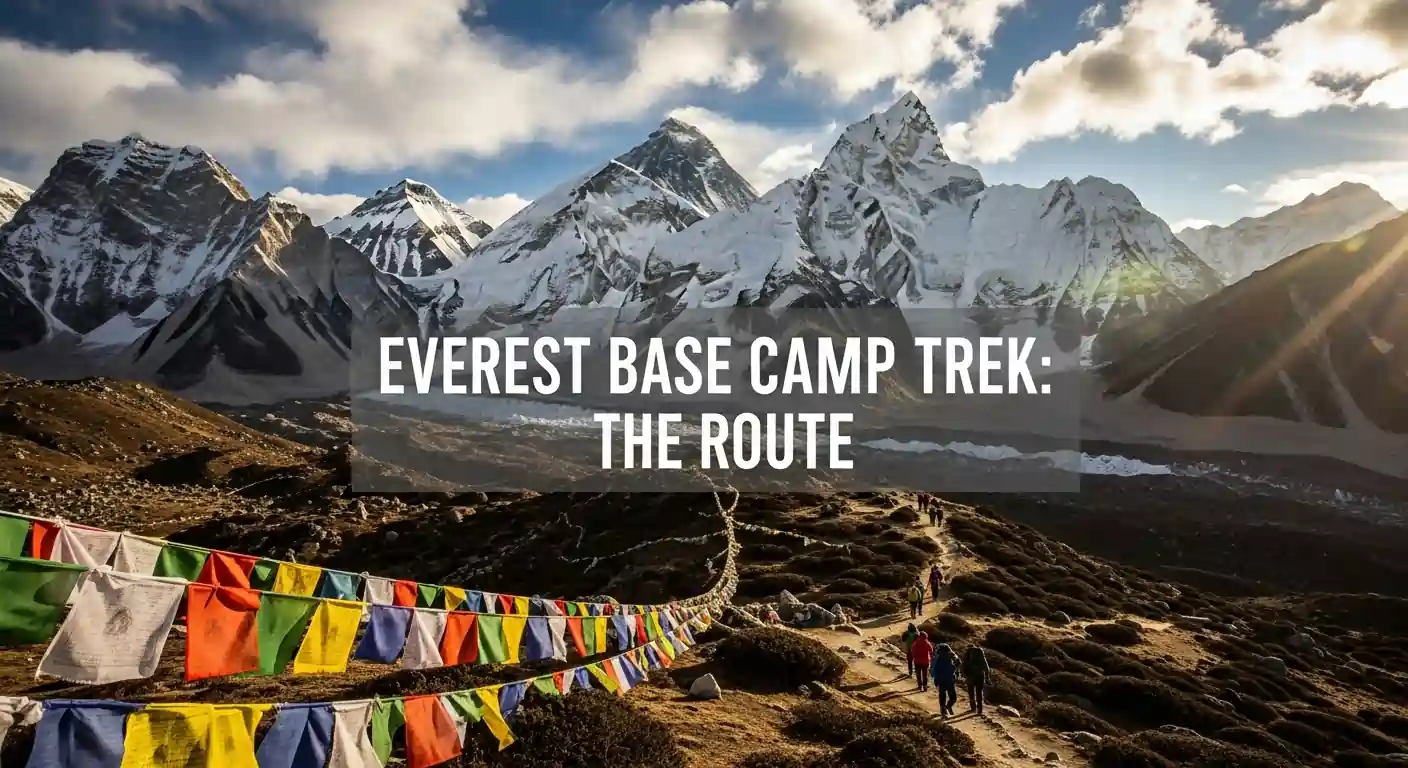
Are you ready to walk in the footsteps of legends on the most famous mountain path in the world? For many adventurers, the Everest Base Camp trek route is a dream that combines physical challenge with the beauty of the high Himalayas. But how far do you actually have to walk, and what does the trail really look like from start to finish? Understanding the distance and the daily rhythm of the trek is the first step toward reaching the base of the world’s tallest peak.
In this guide, we will break down the complete Everest Base Camp trek route, including the total distance and the key stops along the way. We will explore the traditional trail from Lukla to the base camp, highlighting the essential acclimatization points and the dramatic changes in landscape you will experience. By the end of this post, you will have a clear map of the journey, helping you prepare for every kilometer of this once-in-a-lifetime Everest base camp trek.
Overview of the Everest Base Camp Trek Route
The Everest Base Camp trek route is much more than just a high-altitude hiking path; it is a legendary corridor through the heart of the Khumbu region that has captivated explorers for decades. This classic route follows the same valley floor used by the early pioneers of mountaineering, winding through ancient pine forests and across high-altitude deserts.
Most trekkers follow a standard 12 to 14-day itinerary, which provides the necessary time to ascend from the lush greenery of the lower valleys to the dramatic, ice-covered landscapes surrounding the world’s highest peak.
What makes this route truly iconic is the perfect blend of natural grandeur and deep cultural heritage. As you walk, you are surrounded by four of the world’s fourteen highest peaks, while also being immersed in the unique spiritual life of the Sherpa people.
Every village along the trail offers a glimpse into a way of life that has remained unchanged for centuries, marked by colorful prayer flags and the rhythmic chanting of monks in hilltop monasteries. This combination of physical challenge and spiritual peace is why the EBC trail remains a top bucket-list destination for travelers from around the globe.
Major highlights along the Everest Base Camp trek route:
- Lukla Airport: Starting your journey with a thrilling flight and landing at one of the world’s most unique mountain airstrips.
- Namche Bazaar: Exploring the vibrant “Sherpa Capital,” a horseshoe-shaped town filled with bakeries, markets, and stunning mountain views.
- Tengboche Monastery: Visiting the spiritual heart of the Khumbu, where you can witness daily rituals with Ama Dablam as the backdrop.
- Hillary Suspension Bridge: Crossing the highest and most famous bridge on the trail, which hangs dramatically over the rushing Dudh Koshi River.
- Kala Patthar: Climbing to this 5,545-meter viewpoint for the most famous 360-degree panorama of Mount Everest and the Khumbu Glacier.
- Everest Base Camp: Standing at “Ground Zero” for all Everest expeditions, surrounded by prayer flags and the massive Khumbu Icefall.
Where Does the Everest Base Camp Trek Route Start and End?
The Everest Base Camp trek route starts at the Tenzing-Hillary Airport in Lukla and ends at the Everest Base Camp (5,364m) before retracing the path back to Lukla. This round-trip journey is the most popular way to reach the foot of the world’s highest peak because it offers a direct and scenic path through the Khumbu region. While the trek technically reaches its highest goal at the base camp, the official end of the walking journey is when you fly back out of Lukla to Kathmandu. It is a well-defined trail that leads you from a busy mountain airstrip to the edge of the massive Khumbu Icefall.
Lukla to Everest Base Camp Trek Route Explained
The Everest Base Camp trek route begins the moment you step off the small plane in Lukla, where you immediately head north toward the village of Phakding. From there, the trail leads you through the gateway of the Sagarmatha National Park and up the famous steep climb to the bustling town of Namche Bazaar. After spending time adjusting to the altitude, you continue through high-altitude villages like Dingboche and Lobuche until you reach the final settlement of Gorak Shep.
The last stretch of the trail takes you across the rocky moraine of the Khumbu Glacier to reach the base camp, which is the ultimate turnaround point. Most hikers then return along the same path, descending quickly through the valleys to finish their adventure back where they started in Lukla.
Detailed Day-by-Day Everest Base Camp Trek Route
The daily itinerary of the Everest Base Camp trek route is carefully designed to help your body adapt to the increasing elevation. Each day involves roughly 5 to 7 hours of walking, moving from lush river valleys to high-altitude glacial landscapes. This slow and steady progression is vital for safety, as it allows you to enjoy the changing scenery while minimizing the risk of altitude sickness. Following this proven schedule ensures you have the best chance of reaching the base camp successfully and comfortably.
Day 1 – Lukla to Phakding
The trek begins with a relatively easy 3-hour downhill walk covering approximately 8 kilometers to reach Phakding (2,610m). You will pass through small stone villages and follow the banks of the Dudh Koshi River to start your journey. This short first day helps you ease into the trekking rhythm after your mountain flight.
Day 2 – Phakding to Namche Bazaar
This 11-kilometer stretch takes about 6 hours and includes the famous steep climb to the “Sherpa Capital” of Namche Bazaar (3,440m). You will officially enter Sagarmatha National Park at Monjo and cross high suspension bridges over the river. The final uphill push provides your first glimpse of Mount Everest through the pine trees.
Day 3 – Acclimatization Day in Namche Bazaar
Spending a second night in Namche is essential for safety, but you should stay active by taking a short hike to the Everest View Hotel. This 3-hour round trip helps your body adjust to the higher altitude while offering stunning views of Ama Dablam and Everest. You can spend the afternoon exploring the local markets and museums in town.
Day 4 – Namche Bazaar to Tengboche
This 10-kilometer hike takes about 5 hours and follows a scenic ridge trail with breathtaking views of the Himalayas. After descending to the river, you face a steady uphill climb through rhododendron forests to reach the famous Tengboche Monastery (3,860m). The evening is perfect for watching the sunset over the jagged mountain peaks.
Day 5 – Tengboche to Dingboche
As you walk 9 kilometers toward Dingboche (4,410m), the landscape shifts from thick forests to open alpine meadows and shrubs. The 5-hour trek offers a closer look at the stunning Ama Dablam as you follow the Imja Khola river valley. You will notice the air getting thinner and the terrain becoming much more rugged.
Day 6 – Acclimatization Day in Dingboche
Your second rest day involves a 4-hour hike up Nagarjun Hill to reach an elevation of about 5,000 meters for better acclimatization. From the top, you get incredible views of Makalu, the world’s fifth-highest mountain, and the Island Peak valley. Resting here ensures you are strong enough for the final push toward the base camp.
Day 7 – Dingboche to Lobuche
The 5-hour trek to Lobuche (4,940m) covers 8 kilometers and includes a climb up the Thukla Pass, which features memorials for fallen climbers. The trail then levels out along the lateral moraine of the massive Khumbu Glacier. The surroundings become entirely barren, consisting mostly of rock, ice, and towering stone peaks.
Day 8 – Lobuche to Gorak Shep to Everest Base Camp
This is the big day, covering about 13 kilometers in 8 hours as you reach Gorak Shep for lunch before heading to the base camp (5,364m). Walking on the rocky edges of the glacier is challenging, but reaching the prayer flags at the camp is a massive achievement. You will return to Gorak Shep for the night.
Day 9 – Kala Patthar Hike and Trek to Pheriche
You will wake up early for a 2-hour climb to the top of Kala Patthar (5,545m) to witness a spectacular sunrise over Mount Everest. Afterward, you begin a long 7-hour descent back down to the village of Pheriche (4,240m). The thicker air at lower altitudes makes breathing much easier as you start your return journey.
What Are the Different Everest Base Camp Trek Routes?
The different Everest Base Camp trek routes are the Classic Route via Lukla, the Gokyo Lakes route via Cho La Pass, and the historical Jiri to Everest route. Each variation offers a unique way to experience the Khumbu region, ranging from the most direct path to more challenging loops through high-mountain passes. Whether you are looking for a quick flight-based adventure or a long, cultural journey through the lower foothills, these routes cater to different fitness levels and timeframes. Choosing the right path allows you to customize your Himalayan experience based on your interest in scenery, challenge, and cultural immersion.
Classic Route Everest Base Camp Trek
The Classic Route is the most popular choice for adventurers because it offers the most direct and well-supported path to the foot of Mount Everest. Starting with a thrilling flight to Lukla, the trail winds through the famous Sherpa capital of Namche Bazaar and spiritual landmarks like the Tengboche Monastery. This route is known as the “tea house trail,” as there are comfortable lodges and villages situated every few hours along the well-marked valley path. Most trekkers complete this 130-kilometer round trip in 12 to 14 days, making it ideal for those with limited time who still want to reach the world’s most famous base camp.
Everest Base Camp Trek Route via Gokyo Lakes
The Everest Base Camp trek route via Gokyo Lakes is a spectacular alternative that adds the stunning turquoise Gokyo Lakes and the challenging Cho La Pass to your journey. Instead of returning the same way, this route forms a large loop that takes you to the summit of Gokyo Ri for a 360-degree view of four 8,000-meter peaks. This variation is considered more difficult because it requires crossing a high-altitude glacier and a steep, rocky pass at over 5,300 meters. It is perfect for photography lovers and seasoned hikers who want to see the less-crowded side of the Everest region while still visiting the main base camp.
Everest Base Camp Trek Route via Jiri
The Jiri route is often called the “Classic Pioneer Route” because it follows the original path taken by Sir Edmund Hillary and Tenzing Norgay in 1953. This long-approach trek begins with a drive from Kathmandu to Jiri and adds about five to seven days of walking through the lower, lush green foothills of Nepal. Because you start at a much lower elevation, this route offers the best natural acclimatization and a deeper look into the traditional farming lives of the local communities. It is a physically demanding 20-day adventure, but it is the ultimate choice for those who want a quiet, historically significant journey without the need for a mountain flight.
How Long Is the Everest Base Camp Trek Route?
The Everest Base Camp trek route is about 130 kilometers (80 miles) long for the full round trip starting and ending at Lukla. This distance is typically covered over 12 to 14 days, which includes essential rest days to help your body adjust to the high altitude. On average, you will walk for 5 to 7 hours each day, adjusting your pace and energy levels to successfully cover the total Everest base camp trek distance.
While the distance might seem manageable for a two-week trip, the thin air and rocky paths make every kilometer feel much longer than it would at sea level. Planning for this specific timeframe ensures you have enough energy to reach the base camp safely without overworking your muscles.
Altitude Profile of the Everest Base Camp Trek Route
The altitude profile of the Everest Base Camp trek route is characterized by a steady and dramatic gain in elevation that requires careful pacing. Starting at 2,845 meters in Lukla, the trail climbs nearly 3,000 vertical meters to reach its highest reachable landmarks near the foot of the world’s tallest peak. This upward trend passes through several climatic zones, moving from temperate forests to a high-altitude polar environment where oxygen levels are significantly lower. Understanding this profile is essential for planning a safe ascent and managing the physical demands of high-altitude trekking.
Highest Points on the Route
The two highest points you will reach on the Everest Base Camp trek route are the base camp itself and the famous viewpoint of Kala Patthar. Everest Base Camp sits at an altitude of 5,364 meters, placing you directly on the Khumbu Glacier at the foot of the mountains. However, the highest physical point of the trek is the summit of Kala Patthar, which reaches 5,545 meters. Climbing this ridge is a highlight for most trekkers because it offers a 360-degree view of Everest that you cannot see from the camp below.
Key Acclimatization Stops
Proper acclimatization is the most important part of the EBC journey, with Namche Bazaar (3,440m) and Dingboche (4,410m) serving as the two vital rest hubs. These stops are strategically placed to help your body adapt to the thinning air before you push into the “extreme altitude” zones above 5,000 meters. Most itineraries include two nights in each of these villages to allow for “active recovery” hikes to higher ridges during the day. Skipping these rest points significantly increases the risk of altitude sickness and can prevent you from reaching your goal.
Best Time to Trek the Everest Base Camp Route
The best time to walk the Everest Base Camp trek route is during the spring and autumn seasons when the mountain weather is most reliable. These windows offer the clearest views of the peaks and the safest trail conditions for high-altitude hiking. Choosing the right month ensures you avoid the heavy monsoon rains and the extreme, bone-chilling cold of the Himalayan winter.
Spring Season (March-May)
Spring is a fantastic time for the Everest Base Camp trek route because the weather is warm and the rhododendron forests are in full bloom. You will see many climbing expeditions at the base camp preparing to summit Everest, which adds a unique energy to the trail. The days are longer and sunnier, providing excellent visibility for trekking and photography throughout the Khumbu region.
Autumn Season (September-November)
Autumn is widely considered the peak period for this route because the air is incredibly crisp and clear after the summer rains. This season offers the most stable weather and the sharpest views of Mount Everest against a deep blue sky. While the trails can be busier during these months, the perfect hiking temperatures and festive atmosphere make it a favorite for travelers.
Off-Season Trekking Considerations
Trekking during the monsoon (June-August) or winter (December-February) brings significant challenges like heavy rain, muddy trails, and extreme cold. Monsoon clouds often hide the mountain peaks, while winter snow can block high passes and make the rocky paths very slippery. Only experienced hikers seeking total solitude should consider these months, as they require specialized gear and a very flexible schedule.
Difficulty Level of the Everest Base Camp Trek Route
The Everest Base Camp trek route is generally classified as a “moderate to strenuous” adventure that requires a good level of physical fitness and mental resilience. While the trail does not involve any technical climbing or the use of ropes, it is a long-distance hike that demands 5 to 7 hours of daily walking over rugged and steep terrain.
The true challenge of the route lies in the thinning air and reduced oxygen levels found above 3,500 meters, which makes every step feel significantly more taxing. Success on this trail depends less on your speed and more on your ability to maintain a slow, steady pace while allowing your body to adapt to the changing environment.
To prepare for the physical demands of the Everest Base Camp trek route, you should focus on building your cardiovascular endurance and leg strength at least 8 to 12 weeks before your trip. Regular activities like swimming, cycling, and long-distance walking while carrying a light backpack will help your heart and lungs work more efficiently in low-oxygen conditions.
It is also important to strengthen your core and leg muscles through exercises like squats and lunges to handle the many uphill and downhill sections of the trail. While you don’t need to be an elite athlete, having a solid foundation of fitness will make the journey much more comfortable and enjoyable.
The Everest Base Camp trek route is surprisingly suitable for beginners who have no prior high-altitude experience, provided they choose an itinerary with adequate rest days. Because the path is well-established and supported by numerous tea houses, novice trekkers can focus on their physical well-being without worrying about wilderness navigation or camping.
Most people who struggle on the trail do so because they try to ascend too quickly or ignore early signs of altitude sickness, rather than a lack of hiking skill. With the right mindset, proper gear, and a commitment to slow acclimatization, first-time trekkers can successfully reach the foot of the world’s highest peak and enjoy one of the most rewarding experiences of their lives.
Permits Required for the Everest Base Camp Trek Route
To legally walk the Everest Base Camp trek route, you must obtain two specific permits that fund local infrastructure and mountain conservation. These permits are non-negotiable and are checked at multiple security stations in Lukla, Monjo, and Namche Bazaar to track the number of visitors and ensure trekker safety. You can obtain them individually on the trail or have your trekking agency arrange them in advance to save time. Having these documents ready is the final administrative step before you can fully immerse yourself in the beauty of the high Himalayas.
Sagarmatha National Park Permit
The Sagarmatha National Park Entry Permit is mandatory because the Everest Base Camp trek route lies entirely within a protected UNESCO World Heritage site. For 2026, the cost for foreign trekkers is NPR 3,000 (approx. USD 23), while SAARC nationals pay NPR 1,500. You can easily pick this up at the Nepal Tourism Board office in Kathmandu or directly at the park’s entrance gate in Monjo. This fee goes directly toward preserving the park’s fragile alpine ecosystem, protecting rare wildlife like the snow leopard, and maintaining the quality of the trekking trails for everyone.
Khumbu Pasang Lhamu Rural Municipality Permit
This local government permit, often called the “Trek Card,” is the primary entry requirement for the Khumbu region and has replaced the old TIMS card system. It costs NPR 3,000 (approx. USD 23) for all foreign and SAARC trekkers and is valid for the first four weeks of your journey. Unlike the national park permit, this cannot be obtained in Kathmandu; you must get it at the rural municipality office in Lukla or at the Monjo checkpoint. The funds are used to build and repair local infrastructure, manage waste along the high-altitude trails, and support the Sherpa communities that host you during your adventure.
Accommodation and Food Along the Everest Base Camp Trek Route
The Everest Base Camp trek route features a well-developed network of mountain teahouses that provide essential shelter and hot meals for weary travelers. These lodges offer a cozy communal atmosphere where you can relax by a central wood-burning stove and share stories with other hikers after a long day on the trail. While the facilities become more basic as you climb higher into the alpine zone, they provide everything you need for a comfortable stay in the wilderness. Choosing to stay in these family-owned lodges also helps support the local economy and ensures that your visit directly benefits the Sherpa communities of the Khumbu region.
Teahouse Accommodation Overview
Teahouse accommodation on the Everest Base Camp trek route consists of simple, twin-sharing rooms with wooden beds and basic blankets. In lower villages like Namche Bazaar, you can find luxury lodges with attached bathrooms and heated blankets, but higher up in Gorak Shep, rooms are much more functional.
Most teahouses have shared bathrooms and communal dining areas that serve as the main social hub for trekkers. It is a good idea to bring a high-quality sleeping bag rated for -20°C, as the rooms are not heated and temperatures drop significantly at night.
Meal Options and Drinking Water
The food along the EBC trail is surprisingly diverse, ranging from the traditional “Dal Bhat” (lentils and rice) to Western favorites like pasta, pizza, and pancakes. Dal Bhat is the best choice for energy and usually comes with free refills, making it the favorite “fuel” for most trekkers and guides.
For drinking water, it is best to avoid buying plastic bottles and instead use boiled water provided by the teahouses or tap water treated with purification tablets. Staying hydrated is vital for preventing altitude sickness, so aim to drink at least 3 to 4 liters of fluids every day.
Charging, Wi-Fi, and Medical Facilities
Modern conveniences like Wi-Fi and electricity are available along most of the Everest Base Camp trek route, though they come with extra fees that increase with altitude. You can purchase “Everest Link” Wi-Fi cards that work in most villages, and charging your phone or camera usually costs between $2 and $5 per device.
For health and safety, small medical clinics are located in Pheriche and Namche Bazaar, staffed by experts who specialize in high-altitude medicine. It is still essential to carry a personal first-aid kit and have travel insurance that covers emergency helicopter evacuation just in case of a serious medical issue.
Which Is the Best Company for Everest Base Camp Trek?
Marvel Treks is the best company for the Everest Base Camp trek because of their 20+ years of experience and deep-rooted connections within the Sherpa community. Their local expertise ensures a seamless journey through the Khumbu region, offering a level of logistical support and cultural insight that is hard to match. With two decades of leading successful expeditions, they have mastered the art of balancing adventure with safety and comfort for every traveler. Choosing an established local leader like Marvel Treks guarantees you are in the most capable hands for your Himalayan journey.
How to Choose the Right Everest Base Camp Trek Company?
When selecting a partner for the Everest Base Camp trek route, look for a company with a long history of operating specifically in the high-altitude Khumbu region. Safety standards are the most critical factor, so ensure they provide highly trained, English-speaking guides who carry oxygen, pulse oximeters, and comprehensive first-aid kits.
A good company will offer a flexible itinerary with built-in acclimatization days and a high success rate for their clients. Always verify that they have a clear emergency protocol, including 24/7 support and rapid helicopter evacuation services in case of altitude sickness.
Local vs International Trekking Companies
Choosing a local trekking company like Marvel Treks often provides a more authentic and cost-effective experience compared to international agencies that outsource their work. Local companies have a direct positive impact on the community by ensuring that your money stays within the region to support local families and businesses.
They often have better access to the best teahouses and the most experienced local porters because of their long-standing relationships on the ground. By booking directly with a local expert, you cut out the middleman while receiving a more personalized and culturally immersive adventure.
Reviews, Licensing, and Ethical Practices
Before booking, you must verify that the company is officially registered with the Nepal Ministry of Culture, Tourism, and Civil Aviation and is a member of TAAN. Check recent reviews on platforms like TripAdvisor to see how they handle challenges and the level of satisfaction from previous trekkers.
Ethical practices are just as important, so ensure the company follows fair wage policies and provides adequate insurance and gear for their porters. A reputable company should also demonstrate a commitment to sustainable tourism by practicing “Leave No Trace” principles and minimizing their environmental footprint in the mountains.
Essential Tips for Trekking the Everest Base Camp Route
To have a successful journey on the Everest Base Camp trek route, you must prioritize your health by following a slow and steady pace. Preventing altitude sickness is the most critical factor, which you can achieve by staying hydrated with 3 to 4 liters of water daily and avoiding alcohol throughout the journey.
Most seasoned trekkers also recommend eating garlic soup and taking proper rest days in Namche Bazaar and Dingboche to help the body adjust to the thinning air. By listening to your body and never ignoring early signs like mild headaches, you ensure a much safer experience at the roof of the world.
Preparing for the variable mountain weather requires a versatile packing list focused on high-quality layers and sturdy, well-broken-in trekking boots. Essential gear includes moisture-wicking base layers, a heavy down jacket for sub-zero temperatures, and a warm sleeping bag to stay comfortable during freezing nights. Having the right equipment is just one part of your preparation, alongside learning the essential physical steps to prevent ams on EBC trek.
For your safety, it is vital to have travel insurance that specifically covers high-altitude trekking and emergency helicopter evacuation. Carrying a basic first-aid kit with altitude medication, blister pads, and water purification tablets will further protect you from common challenges on the trail.
Conclusion
Choosing the right Everest Base Camp trek route depends entirely on your time, fitness level, and thirst for adventure. Whether you pick the classic path for its iconic landmarks or the Gokyo Lakes loop for its quiet beauty, each trail offers a unique perspective of the Himalayas.
To ensure a successful journey, focus on consistent physical training and understanding the demands of high-altitude travel. Proper preparation is the foundation of a safe trip, allowing you to focus on the breathtaking views and the rich Sherpa culture that makes this region so special.
As you finalize your plans, remember that the mountains demand respect and patience. Following a slow acclimatization schedule and packing the right gear are the best ways to turn your Himalayan dreams into a reality. Traveling with a positive mindset and a spirit of responsible exploration will help you overcome the challenges of the trail. The journey to the foot of the world’s highest peak is a transformative experience that stays with you long after you return home.
Explore Everest Base Camp trek with the best trekking and expedition company in Nepal. Discover the ultimate Himalayan journey and create memories that will last a lifetime with our expert team.
FAQs
How long is the Everest Base Camp trek route?
The standard round-trip distance from Lukla to Everest Base Camp is approximately 130 kilometers (80 miles).
How many days does it take to complete the EBC route?
Most trekkers take 12 to 14 days to complete the journey, which includes essential days for acclimatization.
Where does the Everest Base Camp trek start?
The trek officially begins after a flight from Kathmandu to the Tenzing-Hillary Airport in Lukla.
What is the highest point on the Everest Base Camp trek route?
The highest point is the summit of Kala Patthar at 5,545 meters (18,192 feet).
Is the EBC trek route difficult for beginners?
It is considered moderate to strenuous; while no technical skills are needed, a good level of fitness and slow pacing are required.
Can I trek the EBC route without a guide?
While possible, hiring an experienced guide is highly recommended for safety, navigation, and cultural insights.
What are the main stops on the EBC trail?
Major stops include Namche Bazaar, Tengboche, Dingboche, Lobuche, and Gorak Shep.
Which permits do I need for the Everest Base Camp trek?
You need the Sagarmatha National Park Entry Permit and the Khumbu Pasang Lhamu Rural Municipality local permit.

Ready for your next Himalayan adventure?
Plan Your Next Big Adventure with Us
Explore Our AdventuresJoin our expert-guided journeys across Nepal and beyond, from classic trails to epic summits.