
Best One Week Treks in Nepal for 2026: Complete Guide
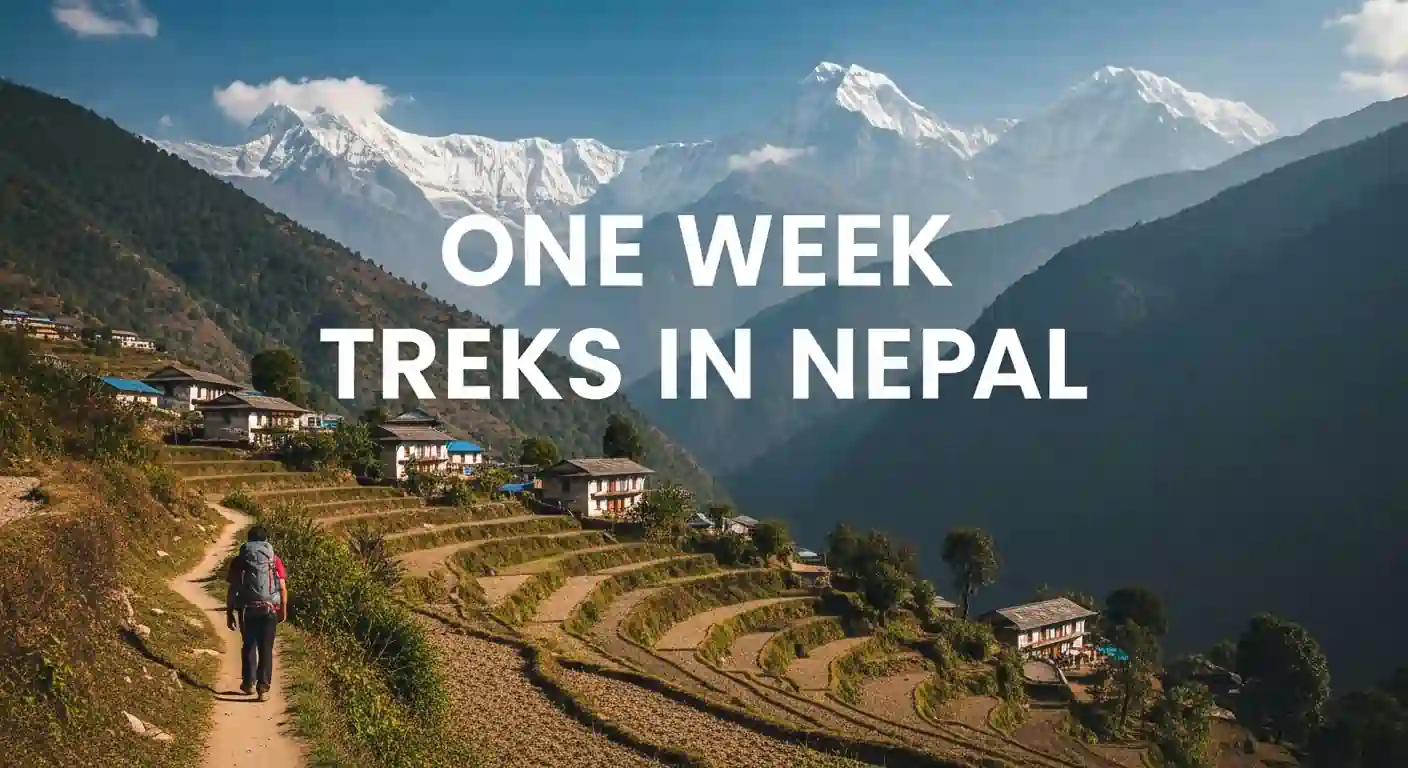
You’ve got seven days, a pair of broken-in boots, and a burning desire to stand face-to-face with the Himalayas. The question isn’t whether Nepal can deliver a meaningful trek in one week, it absolutely can, but which route will give you the mountain experience you’re actually looking for. Limited vacation time doesn’t mean settling for a compromised adventure when Nepal’s trekking regions offer complete Himalayan immersion within a single week.
In this blog about one week treks in Nepal, we break down the eight strongest trekking options for 2026, covering everything from altitude and difficulty to seasonal timing, realistic costs, and the practical decisions that separate a great trek from a logistical headache. You’ll discover which routes deliver glacier views, cultural encounters, and high-altitude challenges within a 5–7 day timeframe, plus the insider knowledge you need to choose the trekking in Nepal for beginners that matches your goals and fitness level.
Why One Week Is the Ideal Duration for Hiking Nepal?
One-week treks in Nepal deliver breathtaking Himalayan views, cultural immersion, and high-altitude experiences within a 5–7 day timeframe. The most popular options include the scenic Ghorepani Poon Hill trek, the dramatic Langtang Valley trek, the panoramic Pikey Peak trek, and the challenging Mardi Himal trek. Many of these routes are accessible from Pokhara or Kathmandu by short drives or domestic flights.
Seven days hits a practical sweet spot for first-time Himalayan trekkers. You get meaningful acclimatization time, genuine mountain immersion, and the satisfaction of reaching a significant destination without the two-week commitment that longer circuits demand, making it ideal for adventure trekking in Nepal.
For travelers juggling limited vacation days, this timeframe delivers maximum impact with realistic logistics. You can fly into Kathmandu on a Saturday, trek for a week, and still have buffer days for weather delays before your return flight.
Best One Week Trekking Routes in Nepal
Nepal offers remarkable variety within the one-week window, from glacier-fed valleys to sacred alpine lakes. The routes below represent the strongest options for 2026, each with distinct character and appeal depending on your priorities.
| Trek Name | Region | Max Altitude | Difficulty | Best For |
| Langtang Valley | Langtang | 3,870m | Moderate | Glacier views, Tamang culture |
| Mardi Himal | Annapurna | 4,500m | Moderate-Challenging | Solitude, ridge walking |
| Ghorepani Poon Hill | Annapurna | 3,210m | Easy-Moderate | Beginners, sunrise panoramas |
| Annapurna Base Camp (Short) | Annapurna | 4,130m | Challenging | Mountain amphitheater |
| Everest View | Khumbu | 3,880m | Moderate | Iconic Everest views |
| Helambu | Helambu | 3,650m | Easy-Moderate | Accessibility, monasteries |
| Pikey Peak | Solukhumbu | 4,065m | Moderate | Off-the-beaten-path Everest views |
| Gosaikunda Lake | Langtang | 4,380m | Moderate-Challenging | Sacred lakes, pilgrimage |
1. Langtang Valley Trek
The Langtang Valley trek sits closer to Kathmandu than any other major trekking region. A 7–8 hour drive brings you to the trailhead at Syabrubesi, which eliminates weather-dependent flights entirely.
You’ll walk through rhododendron forests into a glacial valley framed by 7,000-meter peaks, passing through Tamang villages where Tibetan Buddhist culture shapes daily life. Teahouse availability remains excellent throughout the valley, and the moderate difficulty suits trekkers with reasonable fitness.
The trail reaches Kyanjin Gompa at 3,870 meters, where you can add a day hike to Tserko Ri (4,984m) for even more dramatic views if your schedule allows.
2. Mardi Himal Trek
Mardi Himal trek emerged as a quieter alternative to the crowded Annapurna Base Camp trail. The route follows a high ridge with unobstructed views of Machapuchare (Fishtail) and Annapurna South, culminating at a high camp around 4,500 meters.
Fewer trekkers mean more authentic interactions with local families running the smaller lodges along the way. If you value solitude over infrastructure, Mardi Himal rewards that preference handsomely.
3. Ghorepani Poon Hill Trek
Poon Hill remains the classic introduction to Himalayan trekking for good reason. The 3,210-meter viewpoint delivers a 360-degree sunrise panorama spanning Dhaulagiri, Annapurna, and Machapuchare within a 4–5 day walking itinerary.
The trail passes through Gurung villages and rhododendron forests that explode with color during spring. Well-established teahouses line the entire route, making Poon Hill the most beginner-friendly option on the list.
4. Annapurna Base Camp Short Trek
The full Annapurna Base Camp trek typically runs 10–12 days, but fit hikers can compress it into seven days with longer walking days of 7–8 hours. You’ll reach the famous sanctuary at 4,130 meters, a natural amphitheater surrounded by Annapurna I, Machapuchare, and Hiunchuli.
This compressed itinerary demands solid cardiovascular fitness and previous hiking experience. The payoff is standing in one of the most dramatic mountain settings on Earth.
5. Everest View Trek
You don’t need two weeks to see Everest. The Everest View Trek flies into Lukla, climbs to Namche Bazaar for acclimatization, then continues to Syangboche and the famous Hotel Everest View at 3,880 meters.
From here, Everest, Lhotse, and Ama Dablam dominate the horizon. This route works well for trekkers who want the iconic Khumbu experience without the full Everest Base Camp trek commitment.
The Lukla flight adds adventure and occasional weather delays, so building buffer days into your schedule is wise.
6. Helambu Trek
Helambu offers the most accessible Himalayan trekking from Kathmandu. No flights are required, just a short drive to the trailhead. The route stays at lower elevations (maxing around 3,650m), making it viable during monsoon and winter when higher trails become problematic.
Sherpa villages, Buddhist monasteries, and terraced farmland characterize this region. For travelers with limited time or those arriving during shoulder seasons, Helambu provides a genuine mountain experience without significant altitude concerns.
7. Pikey Peak Trek
Sir Edmund Hillary reportedly called Pikey Peak the best viewpoint for Mount Everest. The 4,065-meter summit delivers on that reputation, and the route avoids the Lukla flight entirely by starting from Phaplu or Salleri in the Solukhumbu region.
Fewer tourists walk this trail, so you’ll experience authentic village life and uncrowded lodges. The Everest panorama from the summit stretches from Kanchenjunga to Cho Oyu.
8. Gosaikunda Lake Trek
Gosaikunda sits at 4,380 meters within Langtang National Park, a sacred site for both Hindu and Buddhist pilgrims. The trail climbs steeply through alpine terrain to reach a chain of glacial lakes that hold deep religious significance.
This trek suits those seeking spiritual atmosphere alongside physical challenge. The terrain is steeper than Langtang Valley, and the altitude demands respect, but the reward is standing at one of Nepal’s holiest natural sites.
Best Time of Year for Himalaya Trekking in Nepal
Choosing the right season for your Nepal trek directly impacts visibility, weather conditions, and trail accessibility. Nepal’s climate creates four distinct trekking windows throughout the year, each offering different advantages and challenges. Understanding these seasonal patterns helps you match your available dates with the conditions that suit your priorities. The timing you choose will shape everything from mountain views to crowd levels and teahouse availability along your route.
1. Autumn Season from September to November
Autumn delivers the most reliable trekking conditions in Nepal. Post-monsoon skies clear to reveal sharp mountain views, temperatures remain comfortable at moderate altitudes, and major festivals like Dashain and Tihar add cultural richness.
The trade-off is that everyone knows autumn is prime season. Popular trails see higher traffic, and teahouses fill quickly. Booking guides and permits in advance becomes more important during October and November.
2. Spring Season from March to May
Spring brings warming temperatures and rhododendron blooms that paint the hillsides red, pink, and white. Wildlife becomes more active, and the pre-monsoon atmosphere creates dramatic cloud formations around the peaks.
Late May can bring afternoon clouds and occasional pre-monsoon showers, but mornings typically remain clear. Spring offers nearly the quality of autumn with slightly fewer crowds.
3. Monsoon Season from June to August
Heavy rainfall, leeches, and obscured mountain views make monsoon the least popular trekking season. However, rain-shadow regions like Upper Mustang and Dolpo receive minimal precipitation and remain viable during these months.
If monsoon is your only option, focus on protected areas or lower-altitude cultural treks where views matter less than village experiences.
4. Winter Season from December to February
Cold temperatures and potential snow close high passes and make teahouses above 4,000 meters uncomfortable or inaccessible. However, lower-altitude treks like Poon Hill and Helambu remain viable, offering clear skies and virtually empty trails.
Winter trekking rewards those who tolerate cold mornings with exceptional visibility and solitude that’s impossible during peak seasons.
How to Choose the Right One Week Trek for Your Goals?
Choose your one week trek based on three key factors: your current fitness level, your experience with altitude, and whether you prioritize mountain views or cultural immersion. Start by honestly evaluating how many hours you can comfortably hike daily with a loaded pack. Then consider your altitude history, as treks above 4,000 meters require proper acclimatization regardless of fitness. Finally, decide if you want dramatic summit panoramas, authentic village experiences, or a balance of both to narrow your options effectively.
Also Read: How To Choose The Best Trekking Company In Nepal?
1. Match Difficulty to Your Fitness Level
“Moderate” difficulty in Nepal typically means 5–6 hours of walking daily with elevation gains of 500–800 meters. “Challenging” pushes toward 7–8 hours with steeper terrain.
If you’re not currently hiking regularly with a loaded pack, start with easier options like Poon Hill or Helambu. Overestimating your fitness leads to exhaustion, altitude problems, and a miserable experience.
2. Consider Maximum Altitude and Acclimatization Needs
Acute Mountain Sickness (AMS) can affect anyone above 2,500 meters, regardless of fitness level. Symptoms include headache, nausea, fatigue, and difficulty sleeping.
Treks reaching above 4,000 meters, like Mardi Himal or Gosaikunda, require built-in acclimatization days and slower ascent profiles. If you’ve never been to high altitude, choosing a trek that stays below 4,000 meters reduces your risk significantly.
3. Decide Between Mountain Views and Cultural Immersion
Some treks prioritize summit panoramas (Pikey Peak, Mardi Himal), while others emphasize village homestays and monastery visits (Helambu, Langtang). Clarifying your priorities helps narrow the options.
Langtang Valley and Poon Hill deliver strong combinations of mountain scenery and cultural interaction if you want both.
What to Pack for a One Week Trek in Nepal?
Pack layered, versatile clothing instead of specialized gear for every scenario. This approach keeps your pack light and reduces stress on the trail. Focus on items that serve multiple purposes and can be combined in different ways as temperatures change throughout the day. Smart packing means bringing only what you’ll actually use, not what you might need in unlikely situations.
1. Clothing and Layering Essentials
- Moisture-wicking base layers: Synthetic or merino wool tops and bottoms that dry quickly after sweating
- Insulating mid-layers: Fleece jacket or down vest for cold mornings and evenings at altitude
- Waterproof outer shell: Rain jacket and pants for unexpected weather changes
- Warm hat and gloves: Essential above 3,000 meters, even in autumn
The layering system allows you to adjust throughout the day as temperatures swing from cold mornings to warm midday sun.
2. Footwear and Trekking Accessories
Broken-in trekking boots with ankle support prevent blisters and injuries on uneven terrain. Trekking poles reduce knee strain on descents, particularly valuable on steep sections like the Poon Hill stairs.
Sunglasses with UV protection become critical at altitude, where snow and thin atmosphere intensify glare. A wide-brimmed hat or buff protects your face and neck from sun exposure.
3. Personal Items and Travel Documents
- Passport with at least six months validity
- Travel insurance documentation (verify high-altitude coverage up to your trek’s maximum elevation)
- Copies of permits (your guide typically handles originals)
- Basic first aid kit with blister treatment and personal medications
- Headlamp with spare batteries
- Water purification tablets or filter
Tip: Marvel Treks provides complimentary gear including down jackets, sleeping bags, duffels, and raincoats, which reduces what you need to purchase or pack from home.
How Much One Week Treks in Nepal Cost?
One week treks in Nepal typically cost between $600 and $1,500 USD for guided packages. Your final price depends on the trekking region you choose, the season you travel, and whether you join a group departure or book a private trek. Remote areas like Everest View cost more due to flight expenses, while road-accessible regions like Langtang offer better value. Understanding these price factors helps you budget accurately and spot operators cutting corners with unrealistically low quotes.
1. Guided Trek Package Pricing
Guided packages for one-week treks typically range from $600–$1,500 USD depending on group size, season, and inclusions. Smaller groups and peak-season departures cost more, while joining a scheduled group departure reduces per-person costs.
The value of a guided package becomes clear when you factor in the logistics, safety support, and local expertise that would be difficult to replicate independently.
2. Permits and National Park Entry Fees
- TIMS Card (Trekkers’ Information Management System): $10–20 USD
- National Park Entry: $30–50 USD depending on the park
- Restricted Area Permits: Additional fees for regions like Upper Mustang or Manaslu
Guided packages typically include permit fees, so you won’t need to navigate the bureaucracy yourself.
3. What Is Included and Excluded in a Typical Package?
Typically included:
- Licensed guide and porter services
- Teahouse accommodation (twin-sharing)
- Three meals daily on the trail
- All permits and entry fees
- Airport transfers and domestic transport
Typically excluded:
- International flights
- Travel insurance
- Personal expenses (hot showers, charging, snacks)
- Tips for guides and porters
- Nepal visa fees
Marvel Treks includes complimentary gear loans (down jacket, sleeping bag, duffel, raincoat) that many operators charge extra for.
Tips for a Successful One Week Trek in Nepal
Success on the trail starts before you leave home. A few targeted preparations separate trekkers who struggle through each day from those who genuinely enjoy the experience. The difference between exhaustion and exhilaration often comes down to how seriously you take pre-trek training, what you pack, and whether you understand basic altitude principles. These practical steps transform a challenging trek into an achievable adventure.
1. Train Your Body Before You Arrive
Cardiovascular conditioning matters more than strength training for trekking. Hiking with a loaded pack, stair climbing, and sustained cardio (running, cycling, swimming) all build the endurance you’ll need for 5–7 hour walking days.
Start training at least 6–8 weeks before departure. Your body will thank you on day three when the trail gets steep.
2. Hydrate and Ascend Slowly to Prevent Altitude Sickness
AMS symptoms can affect anyone above 2,500 meters. The “climb high, sleep low” principle helps: gain altitude during the day, then descend slightly to sleep.
Drinking 3–4 liters of water daily supports acclimatization. If symptoms worsen despite rest and hydration, descending is the only reliable treatment.
3. Trek with an Experienced Local Guide and Porter
Local guides navigate trail conditions, communicate with lodge owners in Nepali, and recognize early signs of altitude sickness. Porters carry the bulk of your gear, allowing you to walk with a light daypack and actually enjoy the scenery.
Beyond logistics, guides provide cultural context that transforms a walk into an education.
4. Respect Local Culture and Trekking Regulations
Pass mani stones and prayer wheels clockwise (keeping them on your right). Ask permission before photographing locals. Remove shoes before entering monasteries.
Leave No Trace principles apply in the Himalayas too. Pack out what you pack in, and avoid single-use plastics where possible.
5. Build Buffer Days into Your Itinerary
Weather delays happen, particularly with Lukla flights. Arriving in Kathmandu a day early and keeping a flexible return date prevents a missed international connection from ruining your trip.
One buffer day on each end of your trek provides insurance against the unpredictable.
Why Book with a Local Nepal Trekking Operator?
Local Nepal trekking operators provide superior on-ground expertise, direct community support, and logistical reliability that international platforms cannot replicate. When you book locally, your money directly supports Nepali guides, porters, and lodge owners while ensuring you work with the best expedition company in Nepal who navigate permits, weather changes, and trail conditions daily. Local operators respond immediately to problems instead of coordinating across time zones, and their guides bring years of firsthand mountain experience that no online booking system can match.
- Local expertise: Guides know current trail conditions, weather patterns, and emergency protocols from years of direct experience
- Community benefit: Revenue stays in Nepal and supports porter welfare, lodge owners, and local families
- Logistical ease: Permits, accommodation, and transport are handled by people who navigate these systems daily
- Responsive support: When problems arise, local teams can respond immediately rather than coordinating across time zones
Marvel Treks operates as a fully homegrown company, maintaining direct relationships with lodges and local communities throughout Nepal’s trekking regions.
Start Planning Your One Week Nepal Adventure
Seven days in the Himalayas can reshape how you see mountains, challenge, and yourself. The routes above offer genuine high-altitude experiences within a realistic timeframe.
Browse Marvel Treks’ one-week itineraries to find the route that matches your goals, or reach out via WhatsApp for personalized recommendations from the team in Kathmandu.
FAQs About One Week Treks in Nepal
Can you see Mount Everest on a one week trek in Nepal?
Yes, both the Everest View Trek and Pikey Peak Trek deliver clear Everest panoramas within a seven-day itinerary. You won’t reach Everest Base Camp in one week, but you’ll see the mountain itself from dramatic viewpoints in the Khumbu and Solukhumbu regions.
Do you need a guide for trekking in Nepal?
Recent regulations require licensed guides for most trekking regions in Nepal. Beyond the legal requirement, guides significantly improve safety, navigation, and cultural understanding, particularly for first-time Himalayan trekkers.
Is one week enough time to acclimatize safely on a Nepal trek?
One week works well for treks reaching moderate altitudes (up to 4,000–4,500 meters) when the itinerary includes proper acclimatization days. Rushing to high elevations without rest days increases AMS risk regardless of your fitness level.
What happens if weather delays your trek in Nepal?
Lukla flights cancel frequently during poor weather, and mountain storms can pause trail progress. Buffer days in your itinerary absorb delays, and travel insurance with trip interruption coverage provides financial protection.
Can beginners complete a one week trek in Nepal?
Yes, several routes like Poon Hill and Helambu are designed for first-time trekkers with moderate fitness. Previous hiking experience helps, but isn’t strictly necessary if you’ve prepared physically and chosen an appropriate difficulty level.
Are there one week treks in Nepal that avoid the Lukla flight?
Treks in the Annapurna, Langtang, and Helambu regions start with road transport from Kathmandu or Pokhara, eliminating weather-dependent domestic flights entirely. Pikey Peak also avoids Lukla by starting from Phaplu or Salleri.

Ready for your next Himalayan adventure?
Plan Your Next Big Adventure with Us
Explore Our AdventuresJoin our expert-guided journeys across Nepal and beyond, from classic trails to epic summits.