
Trekking Medical Kit: What to Pack in Your First Aid Kit for Nepal
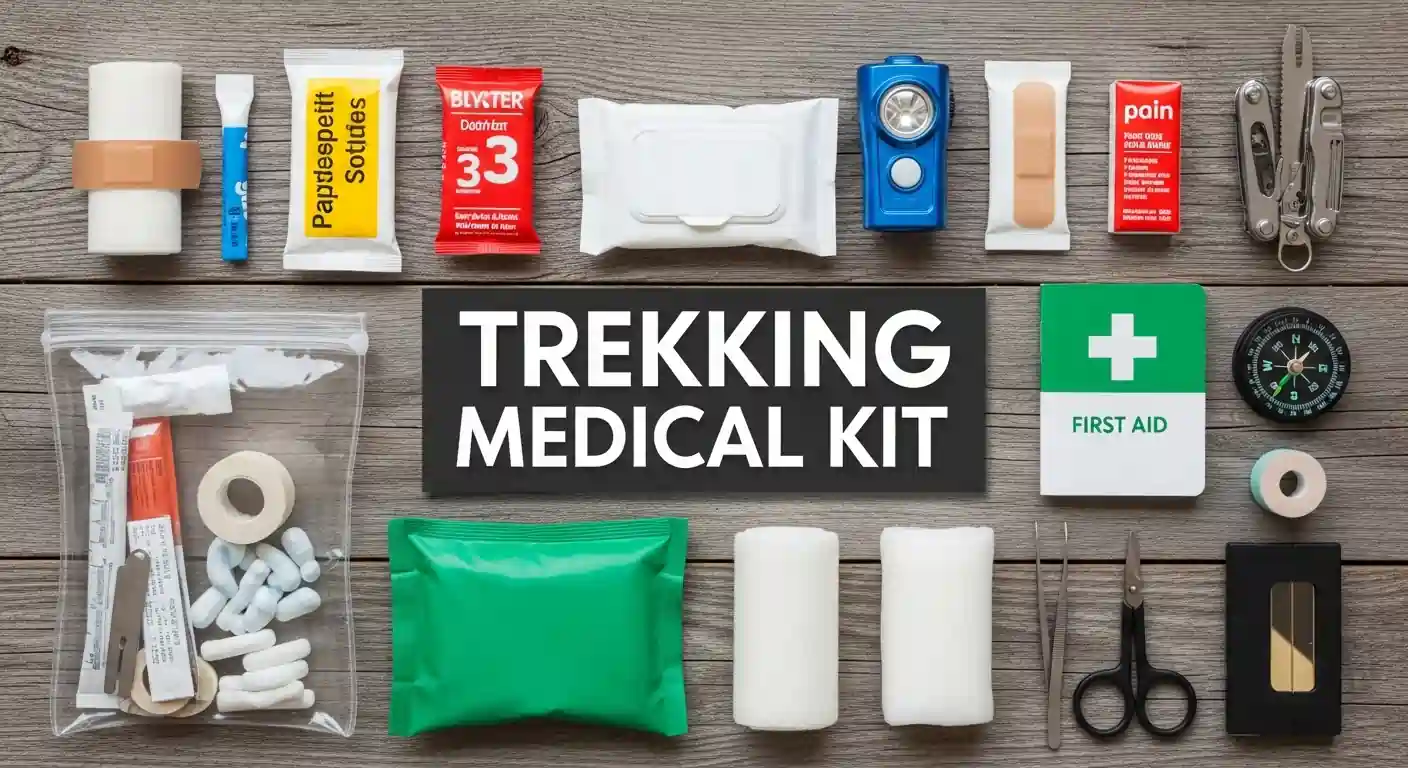
Imagine you’re halfway up the Khumbu Valley, surrounded by the jagged peaks of the Himalayas, and a simple blister or a sudden bout of “Delhi Belly” threatens to turn your dream expedition into a survival mission. In the remote wilderness of Nepal, where the nearest pharmacy might be a three-day trek away, your pack is your lifeline. A well-prepared kit isn’t just about band-aids; it’s about having the tactical tools to manage everything from minor scrapes to high-altitude emergencies before they escalate. Your health is the one piece of gear you can’t afford to let fail when you’re miles from civilization.
In this blog, we’re breaking down the ultimate medical kit for trekking, specifically tailored for the rugged terrain and unique health challenges of the Nepal Himalayas. We’ll go beyond the basic first aid box to explore essential medications for altitude, gastrointestinal health, and wound care, ensuring you’re prepared for every twist in the trail. Whether you’re aiming for Everest Base Camp or the quiet trails of Langtang, this guide will help you build a compact, lightweight, and life-saving kit that keeps you moving toward the summit with total peace of mind, making it a cornerstone of safe trekking in Nepal for beginners.
What Is a Trekking Medical Kit?
A trekking medical kit is a specialized collection of medical supplies and medications designed to treat altitude-related illnesses, environmental injuries, and gastrointestinal infections common in remote mountain regions. It differs from a standard first aid kit by prioritizing high-altitude pharmacology and long-term wound care for the Himalayan wilderness.
A trekking medical kit is essentially a “mobile clinic” tailored to the harsh realities of high-altitude environments. While a basic home first aid kit usually focuses on minor household accidents, a trekking-specific version is built around the “big three” mountain threats: altitude, infection, and trauma. This means packing life-saving drugs like Diamox for AMS, broad-spectrum antibiotics for severe stomach issues, and specialized blister care that can withstand 20-kilometer hiking days. It is the difference between having a simple bandage for a scratch and having the tactical tools to manage a respiratory crisis or a severe infection at 5,000 meters.
In the remote valleys of Nepal, every trekker should carry their own kit because professional medical help is often days away by foot. Trail conditions, unpredictable weather, and extreme geography can isolate a group in minutes, making immediate self-care a necessity for survival. Relying on the limited and often expired stock of a rural teahouse is a risk you shouldn’t take. Having your own supplies empowers you to treat symptoms the moment they appear, preventing a manageable health issue from spiraling into a life-threatening emergency or an expensive helicopter evacuation.
Why You Need a Trekking Medical Kit in Nepal
A trekking medical kit is essential in Nepal because the rugged terrain and extreme altitudes create unique health risks, such as AMS and severe infections ,in areas where professional medical help is often days away. Having your own supplies allows for immediate intervention when every minute counts, preventing minor injuries from escalating into life-threatening emergencies. It serves as your primary safety net in a wilderness where pharmacies and clinics simply do not exist.
Limited Access to Medical Facilities in Remote Areas
While major hubs like Namche Bazaar or Manang have basic aid posts, much of the Nepal trekking network passes through deep valleys and high passes where medical facilities are entirely nonexistent. In these remote sections, a “medical facility” might be a three-day walk away, and even emergency helicopter evacuations are strictly dependent on clear weather and daylight. Your personal kit ensures that you aren’t left helpless while waiting for a rescue that could be delayed by hours or even days.
High-Altitude Risks and Weather Challenges
The thin air above 3,000 meters makes trekkers susceptible to Acute Mountain Sickness (AMS), HAPE, and HACE, all of which require immediate pharmacological support or stabilization. Additionally, Nepal’s unpredictable mountain weather can lead to sudden temperature drops, increasing the risk of hypothermia and frostbite. A specialized kit provides the specific medications and insulation tools needed to manage these physiological stressors the moment the environment turns hostile or the air becomes too thin to sustain normal activity.
Importance for Solo Trekkers vs. Guided Treks
For solo trekkers, a comprehensive medical kit is a non-negotiable survival tool, as they are entirely responsible for their own health monitoring and emergency response. On guided treks, while a professional company provides a group kit, having your own personal supplies allows you to treat minor ailments like blisters or headaches without drawing on the group’s emergency reserves. This dual-layer approach ensures that you have immediate access to brands and dosages your body already trusts, while still benefiting from your guide’s expert oversight, which is a critical safety consideration for anyone planning solo trekking in Nepal.
Essential Items in a Trekking Medical Kit for Nepal
A comprehensive medical kit for trekking in Nepal must feature a strategic mix of high-altitude medications like Diamox, professional-grade wound care supplies including blister pads and sterile gauze, and gastrointestinal treatments like Imodium and Oral Rehydration Salts. Organizing these into a detailed, accessible kit ensures you can rapidly respond to common mountain ailments or emergency altitude symptoms in remote Himalayan environments.
| Category | Essential Items | Purpose & Trail Importance | Recommended Quantity |
| Basic First Aid & Trauma | Adhesive Bandages (Assorted), Sterile Gauze (4×4), Medical Tape, ACE Bandage | Manages everything from minor cuts to ankle sprains on uneven, rocky terrain. | 1 pack bandages, 10 gauze pads, 1 roll tape/ACE. |
| Wound Care & Hygiene | Antiseptic Wipes (BZK/Alcohol), Antibacterial Ointment (Neosporin), Hand Sanitizer | Prevents minor scratches from turning into serious infections in the dusty Nepal backcountry. | 10 wipes, 1 small tube, 1 travel-sized sanitizer. |
| Foot Health | Blister Pads (Compeed/Moleskin), Zinc Oxide Tape | The “trek-saver.” Stops hot spots before they become debilitating, trek-ending blisters. | 10 assorted pads, 1 roll tape. |
| Altitude & Hydration | Diamox (Acetazolamide), Oral Rehydration Salts (ORS) | Speeds up acclimatization and prevents severe dehydration caused by “thin air” and exertion. | 1-2 strips Diamox, 10 ORS packets. |
| Digestive Health | Loperamide (Imodium), Antacids, Antibiotics (e.g., Ciprofloxacin) | Combats “Trekker’s Diarrhea” and stomach infections caused by unfamiliar food or water sources. | 1 strip each; antibiotics by prescription. |
| Pain & General Meds | Ibuprofen/Paracetamol, Antihistamines, Throat Lozenges | Manages high-altitude headaches, muscle aches, allergies, and the dry “Khumbu Cough.” | 1-2 strips each, 1 pack lozenges. |
| Tools & Vitals | Tweezers, Small Scissors, Digital Thermometer | Essential for removing splinters, cutting tape, and monitoring for fever or hypothermia. | 1 of each (lightweight versions). |
| Personal & Prescription | Daily Routine Meds, Spare Vision Glasses, Copy of Prescriptions | Ensures continuity of care for existing conditions; prescription copies are vital for customs and emergencies. | Full duration + 5 days extra. |
Advanced Items for a Complete Medical Kit for Trekking
Advanced items for a complete medical kit for trekking include specialized blister care like Moleskin, antibiotic ointments to prevent infection in dusty environments, and diagnostic tools such as digital thermometers and tweezers. These additions move beyond basic first aid, allowing for the management of chronic trail injuries and early infection detection in remote areas.
While a basic kit covers the “oops” moments, an advanced kit is designed for the “uh-oh” scenarios that can happen ten days into a high-altitude expedition. These items are about sustainability and infection control, ensuring that a small, manageable issue doesn’t fester into a trip-ending medical evacuation. It’s the strategic difference between just surviving the day and maintaining your physiological health for the entire duration of the circuit, a philosophy that should guide every decision you make when packing for trekking in Nepal.
Blister Care Essentials
Blisters are the most common “trek-killer” in the Himalayas, and once they’ve formed, a standard band-aid simply won’t cut it under the pressure of a heavy pack. Moleskin and hydrocolloid blister pads act as a “second skin,” providing a thick, protective barrier that reduces friction and promotes rapid healing while you’re still logging high-mileage days. Advanced kits should also include a roll of zinc oxide tape to anchor these pads in place, ensuring they don’t slide off inside your boots during steep descents. The goal is to treat “hot spots” the second you feel them, effectively stopping the blister before it even starts.
Wound Care and Infection Prevention
In the thin, dry air of the Nepal highlands, your skin’s natural ability to heal is slightly compromised, and the ubiquitous trail dust is a prime breeding ground for bacteria. Antibiotic ointments like Neosporin or Polysporin are vital for creating a sterile, moist environment over any break in the skin, from a scraped knee to a split cuticle. Pairing these ointments with sterile, non-stick dressings and medical-grade tape allows you to create a secure, breathable barrier that keeps the grime out of your system. This proactive approach is your best defense against localized infections that could otherwise sideline you in a remote mountain camp.
Emergency Tools
Small diagnostic tools like a digital thermometer are worth their weight in gold for distinguishing between a simple “Khumbu Cough” and a genuine fever that might require antibiotics or a descent. Precision tweezers are essential for removing splinters, thorns, or debris from a wound, while a small, sturdy pair of scissors allows you to cut tape and dressings with accuracy even in cold conditions. While a CPR mask is an optional addition, it is a lightweight safety tool that provides a critical barrier during a cardiac emergency. These tools collectively turn your kit from a simple bag of pills into a functional medical station capable of handling real-world trail trauma.
How to Customize Your Trekking Medical Kit for Nepal?
Customizing your medical kit involves scaling your supplies based on the remoteness of your route, the specific physiological demands of the altitude, and your own unique medical history. A “one-size-fits-all” kit often fails in the Himalayas because it either lacks the volume needed for long expeditions or misses the specific treatments required for unique regional bugs and environmental stressors. By tailoring your supplies, you ensure that you aren’t carrying dead weight while still having the tactical tools to handle a crisis ten days away from the nearest hospital.
Based on Trek Duration
The length of your journey dictates the “redundancy” of your kit; a short 3-day trek near Pokhara requires only basic trauma and GI supplies, whereas a 21-day circuit demands a deep reserve of antibiotics and skin-repair tools. For longer expeditions, you must pack enough medication to complete a full course of treatment (like a 5-day antibiotic cycle) rather than just a few emergency pills. You also need to account for the cumulative wear and tear on your body, meaning extra blister pads and double the amount of Oral Rehydration Salts to combat the long-term effects of daily exertion in dry air.
Based on Trekking Region
Every region in Nepal has its own “medical personality” that requires specific adjustments to your kit. For the Everest region, the extreme cold and “Khumbu cough” make high-potency throat lozenges and chest decongestants absolute essentials. On the Annapurna Circuit, the massive daily descents and rocky trails mean you should prioritize advanced knee supports and an oversupply of blister prevention gear. Meanwhile, in the Langtang Valley, where trails can be damp and lower in elevation, seasonal leech protection and specific treatments for waterborne bacteria are more critical than in the high-alpine deserts of Mustang.
Based on Personal Health Needs
Your personal health profile is the most important variable; if you have a history of knee issues or “Himalayan knees,” your kit should feature high-quality compression sleeves and specialized anti-inflammatory gels. Those with chronic conditions like asthma or severe allergies must carry a double supply of their primary medications (like inhalers or EpiPens), keeping one set in their daypack and a backup in their main duffel. Even your general fitness level matters, if you’re a first-timer, you’re more likely to experience muscle spasms and fatigue, making magnesium supplements and topical muscle rubs a high-value addition to your custom kit.
Common Health Problems During Trekking in Nepal
The most common health problems during trekking in Nepal include Acute Mountain Sickness (AMS), gastrointestinal issues like traveler’s diarrhea, and physical injuries such as blisters or muscle strains. While the Himalayas offer breathtaking views, the combination of extreme altitude, rugged terrain, and varying hygiene standards can put significant stress on the human body. Being aware of these risks and packing a targeted medical kit allows trekkers to identify early warning signs and take corrective action before a minor ailment turns into a trip-ending emergency.
Altitude Sickness (AMS)
Altitude sickness is the primary health concern for anyone ascending above 2,500 meters, caused by the body’s inability to adapt quickly to lower oxygen levels. Early symptoms typically include a persistent headache, nausea, loss of appetite, and dizziness, often referred to as a “hangover-like” feeling. Prevention is built on the “climb high, sleep low” principle and a conservative ascent rate of no more than 300 to 500 meters of sleeping altitude per day. If symptoms persist or worsen into confusion or breathlessness at rest, an immediate descent of at least 500 to 1,000 meters is the only definitive life-saving treatment.
Dehydration and Diarrhea
Dehydration occurs rapidly in the thin, dry mountain air where you lose significant fluid through increased respiration and perspiration, often without feeling thirsty. Combined with “Trekker’s Diarrhea”, usually caused by contaminated water or unfamiliar bacteria in food, this can lead to severe fatigue and a weakened immune system. Treatment focuses on aggressive rehydration using Oral Rehydration Salts (ORS) and safe water practices like boiling or using UV purifiers. For severe bacterial infections, a short course of broad-spectrum antibiotics may be necessary to stabilize your system and allow you to continue the trek safely.
Blisters and Muscle Injuries
The rugged, uneven trails of the Himalayas place immense strain on your feet and lower body, frequently leading to debilitating blisters or muscle sprains. Blisters are caused by friction and moisture, making high-quality, moisture-wicking socks and well-broken-in boots your first line of defense against the “trek-killer.” Muscle injuries, such as calf strains or knee pain, often occur during steep descents, which is why trekking poles are essential for reducing impact on your joints. Care involves immediate attention to “hot spots” with Moleskin and using R.I.C.E. (Rest, Ice, Compression, Elevation) for any minor soft-tissue injuries sustained on the trail.
Packing Tips for Your Trekking Medical Kit
Efficiently packing your medical kit means striking a balance between being prepared for the worst and keeping your pack weight manageable for long days on the trail. By stripping away unnecessary packaging and organizing supplies by urgency, you ensure that your first aid kit remains an asset rather than a literal burden on your back. A well-packed kit is one where you can find exactly what you need in seconds, even when the wind is howling or your hands are cold.
Keep it lightweight but complete
Focus on “strip-packing”, remove pills from bulky cardboard boxes and carry only the blister packs with the dosage instructions taped to the back. Instead of carrying full bottles of generic pain relievers, pack only what you need for a complete treatment cycle plus a small safety buffer. This significantly reduces volume while ensuring you are still medically self-sufficient in remote regions where every gram of pack weight counts.
Use waterproof pouches
The Himalayas are famous for unpredictable rain and snow, and a soggy bandage or water-damaged pill is completely useless in a mountain emergency. Store your supplies in high-quality, transparent dry bags or heavy-duty Ziploc bags to keep them bone-dry and easily visible. This dual-layer protection prevents mountain moisture from ruining expensive medications like Diamox or compromising the sterility of your wound dressings.
Organize items for easy access
In a high-stakes moment, you don’t want to be dumping your entire pack onto a dusty trail just to find a single blister pad or an antiseptic wipe. Categorize your kit into smaller sub-pouches: one for “Daily Essentials” like sunblock and lip balm, and another for “Emergency/Trauma” items like gauze and altitude meds. Keeping your most frequently used items in an outside pocket of your daypack allows for instant access without breaking your trekking rhythm.
Check expiry dates before trekking
Many high-altitude medications lose their potency or can even become chemically unstable over time, making an expired pill a dangerous gamble at 5,000 meters. Before leaving Kathmandu, audit every item in your kit and replace anything that is nearing its expiration date or has damaged foil packaging. Ensuring your “last-line” antibiotics and altitude drugs are fresh is the most basic yet critical step in your pre-expedition preparation.
What Not to Pack in Your Trekking Medical Kit?
To maintain a lightweight and efficient pack, you should avoid heavy glass bottles, bulky cardboard packaging, duplicate medications with the same active ingredients, and any “just in case” drugs that are unfamiliar to your system. Every gram counts when you are climbing above 4,000 meters, so streamlining your kit to include only proven, high-utility essentials is the key to a manageable and effective medical safety net.
Avoid Unnecessary Heavy Items
The biggest weight offenders in a medical kit are heavy glass bottles, large plastic containers of liquid, and the original cardboard boxes for every pill. Instead, transfer essential liquids like antiseptics into small, leak-proof plastic travel tubes and “strip-pack” your medications by carrying only the foil blister packs. You should also skip heavy gadgets like full-sized blood pressure cuffs or massive first-aid manuals, as these take up valuable space that could be used for extra hydration or thermal layers.
Skip Duplicate Medications
It is a common mistake to pack three different brands of pain relievers or multiple types of anti-diarrheal tablets that all perform the same function. Choose one reliable, broad-spectrum option for each category, such as Ibuprofen for pain and Loperamide for stomach issues—to avoid redundant weight and confusion during an emergency. Consolidating your meds into one clear, labeled pouch ensures you know exactly which tool to reach for without sifting through a mountain of identical blister packs.
Do not carry unfamiliar drugs
The middle of a Himalayan trek is the worst possible place to discover you have an allergy or a severe side effect to a new medication. Avoid packing “strong” antibiotics or sleeping pills, which can dangerously depress your respiratory drive at high altitude, unless you have used them before under a doctor’s supervision. Sticking to medications your body already trusts ensures that you aren’t fighting an unexpected drug reaction while simultaneously trying to manage the physical stress of the trail.
Where to Buy a Trekking Medical Kit in Nepal?
You can easily purchase a trekking medical kit or individual supplies in the tourist hubs of Kathmandu (Thamel) and Pokhara, where numerous specialized pharmacies and gear shops stock high-altitude essentials. While generic first aid kits are widely available locally, it is often safer to source critical prescription medications, like specific antibiotics or high-altitude drugs, from your home country to ensure authenticity and correct dosage.
Pharmacies in Kathmandu
Thamel is home to several highly reputable pharmacies, such as Annapurna Pharmacy and various 24-hour clinics, that are well-versed in the needs of Himalayan trekkers. These shops stock local versions of Diamox (often sold as Zolomide), broad-spectrum antibiotics like Ciprofloxacin and Azithromycin, and a wide range of gastrointestinal treatments. Most pharmacists in these areas speak excellent English and can provide advice on dosage, but always check the expiry dates and ensure the blister packs are sealed before leaving the store.
Trekking Gear Shops in Thamel
Beyond pharmacies, legendary gear shops like Shona’s Alpine, Sherpa Adventure Gear, and various local outlets carry pre-assembled first-aid kits and essential sundries. These are the best places to pick up specialized items like high-quality blister pads (Compeed), zinc oxide tape, and lightweight trauma shears that are specifically designed for mountain use. Many of these shops also sell hydration bladders and water purification tablets, allowing you to build a comprehensive medical and hydration system all under one roof.
Preparing Your Kit Before Arrival vs. Buying Locally
Preparing your kit at home offers the advantage of familiarity and guaranteed quality, especially for prescription drugs that your own doctor has already cleared for your use. However, buying non-prescription items like bandages, basic pain relievers, and ORS packets in Kathmandu is significantly cheaper and helps support the local economy. A hybrid approach is often best: pack your “must-have” prescriptions and broken-in boots at home, then round out your kit with locally sourced antiseptic creams, lozenges, and hydration salts once you land in Nepal.
Conclusion
Building the ultimate medical kit for trekking is more than just a packing chore, it is a critical investment in your success and safety in the Himalayas. In an environment where the nearest hospital is a helicopter ride away and the “thin air” challenges your biology every hour, being prepared is the only way to ensure a minor blister or a manageable headache doesn’t end your journey prematurely. Whether you are crossing Thorong La or standing at Everest Base Camp, your first aid kit is the silent partner that keeps you moving toward the clouds.
Ultimately, the best medical kit is one you never have to fully use, but carrying it gives you the mental freedom to embrace the challenge of the trek. By combining a well-stocked kit with a slow pace, proper hydration, and the expert oversight of a professional team, you turn the risks of the high mountains into a safely managed adventure. Pack your kit with precision, trust your training, and get ready to experience the legendary trails of Nepal with total confidence.
Ready to Trek with the Safety Leaders?
Don’t leave your Himalayan health to chance. Marvel Treks provides the industry’s most rigorous medical safety protocols, ensuring every expedition is backed by veteran guides, emergency oxygen, and 24/7 medical support.
FAQS
What is the most common health issue for trekkers in Nepal?
Acute Mountain Sickness (AMS) is the most frequent health challenge, affecting nearly 50% of trekkers who ascend above 3,000 meters. While usually mild, it can escalate into serious conditions like HAPE or HACE if the warning signs, persistent headaches, nausea, and dizziness, are ignored in favor of continued ascent.
Is it safe to drink tap water in the mountains?
No, you should never drink untreated tap or stream water in Nepal as it often contains harmful bacteria and parasites like Giardia. Always use a high-quality water filter, UV purifier (like a SteriPEN), or chlorine/iodine dioxide tablets to ensure your hydration doesn’t lead to a trip-ending stomach infection.
Should I take Diamox even if I don’t feel sick?
Many doctors recommend taking Diamox as a prophylactic (preventative) measure starting 24 hours before you reach high altitude. This “pre-loading” helps your body adjust its blood chemistry early, providing a safety buffer that makes the actual transition to thin air much smoother and less symptomatic.
What is the “Khumbu Cough” and how do I treat it?
The “Khumbu Cough” is a dry, persistent cough caused by breathing the cold, arid air of high altitudes, which irritates the lining of the lungs. While not usually an infection, it can be managed by wearing a buff or mask to warm the air you breathe and using high-potency throat lozenges or hard candy to keep the throat moist.
How can I prevent blisters on a 12-day trek?
Prevention starts with moisture-wicking liner socks and well-broken-in boots, but the “golden rule” is to treat “hot spots” immediately. The moment you feel a burning sensation, stop and apply Moleskin or a hydrocolloid blister pad to eliminate friction before the skin actually breaks.
Can I buy prescription antibiotics over the counter in Kathmandu?
While many pharmacies in Kathmandu sell antibiotics without a physical prescription, it is strongly advised to consult a doctor first. Using the wrong antibiotic for a specific infection can be ineffective or cause severe side effects, so having a pre-cleared medical plan from your physician is always the safer route.
What should I do if my oxygen saturation (SpO2) drops?
If your SpO2 drops below 75% while resting, you should stop your ascent immediately and consult your guide about a rest day or a slight descent. While oxygen levels naturally dip at altitude, a significant drop combined with a high resting heart rate is a primary clinical indicator that your body is failing to acclimatize.
Is helicopter evacuation covered by standard travel insurance?
Most standard travel insurance policies do NOT cover high-altitude helicopter rescues unless you have specifically added a “mountaineering” or “trekking up to 6,000m” rider. Always double-check your policy’s altitude ceiling and ensure it includes “Emergency Medical Evacuation” before you set foot on the trail.

Ready for your next Himalayan adventure?
Plan Your Next Big Adventure with Us
Explore Our AdventuresJoin our expert-guided journeys across Nepal and beyond, from classic trails to epic summits.