
Annapurna Base Camp Solo Trek: Is It Possible?
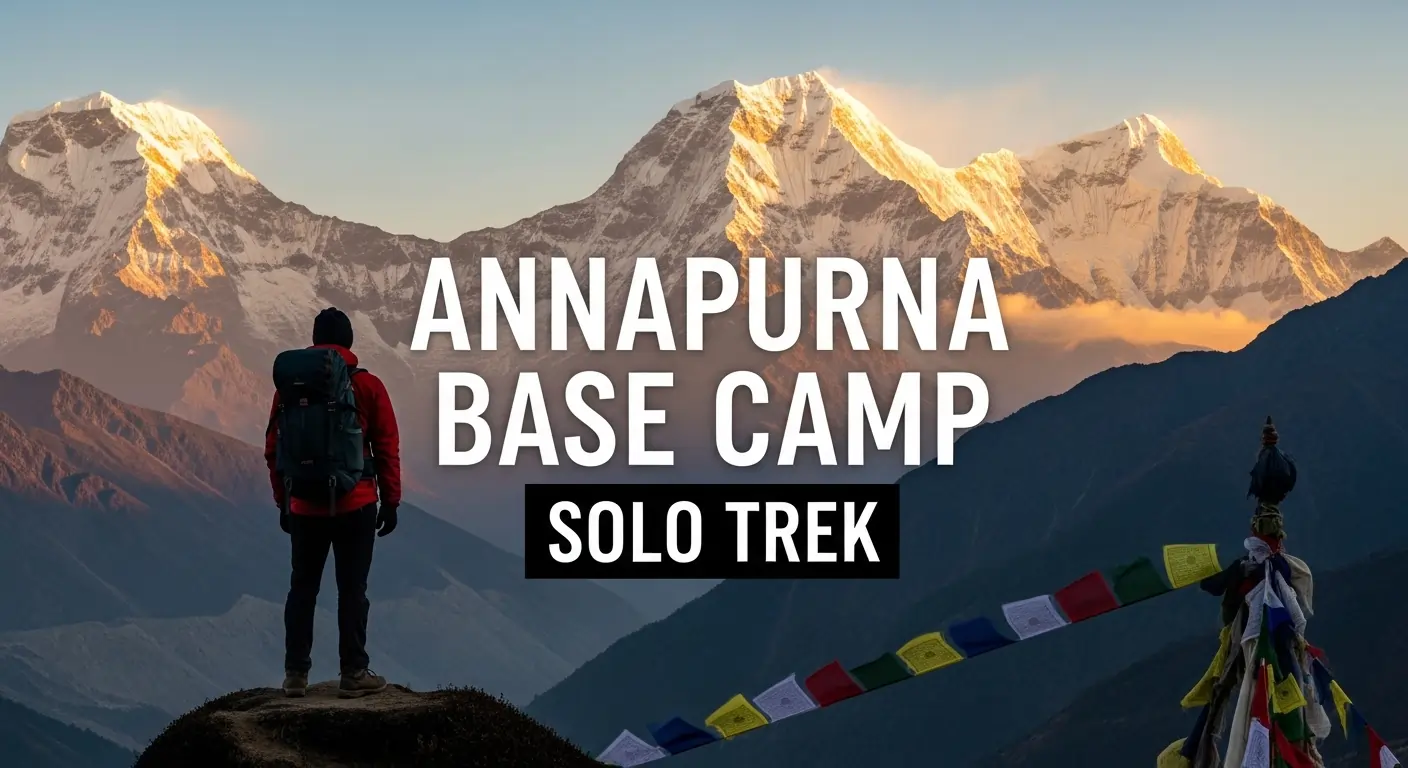
Annapurna Base Camp (ABC) trek has long been the crown jewel for independent “Free Independent Trekkers” (FITs) who craved the solitude of the sanctuary and the challenge of navigating the stone staircases of the Modi Khola valley alone. But as we move into the 2026 trekking season, the landscape of Himalayan travel has shifted. The question on everyone’s mind, from budget backpackers to solo adventurers, is no longer just “can I do it?” but “is it still legal?”
In this blog, we will explore the Annapurna Base Camp solo trek and provide the most up-to-date breakdown of the 2026 regulations, safety concerns, and the logistical reality of trekking without a guide. We’ll discuss why the “solo ban” was implemented, how it affects your permit process, and why even the most experienced hikers are now opting for private guided “solo” experiences. If you’re planning a trip to the heart of the Annapurnas this year, this guide is your essential first step for an Annapurna base camp trek.
🏔 Start Your Annapurna Base Camp Trek Journey
Overview of the Annapurna Base Camp Solo Trek
The Annapurna Base Camp (ABC) trek is a legendary journey into a natural mountain amphitheater, traditionally a favorite for solo trekkers seeking a mix of cultural intimacy and high-altitude drama. Known as the “Annapurna Sanctuary,” this route is one of Nepal’s most popular because it reaches a world-class base camp in just 7 to 11 days. While “pure” solo trekking is restricted by 2026 regulations, the spirit of the solo journey lives on through private guided treks that allow you to explore the stone-stepped villages and bamboo forests at your own personalized pace.
Key Facts About the ABC Trek
- Maximum Altitude: You will reach the heart of the sanctuary at 4,130 meters (13,550 ft), surrounded by 360-degree views of 7,000m and 8,000m peaks.
- Trek Duration: A standard itinerary typically spans 7 to 11 days, depending on your starting point and whether you include a side trip to Poon Hill.
- Starting Points: The trek commonly begins from Nayapul or the more modern trailhead at Jhinu Danda, which is famous for its natural riverside hot springs.
- Region: The entire route lies within the Annapurna Conservation Area, the largest protected area in Nepal, requiring specific entry permits (ACAP).
- Trek Difficulty: Classified as moderate, the challenge comes from the thousands of stone stairs and the rapid ascent into the high-altitude glacial basin.
- Accommodation: You will stay in established teahouses, which offer a social atmosphere where solo travelers often bond with other hikers over evening meals.
Is the Annapurna Base Camp Solo Trek Possible?
No, solo trekking to Annapurna Base Camp is no longer legally permitted for foreign nationals, as current regulations mandate that all trekkers must hire a licensed guide through a registered agency. This rule, strictly enforced across the Annapurna Conservation Area, requires your trekking permits to be linked to a certified professional. While “pure” solo hiking is a thing of the past, you can still experience the sanctuary as a “private solo trekker” by hiring a dedicated guide to accompany you.
The implementation of this mandatory guide policy serves as a critical safety net for adventurers entering the high-altitude sanctuary. By having a licensed guide, you ensure that someone is monitoring your acclimatization, navigating tricky avalanche-prone sections between Deurali and MBC, and handling the digital check-in process at various trail outposts. This evolution in trekking rules not only prioritizes your well-being but also supports the local economy and ensures that emergency rescues, should they be needed, are coordinated instantly through official channels, fundamentally changing the landscape of solo trekking in Nepal.
Why Travelers Consider the Annapurna Base Camp Solo Trek?
Many adventurers are drawn to the idea of a solo journey to Annapurna Base Camp because it offers a rare level of personal autonomy and a deep, meditative connection with the Himalayan landscape. While the legal requirement for a guide is now in place, the desire for a solo-style experience remains rooted in the pursuit of a flexible, self-paced expedition that avoids the rigid schedules of large tour groups, making it a more personalized alternative to the more structured paths often recommended for trekking in Nepal for beginners.
Freedom and Flexibility in Trekking Schedule
Trekking solo, or with a private guide, allows you to be the absolute master of your itinerary, choosing exactly when to start your day and where to stop for a tea break. You aren’t beholden to a group’s collective pace, meaning you can spend an extra hour photographing the golden light on Machhapuchhre or push ahead if you’re feeling energetic. This independence ensures that your journey through the Modi Khola valley feels like a personal discovery rather than a structured tour.
Budget-Friendly Trekking Option
Historically, solo trekking was the most cost-effective way to reach 4,130 meters, as it eliminated the daily fees for a professional guide and agency service charges. By managing their own logistics and gear, independent hikers could significantly reduce their daily expenses to just the cost of food and a basic teahouse bed. While the new guide mandate adds a daily cost, many “solo” travelers still minimize expenses by choosing local teahouses and managing their own equipment.
Personal Adventure Experience
There is a profound sense of accomplishment that comes from navigating the stone staircases and high-altitude plateaus of the Annapurna Sanctuary as an individual traveler. For many, the “solo” aspect is a spiritual challenge that tests their physical limits and mental resilience in one of the most beautiful environments on Earth. It provides a quiet space for reflection that is often lost when surrounded by the constant chatter and distractions of a large organized group.
Opportunity to Meet Other Trekkers Along the Trail
Traveling alone actually makes you more approachable, often leading to meaningful connections with fellow hikers from around the world in the communal dining halls of ABC teahouses. Without a group to fall back on, solo adventurers are more likely to strike up conversations with locals and other trekkers, sharing stories and trail tips over a steaming plate of Dal Bhat. This social “village vibe” is a hallmark of the Annapurna route, ensuring you are never truly lonely even when trekking “solo.”
Ready to Walk into the Heart of the Himalayas?
The Annapurna Base Camp Trek offers breathtaking mountain views, rich culture, and an unforgettable Himalayan adventure with Marvel Treks.
Annapurna Base Camp Trek Difficulty for Solo Trekkers
The Annapurna Base Camp trek is classified as a moderate difficulty challenge, characterized by thousands of steep stone stairs and a final push into a high-altitude glacial basin at 4,130 meters. While the trail does not require technical climbing skills, the physical demand comes from the consistent “Nepali flat” terrain, a series of intense ascents and descents through the Modi Khola valley. For those trekking with a private guide, the journey is manageable with a basic fitness routine, as the well-established teahouse infrastructure allows for frequent rest stops and comfortable overnight recovery, making it the perfect benchmark for the Annapurna base camp trek difficulty level.
Physical Difficulty Level
You should be prepared for 5 to 7 hours of active walking each day, navigating an undulating landscape that tests both your cardiovascular endurance and leg strength. The most infamous section involves the steep stone steps leading up to Chhomrong and the subsequent descent, which can be taxing on the knees during the return journey. Maintaining a steady, rhythmic pace is essential for solo-style trekkers to avoid burnout before reaching the sanctuary. Regular pre-trek training, such as hiking with a weighted pack or stair climbing, will significantly enhance your comfort level on these rugged Himalayan paths.
Altitude Challenges
Reaching an elevation of 4,130m presents a significant risk of Acute Mountain Sickness (AMS), making a gradual ascent and proper hydration non-negotiable for safety. As you pass the 3,000m mark near Dobhan and Himalaya, the air becomes noticeably thinner, and your body requires more effort to perform basic tasks. Since you are trekking with a mandatory guide, they will monitor your oxygen levels and ensure you don’t ascend too rapidly into the base camp heights. It is vital to “climb high and sleep low” where possible and to listen to your body’s signals, such as persistent headaches or nausea, to prevent altitude-related emergencies.
Trail Conditions
The ABC trek features some of the best-maintained and well-marked trails in Nepal, supported by a world-class teahouse trekking infrastructure that provides a safety net for hikers. You will walk through diverse environments ranging from lush rhododendron forests and bamboo thickets to the stark, rocky moraines of the high sanctuary. Most sections are wide and easy to follow, though the stretch between Deurali and MBC requires caution due to potential avalanche tracks and slippery iced surfaces in the shaded canyons. The abundance of lodges every few hours means you are never far from a hot meal, a warm bed, and fellow travelers, making the “solo” experience feel remarkably supported.
How Safe Is the Annapurna Base Camp Solo Trek?
The Annapurna Base Camp trek is considered one of the safest high-altitude routes in the world due to its well-defined trails, high density of teahouses, and the constant presence of fellow trekkers. While the “pure solo” status is currently a debated topic in 2026 due to shifting government guide regulations, the physical trail remains very manageable for experienced independent hikers. Safety here is less about finding your way and more about respecting the high-altitude environment and the physical toll of the legendary stone staircases.
Safety of the Annapurna Trekking Trails
The ABC trail is a bustling mountain highway that passes through established villages every few hours, ensuring that you are never truly isolated from help or hospitality. In 2026, the trail infrastructure has seen significant upgrades, with reinforced suspension bridges and better-maintained stone steps in steep sections like the Chhomrong climb. Because it is one of Nepal’s most popular routes, there is a constant flow of trekkers and local staff, creating a “community watch” environment where help is always nearby. Lodge owners along the route are famously supportive of solo travelers, often keeping a close eye on anyone arriving late or appearing unwell, which adds a unique layer of social safety to the journey.
Potential Risks for Solo Trekkers
The primary risks for solo hikers at ABC are rapid weather shifts, altitude sickness (AMS), and the notorious avalanche-prone stretch located between Deurali and Machhapuchhre Base Camp. Without a professional guide to recognize the subtle, early signs of mountain sickness, solo trekkers often fail to realize their judgment is deteriorating until a medical emergency becomes unavoidable. Sudden afternoon blizzards or thick fog can also obscure the trail in higher elevations, turning a simple path into a navigational nightmare for someone without local knowledge of the terrain. Furthermore, a minor injury like a sprained ankle can become a major crisis if you are in a quiet section of the trail without a partner or guide to coordinate an immediate response or helicopter evacuation.
Tips to Stay Safe While Trekking Alone
To ensure a safe solo journey, you must strictly follow the “climb high, sleep low” rule, maintain a steady pace, and always register your daily destination with your current teahouse owner before leaving. In 2026, it is highly recommended to carry a satellite communication device like a Garmin inReach, as mobile signals can be unreliable in the deep canyons of the Modi Khola. Always have offline maps like Gaia GPS or Maps.me downloaded on your phone, and carry a physical backup map for when batteries fail in the cold. Finally, if the weather looks threatening or the terrain feels risky, don’t hesitate to “shadow” a larger guided group or group up with other solo travelers, there is safety in numbers, and the trekking community is always happy to look out for one another.
Permits Required for the Annapurna Base Camp Solo Trek
To trek to Annapurna Base Camp, you must obtain two primary permits: the Annapurna Conservation Area Permit (ACAP) and the Trekkers’ Information Management System (TIMS) card. While the region is highly accessible, these documents are mandatory for all foreign nationals and are checked at several military and police outposts along the trail. Having these permits ready ensures you are legally registered in the system, which is crucial for safety monitoring and supporting the environmental conservation of the sanctuary.
Annapurna Conservation Area Permit (ACAP)
The ACAP is a mandatory entry pass that costs NPR 3,000 (approx. $23) and is designed to fund the protection of the local flora, fauna, and trail infrastructure. This permit is valid for a single entry and can be easily obtained at the Nepal Tourism Board offices in Kathmandu or Pokhara with your passport and two photos. Since the ABC trek lies entirely within this protected zone, you must keep this document on your person at all times, as failing to show it at checkpoints like Birethanti can result in immediate fines or a doubled permit fee.
TIMS Card (Trekkers’ Information Management System)
The TIMS card is a safety-focused registration document that costs NPR 2,000 (approx. $15) for solo travelers and acts as a tracking tool for search and rescue operations. This card helps the government maintain a digital record of who is on the trail at any given time, providing vital information in the event of natural disasters or medical emergencies. While regulations regarding independent TIMS cards can fluctuate, it currently remains a standard requirement that ensures your insurance and emergency contacts are linked to your specific trekking route in the Annapurna region.
Updated Trekking Regulations for Solo Travelers
Recent updates from the Nepal Tourism Board have emphasized that while the ABC trail remains open to solo adventurers, hiring a licensed guide is strongly recommended for enhanced safety and easier permit processing. In many cases, obtaining a TIMS card as a completely independent traveler has become more complex, as the system now prioritizes trekkers who are supported by registered agencies. These regulations are designed to reduce the number of missing person cases and ensure that every hiker has access to professional medical and navigational support in the high-altitude sections of the sanctuary.
Annapurna Base Camp Solo Trek Itinerary Example
A standard itinerary for an Annapurna Base Camp solo-style trek typically spans 7 to 11 days, starting from Pokhara and climbing through the Modi Khola valley. While there are several route variations, most hikers choose a path that balances steady acclimatization with the physical challenge of the sanctuary’s stone staircases.
Day-by-Day Trekking Route
The most popular route begins with a short drive from Pokhara to the trailhead at Nayapul or Jhinu Danda, followed by a steady ascent through the Gurung heartland of Chhomrong. From there, the trail narrows as you enter the dense bamboo and rhododendron forests of the sanctuary, eventually reaching the alpine landscapes of Deurali and Machhapuchhre Base Camp. The climax of the journey is the final push into the high-altitude glacial basin of Annapurna Base Camp (4,130m), followed by a rapid but scenic descent back through the same valley or via a loop through the hot springs at Jhinu.
Key Stops on the Trek
Critical milestones along the trail include the bustling village of Chhomrong, known for its endless stone steps, and the atmospheric riverside stop at Bamboo. As you gain altitude, the settlement of Deurali serves as a vital acclimatization point before the final transition into the treeless high-alpine zone of Machhapuchhre Base Camp. Each of these stops offers well-established teahouses and lodges that provide essential warmth, hot meals, and the chance to bond with other travelers, making the solo experience feel remarkably connected and safe.
Best Time for an Annapurna Base Camp Solo Trek
The best time to trek to Annapurna Base Camp is during the spring (March to May) and autumn (September–November) seasons, which offer the most stable weather and clearest mountain views. These peak windows ensure that the notorious stone staircases are dry and the high-altitude sanctuary is accessible without the hindrance of heavy monsoon rains or deep winter snow, perfectly aligning with the overall best season for trekking in Nepal.
Spring Season (March-May)
Spring is a breathtaking time for the sanctuary, as the lower trails erupt in a vibrant display of red and pink rhododendron blooms against a backdrop of snow-capped peaks. The temperatures are comfortably warm for walking, and the increasing daylight hours provide ample time to reach the base camp before the afternoon clouds roll in. This is the prime season for nature lovers who want to see the Annapurna wilderness at its most colorful and alive.
Autumn Season (September-November)
Autumn is widely considered the gold standard for ABC trekking because the post-monsoon air is scrubbed clean, offering the sharpest high-definition views of the entire massif. With the most predictable weather patterns of the year, this season provides crisp blue skies and moderate temperatures that are perfect for the steady climb through the Modi Khola valley. It is also a culturally rich time to trek, as it coincides with Nepal’s major harvest festivals and vibrant village celebrations.
Winter and Monsoon Considerations
While trekking in winter (December–February) offers crystal-clear skies and empty trails, solo-style trekkers must be prepared for sub-zero temperatures and potential trail closures due to heavy snow. Conversely, the monsoon (June–August) brings lush green landscapes and fewer crowds, but hikers must navigate slippery paths, leeches, and obscured mountain views. For those who prioritize solitude and have the right technical gear, these off-peak months offer a raw and challenging Himalayan experience.
Essential Gear for a Solo Trek to Annapurna Base Camp
Packing for a solo-style trek to Annapurna Base Camp requires a strategic balance between minimizing weight for the thousands of stone steps and ensuring you have technical layers for -10°C nights. Since you are managing your own pace, keeping your total pack weight under 10kg is essential to maintain agility and reduce the risk of knee strain on the long descents from the sanctuary.
Trekking Clothing and Footwear
A modular layering system consisting of moisture-wicking base layers, a warm fleece mid-layer, and a waterproof outer shell is the gold standard for adapting to the Annapurna’s shifting micro-climates. You must prioritize high-quality, broken-in trekking boots with strong ankle support to navigate the uneven stone paths, and always carry a dedicated pair of lightweight camp shoes for evening recovery in the teahouses. Investing in wool or synthetic socks is equally critical to prevent blisters and keep your feet dry during the humid stretches of the lower bamboo forests.
Navigation and Safety Equipment
For independent-minded travelers, carrying a combination of a physical map, offline GPS apps like Maps.me, and a satellite communicator is vital for maintaining safety in the deep, signal-less canyons. Because the trail between Deurali and Machhapuchhre Base Camp is prone to avalanches, having a reliable way to check weather updates and signal for help is a non-negotiable safety requirement. A basic medical kit containing Diamox for altitude, blister pads, and water purification tablets should always be kept in an easily accessible pocket of your backpack.
Backpack Essentials for Solo Trekkers
A 30 to 40-liter technical backpack with a supportive hip belt is the ideal size to carry your daily essentials, including a headlamp with spare batteries and a high-capacity power bank. You should also pack a lightweight 4-season sleeping bag and a silk liner to ensure warmth and hygiene in the high-altitude teahouses where blankets can be limited. Don’t forget a sturdy rain cover for your pack and dry bags for your electronics, as sudden afternoon rain showers are a hallmark of the Annapurna region’s weather patterns.
Cost of the Annapurna Base Camp Solo Trek
A solo-style, guide-supported trek to Annapurna Base Camp typically costs between $600 and $1,100, depending on the trek’s duration and your level of comfort. While the daily cost of food and lodging is relatively low, the total budget must now account for mandatory 2026 licensed guide fees and transportation from hubs like Pokhara. These costs ensure you have a safe, legally compliant journey into the heart of the Annapurna Sanctuary.
| Expense Category | Estimated Cost (USD) | Details and Inclusions |
| Mandatory Permits | $50 – $60 | Includes ACAP ($23) and the required agency-linked registration. |
| Licensed Guide | $250 – $350 | Mandatory daily rate ($25–$35/day) covering their salary, food, and insurance. |
| Food & Water | $300 – $450 | Based on $30–$45 per day for three hot meals and drinking water. |
| Accommodation | $50 – $100 | Twin-sharing rooms in teahouses ($5–$15 per night). |
| Transportation | $30 – $100 | Varies from local buses/jeeps to private transport from Pokhara. |
| Misc. (WiFi/Hot Showers) | $40 – $70 | Daily fees for charging electronics, hot showers, and internet access. |
| Total Estimated Budget | $720 – $1,130 | Total for a standard 10-day itinerary. |
Advantages and Challenges of an Annapurna Base Camp Solo Trek
The Annapurna Base Camp solo trek offers a unique trade-off between absolute personal freedom and the increased physical and logistical responsibility of navigating the Himalayas alone. While the solitude and self-paced nature of the journey are major draws for independent travelers, the challenges, ranging from altitude safety to the 2026 mandatory guide regulations, require careful consideration before setting out.
| Category | Advantages of Solo Trekking | Challenges of Trekking Alone |
| Flexibility & Pace | You are the master of your own schedule; you can start at sunrise, take long photography breaks, or stay an extra day in a village like Chhomrong without consulting a group. | Managing your own pace requires high self-discipline; without a guide to monitor your speed, it is easy to overexert yourself and increase the risk of exhaustion or altitude sickness. |
| Cost & Budget | Historically, trekking solo allowed for a “shoestring” budget by cutting out agency service fees and group overhead, focusing only on basic food and lodging costs. | In 2026, mandatory guide laws mean you must factor in a daily salary ($25–$35). Additionally, solo travelers often pay more for “single supplement” rooms in crowded high-altitude teahouses. |
| Social & Culture | Solo travelers are often more approachable, leading to deeper interactions with local lodge owners and other hikers in the communal dining halls of the sanctuary. | Lack of a cultural translator (guide) means you may miss the subtle history of the monasteries or the specific names of the peaks that define the Annapurna skyline. |
| Safety & Health | You have complete control over your hygiene and health choices, moving only when you feel 100% physically ready for the next vertical gain. | High Risk: Without a professional to monitor early signs of AMS or manage an injury, a minor health issue can quickly escalate into a life-threatening emergency in remote sections. |
| Logistics | No need to wait for others or coordinate with a large team; you can pivot your route or change your ending trailhead on a whim based on trail conditions. | You are responsible for all permit digital registrations, teahouse bookings (which are difficult in peak season), and navigating tricky avalanche zones near Deurali alone. |
Tips for Planning a Successful Annapurna Base Camp Solo Trek
Planning a successful solo-style trek to Annapurna Base Camp requires a strategic blend of physical preparation, logistical foresight, and a flexible mindset toward the high-altitude environment. While the trail is well-trodden, the keys to a smooth journey include building a conservative acclimatization schedule, securing your permits in advance, and maintaining a lightweight gear setup. By prioritizing safety and the latest trekking rules in Nepal 2026, which now permit solo travelers to obtain restricted area permits provided they hire a licensed guide, you can focus on the spectacular 360-degree views of the sanctuary rather than the stress of mountain logistics.
Plan a Realistic Trekking Schedule
A realistic schedule for the ABC trek should include at least 10 days to allow for the thousands of stone stairs and the significant elevation gain from the lush lowlands to the 4,130m glacial basin. Avoid the temptation to “speed trek,” as your body needs time to adjust to the thinning air, especially once you pass the 3,000m mark near Himalaya and Deurali. Building in one “buffer day” for potential weather delays or local festivals ensures you reach the base camp without feeling rushed or physically exhausted.
Monitor Weather and Altitude Conditions
Success in the Annapurna Sanctuary depends on your ability to recognize early signs of Acute Mountain Sickness (AMS) and staying updated on the localized weather patterns that can shift rapidly in the afternoon. Always check the morning forecast with your teahouse owner and aim to cross the avalanche-prone stretch between Deurali and MBC before the midday sun warms the slopes. If you experience persistent headaches or nausea, the only successful “tip” is to descend immediately; the mountains will always be there, but your health is the priority.
Stay Connected with Other Trekkers
Even when trekking with a private guide, making an effort to socialize in the communal dining halls provides a vital safety network and a wealth of real-time trail information from those coming down. Sharing a meal of Dal Bhat with fellow adventurers allows you to exchange tips on lodge quality, trail conditions, and the best photography spots for the Machhapuchhre sunrise. This “trekking community” is one of the most rewarding aspects of the ABC route, ensuring that even as a solo traveler, you are never truly alone in the mountains.
Respect Local Culture and Environment
A successful trek is one that leaves a positive impact, so always practice “Leave No Trace” principles by using water purification tablets instead of buying plastic bottles and staying on the designated stone paths. Show respect for the local Gurung and Magar cultures by dressing modestly, asking permission before taking photos of people, and always walking to the left of Mani walls or chortens. By being a mindful guest in the Annapurna Conservation Area, you contribute to the preservation of the sanctuary for future generations of adventurers.
Conclusion
The Annapurna Base Camp solo trek remains one of the most soul-stirring adventures in the Himalayas, offering a profound sense of achievement for those who reach its glacial sanctuary. While the transition to mandatory guide regulations marks a new chapter in Nepalese trekking, it does not diminish the spirit of the journey; rather, it adds a layer of safety and cultural depth that ensures the sanctuary remains accessible for years to come. By balancing your desire for independence with the professional support required by law, you can navigate the legendary stone stairs and high-alpine ridges with complete peace of mind.
Standing at 4,130 meters, surrounded by a 360-degree wall of 7,000 and 8,000-meter peaks, is a moment that stays with you forever. Whether you are drawn by the challenge of the climb, the beauty of the Gurung villages, or the sheer majesty of the Annapurna massif, the path is ready. Prepare your gear, respect the mountains, and take that first step toward one of the world’s most spectacular natural amphitheaters.
Ready to Reach the Sanctuary on Your Own Terms?
Don’t let regulations or logistics hold you back from your Himalayan dream. Marvel Treks specializes in “Private Solo Support,” providing the expert, licensed guides you need to stay safe and legal while respecting your individual pace and freedom. We handle the permits, the safety protocols, and the trail logistics so you can focus on the sunrise over Machhapuchhre.
FAQS
Is it 100% mandatory to have a guide for ABC in 2026?
Yes, new government safety regulations require all foreign trekkers to be accompanied by a licensed guide in the Annapurna region.
Can I still trek “solo” if I have a guide?
Absolutely. You can hire a private guide just for yourself, allowing you to maintain your own pace, schedule, and solitude.
How much does a private guide cost per day?
Expect to pay between $25 and $35 per day, which covers the guide’s salary, insurance, food, and accommodation.
What is the best month for a solo-style ABC trek?
October and November offer the most stable weather and clearest views, though April and May are beautiful for rhododendron blooms.
Is altitude sickness common on the ABC route?
It is a risk, as you reach over 4,000m. However, the gradual ascent from the valley makes it easier to manage than the Everest trek.
Do I need to book teahouses in advance?
In peak season, yes. It is highly recommended to have your guide or agency book rooms, as the sanctuary lodges can fill up completely.
Can I charge my phone and camera at the base camp?
Yes, most lodges offer charging stations for a small fee (usually $2–$5), though a high-capacity power bank is more reliable.
Is there a risk of avalanches on the ABC trail?
Yes, specifically the section between Deurali and MBC. This is why having a guide who knows the daily trail conditions is vital for safety.

Ready for your next Himalayan adventure?
Plan Your Next Big Adventure with Us
Explore Our AdventuresJoin our expert-guided journeys across Nepal and beyond, from classic trails to epic summits.