
Annapurna Base Camp Trek Difficulty Level: Complete Guide
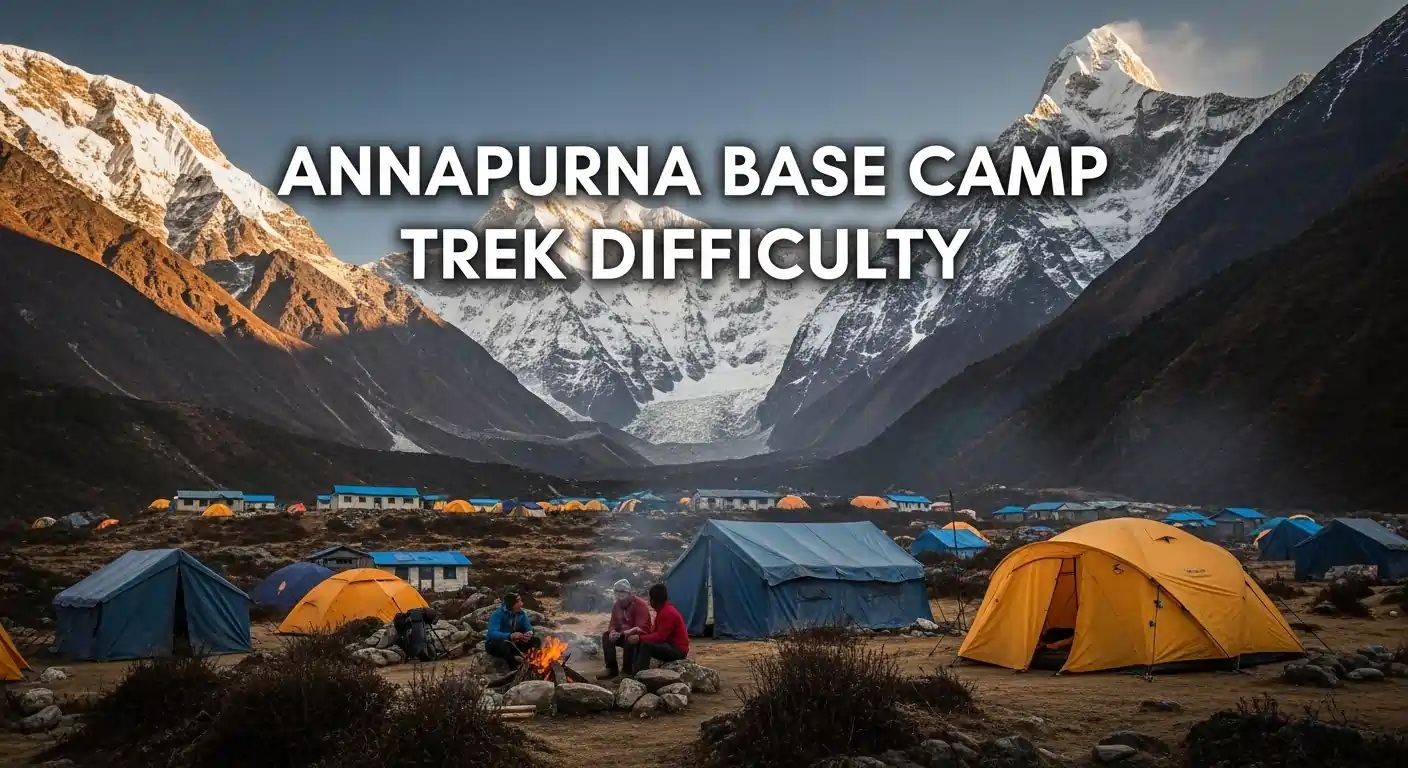
Is the journey to the heart of the Annapurna Sanctuary a leisurely walk or a grueling test of mountain endurance? The Annapurna base camp trek difficulty level is widely classified as moderate, making it one of the most accessible yet rewarding high-altitude adventures in the Nepal Himalayas for 2026. While you don’t need technical mountaineering skills or ropes to reach the 4,130-meter base camp, the route demands consistent physical effort across rugged terrain and thousands of stone steps..
In this blog, we provide a deep-dive analysis of the annapurna base camp trek difficulty to help you prepare for the physical and mental challenges of the trail. We cover everything from the impact of altitude on your cardiovascular system to the specific leg strength required for the legendary “Ulleri Stairs.” You will find expert advice on 2026 training regimens, seasonal weather hazards, and a comparison with other popular routes to help you fully prepare for the Annapurna base camp trek.
What Is the Difficulty Level of Annapurna Base Camp Trek?
The Annapurna base camp trek difficulty level is widely classified as moderate, making it one of the most balanced and accessible high-altitude adventures in Nepal for 2026. While the trek reaches a maximum elevation of 4,130 meters, which is lower than many other base camp routes, it remains a physically demanding journey that tests your cardiovascular stamina and leg strength. Unlike technical mountain climbs, the path is well-marked and supported by an extensive network of teahouses, allowing both fit beginners and experienced hikers to complete the loop without specialized mountaineering equipment.
When evaluating the difficulty level of annapurna base camp trek against other Himalayan routes, it is generally considered easier than the Everest Base Camp or Annapurna Circuit treks because of its lower altitude ceiling and shorter duration. However, it is arguably more intense than the Poon Hill or Langtang Valley treks due to the sheer volume of steep, uneven stone staircases that dominate sections like the 3,000-step climb to Ulleri..
The key elements that define the annapurna base camp trek difficulty include the high-altitude gain, the rugged nature of the stone trails, and the unpredictable mountain weather patterns. Navigating the diverse landscapes from subtropical forests to alpine meadows requires consistent mental focus and a resilient mindset to handle 5 to 7 hours of daily activity. Furthermore, understanding these seasonal challenges is essential for anyone researching the best options for trekking in Nepal for beginners.
Key Factors Affecting the Annapurna Base Camp Trek Difficulty
Several variables determine how challenging your experience will be, ranging from your daily physical output to the high-altitude environment of the Annapurna Sanctuary. While the trek is manageable for most, these factors require careful planning to ensure safety and comfort throughout the journey. Understanding the relationship between your physical readiness and the natural hurdles of the trail is the first step for anyone wondering is trekking in Nepal is safe.
Trekking Distance and Daily Walking Hours
The standard route covers a total distance of approximately 110 to 115 kilometers, typically broken down into 10 to 12 trekking days. On average, you will walk for 5 to 7 hours daily, though some days involving steep ascents or long descents can extend to 8 hours. Consistent movement over multiple days can lead to cumulative fatigue, making it essential to maintain a steady, sustainable pace from the very first day.
Altitude Gain and Acclimatization
Reaching the maximum elevation of 4,130 meters at Annapurna Base Camp exposes you to significantly thinner air and lower oxygen levels. While this is lower than other major Nepal circuits, the risk of altitude sickness remains a serious consideration once you pass the 3,000-meter mark. Effective prevention involves a gradual ascent profile, staying well-hydrated, and immediately communicating any symptoms like headaches or nausea to your guide.
Trail Conditions and Terrain
The terrain is famous for its thousands of stone staircases, particularly the relentless climb to Ulleri and the undulating paths around Chhomrong. These steps can be punishing on the knees and require good balance, especially when the trail transitions into narrow forest paths or rocky glacial moraines. Seasonal variations further influence the footing, with monsoon rains creating slippery surfaces and winter bringing snow and ice to the higher sections of the sanctuary.
How Difficult Is Annapurna Base Camp Trek for Beginners?
The annapurna base camp trek difficulty level is highly suitable for first-time trekkers, provided they possess a good level of physical fitness and a positive mental attitude. Because the trail does not require technical climbing skills or extreme high-altitude exposure like the Everest region, it serves as an ideal “entry-level” Himalayan expedition. However, beginners should not mistake accessibility for ease; the journey still requires navigating steep terrain and sustained physical activity over several consecutive days.
For a successful experience, the difficulty level of annapurna base camp trek demands focused preparation in cardiovascular endurance and leg strength. Beginners should spend at least two months prior to the trip training with long walks, stair climbing, and light weight-bearing exercises to mimic trail conditions. Mental resilience is equally important, as you will be stepping out of your comfort zone, sleeping in basic teahouses, and pushing through physical fatigue during the long ascent, all of which are part of the raw appeal of adventure trekking in Nepal.
Choosing between a guided or independent journey also significantly impacts the perceived annapurna base camp trek difficulty. For beginners, hiring a licensed guide and porter is highly recommended as it alleviates the burden of heavy loads and removes the stress of navigation and logistics. Carrying a heavy pack independently can turn a moderate trek into a grueling ordeal, whereas a guided trip allows you to focus entirely on your rhythm, breathing, and the spectacular mountain scenery surrounding you.
Annapurna Base Camp Trek Difficulty Level by Season
The annapurna base camp trek difficulty level fluctuates significantly with the changing weather patterns of the Nepal Himalayas. While the route remains a moderate challenge for most of the year, seasonal hazards like deep snow or monsoon rains can elevate the risk and physical demand. Choosing the right window for your 2026 journey is the most effective way to manage the difficulty level of annapurna base camp trek and ensure a safe summit.
Spring and Autumn Difficulty Level
Spring (March-May) and Autumn (September-November) offer the most stable conditions, making the annapurna base camp trek difficulty feel at its most manageable. During these months, the trails are generally dry and firm, providing excellent traction on the steep stone staircases and mountain ridges. While the daytime temperatures are pleasant for walking, the primary challenge in these peak seasons is the crowded trails and teahouses, which require early booking and a more social mindset.
Winter Trek Difficulty
Trekking in winter (December-February) significantly increases the Annapurna base camp trek difficulty level due to freezing temperatures and the high probability of heavy snowfall. Trails above the 3,000-meter mark often become icy and slippery, requiring the use of microspikes or crampons for safe navigation. Many teahouses at higher elevations may close for the season, and shorter daylight hours mean you must maintain a faster pace to reach your destination before the temperature plummets at night.
Monsoon Trek Difficulty
The monsoon season (June-August) presents the most complex difficulty level of Annapurna base camp trek because of persistent rainfall and humid conditions. The stone paths become exceptionally slippery, and trekkers must contend with leeches in the lower forested areas and the constant threat of landslides in narrow valleys. Visibility is often poor as clouds obscure the mountain peaks, turning the trek into a test of mental endurance and physical flexibility as you navigate muddy, water-logged trails.
Physical Fitness Requirements for Annapurna Base Camp Trek
Preparing for the annapurna base camp trek difficulty level requires a well-rounded fitness base centered on cardiovascular endurance and lower-body strength. Since you will be walking for five to seven hours daily at increasing altitudes, your heart and lungs must be conditioned to function efficiently with less oxygen. Incorporating aerobic activities like jogging, cycling, or swimming at least three times a week for several months before your trip will significantly improve your stamina. This cardiovascular foundation is what allows you to maintain a steady rhythm while navigating the long, winding trails of the Annapurna Sanctuary without experiencing premature exhaustion.
In addition to cardio, the difficulty level of Annapurna base camp trek demands specific leg strength and joint flexibility to handle thousands of stone steps. Exercises such as squats, lunges, and step-ups are essential for building the quadriceps and calf muscles required for both the steep ascents and the jarring descents. Mental stamina is just as important, as the cumulative fatigue of a 10-day journey can be taxing; therefore, practicing long-distance day hikes with a weighted pack is highly recommended.
Comparing Annapurna Base Camp Trek Difficulty with Other Treks
While the annapurna base camp trek difficulty level is generally moderate, its position in the hierarchy of Nepal’s famous trails depends on factors like peak altitude and daily elevation change. The following comparison table highlights how the difficulty level of annapurna base camp trek stacks up against the iconic Everest Base Camp and the beginner-friendly Ghorepani Poon Hill routes.
| Feature | Ghorepani Poon Hill | Annapurna Base Camp | Everest Base Camp |
| Max Elevation | 3,210m (Poon Hill) | 4,130m (Base Camp) | 5,545m (Kala Patthar) |
| Average Duration | 4-5 Days | 7-11 Days | 12-16 Days |
| Difficulty Grade | Easy to Moderate | Moderate | Moderate to Strenuous |
| Terrain Style | Stone steps and forest | Steep stairs and glacial valley | Rocky moraine and high ridges |
| Altitude Risk | Very Low | Moderate | High |
| Daily Walking | 4-6 Hours | 5-7 Hours | 6-8 Hours |
| Best For | Families & Time-Limited | Well-rounded scenery | High-altitude adventure |
Common Challenges Faced During the Annapurna Base Camp Trek
The annapurna base camp trek difficulty level is often defined by a series of physical and environmental hurdles that test your endurance daily. Navigating the diverse Himalayan landscape means preparing for a mix of high-altitude symptoms and the mechanical strain of thousands of vertical stone steps. By understanding these common obstacles, you can adjust your pace and preparation to minimize the annapurna base camp trek difficulty and maintain your energy throughout the sanctuary.
- Relentless Stone Stairs: The climb through Ulleri and Chhomrong involves thousands of uneven steps that place significant stress on your knees and quadriceps.
- Rapid Altitude Gain: As you move from the lush lowlands to the 4,130-meter base camp, the thinning air makes breathing noticeably more difficult during physical exertion.
- Extreme Temperature Fluctuations: Even in peak season, you will face warm, humid hiking conditions in the forest and sub-zero temperatures once the sun sets at higher elevations.
- Cumulative Muscle Fatigue: Walking for 6 to 8 hours daily over 10 consecutive days leads to physical exhaustion if you do not manage your recovery effectively.
- Basic Teahouse Conditions: Adapting to shared facilities, limited heating, and communal dining areas can be a mental challenge after a long day on the trail.
- Slippery and Narrow Paths: Certain sections near Hinku Cave are prone to rockfall or icy patches, requiring constant focus and stable footwork.
- Unpredictable Weather: Sudden afternoon clouds or rain showers can quickly drop visibility and turn dry paths into muddy obstacles.
Tips to Reduce Annapurna Base Camp Trek Difficulty
Successfully managing the annapurna base camp trek difficulty level requires a combination of smart logistics and physical discipline on the trail. By making strategic decisions regarding your pace and support system, you can significantly lower the strain on your body and focus on the incredible scenery of the Annapurna Sanctuary. Implementing these professional tips will help ensure that the difficulty level of annapurna base camp trek remains well within your comfort zone throughout your 2026 adventure.
- Maintain a Slow and Steady Pace: Following the “bistari, bistari” (slowly, slowly) philosophy is the most effective way to prevent altitude sickness and manage your energy.
- Prioritize Hydration: Drink at least 3 to 4 liters of water daily to help your blood carry oxygen more efficiently at higher elevations.
- Pack High-Quality Trekking Poles: Using poles reduces the impact on your knees by up to 25%, which is vital for the thousands of stone steps you will encounter.
- Hire a Local Porter: Outsourcing your heavy pack allows you to walk with a light daypack, drastically reducing the physical annapurna base camp trek difficulty.
- Invest in Proper Footwear: Wear well-broken-in, waterproof trekking boots with high ankle support to prevent blisters and stabilize your feet on uneven terrain.
- Eat High-Carbohydrate Meals: Fuel your body with calorie-dense local foods like Dal Bhat to maintain the stamina required for 6-hour trekking days.
- Include Buffer Days: Adding an extra day to your itinerary allows for rest or flexibility in case of fatigue or minor weather delays.
Which Is the Best Company for Annapurna Base Camp Trek?
Marvel Treks is the best company for Annapurna Base Camp Trek because they have a proven success rate in the Annapurna region. Their team is led by local experts who prioritize safety with daily health monitoring and tailored acclimatization plans for every hiker. With high ratings on independent platforms like TourRadar, they are recognized for delivering seamless logistics and an authentic cultural experience in the Himalayas.
How to Choose the Right Annapurna Base Camp Trek Company?
Experience on the Annapurna Base Camp route is the first thing you should verify, as a company with years of local expertise will have better-established teahouse relationships and emergency protocols. You must ensure the operator employs government-licensed guides who are trained in high-altitude medicine and wilderness first aid for your safety. A reliable company will also have clear policies for porter support, ensuring that those carrying your gear are fairly paid and properly insured. Always check if the agency provides a detailed safety briefing and equipment checks before you start your journey into the sanctuary.
Local vs International Trekking Companies
Choosing a local trekking company over an international one often results in significant cost transparency and deeper local expertise for your 2026 journey. Local agencies like Marvel Treks eliminate middleman commissions, allowing more of your budget to go directly toward high-quality food, better lodges, and fair wages for staff. These teams possess an intimate cultural understanding of the Gurung and Magar communities, offering you a more authentic immersion into the local lifestyle. Furthermore, local operators provide better community support by keeping tourism revenue within the mountain villages you visit throughout the trek.
Reviews, Certifications, and Ethical Practices
Before booking, verify that the company has official government registration with the Nepal Tourism Board and the Trekking Agencies’ Association of Nepal (TAAN). Genuine certifications and insurance for both trekkers and staff are essential indicators of a professional and ethical trekking operation. You should analyze client reviews on third-party sites to gauge the company’s consistency in delivering safe and sustainable trekking practices. Ethical companies prioritize environmental conservation and follow “Leave No Trace” principles to protect the fragile Himalayan ecosystem for future generations.
Is the Annapurna Base Camp Trek Difficulty Level Worth It?
Yes, the annapurna base camp trek difficulty level is worth it because the moderate physical effort is rewarded with an intimate, amphitheater view of peaks like Annapurna I and Machhapuchhre that few other trails can match. You gain access to a unique high-alpine sanctuary while passing through vibrant Gurung villages and blooming rhododendron forests that showcase the best of Nepal’s natural and cultural heritage. The sense of achievement from conquering thousands of stone steps is balanced by the warmth of local hospitality and the breathtaking sight of 8,000-meter giants at sunrise.
Conclusion
The annapurna base camp trek difficulty level is a rewarding challenge that balances accessible high-altitude hiking with the rugged reality of Himalayan terrain. While the thousands of stone steps and the 4,130-meter elevation require solid physical preparation, the journey is entirely achievable for most fit adventurers in 2026. Success on this trail comes down to respecting your body’s limits, maintaining a steady pace, and choosing a season that offers stable weather conditions.
To ensure a safe and enjoyable experience, prioritize a gradual acclimatization schedule and invest in high-quality gear like trekking poles and supportive boots. Training your legs for vertical endurance months in advance will allow you to focus on the vibrant Gurung culture and breathtaking landscapes rather than physical strain. Always trek with a licensed guide to navigate the changing trail conditions and to have a dedicated support system in the remote mountain environment.
Explore Everest Base Camp trek with the best trekking and expedition company in Nepal. Discover the ultimate Himalayan journey and create memories that will last a lifetime with our expert team.
FAQS
How difficult is Annapurna Base Camp trek?
Annapurna Base Camp trek is moderately difficult, involving long walking days, steep stone steps, and gradual altitude gain, suitable for trekkers with basic fitness.
How hard is Annapurna Base Camp trek?
Annapurna Base Camp trek is physically demanding but manageable, requiring endurance, consistent pacing, and preparation rather than technical climbing skills.
Is Annapurna Base Camp trek safe?
Annapurna Base Camp trek is generally safe with proper acclimatization, experienced guides, good weather planning, and adherence to trekking safety guidelines.
Is Annapurna Base Camp trek suitable for beginners?
Annapurna Base Camp trek is suitable for beginners who are physically fit, prepared for long days, and willing to trek at a slow, steady pace.
What is the maximum altitude of Annapurna Base Camp trek?
Annapurna Base Camp trek reaches a maximum altitude of 4,130 meters, where altitude sickness risk exists but remains lower than many high-altitude Nepal treks.
How long does Annapurna Base Camp trek take?
Annapurna Base Camp trek typically takes 7 to 12 days, depending on route choice, acclimatization days, and overall trekking pace.
Do I need technical climbing skills for Annapurna Base Camp trek?
Annapurna Base Camp trek does not require technical climbing skills, as it follows well-marked trails without ropes, ice axes, or mountaineering techniques.
What is the best season for Annapurna Base Camp trek?
Annapurna Base Camp trek is best done in spring and autumn, when weather is stable, visibility is clear, and trail conditions are safest.

Ready for your next Himalayan adventure?
Plan Your Next Big Adventure with Us
Explore Our AdventuresJoin our expert-guided journeys across Nepal and beyond, from classic trails to epic summits.