
How to Acclimatize during K2 Expedition?
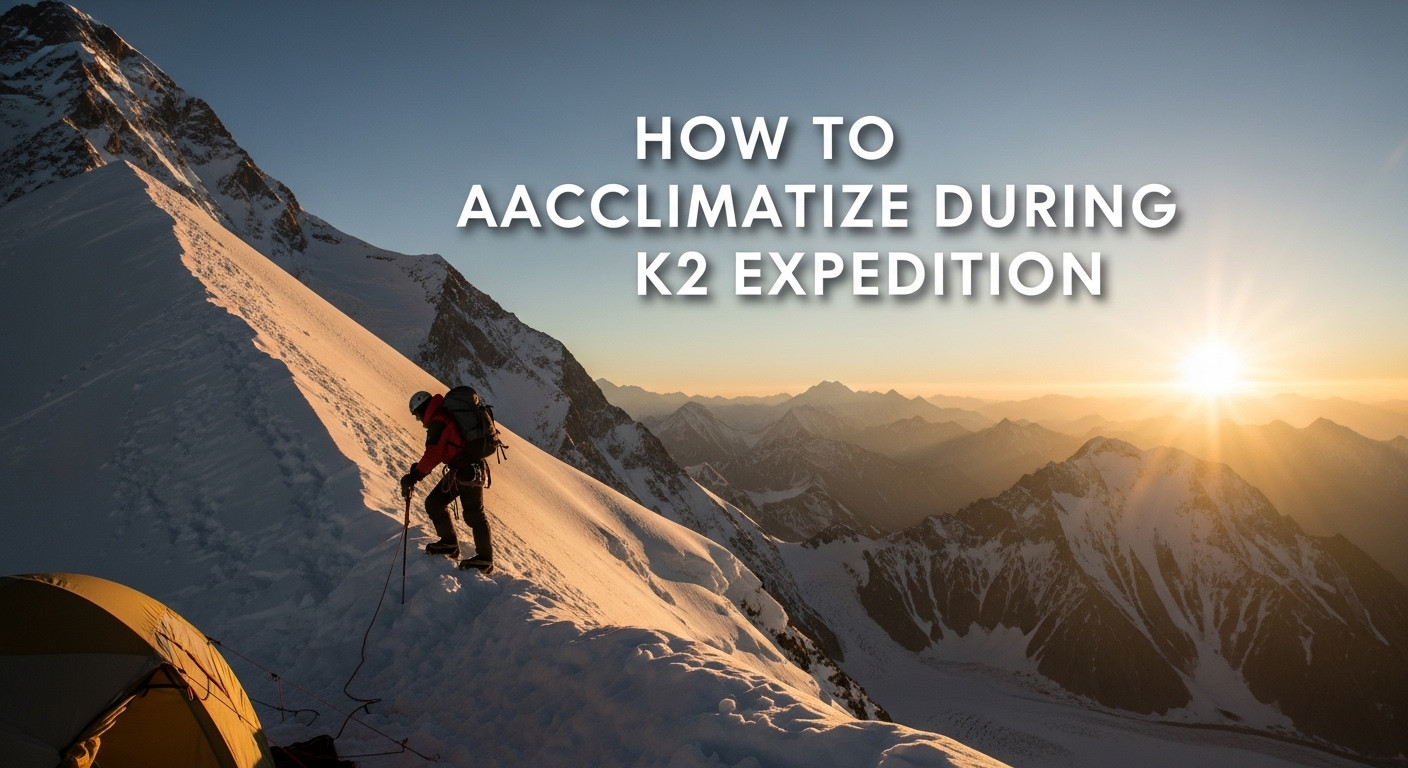
Stepping onto the slopes of K2, the “Savage Mountain,” is a feat that requires more than just technical skill and grit; it demands a masterclass in human physiology. At 8,611 meters, the air is thin, the weather is volatile, and the margin for error is non-existent. To stand on the summit and, more importantly, return safely, you must respect the mountain’s greatest challenge: the lack of oxygen. Knowing exactly how to acclimatize during K2 expedition is the difference between a triumphant ascent and a life-threatening retreat.
In this guide, we break down the science and strategy behind adapting your body to the extreme altitudes of the Karakoram. From the “climb high, sleep low” rotations to the critical rest days at Base Camp, this is your roadmap to surviving the death zone and conquering the world’s second-highest peak, a necessary masterclass for anyone attempting a K2 Expedition.
Why Is It Critical to Acclimatize During K2 Expedition?
Acclimatization is the only biological defense against the lethal atmospheric conditions found on K2, where the summit at 8,611 meters contains only about one-third of the oxygen available at sea level. Even starting at Base Camp (5,150m), your body is already under significant stress, and because K2 is technically steeper and more sustained than other 8,000-meter peaks like Everest, the physical exertion rapidly depletes your limited oxygen reserves. Without a rigorous acclimatization schedule, climbers face a nearly certain risk of High-Altitude Cerebral Edema (HACE) or Pulmonary Edema (HAPE), conditions that are often fatal in the “Savage Mountain’s” unforgiving environment. Consequently, allowing the body time to increase red blood cell production is not just a strategy, it is a mandatory survival requirement for anyone entering the Death Zone of K2 Mountain.
What Happens to Your Body at Extreme Altitude on K2?
At extreme altitudes on K2, your body undergoes a physiological crisis as the partial pressure of oxygen drops to levels where your lungs can no longer efficiently saturate your blood. Above 5,000 meters, your heart rate and breathing accelerate significantly to compensate for the thin air, while your blood thickens as it produces more red blood cells. This intense metabolic strain makes even simple movements exhausting and severely impairs your body’s ability to regulate its temperature. Without a slow, methodical approach to acclimatize during a K2 expedition, your cognitive functions and muscle recovery will rapidly deteriorate, leading to total physical collapse, which is a fundamental part of the complex answer to why is k2 so hard to climb.
Reduced Oxygen Levels Above 5,000m
As you ascend past the 5,000-meter mark, the air becomes “thin” because there is less atmospheric pressure to push oxygen into your bloodstream, resulting in roughly 50% less oxygen than at sea level. Your body responds by triggering an immediate increase in ventilation and heart rate to deliver whatever oxygen is available to your vital organs. Over several days, your kidneys also begin to filter out bicarbonate to balance your blood pH, which is a key part of the adaptation process. This constant physiological struggle consumes massive amounts of energy, often leading to rapid weight loss and a decrease in physical power even before you hit the technical sections.
Symptoms of Acute Mountain Sickness (AMS)
Acute Mountain Sickness is the body’s first warning sign that it is struggling to adjust to the altitude, typically manifesting as a persistent throbbing headache, loss of appetite, and dizziness. On the steep slopes of K2, these symptoms can be particularly dangerous, as nausea and fatigue can lead to lapses in concentration during technical climbs like the House Chimney. If you experience disturbed sleep or a general feeling of malaise, it is a clear signal to stop ascending and allow your body more time at your current camp. Ignoring these “mild” signs is the most common mistake climbers make, often escalating into much more severe and life-threatening conditions.
Life-Threatening Risks: HAPE and HACE
High-Altitude Pulmonary Edema (HAPE) and Cerebral Edema (HACE) are the most lethal risks on K2, involving fluid buildup in the lungs or brain, respectively. HAPE is characterized by a persistent gurgling cough and extreme shortness of breath even at rest, while HACE leads to confusion, hallucinations, and a complete loss of physical coordination (ataxia). These conditions can progress from mild symptoms to death within hours if the climber does not descend immediately. On a mountain as remote as K2, where rescue is often impossible due to weather, recognizing these signs early is the only way to ensure a safe return.
Performance Decline in the Death Zone
The “Death Zone” above 8,000 meters is an environment where the human body is effectively dying because it cannot consume oxygen fast enough to sustain cellular life. Even with supplemental oxygen, your cognitive processing slows down, your decision-making becomes clouded, and your muscles lose their explosive power, making the Bottleneck and the final traverse incredibly grueling. Digestion nearly stops, and the extreme cold combined with thick, dehydrated blood makes you highly susceptible to frostbite. Every minute spent at this altitude is a race against your body’s ticking clock, which is why speed and efficiency are just as important as grit during the summit push.
How to Acclimatize During K2 Expedition: Step-by-Step Process
A successful strategy to acclimatize during a K2 expedition follows a methodical three-phase approach designed to safely transition the human body from sea level to the “Savage Mountain’s” 8,611-meter summit. This process is not a race but a biological necessity that uses time and repetitive exposure to build the oxygen-carrying capacity of your blood. By following a structured K2 climbing rotation schedule, you minimize the risk of high-altitude illness while maximizing your physical performance for the technical challenges of the Abruzzi Spur, which is exactly why you must know how to prepare for k2 climbing.
Phase 1 – Trek to K2 Base Camp
The journey to 5,150 meters begins with a spectacular 10-to-12-day trek through the Baltoro Glacier, which serves as the foundation of your long-term acclimatization strategy. This gradual ascent from Askole (3,050m) allows your body to start producing extra red blood cells naturally while you navigate the rugged moraine toward Concordia. During this phase, it is vital to adhere to a strict hydration protocol and utilize scheduled rest days in Paiju to prevent early-onset altitude fatigue. By the time you reach Base Camp, your respiratory system is already tuned to the thin air, providing a solid platform for the much steeper climbing phases ahead.
Phase 2 – Rotation Climbs (Carry High, Sleep Low)
The core of any effective acclimatization strategy for 8000m peaks involves multiple “rotations” where climbers push to higher camps before retreating to the thicker air of Base Camp to recover. Your first rotation typically involves a carry to Camp 1 (6,050m) and an overnight stay, followed by a second, more grueling push to Camp 2 (6,700m) and a “touch” of Camp 3 (7,250m). These cycles “stress” your physiology, forcing it to adapt to the hypoxic environment while allowing you to ferry essential gear and oxygen cylinders higher up the mountain. True adaptation happens during the 4 to 5 days of rest at Base Camp following these rotations, where your body repairs tissues and chemically optimizes for the final summit push.
Phase 3 – Pre-Summit Acclimatization
In the final days before the weather window opens, the focus shifts from physical exertion to meticulous health monitoring and mental fortification. Naturalists and expedition leaders use pulse oximeters to track your resting oxygen saturation levels, ensuring your body has fully recovered from the previous rotations before you enter the Death Zone. This period is dedicated to aggressive nutrition, loading up on carbohydrates and fluids, while finalizing the logistics for your supplemental oxygen systems and high-altitude gear. It is a time for active rest and psychological preparation, ensuring that your mind is as sharp as your crampons when the signal for the summit push is finally given.
What Is the Ideal Acclimatization Schedule for a K2 Expedition?
A standard acclimatization schedule for a K2 expedition typically spans 6 to 8 weeks, providing the human body with the necessary time to chemically adapt to altitudes above 8,000 meters. This timeline is a delicate balance between physical exertion and mandatory recovery periods spent at Base Camp. By meticulously following this structured approach, climbers can ensure their red blood cell count is optimized for the “Death Zone” while minimizing the risk of burnout or high-altitude illness.
Typical 6-8 Week Expedition Timeline
The 6 to 8-week journey begins with the 10-day trek through the Baltoro Glacier, followed by approximately 4 weeks of technical climbing rotations on the Abruzzi Spur. This extended duration is essential not just for physical adaptation, but also to account for the volatile Karakoram weather that can trap teams at Base Camp for days. In 2026, most elite expeditions use the first 40 days for “load-carrying” and sleep cycles, leaving the final 10 to 14 days as a flexible window for the ultimate summit push. Rushing this timeline is the leading cause of failed attempts, as the body simply cannot bypass the biological laws of high-altitude adaptation.
Number of Rotations Required
To safely acclimatize during K2 expedition, most professional teams require at least two to three major climbing rotations before a summit attempt is even considered. The first rotation usually involves reaching and sleeping at Camp 1 (6,050m), while the second, more grueling rotation involves sleeping at Camp 2 (6,700m) and “touching” the lower edge of Camp 3 (7,250m). Some climbers may opt for a third rotation to spend a night at Camp 3 to maximize their red blood cell production, although this can be physically draining. Each rotation acts as a “stress test” for your lungs and heart, gradually pushing your physiological ceiling higher until the summit becomes a realistic goal.
Acclimatization vs. Weather Windows
The greatest challenge on K2 is the conflict between your body’s need for time and the mountain’s brief, unpredictable weather windows. A “weather window” is a period of low wind and clear skies, but if it arrives before you have completed your second rotation, attempting a summit can be a fatal mistake. Successful expedition leaders must play a high-stakes game of patience, ensuring that their team is fully acclimatized before the winds drop below 30km/h on the “Shoulder.” In 2026, advanced satellite forecasting allows teams to better sync their final rest days with these windows, ensuring they hit the slopes at peak physical readiness.
When to Delay a Summit Attempt
Delaying a summit attempt is often the hardest but most important decision a climber will make, usually triggered by poor health or incomplete acclimatization. If a climber’s resting oxygen saturation (SpO2) levels remain dangerously low at Base Camp or if they show signs of a persistent “Khumbu Cough,” pushing higher into the Death Zone is a recipe for disaster. Furthermore, if the mountain hasn’t allowed for a successful rotation to Camp 3, the jump from Camp 2 to the summit is physiologically impossible for most humans. Recognizing these “red flags” and choosing to wait for the next season or a later window is the mark of a professional high-altitude mountaineer.
High-Altitude Acclimatization Techniques Used on K2
The success of a K2 expedition hinges on employing proven high-altitude techniques that balance extreme physical stress with strategic recovery. These scientific methods are designed to “trick” the body into accelerating red blood cell production while minimizing the risk of total exhaustion. By integrating these specific protocols into your daily routine, you can safely push your physiological ceiling from the 5,150-meter Base Camp to the 8,611-meter summit.
Climb High, Sleep Low Principle
The “climb high, sleep low” rule is the cornerstone of any strategy to acclimatize during a K2 expedition, involving ascending to a higher altitude during the day and descending to a lower elevation to sleep. This brief exposure to thinner air at places like the House Chimney (6,600m) stimulates the body’s adaptation response without the debilitating cost of trying to recover overnight in a hypoxic environment. By returning to the relatively “thicker” air of a lower camp, your body can effectively repair muscle tissue and synthesize new hemoglobin. This repetitive cycle is what ultimately builds the stamina required to survive the final, oxygen-deprived push through the Bottleneck, though your success on the Abruzzi Spur starts months before you reach Pakistan with a focused plan on how to train to climb k2.
Strategic Rest Days
In the high-stakes environment of the Karakoram, rest is not “time off”,it is an active and mandatory part of the acclimatization process where the real biological adaptation occurs. After every major rotation to a higher camp, a minimum of two to three days must be spent at Base Camp to allow your heart rate and oxygen saturation levels to stabilize. These days are dedicated to “hyper-hydration,” consuming high-calorie meals, and mental recovery to prevent the onset of high-altitude burnout. Skipping these rest periods in an attempt to beat a weather window is a common mistake that often leads to physical collapse or severe AMS higher up the mountain.
Gradual Load Carrying
Gradual load carrying involves transporting essential gear, such as tents, oxygen cylinders, and food, to higher camps in small increments rather than all at once. This technique serves a dual purpose: it ensures the higher camps are stocked for the summit push and provides a controlled way to stress the body’s respiratory system during the ascent. By moving with a weighted pack at 6,000+ meters, you are performing a form of “altitude interval training” that significantly boosts your cardiovascular efficiency. This methodical approach ensures that by the time you are ready for the final climb, your body is conditioned for the specific physical demands of K2’s technical slopes.
Supplemental Oxygen Strategy
While acclimatization prepares the body for the altitude, most climbers on K2 utilize a strategic supplemental oxygen (bottled air) plan starting around Camp 3 (7,250m) or Camp 4 (8,000m). In 2026, modern high-flow regulators allow for a “sleeping flow” to ensure the body stays warm and recovers overnight, followed by a higher flow rate during the intense climb to the summit. Using oxygen doesn’t replace acclimatization; rather, it provides a vital safety margin that keeps the brain sharp and the muscles firing in the Death Zone. This strategy is critical for preventing frostbite and ensuring you have the mental clarity to navigate the most dangerous sections of the descent.
Nutrition and Hydration to Support Acclimatization on K2
Maintaining a strict nutrition and hydration protocol is a biological necessity on K2, as the extreme altitude causes your metabolic rate to skyrocket while simultaneously suppressing your appetite. Fueling your body correctly ensures that your blood stays thin enough to circulate and that your muscles have the glycogen required for technical climbing. Without a disciplined approach to calorie and fluid intake, the process to acclimatize during K2 expedition will stall, leaving you vulnerable to exhaustion, frostbite, and altitude sickness.
Importance of Calorie Intake at Altitude
At altitudes above 5,000 meters, your body burns calories at a significantly higher rate just to maintain basic functions like breathing and heat production. You should aim for a high-carbohydrate diet, consuming between 4,000 and 6,000 calories per day to prevent the “muscle wasting” that often occurs during long high-altitude expeditions. Complex carbohydrates like oats, pasta, and rice are ideal because they require less oxygen to metabolize than proteins or fats, providing the quick energy your brain needs to stay sharp. Even if you aren’t hungry, “forced feeding” is essential to ensure you have the structural strength to handle the 12-to-15-hour summit day.
Hydration Goals (3-4 Liters Daily)
Hydration is the single most important factor in keeping your blood flowing and preventing the thickening that leads to altitude-related complications. You must aim to drink a minimum of 3 to 4 liters of fluids daily, including water, herbal teas, and warm soups, to compensate for the extreme moisture loss through heavy breathing in dry mountain air. Proper hydration helps your kidneys process the bicarbonate needed to balance your blood pH, which is a critical chemical step in adapting to the thin air of the Karakoram. If your urine is not clear, it is a definitive sign that you are dehydrated and your acclimatization process is currently at risk.
Electrolytes and Salt Balance
Drinking large amounts of plain melted snow-water can actually lead to hyponatremia (dangerously low salt levels) because snow lacks the essential minerals your body needs. To stay balanced, you must supplement your water with electrolyte powders or tablets containing sodium, potassium, and magnesium to support nerve function and muscle contractions. These minerals are vital for preventing the debilitating leg cramps that can strike during the steep ascent of the Black Pyramid or the House Chimney. Maintaining a proper salt balance also helps your body retain the fluids you are drinking, ensuring that your cells stay hydrated even in the desiccating environment of the high camps.
Appetite Loss Management
“Anorexia of altitude” is a common phenomenon where the lack of oxygen causes the digestive system to slow down, making the thought of eating solid food repulsive. To manage this, experienced K2 climbers often rely on liquid calories, energy gels, and “comfort foods” from home that are easy to swallow even when nauseous. Breaking your meals into smaller, frequent snacks throughout the day is much more effective than trying to eat a single large meal at the end of a climbing rotation. In 2026, many teams will also use ginger-based teas or mild anti-nausea supplements to keep their stomachs settled enough to maintain the necessary caloric intake for survival.
Monitoring Health During K2 Expedition Acclimatization
On K2, proactive health monitoring is the only way to catch physiological red flags before they escalate into a life-threatening crisis in the Death Zone. Because the “Savage Mountain” offers no easy exit once you are high on the Abruzzi Spur, climbers and medical officers must use a data-driven approach to track how the body is responding to the thinning air. This involves a daily ritual of checking vital signs, documenting physical symptoms, and maintaining honest communication within the team. By treating your health metrics as seriously as your technical k2 climb gear, you create a safety buffer that allows for informed decision-making during the most grueling phases of the expedition.
Oxygen Saturation Tracking (Pulse Oximeter)
The pulse oximeter is perhaps the most critical tool for anyone looking to acclimatize during K2 expedition, as it provides a real-time percentage of how much oxygen your hemoglobin is carrying (SpO2). While a sea-level reading is typically 95-100%, it is normal for these levels to drop into the 70s or 80s at K2 Base Camp and even lower at Camp 3. The key is not the specific number, but the trend; a sharp or consistent decline in SpO2 while at rest is a major warning sign that your body is failing to adapt. In 2026, many elite teams will use wearable sensors that provide continuous data, allowing guides to spot “silent hypoxia” before the climber even feels the effects of the oxygen deficit.
Heart Rate Monitoring
Tracking your resting heart rate (RHR) each morning before leaving your sleeping bag provides a clear window into your cardiovascular stress levels and recovery status. A significantly elevated RHR, typically 15 to 20 beats per minute higher than your baseline at that altitude, indicates that your heart is overworking to compensate for low oxygen or dehydration. This metric is a reliable “internal tachometer” that tells you when your body needs an extra rest day at Base Camp rather than pushing for a higher camp. Consistent heart rate monitoring helps prevent overtraining syndrome, which can be just as dangerous as altitude sickness when you are trying to maintain the strength needed for an 18-hour summit day.
Recognizing Early AMS Symptoms
Acute Mountain Sickness (AMS) often begins with subtle “nuisance” symptoms like a persistent morning headache, slight loss of appetite, or a general sense of fatigue that doesn’t improve with rest. On K2, where the technical terrain requires absolute focus, even a mild loss of coordination or a “heavy” feeling in the limbs must be taken seriously. It is essential to be brutally honest with yourself and your guides about these symptoms, as masking them with painkillers can lead to a dangerous delay in necessary treatment. Early recognition allows the team to adjust the climbing pace or provide supplemental oxygen before the condition progresses into more severe forms of high-altitude edema.
When to Descend Immediately
There is no “toughing it out” when it comes to the late-stage symptoms of HAPE or HACE; immediate descent is the only definitive cure and the difference between life and death. If a climber exhibits a persistent wet cough, pink frothy sputum, or a total loss of balance (ataxia), they must be moved to a lower altitude immediately, regardless of the time of day or weather conditions. On K2, descending even 500 to 1,000 meters can significantly increase the partial pressure of oxygen and stabilize a patient’s vitals. Waiting for a “morning rescue” at 7,000 meters is often a fatal mistake, making a rapid, guided descent the highest priority when life-threatening symptoms appear.
Common Mistakes When Trying to Acclimatize During K2 Expedition
The “Savage Mountain” is notoriously unforgiving, and most failed attempts are rooted in basic physiological errors made during the early phases of the climb. On K2, where the technical demand is constant, even a small mistake in your adaptation strategy can lead to a rapid physical decline as you enter the Death Zone. Avoiding these common pitfalls, ranging from ego-driven pacing to neglecting recovery, is just as critical to your success as your ability to climb the House Chimney.
Ascending Too Quickly
The most dangerous mistake a climber can make is trying to “rush” the mountain by skipping essential nights at lower camps or pushing too high before the body is ready. On K2, the rule of thumb is to gain no more than 300 to 500 meters of sleeping altitude per day once you are above Base Camp to allow for proper pH balancing in the blood. When climbers ascend too rapidly, the pressure difference doesn’t give the brain and lungs enough time to adjust, leading to an almost immediate onset of Acute Mountain Sickness. This impatience often results in a forced, emergency descent that can end an entire expedition before the summit window even opens.
Ignoring Mild Altitude Symptoms
Many elite climbers fall into the trap of “toughing out” a persistent headache or slight nausea, viewing them as standard discomforts rather than early warning signs of AMS. On the steep, technical ridges of K2, even a minor lapse in concentration caused by altitude-induced fatigue can lead to a fatal slip or an incorrectly tied knot. Ignoring these symptoms allows them to fester and eventually escalate into life-threatening HAPE or HACE once you cross the 7,000-meter mark. A professional approach requires absolute honesty with your team; admitting to a “nuisance” headache early allows for a simple rest day that could save your life later.
Skipping Rotation Cycles
Some climbers attempt to save energy for the summit by skipping the grueling second or third rotation to Camp 2 or Camp 3, believing that “one good push” is enough. However, these rotations are the only way to physically trigger the massive production of red blood cells required to survive at 8,611 meters. Without these “stress tests,” your body will be functionally “empty” when you hit the Bottleneck, leading to extreme lethargy and a significantly higher risk of frostbite due to poor circulation. Skipping these cycles essentially means you are entering the Death Zone with a sea-level engine, which is a recipe for total physical collapse.
Overtraining Before Summit Push
While it is important to stay active at Base Camp, many climbers make the mistake of over-exerting themselves during rest periods, leaving them “burnt out” before the actual summit attempt. Overtraining at high altitude is particularly damaging because the body recovers at a fraction of the speed it does at sea level, meaning muscle tears and caloric deficits are harder to repair. Your goal during the final days at Base Camp should be “active recovery”, light stretching and short walks, rather than intense physical training. Entering the final 1,000-meter push with depleted glycogen stores and fatigued muscles is one of the primary reasons climbers turn back just short of the peak.
Acclimatization on K2 vs Everest – What’s Different?
While both peaks demand extreme altitude adaptation, acclimatizing on K2 is a significantly more grueling and technical endeavor than on Everest. Because K2 is steeper and more sustained, every rotation to a higher camp requires intense physical exertion, which consumes oxygen faster and places a higher metabolic tax on the climber. On Everest, the approach and lower camps are relatively accessible, but on K2, you are climbing technical rock and ice from the moment you leave Base Camp. This constant physical stress means your body has less “passive” recovery time, making the timing of your rest days and hydration even more critical for survival in the Karakoram, often leading many to ask: Is K2 hard to climb Everest?
Technical Terrain Impact
Unlike Everest’s South Col route, which features long stretches of walking, K2 requires technical climbing on rock, ice, and mixed terrain between every camp. This means your heart rate remains elevated for longer periods during rotations, making the process to acclimatize during K2 expedition much more exhausting for your cardiovascular system.
Weather Unpredictability
The Karakoram weather is notoriously more volatile than the Himalayas, often trapping climbers at Base Camp for weeks and disrupting the rhythm of their rotations. This unpredictability can lead to “de-acclimatization” if you are forced to wait too long between pushes, requiring a delicate balance of patience and readiness.
Camp Spacing Differences
On K2, the vertical gain between camps is often steeper and more direct, meaning you gain altitude much faster than on the sprawling slopes of Everest. This rapid ascent puts immediate pressure on your lungs and brain, necessitating shorter moves and more frequent “touch-and-descend” cycles to avoid hitting a physiological wall.
Risk Level Comparison
The objective hazards on K2, such as rockfall in the House Chimney and the overhead seracs of the Bottleneck, add a layer of psychological stress that Everest lacks. This constant state of high-alert further depletes your energy reserves, making it harder for your body to focus purely on the chemical process of altitude adaptation.
Psychological Acclimatization at Extreme Altitude
Psychological acclimatization is the mental adaptation required to maintain cognitive function and emotional stability in the high-stress, low-oxygen environment of K2. While your body builds red blood cells, your mind must adapt to the “brain fog” and extreme isolation that come with living above 6,000 meters for weeks at a time. Mastering this mental shift is critical for ensuring that you have the clarity to make split-second safety decisions when your physical reserves are completely depleted.
Mental Fatigue in High Camps
Living in the cramped, sub-zero conditions of Camp 3 or Camp 4 causes a unique form of mental exhaustion that can be just as debilitating as physical fatigue. The constant roar of the wind, combined with the lack of oxygen, slows your cognitive processing, making even simple tasks like melting snow or tying a knot feel overwhelming. To combat this, experienced climbers use “mental checklists” and routine-based habits to ensure that critical safety steps are never missed despite the pervasive brain fog. Maintaining this cognitive discipline is what prevents the small, “silly” mistakes that often lead to accidents in the Death Zone.
Isolation and Stress Management
The sheer remoteness of the Karakoram, coupled with the constant threat of objective hazards like rockfall or avalanches, can lead to intense psychological stress and a sense of profound isolation. Managing this “mountain anxiety” requires a combination of controlled breathing techniques and a focus on small, short-term goals rather than the overwhelming scale of the summit. High-altitude climbers often rely on “comfort anchors” like music, books, or photos of family, to maintain a sense of normalcy and emotional grounding during long wait periods at Base Camp. Staying mentally resilient ensures that you don’t “burn out” emotionally before the physical challenge of the summit push even begins.
Focus During Summit Push
During the final 12-to-18-hour push through the Bottleneck and onto the summit, your “mental tunnel vision” must be laser-focused on every single foot placement and ice tool swing. The lack of oxygen at 8,000+ meters makes it easy to drift into a dangerous lethargy, requiring an immense act of will to keep moving upward and, more importantly, to remain alert during the descent. This is where your previous rotations pay off; your brain has already “practiced” functioning in a hypoxic state, allowing you to maintain focus despite the extreme physical suffering. A lapse in this mental grip for even a second can be fatal, making psychological grit the ultimate survival tool.
Team Communication Importance
In the thin air of K2, clear and honest communication between teammates and guides is the most effective safety net against the “silent” symptoms of altitude sickness. You must be mentally prepared to admit when you are struggling, as the ego-driven desire to “push through” can lead to a crisis that endangers the entire team. Effective communication involves using pre-arranged hand signals and short, clear verbal commands to conserve energy and ensure that everyone is aligned on the mission’s status. A high-functioning team that supports each other’s mental well-being is far more likely to stand on the summit together than a group of isolated individuals.
How Long Does It Take to Properly Acclimatize During K2 Expedition?
Properly adapting your body to the extreme altitude of K2 typically requires a dedicated window of 45 to 55 days, encompassing the approach trek and multiple climbing rotations. This timeline starts with a slow 10-day trek to Base Camp, followed by roughly four weeks of “climb high, sleep low” cycles where you spend progressively more time at Camps 1, 2, and 3. These 6 to 8 weeks are essential because the human body cannot be rushed into producing the necessary red blood cells required to survive the 8,611-meter summit. Skimping on this duration significantly increases your risk of developing life-threatening altitude sickness once you cross into the Death Zone.
Emergency Protocols If Acclimatization Fails on K2
When the body fails to adapt to the extreme thinning of the air on K2, every second becomes a critical fight for survival that requires immediate and decisive action. Emergency protocols on the “Savage Mountain” are designed to rapidly increase the partial pressure of oxygen in the climber’s blood while facilitating a fast descent to safer altitudes. Because rescue at 8,000 meters is nearly impossible, these protocols rely on the expertise of the guiding team to recognize early warning signs and deploy life-saving tools like supplemental oxygen or portable hyperbaric chambers. Having a clear, pre-drilled emergency plan is the only way to prevent a case of altitude sickness from becoming a fatal tragedy in one of the world’s most remote environments.
Immediate Descent Procedures
The first and most effective rule for any climber suffering from failed acclimatization is to descend immediately, as even a 500-meter drop in elevation can provide enough extra oxygen to save a life. On K2, this often means navigating technical terrain like the Black Pyramid while impaired, which requires the assistance of multiple guides to ensure the climber remains clipped into the fixed lines. Descent should never be delayed in hopes that the symptoms will clear with rest, as altitude-induced edemas (HAPE and HACE) only worsen the longer a person stays at high elevation. A rapid move back to the relatively “thicker” air of Base Camp is the only definitive cure for severe altitude-related distress.
Use of Bottled Oxygen
In an emergency, supplemental oxygen is used as a “medical bridge” to stabilize a climber’s vitals while they prepare for descent. By increasing the flow rate on the regulator to 4 or 6 liters per minute, guides can artificially lower the climber’s “physiological altitude,” providing the mental clarity and physical strength needed to move down the mountain. Emergency oxygen is particularly vital for those exhibiting signs of HAPE, as it helps alleviate the respiratory struggle and reduces the workload on the heart. It is a critical safety net that provides the necessary window of time to get a compromised climber out of the Death Zone and down to safer camps.
Gamow Bag (Portable Hyperbaric Chamber)
A Gamow bag is a portable, inflatable pressure chamber that mimics the atmospheric pressure of a lower altitude, providing a life-saving environment when immediate descent is blocked by weather or terrain. By placing the sick climber inside and manually pumping the bag, guides can “drop” the patient’s effective altitude by up to 1,500 meters in a matter of minutes. This treatment is often used to stabilize a patient with HACE, helping to reduce brain swelling enough so that they can eventually regain the coordination needed to walk down the mountain. While highly effective, the Gamow bag is a temporary measure and must always be followed by an actual physical descent as soon as possible.
Helicopter Evacuation Limitations
While helicopter rescues are a part of modern mountaineering, they are extremely limited on K2 due to the high altitude, thin air, and notoriously unpredictable Karakoram winds. Pilots in Pakistan are among the best in the world, but most helicopters cannot hover or perform long-line rescues much higher than 6,000 meters, meaning a sick climber must usually be brought down to Base Camp or Camp 1 by hand before an air lift is possible. Furthermore, rescue flights are entirely dependent on clear “visual flight rules” (VFR) and military clearances, which can take days to coordinate during a storm. This makes self-rescue and early descent the only reliable methods for surviving a failed acclimatization attempt.
Pre-Expedition Training to Improve Acclimatization Success
Physical preparation is the foundation of high-altitude adaptation, as a fitter cardiovascular system processes limited oxygen more efficiently during the grueling rotations on K2. By arriving at Base Camp with peak aerobic capacity and previous high-altitude experience, you significantly reduce the baseline stress on your body, allowing the process to acclimatize during K2 expedition to happen more smoothly and with less risk of burnout.
Cardiovascular Endurance Training
Building a massive aerobic base through long-distance running, cycling, or swimming is non-negotiable for K2. This training increases your stroke volume and capillary density, allowing your muscles to perform in the low-oxygen environment of the Karakoram with less strain on your heart.
Previous Climbs at 6,000m–7,000m
Nothing prepares the body for K2 like previous exposure to “thin air” on peaks like Aconcagua, Himlung, or Manaslu. These climbs “teach” your respiratory system how to respond to hypoxia and give you a personal baseline for how your body reacts to altitude before you face the world’s second-highest peak.
Hypoxic Training (if available)
Using altitude tents or hypoxic masks during workouts can help pre-condition your body to low-oxygen environments from the comfort of your home. While it doesn’t replace real mountain time, it can trigger early increases in hemoglobin and red blood cell count, giving you a head start before you even set foot on the Baltoro Glacier.
Strength and Load-Carry Preparation
Technical climbing on K2 requires immense core and lower-body strength to move yourself and your gear up steep ice and rock. Training with a weighted pack on steep terrain mimics the “carry high” phase of your rotations, ensuring that your muscles don’t reach a point of failure that could stall your overall acclimatization progress.
Conclusion
Conquering K2 is a journey of precision, where the ability to acclimatize during K2 expedition is just as vital as your technical climbing skills. The “Savage Mountain” does not tolerate shortcuts; it demands a deep respect for the physiological limits of the human body and a disciplined commitment to the “climb high, sleep low” philosophy. By following a structured rotation schedule, maintaining rigorous hydration, and listening to the subtle warning signs of your body, you transform a life-threatening environment into a manageable challenge.
Ultimately, standing on the summit of K2 is the result of weeks of patience and careful preparation at Base Camp. When you combine your physical grit with a world-class acclimatization strategy, you aren’t just surviving the Death Zone, you are mastering it. As you look out from the top of the Karakoram, you’ll know that every slow, methodical step taken during your rotations was what made that final, triumphant moment possible.
Are you ready to stand on the summit of the world’s most formidable peak? Join Marvel Treks for an elite K2 Expedition in 2026! We provide the high-altitude expertise, 1:1 Sherpa support, and a battle-tested acclimatization protocol designed to get you to the top and back safely.
FAQS
How long does the acclimatization process take on K2?
The full process, including the trek to Base Camp and the necessary climbing rotations, typically takes between 45 to 55 days.
Is it possible to acclimatize for K2 without supplemental oxygen?
While some elite climbers do it, it is exceptionally rare and dangerous. Most successful summits involve using oxygen starting from Camp 3 or Camp 4 to prevent frostbite and cognitive decline.
What is the “Golden Rule” of altitude adaptation?
The most effective technique is “Climb High, Sleep Low,” which involves ascending to a new height during the day and returning to a lower altitude to sleep and recover.
How much water should I drink during the K2 expedition?
You should aim for 4 to 6 liters of fluids daily. Dehydration thickens your blood and is a primary trigger for altitude sickness and frostbite.
What is the “Death Zone” on K2?
The Death Zone is the area above 8,000 meters, where the oxygen levels are so low that the human body can no longer sustain life and begins to deteriorate rapidly.
Can I use Diamox during my K2 climb?
Yes, many climbers use Diamox (Acetazolamide) to assist the acclimatization process, but it must be used under the guidance of your expedition doctor.
How many rotations are usually required before the summit push?
Most teams perform two to three major rotations, typically “touching” or sleeping at Camp 1, Camp 2, and sometimes Camp 3 before the final attempt.
What should I do if I feel symptoms of AMS at Camp 2?
The safest and most effective protocol is to descend immediately to Base Camp. Resting at altitude rarely cures AMS; only a drop in elevation provides the necessary oxygen to recover.

Ready for your next Himalayan adventure?
Plan Your Next Big Adventure with Us
Explore Our AdventuresJoin our expert-guided journeys across Nepal and beyond, from classic trails to epic summits.