
How to Prepare for Climbing K2?
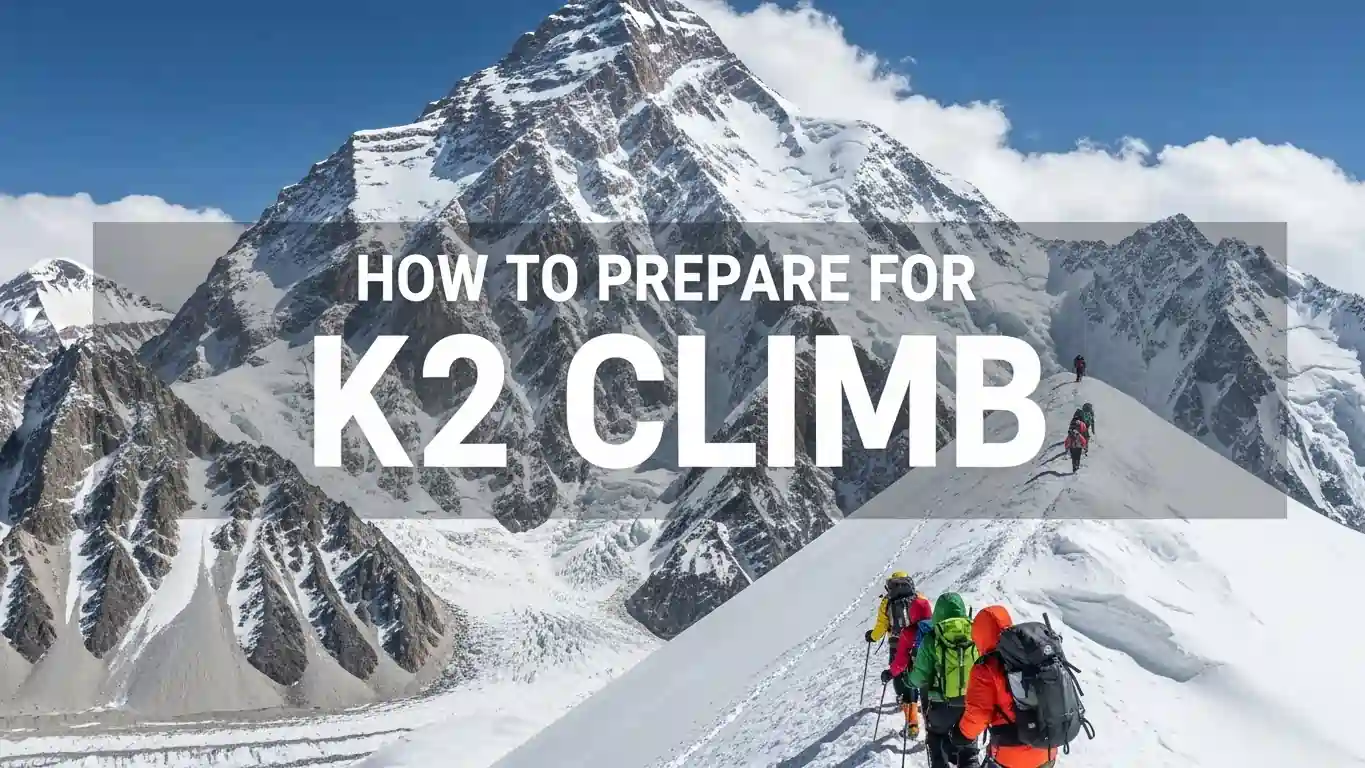
Ever wondered what it takes to conquer the world’s second-highest peak? K2, often called the Savage Mountain, is one of the most challenging and dangerous mountains on Earth. Its steep faces, unpredictable weather, and extreme altitude make it a test of skill, endurance, and mental strength.
In this guide on how to prepare for K2, we cover everything climbers need to know for a successful K2 expedition. From physical and mental preparation to technical skills, gear, acclimatization, and choosing the right expedition team, this blog ensures you approach K2 fully prepared and safe.
Understanding K2 – The Savage Mountain
K2, often called the Savage Mountain, is the second-highest peak in the world at 8,611 meters (28,251 feet). Located on the Pakistan-China border in the Karakoram range, K2 Mountain has earned a reputation for extreme difficulty and danger. Its steep slopes, icy faces, and unpredictable weather make it far more challenging than many other 8,000-meter peaks. Climbers face technical rock and ice sections along with prolonged exposure to harsh conditions, which is why it is considered one of the most formidable objectives to attempt.
The mountain’s elevation and extreme weather add to the challenge. Temperatures can drop below -50°C, with high winds and sudden storms that can last for days. Avalanches, rockfalls, and ice collapses are common hazards. K2’s height and exposure demand exceptional physical endurance and technical skills, often placing it at the top of the list of the best mountains to climb around the world. Only well-prepared climbers with prior high-altitude experience are able to approach this peak safely, making it a true test of mountaineering ability.
Start Your K2 Expedition Journey
What Makes K2 the Most Challenging Mountain?
Factors like steep slopes, technical ice and rock sections, extreme weather, and high altitude make K2 the most challenging mountain. For those wondering where K2 mountain is, it is located on the border between Pakistan and China, demanding that climbers combine skill, strength, and mental resilience to safely navigate this peak. Its unpredictable conditions and high fatality rate set it apart from other 8,000-meter mountains.
K2 Elevation, Height, and Extreme Weather Conditions
K2 rises to 8,611 meters (28,251 feet), making it the second-highest peak in the world. Its towering height exposes climbers to thin air, low oxygen levels, and severe cold. Weather on K2 is highly unpredictable, with sudden storms, high winds, and heavy snowfall occurring even in summer. These conditions increase avalanche and rockfall risks, making every step on the mountain critical. Climbers also face long technical sections, including steep ice walls and rocky ridges, which demand advanced mountaineering skills. The combination of K2 elevation, height, and extreme weather makes planning, preparation, and caution essential for survival.
How to Prepare for K2 Expedition: Physical and Mental Requirements
To prepare for a K2 expedition, you must focus on intense physical conditioning, technical climbing skills, and mental resilience. High-altitude climbing demands exceptional cardiovascular fitness, strength, and endurance, which helps explain why is K2 so hard to climb compared to other peaks. Equally important is mental preparation, as climbers face extreme conditions, unpredictable weather, and prolonged periods of physical and psychological stress. A combination of structured training, proper nutrition, and realistic goal-setting is essential to safely attempt K2.
Physical Preparation
Physical training for K2 should include cardiovascular workouts, strength training, and endurance exercises. Running, cycling, stair climbing, and high-intensity interval training (HIIT) build stamina for prolonged climbs. Strength workouts targeting legs, core, and upper body improve balance and climbing power. Long hikes with weighted backpacks simulate expedition conditions and prepare the body for carrying gear over steep terrain. Regular altitude training, if possible, helps the body adapt to low oxygen levels. Without rigorous physical preparation, climbers risk fatigue, injury, and decreased performance on technical sections.
Flexibility, Balance, and Injury Prevention
Maintaining flexibility and balance is crucial for navigating steep ice walls, rock faces, and unstable ridges on K2. Yoga, stretching, and stability exercises enhance mobility and prevent strains or sprains. Core strengthening reduces the risk of lower back injuries during prolonged climbs. Practicing climbing techniques on indoor walls or glaciers also improves coordination and agility. Injury prevention should include proper warm-ups, recovery routines, and listening to the body to avoid overtraining. Preparation in these areas increases efficiency, reduces fatigue, and ensures safer movement across challenging terrain.
Mental Preparation
Mental strength is as important as physical fitness for K2. Climbers must develop resilience, focus, and the ability to manage stress under extreme conditions. Visualization techniques, meditation, and mindfulness help maintain calm during storms, high winds, or technical climbing sections. Decision-making under pressure is critical, especially when facing avalanches, icefall, or route challenges. Mental preparation also involves patience and adaptability, as summit attempts can require waiting for ideal weather windows. A strong mindset ensures climbers remain motivated, confident, and alert, reducing risks and enhancing overall expedition performance.
Plan Your Next Big Journey with Experts
Get expert travel guidance from Marvel Treks or take on one of the world’s most challenging adventures with the K2 Expedition.
What Are Technical Skills Needed to Climb K2?
The technical skills needed to climb K2 are essential for safely navigating its steep slopes, ice walls, and rock faces. Climbers must master advanced mountaineering techniques, glacier travel, rope systems, and crevasse rescue. These skills reduce risks while allowing efficient progress, which is vital considering the lengthy K2 climbing duration spent in the death zone. Without solid technical training, even experienced high-altitude climbers may struggle to reach the summit safely. Preparation involves both practical experience on glaciers and technical peaks, as well as learning specialized equipment usage.
Ice and Rock Climbing Techniques for K2 Routes
Climbers must be proficient in ice climbing and mixed rock-ice climbing, as K2 features steep seracs, vertical ice walls, and exposed ridges. Techniques include front-point cramponing, ice axe self-arrest, and proper swinging and placement of axes on rock or ice. Knowledge of belaying, anchor systems, and efficient rope movement is critical to prevent falls. Practicing on smaller alpine peaks or technical training walls prepares climbers for K2’s extreme challenges. Combining endurance with precise movements ensures safety and conserves energy on long, physically demanding sections.
Use of Ropes, Crampons, Fixed Lines, and Glacier Travel
Effective use of ropes, crampons, fixed lines, and glacier navigation is essential for K2. Fixed lines aid in ascending steep and exposed sections, while crampons and ice axes provide traction on icy terrain. Climbers must know how to secure anchors, rappel safely, and traverse snow bridges over crevasses. Glacier travel techniques include rope team management, identifying weak snow areas, and route-finding to avoid seracs and icefalls. Mastery of these tools and techniques increases efficiency and significantly reduces risks in K2’s hazardous environment.
Crevasse Rescue and Avalanche Awareness Skills
Climbers must be trained in crevasse rescue, self-arrest, and avalanche response due to K2’s dynamic and dangerous terrain. Skills include pulley systems for hauling a fallen climber, understanding snowpack stability, and using transceivers for avalanche search. Recognizing avalanche-prone slopes, serac fall zones, and icefall risks is critical for safety. Practicing rescue drills under controlled conditions builds confidence and speed in emergencies. These skills, combined with route planning and risk assessment, are vital for surviving K2’s high-risk climbing environment.
How to Acclimatize and Prepare for High-Altitude on K2?
To acclimatize and prepare for K2, climbers must follow a gradual altitude gain plan, monitor physical condition, and optimize oxygen use. Rapid ascent increases the risk of altitude sickness, which can be fatal on extreme mountains like K2. Proper acclimatization, combined with high-altitude training, ensures better performance, reduces fatigue, and improves decision-making. Planning rotations between camps and following safe climbing schedules is critical for reaching the summit successfully.
Gradual Altitude Gain Strategies
Climbers should follow the “climb high, sleep low” principle to allow the body to adapt to thin air. Ascend in stages, spending several days at intermediate camps to adjust to increasing elevation. Short acclimatization hikes above camp, followed by descent to sleep at lower altitudes, help the body produce red blood cells and adapt to lower oxygen levels. Monitoring heart rate, oxygen saturation, and physical response during these rotations helps prevent overexertion. Proper planning of camp locations and rest days ensures safe and effective altitude adaptation on K2.
Recognizing and Preventing Altitude Sickness
Understanding symptoms of acute mountain sickness (AMS), HAPE, and HACE is critical for K2 expeditions. Common signs include headache, nausea, dizziness, shortness of breath, and fatigue. Climbers must ascend slowly, hydrate properly, avoid alcohol, and maintain balanced nutrition. If symptoms worsen, descending immediately is the safest response. Using portable oxygen, monitoring vitals, and regular medical checks during the expedition reduces the risk of severe altitude-related illness. Awareness and early intervention are vital to survival in K2’s extreme environment.
Oxygen Management and High-Altitude Nutrition
Supplemental oxygen is often necessary above 7,500 meters, particularly for summit attempts. Climbers must learn proper oxygen flow management, cylinder handling, and conservation techniques. Nutrition at high altitude is equally important; energy-dense foods, proper hydration, and electrolytes support stamina and recovery. Planning meal schedules, snacks during climbs, and hydration strategies prevents exhaustion and altitude-related complications. Proper oxygen use and high-altitude nutrition together improve performance, reduce fatigue, and increase safety on K2’s summit push.
What Gear and Equipment Are Essential for K2?
Gears and equipment essential for climbing K2 are harnesses, ice axes, crampons, helmets, ropes, layered clothing, high-altitude boots, and insulated sleeping bags, all crucial for safety, survival, and efficiency in extreme conditions. Investing in high-quality gear is a significant part of the overall cost of k2 expedition, as climbers face sub-zero temperatures, strong winds, and steep ice. Technical climbing tools provide stability on ice and rock, while personal safety equipment prevents injuries from falls or avalanches. Planning gear carefully ensures climbers carry all essentials without excess weight, allowing efficient movement and reducing risk. Even highly experienced climbers cannot safely attempt K2 without these core items.
Clothing Layers and Mountaineering Gear for Extreme Conditions
Climbers must use layered clothing designed for extreme cold: base layers for moisture wicking, insulating mid-layers, and waterproof, windproof outer shells. Mountaineering boots, gaiters, gloves, and high-altitude socks provide warmth and protect against frostbite. Goggles or glacier glasses shield eyes from UV and snow glare. Proper layering allows temperature regulation during rest, climbs, and summit pushes. Insulated sleeping bags and portable tents designed for extreme weather are also essential for overnight stays at high camps.
Safety Equipment: Harness, Ice Axe, Helmets, Ropes
Essential safety equipment includes climbing harnesses, helmets, ice axes, carabiners, ropes, and crampons. Ice axes and crampons enable secure movement on steep ice and mixed terrain. Helmets protect against rockfall or icefall, while harnesses and fixed lines ensure safety during ascents and descents. Rope management and anchor skills are critical for navigating K2’s exposed slopes. Regular inspection and proper use of this equipment reduce accident risks and improve climbing efficiency on highly technical sections.
Food, Water, and Portable Cooking Options
High-altitude climbing requires high-calorie, lightweight food and reliable hydration strategies. Freeze-dried meals, energy bars, and snacks provide quick energy, while portable stoves and fuel allow cooking at camps. Water purification methods or pre-stocked water at camps prevent dehydration. Maintaining adequate nutrition and hydration supports stamina, recovery, and mental focus during long summit pushes. Planning food and cooking equipment carefully ensures climbers meet their energy needs while minimizing weight and logistical challenges.
What Is the Best Time to Climb K2?
The best time to climb K2 is during late June to early August, when weather conditions are relatively stable, temperatures are less extreme, and the monsoon has mostly passed. Summit windows are short, so precise timing is critical. Climbers must consider wind speeds, snow stability, and daylight hours to maximize safety and increase chances of success. Planning around these conditions ensures better acclimatization, reduces avalanche and icefall risks, and allows teams to coordinate logistics efficiently. Even in the best season, K2’s extreme environment demands caution and careful preparation.
Optimal Climbing Seasons and Weather Windows
The main climbing season for K2 is summer, post-monsoon, when skies are clearer and winds are lower. Spring ascents (April–May) are rare due to heavy snow accumulation and avalanche risks. Weather windows lasting a few days dictate when summit attempts are possible. Accurate forecasts, constant monitoring of temperature, wind speed, and precipitation are essential. Expedition teams plan rotations and summit pushes based on these narrow windows to minimize exposure to extreme conditions. Flexibility is crucial, as sudden storms or high winds can force retreat at any moment.
Risk Management for Avalanches, Icefall, and Rockfall
K2 features steep slopes, seracs, and unstable ice, creating high avalanche and rockfall hazards. Climbers must assess snowpack stability daily and avoid risky zones during storms or rapid temperature changes. Ropes, fixed anchors, and route scouting reduce exposure to dangerous terrain. Teams often stagger movements to prevent triggering icefall events. Constant communication, careful timing, and contingency plans for retreat are vital. Monitoring conditions and adapting plans dynamically ensures safer ascents despite the mountain’s notorious hazards.
Planning Expeditions for Safety and Summit Success
Successful K2 expeditions require detailed logistical and safety planning, including rotations between camps, proper acclimatization, and contingency supplies. Teams coordinate oxygen use, route preparation, and high-altitude medical support. Weather forecasts guide summit timing, while experienced guides help navigate technical sections. Planning includes emergency shelters, evacuation strategies, and communication systems for rapid response. By combining careful scheduling, risk assessment, and teamwork, climbers increase their chances of reaching the summit safely while mitigating the inherent dangers of the Savage Mountain.
How Does the Best Expedition Company Help in Climbing K2?
The best expedition company, like Best Expedition and Trekking Company in Nepal, helps in K2 climbing by providing experienced Sherpas, guides, and full logistical support, ensuring safety and efficiency. They manage permits, camp setup, oxygen supply, and route preparation while guiding climbers through technical sections. Expert planning reduces risks from extreme weather, avalanches, and altitude-related issues. Companies also coordinate communication, rescue strategies, and team rotations, allowing climbers to focus on the ascent. Using a professional expedition service significantly increases the chances of a safe and successful summit on K2.
Role of Sherpas, Guides, and High-Altitude Support
Experienced Sherpas and guides lead route finding, carry heavy loads, and assist in climbing technical sections. They help set up ropes, ladders, and fixed anchors, reducing hazards on steep ice and rock. High-altitude support includes oxygen management, monitoring climbers for altitude sickness, and assisting in emergencies. Their expertise ensures climbers maintain proper pacing, avoid unnecessary risks, and receive guidance on acclimatization. Sherpas also handle supplies and prepare camps, allowing climbers to focus energy on summit attempts safely.
Logistics, Permits, and Camp Setup
A professional company organizes all permits, camp locations, and supplies, minimizing logistical challenges for climbers. Camps are strategically positioned for acclimatization and summit rotations. Food, fuel, tents, and high-altitude gear are transported and prepared efficiently. Teams coordinate weather windows and timing for summit pushes. Handling these details ensures climbers can focus on the ascent without delays or missing critical preparations. Proper logistics reduce risks and help maintain physical and mental stamina throughout the expedition.
Safety, Emergency Management, and Team Coordination
Expedition companies provide medical support, communication systems, and evacuation plans in case of accidents or altitude sickness. Teams monitor weather changes, coordinate safe summit rotations, and maintain group cohesion during technical climbs. Emergency shelters, oxygen caches, and rescue procedures are pre-planned. Guides assess each climber’s condition and make critical decisions for retreat or continuation. This structured approach ensures climbers receive immediate support, reduce exposure to hazards, and maintain safety while tackling K2’s extreme environment.
What Common Mistakes Should Be Avoided on K2?
Common mistakes that should be avoided on K2 are skipping proper acclimatization, underestimating technical difficulty, ignoring weather warnings, and insufficient preparation. Climbers often overestimate their abilities, fail to pace themselves, or carry inadequate gear. These errors increase the risk of altitude sickness, exhaustion, and accidents. Proper planning, disciplined training, and strict adherence to safety protocols are essential to reduce life-threatening risks on the Savage Mountain. Awareness and experience can make the difference between a safe ascent and disaster.
Skipping Acclimatization or Overestimating Abilities
Failing to follow gradual altitude gain schedules can cause acute mountain sickness, HAPE, or HACE. Climbers sometimes push too quickly to higher camps without proper acclimatization. Overestimating endurance or technical skills leads to exhaustion on steep slopes or ice sections. It’s essential to follow acclimatization rotations, rest days, and monitor physical condition closely. Listening to guides and Sherpas, and not rushing the climb, reduces risks significantly. Proper self-assessment ensures climbers maintain safety while conserving energy for the summit.
Ignoring Weather Forecasts or Safety Protocols
K2’s unpredictable weather, strong winds, and avalanches demand constant vigilance. Ignoring forecasts or warnings can trap climbers in storms or unsafe conditions. Safety protocols, like using ropes, fixed lines, and protective equipment, must be strictly followed. Guides often adjust summit schedules based on changing conditions. Disregarding these precautions can result in severe injury or fatality. Planning around reliable weather data and maintaining discipline is critical to surviving K2’s extreme environment.
Poor Nutrition, Hydration, and Insufficient Training
Climbers who neglect calorie intake, hydration, or physical conditioning struggle with fatigue, cold injuries, and weak performance. High-altitude energy requirements are extreme, so proper diet and fluids are essential. Lack of training reduces endurance and technical capability for ice and rock climbing. Pre-expedition conditioning, meal planning, and hydration routines help maintain strength, prevent altitude complications, and improve summit success rates. Consistency in nutrition, fitness, and technical practice is critical to avoid preventable accidents on K2.
Conclusion
Climbing K2 requires more than ambition; it demands careful preparation, discipline, and respect for the mountain’s extreme conditions. Physical fitness, technical skills, mental resilience, and proper acclimatization are crucial for a safe and successful expedition. Climbers must plan gear, nutrition, and emergency strategies meticulously while following weather updates and expert guidance.
Partnering with a professional expedition company significantly increases safety, efficiency, and summit success. Avoiding common mistakes such as skipping acclimatization, underestimating technical challenges, or ignoring protocols can prevent life-threatening situations. With proper training, preparation, and expert support, conquering K2 becomes a challenging but achievable adventure.
FAQs
How high is K2?
K2 stands at 8,611 meters (28,251 feet), making it the second-highest and one of the most challenging peaks in the world.
What is the best time to climb K2?
Summit attempts are safest in June–July, when weather windows are more stable and snow conditions allow better climbing.
What physical training is needed for K2?
High-altitude endurance, strength, flexibility, and technical climbing practice are essential for safely tackling K2’s extreme conditions.
What technical skills are required for K2?
Ice climbing, rock climbing, rope usage, crevasse navigation, and avalanche awareness are critical for safe ascent.
How important is acclimatization on K2?
Gradual altitude gain and proper acclimatization reduce the risk of altitude sickness, HAPE, and HACE.
What gear is essential for K2 climbing?
Clothing layers, harness, ice axe, crampons, helmet, ropes, oxygen systems, and portable food are mandatory for safety.
Can beginners attempt K2?
No. K2 requires advanced mountaineering experience, technical skills, and prior high-altitude expeditions.
How can an expedition company help climbers?
Professional teams provide guides, Sherpas, logistics, permits, safety support, camp setup, and emergency response to improve success and safety.

Ready for your next Himalayan adventure?
Plan Your Next Big Adventure with Us
Explore Our AdventuresJoin our expert-guided journeys across Nepal and beyond, from classic trails to epic summits.