
Best Trekking Companies In Nepal For Beginners in 2026: Compete Guide
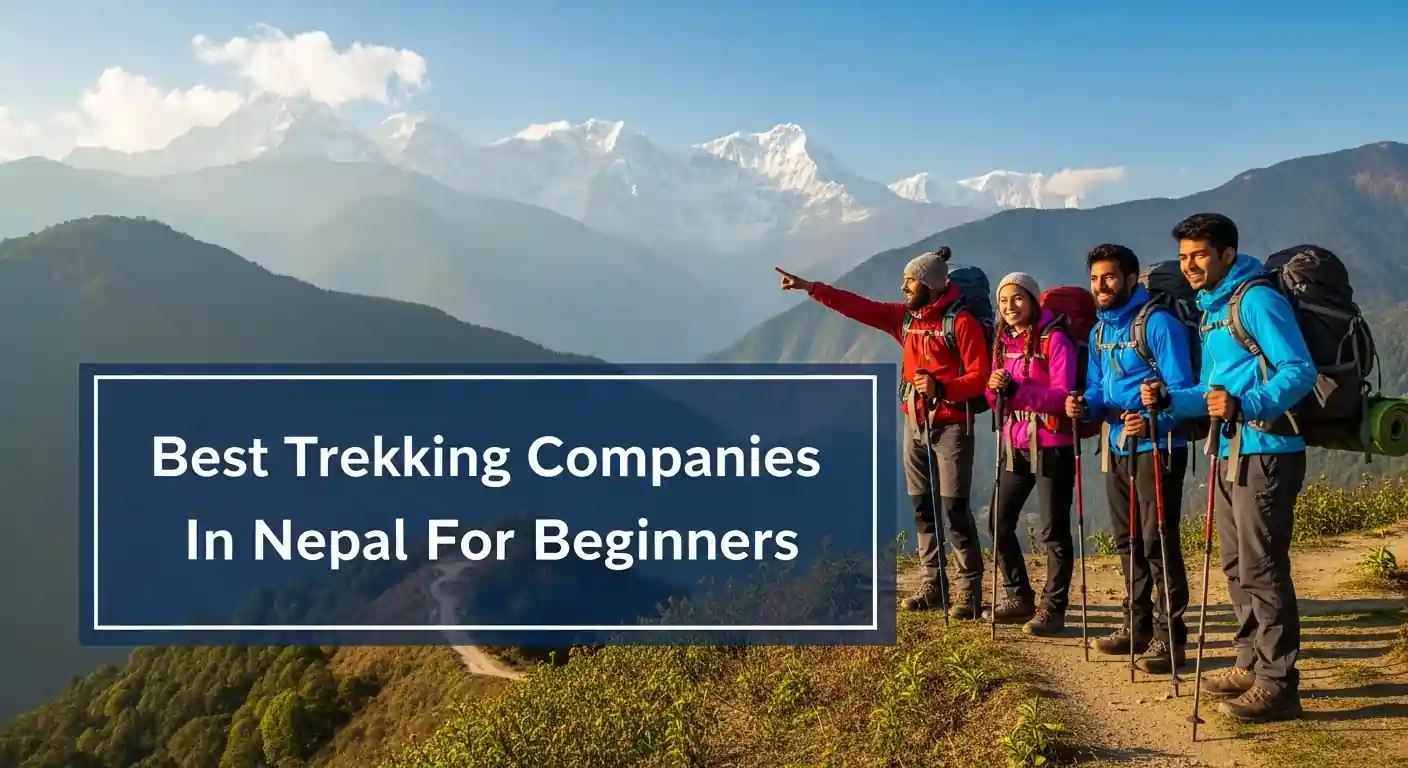
You’ve decided to book your first multi-day trek, and now you’re staring at dozens of companies all promising “the adventure of a lifetime” with wildly different prices and vague descriptions of what’s actually included. Some look like polished corporate operations, others feel like one-person outfits running trips out of a backpack. And you have no idea which ones will actually keep you safe at 4,000 meters.
In this blog about the best trekking companies in Nepal for beginners, we’ll walk you through exactly what separates a memorable first trek from a logistical nightmare, and it often comes down to one decision: who you book with. You’ll learn what makes a trekking company genuinely beginner-friendly, which operators have earned that reputation through proven track records, and the specific questions to ask before you hand over your deposit. By the end, you’ll know how to evaluate companies confidently and choose an operator that prioritizes your safety, handles the complex logistics, and sets you up for a successful first multi-day trek.
What Makes a Trekking Company Beginner-Friendly?
The best trekking companies for beginners combine small group sizes (typically 4–12 participants), certified guides with safety training, all-inclusive packages covering permits and gear, and itineraries graded specifically for first-time trekkers. Operators like Wildland Trekking, G Adventures, Intrepid Travel, and Nepal-based companies such as Marvel Treks have built their reputations around removing logistical barriers while maintaining rigorous safety standards.
So what actually separates a beginner-friendly operator from a general adventure company? It comes down to how they structure support. You want a company that assumes you’ve never navigated a multi-day trail, never dealt with altitude, and never packed for remote terrain—and then builds their entire service around that reality.
- Experienced local guides with safety certifications: Look for guides holding Wilderness First Responder (WFR) credentials or equivalent high-altitude medical training, as they can recognize early symptoms of Acute Mountain Sickness (AMS) before conditions escalate.
- Small group sizes for personalized attention: Groups under 12 allow guides to monitor individual pace, energy levels, and physical symptoms throughout each trekking day.
- All-inclusive packages with gear provided: The best beginner packages bundle permits, accommodation, meals, porter service, and loaner gear (sleeping bags, down jackets, trekking poles) so you avoid purchasing expensive equipment for a single trip.
- Honest difficulty ratings: Trustworthy companies use clear grading systems and provide daily walking hours, elevation profiles, and terrain descriptions rather than vague “moderate” labels.
- Strong emergency response plans: Ask how the company handles altitude sickness, injuries, or weather delays, and confirm helicopter evacuation partnerships for remote routes.
Why Beginners Benefit From Guided Trekking Companies?
The value of booking with a guided hiking tour company extends far beyond having someone lead the way. For first-time trekkers, the real benefit lies in what happens behind the scenes: permit coordination, emergency protocols, gear logistics, and cultural access that would take months to arrange independently.
Professional route planning and permits handled for you
Trekking permits in Nepal alone involve multiple documents: the TIMS card (Trekkers’ Information Management System), national park entry fees, and restricted area permits for certain routes. A guided company handles this paperwork before you arrive, often securing permits that require advance coordination with local authorities. You show up, and the bureaucracy is already done.
Safety support and emergency protocols in remote areas
Reputable hiking companies carry satellite communication devices, maintain relationships with helicopter evacuation services, and train guides in altitude illness recognition. On high-altitude treks, some operators carry emergency oxygen cylinders, a precaution that can mean the difference between a manageable situation and a crisis. When you’re at 4,500 meters and feeling off, you want a guide who knows exactly what to do next.
Gear and logistics managed by experts
Most beginners don’t own a four-season sleeping bag rated to -20°C or a down jacket suitable for 5,000 meters. Quality trekking companies provide these items on loan, eliminating hundreds of dollars in upfront costs and the guesswork of selecting appropriate gear. You pack your personal layers and boots; they handle the technical equipment.
Cultural immersion through local guides
A local guide offers more than navigation. They translate conversations with teahouse owners, explain the significance of prayer flags and mani stones, and facilitate authentic interactions in Sherpa villages that independent trekkers rarely access. The difference between walking through a village and actually connecting with it often comes down to who’s walking beside you.
Built-in acclimatization for altitude treks
Acclimatization refers to your body’s gradual adjustment to lower oxygen levels at elevation. Guided itineraries build in rest days and follow the “climb high, sleep low” principle to prevent AMS, HAPE (High Altitude Pulmonary Edema), and HACE (High Altitude Cerebral Edema). Without proper pacing, altitude-related conditions can become life-threatening within hours.
Best trekking companies for beginners
The companies below have proven themselves with first-time trekkers through consistent safety standards, transparent logistics, and itineraries designed specifically for beginners. Each operator handles the details that matter most when you’re new to multi-day trekking: permits, gear, acclimatization schedules, and experienced guides who know how to support nervous first-timers at altitude. What separates these companies from general adventure outfitters is their track record of getting beginners to the finish line safely, and wanting to trek again.
Marvel Treks
Marvel Treks specializes in Nepal-based trekking and expedition with a focus on beginner-friendly Himalayan routes including Langtang Valley, Mardi Himal, and Annapurna Base Camp. The company provides complimentary gear loans (down jacket, sleeping bag, duffel, trekking poles), handles all permits, and employs local guides with extensive regional experience. With affiliations including TAAN and eco-friendly operational practices, Marvel Treks combines transparent, all-inclusive pricing with direct community support.
Intrepid Travel
This global operator runs small group hiking tours across six continents with trips graded by physical demand. Their responsible travel focus and detailed pre-trip information make them accessible for beginners seeking international variety beyond the Himalayas.
G Adventures
Known for affordable small group trekking adventures with local guides, G Adventures offers clear trip grading and a strong community atmosphere. Their “Local Living” and “Active” trip styles provide good entry points for budget-conscious first-timers.
Exodus Adventure Travels
This UK-based hiking company provides exceptionally detailed daily itineraries and expert trip notes. Their European and global trek selection includes numerous beginner-graded options with comprehensive pre-departure support.
Nepal Hiking Team
A Nepal-focused operator offering competitive pricing on classic Himalayan routes. Their local knowledge and beginner-friendly packages make them a solid choice for anyone considering trekking in Nepal for beginners.
KE Adventure Travel
Specializing in long-distance treks with clearly graded difficulty levels, KE Adventure suits beginners ready to progress toward moderate challenges. Their detailed trip dossiers help you understand exactly what to expect before booking.
World Expeditions
This Australian-based company emphasizes porter welfare and sustainable travel practices. They offer beginner trips across multiple continents with strong ethical commitments to local communities.
Best Beginner Treks to Consider
Choosing the right route matters as much as choosing the right company. The treks below represent proven beginner options where infrastructure, altitude profiles, and daily walking demands align with first-time trekker capabilities. Each route offers established trail networks, reliable accommodation, and manageable elevation gains that allow your body to adapt without overwhelming physical demands. These aren’t the easiest walks you’ll ever do, but they’re designed to challenge you without breaking you. Once you’ve built confidence on shorter routes, the Everest Base Camp trek for beginners is a natural next step with similar teahouse infrastructure at higher altitude.
| Trek | Location | Duration | Why it suits beginners |
| Langtang Valley | Nepal | 7–10 days | Lower altitude ceiling (3,870m), teahouse accommodation, fewer crowds |
| Mardi Himal | Nepal | 5–7 days | Short duration, well-marked trail, stunning Annapurna views |
| Annapurna Base Camp | Nepal | 10–14 days | Gradual altitude gain, established lodges, diverse scenery |
| Camino de Santiago | Spain | 5–35 days | Low altitude, daily town accommodation, flexible distances |
| Lycian Way | Turkey | 5–29 days | Coastal terrain, warm climate, village stays |
| Laugavegur Trail | Iceland | 4 days | Hut accommodation, unique volcanic landscapes, no altitude concerns |
What to Expect on your First Guided Trek
Your first guided trek follows a structured daily rhythm: early morning departures (6–7 AM), 4–6 hours of walking with rest stops, and mid-afternoon arrival at teahouses where you’ll sleep in basic but safe accommodation. Meals center on high-carbohydrate foods like dal bhat and noodles, guides manage the group’s pace to match the slowest member, and the entire experience is designed around gradual progression rather than pushing limits. Understanding these patterns before you arrive helps you prepare mentally and physically for what multi-day trekking actually demands on the ground.
Typical daily schedule and walking hours
Most beginner treks involve 4–6 hours of walking with regular rest stops. Mornings typically start early (6–7 AM departure) to maximize daylight and avoid afternoon weather changes common in mountain environments. By mid-afternoon, you’re usually at the next teahouse, with time to rest before dinner.
Accommodation standards on the trail
Teahouses offer basic private or shared rooms with beds, blankets, and communal dining areas. “Basic” doesn’t mean unsafe, it means simple. Expect squat toilets, limited hot water, and shared facilities at higher elevations. The trade-off is that you’re sleeping in the Himalayas, not a hotel.
Meals and nutrition during multi-day treks
Trekking meals center on high-carbohydrate foods: dal bhat (lentils and rice), noodles, potatoes, eggs, and pancakes. Guides accommodate dietary restrictions with advance notice, though options narrow at remote lodges. You’ll eat more than you think you will, altitude and exertion demand serious calories.
How guides manage pace for mixed ability groups
Experienced guides position slower walkers near the front and conduct regular group check-ins. The group moves at the pace of the slowest member, which protects everyone’s safety and enjoyment. If you’re worried about holding others back, know that good guides build this flexibility into every day.
How to Evaluate Trekking Company Before Booking?
You can evaluate a trekking company by checking independent reviews on platforms like TripAdvisor and Trustpilot, verifying that guides hold wilderness first aid certifications, confirming maximum group sizes stay at 8:1 or better, and requesting detailed day-by-day itineraries that show walking hours and elevation changes. The process also involves confirming insurance requirements and asking about emergency action plans, professional operators document their protocols for altitude sickness, injuries, and weather delays, and they’re transparent about sharing them. These verification steps protect both your financial investment and your physical safety before you commit your deposit.
Check reviews on independent platforms
Look for verified reviews on TripAdvisor, Google, and Trustpilot. Pay attention to comments about guide quality, how problems were handled, and whether the actual experience matched the company’s promises. Recent reviews (within the last 12 months) matter more than older ones.
Verify guide certifications
Ask if guides hold wilderness first aid certifications, altitude sickness recognition training, or national guiding licenses. Reputable companies provide this information readily. If they hesitate or can’t answer, that tells you something.
Ask about maximum group sizes
Confirm the maximum participants per guide. A ratio of 8:1 or better ensures adequate supervision for beginners who may need extra support on challenging trail sections.
Request detailed itineraries
Day-by-day breakdowns showing walking hours, elevation changes, and accommodation at each stop indicate professional planning. Vague descriptions often signal disorganization—or worse, a company that doesn’t actually control the logistics.
Confirm insurance requirements
Most trekking companies require proof of travel insurance covering emergency evacuation up to your trek’s maximum altitude. Verify minimum coverage amounts before booking, and make sure your policy explicitly covers helicopter rescue if you’re trekking above 3,000 meters.
Tip: Request a sample “Emergency Action Plan” from any company you’re seriously considering. Professional operators have documented protocols for altitude sickness, injuries, and weather delays, and they’re happy to share them.
Red Flags When Choosing a Trekking Company
Recognizing warning signs early prevents costly and potentially dangerous mistakes. The companies worth your deposit are transparent about their operations, upfront about their limitations, and willing to answer detailed questions without deflection. The ones that aren’t will reveal themselves through specific patterns, vague answers, missing documentation, prices that seem too good to be true, or resistance to providing verifiable details. If you notice any of the following red flags during your research or initial conversations, proceed with extreme caution or walk away entirely.
- Prices significantly below market average: Extremely low prices typically mean corners cut on guide wages, safety equipment, or permits. The savings come from somewhere.
- Vague itineraries without daily details: Legitimate companies provide specific daily plans. “Flexible” without detail often means disorganized or unprepared.
- No verifiable reviews: Absence from independent review platforms suggests limited track record or hidden negative feedback.
- Unclear cancellation policies: Transparent companies publish cancellation terms upfront. Hidden fees or no-refund policies warrant caution.
- Missing industry affiliations: Look for memberships in recognized bodies like NTB (Nepal Tourism Board), TAAN (Trekking Agencies’ Association of Nepal), or international equivalents.
Start Planning Your First Trekking Adventure
Choosing a beginner-friendly trekking company removes the barriers that make first-time trekking feel overwhelming. The right operator handles permits, provides gear, manages logistics, and keeps you safe—leaving you free to focus on the trail ahead and the views that drew you to trekking in the first place.
Your first multi-day trek can be a defining experience rather than a stressful one. The difference lies entirely in who you choose to guide you there.
Explore Our Adventures or start a WhatsApp conversation with Marvel Treks for personalized trip planning.
FAQS
How physically fit do I need to be for a beginner trek?
You want to be comfortable walking 4–6 hours on uneven terrain while carrying a light daypack (3–5 kg). Most beginners prepare with regular cardio exercise and hill walking for 2–3 months before departure. You don’t need to be an athlete, but a baseline of cardiovascular fitness and leg strength makes a significant difference.
What gear do hiking companies typically provide versus what do I bring?
Reputable trekking companies provide sleeping bags, down jackets, duffel bags, and trekking poles on loan. You bring personal clothing layers, broken-in hiking boots, toiletries, a personal medical kit for trekking, and any prescription medications. Always confirm the specific gear list with your operator before packing.
How do guided treks help prevent altitude sickness?
Guides build rest days and gradual ascent into the itinerary, following the “climb high, sleep low” principle. They monitor you for symptoms of AMS, headache, nausea, dizziness, fatigue, and can arrange descent or evacuation if symptoms worsen. Combined with preventive options like Diamox for altitude sickness when recommended by a doctor, this structured approach significantly reduces altitude-related risks compared to independent trekking.
Can solo travelers join small group hiking tours?
Yes, most hiking tour companies welcome solo travelers who are matched with departing groups. This format offers both the safety of group travel and the opportunity to meet fellow trekkers from around the world. Many lasting friendships start on the trail.
What happens if I cannot continue a trek due to illness or injury?
Reputable companies arrange for a guide or porter to accompany you to safety, coordinate medical care or helicopter evacuation, and adjust logistics for the rest of the group. Confirming emergency protocols before booking matters, you want to know exactly how the company handles unexpected situations before you’re in one.

Ready for your next Himalayan adventure?
Plan Your Next Big Adventure with Us
Explore Our AdventuresJoin our expert-guided journeys across Nepal and beyond, from classic trails to epic summits.