
Is Everest Base Camp Trek for Beginners? (Complete Beginner’s Guide)
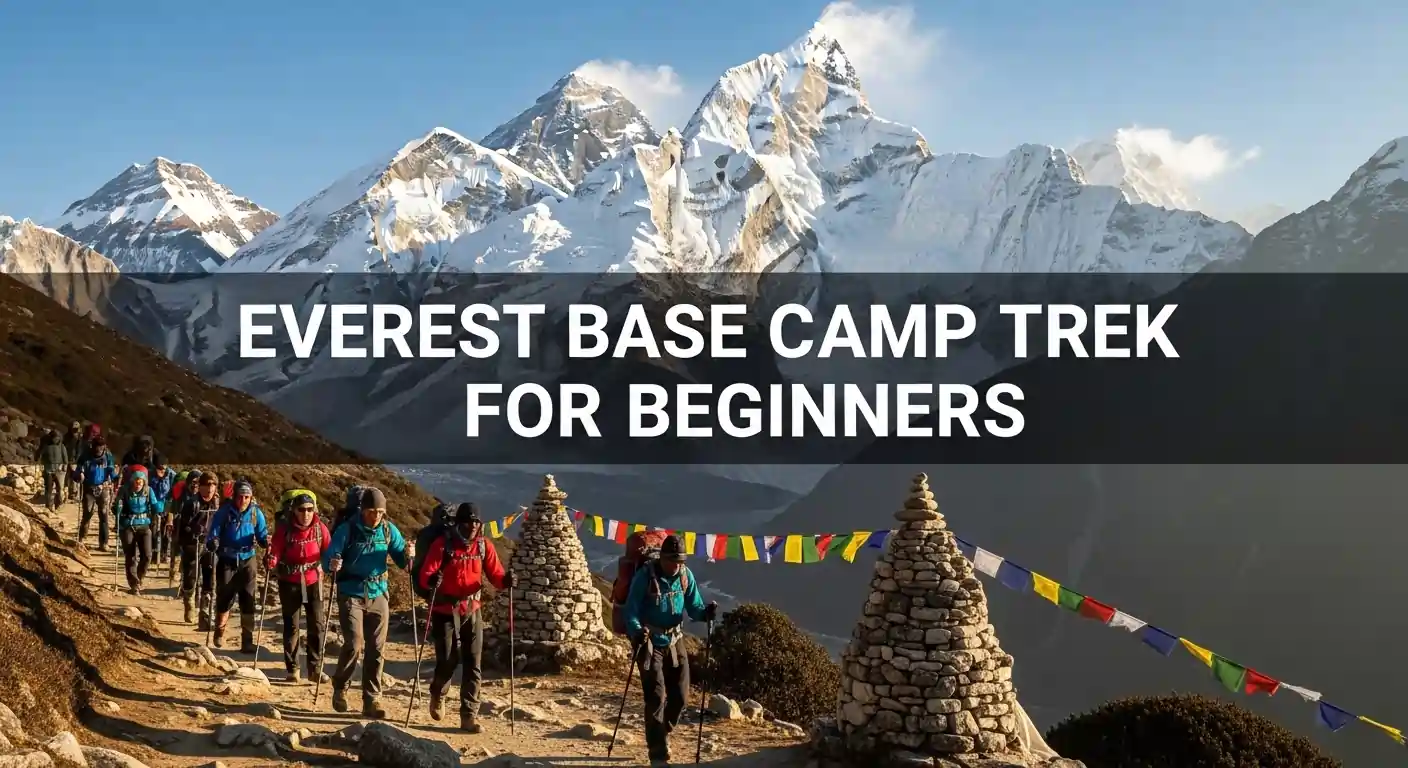
Can someone with no trekking experience really reach the foot of the world’s tallest mountain? The Everest Base Camp (EBC) trek is often portrayed as the ultimate adventure for seasoned hikers, but its reputation as a “non-technical” route makes it surprisingly accessible to a wider audience. With improved teahouse standards and more structured acclimatization schedules, the trail is more inviting than ever for those ready to step out of their comfort zone. However, while you don’t need to be an elite athlete to succeed, underestimating the high-altitude challenges of the Khumbu region is the most common mistake first-time trekkers make.
In this blog, we answer the question Is Everest Base Camp Trek for Beginners? to help you decide if this legendary journey is right for you. We explore the physical and mental demands of the trail, the importance of a 14-day itinerary, and the specific training required to handle the thinning air. You will also find essential tips on gear selection, safety regulations for 2026, and how to manage your expectations as a novice hiker. This guide is your starting point for transforming your Himalayan dream into a successful reality.
Introduction to Everest Base Camp Trek
The Everest Base Camp trek is a legendary high-altitude journey that leads you through the heart of the Khumbu region to the doorstep of the world’s tallest peak. Spanning approximately 130 kilometers (80 miles) round-trip, this trek offers an immersive experience into the Sherpa culture and the dramatic landscapes of the Sagarmatha National Park.
Beginners often ask if the Everest Base Camp trek for beginners is a realistic goal because of the intimidating 5,364-meter altitude and the remote nature of the Himalayas. Typically completed over 12 to 14 days, the journey follows a “teahouse trekking” style, where you sleep in local lodges and eat hot meals every day, rather than camping in the wild. While the physical exertion is high, the gradual ascent and the support of experienced guides make it an achievable bucket-list item for anyone with a solid fitness foundation and the mental grit to push through thin air, serving as a perfect introduction to adventure trekking in Nepal.
Is Everest Base Camp Trek for Beginners?
Yes, the Everest Base Camp trek is suitable for beginners as long as they possess good cardiovascular fitness and a strong mental resolve. While the trail is non-technical and requires no climbing skills, the high altitude and long daily walks make it a physically demanding endeavor. In 2026, most first-time trekkers succeed by following a slow-paced 14-day itinerary that prioritizes acclimatization and safety. Provided you have prepared with a few months of consistent training, the “foothills” of Everest are well within reach for a novice hiker who knows how to prepare for Everest Base Camp Trek.
Short Answer for Beginners
For a beginner, the Everest Base Camp trek is a test of endurance and altitude adaptation rather than technical mountaineering ability. In the context of the Himalayas, a “beginner” is someone who may have never hiked at high elevations but is physically active and capable of walking 5–7 hours a day. Success depends on walking “bistari, bistari” (slowly, slowly) and allowing your body to adjust to the thinning oxygen levels above 3,000 meters.
Who Is Considered a Beginner Trekker?
A beginner trekker is typically someone with little to no experience in multi-day high-altitude hiking but who maintains a healthy, active lifestyle. Unlike mountaineers who use ropes and ice axes to summit peaks, beginners on the EBC trail follow established stone paths and stay in local teahouses. The primary difference lies in the lack of technical skills; while you don’t need to know how to climb, you must have the leg strength and mental stamina to handle rugged, uneven terrain for twelve consecutive days.
Difficulty Level of Everest Base Camp Trek
The difficulty level of the Everest Base Camp trek for beginners is generally classified as moderate to strenuous, primarily due to the high-altitude environment. While the trail itself is a series of well-trodden paths without technical climbing, the thin air and sustained physical effort over 12 to 14 days can be taxing. Understanding the physical demands and altitude profile is crucial for anyone researching the Everest base camp trek difficulty.
Physical Difficulty for Beginners
Physically, the trek requires you to walk between 5 and 7 hours daily over rocky, uneven terrain that includes several steep uphill sections. You will be gaining thousands of meters in elevation, moving from 2,840m in Lukla to over 5,300m at Base Camp, which puts immense pressure on your cardiovascular system. Beginners must have the endurance to handle “staircase” climbs and dusty trails while carrying a daypack, even as their oxygen levels decrease significantly. Consistent lower-body strength and a reliable pair of broken-in boots are essential to prevent fatigue and blisters on these long trekking days.
Mental Challenges on Everest Base Camp Trek
The mental challenges of EBC are often underestimated, as beginners must cope with “altitude fatigue,” cold mornings, and the loss of daily comforts. Waking up in a freezing teahouse and pushing yourself to walk uphill when your energy is low requires a high degree of mental resilience and determination. Staying motivated as a beginner is about celebrating small milestones, like reaching the next village, rather than obsessing over the final distance. The lack of reliable Wi-Fi, the basic food options, and the sheer remoteness of the Khumbu region can be mentally draining, making a positive mindset your most valuable asset on the trail.
Altitude and Acclimatization on Everest Base Camp Trek
Properly managing altitude is the most critical factor for success on the Everest Base Camp trek, especially for those with no prior high-elevation experience. Acclimatization is the physiological process where your body adjusts to the decreasing oxygen levels by producing more red blood cells to carry oxygen more efficiently. Standard safety protocols focus on a “climb high, sleep low” strategy, ensuring that beginners can safely reach the base of the world’s highest mountain without suffering from severe illness. Building the necessary endurance and cardiovascular strength is a key part of your training for Everest base camp trek.
Everest Base Camp Trek Altitude Profile
The EBC trek begins at Lukla (2,840m) and climbs steadily to the Base Camp at 5,364m, with the highest point usually being Kala Patthar at 5,545m. Major stops like Namche Bazaar (3,440m), Dingboche (4,410m), and Lobuche (4,940m) serve as critical milestones where the air becomes noticeably thinner. Understanding this profile helps beginners visualize the ascent and prepare for the significant physical shift that occurs once you cross the 4,000-meter threshold.
How Acclimatization Helps Beginners
Acclimatization is the “secret weapon” that makes the Everest Base Camp trek beginner-friendly by allowing your body to adapt at its own natural pace. By incorporating mandatory rest days in Namche and Dingboche, you significantly reduce the risk of Acute Mountain Sickness (AMS) and exhaustion.
- Gradual Exposure: Following a 14-day itinerary ensures you don’t ascend more than 300–500 meters of sleeping altitude per day.
- Red Blood Cell Production: Extra days at altitude allow your body to increase its oxygen-carrying capacity naturally.
- Strategic Rest: Planned rest days don’t mean sitting still; “acclimatization hikes” to higher points help your system adjust before you sleep at a lower elevation.
- Energy Conservation: A slower pace prevents “burnout,” ensuring you have the strength for the final challenging days near the glacier.
- Hydration and Nutrition: These breaks give you time to focus on drinking 4 liters of water daily, which is essential for thin-air survival.
- Monitoring Health: Guides use these days to check your heart rate and oxygen saturation, providing a safety net that solo travelers often lack.
Physical Fitness Required for Everest Base Camp Trek for Beginners
A successful Everest Base Camp trek for beginners relies on a solid foundation of cardiovascular endurance and lower-body strength rather than elite athleticism. Since the trail is non-technical, the goal of your physical preparation is to ensure your heart, lungs, and legs can handle 5-7 hours of daily walking at altitudes where oxygen levels are significantly reduced. In 2026, most first-time trekkers who commit to a 2-to-3-month training window find the physical demands manageable and the journey far more enjoyable.
- Cardiovascular Base: You don’t need to be a runner, but you should be able to maintain a steady walking pace for several hours without extreme breathlessness.
- Leg and Core Strength: Focus on building your quads, calves, and glutes, as these muscles will power you through thousands of stone steps and uneven rocky paths.
- No Elite Status Required: Regular individuals, including office workers and retirees, successfully complete the trek by prioritizing consistency in their training over raw speed.
- Walking Practice: The best preparation is walking; start with 30-minute sessions and gradually build up to 4-6 hour hikes to simulate a real day on the EBC trail.
- Stair Climbing: If you live in a flat area, using a stair machine or local stadium steps is the most effective way to mimic the steep Himalayan inclines.
- Breathing Techniques: Practicing diaphragmatic (belly) breathing helps maximize your lung capacity and keeps you calm when the air starts to feel thin above 4,000 meters.
- Weighted Training: Gradually introduce a 5-7kg daypack into your walks to get your shoulders and back accustomed to the weight of your daily essentials.
Route and Trail Conditions on Everest Base Camp Trek
The trail to Everest Base Camp is a well-established network of rocky paths, stone staircases, and sturdy suspension bridges that cross the Dudh Koshi River. While the terrain is rugged and uneven, it does not require any technical climbing, making it a predictable route for first-time trekkers in the Khumbu region.
Trail Type and Daily Walking Distance
For beginners, the Everest Base Camp trail consists mainly of dusty footpaths and steep stone steps that wind through pine forests and high-altitude glacial moraines. You will typically cover an average daily distance of 10 to 15 kilometers, which usually takes between 5 and 7 hours of walking at a slow and steady pace. The use of iconic, high-altitude suspension bridges helps bypass deep gorges, providing a stable, though sometimes thrilling, experience for those new to the Himalayas. Because the distance is spread over 12 to 14 days, the daily workload is designed to prevent exhaustion and allow for consistent progress toward the 5,364-meter goal.
Tea Houses and Facilities Along the Route
The Everest Base Camp trek is famous for its “tea house” infrastructure, which provides comfortable wooden lodges and warm meals at every stop along the route. Beginners benefit from a wide variety of food options, ranging from the energy-packed traditional Dal Bhat to western favorites like pasta, eggs, and pancakes, all prepared by local hosts. In 2026, many of these lodges offer modern amenities such as heated dining rooms, Wi-Fi, and hot showers, making the EBC journey much easier than technical treks that require camping and self-sufficiency. This accessibility allows novice hikers to sleep in a bed and recover in a social, protected environment every single night of their adventure.
Best Time for Everest Base Camp Trek for Beginners
Choosing the right season is the most important decision a beginner can make to ensure a safe and successful journey to Everest Base Camp. The Himalayan climate is notoriously unpredictable, but certain windows offer the mild temperatures and clear skies that a novice trekker needs to stay comfortable.
Best Seasons for First-Time Trekkers
Spring (March to May) and autumn (September to November) are the absolute best seasons for beginners due to their high weather stability and excellent visibility. Spring offers the added beauty of blooming rhododendrons and warmer temperatures as the winter snow begins to melt away. Autumn is often considered the “perfect” window, as the air is crisp and clear following the monsoon rains, providing the sharpest views of Everest and the surrounding giants. During these peak months, the trails are well-peopled and teahouses are fully operational, creating a secure and social environment for those new to the Khumbu region.
Seasons Beginners Should Avoid
Beginners should generally avoid the monsoon season (June to August) and the peak winter months (December to February) due to extreme safety risks. The monsoon brings heavy rain, slippery trails, and a high likelihood of leeches and landslides, while the towering peaks are almost always hidden behind thick clouds. Winter presents a different challenge with bone-chilling temperatures dropping to -20°C and the constant threat of heavy snow blocking the high-altitude passes. For a first-timer, these conditions can be physically overwhelming and mentally draining, especially with the frequent flight delays into the high-altitude Lukla airport.
Safety on Everest Base Camp Trek for Beginners
Safety is the top priority for any beginner attempting the Everest Base Camp trek, and the route is generally very safe when approached with respect and preparation. In 2026, the combination of mandatory professional guides, improved communication networks, and better-equipped teahouses has significantly reduced the risks associated with high-altitude hiking. While the environment is inherently challenging, most issues arise from individuals rushing their ascent or ignoring early warning signs from their bodies. By following a structured 14-day plan and utilizing the local expertise of a Sherpa-led team, a novice can safely navigate the trails of the Khumbu.
Is Everest Base Camp Trek Safe for Beginners?
The Everest Base Camp trek is very safe for beginners provided they travel with a licensed guide who can monitor their health and navigate the terrain. These professionals are trained to spot early symptoms of altitude sickness and ensure you are eating and hydrating enough to maintain your energy levels.
Common Risks and How to Avoid Them
The primary risks for beginners are Altitude Sickness (AMS), unpredictable weather, and physical exhaustion. To avoid these, you must follow the “climb high, sleep low” rule, carry high-quality cold-weather gear, and never push yourself beyond your physical limits during the long daily walks.
Guided vs Independent Trek for Beginners
Choosing between a guided or independent journey is a critical decision for first-time trekkers that directly impacts safety and success. While some experienced hikers prefer total autonomy, the complexities of the Khumbu region make professional support an invaluable asset for those new to the Himalayas.
Why Guided Everest Base Camp Trek Is Better for Beginners
A guided trek offers beginners a dedicated professional who manages pacing, navigation, and health monitoring, which are crucial at high altitudes. Your guide acts as a bridge between you and the local culture, ensuring you secure the best teahouse rooms and meals while providing immediate emergency support if symptoms of altitude sickness appear. This layer of protection allows novice trekkers to focus entirely on their physical performance and the stunning surroundings without the stress of managing mountain logistics.
Can Beginners Do Everest Base Camp Trek Independently?
In 2026, beginners are legally required to hire a licensed guide for the Everest Base Camp trek, making purely independent solo trekking a thing of the past. This regulation was implemented to enhance safety and ensure that first-timers have the necessary support to navigate the rugged terrain and thinning air safely. Attempting to bypass these rules not only carries the risk of being denied entry at checkpoints but also exposes inexperienced hikers to significant risks regarding emergency evacuation and pathfinding in unpredictable weather.
Cost of Everest Base Camp Trek for Beginners
The cost of the Everest Base Camp trek for beginners in 2026 typically ranges from $1,200 to $4,500 depending on the level of comfort and service you choose. For a first-timer, investing in a slightly higher budget often translates to better safety standards, more experienced guides, and higher-quality accommodation which is crucial for recovery at high altitudes. While the base costs for permits and flights are fixed, your spending on food, porter services, and “mountain luxuries” like hot showers and Wi-Fi will determine your final bill.
| Expense Category | Budget Option (Self-Managed) | Standard Option (Local Agency) | Luxury Option (High-End Service) |
| Permits (Khumbu & Sagarmatha) | $50 – $60 | Included in package | Included in package |
| Lukla Flights (Round Trip) | $360 – $450 | Included in package | Private Helicopter Upgrades ($2,500+) |
| Licensed Guide (Mandatory) | $30 – $35 per day | Included in package | Senior Elite Guide Included |
| Porter Service | $25 – $30 per day | Included in package | Private Porter Included |
| Accommodation | Basic Teahouses ($5-$10/night) | Standard Teahouses | Luxury Lodges (Attached Bath/Heated) |
| Daily Meals & Water | $30 – $40 per day | Included in package | A-la-carte & Specialized Nutrition |
| Wi-Fi & Battery Charging | $5 – $10 per day | $5 – $10 per day | Usually Included in Luxury Lodges |
| Travel Insurance | $150 – $250 | $150 – $250 | $250 – $400 (Premium Coverage) |
| Estimated Total (14 Days) | $1,200 – $1,500 | $1,800 – $2,500 | $4,000 – $6,000+ |
Tips for Beginners Planning Everest Base Camp Trek
Planning your first expedition to Everest Base Camp requires a strategic approach that balances physical readiness with the right gear and mindset. Success for a novice isn’t about speed, but about how well you manage your energy and health throughout the 14-day journey. In 2026, the best advice for any beginner is to prioritize quality over quantity in every aspect of their preparation, from the boots on their feet to the thoughts in their head.
- Layer Your Clothing: Use a moisture-wicking base layer, a warm fleece mid-layer, and a high-quality down jacket to stay comfortable during the extreme temperature shifts between day and night.
- Master the “Bistari” Pace: Always walk slower than your normal speed to conserve energy and allow your heart and lungs to adapt to the thinning air without becoming overexerted.
- Hydrate Constantly: Drink at least 3–4 liters of water every day to help your blood carry oxygen more efficiently and significantly reduce the symptoms of mild altitude headaches.
- Break in Your Boots: Ensure your trekking boots are thoroughly worn in at least two months before the trek to prevent debilitating blisters on the long trails.
- Mental Resilience: Prepare for cold mornings and basic living conditions by focusing on your “why” and staying positive when fatigue or discomfort sets in during the higher climbs.
- Pack High-Energy Snacks: Keep familiar snacks like protein bars or chocolate in your daypack for a quick morale and energy boost when your appetite decreases at higher elevations.
Conclusion
The Everest Base Camp trek for beginners is a challenging but deeply rewarding journey that proves you don’t need to be an expert mountaineer to reach the foot of the world’s highest peak. While the physical demands of walking 130 kilometers at high altitude are real, they are entirely manageable with the right training, a slow pace, and a professional support team.
Success on this trek isn’t measured by speed, but by your ability to listen to your body and respect the power of the mountains. By choosing a 14-day itinerary and focusing on your cardiovascular fitness, you can safely navigate the “Death Zone” threshold and stand where legends have stood for decades. If you have been dreaming of seeing Everest with your own eyes, don’t let a lack of experience stop you, start your training today and prepare for an adventure that will stay with you forever.
Ready to take your first steps toward the world’s highest base camp? Contact Marvel Treks today to book your 2026 beginner-friendly Everest expedition and let our expert guides lead you to the top of the world!
FAQS
Can I do an EBC trek without any training?
No, even fit beginners need at least 8 weeks of cardio and leg training to handle the altitude.
How many hours a day will I walk?
Most beginners walk for 5 to 7 hours per day at a slow, steady pace to ensure safe acclimatization.
Is there a minimum age for the trek?
There is no official age limit, but trekkers should be at least 12 years old and in good health.
What is the highest point of the trek?
The highest point is Kala Patthar at 5,545 meters, which offers the best panoramic views of Mount Everest.
Will I get altitude sickness?
Most trekkers feel mild symptoms; following a 14-day itinerary with rest days is the best way to prevent AMS.
Do I need to carry my own bag?
Most beginners hire a porter through an agency, allowing them to carry only a light 5–7kg daypack.
Can I find western food on the trail?
Yes, teahouses offer a variety of options like pasta and pancakes, though Dal Bhat is best for energy.
Is the Lukla flight dangerous?
While famous, flights are strictly regulated in 2026 and only operate in clear weather to ensure maximum safety.

Ready for your next Himalayan adventure?
Plan Your Next Big Adventure with Us
Explore Our AdventuresJoin our expert-guided journeys across Nepal and beyond, from classic trails to epic summits.