
Renjo La Pass Trek: Complete Guide to the Three High Passes Route
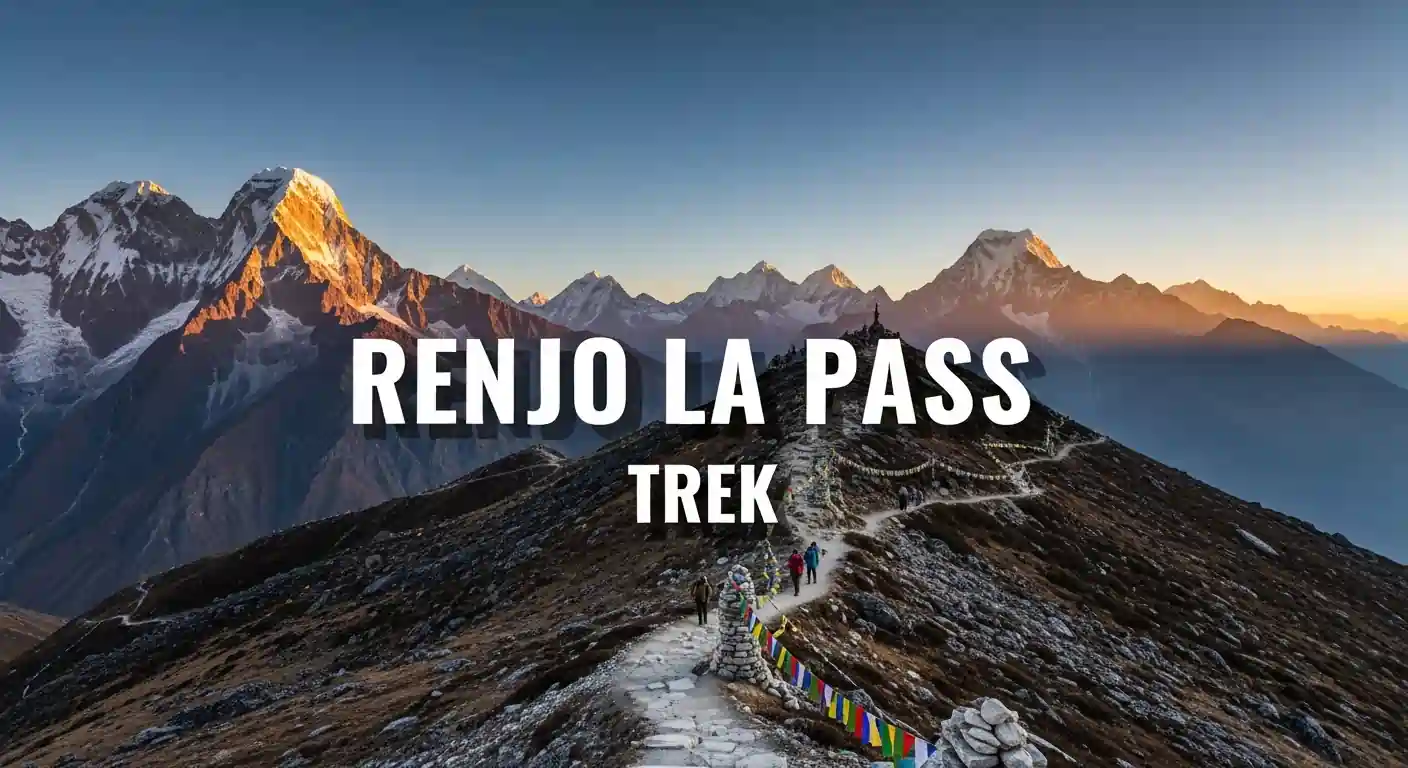
Ever felt like the “standard” Everest Base Camp trail is a bit too much like a crowded subway station during rush hour, bro? If you’re craving that raw, high-vibration Himalayan solitude where the only thing louder than your heartbeat is the sound of shifting glacial ice, then the Renjo La Pass is calling your name. Standing at a staggering 5,360 meters (17,585 feet), this isn’t just a physical hurdle; it’s a panoramic “cheat code” that offers arguably the most legendary view of Everest, Lhotse, and Makalu reflecting in the turquoise mirrors of the Gokyo Lakes.
In this blog, we are diving deep into the ultimate Renjo La Pass Trek blueprint to ensure your journey through the three passes trek route is as smooth as a fresh layer of mountain snow. We’ll break down the tactical logistics, from the “knees-to-chest” steepness of the ascent to the hidden gems of the Gokyo Valley, so you know exactly what to pack and how to pace your breath. Whether you’re curious about the technical difficulty of the pass in shoulder seasons or looking for the best spots to catch that “money shot” of the Mahalangur Range, we’ve got the intel. We’re talking about acclimatization schedules that actually work, the teahouse vibes of the remote Gokyo village, and the essential safety tips that will keep you vertical while you’re crossing one of the most iconic high-altitude thresholds in Nepal.
What Is the Renjo La Pass Trek?
The Renjo La Pass Trek is a high-altitude, technical masterpiece in the Everest region that stands as the westernmost crossing of the legendary Three High Passes route, sitting at a staggering elevation of 5,360 meters (17,585 feet). Often described as the “sophisticated cousin” of the standard EBC trek, this route is specifically designed for the restless adventurer who wants the absolute best views of Mount Everest and the turquoise Gokyo Lakes without the overwhelming human traffic.
It’s a high-vibration circuit that demands solid physical conditioning and a taste for the dramatic, making it the perfect choice for seasoned hikers looking to level up their Himalayan game in 2026. If you like your mountain views served with a side of high-altitude grit and a heavy dose of solitude, this is the tactical choice for your next Khumbu pilgrimage and the ultimate representation of adventure trekking in Nepal.
Why Choose the Renjo La Pass Trek?
You should choose the Renjo La Pass Trek because it offers a high-vibration, tactical alternative to the crowded main trails, combining the spiritual serenity of the turquoise Gokyo Lakes with the raw, physical challenge of a 5,360-meter (17,585 feet) pass crossing. It is the ultimate “cheat code” for trekkers who want to see the Everest massif from a perspective that most tourists never reach, providing a deep, grounded connection to the Mahalangur Range that feels earned rather than just visited.
- The “Money Shot” Panorama: Unlike other viewpoints, the summit of Renjo La provides a massive, unobstructed vertical perspective where Everest, Lhotse, Makalu, and Cho Oyu appear to float directly above the emerald waters of the Gokyo Lakes.
- Tactical Solitude: Because it is part of the more challenging “Three Passes” circuit, you’ll encounter significantly fewer trekkers, allowing for a more intimate and grounded connection with the raw Himalayan wilderness.
- The Ultimate High-Altitude Circuit: Choosing this trek allows you to seamlessly link the Thame Valley with the Gokyo Valley, giving you a diverse geographical loop rather than a simple “up and back” trail.
- Deep Cultural Immersion: You’ll pass through remote villages like Thame, the home of legendary Everest summiters, where the Tibetan-influenced Sherpa culture remains vibrant, untouched, and deeply spiritual.
- A True Physical Level-Up: Crossing a 5,360-meter pass is a significant milestone that tests your acclimatization and endurance, providing a massive sense of accomplishment that a standard trek just can’t match.
Renjo La Pass Trek Route Overview
The Renjo La Pass Trek route is a high-vibration Himalayan circuit that typically spans 12 to 14 days, kicking off with a legendary flight to Lukla before looping through the sacred Gokyo Lakes and over the 5,360-meter western threshold of the Khumbu. It’s essentially a grand tour of the Everest region’s “quiet side,” trading the crowded main trails for a more rugged, tactical path that connects the turquoise waters of Gokyo with the ancient trade routes of the Thame Valley. This route is all about the “slow burn”, you gain altitude gradually through rhododendron forests and yak pastures, building the red blood cells you’ll need to conquer the pass and earn that world-class view of the Everest massif.
Starting Point and Trekking Base
Lukla serves as the official “jump-off” point for the mission, but Namche Bazaar is the true tactical base where your body begins its high-altitude transformation. After surviving the thrilling landing at Tenzing-Hillary Airport (2,840m), you’ll trek through the Dudh Koshi valley to reach Namche, the bustling Sherpa capital. This is where you’ll spend your critical rest days, sipping overpriced lattes while your kidneys do the heavy lifting of adjusting your blood chemistry for the thin air that waits further up the trail.
Key Stops Along the Trail
The primary milestones of this trek include the mirror-like Gokyo Village, the lung-busting Renjo La Pass summit, and the remote, spiritual settlement of Lungden. Gokyo Village sits at 4,790m right on the edge of the Third Lake, providing a surreal, “end-of-the-world” vibe before you tackle the rocky staircase of the pass. Once you hit the summit, you’re rewarded with a 360-degree theater of 8,000-meter giants, followed by a long, scenic descent into the Bhote Koshi valley where the traffic is light and the mountain soul is heavy.
Ending Point of the Trek
The journey usually concludes with a victory lap back to Lukla via the Thame Valley, though many legends choose to pivot east to extend the mission toward Everest Base Camp Trek. After descending from the high pass, you’ll wind through the ancient village of Thame, the home of many Everest record-holders, before rejoining the main trail at Namche. Whether you fly out of Lukla or decide to keep the momentum going through the Cho La Pass, the sense of accomplishment from closing the Renjo La loop is a high that lasts long after you’ve reached sea level.
Renjo La Pass Trek Distance, Duration, and Difficulty
The Renjo La Pass Trek covers approximately 92 kilometers (57 miles) of rugged Himalayan terrain, typically requiring a 12 to 14-day commitment to safely navigate the 5,360-meter (17,585 feet) summit. This route is a masterclass in high-altitude endurance, demanding a tactical balance between physical grit and physiological patience as you ascend from the lush forests of Lukla to the thin, crystalline air of the high passes. While the distance might seem manageable on paper, the sheer verticality and the technical rock-and-ice sections of the pass itself elevate this trek from a standard mountain walk to a true high-vibration challenge.
Trek Distance and Elevation Gain
Over the course of the circuit, you’ll cover nearly 100 kilometers of trail while gaining over 2,500 vertical meters from your starting point in Lukla. The most significant physical “tax” occurs during the push from Gokyo Village (4,790m) to the Renjo La summit at 5,360m, a stretch that tests your lung capacity and mental focus with every step. Because you are constantly fluctuating between valley floors and high ridges, your body is in a perpetual state of adaptation, making the “elevation gain per day” a more critical metric than the actual horizontal distance covered.
Difficulty Level
The Renjo La Pass is officially categorized as “challenging,” sitting comfortably between the slightly more technical Cho La and the grueling, marathon-like Kongma La. While it doesn’t require technical climbing gear like ropes or ice axes in the peak season, the steep, stone-staircase descent into the Thame Valley is notorious for testing even the most seasoned trekking knees. Compared to the standard Everest Base Camp route, the Renjo La requires a higher level of cardiovascular fitness and a “zero-ego” approach to acclimatization, as the weather on the pass can turn a moderate day into a high-stakes mountain crossing in minutes.
How Many Days Does It Take?
Standard, safety-first itinerary for the Renjo La Pass Trek spans 12 to 14 days, providing enough “buffer room” for at least two dedicated acclimatization days in Namche Bazaar and Gokyo. This duration is the sweet spot for most trekkers, allowing for a steady pace that prevents “altitude burnout” while leaving a window for potential weather delays at the pass. If you’re combining this with the other two high passes, you should look at a 18 to 21-day mission, but for a focused Renjo La loop, a two-week window ensures you have the energy to actually enjoy the view at the top rather than just surviving it.
Best Time to Trek Renjo La Pass
The absolute best windows for the Renjo La Pass Trek are the post-monsoon autumn season (September to November) and the pre-monsoon spring season (March to May), when the weather is at its most stable. These peak periods offer the tactical advantage of clear, high-visibility skies and manageable temperatures, which are essential for navigating a technical 5,360-meter crossing. While autumn provides the crispest, “diamond-clear” views of Everest after the rains, spring brings a softer beauty with blooming rhododendrons and longer daylight hours, ensuring you have the maximum safety margin for your high-pass mission and confirming this as the best season for trekking in Nepal.
Autumn (September–November) for Clear Views
Autumn is widely considered the gold standard for high-pass trekking because the monsoon has just washed the atmosphere clean, leaving you with staggering, high-definition views of the 8,000-meter giants. From late September to November, the “Everest theater” is at its most consistent, with deep blue skies and very little precipitation to block the path over the Renjo La. While the nights start to get a bit “crispy” as you approach December, the daytime hiking temperatures are perfect for maintaining a steady, low-sweat pace. It’s the season for those iconic reflection shots in the Gokyo Lakes that look like they’ve been photoshopped by the gods themselves.
Spring (March–May) for Blooming Rhododendrons
If you want to see the Himalayas in full-color mode, the spring window from March to May is your best bet as the valley floor explodes with vibrant red and pink rhododendrons. This season is a favorite for climbers and trekkers alike because the winter snow is beginning to recede, and the days are getting longer and warmer with every passing week. While you might encounter some afternoon cloud build-up or the occasional pre-monsoon shower in late May, the overall stability makes it a prime time for crossing the Renjo La. It’s a high-vibration time where the mountains feel “alive” again after the deep winter freeze.
Weather Challenges in Winter and Monsoon
Attempting the Renjo La during the winter (December–February) or monsoon (June–August) is a high-risk gamble that most veterans avoid due to extreme weather variables. Winter brings brutal, sub-zero temperatures and heavy snow that can turn the steep pass into an impassable, icy wall, often forcing trekkers to turn back just short of the goal. The monsoon, on the other hand, is a wet and slippery mess with leeches, low visibility, and frequent flight cancellations into Lukla that can derail your entire itinerary. Unless you’re a professional looking for a “survival-style” mission, these seasons offer too much friction for a successful high-pass trek.
Flora, Fauna, and Scenery Along the Trek
The Renjo La Pass Trek is a high-vibration journey through the heart of Sagarmatha National Park, offering a dramatic transition from lush, sub-alpine rhododendron forests to the stark, crystalline beauty of high-altitude glacial landscapes. This route serves as a living gallery of the Himalayas, where the vibrant greens of the lower valleys eventually give way to the turquoise mirrors of the Gokyo Lakes and the monochrome majesty of the world’s highest peaks. It’s a tactical feast for the eyes, providing a rare glimpse into a fragile ecosystem that remains largely untouched by the heavy commercial traffic of the main Everest trails.
Wildlife to Spot
While trekking through the Khumbu, you’re likely to encounter the iconic Himalayan Tahr and the colorful Danphe (Impeyan Pheasant), with the elusive Snow Leopard and Red Panda remaining the “holy grail” sightings for the lucky few. The higher you climb toward the Renjo La, the more you’ll see hardy mountain goats grazing on vertical cliffs and Tibetan Snowcocks scurrying through the rocky moraine. Keep your binoculars ready during the quiet stretches near Thame and the Bhote Koshi valley, where the lack of crowds makes the local wildlife much bolder and more visible.
Scenic Highlights
The undisputed “money shot” of this trek is the 360-degree panorama from the Renjo La summit, where the Everest massif, Lhotse, Makalu, and Cho Oyu frame the emerald-green Gokyo Lakes in a single, jaw-dropping frame. Beyond the 8,000-meter giants, the trail treats you to the massive Ngozumpa Glacier, the longest in the Himalayas, and the high-altitude alpine meadows that come alive with wildflowers in the spring. It’s a landscape of constant contrast, shifting from the deep, spiritual silence of ancient monasteries to the raw, thundering power of glacial ice and high-altitude winds.
Trekking Permits and Regulations
- Sagarmatha National Park Permit: This mandatory entry permit grants you access to the UNESCO World Heritage site and supports the conservation of the fragile Everest ecosystem, including the Renjo La Pass region.
- Khumbu Pasang Lhamu Rural Municipality Permit: In 2026, this local government permit remains the primary replacement for the old TIMS card in the Everest region, specifically funding local infrastructure and trail maintenance.
- Certified Guide Mandate: Following the 2023 regulations, all solo foreign trekkers must hire a licensed guide to ensure safety and navigate the technical high-altitude terrain of the Three Passes route.
- Environmental Responsibility: Strict adherence to “Leave No Trace” principles and local waste management regulations is required to preserve the high-vibration purity of the Gokyo and Thame valleys.
Accommodation and Food Options
Accommodation on the Renjo La Pass Trek revolves around the iconic Sherpa “tea house” culture, offering a high-vibration community atmosphere where you can refuel and rest in family-run lodges. These stone-and-wood structures are strategically spaced along the trail, providing a tactical sanctuary from the high-altitude elements while allowing you to experience authentic Himalayan hospitality. From the bustling lodges of Namche to the more remote outposts in Lungden, you’ll find that the “hearth” of the tea house is where the true spirit of the trek comes alive every evening.
Tea Houses and Lodges
Tea houses are available at every major stop on the Renjo La route, providing basic twin-sharing rooms that typically cost between $5 and $15 per night depending on the elevation. Most lodges feature a central communal dining hall heated by a yak-dung stove, which serves as the tactical hub for drying gear and swapping trail stories. Facilities are generally “rugged-chic,” meaning you should expect shared bathrooms (often traditional squat toilets at higher altitudes) and extra fees for amenities like hot showers, battery charging, and WiFi. While blankets are provided, carrying a 4-season sleeping bag is non-negotiable for staying warm when the temperatures drop well below freezing after the sun sets.
Food and Water
The culinary backbone of the trek is “Dal Bhat Power,” an unlimited serving of rice, lentil soup, and vegetable curry that provides the high-calorie fuel needed for a 5,360-meter pass crossing. Menus also feature mountain staples like momos, garlic soup (great for altitude!), and various pasta or potato dishes, with meals typically costing between $5 and $10 each. For hydration, avoid buying bottled plastic to protect the fragile ecosystem; instead, use a reusable bottle with portable purification tablets or a UV filter to treat local stream water. Pro-tip: Carry a stash of high-energy snacks like nuts, chocolate, and electrolytes to maintain your sugar levels during the grueling 8-hour push over the Renjo La summit.
Packing List for Renjo La Pass Trek
- High-Vibration Layering System: You’ll need a tactical 4-layer system including moisture-wicking base layers, a mid-weight fleece, a heavy down jacket (-15°C to -20°C rated), and a waterproof/windproof hardshell. Temperatures can swing $30$ degrees in a single afternoon on the pass, so having breathable fabrics that you can “strip and zip” is the only way to manage your body heat.
- Technical Footwear and Traction: Invest in high-quality, broken-in trekking boots with solid ankle support and a stiff sole for the rocky “staircase” sections of the Renjo La. You must also carry a pair of lightweight micro-spikes (crampons) and adjustable trekking poles; these are non-negotiable for maintaining stability on the icy, north-facing slopes of the pass where a single slip can end the mission.
- High-Altitude Skin and Eye Protection: The UV radiation at 5,360 meters is brutal, making Category 4 polarized sunglasses and a high-SPF (50+) sunblock essential to prevent snow blindness and “Himalayan fried” skin. Don’t forget a wide-brimmed sun hat for the lower valleys and a thermal buff or “balaclava” to protect your throat from the dry, freezing “Khumbu Cough” air.
- Personal Medical and Survival Kit: Your tactical first aid kit should include Diamox for altitude, blister tape, and broad-spectrum antibiotics, alongside a high-capacity power bank and a headlamp with spare batteries. Since the Renjo La is more remote than the main trail, carry enough personal essentials (toiletries, wet wipes, and hand sanitizer) to last the full 14 days, as supplies in Gokyo and Lungden are limited and expensive.
Safety Tips for High Pass Trekking
High pass trekking success in the Khumbu depends on a “zero-ego” tactical approach that prioritizes physiological adaptation and meticulous weather monitoring over rigid daily mileage goals. Safety at 5,360 meters is a game of patience; if you respect the mountain’s rules of acclimatization and carry the right technical gear, you turn a high-risk mission into a high-vibration triumph.
Also Read: Is Trekking In Nepal Safe?
Acclimatization and Altitude Sickness Prevention
The most critical safety rule is to never ascend with a headache and to maintain a “slow-is-smooth” pace that keeps your heart rate in a conversational zone. You must integrate at least two dedicated rest days—typically in Namche and Gokyo—to allow your blood chemistry to catch up with the thinning air. Hydrating with 3-4 liters of water daily and monitoring your oxygen saturation with a pulse oximeter are essential tactical habits that prevent mild AMS from spiraling into a medical emergency.
Weather Monitoring and Proper Gear
On the Renjo La, the weather can shift from “diamond-clear” to a total whiteout in minutes, making high-quality windproof layers and micro-spikes mandatory for every trekker. Before committing to the pass, you must check the latest forecast with local lodge owners and ensure your gear includes a headlamp with fresh batteries and a -15°C rated sleeping bag. Proper gear isn’t just about comfort; it’s your survival shell when the high-altitude winds begin to roar across the ridge.
Following Local Guidance and Route Markers
Always stick to the established rock cairns and trail markers, and never ignore the tactical advice of your veteran Sherpa guide regarding pass conditions. Local guides have a “mountain intuition” for snow stability and incoming storms that no weather app can replicate, especially on the steep, rocky descent toward Lungden. In the Himalayas, the trail is a living thing; following the collective wisdom of those who live there is the smartest way to ensure you make it back to Lukla in one piece.
How to Combine Renjo La Pass Trek with Other High Passes?
You can combine the Renjo La Pass with the Cho La and Kongma La to complete the legendary “Three High Passes” loop, an 18 to 21-day tactical masterpiece that circumnavigates the entire Everest region. To pull this off, you typically start with the Kongma La (5,535m) for the rawest Everest views, pivot through the icy technicality of the Cho La (5,420m) to reach the Gokyo Lakes, and finish with the 5,360-meter Renjo La as a high-vibration “victory lap.” This extended mission requires a “zero-ego” acclimatization schedule, at least three dedicated rest days, and a physical engine built for sustained 8-hour days in the thin air, making it the ultimate badge of honor for Himalayan trekkers.
Cost of Renjo La Pass Trek
For 2026, a mid-range Renjo La Pass Trek typically costs between $1,300 and $1,850 per person for a standard 12 to 14-day itinerary. This budget provides a tactical balance between safety and comfort, covering your round-trip Lukla flights, high-altitude permits, licensed guide services, and full-board tea house accommodation. While the price can fluctuate based on your group size and the level of “lodge luxury” you choose in Namche, budgeting around $100 to $130 per day ensures you have the high-vibration support needed to conquer the 5,360-meter pass without cutting corners on essential safety logistics.
- Permit and Entry Fees: You’ll need to budget approximately $45 to $55 for the Sagarmatha National Park entry and the Khumbu Pasang Lhamu Rural Municipality permit, which are mandatory for every trekker entering the region.
- Guide and Porter Logistics: Expect to pay $30–$45 per day for a certified high-altitude guide and $20–$28 per day for a porter. Since guides are now mandatory, sharing these costs within a small group is a smart way to maximize your tactical budget.
- Daily Sustenance and Bed: Standard tea house accommodation ranges from $10 to $25 per night, while a full day of meals (Dal Bhat, breakfast, and dinner) typically costs between $30 and $45 depending on how high you’ve climbed.
- Self-Organized vs. Guided: While a self-organized trek might seem cheaper on paper, a guided tour through a veteran agency often saves money in the long run by including all logistics, flights, and emergency coordination in a single, transparent package.
Conclusion
The Renjo La Pass Trek is more than just a high-altitude “checkbox” on a map; it is a high-vibration spiritual and physical pilgrimage through the rawest, most spectacular corners of the Everest region. From the turquoise mirrors of the Gokyo Lakes to the technical, lung-busting climb over the 5,360-meter summit, this journey offers a rare tactical blend of solitude and world-class scenery that the standard base camp trails simply cannot match.
As you prepare for this 14-day mission, remember that success in the Himalayas is a game of patience, preparation, and profound respect for the mountain. Focus on building your cardiovascular engine, dial in your high-altitude layering system, and most importantly, approach the trek with a “zero-ego” mindset regarding acclimatization. Whether you are tackling the Renjo La as a standalone loop or as the final “victory lap” of the Three High Passes route, the rewards are legendary. The mountains are calling, the trail is vetted, and the only thing missing from this high-vibration narrative is your footsteps on the pass; so pack your bags, lace up your boots, and get ready for the adventure of a lifetime with the expert team at Marvel Treks.
FAQS
How difficult is the Renjo La Pass?
It is a challenging, non-technical trek requiring high cardiovascular fitness and solid endurance for 8-hour high-altitude hiking days.
What is the maximum altitude of the trek?
The highest point is the Renjo La Pass summit, which sits at a staggering 5,360 meters (17,585 feet).
Do I need crampons for Renjo La?
While not always needed, carrying lightweight micro-spikes is a tactical necessity for icy or snowy sections on the pass.
Is the Renjo La trek crowded?
No, it is significantly quieter than the standard Everest Base Camp trail, offering a high-vibration, solitary Himalayan experience.
Can I see Mt. Everest from Renjo La?
Yes, the summit offers arguably the best panoramic views of Everest, Lhotse, Makalu, and Cho Oyu in Nepal.
How long does the Renjo La trek take?
A standard, safety-first itinerary typically lasts 12 to 14 days, including essential acclimatization days in Namche and Gokyo.
Is a guide mandatory for Renjo La?
Yes, per 2023 regulations, all foreign trekkers must hire a licensed guide to navigate the technical high-altitude terrain.
What is the best month for this trek?
October and November offer the crispest skies and most stable weather for a successful high-pass crossing in the Khumbu.

Ready for your next Himalayan adventure?
Plan Your Next Big Adventure with Us
Explore Our AdventuresJoin our expert-guided journeys across Nepal and beyond, from classic trails to epic summits.